
Facets
Browse across eight MeSH (opens in new tab) facets — era, geography, science, specialty, technology, history, culture, and reference. Select one tag per group; counts update across the others. What’s new in facet browse how facets relate to subjects and MeSH.
Clear filtersFacet filters
Geography
Specialties & Disease
- Alternative & Fringe Medicine 383
- Anatomy & Pathology 765
- Cardiology & Blood 914
- Dentistry 259
- Diabetes 80
- ENT & Hearing 293
- Epidemiology & Demography 397
- Gastroenterology & Hepatology 316
- General Clinical Medicine 487
- Immunology & Dermatology 1,008
- Infectious Disease (General) 147
- Internal, Emergency & Geriatric 123
- Microbiology & Virology 1,080
- Military Medicine 436
- Neurology & Psychiatry 1,258
- Obstetrics & Reproductive 551
- Oncology & Cancer 377
- Ophthalmology & Vision 412
- Pediatrics 247
- Physiology & Embryology 924
- Plagues & Epidemics 1,279
- Psychology 202
- Public Health 1,129
- Pulmonary & Respiratory 233
- Rheumatology, Rehab & Pain 189
- Surgery & Anesthesia 1,553
- Urology & Nephrology 309
- Veterinary Medicine 165
Social & Historical Studies
Institutions & Culture
Reference & Scholarly Works
293 entries match ENT & Hearing [C09]
1783
#3360
Vox oculis. A dissertation on the … art of imparting speech to the naturally deaf; with a particular account of the academy of Messrs. Braidwood …
Thomas Braidwood (1715-1806) founded the first British school for the deaf and dumb, in Edinburgh. His method consisted of a combination of lip-reading and signs.
1784
#3359
La véritable manière d’instruire les sourds et muets.
The Abbé de L’Épée met two deaf girls, decided to educate them, and soon had a class of 60 devoted pupils, whom he supported and amongst whom he lived. He based his methods on those of Bonet and Amman, and was the fir…
1789
#1552
Observationes anatomicae de aure interna comparata.
1789
#1453
Anatomicae disquisitiones de auditu et olfactu.
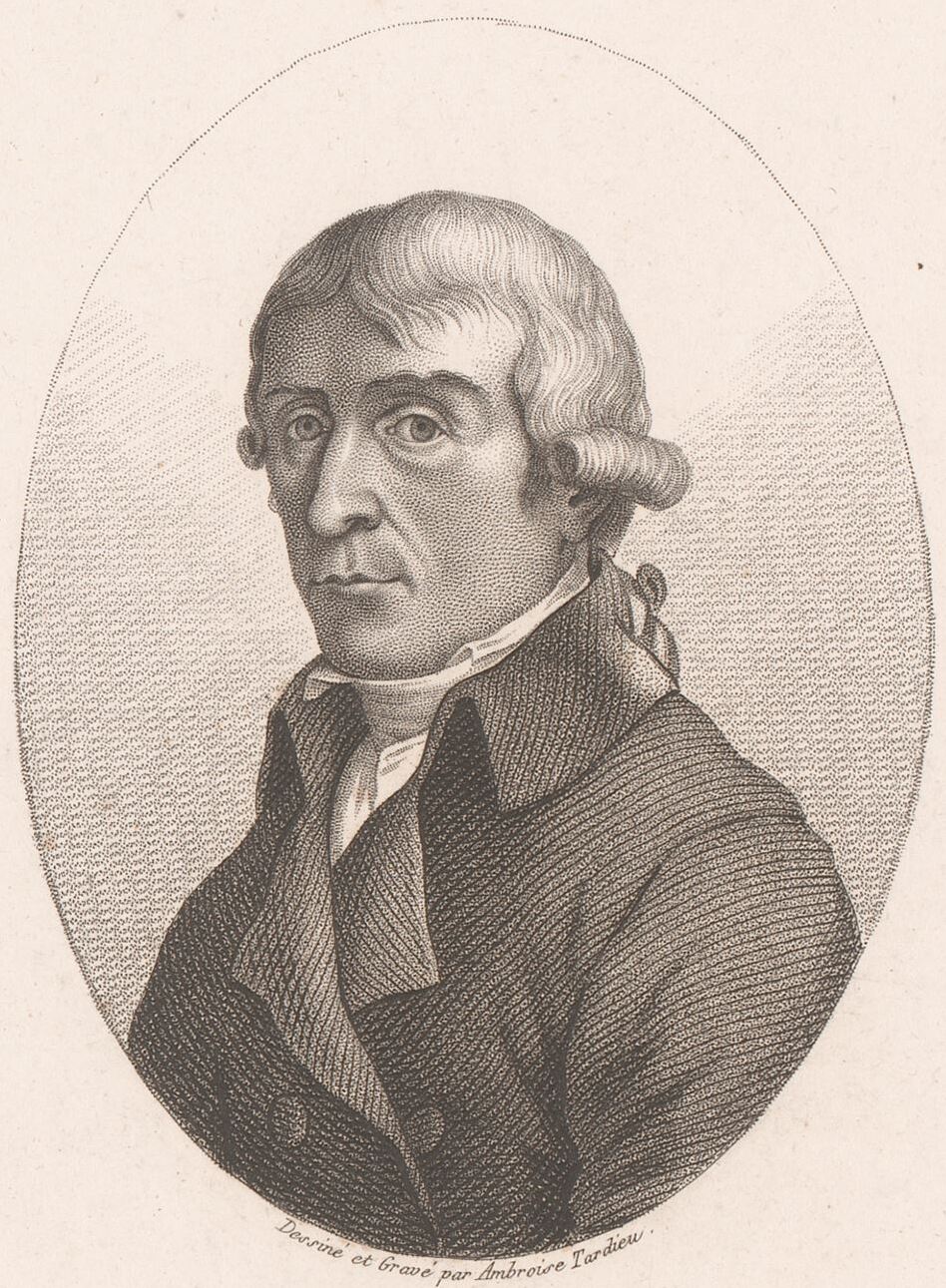
Scarpa made important researches concerning the auditory and olfactory apparatus of fishes, birds, reptiles, and man. See L. Sellers and B. Anson, [Scarpa’s] Anatomical observations on the round window, Arch. Otolaryn…
1791
#3250
Observation sur un fongus du sinus maxillaire.
First successful operation on a tumor of the maxillary sinus, 1789.
1795
#13237
Escuela española de sordo mudos, ó arte par enseñaries á escribir y hablar el idoma española. 2 vols.
Digital facsimile from the Hathi Trust at this link.
1799
#1553
De penitiori ossium structura commentarius.
1801
#3361
Farther observations on the effects which take place from the destruction of the membrana tympani of the ear; with an account of an operation for the removal of a particular species of deafness.
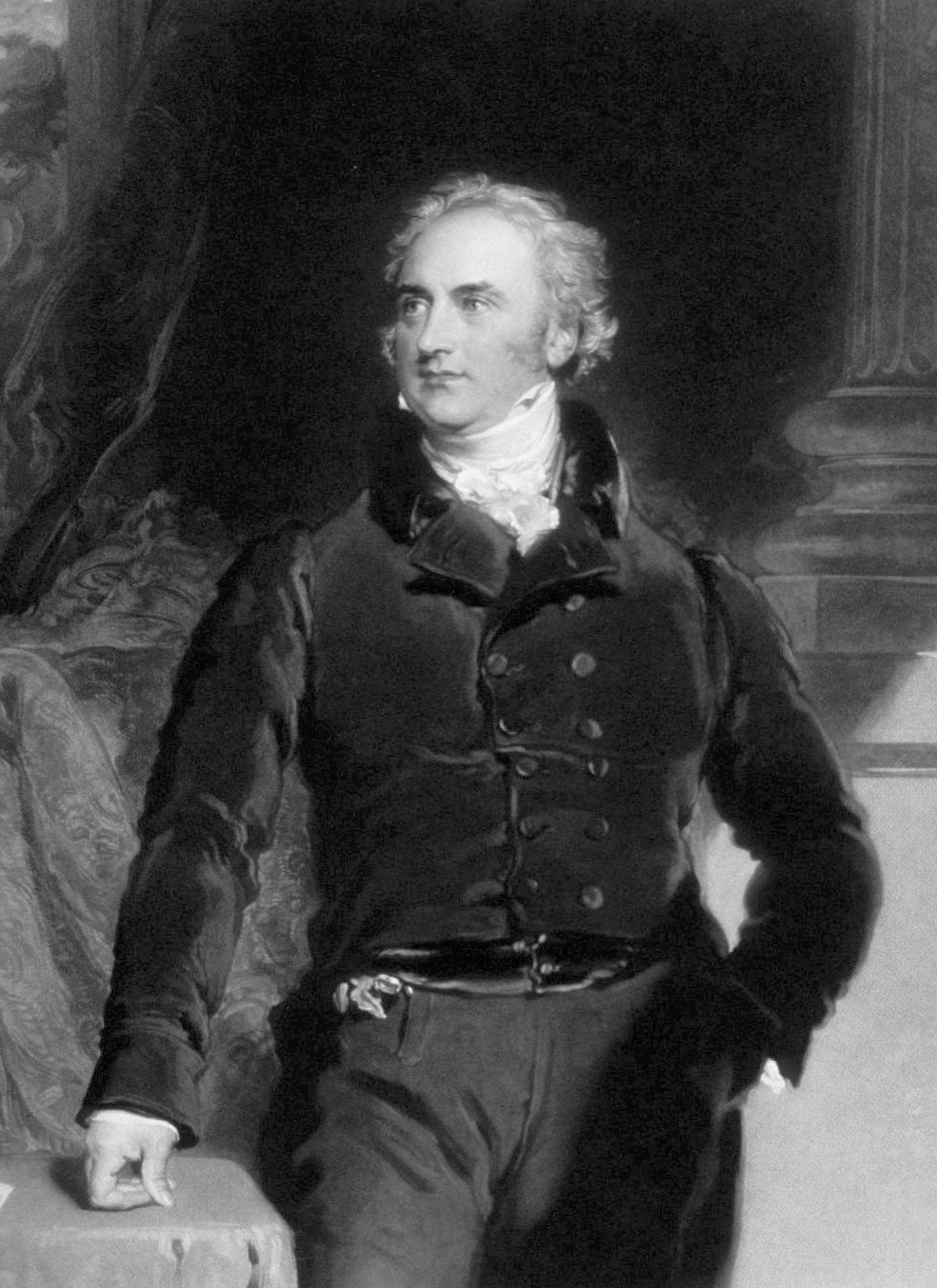
Sir Astley Cooper reported three cases of Eustachian obstruction deafness relieved by perforation of the membrana tympani (myringotomy), an operation first performed by Eli, a quack, in 1760. Cooper’s earlier paper on…
1801
#4969.1
De l’éducation d’un homme sauvage, ou des premier développemens physiques et moraux du jeune sauvage de l’Aveyron.
A pupil of Pinel, Itard pioneered in the attempt to educate a young “wild boy” who had lived since infancy entirely apart from human contact. In adapting the methods of teaching deaf-mutes to his extraordinary pupil, …
1804
#3251
Dissertation sur les maladies des fosses nasales et de leurs sinus.
First important work on diseases of the nose and nasal sinuses.
1806
#1554
Abbildungen des menschlichen Hoerorganes
1806
#3362
The anatomy of the human ear … with a treatise on the diseases of the organ.
Saunders was the first to advise paracentesis in acute middle-ear suppuration.
1809
#3252
The pathology of the membranes of the larynx and bronchia.
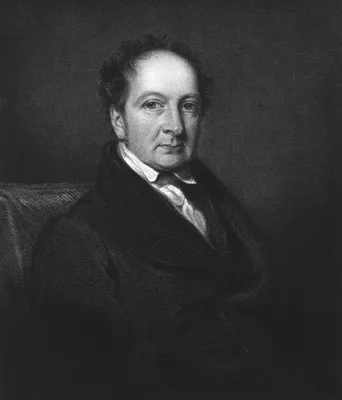
Cheyne’s important book deals mainly with the lesions of croup.
1818
#1555
Supplementa ad otojatriam. Supplementum primum de anastomosi nervorum nova in aure detecta.
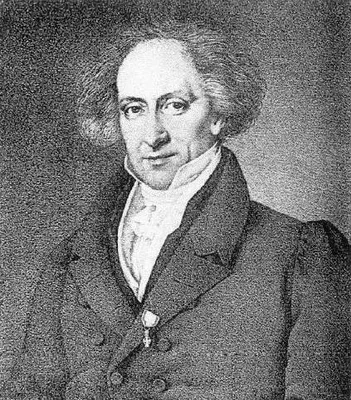
Jacobson described the tympanic canal, nerve, and plexus, all of which are named after him. In 1809 he discovered “Jacobson’s organ”, as reported two years later by G. Cuvier.
1820
#1556
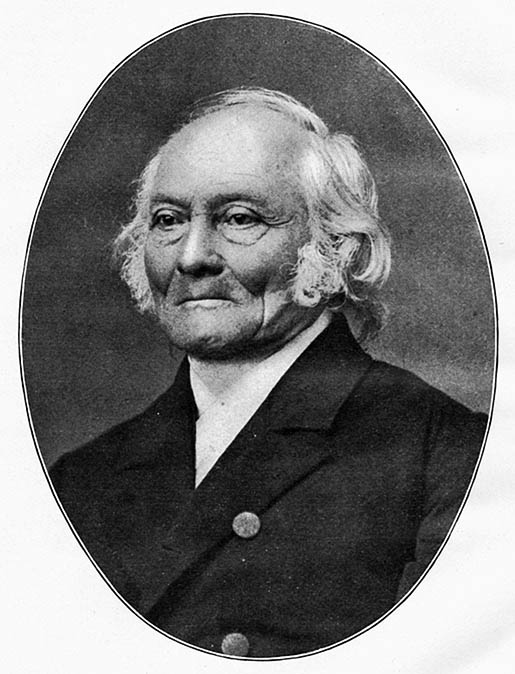
De aure et auditu hominis et animalium.
1821
#3253
Osphrésiologie, ou traité des odeurs, du sens et des organes de l’olfaction. 2me. éd.
An exhaustive work which discusses olfaction, diseases of the nose, membranous occlusion of the nostrils, deviations of the septum, rhinoplasty, coryza, vasomotor rhinitis, rhinorrhoea, etc. The first edition was enti…
1821
#3364
Traité des maladies de l’oreille et de l’audition. 2 vols.
First of the modern textbooks on diseases of the ear, this work did much to establish otology on a firm basis. Itard described startle tests for the hearing of children and malingerers, and he developed an acumeter.
1826
#3254
Observations on the surgical pathology of the larynx and trachea.
Porter was Professor of Surgery at the Royal College of Surgeons in Ireland. The above includes a description of “Porter’s sign”, tracheal tugging in aortic aneurysm.
1827
#1556.1
Experiments on audition.
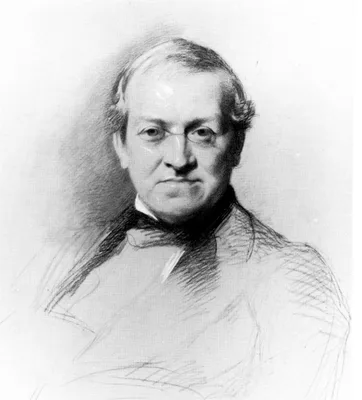
Occlusion effect on sound perception.
1827
#3365
Essai sur les maladies de l’oreille interne.
Saissy described a Eustachian bougie; he was probably the first to use this instrument. Besides dealing with the labyrinth, his book discusses diseases of the tympanum and Eustachian tube. English translation, Baltimo…
1828
#1557
Expériences sur les canaux semi-circulaires de l’oreille chez les oiseaux.
Flourens showed that lesion of the semicircular canals produces motor incoordination and loss of equilibrium. Menière based his work (No. 3372) on Flourens’s crucial experiments.
1828
#3255
Description of a forceps, employed to facilitate the extirpation of the tonsil.
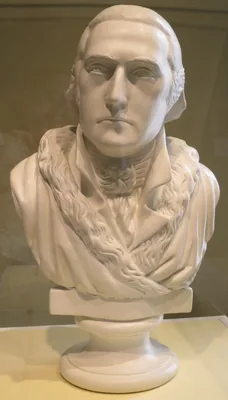
Invention of the modern tonsillotome.
1828
#7228
Sur le cathétérisme de la trompe d'Eustache, et sur les expériences de M. Itard, mémoire qui démontre l'utilité de l'air atmosphérique dans le traitement de diverse espèces de surdité.
The first publication on the use of air insufflation to cure some types of hearing loss.
1829
#3256
Die Pathologie und Therapie der Kehlkopfkrankheiten.
1829
#3327
[Description of the glottiscope.]
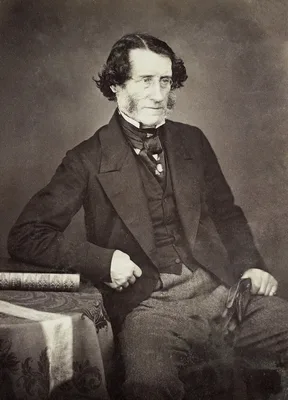
Babington was responsible for the introduction of laryngoscopy. He demonstrated a crude “glottiscope” to the Hunterian Society on March 18, 1829, but his effort attracted little attention.
1832
#1558
On the form and structure of the membrana tympani.
Description of the pars flaccida (“Shrapnell’s membrane”) of the tympanic membrane.
1833
#3366
Erfahrungen über die Erkenntniss und Heilung der langwierigen Schwerhörigkeit.
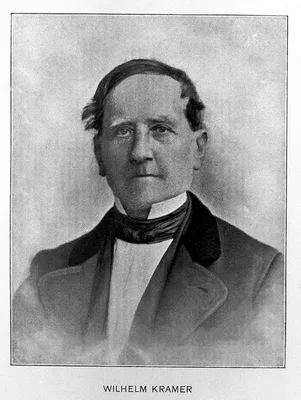
Kramer’s first and best work. English translation, 1837.
1834
#1457
De pulsu, resorptione, auditu et tactu. Annotationes anatomicae et physiologicae.
Includes Weber’s law on the relationship between stimulus and sensation. English translation of De tactu, New York Academic Press, 1978. Weber's hearing test is on p.41.
1835
#3367
Die Erkenntniss und Heilung der Ohrenkrankheiten.
Kramer was a pioneer German otologist.
1836
#3257
Ueber eine Form von Halsentzündung.
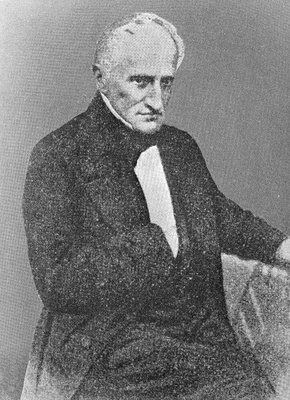
“Ludwig’s angina” first described. English translation and biographical note. Bull. Hist. Med., 1939, 7, 1115-26.
1837
#3257.1
A treatise on the diseases and injuries of the larynx and trachea.
“A clear exposition of diseases of the larynx as known before the invention of the laryngoscope”. (Scott Stevenson and Guthrie, see No. 3342).
1837
#3258
Traité pratique de la phthisie laryngée, de la laryngite chronique, et des maladies de la voix.
A laryngological classic. English translation, 1839.
1837
#3328
Practical surgery.
In his day Liston was the most dexterous and resourceful surgeon in the British Isles. He was the first in the country to remove the scapula and the first – on 21 Dec. 1846 – to perform a major operation with the aid …
1843
#3259
A nasal operation for the removal of a large tumour filling up the entire nostril and extending to the pharynx.
Removal of a fibrous growth from the nostril by division of the nasal and maxillary bones, July 8, 1841. Preliminary note in the same journal, 1842, 3, 257.
1844
#3260
Sur une opération de laryngotomie pratiquée dans un cas de polype du larynx.
First removal of a laryngeal polyp.
1846
#3261
A treatise on diseases of the air-passages.
Green was the “father of laryngology” in America, and this is the first American treatise in otorhinolaryngology. He was the first successfully to introduce medicaments into the larynx, trachea, and bronchi for local …
1846
#3368.1
Erfahrungen über die Krankheiten des Gehöres und ihre Heilung.
Schmalz demonstrated the clinical significance of Weber’s hearing test (see No. 3368). He was a student of Weber.
1849
#3368.2
Mémoire sur l’emploi de la fourchette tonique ou du diapason, pour distinguer une dureté d’ouïe nerveuse de celle que est causée par une obstruction.
Schwabach’s hearing test (see No. 3389) was earlier employed by Schmalz.
1851
#1559
Recherches sur l’organe de l’ouïe des mammifères.
Corti made important investigations on the finer anatomy of the mammalian cochlea. The “organ of Corti” in the cochlea is named after him.
1851
#1560
De auris internae formatione.
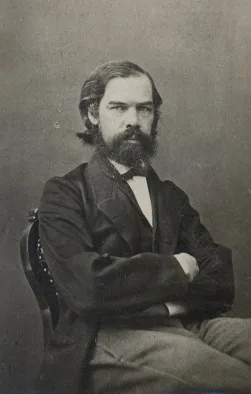
Description of the vestibular membrane (“Reissner’s membrane”).
1851
#12285
Methode für den Unterricht der Taub-Stummen in der Laut-Sprache im Rechnen und in der Religion. Verfasst von …. Gezeichnet von Ant. Jarisch.
An illustrated manual of sign language for the deaf and dumb specifically for education in mathematics and religion. The book has a particularly distinctive title page. Digital facsimile from Google Books at this link.
1852
#3262
The surgical treatment of polypi of the larynx and oedema of the glottis.
Green was one of the few to remove a laryngeal tumor before the invention of the laryngoscope.
1853
#3263
On the surgical treatment of morbid growths within the larynx, illustrated by an original case and statistical observations, elucidating their nature and forms.
Thyrotomy for removal of cancer of the larynx. The operation took place in May 1851, and the patient died in 1852.
1853
#3369
Practical observations on aural surgery and the nature and treatment of diseases of the ear.
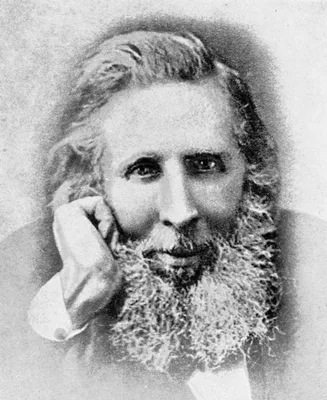
This work did more to place British otology on a scientific basis than anything previously published. In his own words, Wilde “laboured to rescue the treatment of ear diseases from empiricism and found it upon the wel…
1854
#3264
A practical treatise on foreign bodies in the air-passages.
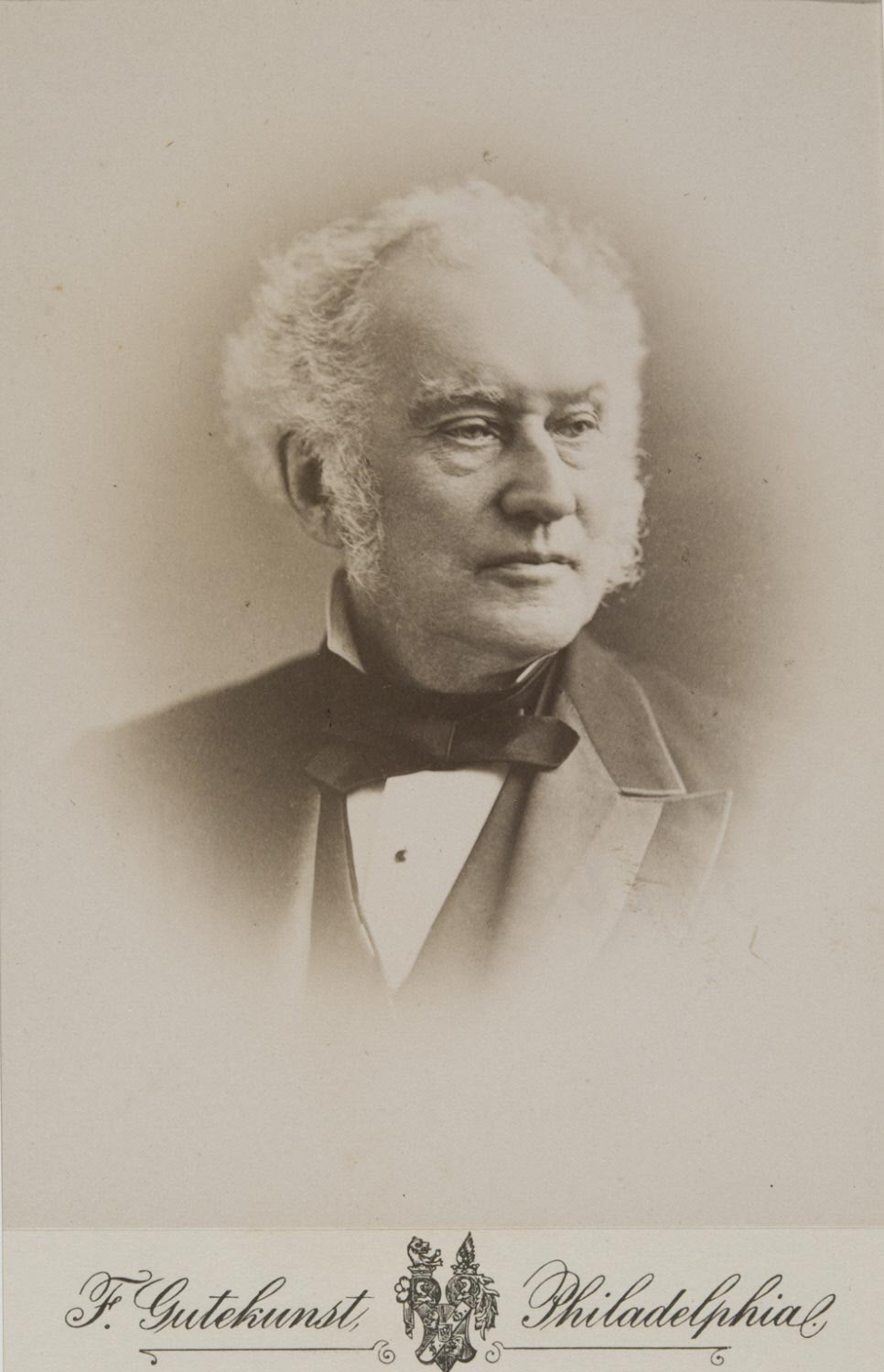
First systematic study of the subject. In this celebrated work Gross laid down principles concerning symptoms which are still fundamental, despite the advent of roentgenology.
1854 –1855
#3329
Observations on the human voice.
Garcia, a teacher of singing, invented the modern laryngoscope.
1855
#3370
Beiträge zur Physiologie des menschlichen Ohres.
Rinne’s test.
1856
#3265
Case of pharyngotomy.
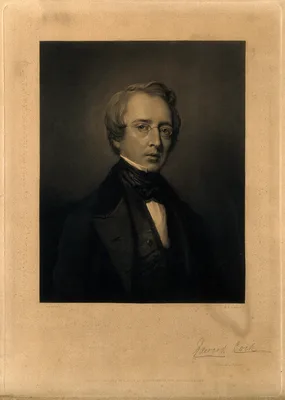
First pharyngotomy in England. Fuller report in Guy’s Hosp. Rep., 1858, 3 ser., 4, 217.
1858
#1561
Ueber die Endigungsweise des Hörnerven im Labyrinth.
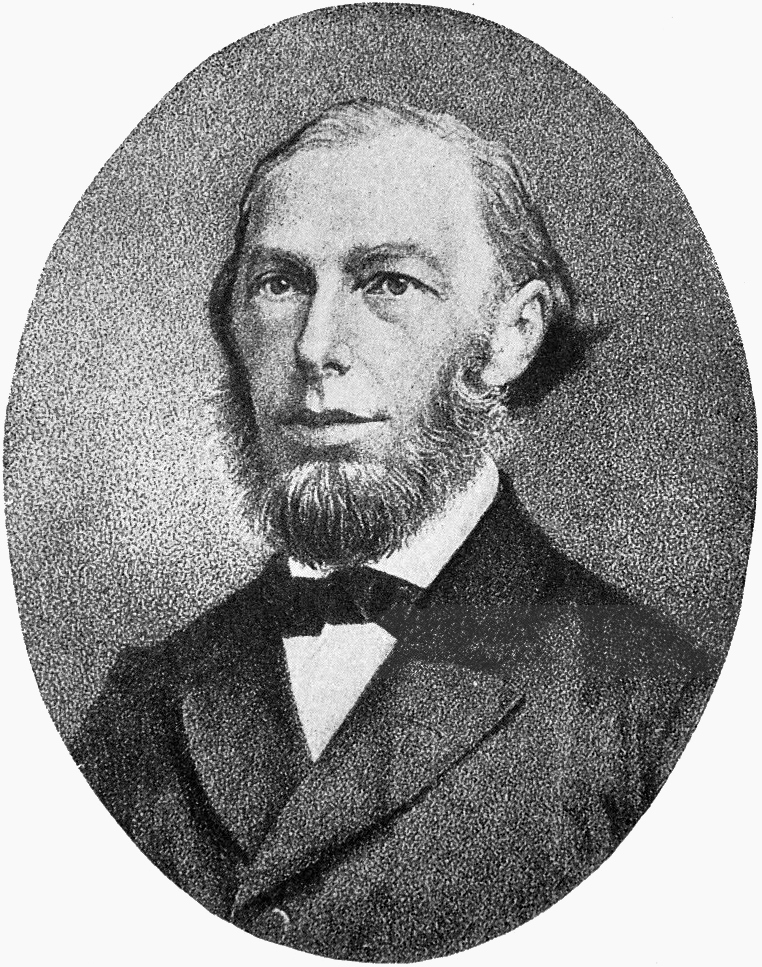
Schultze’s great monographs on the nerve-endings of the sense organs were of prime importance in the development of the science of histology. Besides that dealing with the internal ear, he wrote others dealing with th…
1858
#3330
Der Kehlkopfrachenspiegel und die Methode seines Gebrauches.
Türck, at first sceptical of Garcia’s laryngoscope, later adopted it and claimed from Czermak priority in its clinical employment; these two gentlemen fought one another bitterly for some years over this point.