
Facets
Browse across eight MeSH (opens in new tab) facets — era, geography, science, specialty, technology, history, culture, and reference. Select one tag per group; counts update across the others. What’s new in facet browse how facets relate to subjects and MeSH.
Clear filtersGeography
Specialties & Disease
- Alternative & Fringe Medicine 383
- Anatomy & Pathology 765
- Cardiology & Blood 914
- Dentistry 259
- Diabetes 80
- ENT & Hearing 293
- Epidemiology & Demography 397
- Gastroenterology & Hepatology 316
- General Clinical Medicine 487
- Immunology & Dermatology 1,008
- Infectious Disease (General) 147
- Internal, Emergency & Geriatric 123
- Microbiology & Virology 1,080
- Military Medicine 436
- Neurology & Psychiatry 1,258
- Obstetrics & Reproductive 551
- Oncology & Cancer 377
- Ophthalmology & Vision 412
- Pediatrics 247
- Physiology & Embryology 924
- Plagues & Epidemics 1,279
- Psychology 202
- Public Health 1,129
- Pulmonary & Respiratory 233
- Rheumatology, Rehab & Pain 189
- Surgery & Anesthesia 1,553
- Urology & Nephrology 309
- Veterinary Medicine 165
Social & Historical Studies
Institutions & Culture
Reference & Scholarly Works
Drugs & Technology
165 entries match Veterinary Medicine [G03.850]
1928
#5351
Hydatid disease. Its pathology, diagnosis and treatment.
Dew’s book remains the authoritative source. His many contributions to the knowledge of hydatid disease are summarized in it.
1929 –1931
#12146
Ticks, mites and venomous animals of medical and veterinary importance. Part 1: Medical. Part 2: Public health.
Part 1 by Patton and the female entomologist Alwen Evans; part 2 by Patton alone.
1931
#2524.1
The susceptibility of the chorio-allantoic membrane of chick embryos to infection with the fowl-pox virus.
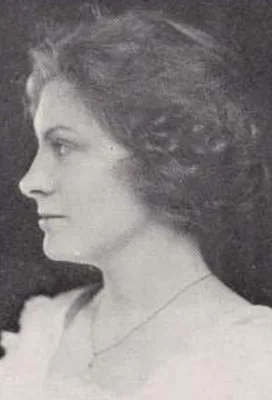
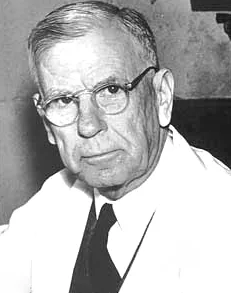
By their demonstration of the infection of the chorio-allantoic membrane with the virus of fowl pox, Woodruff and Goodpasture initiated wide-spread adoption of this host for the study of viruses.
1931
#5493
Swine influenza. III. Filtration experiments and etiology.
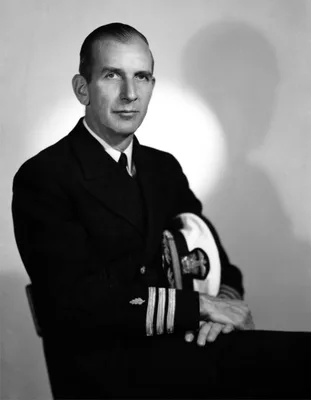
Isolation in pigs of influenzavirus A or influenza A virus. Full text available from PubMedCentral at this link.
1931
#5541
Enzootic hepatitis or Rift Valley fever. An undescribed virus disease of sheep, cattle and man from East Africa.
First description.
1933
#5335
Het voorkomen van een afwijkend Leptospira-ras in Nederland.
Leptospira canicola first isolated (1913) from the urine of a dog.
1934
#5336
De leptospiroses bij den hond, en de beteekenis der Leptospira canicola.
First reported cases of human infection with L. canicola. With A. Klarenbeek, W. A. P. Schüffner, and J. Voet.
1936 –1949
#6430
Histoire générale de la médecine, de la pharmacie, de l’art dentaire et de l’art véterinaire. 3 vols.
This splendidly produced work, beautifully illustrated, was written by experts in each branch of the subject, with Laignel-Lavastine as general editor.
1937
#12008
Cultivation of the virus of infectious bronchitis.
The authors were the first to isolate a pathogenic coronavirus in chickens. This was the first pathogenic coronavirus described. (Thanks to Juan Weiss for this reference and its interpretation.)
1938
#4659.1
Human encephalitis caused by the virus of the Eastern variety of equine encephalomyelitis.
Isolation of the virus of Eastern equine encephalitis from man. With J. H. Dingle, S. Farber, and M. L. Connerley.
1938
#4660
Recovery of the virus of equine encephalomyelitis from the brain of a child.
Western equine encephalitis virus recovered from man.
1938
#5258
Exo-erythrocytic schizogony in Plasmodium gallinaceum Brumpt, 1935.
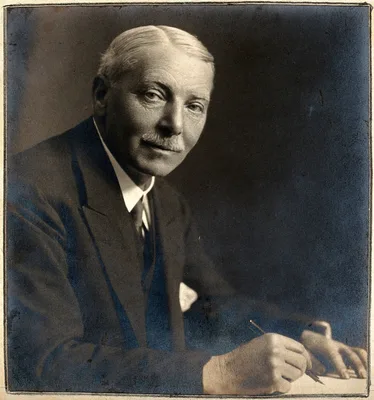
The term “exo-erythrocytic stage” introduced to describe the unpigmented schizonts found in tissue cells. The parasite Plasmodium gallincaceum described by Alexandre Joseph Emile Brumpt causes malaria in poultry.
1939
#5172.1
The use of anthrax vaccines prepared from avirulent (uncapsulatec) variants of Bacillus anthracis.
Nonencapsulated spore vaccine.
1940
#5259
Klinische und parasitologische Befunde und chemotherapeutische Ergebnisse bei der Hühnermalaria.
Discovery of the developmental forms of P. gallinaceum in the incubation period.
1940
#5259.1
The form of Plasmodium, gallinaceum present in the incubation period of the infection.
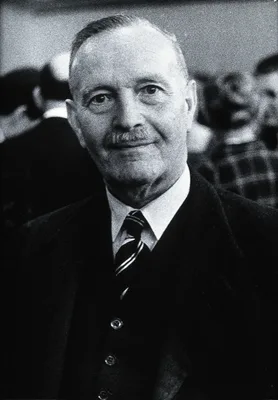
Independently of Mudrow, H. E. Shortt, K. P. Menon, and P. V. Seetharama Iyer found pre-erythrocytic forms of P. gallinaceum in the tissues.
1944
#5259.2
The development of Plasmodium gallinaceum from sporozoite to erythrocytic trophozoite.
First detailed account of the full cycle of development of the avian malaria parasite P. gallinaceum.
1948
#5262
The pre-erythrocytic stage of mammalian malaria.
Demonstration of the pre-erythrocytic stage of P. cynomolgi in the monkey. With P. C. C. Garnham and B. Malamos. Preliminary communication in Nature (Lond.), 1948, 161, 126.
1955 –1970
#6581.2
Bibliographia medica Croatica. Hrvatska medicinska bibliografija. 2 vols.
Croatian medical, pharmaceutical and veterinary bibliography; Dio 1, Sr. I, 1470-1875; Sr. II, 1875-1918.
1955
#10153
Histoire illustrée de la médecine vétérinaire. 2 vols.
1959
#10840
Scrapie and Kuru.
In 1959 Hadlow, a veterinarian, visited a medical exposition in England where Carlton Gajdusek posted pathological slides of autopsied Kuru brains and a clinical description of the illness. He realized that Gajdusek's…
1961
#9223
Medical Department of the United States Army in World War II. United States Army Veterinary Service in World War II.
"The Army Veterinary Service has three major missions: (1) Inspection of food used by the military including its processing and the sanitary inspections of the establishments producing it; (2) provision of a comprehen…
1962
#10947
From farriery to veterinary medicine, 1785-1795.
A history of the founding and earliest years of the Royal College of Veterinary Surgeons in England.
1964
#10363
Veterinary medicine and human health.
Foundational work on veterinary epidemiology. At the University of California, Davis in 1966 Schwabe founded the first epidemiology department and graduate program in a school of veterinary medicine. Unusually extensi…
1966
#8072
Médecine humaine et vétérinaire à la fin du Moyen Âge.
1968
#12038
Correspondence of Pasteur & Thuillier concerning anthrax and swine fever vaccinations. Translated and edited by Robert M. Frank and Denise Wrotnowska. Preface by Louis Pasteur Vallery-Radot.
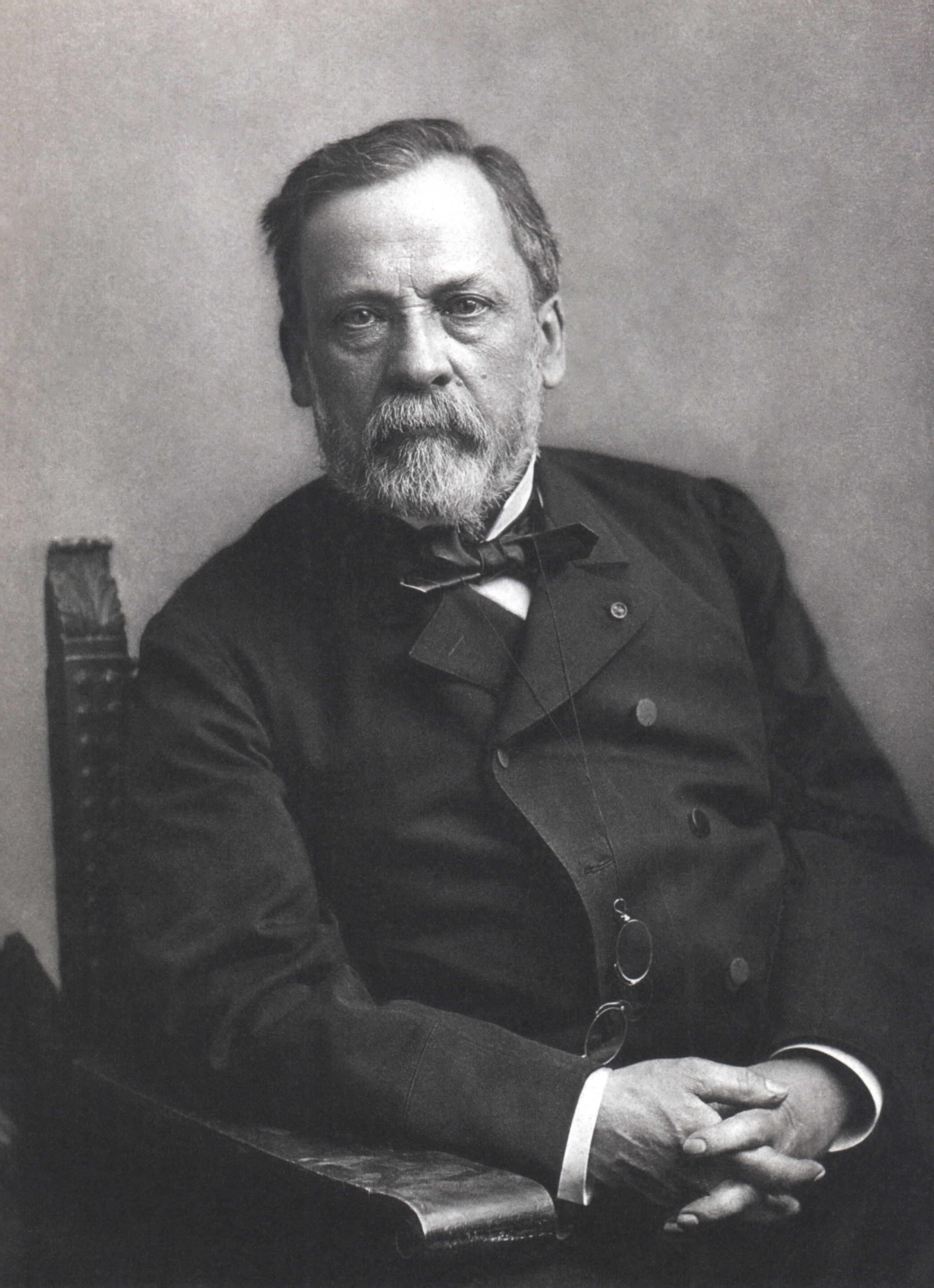
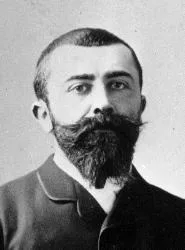
Edition and translation of about 60 letters mostly between Pasteur and his protegé Louis Thuillier in the Reynolds Historical Library at the University of Alabama. During the period involved in this correspondence "Th…
1970
#2660.26
Field trials with an attentuated cell associated vaccine for Marek's disease.
In 1959 Biggs moved to the Houghton Poultry Research Station (HPRS) to form and head a unit to study lymphoid tumor conditions of the domestic fowl. He gave the name Marek’s disease to one of the tumor conditions, aft…
1973
#10159
Bibliografia hispanica de veterinaria y equitacion anterior a 1901. Ordenada, comentada en algunos epigrafes y dividida en tres partes. I: Repertorio cronologico: Tratados. II: Repertorio cronologico: Textos legales. III: Indices.
1975
#6610.11
The anatomical works of George Stubbs.
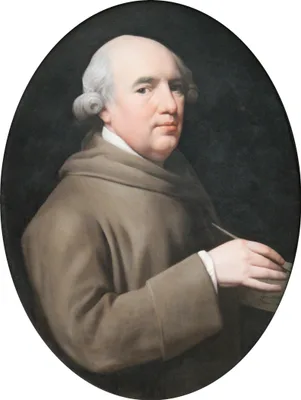
Reproduces all of the known anatomical drawings of the painter, George Stubbs (1724-1806), together with his midwifery illustrations and the text and plates for his work on anatomy of the horse. (No. 308.1).
1980
#8426
Pelagonii Ars veterinaria. Edited by K. D. Fischer.
1981
#10690
Books on the horse and horsemanship: Riding, hunting, breeding & racing 1400-1941. The Paul Mellon Collection. Compiled by John B. Podeschi.
Includes annotated descriptions of numerous classics on veterinary medicine for horses.
1982
#10140
Novel proteinaceous infectious particles cause Scrapie.

In 1997 Prusiner was awarded the Nobel Prize in Physiology or Medicine "for his discovery of Prions - a new biological principle of infection." In his 1982 paper Prusiner proposed a completely novel explanation for th…
1982
#10842
Identification of a protein that purifies with the Scrapie prion.
Research with the biochemist Bolton enabled Prusiner to discover and characterize the specific protein causing prion disease. This paper was dated December 24, 1982. Nearly simultaneously, Prusiner and the same co-aut…
1983
#12632
Ivermectin: A potent new antiparasitic agent.

Abstract "Ivermectin is the 22,23-dihydro derivative of avermectin B1, a macrocyclic lactone produced by an actinomycete, Streptomyces avermitilis. It is active at extremely low dosage against a wide variety of nemato…
1984
#7428
DNA sequences from the quagga, an extinct member of the horse family.
Probably the first study of DNA isolated from ancient specimens, or ancient DNA (aDNA). By Higuchi, Barbara Bowman, and Mary Freiberger from the Department of Biochemistry, University of California, Berkeley and Ryder…
1985
#10965
Serologic identification and characterization of a macaque T-lymphotropic retrovirus closely related to HTLV-III.
Order of authorship in the original paper: Kanki, McLane... Essex. This paper was followed in the issue of Science by: Daniel, M., Letvi, N. L., King, N.W., "Isolation of T-cell tropic HTLV-3 - like retrovirus from ma…
1986
#4158.3
Introduction to the history of medical and veterinary mycology.
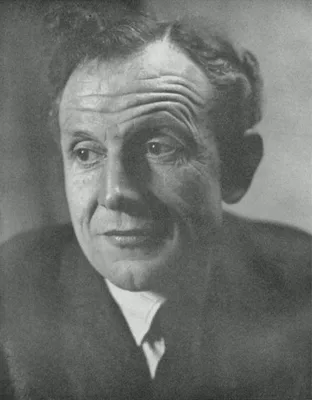
Authoritative and well-illustrated history with excellent chronological bibliography.
1989
#8429
Geschichte der Tiermedizin. 5000 Jahre Tierheilkunde.
1991
#8627
Science and empire: East Coast Fever in Rhodesia and the Transvaal.
East Coast fever (theileriosis) is an animal disease in Africa caused by the protozoan parasite Theileria parva.
1995
#12760
Pelagonius and Latin veterinary terminology in the Roman Empire.
1996
#9800
Veterinary medicine: An illustrated history.
1996
#10844
A new variant of Creutzfeldt-Jakob disease in the UK.
During the 1990s England was plagued with cases of Bovine Spongiform Encephalopathy (BSE) seen in cows, popularly known as "Mad Cow Disease." Then physicians in England started noticing an uptick in cases of what look…
1996
#11063
Internationaler biographischer Index der Medizin : Arzte, Naturheilkundler, Veterinarmediziner und Apotheker. 3 vols.
1997
#13054
Five centuries of veterinary medicine: A short-title catalog of the Washington State University Veterinary History Collection.
Checklist of over 1800 books, journals, manuscripts, illustrations, and other rare documents.
2003
#9898
Experimenting with humans and animals: From Galen to animal rights.
2003
#10154
Histoire de la Médecine et des Sciences Vétérinaires.
http://www.histoire-medecine-veterinaire.fr/ http://www.histoire-medecine-veterinaire.fr/en/
2003
#11755
Cattle plague: A history.
"Cattle Plague: A History is the most comprehensive general study of the history of cattle plague or rinderpest yet attempted, of which there has not been a book in English since 1866. With its stranglehold on the eco…
2004
#7648
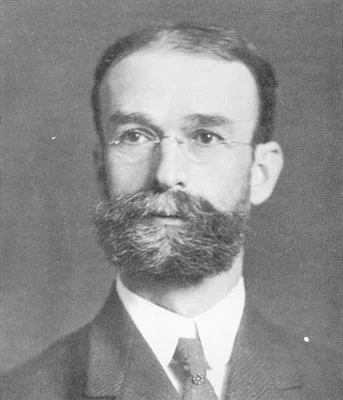
Suppressing the diseases of animals and man: Theobald Smith, microbiologist
2004
#9652
Anthrax: A history.
2004
#10141
Veterinary medicine: A guide to historical sources.
Includes archival materials.
2005
#9801