
Facets
Browse across eight MeSH (opens in new tab) facets — era, geography, science, specialty, technology, history, culture, and reference. Select one tag per group; counts update across the others. What’s new in facet browse how facets relate to subjects and MeSH.
Clear filtersFacet filters
Geography
Specialties & Disease
- Alternative & Fringe Medicine 383
- Anatomy & Pathology 765
- Cardiology & Blood 914
- Dentistry 259
- Diabetes 80
- ENT & Hearing 293
- Epidemiology & Demography 397
- Gastroenterology & Hepatology 316
- General Clinical Medicine 487
- Immunology & Dermatology 1,008
- Infectious Disease (General) 147
- Internal, Emergency & Geriatric 123
- Microbiology & Virology 1,080
- Military Medicine 436
- Neurology & Psychiatry 1,258
- Obstetrics & Reproductive 551
- Oncology & Cancer 377
- Ophthalmology & Vision 412
- Pediatrics 247
- Physiology & Embryology 924
- Plagues & Epidemics 1,279
- Psychology 202
- Public Health 1,129
- Pulmonary & Respiratory 233
- Rheumatology, Rehab & Pain 189
- Surgery & Anesthesia 1,553
- Urology & Nephrology 309
- Veterinary Medicine 165
Social & Historical Studies
Institutions & Culture
Reference & Scholarly Works
914 entries match Cardiology & Blood [C14 / C15]
1885
#1881
A text-book of pharmacology, therapeutics and materia medica.
Brunton was physician to St. Bartholomew’s Hospital and an eminent pharmacologist. He is notable for his introduction of amyl nitrite in the treatment of angina pectoris and for a vast amount of other work concerning …
1885
#2790
The Gulstonian Lectures, on malignant endocarditis.
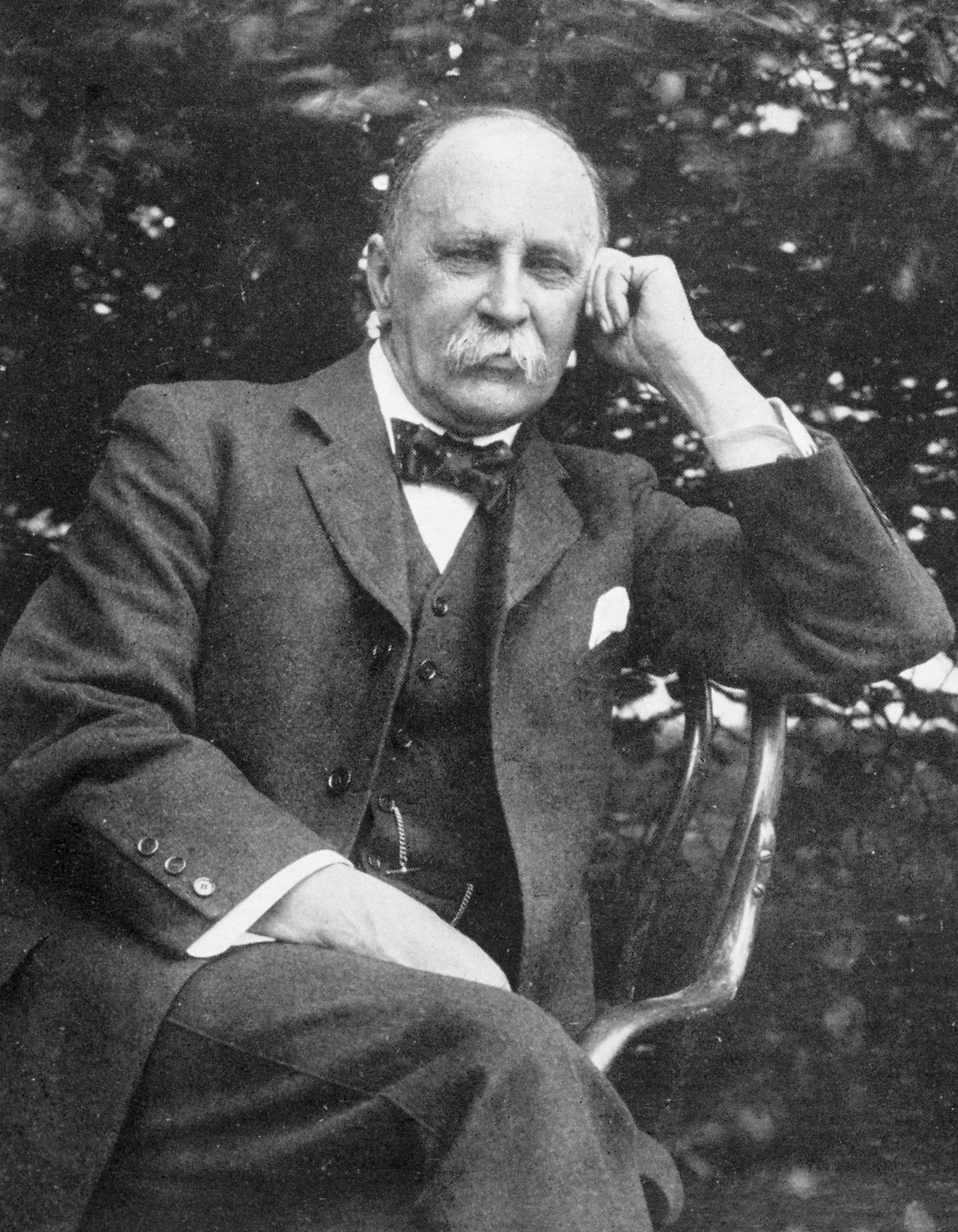
First comprehensive description of subacute bacterial endocarditis.
1886
#3067.1
A case of haemophilia: pedigree through five generations.
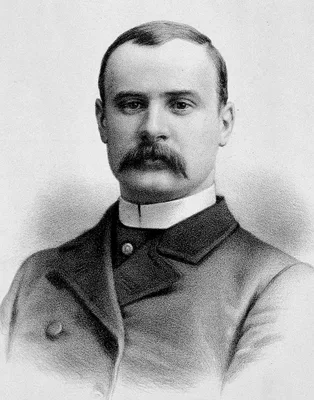
True hemophilia in a female. The family was the subject of several later investigations, the last being reported in Lancet, 1973, 2,734.
1886
#13108
Researches on Myohaematin and the Histohaematins.
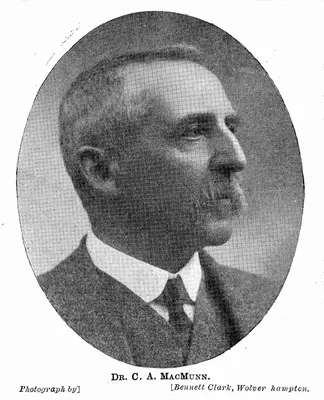
First description of the respiratory pigment in blood, known today as Cytochrome1. Digital facsimile from the Royal Society at this link.
1886
#13281
On certain problems in the physiology of the blood corpuscles. I. The blood-plaque or third corpuscle; II. Degeneration and regeneration of the corpuscles; III. The relation of the corpuscles to coagulation and thrombosis. The Cartwright Lectures, delivered before the Association of the Alumni of the College Physicians and Surgeons, New York, March 23d, 27th, and 30th, 1886.
"These important lectures, based on original research, begun in 1882 on the blood - plates of Bizzozero (haematoblasts of Hayem), established Osler's reputation as an original investigator. The aggregation of blood pl…
1887
#833
A demonstration on man of electromotive changes accompanying the heart’s beat.
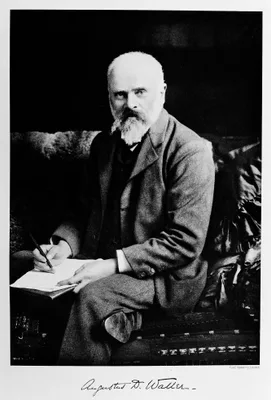
Waller was first to use electrodes and leads in demonstrating the action currents of the heart, avoiding the necessity of opening the chest of laboratory animals and preparing the way for present-day clinical electroc…
1887
#2791
Fibrillar contraction of the heart.
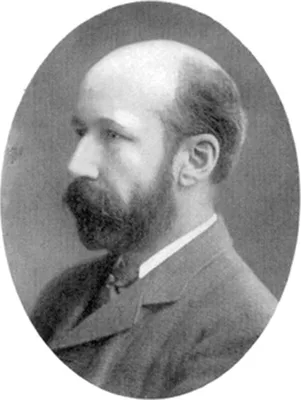
MacWilliam discovered that fibrillar contraction of the heart is due to “a rapid succession of incoordinated peristaltic contractions.” He clearly described auricular and ventricular fibrillation, and showed that vent…
1887
#3068
Ueber Purpura fulminans.
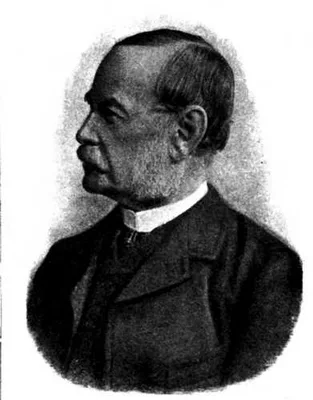
First description.
1887
#2908
L’artério-sclérose subaiguë dans ses rapports avec les spasmes vasculaires et son traitement par la trinitrine (nitroglycérine).
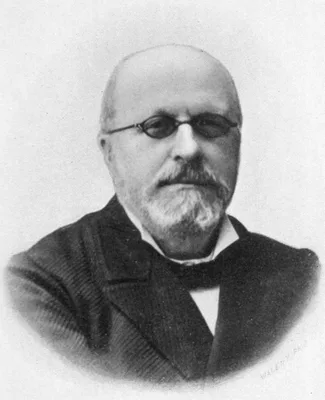
“Huchard’s disease” – continued hypertension causing arteriosclerosis. Huchard did much to develop the knowledge concerning arteriosclerosis and summarized his work in a classic monograph published in 1909.
1887
#2984
Pathogenese (Histogenese und Aetiologie) der Aneurysmen einschliesslich des Aneurysma equi verminosum.
1888
#2792
Contribution à l’anatomie pathologique de la maladie bleu (cyanose cardiaque).
The “tetralogy of Fallot.” He gave an important, but not the first, account of this condition (see Nos. 2726.1 & 2761). Abstract translation in Willius & Keys, Cardiac classics, 1941, pp. 689-90.
1888
#2793
Remarks on failure of the heart from overstrain.
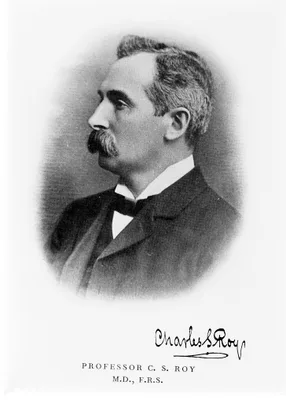
Important experimental work on cardiac overstrain was carried out by Roy and Adami who considered that mechanical overstrain caused chronic thickening of the cardiac valves.
1888 –1889
#2794
The murmur of high-pressure in the pulmonary artery.
First description of the pulmonary diastolic murmur – the “Graham Steell murmur.” Reproduced in Willius & Keys, Cardiac Classics, 1941, pp. 680-85.
1888
#2542
Experimente über die bacterienfeindlichen Einflüsse des thierischen Körpers.
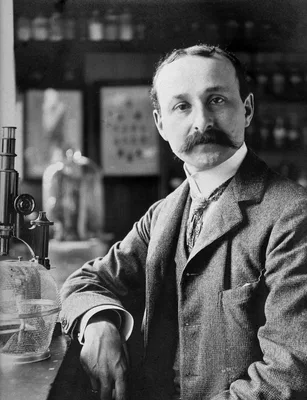
Working with the defibrinated blood of certain animals, Nuttall was the first to describe the bactericidal action of blood. Abridged English translation in Bibel, Milestones in immunology (1988).
1888
#3129
Ueber einen Fall von Anämie mit Bemerkungen über regenerative Veränderungen des Knochenmarks.
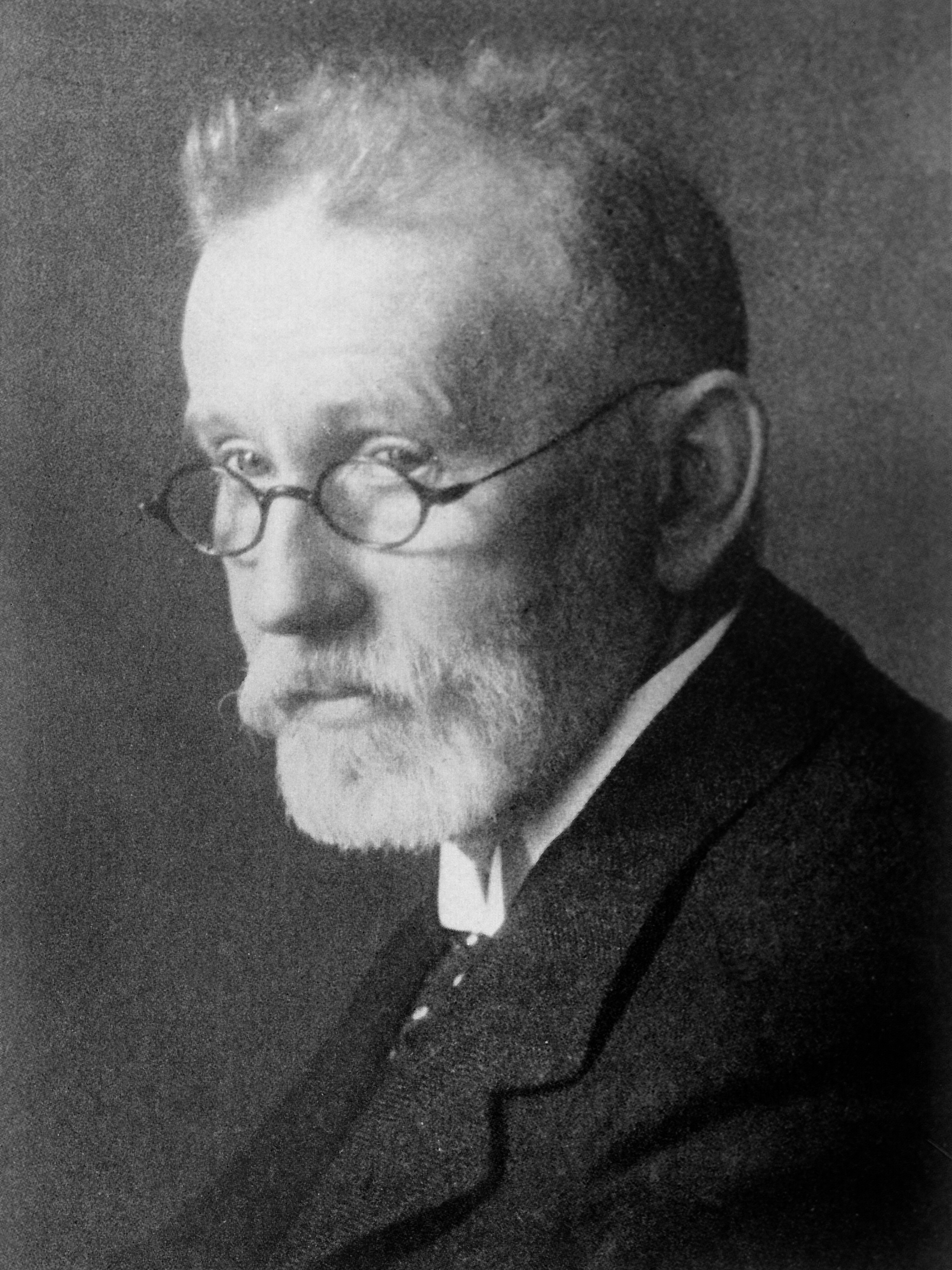
Ehrlich was first to distinguish the aplastic type of anemia.
1888
#2985
Traumatic aneurism of the left brachial artery. Failure of direct and indirect pressure; ligation of the artery immediately above tumor; return of pulsation on the tenth day; ligation immediately below tumor; failure to arrest pulsation; incision and partial excision of sac; recovery.
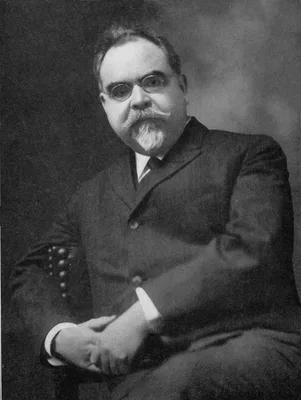
First aneurysmorrhaphy, April 6, 1888. See also Trans. Amer. surg.Ass.,1902, 20,396-434.
1889
#2795
De la tachycardie essentielle paroxystique.
Bouveret introduced the term “Paroxysmal tachycardia”. Partial English translation in No. 2241.
1889
#2796
Maladies du coeur et des vaisseaux.
In his important monograph on disorders of the cardiovascular system, Huchard was apparently the first to use the designation “Stokes–Adams disease”.
1889
#2797
Cardiac failure and sudden death from ventricular fibrillation.
First description of a case of death from ventricular fibrillation.
1889
#2798
Du sphygmomanomètre et de la mésure de la pression artérielle chez l’homme à l’état normale et pathologique.
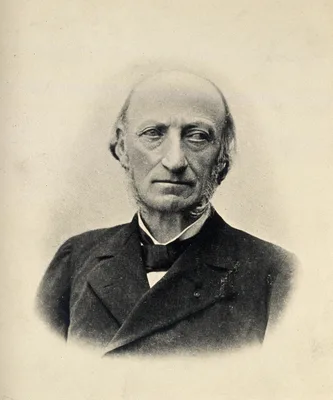
Potain devised a simple portable air sphygmomanometer for blood-pressure estimation.
1889
#2543
Ueber die bakterientödtende Wirkung des zellenfreien Blutserums.
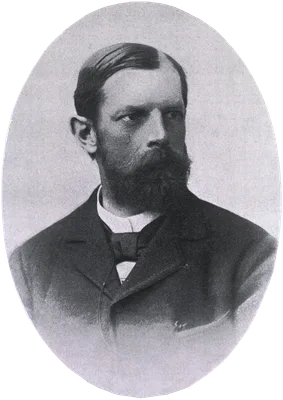
Following Nuttall’s work, Buchner discovered a substance in blood serum that was capable of destroying bacteria. He called the substance "alexin". He demonstrated that the bactericidal power of defibrinated blood was …
1889
#3130
Du sang et de ses altérations anatomiques
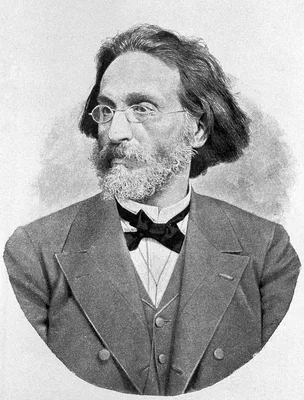
Includes (pp. 614-751) an important account of chlorosis; Hayem, by his accurate observation, placed knowledge of the disease on a firm basis.
1889
#3131
Ueber Leukaemia und Leukocytose im Kindesalter.
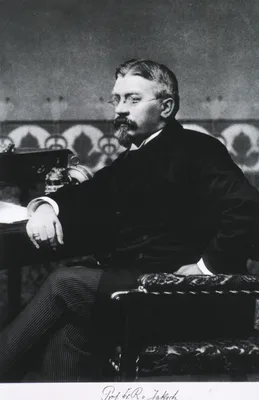
From this classic description of infantile pseudoleukemic anemia, the condition became known as “von Jaksch’s disease”.
1889
#3916
Ueber Haemochromatose.
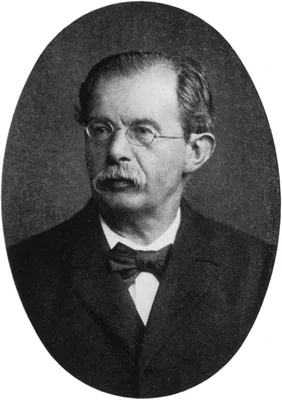
Recklinghausen gave to hemochromatosis its present name.
1889
#7996
Electrical stimulation of the heart in man.
MacWilliams described experiments in which application of an electrical impulse to the human heart in asystole caused a ventricular contraction, and that a heart rhythm of 60–70 beats per minute could be evoked by imp…
1890
#884
Nouvelle théorie chimique de la coagulation du sang.
First demonstration of the essential role of calcium in the mechanism of blood coagulation.
1890 –1891
#885
Der Hämatokrit, ein neuer Apparat zur Untersuchung des Blutes.
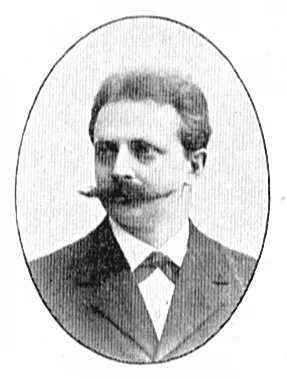
Hedin’s hematocrit. He first briefly described it in Upsala läkPören. Förh., 1889, 24, 440.
1890 –1891
#886
The life history of the formed elements of the blood, especially the red blood corpuscles.
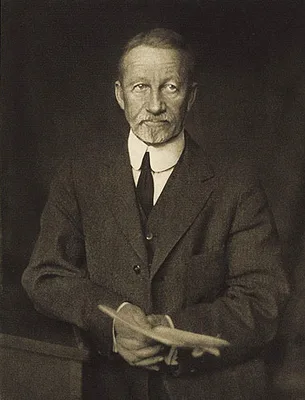
Includes description of “Howell’s bodies” seen in mature erythrocytes and called also “Howell–Jolly bodies” after the later description by J. M. J. Jolly.
1890
#3069
Die Gelenkerkrankungen bei Blutern mit Berücksichtigung der Diagnose.
König gave a detailed description of joint involvement in hemophilia.
1890
#3131.1
Ueber die Fehler der Blutkörperchenbildung bei der perniciösen Anämie.
Rindfleisch made the first clear statement of the bone marrow changes in pernicious anemia.
1891
#3069.1
Farbenanalytische Untersuchungen zur Histologie und Klinik des Blutes.
Extension of Ehrlich’s work on the differential blood count. By means of his methods of staining blood cells Ehrlich differentiated two types of leukemia, lymphatic and myelogenous.
1891
#717
The behaviour of saccharine matter in the blood.
Destruction of sugar in the blood.
1891
#2908.1
Ein Beitrag zur Lehre von der Gefässnaht.
Jassinowsky experimented with arterial sutures on animals. His thesis, Die Arteriennaht: Eine experimentell-chirurgische Studie, Dorpat, 1889, was an experimental-surgical study of the subject.
1892
#888
Zur Blutlehre.
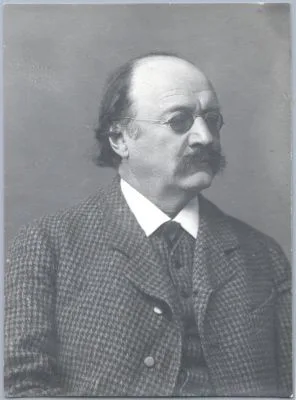
Schmidt established several new facts regarding blood coagulation.
1892
#3070
Sur une forme spéciale de cyanose s’accompagnant d’hyperglobulie excessive et persistante.
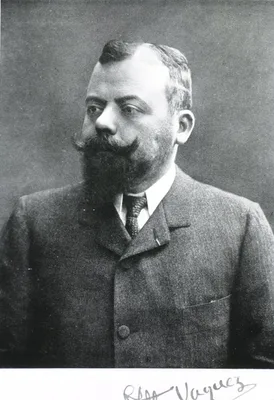
Vaquez first described polycythemia vera (erythremia). Osler’s paper on the subject (No. 3073) made it generally known in the English-speaking world, and the condition has since been named “Vaquez–Osler disease”. For …
1893
#786
On the results of ligation of the coronary arteries.
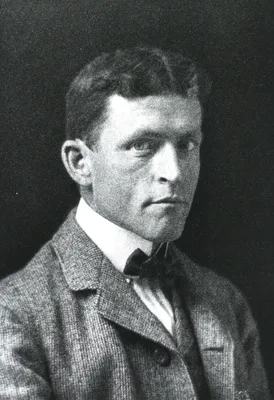
“Following coronary ligation Porter noted that the procedure frequently resulted in fibrillary contractions of the heart and sudden death. However, death did not always occur and this led him to conclude that Cohnheim…
1893 –1897
#2799
Die Krankheiten des Herzens und ihre Behandlung.
1894 –1896
#2232
A collection of the published writings. 2 vols.
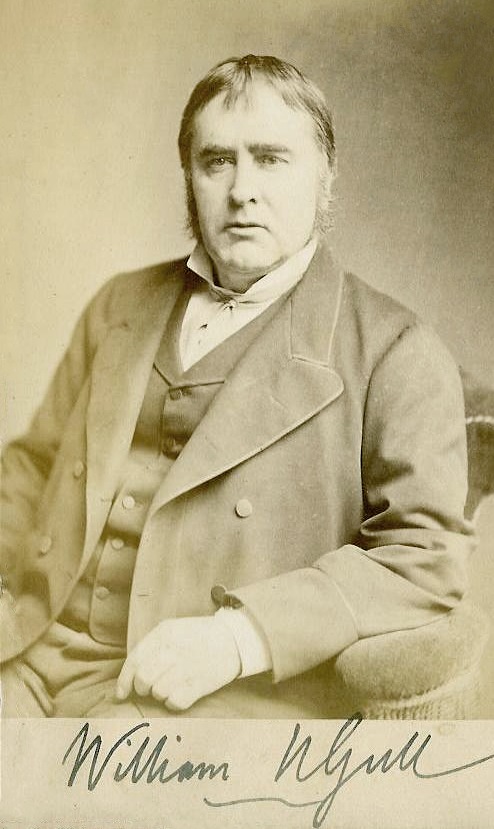
Gull, one of the best clinicians of his time, spent most of his working life at Guy’s Hospital. He described the spinal lesion of tabes and left an important account of aneurysm. His best works are his description of …
1894
#3774
La splenomegalia con cirrosi del fegato
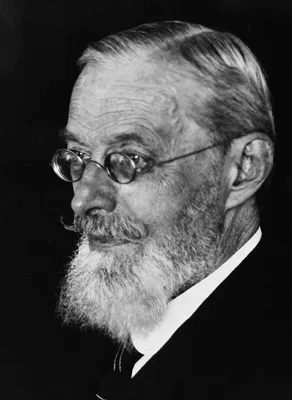
“Banti’s syndrome”, Splenomegalic anemia. Reprinted with translation in Med. Classics, 1937, 1, 901-27. (For his earlier work on the subject, see No. 3126.)
1895
#2800
An unpublished physical sign.
“Broadbent’s sign” – recession of the intercostal spaces as a sign of adherent pericardium.
1895
#2801
Sphygmomanomètre pour mésurer la pression du sang chez l’homme.
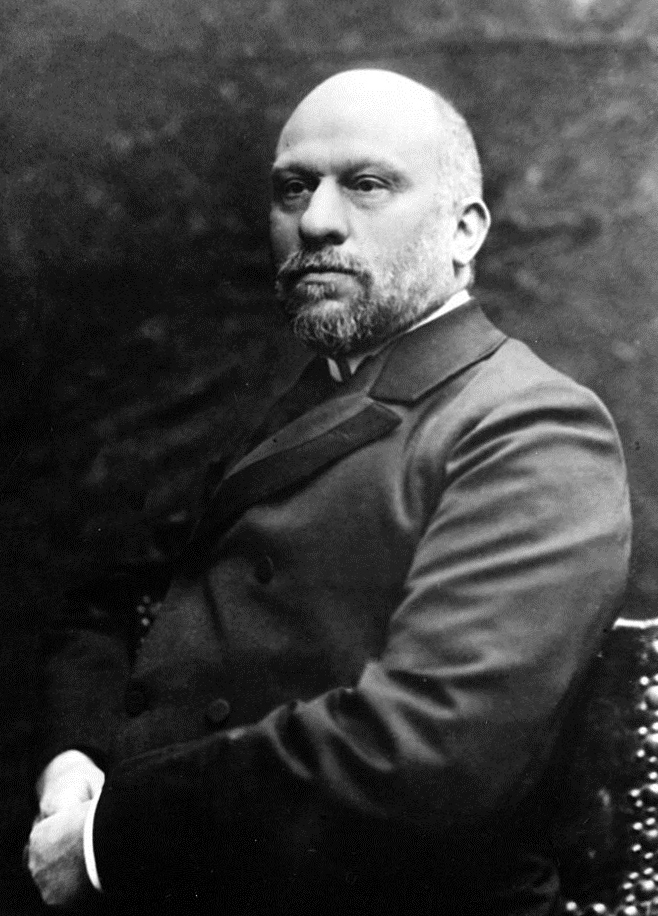
A sphygmomanometer for registering the blood-pressure in the finger was invented by Mosso.
1895
#3132
Ueber die Eisentherapie.
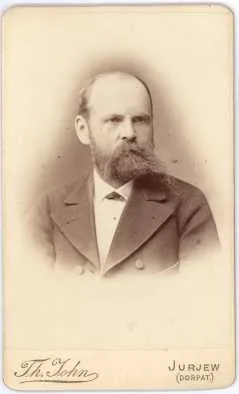
Bunge was father to the concept of iron-deficiency anemia.
1895
#2893
Klinisches über Diuretin.
In 1895 Askanazy proposed diuretin as a remedy for anginal pain.
1895
#2985.1
Ueber Aortenerkrankung bei Syphilitischen und deren Beziehung zur Aneurysmenbildung.
Döhle clearly defined a specific syphilitic lesion of the aorta as a prerequisite of aortic aneurysm.
1896
#647
On the absorption of fluids from the connective tissue spaces.
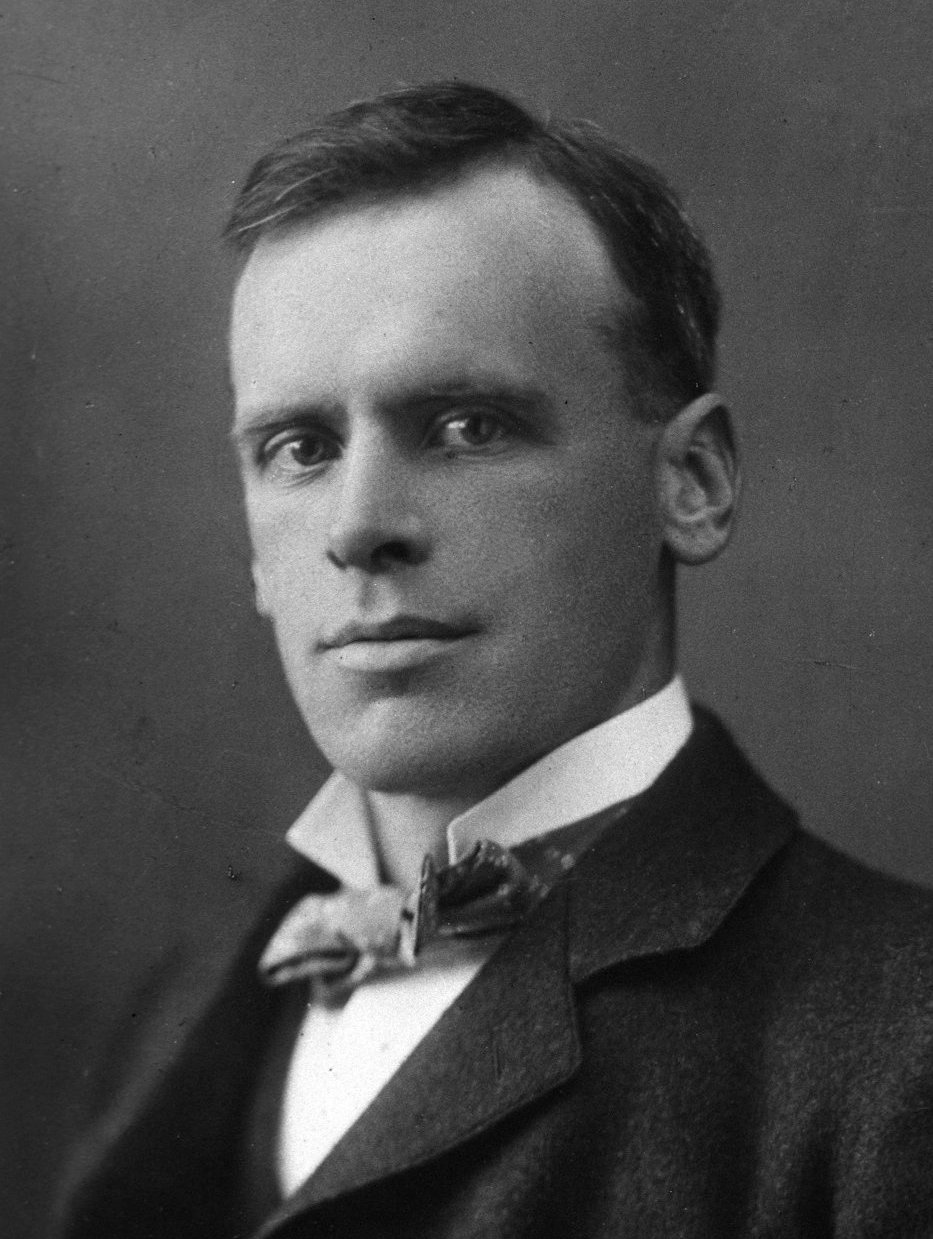
Starling discovered the functional significance of the serum proteins.
1896
#2802
Practical aids in the diagnosis of pericardial effusion, in connection with the question as to surgical treatment.
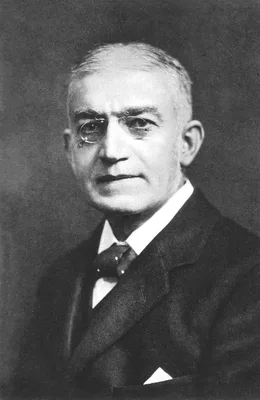
Pulmonary collapse at the left base in pericardial effusion – “Ewart’s sign”.
1896
#2803
Ueber chronische unter dem Bilde der Leberzirrhose verlaufende Perikarditis (perikarditische Pseudoleberzirrhose) nebst Bemerkungen über die Zuckergussleber.
“Pick’s disease” – pericardial pseudocirrhosis of the liver.
1896
#2804
Un nuovo sfigmomanometro.
Riva-Rocci’s sphygmomanometer marked the end of the search for a simple clinical method of estimating the blood-pressure. Abridged English translation in Ruskin (No. 3160.1).
1896
#2804.1
A method for more fully determining the outline of the heart by means of the fluoroscope together with other uses of this instrument in medicine.
Estimation of heart size by fluoroscope, first application of x rays to cardiology.
1896
#2686.1
A method for more fully determining the outline of the heart by means of the fluorescope together with other uses of this instrument in medicine.
Estimation of heart size by fluoroscope, first application of x rays to cardiology.