
Facets
Browse across eight MeSH (opens in new tab) facets — era, geography, science, specialty, technology, history, culture, and reference. Select one tag per group; counts update across the others. What’s new in facet browse how facets relate to subjects and MeSH.
Clear filtersGeography
Specialties & Disease
- Alternative & Fringe Medicine 5
- Anatomy & Pathology 37
- Cardiology & Blood 5
- Dentistry 3
- Diabetes 0
- ENT & Hearing 1
- Epidemiology & Demography 17
- Gastroenterology & Hepatology 1
- General Clinical Medicine 12
- Immunology & Dermatology 14
- Infectious Disease (General) 4
- Internal, Emergency & Geriatric 0
- Microbiology & Virology 48
- Military Medicine 22
- Neurology & Psychiatry 5
- Obstetrics & Reproductive 0
- Oncology & Cancer 1
- Ophthalmology & Vision 0
- Pediatrics 1
- Physiology & Embryology 10
- Plagues & Epidemics 17
- Psychology 5
- Public Health 64
- Pulmonary & Respiratory 2
- Rheumatology, Rehab & Pain 2
- Surgery & Anesthesia 2
- Urology & Nephrology 2
- Veterinary Medicine 2
Social & Historical Studies
Institutions & Culture
Reference & Scholarly Works
768 entries match Natural History & Evolution [K01.900.500]
1866
#223
Generelle Morphologie der Organismen. 2 vols.
Haeckel accepted the general principles of Darwinism, disagreeing on some points. He was the first to promote Darwin’s theories in Germany. This work contains the first statement of his theory that “ontogeny recapitul…
1866
#12347
Die Meningitis cerebro-spinalis epidemica vom historisch-geographischen und pathologisch-therapeutischen Standpunkte.
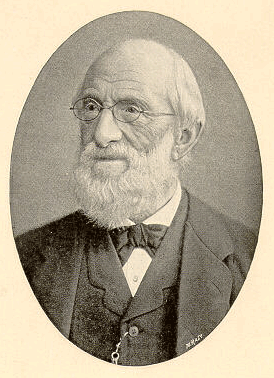
Digital facsimile from the Hathi Trust at this link.
1867
#1792
Alberti Magni ex ordine praedicatorum de vegetabilibus libri VII: Historiae naturalis pars XVIII. Editionem criticam ab Ernesto Meyero coeptam: Absolvit Carolus Jessen.
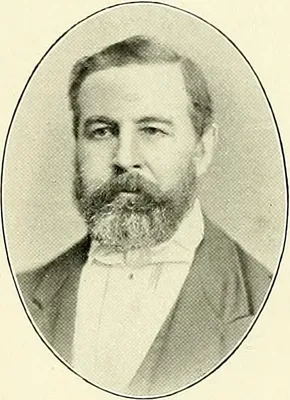
One of the best works on natural history produced during the Middle Ages, and, like most of Albertus's works, influential throughout the medieval period, though it does not appear to have been published in print until…
1868
#2480
Études sur le vinaigre.
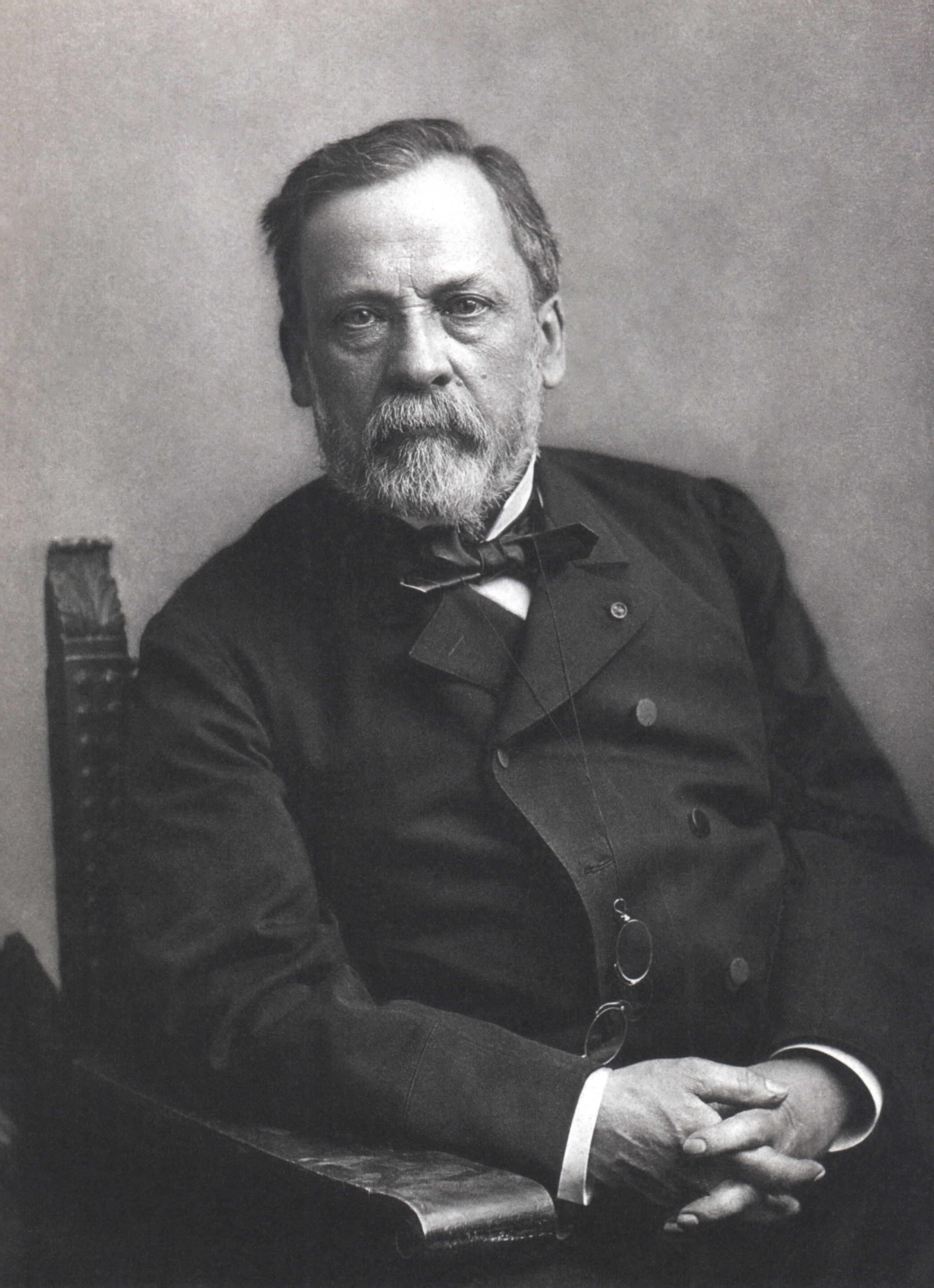
Pasteur proved that a microorganism was essential to acetification and developed a patented method which greatly increased the efficiency of production.
1868
#224
Natürliche Schöpfungsgeschichte. Gemeinverständlich wissenschaftliche Vorträge über die Entwickelungslehre im Allgemeinen und diejenige von Darwin, Goethe und Lamarck im Besonderen, über die Anwendung derselben auf den Ursprung des Menschen . . .
Haeckel constructed the first of the now commonplace ancestral trees, depicting the evolution of life from the simplest organisms through 21 stages of development to modern man – the 22nd and final stage. Within this …
1868
#224.1
The variation of animals and plants under domestication. 2 vols.
Darwin carried out numerous investigations with pigeons and various plants. He recognized continuous and discontinuous variation; he concluded that crossing tends to keep populations uniform.
1868
#7252
Mémoire sur une sépulture des anciens troglodytes du Périgord.
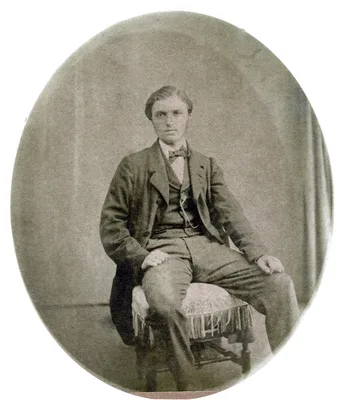
In March 1868, railway workers clearing away debris from a rock shelter known locally as the Abri de Crô-Magnon (shelter of Crô-Magnon) at Les Eyzies, Dordogne, noticed stone tools and pieces of skeleton imbedded in t…
1868
#9351
On the animals which are most nearly intermediate between birds and reptiles.
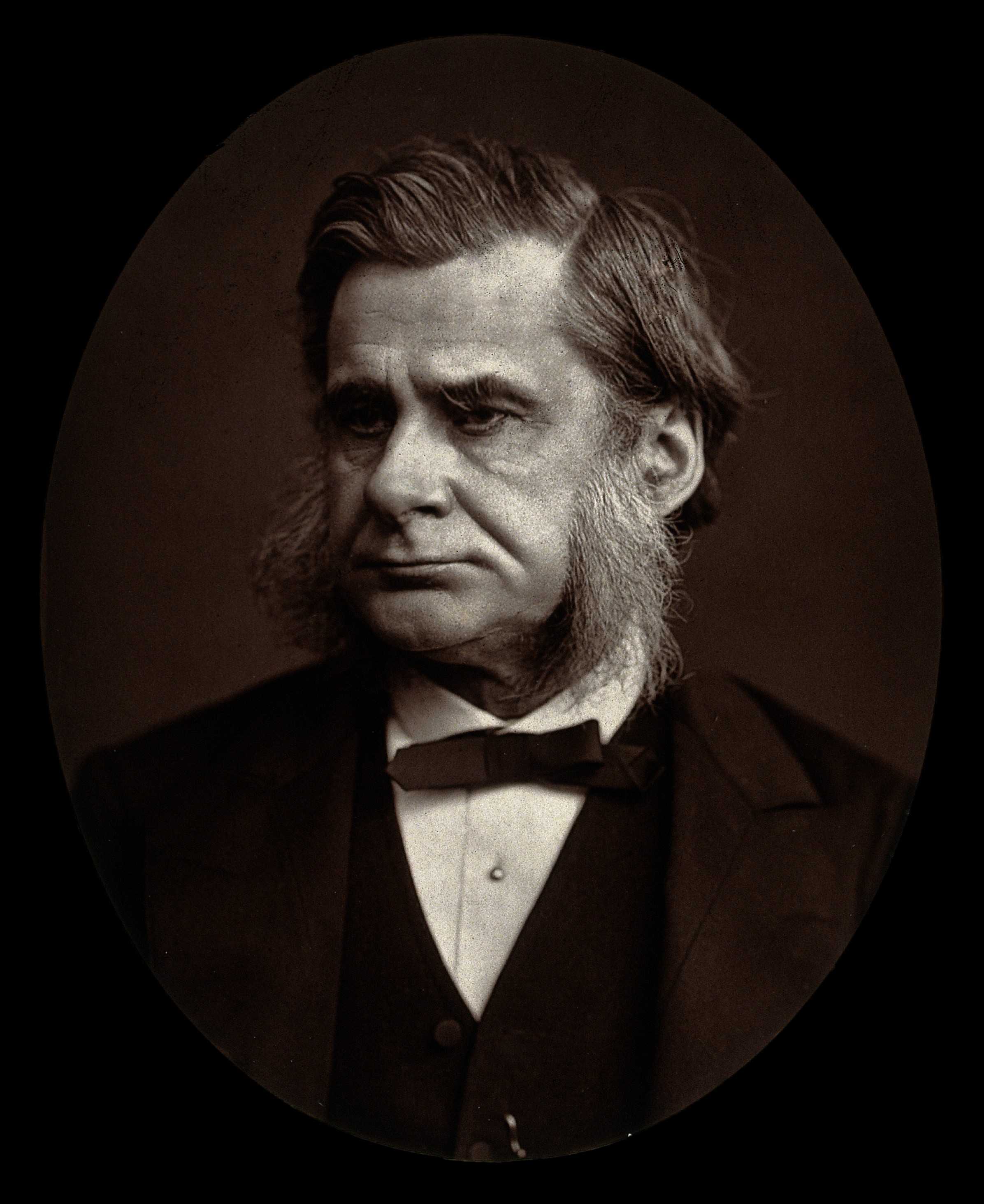
Huxley proposed a close relationship between birds and dinosaurs after the discovery in Germany of the primitive fossil bird Archaeopteryx. He made detailed comparisons of Archaeopteryx with various prehistoric reptil…
1868
#14093
Palaeontological memoirs and notes of the late Hugh Falconer. For many years superintendent of the H.E.I. Company's botanical gardens at Suharunpoor and Calcutta. With a biographical sketch of the author. Compiled and edited by Charles Murchison. Vol. 1. Fauna Antiqua Sivalensis. Vol. II. Mastodon, elephant, rhinoceros, ossiferous caves, primeval man and his cotemporaries. 2 vols.
Falconer's writings on human antiquity appear in Vol. 2 of his Palaeontogical memoirs. Together with William Pengelly, Falconer was one of the first two scientists to visit Brixham Cave after its discovery in 1858, an…
1869
#9473
De l'espèce et de la classification en zoologie. Traduction de l'anglais par Félix Vogeli. Édition revue et agumentée par l'auteur.
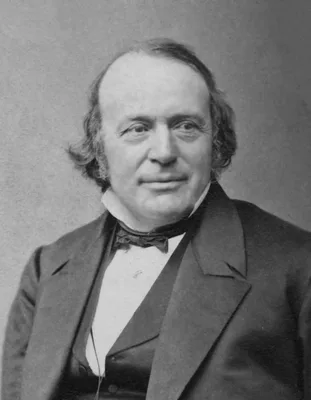
While Agassiz often wrote in general terms regarding his virulent opposition to Darwin's theory of evolution by natural selection, he provided his scientific rationale for that opposition only in an appendix to the Fr…
1870
#337
Grundzüge der vergleichenden Anatomie der Wirbelthiere.
Gegenbaur’s best work. He stressed the value of comparative anatomy as the basis of the study of descent, considering that knowledge of the relations of corresponding parts in different animals was more important even…
1870
#228
Contributions to the theory of natural selection.
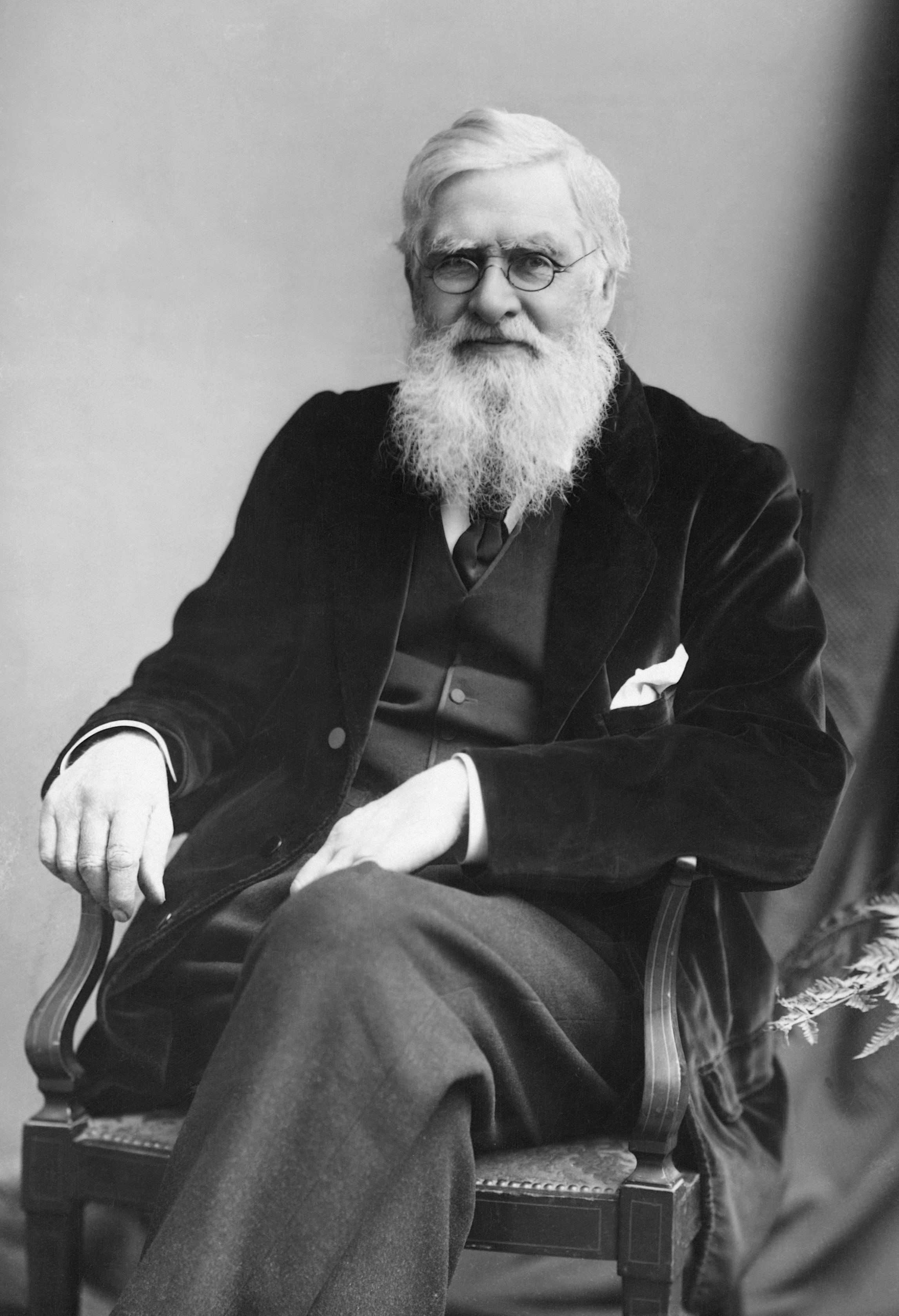
Reprints, with important revisions and additions, nine important papers concerning natural selection, which had previously appeared in journals, and publishes for the first time a major paper on The limits of natural …
1871
#338
A manual of the anatomy of vertebrated animals.
Huxley was among those who refuted Owen’s theory of the vertebral skull.
1871 –1888
#169
Mémoires d’anthropologie. 5 vols.
Most often remembered for his contributions to neurology, Broca was also among the greatest of the French anthropologists. He originated modern craniometry and in that connection devised many craniometric and craniosc…
1871
#170
The descent of man, and selection in relation to sex. 2 vols.
This is really two works. The first demolished the theory that the universe was created for humans while in the second Darwin presented a mass of evidence in support of his earlier hypothesis regarding sexual selectio…
1872
#4975
The expression of the emotions in man and animals.
Darwin examined the causes, physiological and psychological, of all the fundamental emotions in man and animals. He concluded that “the chief expressive actions exhibited by man and by the lower animals are now innate…
1872
#7373
Diverses périodes de l'age de la pierre.
Mortillet rejected the fauna-based cultural subdivisions of the Pleistocene (cave bear, mammoth, reindeer) that had been introduced by Edouard Lartet in favor of a system based on tools and artifacts (“données industr…
1872
#7609
Origen, naturaleza y antigüedad del hombre.
The first book on human origins or human evolution published in Spanish. Digital facsimile from Google Books at this link.
1872
#13353
Tortoises, terrapins, and turtles drawn from life
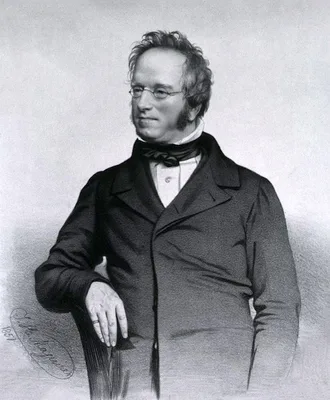
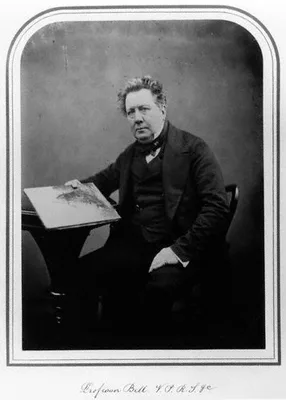
Though not credited on the title page, Thomas Bell was superintendent of the plates and the intended author of this work. James de Carle Sowerby created the original paintings. Edward Lear drew the plates on stone. Fo…
1872
#13901
Notice sur le musée d'histoire naturelle de Colmar et aperçu historique sur le musée des Unterlinden en général.
1873
#2484
A further contribution to the natural history of bacteria and the germ theory of fermentative changes.
Isolation of Bacterium lactis, the specific micro-organism responsible for the lactic acid fermentation of milk.
1873
#11333
Découverte d’un squelette humain de l’époque paléolithique dans les cavernes des Baoussé-Roussé dites grottes de Menton.
In March 1872 Rivière discovered an entire fossil human skeleton in a cave at Menton, in the south of France near the Italian border. The skeleton, later known as “Menton man,” closely resembles the Cro-Magnon remains…
1874
#493
Anthropogenie oder Entwicklungsgeschichte des Menschen.
1874
#120
Die Gastraea-Theorie, die phylogenetische Classification des Thierreichs und die Homologie der Keimblätter.
Haeckel’s gastraea theory, which considers the two-layered gastrula the ancestral form of multicellular animals.
1874
#4066
On mycetoma, or the fungus disease of India.
See No. 4047.
1874
#6585
Contributions to the annals of medical progress and medical education in the United States before and during the War of Independence.
Digital facsimile from the Hathi Trust at this link.
1874
#7443
The naturalist in Nicaragua: A narrative of a residence at the gold mines of Chontales; journeys in the savannahs and forests, with observations on animals and plants in reference to the theory of evolution of living forms.
In this book Belt first described "the mutualistic relationship of certain Acacias and the ant we now know as Pseudomyrmex spinicola. These are a species of red myrmecophyte-inhabiting neotropical ants which are found…
1874
#7479
Statistical atlas of the United States based on the results of the ninth census 1870, with contributions from many eminent men of science and several departments of the government.
This oversized compendium of maps, graphs, statistical tables, and essays was the first comprehensive thematic atlas produced by any nation. It was hailed both at home and abroad for its innovative use of graphic elem…
1875
#339
Der Ursprung der Wirbelthiere und das Princip des Functionswechsels.
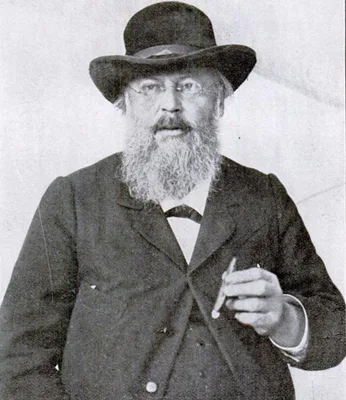
Dohrn’s theory of change of function as the origin of evolutionary novelties.
1875
#8443
Plinii Secundi quae fertur una cum Gargilli Martialis medicina: Nunc primum edita a Valentino Rose.
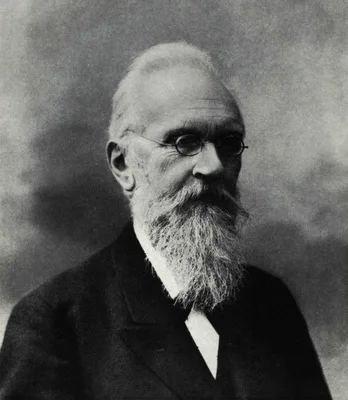
Fragments of Martialis's work (probably called De hortis), which treated of the cultivation of trees and vegetables, and also of their medicinal properties, survived, chiefly in the body of and as an appendix to the M…
1875
#9492
Reliquiae Aquitanicae; being contributions to the archaeology and palaeontology of Périgord and the adjoining provinces of southern France. Edited by Thomas Rupert Jones.
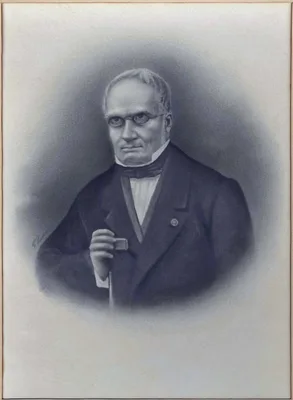
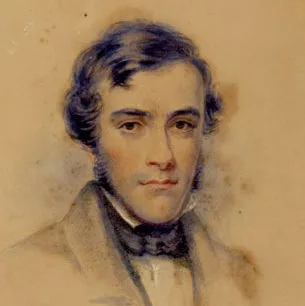
This beautiful and bibliographically complicated work was issued in 17 parts from 1865 to 1875. It includes 82 tinted lithographic plates, and is the first visually spectacular large extensively illustrated publicatio…
1875
#11307
Something about California: Being a description of its climate, health, wealth and resources, compressed into small compass: Marin County: Its industries, roads, appearance, health and population, also, a series of carefully written and well considered articles and paragraphs describing the sanatarium of San Rafael in which the mildness and equability of its climate are explained.
This 32-page pamphlet was probably the first separate publication concerning health matters in Marin County, California, my county of residence during the years in which I wrote this online bibliography-- J.M.N. Digit…
1876
#700.1
Ueber das Verhalten verschiedener organisirter und sog. ungeformter Fermente (pp.191-193); Trypsin (Enzym des Pankreas) (pp.194-198).
Kühne was one of the people who introduced the term “enzyme”. He wrote, "Um Missverständnisse vorzubeugen und lästige Umschreibungen zu vermeiden schlägt Vortragender vor, die ungeformten oder nicht organisierten Ferm…
1876
#145.6
The geographical distribution of animals. 2 vols.
"In 1872, at the urging of many of his friends, including Darwin, Philip Sclater, and Alfred Newton, Wallace began research for a general review of the geographic distribution of animals. He was unable to make much pr…
1876
#2485
Études sur la bière, ses maladies, causes qui les provoquent, procédé pour la rendre inaltérable; avec une théorie nouvelle de la fermentation.
Pasteur resumed his studies on fermentation in 1876, and in this book took into account the developments in this field since his previous publications on the subject. He described a new and perfected method of prepari…
1876
#11222
Handbuch der Samenkunde: physiologisch-statistische Untersuchungen über den wirthschaftlichen Gebrauchswerth der land- und forstwirthschaftlichen, sowie gärtnerischen Saatwaren.
In 1869 Nobbe set up the first seed control station, establishing the science of seed testing. He set out to improve seed quality in a sustainable way, through systematic inspection. In his Handbuch der Samenkunde he …
1877 –1880
#1779
Traité de climatologie médicale, 4 vols. and 1 atlas.
1877 –1878
#2489
On the lactic fermentation and its bearings on pathology.
Lister was the first to obtain a pure culture of a bacterium (Bact. lactis). Lister first presented the results of this research in an address to the Royal Society on December 18, 1877. Because of its historic signifi…
1877
#2491
Fermentation and its bearings on the phenomena of disease.
See No. 2495.
1878
#700
La fermentation alcoolique.
Bernard disbelieved Pasteur’s definition of a ferment as “a living form originating from a germ”.
1878
#5511
Neue Beobachtungen auf dem Gebiete der Mykosen des Menschen.
Israel contributed an important early paper on the ray fungus Actinomyces. He included some drawings made by Langenbeck in 1845 and was the first to describe a human case of actinomycosis.
1878
#228.1
Ueber die Vortheile der Mimicry bei Schmetterlingen.
Bates’s theory of mimicry did not account for the superficial resemblances between two or more unpalatable species. Müller explained such mimicry, known today as “Müllerian mimicry”. A predator must learn which potent…
1878
#9174
Tropical nature and other essays.
"Wallace's extensive work in biogeography made him aware of the impact of human activities on the natural world. In Tropical Nature and Other Essays (1878), he warned about the dangers of deforestation and soil erosio…
1878 –1880
#11788
American ornithological bibliography. 4 parts. (Also called "Ornithological bibliography").
This is an exhaustive work up to time of publications, including scientific references to American birds in publications, the titles of which do not indicate any ornithological material. [Pt. 1.] Geological and Geogra…
1879 –1891
#7591
Catalogue of the specimens illustrating the osteology and dentition of vertebrated animals, recent and extinct, contained in the Museum of the Royal College of Surgeons of England. 3 vols.: Part 1. Man: Homo sapiens.... Part II: Class Mammalia, other than man... Part III: Class Aves.
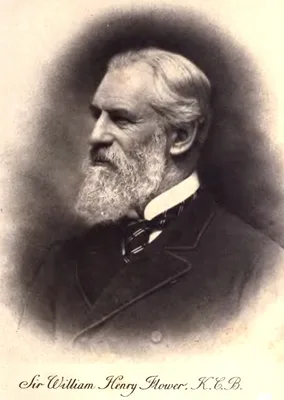
Parts 1 and 2 by Flower; part 3 by Sharpe. Digital facsimile of Part 1 from the Biodiversity Heritage Library at this link, of Part 2 at this link, and Part 3 at this link.
1879
#8852
Gold as a remedy in disease, notably in some forms of organic heart disease, angina pectoris, melancholy, tedium vitae, scrofula, syphilis, skin disease, & as an antidote to the ill effects of mercury.
Burnett, a homeopath, provided an excellent summary of the history of gold as it was used in medicine, with extensive references to the historical literature. Digital facsimile from the Hathi Trust at this link.
1879
#8919
Erasmus Darwin. By Ernst Krause. Translated from the German by W. S. Dallas. With a preliminary notice by Charles Darwin.
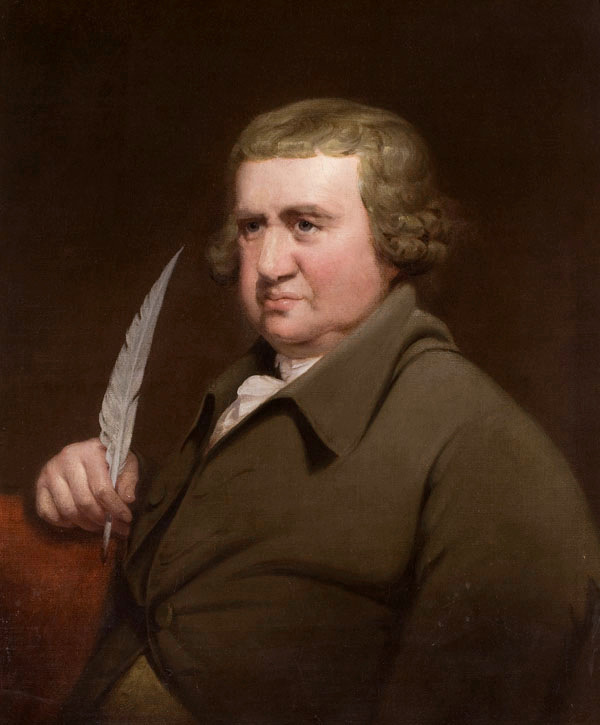
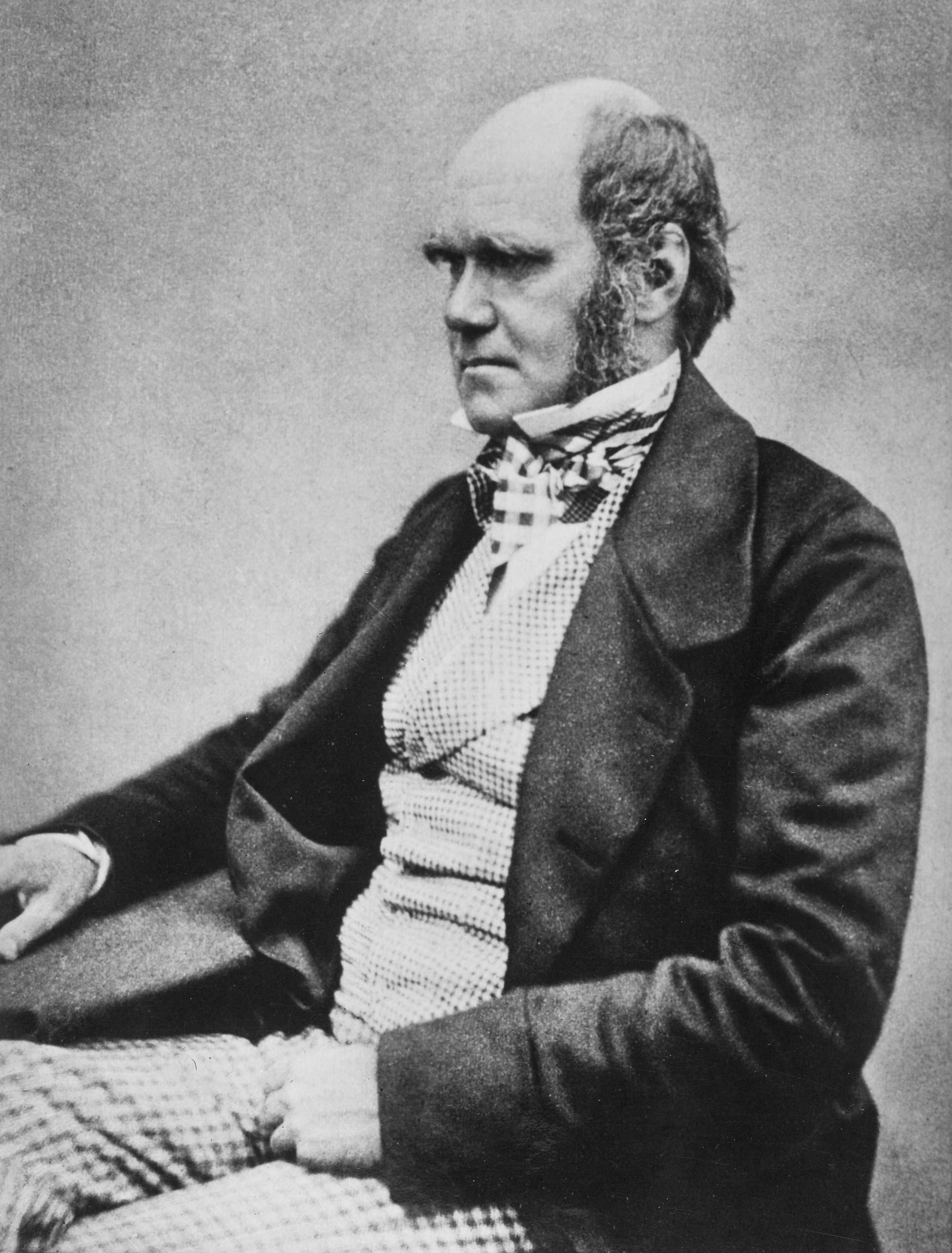
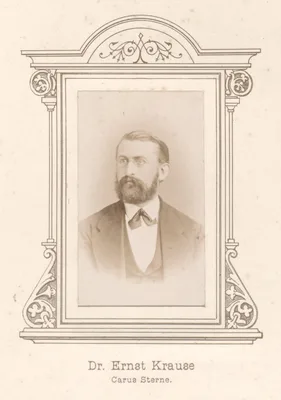
Krause's short biography originally appeared in the German evolutionary periodical Kosmos in February 1879. In this translation Darwin added a biographical contribution that is longer than Krause's, i.e. 127pp by Darw…
1879
#9627
Notes by a naturalist on the Challenger; being an account of observations made during the Voyage of H.M.S.Challenger round the world in the years 1872-1876. Under the Command of Capt. Sir G. S.Nares and Capt. F. T. Thomson.
Includes descriptions of the natural history of Teneriffe, St. Thomas, Bermuda; Azores, Madeira, Cape Verdes; St. Paul’s Rocks and Fernando Do Norhona; Bahia; Tristan Da Cunha, Inaccessible Island; Nightingale Island;…
1880
#7287
Breves apuntes sobre algunos objetos prehistóricos de la provincia de Santander
![SANZ DE SAUTUOLA, Marcelino [Marcelino DE SAUTUOLA] (1831 – 1888)](/media/portraits/10315)
Privately printed pamphlet asserting the prehistoric origin of cave paintings discovered in the cave of Altamira, Cantabria, Spain by Maria Sanz de Sautuola, daughter of the author. These were first prehistoric cave p…
1880
#7440
Island life: Or, the phenomena and causes of insular faunas and floras, including a revision and attempted solution of the problem of geological climates.
"In 1880, Wallace published the book Island Life as a sequel to The Geographical Distribution of Animals. It surveyed the distribution of both animal and plant species on islands. Wallace classified islands into three…