
United Kingdom
2,632 entries published in United Kingdom. 64 publication places.
1798
#6236.1
A case of the caesarean operation performed, and the life of the woman preserved. IN: Medical records and researches selected from the papers of a private medical association, pp. 154-163.
This is apparently the first Caesarean section in England from which the mother recovered. It was performed on 27 November 1793. Barlow’s account is reproduced by Young (No. 6307), pp. 54-58. A note on Barlow is in Pr…
1798
#1693
An essay on the principle of population, as it affects the future improvement of society.
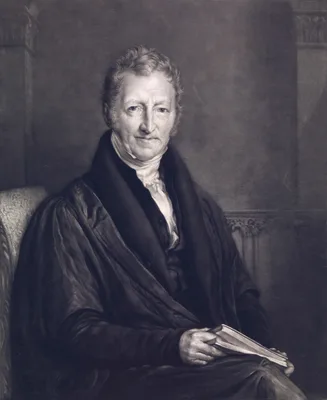
Malthus laid down the principle that populations increase in geometrical ratio, but that subsistence increases only in arithmetical ratio. He argued that a stage is reached where increase of populations must be limite…
1798
#7978
An inquiry into the nature and origin of mental derangement: comprehending a concise system of the physiology and pathology of the human mind, and a history of the passions and their effects. 2 vols.
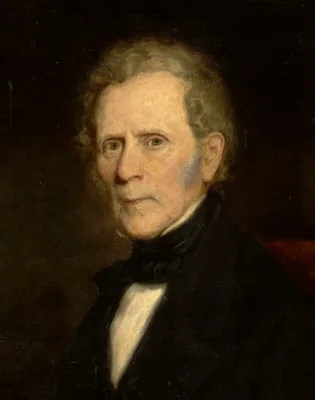
In chapter 2 of vol. 1, pp. 254-90, “On Attention and its Diseases” Crichton described a mental state much like the inattentive subtype of Attention Deficit Hyperactivity Disorder (ADHD). He did not mention any sympto…
1798
#8654
The influence of metallic tractors on the human body, in removing various painful inflammatory diseases, such as rheumatism, pleurisy, some gouty affections, &c. &c: Lately discovered by Dr. Perkins, of North America; and demonstrated in a series of experiments and observations....by which the importance of the discovery is fully ascertained, and a new field of enquiry opened in the modern science of Galvanism, or animal electricity
In 1795 Dr. Elisha Perkins (1741-1799) of Connecticut introduced the use of “Metallic Tractors” for the treatment of a wide range of disorders, including pains in the head, face, teeth, breast, side, stomach, back, rh…
1798
#10035
Of the treatment of the dying: Disturb him not - let him pass peaceably. IN: Medical histories and reflections, volume 3, 191-208.
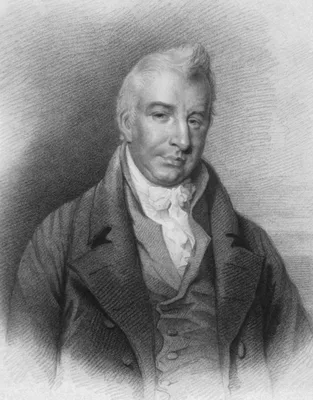
"This apparently first-ever full essay on palliative care is tightly reasoned and carefully crafted—an innovative classic that attests to years of first-hand experience in the care of gravely ill and dying persons" (V…
1798
#11796
An entire new treatise on leeches, wherein the nature, properties, and use of that most singular and valuable reptile, is most clearly set forth.
Digital facsimiel from WellcomeLibrary.org at this link.
1799 –1803
#2282
A series of engravings, accompanied with explanations, which are intended to illustrate the morbid anatomy of some of the most important parts of the human body.
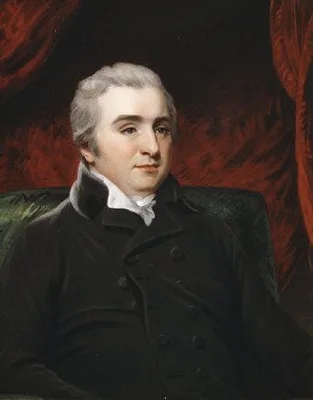
The first systematic atlas of pathology. This work was intended to illustrate No. 2281, but, with its extensive descriptive text for each plate, it may be appreciated separately. The black & white engravings were prep…
1799
#2888
An inquiry into the symptoms and causes of the syncope anginosa commonly called angina pectoris.
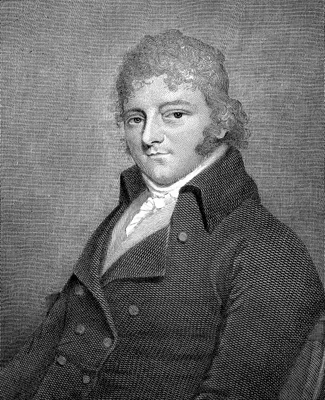
This was a paper read before the Gloucester Medical Society in 1788, but not published until 1799. Largely confirming the earlier work of Heberden on the condition, Parry stated his conclusion that disease of the coro…
1799
#6707
Biographia medica; or, historical and critical memoirs of the lives and writings of the most eminent medical characters that have existed from the earliest account of time to the present period; with a catalogue of their literary productions. 2 vols.
British and foreign medical biographies.
1799
#7931
Travels in the interior districts of Africa: Performed under the direction and patronage of the African Association, in the Years 1795, 1796, and 1797. By Mungo Park, surgeon. With an appendix, containing geographical illustrations of Africa by Major Rennell.
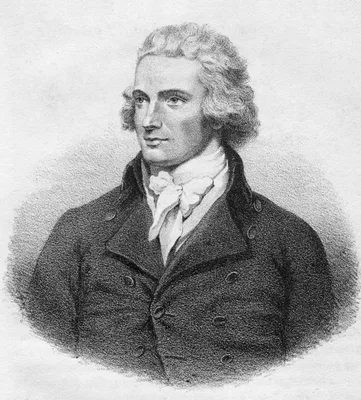
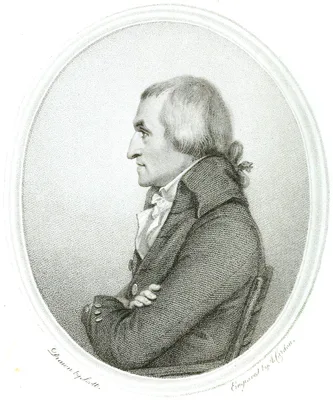
Park, a Scottish physician, was the first Westerner to travel to the central portion of the Niger River. Digital facsimile from Google Books at this link.
1799
#11592
An essay on the medical properties of the digitalis purpurea or foxglove.
"John Ferriar...published the first monograph on digitalis after William Withering (1785). Ferriar was the first to suggest that digitalis was beneficial in dropsy (severe congestive heart failure), in part because it…
1800
#1768
Historiae Aegypti compendium, Arabice et Latine. Partim ipse vertit, partim a Pocockio versum edendum curavit, notisque illustravit J. White.
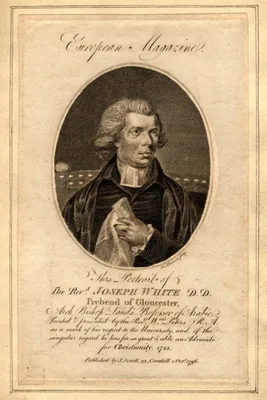
Arabic-Latin bilingual text, edited by White, incorporating a translation begun by Edward Pococke the Younger (1648-1727). Abd al-Latif gave a good description of the fauna and flora of Egypt, its inhabitants and some…
1800
#5646
Researches, chemical and philosophical, chiefly concerning nitrous oxide.
Davy discovered the anesthetic properties of nitrous oxide and suggested its use during surgical operations. This suggestion was applied until 1844 when the American dentist Horace Wells volunteered to have the effect…
1800
#7749
Of the imagination, as a cause and as a cure of disorders of the body; exemplified by fictitious tractors, and epidemical convulsions. Read to the Literary and Philosophical Society of Bath.
The first clinical demonstration of the placebo effect, specifically in the context of Perkins' metallic tractors. Haygarth demonstrated the placebo effect caused by the tractors by obtaining the same results with woo…
1800
#9084
An epitome of the natural history of the insects of India, and the islands in the Indian seas: Comprising upwards of two hundred and fifty figures and descriptions of the most singular and beautiful species, selected chiefly from those recently discovered, and which have not appeared in the works of any preceding author. The figures are accurately drawn, engraved, and coloured, from specimens of the insects; the descriptions are arranged according to the system of Linnaeus; with references to the writings of Fabricius, and other systematic authors.
"For Insects of India Donovan described and figured specimens in his own cabinet, that were originally collected by the late Duchess of Portland, Marmaduke Tunstall, a Governor Holford (many years resident in India), …
1800 –1804
#9090
The natural history of British shells, including figures and descriptions of all the species hitherto discovered in Great Britain, systematically arranged in the Linnean manner, with scientific and general observations on each. 5 vols.
Digital facsimile from the Biodiversity Heritage Library at this link.
1801 –1808
#2926
The principles of surgery. 3 vols.
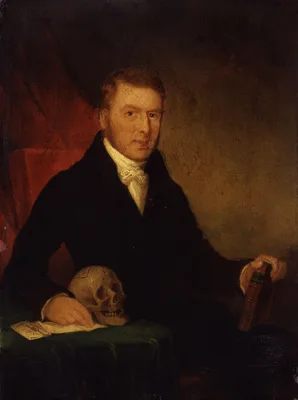
John Bell, the Scottish anatomist and brother of Charles Bell, is regarded as a founder of surgical anatomy. He was first to ligate the gluteal artery (Vol. I, pp, 421-26), and tied the common carotid and internal ili…
1801
#7683
A concise and descriptive catalogue of all the natural and artificial curiosities in the museum of W. H. Yate, Esq. at Bromesberrow-Place near Glocester: being the extensive and valuable collection of the late Dr. Greene, of Lichfield, with many additions, collected by the present proprietor.
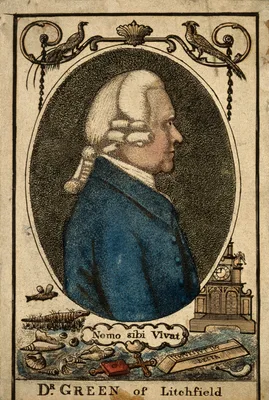
Publication date is estimated. Digital facsimile from the Beinicke Library, Yale University, at this link.
1801
#8148
The statistical breviary; shewing, on a principle entirely new, the resources of every state and kingdom in Europe; illustrated with stained copperplate charts, representing the physical powers of each distinct nation with ease and perspicuity. To which is added, a similar exhibition of the ruling powers of Hindoostan.
In this work Playfair invented the pie chart. It has also been suggested that Playfair, often short of funds, may have colored the charts in all the copies himself—the process he characterized as "staining" in the tit…
1801
#8372
Observations on the increase and decrease of different disease, and particularly of the plague.
Heberden observed that the number of deaths from dysentery sharply decreased over the 18th century, but that deaths attributed to apoplexy increased. Digital facsimile from the Internet Archive at this link.
1801 –1802
#8579
Abstract of the answers and returns made pursuant to an act, passed in the forty-first year of His Majesty King George III. Intituled, “An act for taking an account of the population of Great Britain, and the increase or diminution thereof.” 2 vols. in 3.
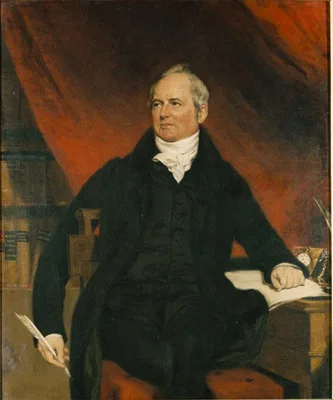
The first census of England, Scotland and Wales. The study of population was one of the major concerns of political economy at this time and the first census came at a crucial point in the debate. When Malthus publish…
1802
#1694
Natural and political observations and conclusions upon the state and condition of England, 1696. Pages 405-449 in An estimate of the comparative strength of Great-Britain; and of the losses of her trade from every war since the revolution; with an introduction of previous history. A new edition, corrected and continued to 1801. To which is now annexed Gregory King's celebrated state of England.
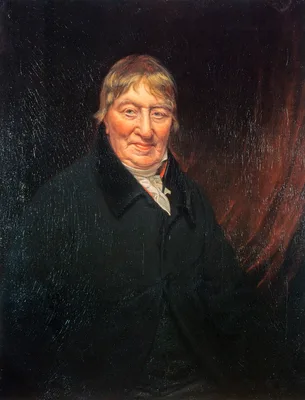
King has been called the first great economic statistician, surpassing Petty. King was an engraver, herald, surveyor, and Secretary to the Commissioners for the Public Accounts, but he is best known for his 1696 estim…
1802
#2207
Commentarii de morborum historia et curatione.
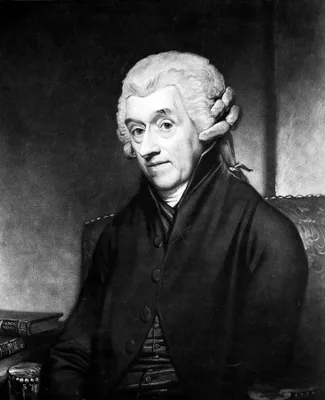
Samuel Johnson called Heberden “the last of our learned physicians”. The above work included all his important papers, which had earned him his great reputation, and which are dealt with elsewhere in this database (se…
1802 –1808
#9089
The natural history of British fishes, including scientific and general descriptions of the most interesting species, and an extensive selection of accurately finished coloured plates. Taken entirely from original drawings, purposely made from the specimens in a recent state, and for the most part whilst living. 5 vols.
"the paint is laid on so thickly that it is frequently impossible to see the engraved lines underneath. The already rich colouring is heightened by the addition of burnished highlights, albumen overglazes and metallic…
1802
#9581
An entire, new, and original work; being a complete treatise upon spinae pedum; containing several important discoveries. Illustrated with copperplates exhibiting the different species of spinae.
The first original British work on podiatry, with several illustrations, one hand-colored. Disappointed at being refused a medical degree, Lion, a German Jewish émigré, wrote this book, taking the unusual step of havi…
1802
#11186
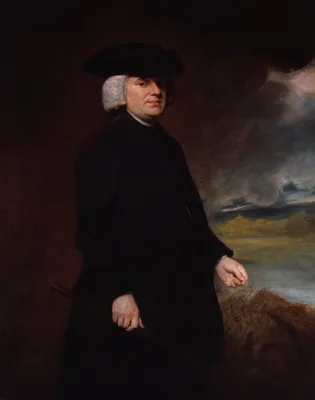
Natural theology: Or, evidences of the existence and attributes of the Deity, collected from the appearances of nature.
1802
#12078
The outlines of the veterinary art, or the principles of medicine as applied to a knowledge of the structure, functions, and oeconomy of the horse, the ox, the sheep, and the dog, and to a more scientific and successful manner of treating their various diseases, the whole illustrated by anatomical plates. 2 vols.
Includes the earliest record in the English of the origin and growth of veterinary literature. Digital facsimile from Google Books at this link.
1802
#13779
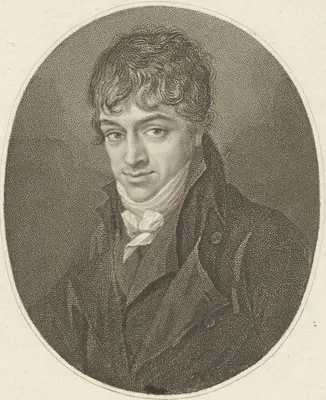
Travels through Sweden, Finland, and Lapland, to the North Cape, in the years 1798 and 1799. 2 vols.
Digital facsimile from Google Books at this link.
1803
#1764
Medical ethics; or, a code of institutes and precepts, adapted to the professional conduct of physicians and surgeons. To which is added an appendix; containing a discourse on hospital duties ....
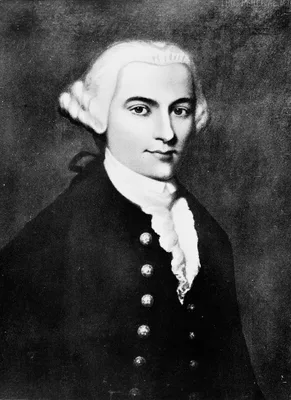
An incomplete version was first printed for private circulation, 1794. Two variants dated 1794 are known: One is dated February 24, 1794 on the "advertisement" at the end, the other is dated April 4, 1794 on a leaf at…
1803
#1989
An introduction to electricity and galvanism.
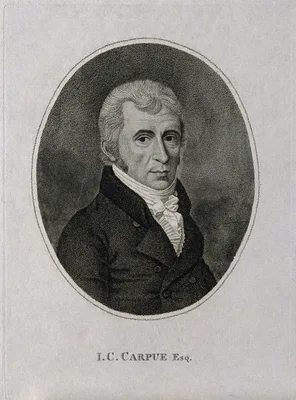
One of the first works in the English language entirely devoted to medical electricity. Carpue also played a key role in the development of rhinoplasty. See No. 5737.
1803
#1989.1
An account of the late improvements in galvanism…
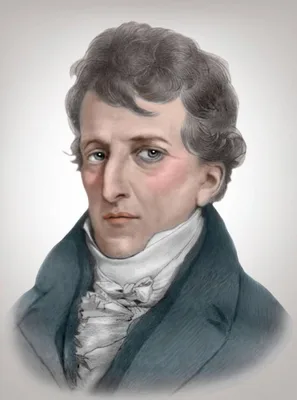
Nephew of Galvani (see No. 593), Aldini developed and promoted animal electricity. His sensational experiments on the body of a criminal executed at Newgate, conducted with Carpue (No. 1989) were significant for the p…
1803
#4308.1
Practical observations in surgery.
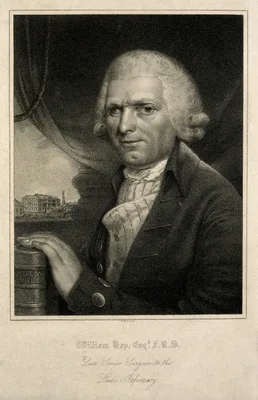
Hey is remembered for “Hey’s saw” and “Hey’s internal derangement of the knee,” a phrase that he coined. He was an outstanding surgeon in his day; he founded and was senior surgeon of the General Infirmary, Leeds. He …
1803
#3679
The natural history of the human teeth
Fox’s classic treatise on the teeth is the first to include explicit directions for correcting dental irregularities. It is the first work on orthodontics.
1803
#5266
An account of the native Africans in the neighbourhood of Sierra Leone; to which is added, an account of the present state of medicine among them. 2 vols.
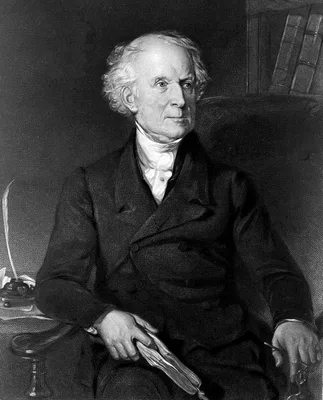
In his travels in Africa, Winterbottom, physician to the Colony of Sierra Leone (now Republic of Sierra Leone) on the west coast of Africa, saw sleeping sickness, which he described in vol. 2, pp. 29-31, as a species …
1803
#7367
Travels in Turkey, Asia-Minor, Syria, and across the desert into Egypt during the years 1799, 1800, and 1801, in company with the Turkish Army, and the British Military Mission.To which are annexed, observations on the plague, and on the diseases prevalent in Turkey, and a meteorological journal.
Wittman described the plague and other epidemics that afflicted both the Ottoman and British armies. In the Appendix he provided medical suggestions for treatment, together with a history of the plague. Digital facsim…
1803
#8025
Practical rules for the management and medical treatment of negro slaves in the sugar colonies
Collins, a British doctor and planter, spent fourteen years in the Caribbean island of Saint Vincent. Written from the utilitarian perspective of a master, this handbook on slave medicine was intended to maximize the …
1803
#8922
The temple of nature; or the origin of society. A poem, with philosophical notes.
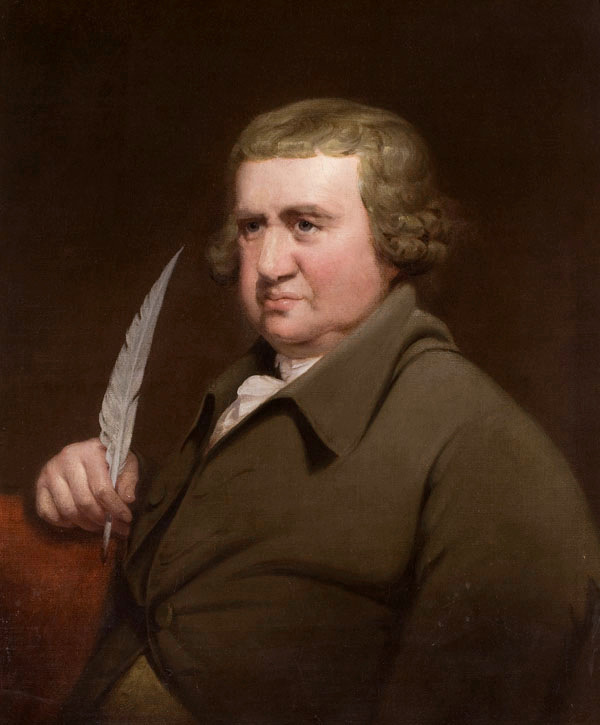
Erasmus Darwin's last poem, which mainly expounds his theories of evolution. He traces the progress of life form its origin as microscopic specks in premeval seas to its culmination in a civilized human society. The f…
1803
#13026
A poetical petition against tractorising trumpery and the Perkinistic institution: In four cantos. Most respectfully addressed to the Royal College of Physicians.
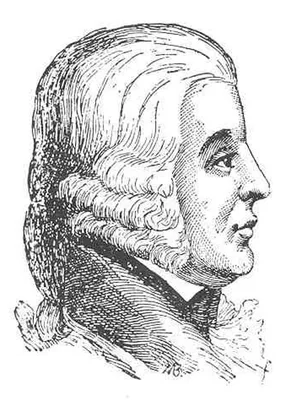
This medical satire in doggerel verse, which was ostensibly an attack on Perkins' metallic tractors, or "Perkinism" was actually written in support of them. The work was best known for its second and greatly expanded …
1804
#2071.1
An essay, medical, philosophical, and chemical, on drunkenness, and its effects on the human body.
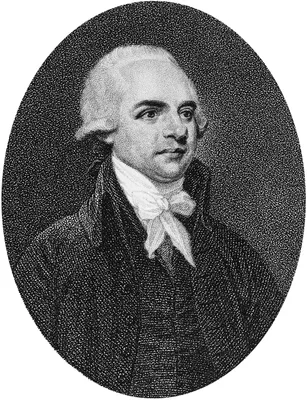
The first book on alcoholism, expanded from Trotter's MD dissertation: Dissertatio medica inauguralis, quædam de ebrietate, ejusque effectibus in corpus humanum complectens, quam ... pro gradu doctoris ... (Edinburgh:…
1804
#6327
Morborum puerilium epitome.
English translation, Uttoxeter, 1805. Like his father, Heberden junior was a great clinician. It is probable that the above was compiled from notes left by Heberden senior.
1804
#12687
Memoirs of the life of Dr. Darwin, chiefly during his residence in Lichfield: With anecdotes of his friends, and criticisms on his writing.
Digital facsimile from the Internet Archive at this link.
1804
#13225
Surgical observations, containing a classification of tumours, with cases to illustrate the history of each species; - an account of diseases which strikingly resemble the venereal disease; - and various cases illustrative of different surgical subjects.
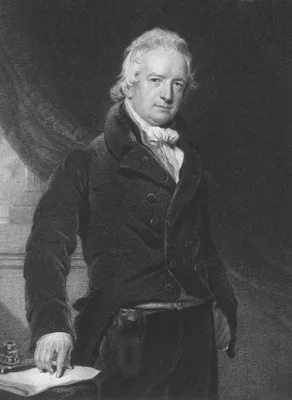
Abernethy published the first classification of tumors based on pathologic anatomy. "Abernethy is best known for his lectures and writings on surgery and for the first attempt at classification of tumors, some of whic…
1805
#4492
A clinical history of diseases. Part first: being 1. A clinical history of the acute rheumatism. 2. A clinical history of the nodosity of the joints.
The first monograph on acute rheumatism.
1805
#9085
An epitome of the natural history of the insects of New Holland, New Zealand, New Guinea, Otaheite, and other islands in the Indian, Southern, and Pacific oceans: Including the figures and descriptions of one hundred and fifty-three species of the more splendid, beautiful, and interesting insects, hitherto discovered in those countries, and which for the most part have not appeared in the works of any preceding author. The figures are correctly delineated from specimens of the insects; and with the descriptions are arranged according to the Linnæan system, with reference to the writings of Fabricius and other entomologists.
"Apart from occasional excursions in England and Wales Donovan never left London. His Insects of New Holland is based on specimens collected by Joseph Banks and William Bayly an astronomer on the second and third voya…
1805
#12483
Travels in Europe, Asia Minor, and Arabia.
Digital facsimile from Google Books at this link.
1806
#3362
The anatomy of the human ear … with a treatise on the diseases of the organ.
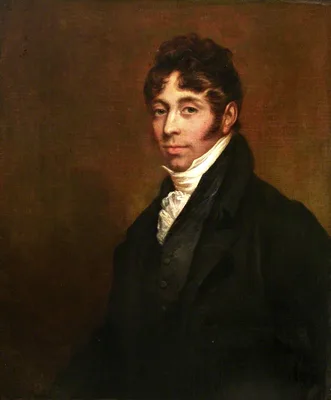
Saunders was the first to advise paracentesis in acute middle-ear suppuration.
1806
#3679.1
The history and treatment of diseases of the teeth, the gums, and the alveolar processes, etc.
Fox was a surgeon practicing dentistry. By some of the authorities his book is considered more valuable than Hunter’s (No. 3676). This is the first book to illustrate diseases of the teeth.
1806
#6604.92
Essays on the anatomy of expression in painting.
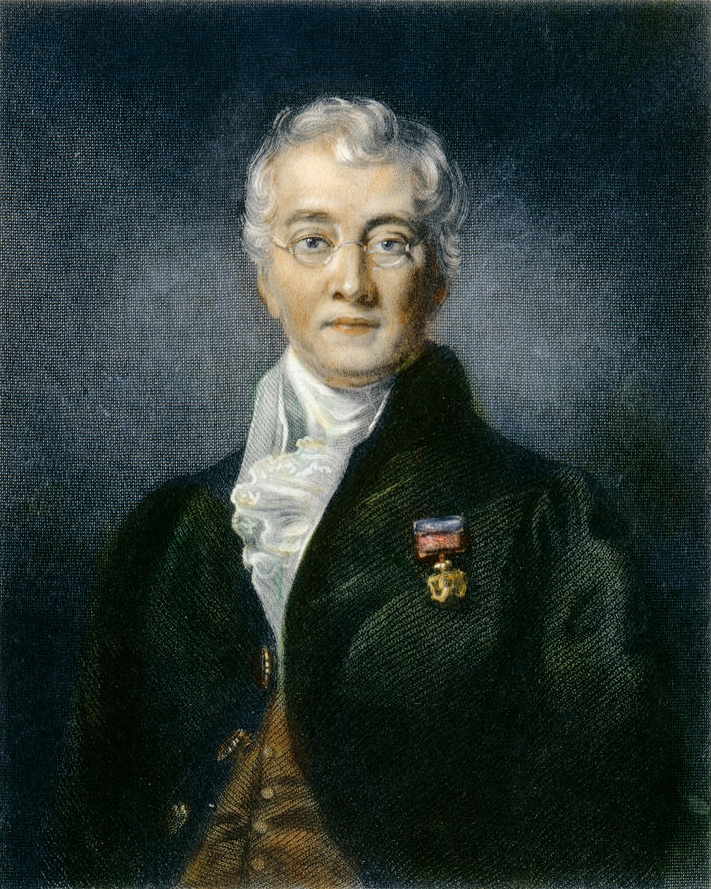
Bell’s artistic and literary skills combined with his knowledge of anatomy and physiology to make this work a tour de force of art history and the anatomical and physiological basis of facial expression.
1806
#7658
Catalogue of the Leverian Museum : part I[-VI] ... the sale of the entire collection by Messrs. King and Lochee will commence on Monday, the 5th of May, 1806 at twelve o'clock.
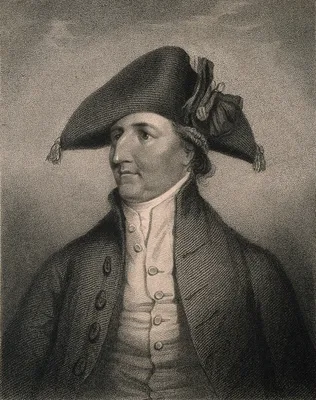
Auction catalogue in six parts. Digital facsimile from Biodiviersity Heritage Library at this link. Facsimile reprint, London: Harmer Johnson and John Hewett, 1979 with a 69-page manuscript appendix of an extra five d…
1807
#1602.1
The code of health and longevity; or, a concise view of the principles calculated for the preservation of health, and the attainment of long life. 4 vols.
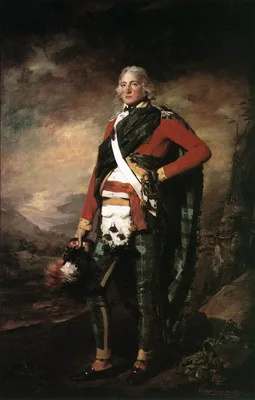
One of the most comprehensive works on gerontology ever written, with a bibliography of 1800 references, supplemented by abstracts, translated excerpts from ancient authors, national data, etc.