
Europe
6,838 entries published in Europe.
1667
#10711
Hieronimi Barbati ... Dissertatio elegantissima De sanguine et eius sero, in qua praeter varia lectu dignissima, Conringj. Lindeni & Barthol. circa sanguificationem opiniones, Stenoniana sanguinisdealbatio, VVillisii succi neruorum vis, Regij transitus chyli ad liene, liceti nutitio embryonis, VVarthoni & Charletonis lactis expositio, Haruei masculini seminis retentio rejecta, Moebij spirituum animalium materia, & alia clarissimorum neotericorum prolata, doctè & politè exponuntur.
Barbato discovered the blood serum. Another version of these texts was published in Paris by Robert de Ninville in 1667. Priority of these editions is unknown. Digital facsimile of the Frankfurt version from Google Bo…
1667
#13236
Aphabeti verè naturalis Hebraici brevissima delineatio.
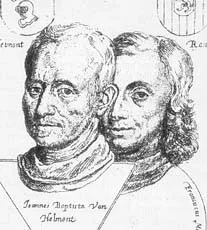
A work on the teaching of lip-reading and speaking to deaf-mutes based on the notion that letter-forms of the Hebrew alphabet resembled in profile the positions of the tongue required to produce their corresponding so…
1668
#97
Esperienze intorno alla generazione degl’insetti.
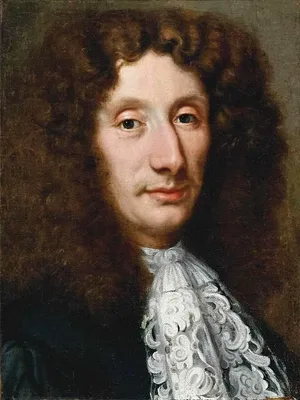
In the first scientific study of spontanteous generation Redi’s experiments dealt the first real blow to the ancient doctrine. In these experiments Redi made use of what we now term “controls”. English translation, 1909.
1668
#1210
De virorum organis generationi inservientibus, de clysteribus et de usu siphonis in anatomia.
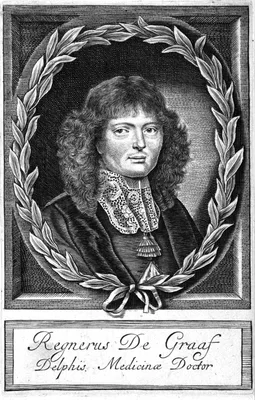
Exact and detailed account of the male reproductive system. This work and No. 1209 were translated into English and published as Suppl. 17 to J. Reprod. Fertil, 1972. Facsimile of originals, Nieuwkoop, De Graaf, 1965.
1668
#1481.1
Nouvelle découverte touchant la veüe.
Discovery of the blind spot in the retina, the existence of which Mariotte deduced from his experiments investigating the fate of light rays striking the base of the optic nerve. Facsimile reprint in J. Brons, The bli…
1668
#5735
Heel- en geneeskonstige aanmerkingen.
Van Meekeren was first to record a bone graft. He states (Chap. 1) that he read a report of it in a letter received by the Rev. Engebert Sloot of Slooterdijk from John Kraanwinkel, a missionary in Russia, where the op…
1668
#6147
Des maladies des femmes grosses et accouchées.
The outstanding textbook of the time. Mauriceau, leading obstetrician of his day, introduced the practice of delivering his patients in bed instead of in the obstetrical chair. It was to Mauriceau that Hugh Chamberlen…
1668
#292
Onomasticon zoicon, plerorumque animalium differentias & nomina propria pluribus linguis exponens. Cui accedunt mantissa anatomica, et quaedam de variis fossilium generibus.
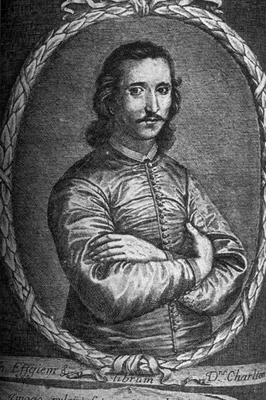
Gives a list of the English, Latin, and Greek names of all the then known animals. Digital facsimile from the Internet Archive at this link.
1669
#761
Tractatus de corde.
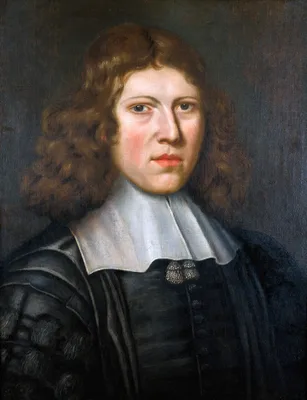
Lower was the first to demonstrate the scroll-like structure of the cardiac muscle. He was one of the first to transfuse blood. Chapter III of the above work records how Lower injected dark venous blood into the insuf…
1669
#1378.1
Discours sur l’anatomie du cerveau.
In this remarkably prescient argument for, and critique of, anatomical research into brain function Stensen opposed Descartes (No. 574) arguing that it was idle to speculate about cerebral function when so little was …
1669
#3349
Elements of speech, an essay of inquiry into the natural production of letters; with an appendix concerning persons deaf and dumb.
Includes a section on the education of deaf-mutes. Paracusis is described in the Appendix, p. 166.
1669
#6613
De medicis poetis dissertatio.
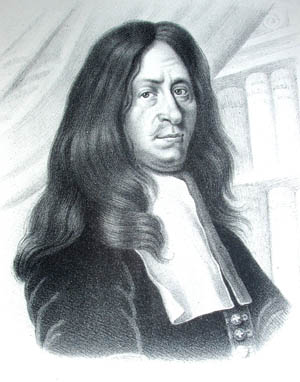
1669
#293
Dissertatio epistolica de bombyce.
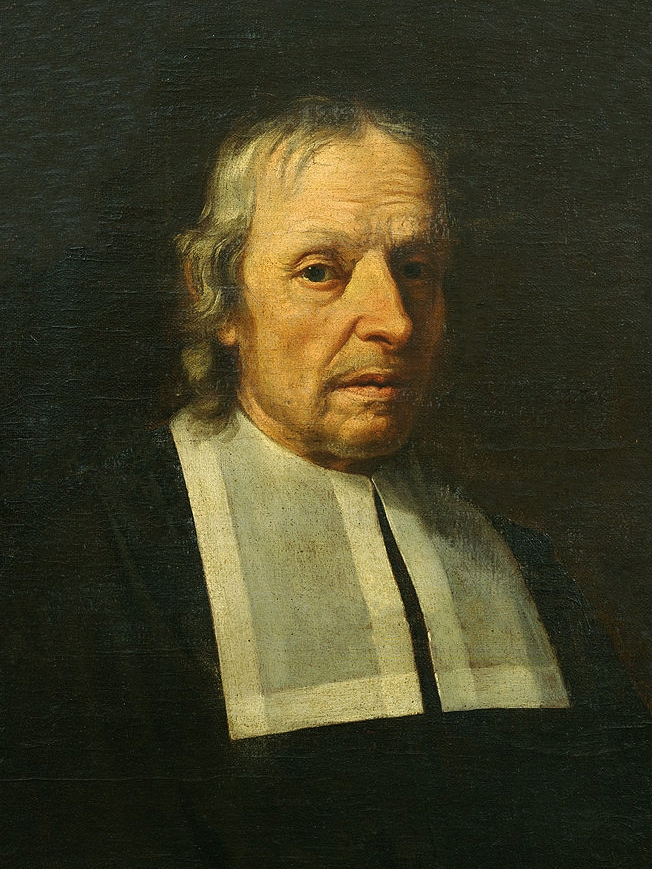
Malpighi’s work on the silkworm represents the first monograph on an invertebrate and records one of the most striking pieces of research work on his part. He dissected the silkworm under the microscope with great ski…
1669
#294
Historia insectorum generalis. 2 pts.
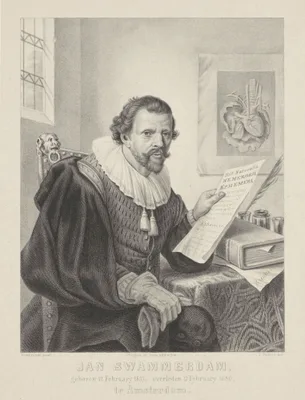
Swammerdam, one of the greatest of the early microscopists, spent much time on the study of insects, and mapped out a natural classification of them.
1669
#13548
Il tabacco opera ... Nella quale si tratta dell'origine, historia, coltura, preparatione, qualità natura, virtà & uso in fumo, in polvere, in foglia, in lambitivo, et in medicina della pianta volgarmente detta tabacco, si discorre degl'vtili ch'arreca moderatamente preso, de i danni ch'apporta smoderatamente usato, e qual sia il vero e legitimo modo di prenderlo: trattato naturale, medico, morale & curioso.
Discusses the origin, history, cultivation, preparation, nature and virtues of tobacco, whether used for smoking, snuffing, chewing, etc. or for medicinal purposes (Waring). "The custom of smoking, its role in divinat…
1670
#383
Spicilegium anatomicum.
Kerckring made important investigations on the development of the foetal bones. He was the first to describe the large ossicle sometimes present at the lambdoidal suture; his name is remembered in the valvulae connive…
1670
#4839
Affectionum quae dicuntur hystericae e hypochondriacae pathologia spasmodica vindicata…
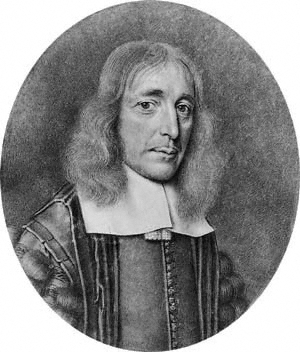
In this treatise on hysteria and hypochondria, Willis showed that hysteria was a nervous disease and not a uterine disorder as had been traditionally believed. He compared hysteria in women to hypochondria in men. He …
1670
#3246
Dissertatio de origine catarrhi in qua ostenditur illum non provenire a cerebro. IN: Tractatus de corde, pp. 221-39.
With Schneider, Lower overthrew the idea that nasal mucus originated in the brain. This discovery localized nasal catarrh in the air passages and put an end to the use of many recipes for “purging the brain”. The Diss…
1670
#7123
De bibliothecis incendio. Dissertatio ad filios.
As a result of the burning of his home and the destruction of his library, which included numerous unpublished manuscripts on a wide range of subjects, Bartholin published what was intended to be work of self-consolat…
1670
#9286
Catalogus plantarum Angliae, et insularum adjacentium: tum indigenas, tum in agris passim cultas complectens.
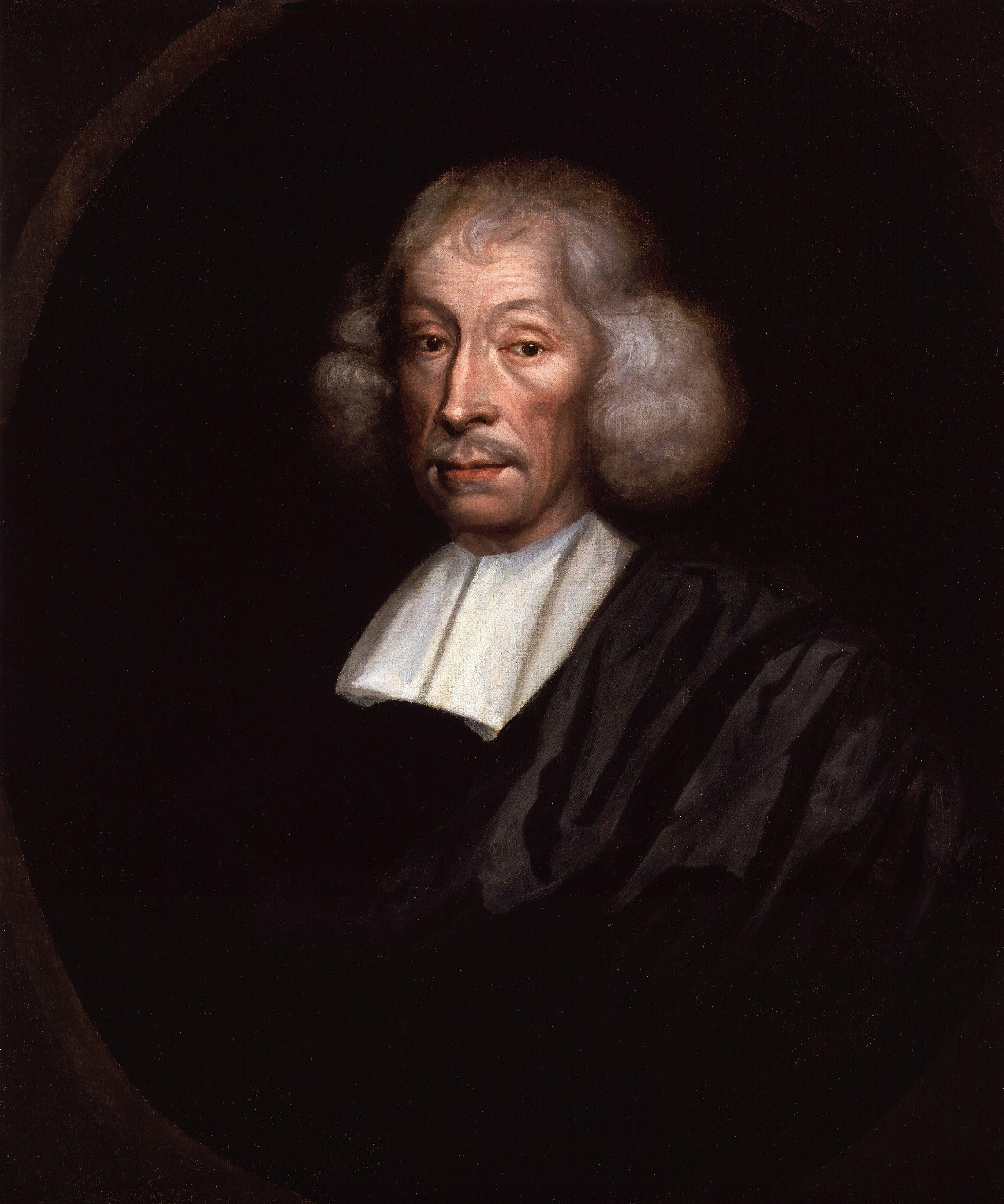
Includes some ethnobotanical notes regarding medical remedies. Digital facsimile from Google Books at this link.
1671 –1674
#2197
Praxeos medicae idea nova. 4 vols.
Sylvius was a supporter of the Iatrochemical School. At Leiden he established the first university chemical laboratory in Europe. His extensive treatise on the diseases of children was first published as volume 4 of t…
1671
#6156.1
The midwives book: or the whole art of midwifery discovered.
The first book written by an English midwife. Sharp was the most accomplished midwife of 17th-century England. Scholarly, extensively annotated edition edited by Jane Hobby, New York & Oxford: Oxford University Press,…
1671
#6491.9
Les secrets de la médecine des chinois, consistant en la parfaite connoissance du pouls. Envoyez de la Chine par un françois, homme de grand mérite.
The first Western book on Chinese medicine, with a few brief comments on Japanese methods. This anonymous collection of translations of early Chinese texts on pulse medicine has been variously attributed to different …
1671
#294.1
Esperienze intorno a diverse cose naturali…
Includes the first scientific study of an electric fish. While the torpedo’s peculiar properties had provoked scientific speculation since at least the time of Aristotle, Redi was the first to perform an actual dissec…
1671 –1676
#295
Mémoires pour servir à l’histoire des animaux. 2 vols.
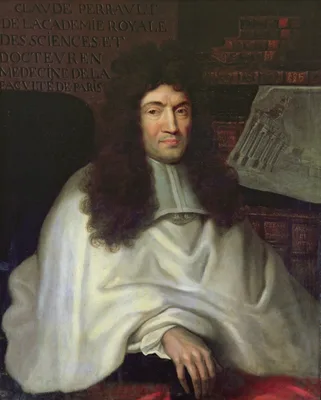
Perrault was the leader of a team of comparative anatomists that included Guichard Joseph Duverney, Jean Pecquet, Moyse Charas and Philippe de la Hire; they were often called the “Parisians” in contemporary literature…
1671
#10124
Voyage des pais septentrionaux: Dans lequel se void [sic] les moeurs, maniere de vivre, & superstitions des Norweguiens, Lappons, Kiloppes, Borandiens, Syberiens, Samojedes, Zembliens, & Islandois, enrichi de plusieurs figures.
Translated into English as A new voyage into the northern countries being a discription of the manners, customs, superstition, buildings, and habits of the Norwegians, Laponians, Kilops, Borandians, Siberians, Samojed…
1671
#12881
Thermarum Aquisgranensium et porcetanarum descriptio. Congruorum quoque ac salubrium usuum balneationis et potationis elucidatio, opera.
An extenisvely illustrated work promoting the medicinal value of the sulphur springs of Aachen and Burscheid. Blondel devoted his life to the promotion of the medicinal value of these springs, becoming inspector of th…
1671
#13629
De l'usage du caphe, du the, et du chocolate.
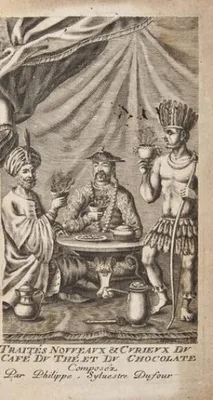
The Library of Congress attributes this anonymous work to Philippe Sylvestre Dufour, but characterizes Jacob Spon as the "supposed author." They also state as follows: "Attributed also to Jacob Spon. cf. Paris. Bibl. …
1672
#384
Anatomia chirurgica.
First book devoted entirely to surgical anatomy.
1672
#1209
De mulierum organis generationi inservientibus.
De Graaf demonstrated ovulation anatomically, pathologically and experimentally. In the above work he included the first account of the “Graafian follicle”. Translation of Chapter XII, dealing with the ovaries, by G. …
1672
#1211
Miraculum naturae, sive uteri muliebris fabrica.
After de Graaf published his work on ovulation (No. 1209), Swammerdam asserted his priority in the above work, noting that his researches had been acknowledged in 1668 by van Horne.
1672
#1826.1
New-Englands rarities discovered: in birds, beasts, fishes, serpents, and plants of that country. Together with the physical and chyrurgical remedies wherewith the natives constantly use to cure their distempers, wounds, and sores…
The first detailed account of the natural history and botany of North America, including the first extensive study of native North American medicine.
1672
#1769
De aere, locis, et aquis terrae Angliae; deque morbis Anglorum vernaculis. Cum observationibus ratiocinatione & curandi method illustratis.
An outline of the medical topography of England.
1672
#1544
De anima brutorum
Chap. XIV is devoted to the sense of hearing; in it Willis described the “paracusis of Willis” (p. 73). English translation, 1683. A probable description of myasthenia gravis is given in Pars. 2, Cap. IX. In Pars 2, C…
1672
#5121
Λοιμόλόγια sive pestis nuperae apud populum Londinensem grassantis narratio historica.
Best medical record of the Great Plague of 1665. Hodges was physician to the City of London and the medical hero of the great epidemic. English translation by John Quincy, 1720: Loimologia, or, An historical account o…
1672
#6496
De morbis biblicis miscellanea medica.
A study of the diseases mentioned in the Bible.
1672
#7007
The American physician : or, a treatise of the roots, plants, trees, shrubs, fruit, herbs, etc., growing in the English Plantations in America ; ... whereunto is added a discourse of the Cacao-nut-Tree, and the use of its fruit ; with all the ways of making Chocolate
The earliest work in English on the medicinal virtues of North American tropical plants. Based on first-hand observations made in the West Indies, Evidence suggests that Hughes began his career in 1651 with a privatee…
1672
#11640
The anatomy of vegetables begun. With an a general account of vegetation founded thereon.
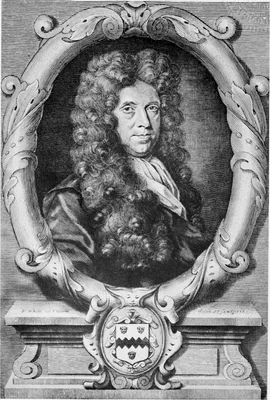
"Grew was a conscious pioneer in a hitherto neglected area... His work was primarily marked by his brilliant observation and description of plants and their component parts; having begun by making observations using o…
1672
#13878
New-Englands rarities discovered: In birds, beasts, fishes, serpents, and plants of that country. Together with the physical and chyrurgical remedies wherewith the natives constantly use to cure their distempers, wounds, and sores; also A perfect description of an Indian squa, in all her bravery, with a poem not improperly conferr'd upon her; lastly, a chronological table of the most remarkable passage in that country amongst the English.
Josselyn's books give some of the earliest and most complete information on New England flora and fauna in colonial times, and his outlook was later praised by Henry Thoreau, among others. Digital facsimile from Biodi…
1673
#468
De ovo incubato observationes.
First accurate description, from the microscopical point of view, of the chick embryo. See No. 467.1. English translation in No. 534.1
1673
#469
Dissertatio epistolica de formatione pulli in ovo.
This and the De ovo incubato (No. 468) placed the study of embryology on a sound basis, surpassing in accuracy all other contemporary work on the subject and foreshadowing some of the more important general lines of r…
1673
#4161
Exercitationes medicae practicae circa medendi methodum.
This work contains the first clear description of proteinuria, noting precipitation of urine with heat or acetic acid. Albuminuria was first described by Dekkers (Chapter V). A translation of this chapter is in Major,…
1673
#7328
A Brief Account of Some Travels in Hungaria, Servia, Bulgaria, Macedonia, Thessaly, Austria, Styria, Carinthia, Carniola, and Friuli.
Digital facsimile from Google Books at this link.
1673
#9676
Miscellanea anatomica, hominis, brutorumque variorum, fabricam diversam magna parte exhibentia.
The "first comprehensive manual of comparative anatomy based on the original and literary researches of a working anatomist. Blasius's observation on human anatomy are followed by eighty five pages devoted to the anat…
1673
#12972
Nova medicina spirituum: Curiosa scientia & doctrina, unanimiter hucusque neglecta, & à nemine meritò exculta, medicis tamen & physicis utilissima. In quâ Primo Spirituum naturalis constitutio, vita, sanitas temperamenta, ingenia, calidum innatum, phantasiae vires, ideae, astrorum influentiae, μετεμψύχωσις, rerum magnetissimi, sympatiae & antipatiae, qualitates hactenus occultae, aliaq; caeteroquin abstrusa & paradoxa; Dehinc spirituum praeternaturalis seu morbosa Dispositio, causae, curationes per naturam, per diaetam, per arcana majora, palingenesiam, magnetissimum seu sympatheismum, transplantationes, amuleta, ingenuè & dilucidè demonstrantur.
”A very curious work, attributing the causes of many diseases to spirits and basing their cure on this theory. There is a great deal on insanity. The methods of treatment are partly chemical, partly magnetical, even s…
1674
#2726.2
Tractatus quinque medico-physici.
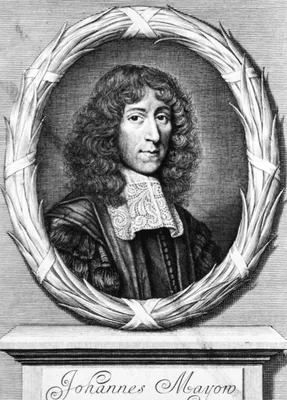
Mayow was the first to locate the seat of animal heat in the muscles; he discovered the double articulation of the ribs with the spine and came near to discovering oxygen in his suggestion that the object of breathing…
1674
#2727
Opera medica universa.
Riverius was the first to note aortic stenosis (p. 638 of the above).
1674 –1675
#3926
Pharmaceutice rationalis sive diatriba de medicamentorum operationibus in humano corpore. 2 vols.
Willis’s last work deals with the anatomy and physiology of the thoracic and abdominal organs, and contains the first description of the superficial lymphatics of the lungs, the first clinical and pathological account…
1674
#5336.1
Exercitatio de vena Medinensi, ad mentem Ebn Sinae [Ibn Sina] sive de dracunaculis veterum. Specimen exhibens novae versionis ex Arabico, cum commentario uberiori. Cui accedit altera, de vermiculis capillaribus infantium.
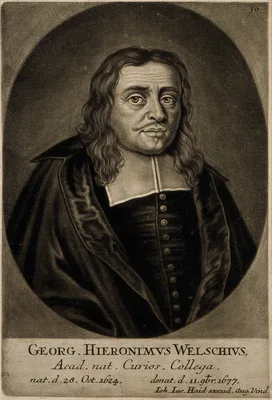
An exhaustive survey of dracontiasis, or guinea worm disease, based on the Arabic writings of Avicenna. Digital facsimile from Google Books at this link.
1674
#7575
Gottorffische Kunst-Kammer: worinnen allerhand ungemeine Sachen, so theils die Natur, theils künstliche Hände hervor gebracht und bereitet : vor diesem aus allen vier Theilen der Welt zusammen getragen, und vor einigen Jahren beschrieben, auch mit behörigen Kupffern gezieret.
First published in 1666. Digital facsimile from the Biodiversity Heritage Library, Internet Archive at this link.