
Europe
6,838 entries published in Europe.
1751
#11972
Philosophia botanica in qua explicantur fundamenta botanica cum definitionibus partium, exemplis terminorum, observationibus rariorum, adjectis figuris aeneis.
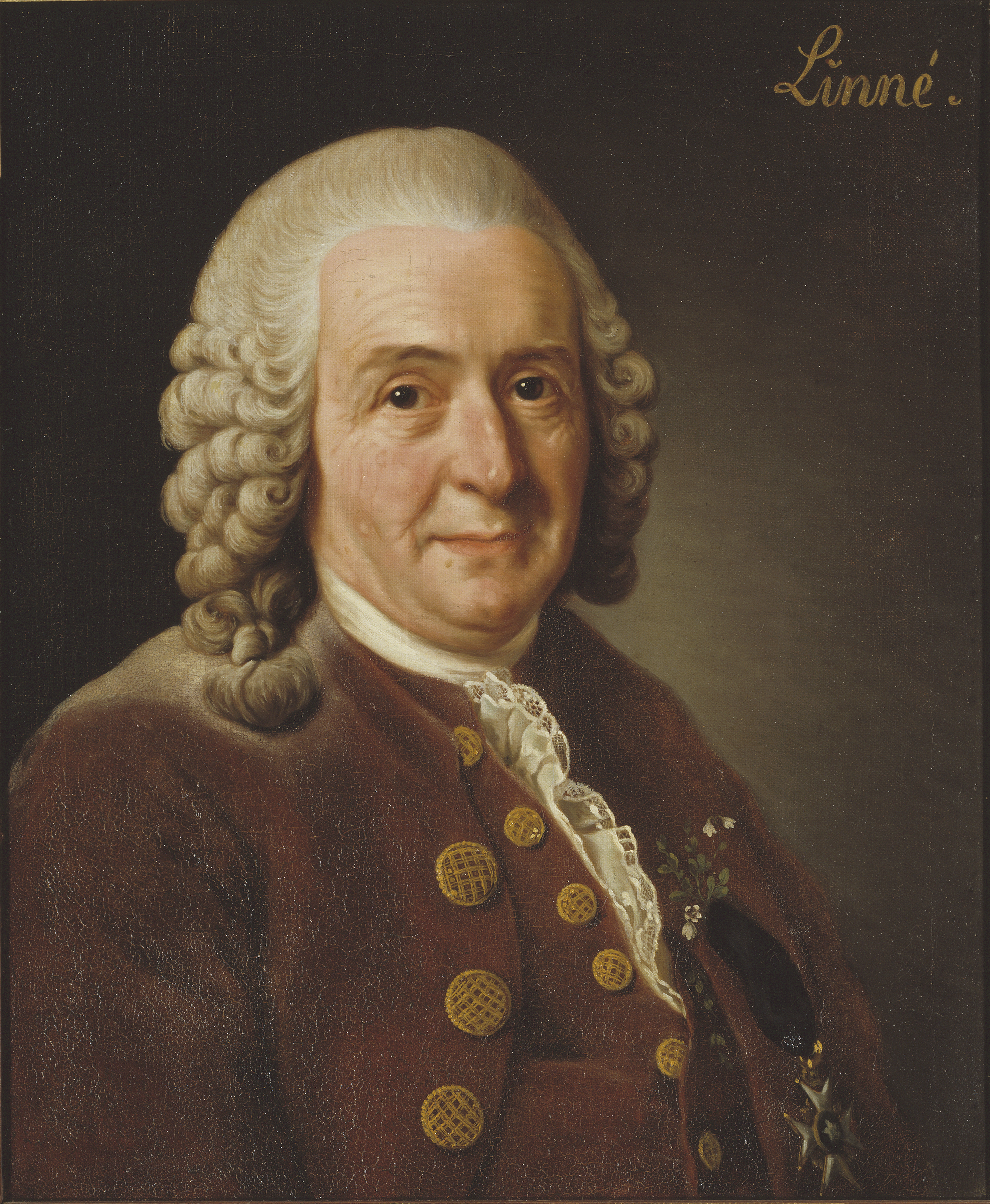
This work was "the first textbook of descriptive systematic botany and botanical Latin".[1] It also contains Linnaeus's first published description of his binomial nomenclature. "Philosophia Botanica represents a matu…
1751 –1752
#12873
Journal du voyage fait par ordre du Roi, a l'équateur, servant d'introduction historique a la mesure des trois premiers degrés du méridien. Supplément au Journal historique du voyage a l'Équateur: et au livre de la Mesure des trois premiers degrés du méridien, servant de réponse à quelques objections. 2 vols.
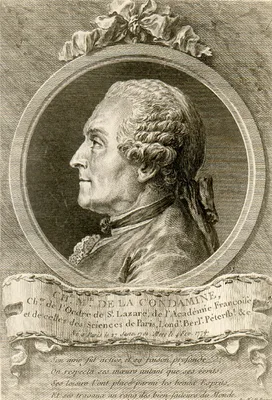
La Condamine's journal of his ten year long voyage to South America, the scientific results of which included proof that the earth is a spheroid flattened at the poles. Other scientific observations including botanica…
1752 –1770
#1675
Observationes de aëre et morbis epidemicis. 3 vols.
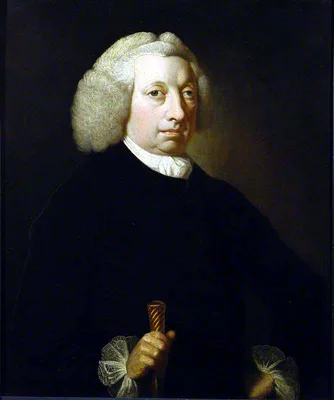
Huxham made daily records of the weather and prevailing diseases; his aim was to establish a relationship between atmospheric conditions and disease. The work was first published in 1728; vol. 1 and 2 of the edition g…
1752
#2150
Observations on the diseases of the army, in camp and garrison.
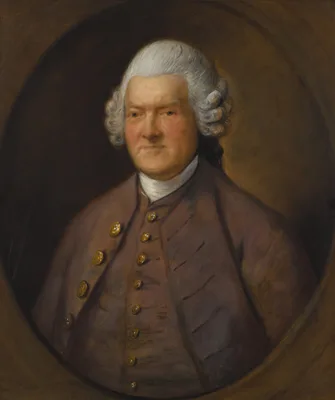
Pringle, founder of modern military medicine, was Physician-General of the British Army from 1744 to 1752. His books lay down the principles of military sanitation and the ventilation of barracks, gaols, hospital ship…
1752
#3424.1
De tumore scirrhoso trium cum quadrante librarum glandulae parotidis extirpato.
First description of parotid tumor.
1752
#6018
Tabulae anatomicae quatuor uteri duplicis.
Atlas of bipartite and double uterus.
1752
#6154
A treatise on the theory and practice of midwifery.
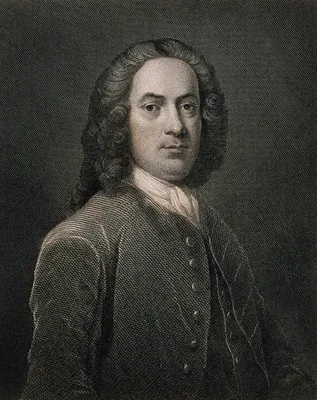
Smellie contributed more to the fundamentals of obstetrics than virtually any individual. In his Treatise he described more accurately than any previous writer the mechanism of parturition, stressing the importance of…
1752
#6357.51
Der Arzney Doctor, Helvetisch-Vernünftige Wehe-Mutter, oder Gründlicher Unterricht, wie mit den Schwangern, Gebährenden, Kindbetterinnen und neugebohrnen Kindern umzugehen, selbige gebührend zu verpflegen, und in allerhand ihnen zustossenden Kranckheiten zu begegnen seye: Samt einer ausführlichen Beschreibung von Fortpflanzung des menschlichen Geschlechts, und aller weiblichen Leibes-Theilen, auch der Empfängniß, Formir- und Bildung der Frucht im Mutterleibe. Nebst des Verfassers curiösen Anmerckungen, selbst-bewährten Handgriffen, Curen und dazu dienlichen Arzney-Mitteln. Dem löblichen Frauenzimmer, geschwohrnen Weibern, und andern ehrbaren Frauen zu Nutz, mit besonderm Fleisse in fünf Abschnitte eingetheilt. Mit vielen Kupfern und dreyen Registern.
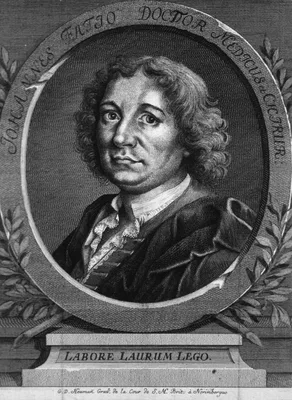
Fatio was probably the first surgeon to study and treat surgical conditions of children in a systematic fashion. His book, first published over 60 years after his death, is divided into five parts: 1) the anatomy of w…
1752
#11504
Lettres sur la certitude des signes de la mort où l'on rassure les citoyens de la crainte d'être enterrés vivans ; avec des observations et des expériences sur les noyés.
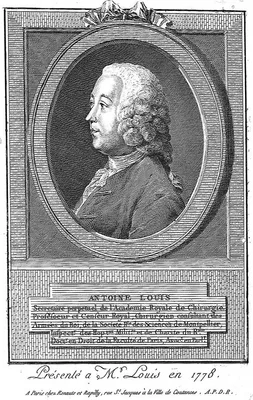
In this work in the pathophysiology of drowning, resuscitation and the legal diagnosis of death Louis sought to reassure the public that the risk of being buried alive was very low. He rejected a proposal for late bur…
1752
#11719
Sendschreiben von den Wirkungen des Kafeetranks.
Discussing the consumption and reception of coffee from Britain to Turkey, Knoll dismissed criticisms of coffee, including that it reduced beauty and virility, or that it was contrary to Islam, instead promoting the m…
1753
#99.1
Species plantarum. Exhibentes plantas rite cognitas ad genera relatas. Cum diferentiis specificis, nominibus trivialibus, synonymis selectis, locis natalibus, secundum systema sexuale digestas. 2 vols.
In this work Linnaeus introduced his full binomial naming system for plants (binomial nomenclature). Describing about 8,000 plant species from all over the world, the book demonstrated the value of a binomial system o…
1753
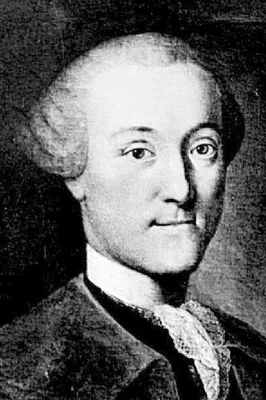
#1483
De ligamentis ciliaribus.
1753
#3713
A treatise of the scurvy.
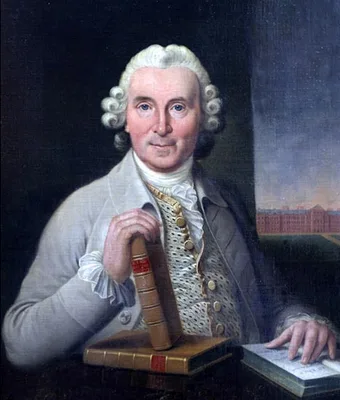
Lind, founder of naval hygiene in England, wrote a classic treatise on scurvy, in which he described many important experiments he made on the disease. These experiments have been called “the first deliberately planne…
1753
#6153
L’art des accouchemens.
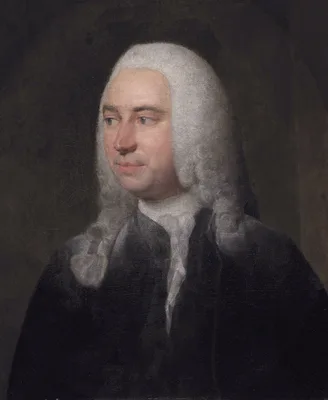
Besides introducing a curved forceps (see No. 6152) Levret invented several other obstetric instruments and made fundamental observations on pelvic anomalies. His book covered the whole field of obstetrics and remaine…
1753
#7800
Dictionaire anatomique suivi d'une bibliothèque anatomique et physiologique.
An anatomical dictionary with most of the entries cross referenced to related structures, followed by a very extensive bibliography of anatomical and physiological works. Digital facsimile from Google Books at this link.
1753 –1761
#9923
En Resa til Norra America. 2 vols.
Between 1748 and 1749, Kalm, a Swedish naturalist and student of Linnaeus, traveled throughout northeast America, specifically in Pennsylvania, Delaware, New Jersey, New York, and Canada, surveying the countryside, an…
1754
#919
Dissertatio medica inauguralis de humore acido a cibis orto, et magnesia alba.
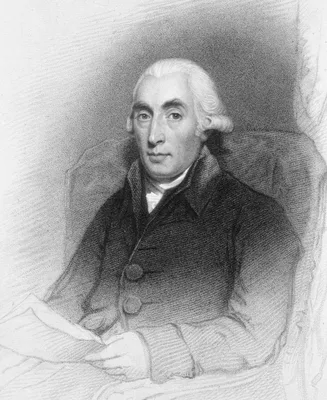
Isolation of carbon dioxide. English translation, Minneapolis, 1973.
1754 –1759
#1809.1
Opera botanica per duo saecula desiderata vitam auctoris et operis historiam cordi librum quintum cum adnotationibus Gesneri in totum opus ut et Wolphii fragmentum historiae plantarum Gesnerianae adiunctis indicibus iconum tam olim editarum... ex bibliotheca C.J. Trew. Nunc primum in lucem edidit et praefatus est Casimirus Christophorus Schmiedel. 2 vols.
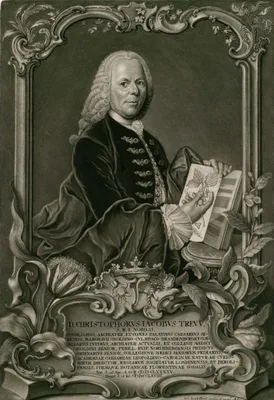
Stricken with the plague at the age of 49, Gesner was unable to complete his Historia plantarum (See No. 1807.) His collection of botanical watercolors changed hands several times until they were acquired by the physi…
1754
#4968
Traité des sensations. 2 vols.
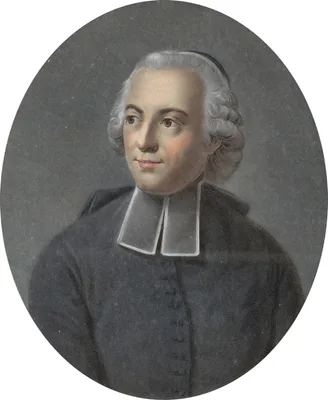
Condillac considered that we perceive only what our senses supply in the form of sensations: the “real being” of things is beyond us. English translation, London, 1930.
1754
#6154.1
A sett [sic] of anatomical tables, with explanations, and an abridgment, of the practice of midwifery…
The celebrated atlas for No. 6154, which is a complete work in itself. The 39 superb engravings include 26 after drawings by Jan van Rymsdyk, which are preserved in the Hunterian Collection at the University of Glasgo…
1754
#7127
Bibliotheca Meadiana, sive catalogus librorum Richardi Mead, M.D. qui prostabunt venales sub hasta, apud Samuelem Baker ... Londini, die lunae, 18vo. Novembris, M.DCC.LIV., iterumque die lunae, 7mo. Aprilis, M.DCC.LV.
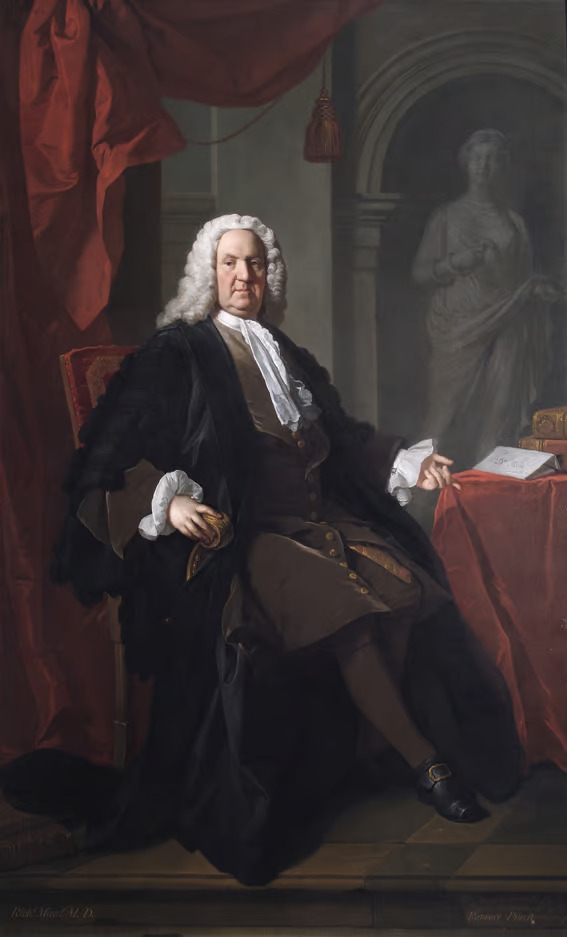
Mead's library consisted of upwards of 10,000 printed volumes, and many rare and valuable manuscripts. The collection was especially rich in medical works, and in early editions of the classics; it realized over £5,50…
1754
#7492
Anatomie generale des visceres, et de la nevrologie, angeologie et osteologie du corps humain, en figures, de couleurs et grandeurs naturelles dediée et présentée.
Includes 18 full-page color-printed mezzotints, 12 of the plates designed to fit together in threes to make four life-size human figures. Gautier credited Mertrud, the King's Surgeon with some of the anatomical work i…
1754
#7678
The natural history of Carolina, Florida, and the Bahama Islands, containing the figures of birds, beasts, fishes, serpents, insects, and plants, particulary the forest trees, shrubs, and other plants, not hitherto described, or very incorrectly figured by authors. Together with their descriptions in English and French. To which are added, observations on the air, soil, and waters with remarks upon agriculture, grain, pulse, roots, &c. To the whole is prefixed a new and correct map of the countries treated of / by the late Mark Catesby; revised by Mr. [George] Edwards. 2 vols.
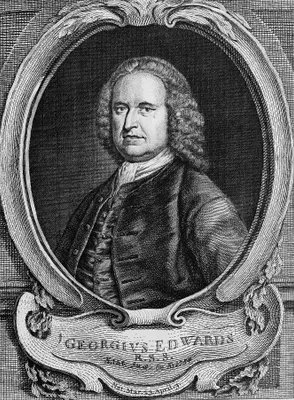
Second edition, edited by ornithologist George Edwards. Digital facsimile from the Internet Archive at this link.
1754 –1764
#9558
Hans Maj:ts Adolf Frideriks vår allernådigste konungs naturalie samling innehållande sällsynte och främmande djur, som bevaras på kongl. lust-slottet Ulriksdahl beskrefne och afrit. Museum Adolfi Friderici ... in quo animalia rariora imprimis, et exotica: Quadrupedia, aves, amphibia, pisces, insecta, vermis. Vol. 2: Museum S:ae R:ae M:tis Adolphi Friderici Regis Svecorum, Gothorum, Vandalorumque &c. &c. &c. in quo Animalia rariora imprimis & exotica: Aves, Amphibia, Piscis describuntur. Tomi secundi Prodromus.
Linnaeus's study of the royal natural history collections was important because to a considerable extent they formed the basis for his knowledge of animals. The collections contain many type specimens for animals desc…
1754
#12175
Graecorum chirurgici libri Sorani unus de fracturarum signis. Oribasii duo de fractis et de luxatis e collectione Nicetae ab antiquissimo et optimo codice Florentino descripti conversi atque edited ab Antonio Cocchio.
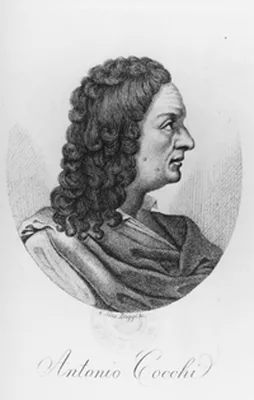
A scholarly edition of the Nicetas Codex containing various texts on fractures and luxations. Digital facsimile from Google Books at this link.
1754
#12848
Nouveaux élémens d’odontologie, contenant l’anatomie de la bouche ou la description de toutes les parties qui la composent et de leur usage; et la pratique abrégée du dentiste.
Lecluse treated in a succinct but correct manner the anatomy of the mouth; invented some and perfected other instruments, the most important of which is the elevator that still bears his name, and . . . he frequently …
1754
#12979
Museum ichthyologicum sistens piscium indigenorum et quorundam exoticorum, qui in museo Laurentii Theodori Gronovii adservantur: Descriptiones ordine systematico; accedunt nonnullorum exoticorum piscium icones aeri incisae.
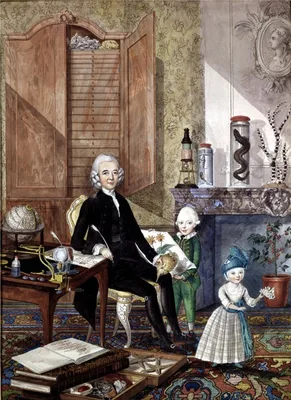
Gronovius described over 200 species of fish. He is also credited with developing a technique for preservation of fish skins. Today, a number of his fish skins are preserved in the Natural History Museum, London. Digi…
1754
#13065
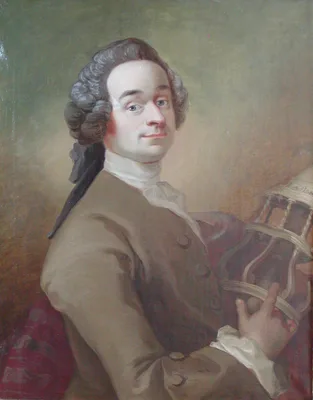
Briefe welch einige Erfahrungen der electrischen Wirkungen in Krankheiten enthalten.
1754
#13099
Recherches sur l’usage des feuilles dans les plantes, et sur quelques autres sujets relatifs à l’histoire de la végétation.
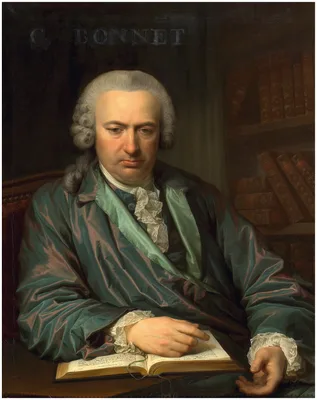
In his study of plant physiology Bonnet contributed significant research on phototropism. Digital facsimile from Biodiversity Heritage Library at this link. Craig W. Whippo, Roger P. Hangarter, Phototropism: Bending t…
1754
#13783
Poissons, écrevisses et crabes, de diverse couleurs et figures extraordinaires, que l'on trouve autour des Isles Moluques, et sur les côtes des Terres Australes....
"This extraordinary work purports to show marine life from the seas around Indonesia at a time when the natural wildlife of that area was virtually unknown in Europe. Renard, both a publisher and a spy for the British…
1755
#1484
Descriptio anatomica oculi humani.
The first complete study of the anatomy of the eye, including the first description of the “zonule of Zinn” and the “annulus of Zinn”.
1755
#5124
Tentamen de inoculandi peste.
Weszprémi proposed preventive inoculation against plague.
1755
#9190
Memoire sur les cors des pieds.
The first publication on podiatry, a pamphlet of 19, [1] pp. informally issued by Rousselot to promote his practice. Because of the non-standard title page without mention of place, publisher or date, the pamphlet see…
1755
#9507
Medica sacra; or a commentary on the most remarkable diseases, mentioned in the Holy Scriptures. Translated from the Latin under the author's inspection by Thomas Stack. To which are prefixed memoirs of the life and writings of the learned author.
First published by Brindley in Latin in 1749. This is the best edition. Digital facsimile from the Hathi Trust at this link.
1755
#10510
An historical account of the several plagues that have appeared in the world since the year 1346. With an enquiry Into the present prevailing opinion, that the plague is a contagious distemper, capable of being transported in merchandize, from one country to another. In which the absurdity of such notions is exposed, and the arguments that have been made use of to support them, refuted. To which are added a particular account of the yellow fever, shewing its periodical appearance to be similar to the plague. Also observations on Dr Mackenzie's letters; read before the Royal Society on this subject. And an abstract of Capt. Isaac Clemens's voyage in the Sloop Fawey, from their arrival in the Mould of Algiers, to the sinking of her, on a supposition that the plague was on board her. Taken from his log-book
Digital facsimile from Google Books at this link.
1755
#12699
Authentic memoirs of the life of Richard Mead. [By Matthew Maty]
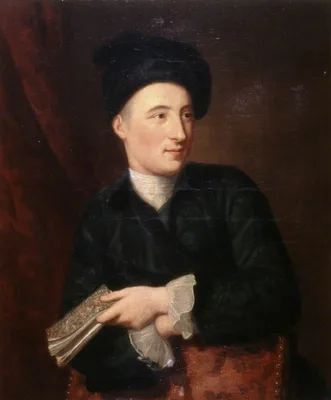
Digital facsimile from Google Books at this link.
1755
#12706
An essay towards the natural history of the corallines, and other marine productions of the like kind, commonly found on the coasts of Great Britain and Ireland. To which is added the description of a large marine polype taken near the North Pole, by the whale-fishers, in the summer 1753.
The first work to state the animal nature of corals, which had previously been regarded as marine plants. It has been asserted that although unsigned, some of the plates are after drawings by Ehret. Digital facsimile …
1756
#3576
A treatise on ruptures.
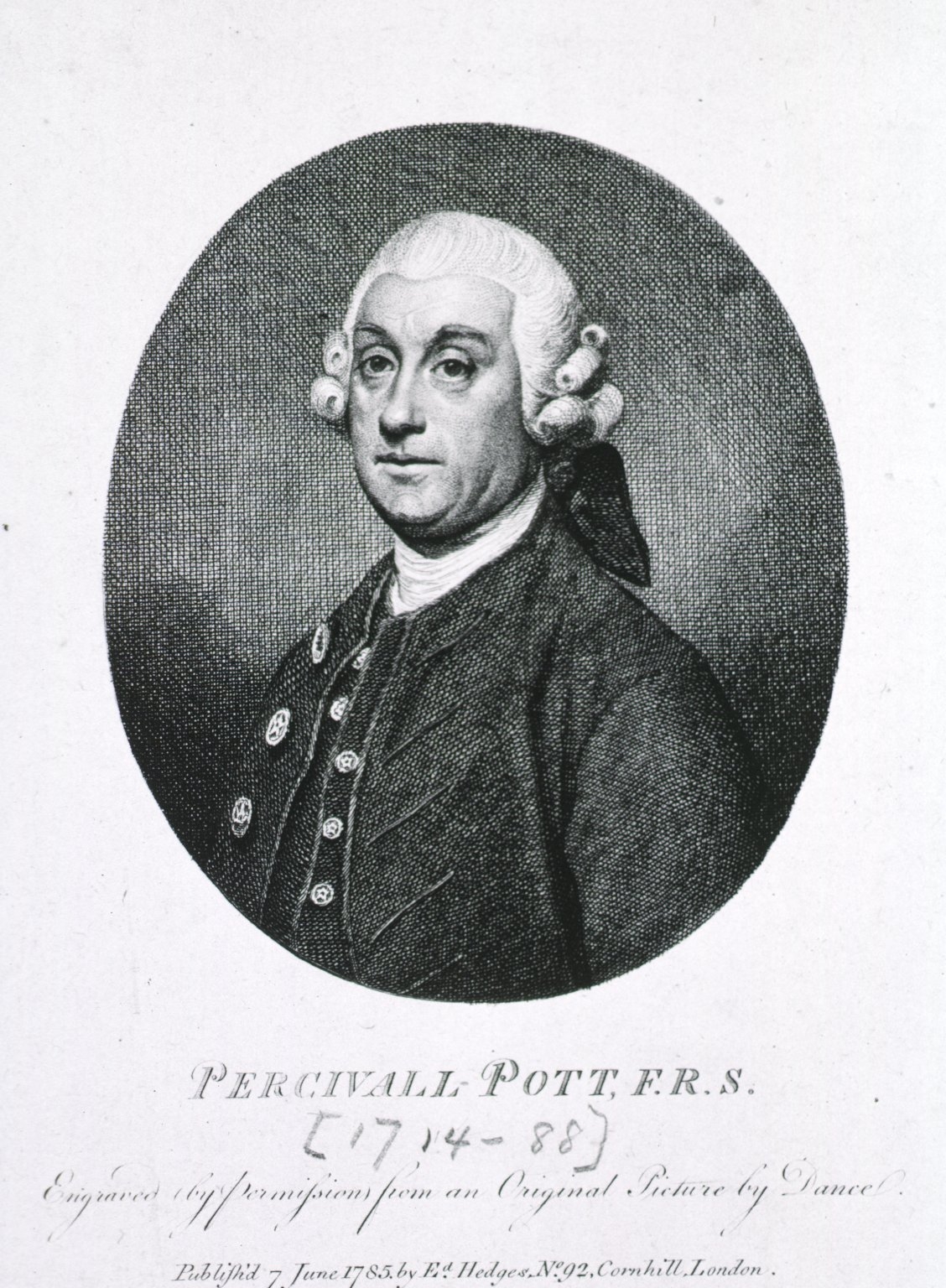
Pott was surgeon to St. Bartholomew’s Hospital. Through a fall in the street he was confined to bed for many days, and during that period wrote his classic book on hernia. He refuted many of the old theories concernin…
1756
#3356
A method proposed to restore the hearing, when injured from an obstruction of the tuba Eustachiana.
Wathen condemned Guyot’s method of Eustachian catheterization, and suggested a method of relieving catarrhal deafness by means of injections into the Eustachian tube through a catheter passed into the nose. Wathen was…
1756
#3673
Abhandlung von den Zähnen des menschlichen Körpers und deren Krankheiten.
The first important German manual of dentistry. Pfaff, dentist to Frederick the Great, was the first to describe the taking of dental impressions and the casting of models for false teeth. This book ranks in importanc…
1756
#5290
Natural history of Aleppo and parts adjacent.
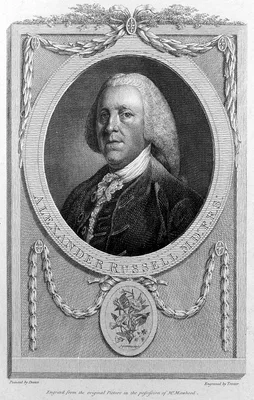
Includes (Chap, iv) a good account of “Aleppo boil”, which Russell found to be endemic in Aleppo. Digital facsimile from the Internet Archive at this link.
1756
#7489
An essay on the demonstration of the human structure, half as large as nature, in four tables, from the pictures painted after dissections, for that purpose.
Four large mezzotint plates issued with an accompanying text.
1756
#8927
A. Cornelius Celsus. Of Medicine. In eight books. Translated with notes critical and explanatory by James Grieve.
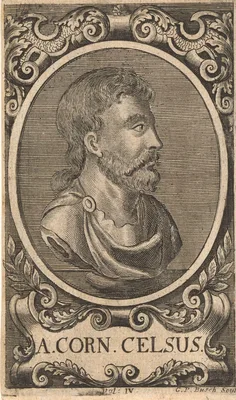
First English translation of Celsus De medicina. That it was translated into English for the first time in the mid-eighteenth century is a reflection of the use of Latin as the international language of medicine and s…
1756
#11158
The use of sea voyages in medicine.
Gilchrist recommended sea voyages as treatment for pulmonary tuberculosis and other diseases. Digital facsimile from Google Books at this link. Much expanded French translation by Edme-Claude Bourru as Utilité des voy…
1756
#11607
Deux mémoires sur le mouvement du sang, et sur les effets de la saignée, fondés sur des experiences faites sur des animaux.
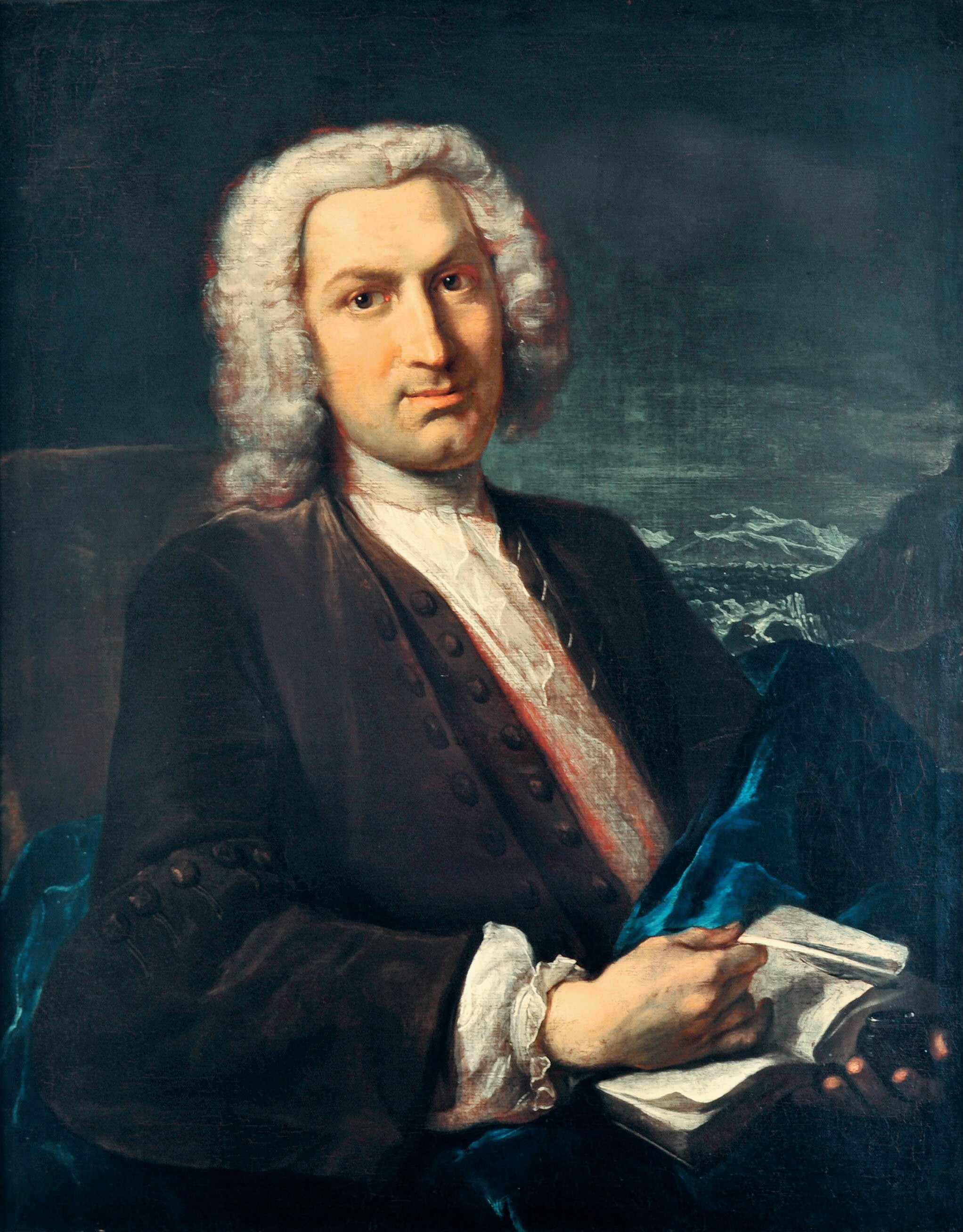
In these memoirs Haller described the results of 235 vivisections. Haller has been called "the founder of modern haemodynamics." "The myogenic theory of the heartbeat can be traced to Haller, who concluded on the basi…
1756
The natural history of Jamaica: In three parts. Containing, I. An accurate description of that island, its situation and soil; with a brief account of Its former and present state, government, revenues, produce, and trade. II. A history of the natural productions, including the various sorts of native fossils; perfect and imperfect vegetables; quadrupedes, birds, fishes, reptiles and insects; with their properties and uses in mechanics, diet, physic. III. An account of the nature of climates in general, and their different effects upon the human body; with a detail of the diseases arising from this source, particularly within the tropics....illlustrated with fifty copper-plates: in which the most curious productions are represented of the natural size, and delineated immediately from the objects.
1756
#13448
The civil and natural history of Jamaica. In three parts, containing 1. An accurate description of that Island, its situation and soil; with a brief account of its former and present state, government, revenues, produce, and trade. II. A history of the natural productions, including the various sorts of native fossils, perfect and imperfect vegetables, quadrupedes, birds, fishes, reptiles and insects; with their properties and uses in mechanics, diet, and physic. III. An account of the nature of climate in general, and their different effects upon the human body; with a detail of the diseases arising from this source, particularly within the tropics....illustrated with fifty copper-plates...in natural size....
Digital facsimile from Google Books at this link.
1757 –1766
#588
Elementa physiologiae corporis humani. 8 vols.
Haller synthesized the whole physiological knowledge of his time. In the above, probably his greatest work, Haller included some anatomical descriptions which were most valuable. He is said to have written more than 1…
1757
#2095
De colica pictonum.
Tronchin, sometime physician to Voltaire, showed that the so-called “Poitou colic” was caused by drinking water which had passed through lead gutters. Tronchin introduced inoculation into Holland, France, and Switzerl…
1757
#2151
An essay on the most effectual means, of preserving the health of seamen, in the Royal Navy.
Lind is regarded as the founder of naval hygiene in England. Besides his work on scurvy (see No.3713), he is notable for the above book, which deals not only with the men but also with the appalling conditions in whic…