
Facets
Browse across eight MeSH (opens in new tab) facets — era, geography, science, specialty, technology, history, culture, and reference. Select one tag per group; counts update across the others. What’s new in facet browse how facets relate to subjects and MeSH.
Clear filtersGeography
Specialties & Disease
- Alternative & Fringe Medicine 383
- Anatomy & Pathology 765
- Cardiology & Blood 914
- Dentistry 259
- Diabetes 80
- ENT & Hearing 293
- Epidemiology & Demography 397
- Gastroenterology & Hepatology 316
- General Clinical Medicine 487
- Immunology & Dermatology 1,008
- Infectious Disease (General) 147
- Internal, Emergency & Geriatric 123
- Microbiology & Virology 1,080
- Military Medicine 436
- Neurology & Psychiatry 1,258
- Obstetrics & Reproductive 551
- Oncology & Cancer 377
- Ophthalmology & Vision 412
- Pediatrics 247
- Physiology & Embryology 924
- Plagues & Epidemics 1,279
- Psychology 202
- Public Health 1,129
- Pulmonary & Respiratory 233
- Rheumatology, Rehab & Pain 189
- Surgery & Anesthesia 1,553
- Urology & Nephrology 309
- Veterinary Medicine 165
Social & Historical Studies
Institutions & Culture
Reference & Scholarly Works
914 entries match Cardiology & Blood [C14 / C15]
1910
#899
The preparation and properties of thrombin, together with observations on antithrombin and prothrombin.
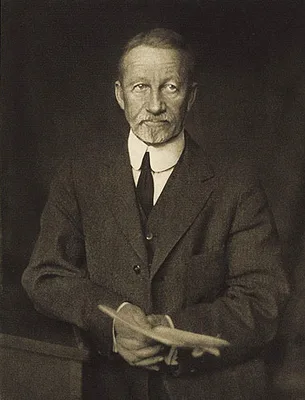
1910
#900
Studies on isoagglutinins and isohemolysins.
Moss showed that the blood of all individuals could be placed into one of four groups. His classification has been the one most commonly used until recently. The work was similar to that of Janský and completed before…
1910
#901
The variation in the sizes of red blood cells.
Price-Jones described a method for the direct measurement of red blood cells, which led to the term, “Price-Jones curve”. See also his book, Red blood cell diameters, London, 1933.
1910
#2600
The physiology of the immediate reaction of anaphylaxis in the guinea-pig.
First adequate account of the physiological reactions leading to fatal anaphylactic shock.
1910
#2832
Zur Klinik des Elektrokardiogramms.
First clinical and pathological description of bundle-branch block.
1910
#2833
Auricular flutter and fibrillation.
Auricular flutter first described.
1910
#2834
The etiology of subacute infective endocarditis.
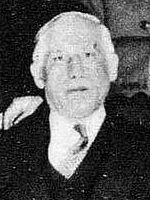
Libman and Celler found Strep. endocarditis to be the most common cause of subacute bacterial endocarditis.
1910
#2835
Zur kenntniss der Thrombose der Koronararterien des Herzens.
First complete description of coronary thrombosis, diagnosed before death and confirmed at necropsy. Reprinted in Klin. Med. (Mosk.), 1949, 27,No. 11, 15-25.
1910
#2836
Endocarditis lenta. Zugleich ein Beitrag zur Artunterscheidung der pathogenen Streptokokken.
First to isolate Strep viridans in cases of bacterial endocarditis, Schottmüller named the condition Endocarditis lenta.
1910
#3133
Peculiar elongated and sickle-shaped red blood corpuscles in a case of severe anemia.
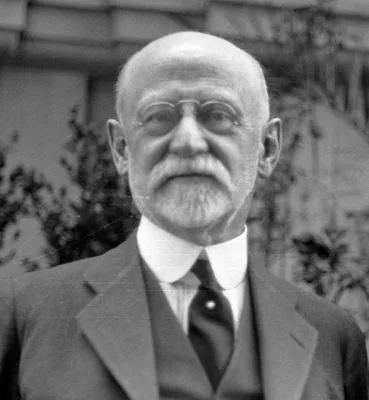
Identification of the sickle-cell type of anemia. Abstract "This case is reported because of the unusual blood findings, no duplicate of which I have ever seen described. Whether the blood picture represents merely a …
1910
#11674
Das Elektrokardiogramm des gesunden and kranken Menschen.
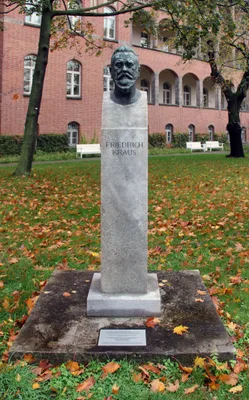
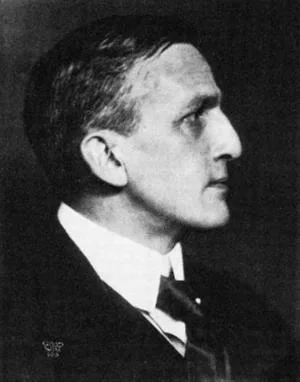
The first comprehensive monograph on electrocardiography in any language.
1910
#11752
Diseases of the heart and aorta.
The first comprehensive monograph on cardiology written and published in the United States. Hirschfelder interned under William Osler at Johns Hopkins, and became Hopkins's first full-time cardiologist. Digital facsim…
1910
#12255
The electrocardiogram in clinical medicine: The string galvanometer and the electrocardiogram in health.
The first clinical paper on electrocardiography to appear in an American journal (Burch & DePasquale, A History of Electrocardiography,1990, 163.) James and Williams "published the first ECG recordings in the western …
1911
#2851
The mechanism of the heartbeat: With special reference to its clinical pathology.
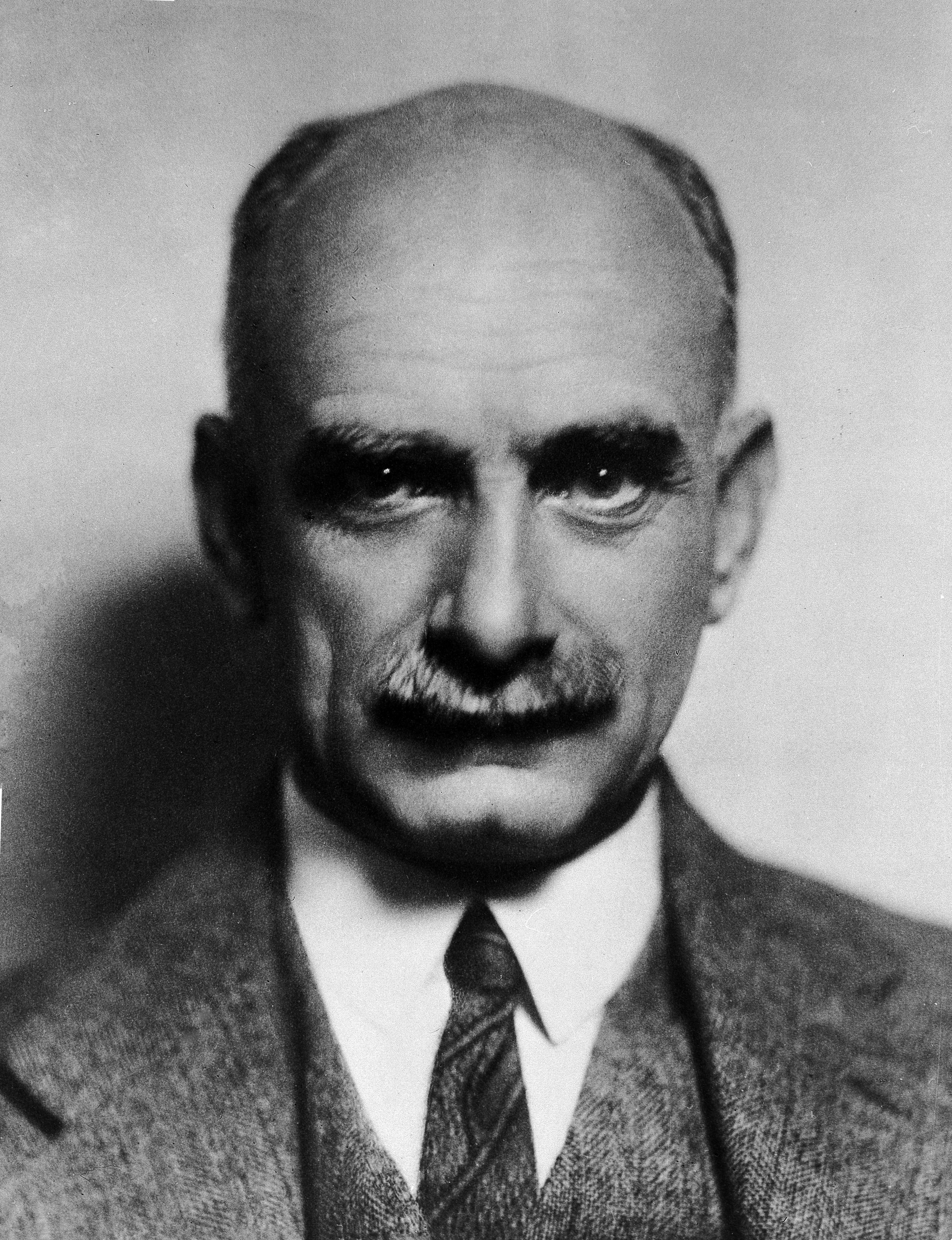
Sir Thomas Lewis was a pioneer in the application of electrocardiography to clinical medicine. His book was both an exhaustive treatise on the subject for its time, and a valuable bibliographical source. Second editio…
1911 –1912
#902
The role of antithrombin and thromboplastin (thromboplastic substance) in the coagulation of blood.
1911
#2837
Les arythmies.
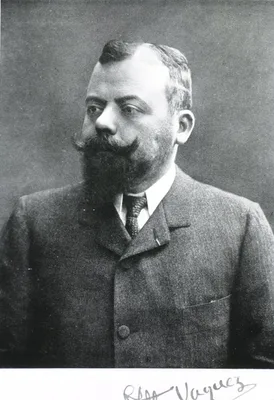
1911
#3081
Haemophilia.
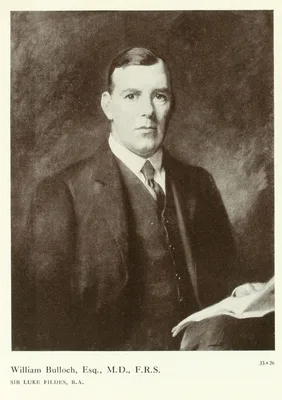
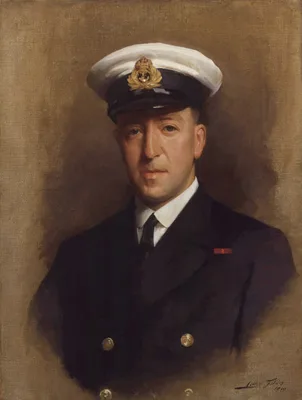
Bulloch and Fildes, in their detailed account of hemophilia, claimed to have established immunity to the disease in females, and denied the authenticity of published cases of female hemophilia. They confirmed the law …
1911
#3082
Grundriss der hämatologischen Diagnostik.
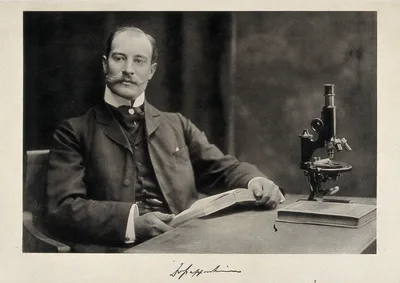
One of the leaders in modern hematology, Pappenheim improved the methods of staining blood cells.
1912
#956
Chemical nature of specific oxygen capacity in haemoglobin.
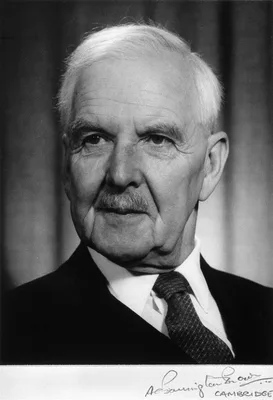
Peters made accurate determinations of the ratio of iron to oxygen in the blood.
1912
#2838
Glomerular lesions of subacute bacterial endocarditis.
Baehr drew attention to the renal lesions in subacute bacterial endocarditis.
1912
#2839
Clinical features of sudden obstruction of the coronary arteries.
Outstanding description of coronary thrombosis. Herrick was the first to describe and diagnose coronary thrombosis in a living person; he showed that sudden coronary occlusion is not necessarily fatal. Reprint in Will…
1912
#2840
Electro-cardiography and its importance in the clinical examination of heart affections.
1912
#2841
A study of the endocardial lesions of subacute bacterial endocarditis.
1912
#2914
Esclerosis secundaria de la arteria pulmonar y su cuadro clinico (Cardiacos negros).
A classical description of “Ayerza’s syndrome or disease” (cor pulmonale), to which Arrillaga named after Abel Ayerza, who first mentioned the disease in a lecture given in 1901. Corvisart mentioned the condition in 1…
1913
#2018.1
A new and simple method of transfusion.
In order to prevent blood coagulation during transfusion, Kimpton and Brown used apparatus lined with paraffin wax. See also Boston med. surg. J., 1915, 173, 425-7.
1913
#2842
Der Ersatz des Orthiodiagraphen durch der Teleröntgen.
Instantaneous radiography of the heart.
1913
#3082.1
Ueber eine neue Leukämie durch echte Uebergangsformen (Splenozytenleukämie) und ihre Bedeutung für die Selbständigkeit dieser Zellen.
Monocytic leukemia reported.
1913
#3134
Anämische Zustände bei der chronischen Achylia gastrica.
Simple achlorhydric (idiopathic microcytic) anemia described. Faber advanced the view that achylia gastrica was a cause both of pernicious anemia and of simple chlorotic anemia.
1913
#3647
Die Farbstoffe des Blutserums. 1. Eine quantitative Bestimmung des Bilirubins im Blutserum.
The van den Bergh test.
1913
#2915
Ueber experimentelle Cholesterinsteatose und ihre Bedeutung für die Entstehung einiger pathologischer Prozesse.
Anichkov and Chalatov of St. Petersburg, Russia, discovered that atherosclerosis of large arteries is critically dependent on cholesterol. (Translated in Arteriosclerosis, 1983, 3, 178-182). The inflammatory nature of…
1913
#2915.1
Die Chirurgie der Blutgefässe und des Herzens.
Jeger was the first to advocate the bypass principle for management of peripheral aneurysms.
1913
#3014
Ein Fall operierter Embolie der Arteria femoralis.
Key performed his first successful embolectomy on December 4, 1912, and reported it to a meeting of the Svenska Läkaresällskapet on January 28, 1913. See also his review in Ergebn. Chir. Orthop.,1929, 22,1-94.
1913
#3014.1
Fall von Embolus aortae abdominalis, Operation, Heilung.
First successful aortic embolectomy.
1913
#3015
Traumatic lipaemia and fatty embolism.
Classic clinical description of pulmonary fat embolism.
1913
#3028.1
Chirurgie des malformations congénitales ou acquises du coeur.
First attempt at surgical relief of valvular disease of the heart (congenital pulmonary stenosis). Experimental valvotomy.
1913
#5629
The kinetic theory of shock and its prevention through anoci-association (shockless operation).
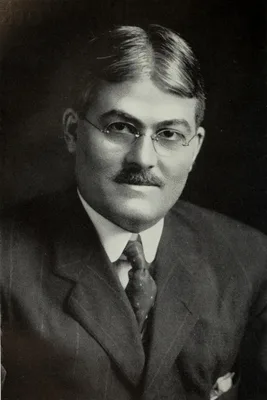
Crile advanced the anoci-association concept in which local and general anesthesia are combined in a sequence to eliminate pre-operative fear and tension.
1913
#11679
Clinical electrocardiography.
The first textbook of electrocardiography.
1914
#958
The absorption and dissociation of carbon dioxide by human blood.
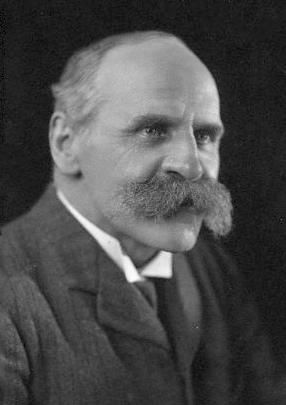
CO2 dissociation curves. These workers discovered that hemoglobin indirectly greatly assists the transport of CO2 by the blood.
1914
#2019
Note sur une nouvelle méthode de transfusion.
Hustin demonstrated the anticoagulant powers of sodium citrate and glucose in blood transfusion.
1914
#2020
Nuevo procedimiento para la transfusion de la sangre.
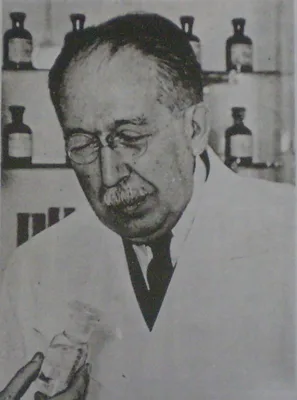
Agote was the first to transfuse citrated blood. Text in Spanish and French.
1914
#2843
Auricular flutter.
1914
#2844
Die unregelmässige Herztätigkeit und ihre klinische Bedeutung.
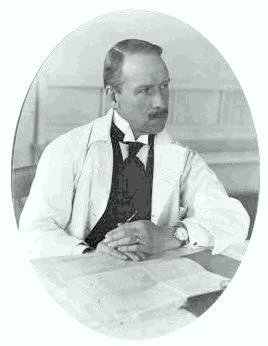
Wenckebach was the first to demonstrate (pp. 173-75) the value of quinine (“Wenckebach’s pills”) in the treatment of paroxysmal fibrillation. The same work contains a number of excellent descriptions of various forms …
1914
#3029
Etude expérimentelle sur la chirurgie des valvules du coeur.
Tuffier carried out the first successful experimental operation for the relief of chronic valvular disease. He also operated successfully in a case of aortic stenosis.
1914
#12224
The four common types of heart disease: An analysis of 600 cases.
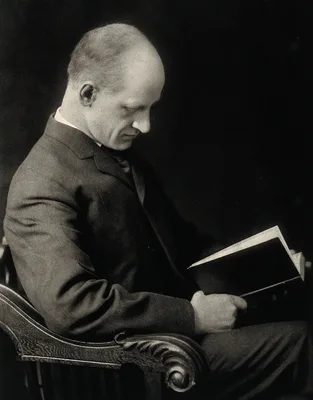
"The first appearance of Cabot's innovative classification of cardiac disease that was widely adopted" (W. Bruce Fye, American Cardiology. Baltimore, 1995, 49-50.)
1915
#903
A method for the determination of plasma and blood volume.
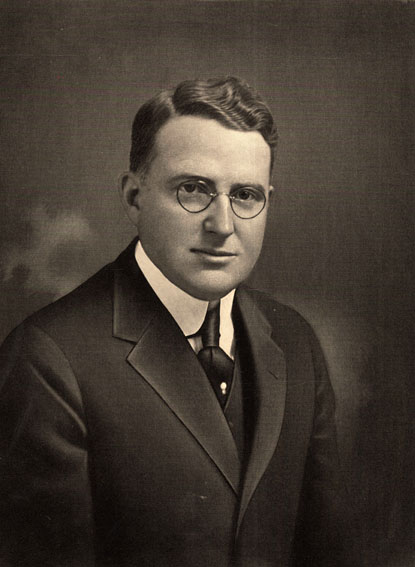
Keith, Rowntree, and Geraghty devised a method for determination of plasma and blood volume, which includes the injection of a dye.
1915
#2021
A new and greatly simplified method of blood transfusion. A preliminary report.
About the same time as Agote, Lewisohn introduced the citrate method of blood transfusion. See also his later paper in Surg. Gynec. Obstet., 1915, 21, 37-47.
1915
#3083
Die essentielle Thrombopenie (konstitutionelle Purpura-Pseudo-Hämophilie).
Frank’s essential thrombopenia.
1915
#2894
Diseases of the arteries, including angina pectoris. 2 vols.
Includes his suggestion of the aortic genesis of angina pectoris, and (vol. 2, p. 368) his mechanical theory of cardiac pain in coronary occlusion.
1916
#904
The thromboplastic action of cephalin.
McLean extracted from dog liver a substance which retarded blood coagulation in vitro and which, after further work by Howell and Holt (No.905), was named heparin.
1916
#1904
Digitaliswirkung am isolierten Vorhof des Frosches.
An important analysis of the action of digitalis on the isolated heart.