
Facets
Browse across eight MeSH (opens in new tab) facets — era, geography, science, specialty, technology, history, culture, and reference. Select one tag per group; counts update across the others. What’s new in facet browse how facets relate to subjects and MeSH.
Clear filtersGeography
Specialties & Disease
- Alternative & Fringe Medicine 383
- Anatomy & Pathology 765
- Cardiology & Blood 914
- Dentistry 259
- Diabetes 80
- ENT & Hearing 293
- Epidemiology & Demography 397
- Gastroenterology & Hepatology 316
- General Clinical Medicine 487
- Immunology & Dermatology 1,008
- Infectious Disease (General) 147
- Internal, Emergency & Geriatric 123
- Microbiology & Virology 1,080
- Military Medicine 436
- Neurology & Psychiatry 1,258
- Obstetrics & Reproductive 551
- Oncology & Cancer 377
- Ophthalmology & Vision 412
- Pediatrics 247
- Physiology & Embryology 924
- Plagues & Epidemics 1,279
- Psychology 202
- Public Health 1,129
- Pulmonary & Respiratory 233
- Rheumatology, Rehab & Pain 189
- Surgery & Anesthesia 1,553
- Urology & Nephrology 309
- Veterinary Medicine 165
Social & Historical Studies
Institutions & Culture
Reference & Scholarly Works
1,008 entries match Immunology & Dermatology [C19 / C20 / C17]
1473
#6316
Regiment der jungen Kinder.
This work has very little originality, being mainly derived from the Arabic physicians of 500 years before, but is noteworthy as being the first book on pediatrics printed in German. It includes what is probably the f…
1490
#47
Liber Teisir, sive rectificatio medicationis et regiminis. Antidotarium. Translated from Arabic into Hebrew by Jacobus Hebraeus; into Latin by Paravicius. Add: Averroes: Colliget.
This is a Latin translation from a Hebrew version dating from 1280. Avenzoar, the greatest Muslim physician of the Western Caliphate, described the itch-mite, Sarcoptes scabiei, serous pericarditis, mediastinal absces…
1496 –1497
#2362
Tractatus de pestilentiali scorra sive mala de Franzos: originem remediaqu[ue] eiusdem continens.
Grünpeck was first to record mixed primary lesions, multiple primary lesions, and to note the second incubation period of syphilis. A translation of the above is in Arch. Derm. Syph. (Chicago), 1930, 22, 430. Digital …
1557
#534.5
Prodigiorum ac ostentorum chronicon.
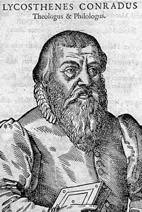
This encyclopedic chronology of portentious events in human history includes many monstrous births, both human and animal. Actual cases are uncritically mingled with mythical creatures. German translation, 1557. Engli…
1558
#1592
Trattato de la vita sobria.
Garrison considered this “the best treatise on personal hygiene and the simple life in existence”. Cornaro was called the Apostle of Senescence. "When he was about 40, Cornaro found himself exhausted and in poor healt…
1563 –1564
#1093
Opuscula anatomica.
Eustachius is credited with several anatomical discoveries, among them the tensor tympani muscle and the Eustachian tube, published in his chapter entitled De auditus organis. In the last respect, however, he was anti…
1564
#2581.99
De catarrho commentarius.
Summer catarrh (hay fever) first described. Partial English translation in No. 2241.
1572
#3980
De morbis cutaneis, et omnibus corporis humani excrementis tractatus.
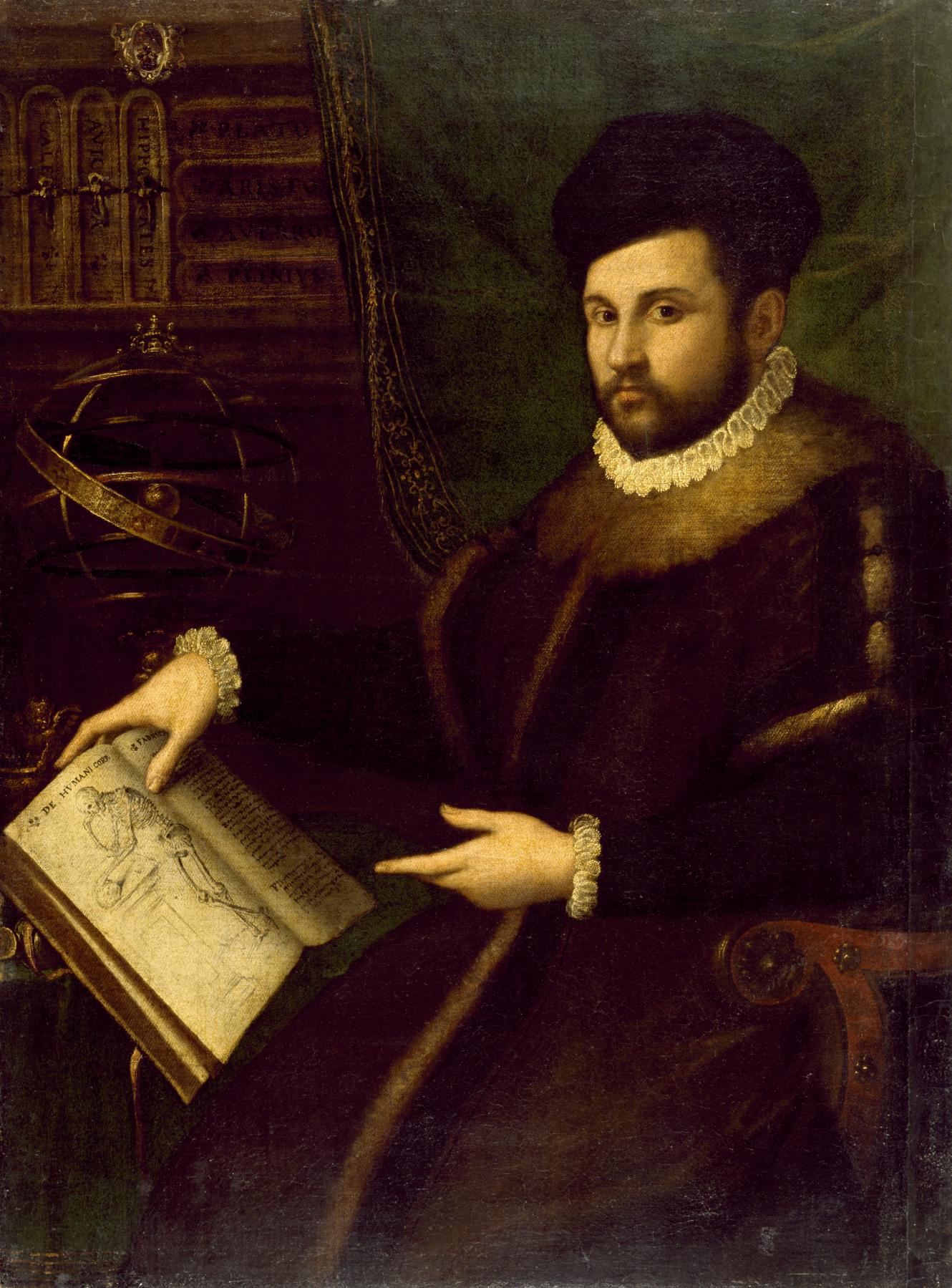
The first systematic textbook on diseases of the skin. English translation by R. L. Sutton Jr, Kansas City, Missouri, Lowell Press, 1986. Mercuriali enjoyed a great reputation in his day; he wrote on many medical subj…
1573
#534.51
Deux livres de chirurgie. I. De la generation de l’homme… II. Des monstres tant terrestres que marins avec leurs portraits.
Many reports of real malformations are intermixed with mythical accounts. English translations, 1634, and later. Recent English translation, Chicago, University of Chicago Press, 1982. Digital facsimile of the 1573 ed…
1577
#7990
De arte medica infantium libri quatuor. Quorum duo Priores de tuenda eorum sanitate, posteriores de curandis morbis agunt.
An early illustrated work on pediatrics. The three parts of his book deal with the management of the nurse and her milk, the care and feeding of the new-born, and diseases of children, including skin diseases, and cha…
1586
#3417
De medica historia mirabili.
An early history of diseases, with extensive sections on ophthalmology (ff. 66-77) and urology (ff. 260-271). Lib. IV, Cap. iii, page 196 contains the first recorded case of gastric ulcer. Lib. VI. cap. iii contains t…
1603
#3805
De generatione stultorum. In his Opera, 2, 174-82.
Paracelsus was the first to note the coincidence of cretinism and endemic goitre. It was not until the 19th century that the possibility of the occurrence of cretinism in adults was entertained. Partial English transl…
1609
#3806
De mirabili strumas sanandi.
An early historical record of goitre which du Laurens maintained was contagious. Du Laurens was at one time physician to Henri IV.
1609
#7819
Monstrorum historia memorabilis, monstrosa humanorum partuum miracula, stupendis conformationum formulis ab utero materno enata, viuis exemplis, observationibus, & picturis, referens. Accessit analogicum argumentum de monstris brutis, supplementi loco ad observationes medicas Schenckianas edita.
Schenck described nearly 100 human and animal examples, illustrated with engravings by Theodor de Bry (1528-98). Most of the examples are from the 16th century. Not all the cases are teratological in the strictest sen…
1614
#3789
Observationum in hominis affectibus plerisque, corpori & animo, functionum laesione, dolore, aliave molestia & vitio incommodantibus, libri tres.
First known report of a case of death from hypertrophy of the thymus, in an infant, is reported on p. 172; it is reproduced on p. 239 of J. Ruhräh’s Pediatrics of the past, New York, 1925. Platter first described flex…
1616
#534.52
De monstrorum caussis, natura, & differentiis libri duo.
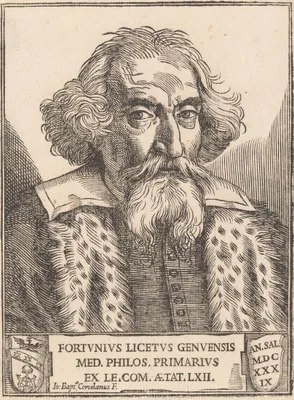
One of the earliest classifications of deformities, Liceti’s work was still under review in works on malformation in the 19th century. Includes both real and imaginary cases. The first of many illustrated editions app…
1642
#534.53
Monstrorum historia cum Paralipomenis historiae omnium animalium Bartholomaeus Ambrosinus… volumen composuit.
Aldrovandi assembled a large collection of specimens and notes on monsters which were published posthumously by Ambrosini, who added a number of personally observed cases. Those included the first detailed description…
1642
#7879
Figura ductus cuiusdam cum multiplicibus suis ramulis noviter in pancreate in diversis corporibus humanis observati.
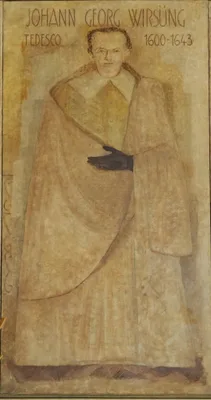
Wirsung, assistant to the celebrated German anatomist Johann Vesling, discovered the excretory duct of the pancreas named for him in 1642. To announce his discovery, Wirsung chose the extremely unusual method of publi…
1644
#11581
Two treatises in the one of which the nature of bodies, in the other, the nature of mans soule is looked into in way of discovery of the immortality of reasonable soules.
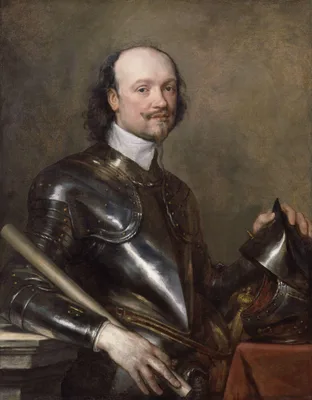
"Digby's Two Treatises was intended to prove the immortality of the rational soul and its distinction from the material body, a dualistic view shared by many of his contemporaries. the work is noteworthy on several co…
1653
#5160
Thesis de carbunculo.
1656
#1116
Adenographia: sive, glandularum totius corporis descriptio.
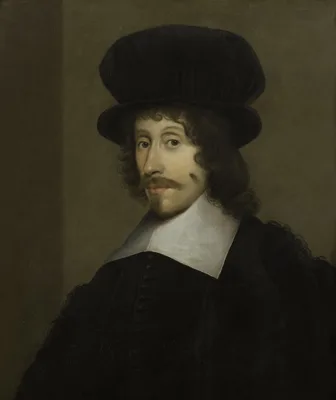
Wharton described the duct of the submaxillary salivary gland (“Wharton’s duct”). He described the thyroid more accurately than his predecessors, naming it. He also described “Wharton’s jelly” of the umbilical cord (p…
1685
#5373
Observationum medicarum Castrensium Hungaricarum.
Pp. 49-51: Cober, a German physician, reported the relationship between typhus and pediculosis.
1687
#2529.1
Osservazioni intorno a’ pellicelli del corpo umano.
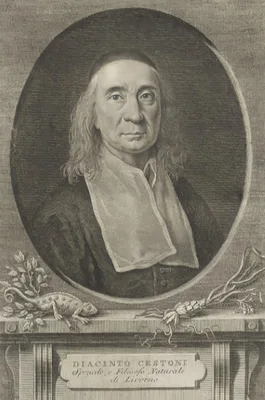
First clinical and experimental proof of infection by a microparasite. Bonomo observed Sarcoptes scabiei, the scabies mite. This gave researchers grounds to think in terms of objective, exogenous pathogenic agents as …
1695
#13151
Desvios de la naturaleza: O Tratado de el origen de los monstros. A que va anadido vn compendio de curaciones chyrurgicas en monstruosos accidentes.
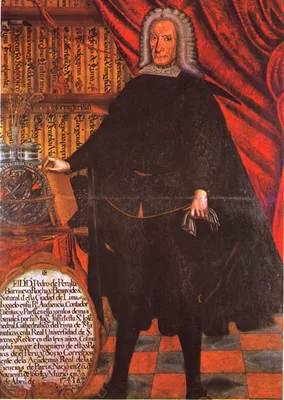
On conjoined twins, including the record of autopsy of conjoined twins in Lima in 1694. Pedro de Peralta Barnuevo edited work for publication at the request of the Viceroy, Melchor Fernandez Portocarrero. Digital facs…
1698
#3166
A treatise of the asthma.
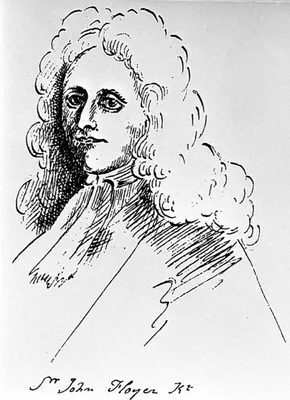
Floyer provided the first clear descriptions of cases of bronchial asthma. Floyer himself suffered from asthma for over 30 years. He recognized the influence of heredity in asthma. The above includes (p. 239) an impor…
1714
#3981
De morbis cutaneis. A treatise of diseases incident to the skin.
Turner may be regarded as the founder of British dermatology. His book, the first English text on the subject, gives a good idea of contemporary knowledge of skin diseases. Turner began his career as a barber surgeon,…
1715
#5409.1
Nova et tuta variolas excitandi per transplantationem methodus; nuper inventa & in usum tracta: Qua rite peracta, immunia in posterum praeservantur ab huiusmodi contagio corpora.
Inoculation was practiced in ancient times. In 1701 Pilarino inoculated three children at Constantinople with smallpox virus. He is credited with the “medical” discovery of variolation, and is thus the first immunolog…
1727
#7061
A discourse concerning the causes and effects of corpulency, together with the method for its prevention and cure.
The first book on obesity in English.
1730
#10109
Exanthematologia ; or, an attempt to give a rational account of eruptive fevers, especially of the measles and small pox, In two parts. Parts I Of the blood, the air, venoms, Infection: fever of all kinds in general with their varieties, descriptions, names & C but more professedly and fully of the measles ... Part II Of the small pox ... To which is added. An appendix concerning inoculation.
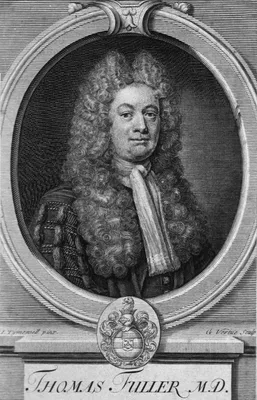
Includes the first clear account of chicken pox as a distinct disease, and the first distinction between the spots made by flea bites from those seen in eruptive fevers.
1731
#4013
An extract from the minutes of the Royal Society, March 16, 1731, containing an uncommon case of a distempered skin.
First known description of Ichthyosis hystrix, a group of rare skin disorders in the ichthyosis family of skin disorders characterized by massive hyperkeratosis with an appearance like spiny scales. Digital facsimile …
1746
#3166.1
An account of what appeared on opening the body of an asthmatic person.
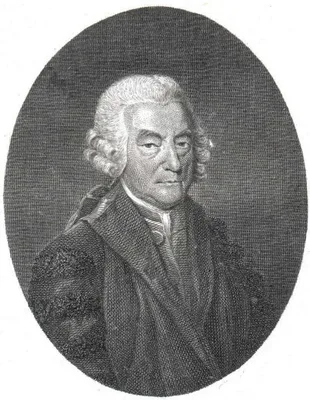
Probably the earliest comprehensive clinical and pathological account of emphysema.
1754
#4014
An account of an extraordinary disease of the skin and its cure. Extracted from the Italian of Carlo Crusio, with a letter of the Abbé Nollet to Mr. William Watson by Robert Watson.
The early history of scleroderma is confused with that of leprosy, ichthyosis, and keloid. Crusio appears to be the first to differentiate it. Gintrac in 1847 coined the term “scleroderma”. It is now included among th…
1756
#5290
Natural history of Aleppo and parts adjacent.
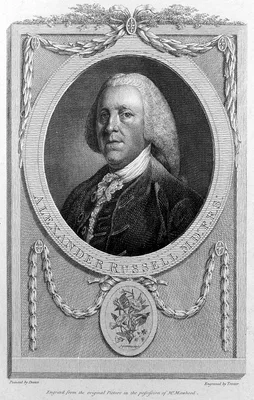
Includes (Chap, iv) a good account of “Aleppo boil”, which Russell found to be endemic in Aleppo. Digital facsimile from the Internet Archive at this link.
1758 –1763
#3878
De cranii ustione in pertinacioribus capitis vitiis. In his: Ratio medendi in nosocomio practico, 6, 239-287. 8 vols.
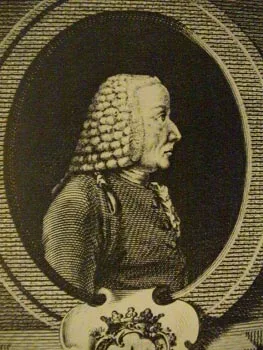
Haen provided the first description of amenorrhea in connection with a pituitary tumor. He recorded the case history of a young woman suffering from amenorrhea as well as many neurological symptoms assumed to result f…
1759
#11137
Traité de tumeurs et des ulcères, où l'on a tâché de joindre à une théorie solide, la pratique la plus sûre et la mieux éprouvée ; avec deux lettres : I. Sur la composition de remèdes dont on vante l'utilité et dont on cache la préparation : II. Sur la nature et le succès des nouveaux remèdes qu'on propose pour la guérison des maladies vénériennes. 2 vols.
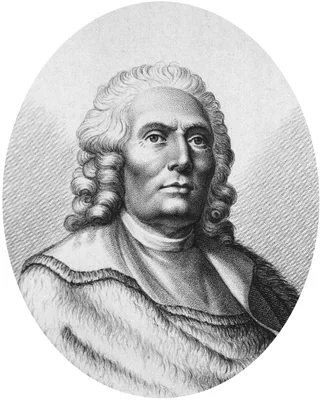
The earliest French work on dermatology, and one of the earliest works in dermatopathology, including tumors of the skin. Digital facsimile of the 1768 second edition from Google Books at this link.
1760
#7060
A discourse on the nature, causes, and cure of corpulency. Illustrated by a remarkable case, Read before the Royal Society, November 1757. And now first published.
Digital facsimile from Google Books at this link.
1766
#2527.99
De variolis et morbillis commentarius.
The first medical description of smallpox was written by Rhazes, about the year 910… The above work is the first edition of the Arabic text with a parallel Latin translation by the English pharmacist and scholar, John…
1768
#534.54
Operum anatomici argumenti minorum tomus tertius, De Monstris.
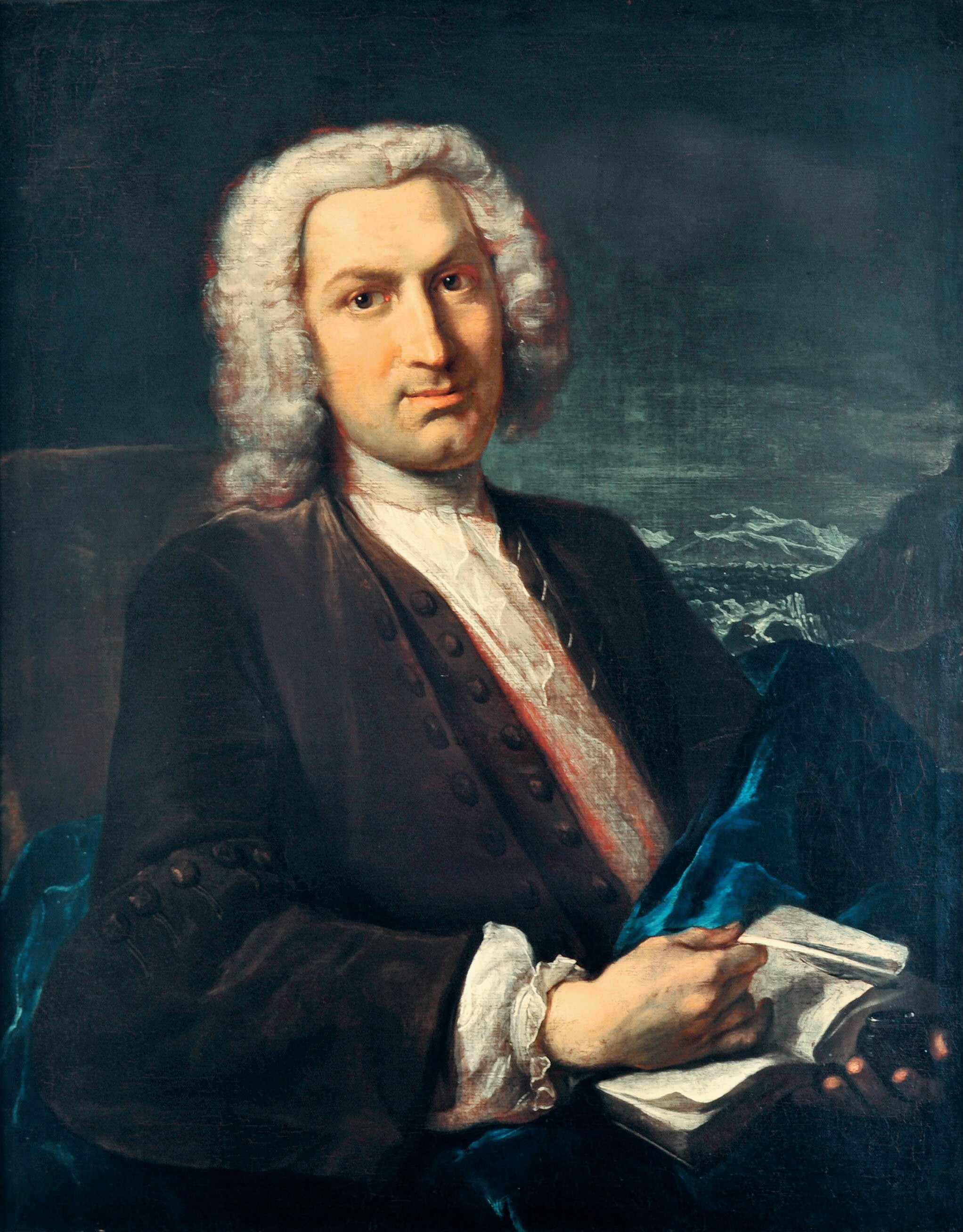
Reprints and updates Haller’s earlier essays on various malformations. This work marks the beginning of scientific teratology, placing it on a foundation of sound anatomical description.
1768
#4015.1
Observations on cancers.
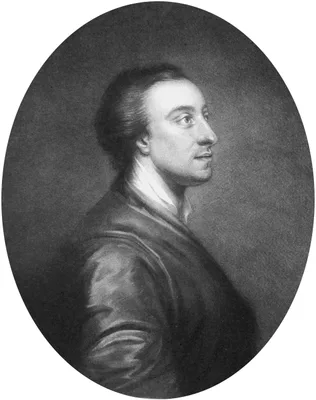
First recorded description of multiple neurofibromatosis. Akenside was better known as a poet; he was caricatured as the republican doctor of Tobias Smollett's The Adventures of Peregrine Pickle.
1769
#3167
Observations on the asthma and on the hooping cough.
Includes Millar’s original description of laryngismus stridulus (“Millar’s asthma”).
1769
#3807
An account and method of cure of the bronchocele or Derby neck.
Prosser gave the prescription of a powder containing calcined sponge, to be taken for the cure of goitre. This is probably the first recorded use of an iodine preparation in England.
1775
#1117
Recherches sur les maladies chroniques. Vol. 1. Analyse médicinale du sang.
De Bordeu first conceived the idea of internal secretion by his hypothesis that every organ, tissue, and cell discharges into the blood products which influence other parts of the body. His work was published in a col…
1776
#3982
Doctrina de morbis cutaneis.
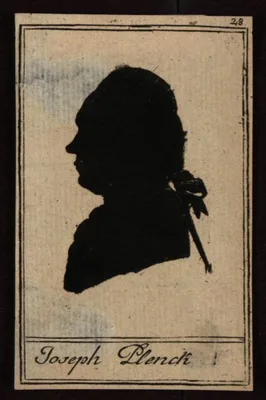
A classification of skin diseases upon the basis of their clinical appearance. Until the time of Willan, von Plenck’s book was the greatest authority on dermatology. He mentioned 115 different skin diseases, all that …
1777
#3983
Tractatus de morbis cutaneis.
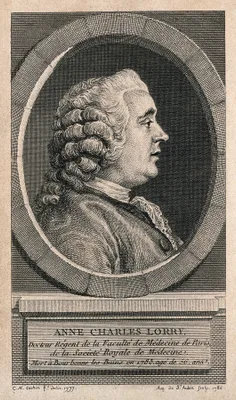
Lorry is regarded as the founder of French dermatology. A pupil of Jean Astruc, his most important work was his Tractatus, in which he attempted the classification of diseases on the basis of essential relations, thei…
1779
#3808
Cases and remarks in surgery: to which is subjoined an appendix containing the method of curing the bronchocele in Coventry.
The “Coventry treatment” for goitre, which introduced the burnt sponge remedy into England, is mentioned on pp. 249-54. Digital facsimile from the Hathitrust at this link.
1784
#2734.4
A treatise on the diseases of children.
Underwood laid the foundation of modern pediatrics. His work was superior to anything that had previously appeared and remained the most important book on the subject for sixty years, passing through many editions. Th…
1786
#4016
Aetiologie der Krätze.
Wichmann definitely established the parasitic aetiology of scabies.
1788
#3929
A singular case of diabetes, consisting entirely in the quality of the urine; with an inquiry into the different theories of that disease.
Cawley was the first to suggest a relationship between the pancreas and diabetes, observing that the disease may follow injury to that organ.
1789
#3809
Su i gozzi e sulla stupidità che in alcuni paesi gli accompagna tentativi
Hirsch considered this the first important work on cretinism and goitre. See also Malacarne’s Lettre, in J. P. Frank: Delectus opusculorum medicorum, 1789, 6, 241-58. Digital facsimile of Malacarne's pamphlet from Goo…
1791
#534.55
Abbildungen und Beschreibungen einiger Missgeburten.
Most of the plates demonstrate a progressive series of specimens with duplication anomalies of the face and head, from midfacial cleft to complete dicephalus. This arrangement of malformations into a continuous series…