
Facets
Browse across eight MeSH (opens in new tab) facets — era, geography, science, specialty, technology, history, culture, and reference. Select one tag per group; counts update across the others. What’s new in facet browse how facets relate to subjects and MeSH.
Clear filtersFacet filters
Geography
Specialties & Disease
- Alternative & Fringe Medicine 383
- Anatomy & Pathology 765
- Cardiology & Blood 914
- Dentistry 259
- Diabetes 80
- ENT & Hearing 293
- Epidemiology & Demography 397
- Gastroenterology & Hepatology 316
- General Clinical Medicine 487
- Immunology & Dermatology 1,008
- Infectious Disease (General) 147
- Internal, Emergency & Geriatric 123
- Microbiology & Virology 1,080
- Military Medicine 436
- Neurology & Psychiatry 1,258
- Obstetrics & Reproductive 551
- Oncology & Cancer 377
- Ophthalmology & Vision 412
- Pediatrics 247
- Physiology & Embryology 924
- Plagues & Epidemics 1,279
- Psychology 202
- Public Health 1,129
- Pulmonary & Respiratory 233
- Rheumatology, Rehab & Pain 189
- Surgery & Anesthesia 1,553
- Urology & Nephrology 309
- Veterinary Medicine 165
Social & Historical Studies
Institutions & Culture
Reference & Scholarly Works
914 entries match Cardiology & Blood [C14 / C15]
1762
#2734.1
Observations concerning the body of his late Majesty, October 26, 1760.
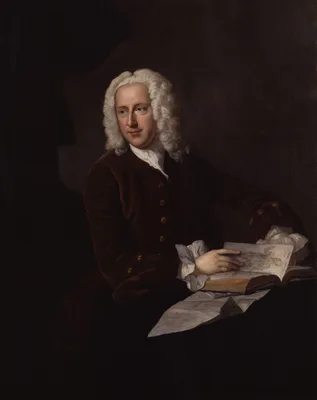
Nicholls was the first to describe dissecting aneurysm of the aorta, the patient being King George II, to whom he was physician from 1753-60. Nicholls was also the first to give a correct description of the mode of pr…
1768
#2886
Lettre de M. Rougnon à M. Lorry, touchant les causes de la mort de feu Monsieur Charles, ancien capitaine de cavalerie, arrivé à Besançon le 23 février 1768.
Osler, Allbutt, and several other authorities believe this to be the description of an authentic case of angina, thus preceding Heberden’s classic account. Other eminent authorities consider the patient to have suffer…
1771
#863
1. Experiments on the blood, with some remarks on its morbid appearances (pp. 368-83). 2. On the degree of heat which coagulates the lymph, and the serum of the blood; with an inquiry into the causes of the inflammatory crust, or size, as it is called (pp. 384-97). 3. Further remarks on the properties of the coagulable lymph, on the stopping of haemorrhages, and on the effects of cold upon the blood (pp. 398-413).
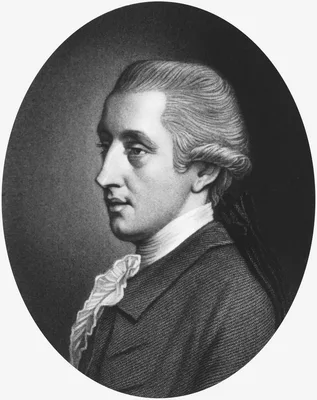
In papers 2 and 3 of this set of 3 contiguously published papers Hewson was the first to describe fibrinogen. "Before Hewson, although the fibrin mesh had been recognised and admired from as far back as Plato, it was …
1772
#2887
Some account of a disorder of the breast.
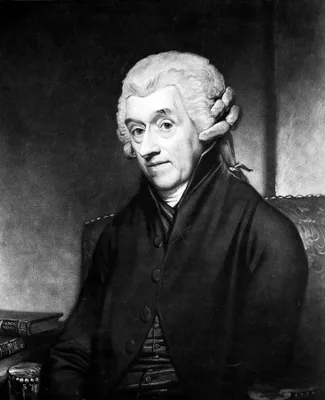
This classic description of angina pectoris is the substance of a paper read on July 21, 1768. Although descriptions of angina are to be found in the works of earlier writers, these mention only dyspnoea in their case…
1775
#1117
Recherches sur les maladies chroniques. Vol. 1. Analyse médicinale du sang.
De Bordeu first conceived the idea of internal secretion by his hypothesis that every organ, tissue, and cell discharges into the blood products which influence other parts of the body. His work was published in a col…
1775 –1776
#75
Opera medica. 3 vols.
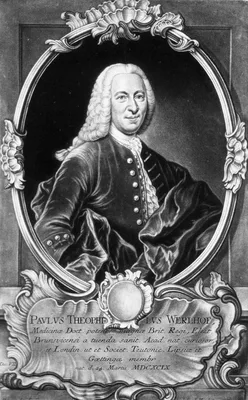
Werlhof, a contemporary and friend of Haller, is remembered for his classic description of purpura haemorrhagica (see No. 3052). He was Court physician at Hannover.
1776
#11600
Case of an angina pectoris, with remarks. Farther account of the angina pectoris.
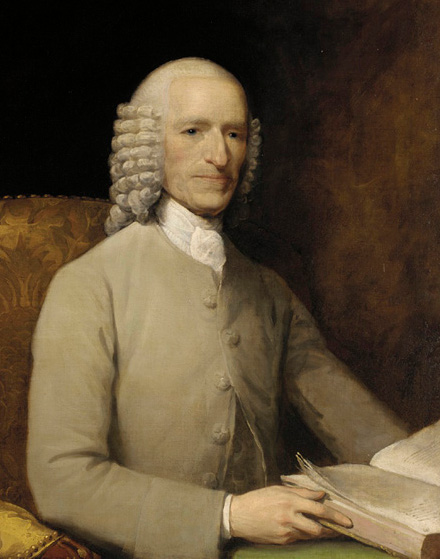
Fothergill was "the first physician to suspect on clinical grounds that the heart might be affected in this condition [angina pectoris] and he was the first to record abnormalities of the myocardium and coronary arter…
1777 –1781
#2278
Observationes anatomicae-pathologicae. 4 vols.
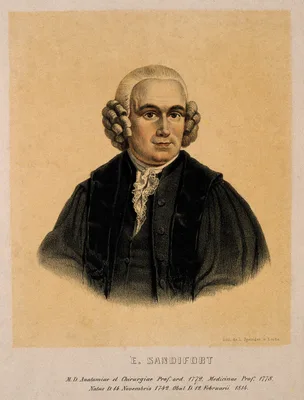
Sandifort’s beautifully illustrated work on pathological anatomy included records of ulcerative aortic endocarditis, renal calculi, hemias, bony ankyloses, and congenital abnormalities. A good account of the “tetralog…
1780
#8589
Experiments establishing a criterion between mucaginous and purulent matter. An an account of the retrograde motions of the absorbent vessels of animal bodies in some diseases.
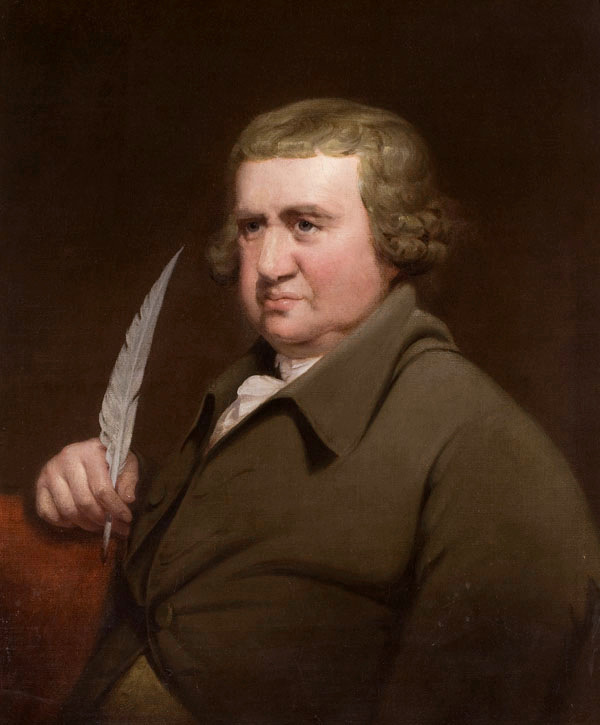
Includes the first description of the value of digitalis in the treatment of patients with heart failure, with discussion of several successful cases. Digital facsimile from Google Books at this link. Darwin and Withe…
1781
#11601
A complete collection of the medical and philosophical works of John Fothergill. With an account of his life; and occasional notes, by John Elliot.
Digital facsimile from Google Books at this link.
1784
#2734.3
Three cases of mal-conformation of the heart.
Three cases of congenital heart disease recorded. Two plates are opposite pp. 417-18 of the journal.
1784
#2734.4
A treatise on the diseases of children.
Underwood laid the foundation of modern pediatrics. His work was superior to anything that had previously appeared and remained the most important book on the subject for sixty years, passing through many editions. Th…
1785
#1836
An account of the foxglove, and some of its medical uses.
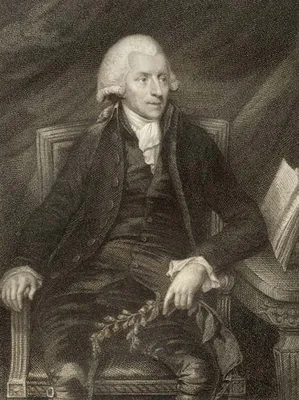
Before publication of Withering's book digitalis was a widely used folk remedy, occasionally mentioned in the literature. Withering established the correct dosages, and the action of digitalis in edema and on the hear…
1786
#2925
An account of Mr. Hunter’s method of performing the operation for the popliteal aneurism.
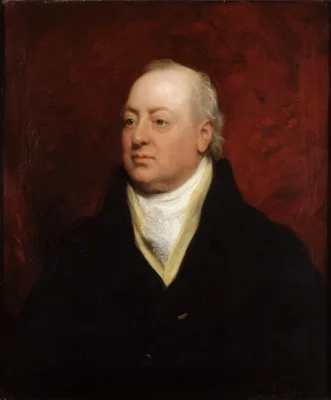
First description of John Hunter’s method of treating popliteal aneurysm. This consisted in a single ligature of the artery at a distance high in the healthy tissues. Recorded by his brother-in law. See also Trans. So…
1788
#2280
An account of a remarkable transportation of the viscera.
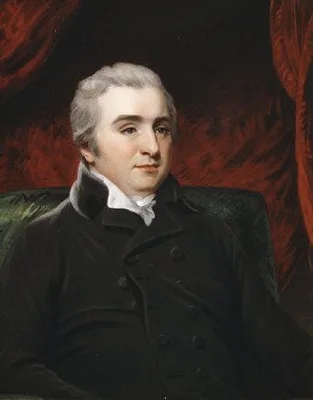
Baillie recorded a case of congenital dextrocardia with complete situs inversus viscerum. Reprinted in Willius & Keys, Cardiac classics, 1941, pp. 257-62.
1790
#2925.1
An account of an aneurism in the thigh, perfectly cured by the operation.
The first femoral ligation reported in America, and the first paper on a surgical topic to be published in an American medical periodical.
1793
#2281
The morbid anatomy of some of the most important parts of the human body.
Baillie was a nephew and pupil of William Hunter. The above is the first systematic textbook of morbid anatomy, treating the subject for the first time as an independent science. See also Nos. 2736, 3167.1. Baillie wa…
1793
#2735
History of a case in which there took place a remarkable slowness of the pulse.
Morgagni described a case of “epilepsy with slow pulse” (see No. 2734), but Adams has been given the credit for reporting the first clear case of heart block (No. 2745). There is no doubt that Spens reported such a ca…
1795
#3111
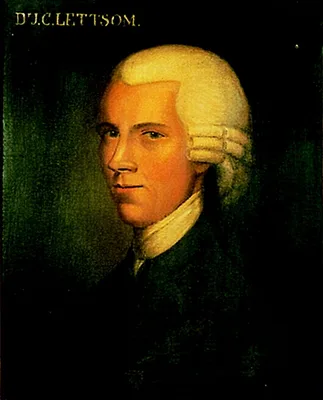
Hints respecting the chlorosis of boarding schools.
1797
#863.1
Observations and experiments on the colour of blood.
Wells showed that the coloring matter in the blood was not iron but a complex organic substance subsequently identified as hematin.
1797
#2736
The morbid anatomy of some of the most important parts of the human body. 2nd ed.
First clinical description of chronic obstructive pulmonary emphysema. The lung on which Baillie performed an autopsy before describing this condition is said to have been that of Samuel Johnson. P. 46: Baillie sugges…
1799
#2888
An inquiry into the symptoms and causes of the syncope anginosa commonly called angina pectoris.
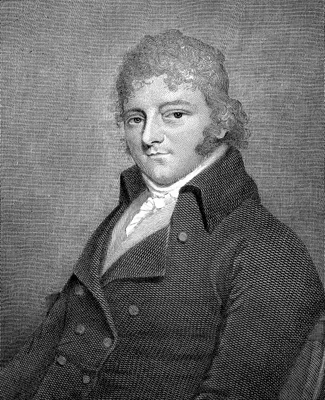
This was a paper read before the Gloucester Medical Society in 1788, but not published until 1799. Largely confirming the earlier work of Heberden on the condition, Parry stated his conclusion that disease of the coro…
1799
#11592
An essay on the medical properties of the digitalis purpurea or foxglove.
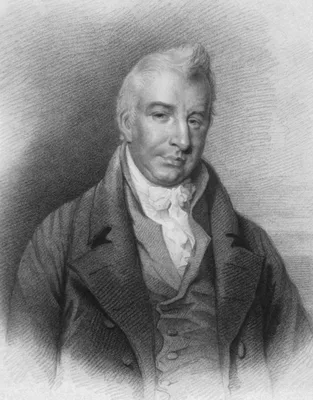
"John Ferriar...published the first monograph on digitalis after William Withering (1785). Ferriar was the first to suggest that digitalis was beneficial in dropsy (severe congestive heart failure), in part because it…
1801
#1118
Le sang, est-il identique dans tous les vaisseaux qu’il parcourt?
Like de Bordeu, and more definitely, Legallois anticipated the conception of internal secretions. He surmised from the identity in composition of all varieties of arterial blood and the diversity of venous blood in di…
1802 –1803
#2028.4
Die Transfusion des Blutes und Einspriitzung der Arzneyen in die Adem. Historisch und in Rücksicht auf die practische Heilkunde bearbeitet. 2 vols.
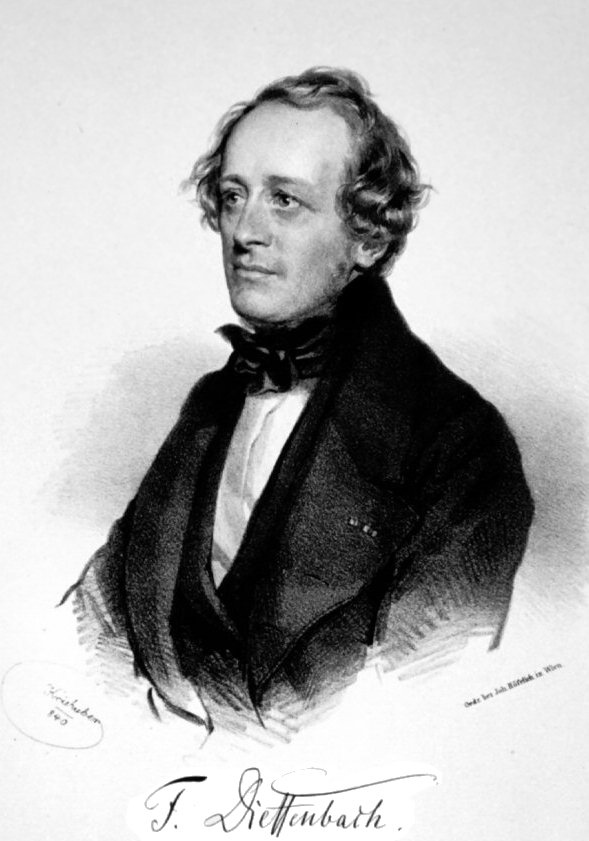
Schell was the author of the first 2 vols, which were the first major work on transfusion since the 17th century and an excellent early history of the subject. Scheel reviewed both transfusion and intravenous injectio…
1802
#2207
Commentarii de morborum historia et curatione.
Samuel Johnson called Heberden “the last of our learned physicians”. The above work included all his important papers, which had earned him his great reputation, and which are dealt with elsewhere in this database (se…
1803
#3054
An account of an haemorrhagic disposition existing in certain families.
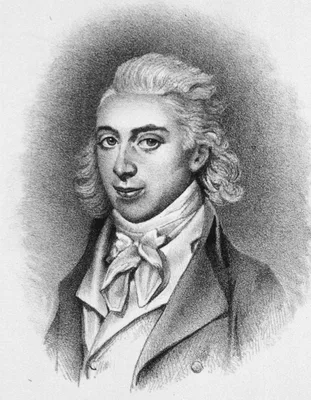
Otto recognized and adequately described hemophilia, noting that females are not affected but may transmit the disease. His paper is one of the first great contributions to medicine in North America. Reproduced in Maj…
1804
#2975
Sull’aneurisma: riflessioni ed osservazioni anatomico-chirurgiche.
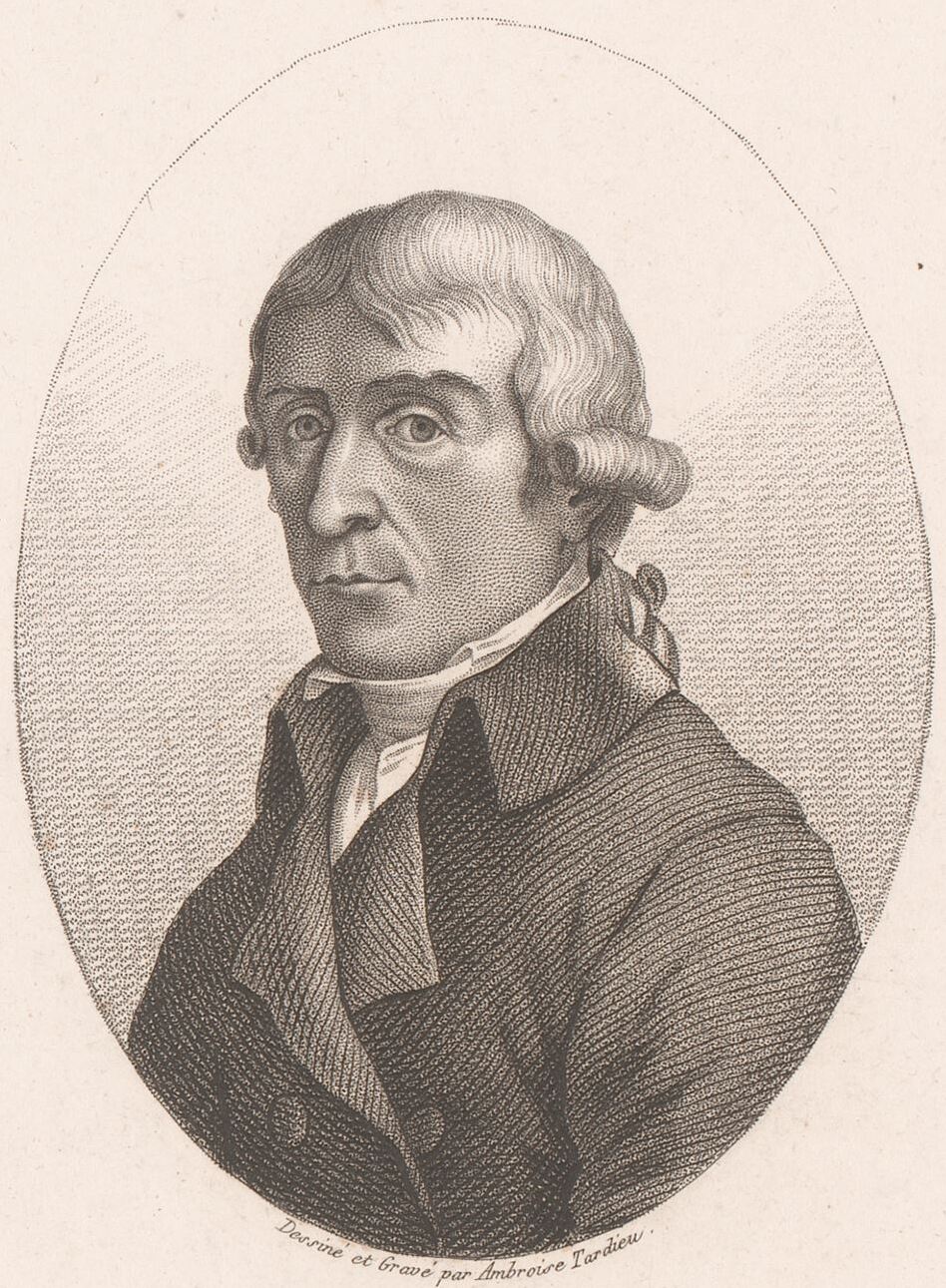
Scarpa distinguished true from false aneurysms. He introduced the concept of arteriosclerosis. English translations, Edinburgh, 1808 and 1819. Digital facsimile from Heidelberg University Library at this link.
1806
#2737
Essai sur les maladies et les lésions organiques du coeur et des gros vaisseaux.
Corvisart really created cardiac symptomatology and made possible the differentiation between cardiac and pulmonary disorders. He was first to explain heart failure mechanically and to describe the dyspnoea of effort.…
1809
#2739
An account of a peculiar disease of the heart.
Account of nine cases of rheumatic endocarditis.
1809
#2738
Observations on some of the most frequent and important diseases of the heart.
Burns described endocarditis and reported three cases of mitral stenosis. He recognized the thrill present in the latter condition and seems to have understood the mechanism of a cardiac murmur. He also described unil…
1809
#10602
Cases of organic diseases of the heart. With dissections and some remarks intended to point out the distinctive symptoms of these diseases.
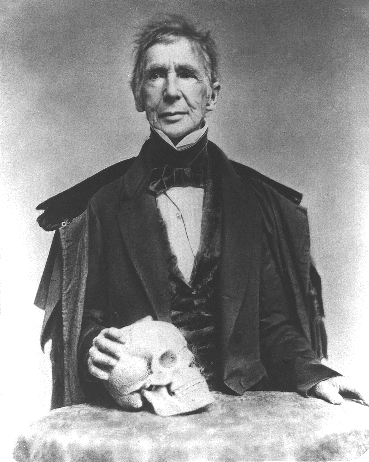
The first monograph on heart disease written and published in the United States. Digital text from Project Gutenberg at this link.
1811
#3055
Observations on the surgical anatomy of the head and neck.
Burns was the first to suggest (p. 31) ligature of the innominate artery. His book describes “Burns’s space”, the fascial space at the suprasternal notch. The first recorded case of chloroma (myeloid sarcoma, granuloc…
1812
#2740
On rheumatism of the heart.
David Pitcairn is accredited with the first reference to rheumatism as a cause of cardiac disease, in a lecture given in 1788. Jenner read a paper on the same subject in 1789, but the first clinical report on the subj…
1813
#2209
Observations on the nature and cure of dropsies.
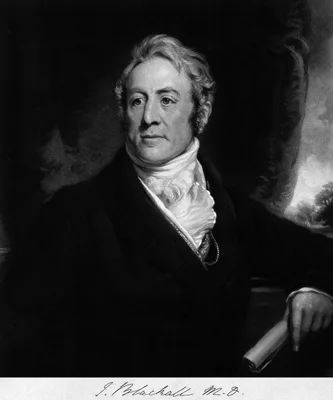
Blackall predated Bright in detecting albuminuria in association with edema. His book, of which the second edition is more important than the first, includes reports on cases of angina pectoris.
1814
#2740.1
Pathological researches. Essay I. On malformations of the human heart. [All published.]
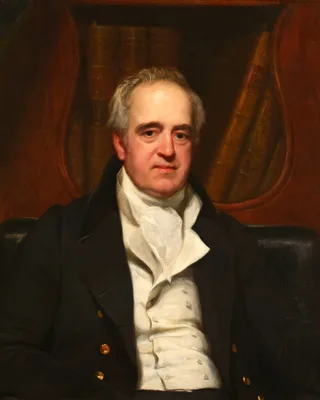
The first monograph on congenital defects of the heart.
1814 –1817
#11675
Die Krankheiten des Herzens. 3 vols. in 4.
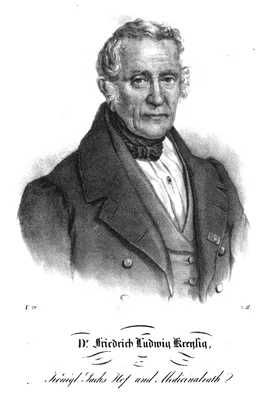
From 1800 until Laennec's discovery of auscultation, there were only four major text-books on heart disease, that of Burns in England, of Corvsart in France, Testa in Italy, and Kreysig in Germany. It has its strong p…
1815
#2741
A treatise on the diseases of arteries and veins. 1 vol. and atlas.
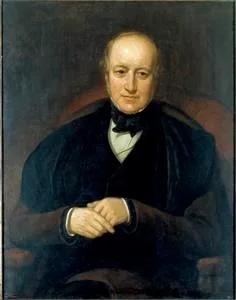
Includes the best illustrations of aneurysms and of aortic valvular endocarditis so far published, and the first description on non-sacculated dilatation of the aortic arch (“Hodgson’s disease”).
1817
#2744
Mémoire sur cette question de l’asthme des vieillards: est-il une affection nerveuse?
Rostan gave an early description of cardiac (“Rostan’s”) asthma.
1817
#9701
On transfusion of blood in extreme cases of haemorrhage.
In 1816 Leacock, from Barbados, reported systematic experiments in Edinburgh on dogs and cats that established that donor and recipient must be of the same species, and recommended inter-human transfusion; he then ret…
1817
#9871
De nova infusionis methodo. Dissertatio inauguralis medico-chirurgica....
Eduard von Graefe’s medical thesis described the method devised by his brother, Carl Ferdinand von Graefe (1787-1840), for transfusing blood or other liquids into the blood vessels. The work includes an illustration o…
1818
#2015
Experiments on the transfusion of blood by the syringe.
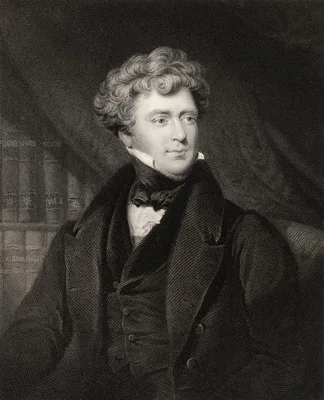
Blundell invented a syringe by means of which he was able to transfuse dogs.
1818
#2743
A case of apoplexy in which the fleshy part of the heart was converted into fat.
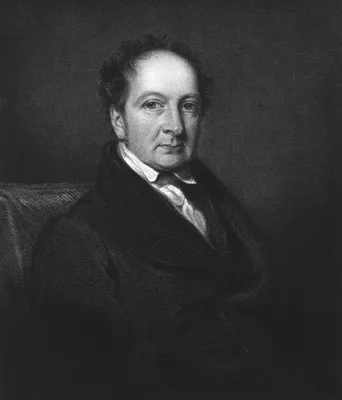
First accurate description of the condition which later became known as “Cheyne–Stokes respiration.” Reprinted in F. A. Willius & T. E. Keys: Cardiac classics, 1941, pp. 317-20.
1818
#2976
Anéurisme à l’artère poplitée par la compression.
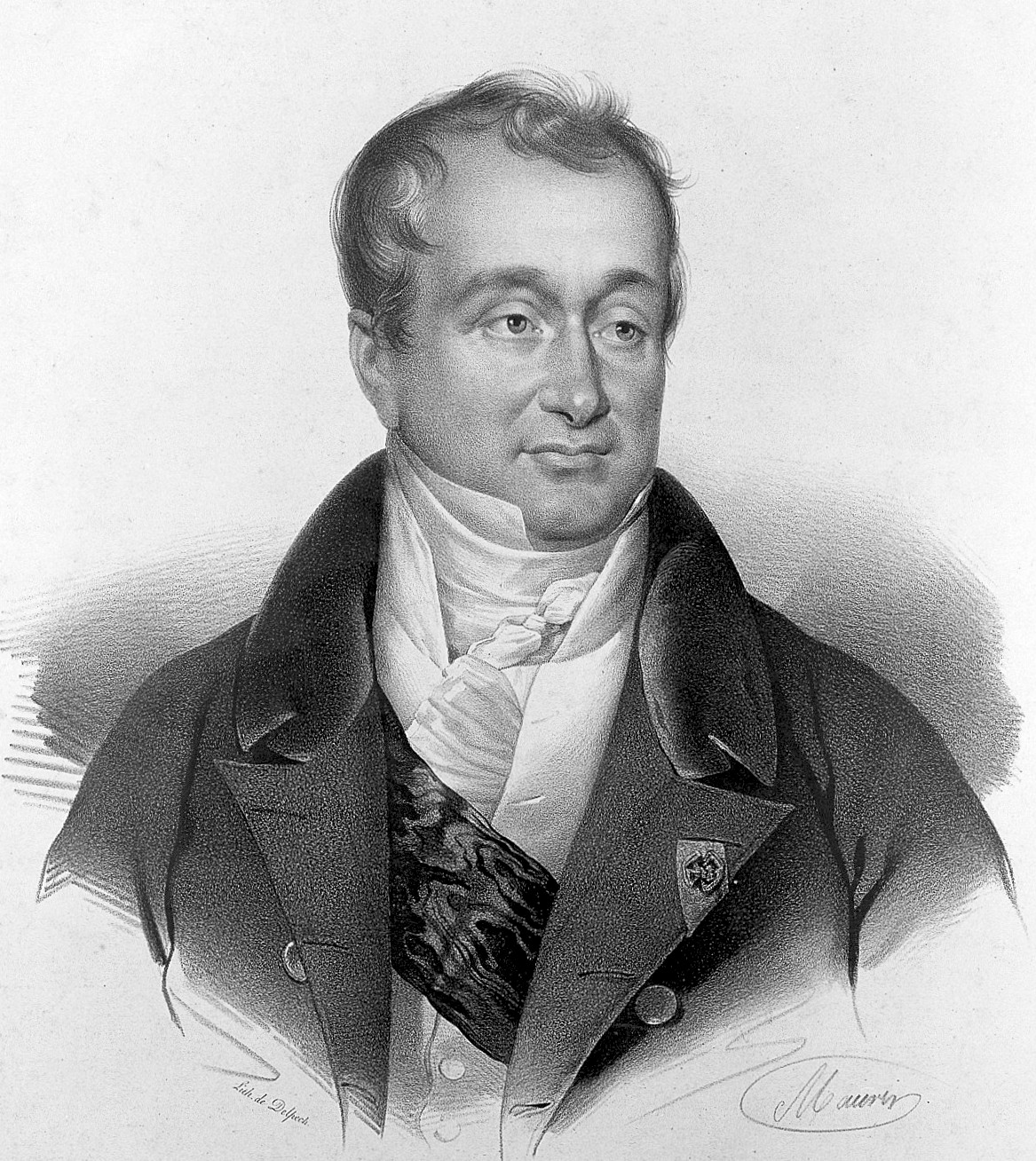
Dupuytren was the first successfully to treat aneurysm by compression.
1819
#2015.1
Some account of a case of obstinate vomiting, in which an attempt was made to prolong life, by the injection of blood into the veins.
Records the first human to human transfusion. A man received 12 to 14 oz. of blood from several donors by means of Blundell’s funnel and syringe. He died 56 hours after the transfusion.
1820
#3056
Von einer erblichen Neigung zu tödtlichen Blutungen.
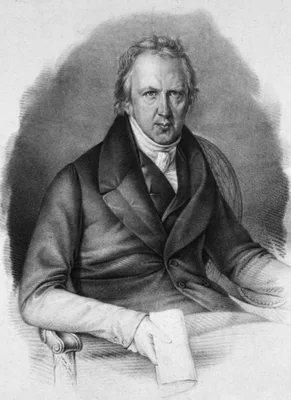
In his description of hemophilia Nasse stressed the immunity of females, despite their ability to transmit the disease. This fact has become known as “Nasse’s law”.
1821
#2016
Examen du sang et de son action dans les divers phénomènes de la vie.
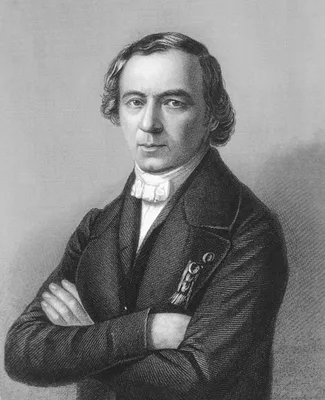
First successful use of defibrinated blood for animal transfusions. This was the first attempt to prevent coagulation during transfusion.
1822
#6171
Mémoire sur l’auscultation appliquée à l’étude de la grossesse.
Although not the first to record the auscultation of the fetal heart sound, Le Jumeau (Kergaradec), a pupil of Laennec, brought the importance of this diagnostic procedure to the notice of the medical profession. Laen…
1823
#3057
Observations sur l’état des veines dans les infiltrations des membres.
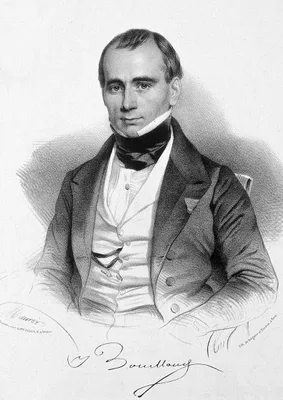
Description of venous obstruction and edema.
1824
#3112
History of a case of anaemia.
First description of pernicious anemia. Paper read May 1, 1822.