
Facets
Browse across eight MeSH (opens in new tab) facets — era, geography, science, specialty, technology, history, culture, and reference. Select one tag per group; counts update across the others. What’s new in facet browse how facets relate to subjects and MeSH.
Clear filtersGeography
Specialties & Disease
- Alternative & Fringe Medicine 383
- Anatomy & Pathology 765
- Cardiology & Blood 914
- Dentistry 259
- Diabetes 80
- ENT & Hearing 293
- Epidemiology & Demography 397
- Gastroenterology & Hepatology 316
- General Clinical Medicine 487
- Immunology & Dermatology 1,008
- Infectious Disease (General) 147
- Internal, Emergency & Geriatric 123
- Microbiology & Virology 1,080
- Military Medicine 436
- Neurology & Psychiatry 1,258
- Obstetrics & Reproductive 551
- Oncology & Cancer 377
- Ophthalmology & Vision 412
- Pediatrics 247
- Physiology & Embryology 924
- Plagues & Epidemics 1,279
- Psychology 202
- Public Health 1,129
- Pulmonary & Respiratory 233
- Rheumatology, Rehab & Pain 189
- Surgery & Anesthesia 1,553
- Urology & Nephrology 309
- Veterinary Medicine 165
Social & Historical Studies
Institutions & Culture
Reference & Scholarly Works
914 entries match Cardiology & Blood [C14 / C15]
1896
#5212
Ulcerative endocarditis due to the gonococcus; gonorrheal septicemia.
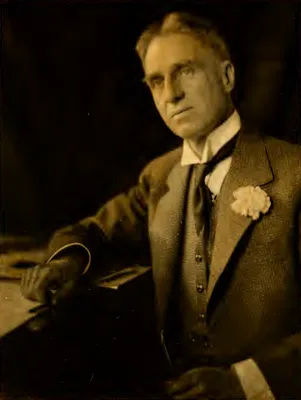
Thayer and Blumer found the gonococcus in cases of gonorrheal endocarditis.
1896
#11584
Notes on the coronary arteries.
Dock recorded one of the earliest diagnoses of myocardial infaction in a living patient: "The diagnosis was mymalacia folling coronary sclerosis with secondary pericarditis. This was based on the history of increasing…
1897
#2805
Heart disease.
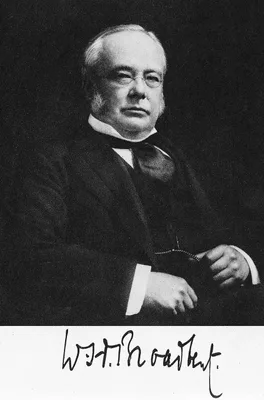
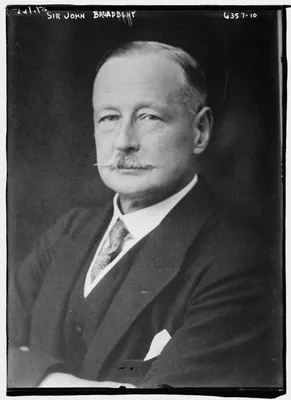
Chapter 17 includes J. Broadbent’s classic description of adherent pericardium. See Willius & Keys, Cardiac classics, 1941, pp. 712-15, for reproduction of part of this chapter.
1897
#2806
Die angeborenen Defecte der Kammerscheidewand des Herzens.
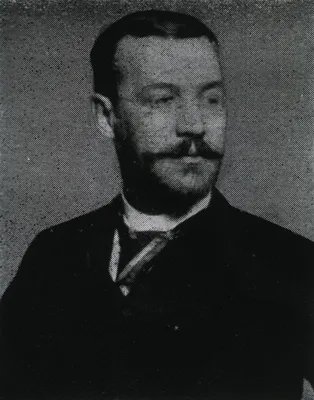
“Riding aorta”, patent interventricular septum and right ventricular enlargement – the “Eisenmenger syndrome”.
1897
#2807
A simple and accurate form of sphygmomanometer or arterial pressure gauge contrived for clinical use.
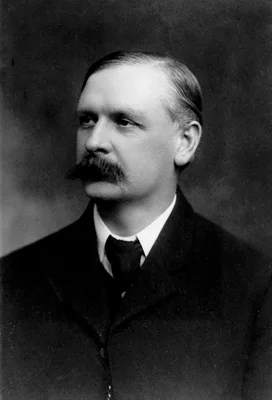
Hill and Barnard made an important modification to the Riva-Rocci sphygmomanometer when they substituted a pressure gauge in place of the mercury manometer used for pressure readings.
1897
#2986
Multiple aneurysms of the pulmonary artery.
Churton was the first to recognize this condition at necropsy.
1897
#11651
Lectures on angina pectoris and allied states.
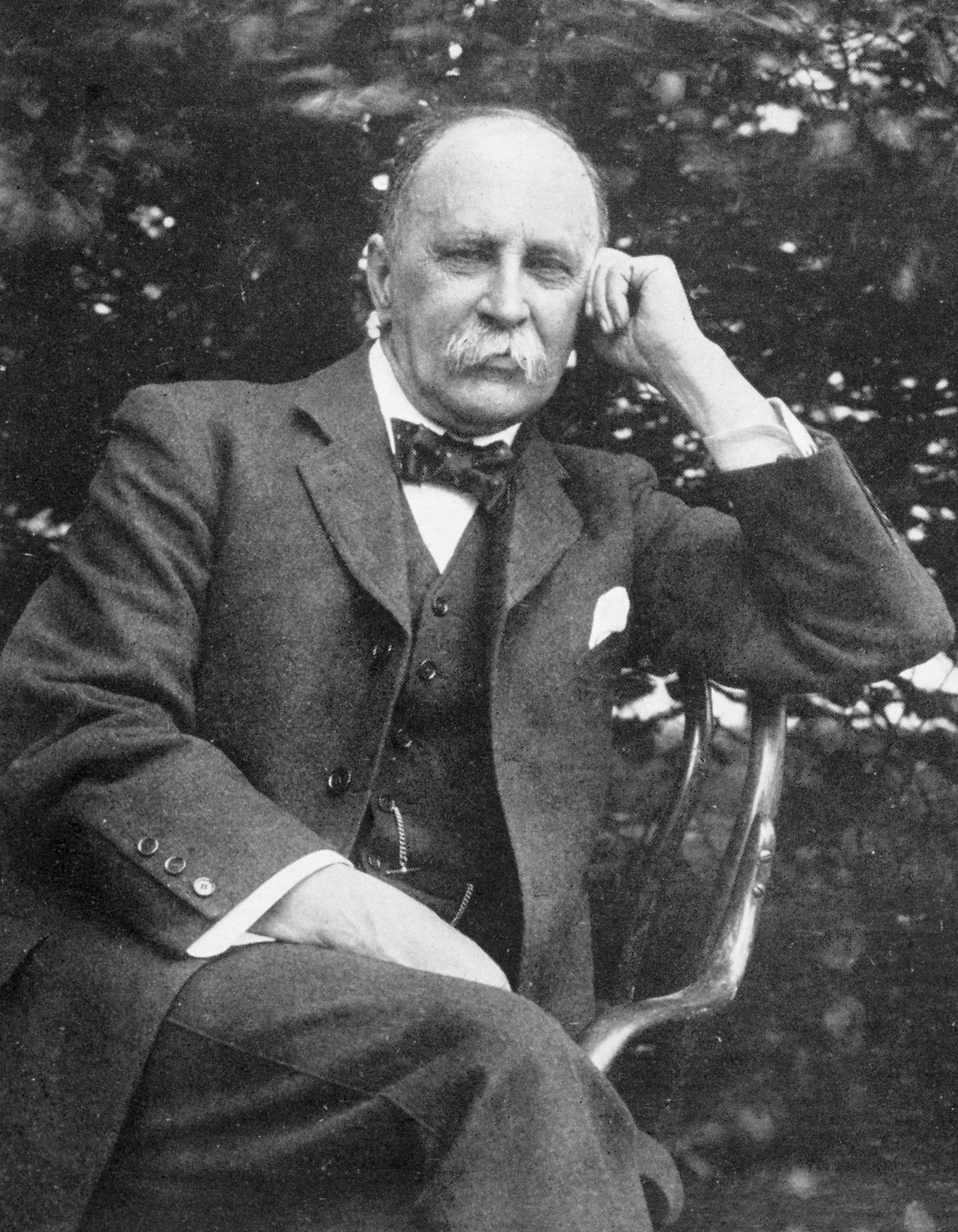
"This monograph, based on seven lectures Osler delivered at Johns Hopkins, is his longest publication dealing with heart disease. He discusses the history of the recognition of angina, the pathophysiology of coronary …
1897
#11875
The origin of disease, especially of disease resulting from intrinsic as opposed to extrinsic causes. With chapters on diagnosis, prognosis and treatment. With one hundred and thirty-seven original illustrations.
The most valuable features of this work are the exceptionally fine and delicate histologic illustrations engraved on steel and printed on thick paper to eliminate show-through. Each image is faced with detailed explan…
1897
#12218
Application de la méthode Roentgen à l'examen d'un anéurisme de la crosse aortique. Présentation du malade et de la preuve radiographique.
With the help of Oudin and Barthélemy Béclère established the first laboratory of radiology in Paris. This was among the first applications of x-rays for the diagnosis of aortic disease, and also one of the first pape…
1898
#951
A contribution to the chemistry of haemoglobin and its immediate derivatives.
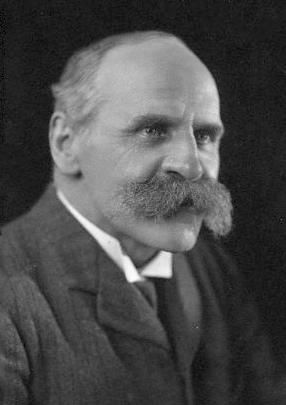
Potassium ferricyanide method for the determination of oxygen in oxyhemoglobin.
1898
#2808
Diseases of the heart and the aorta.
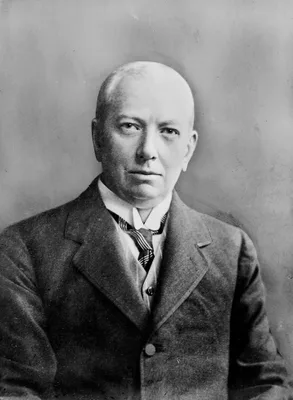
Includes among many other valuable descriptions, the description of the "Gibson murmur" also called the "machinery murmur"
1898
#2809
Sulla cardioptosi; primo abbozzo anatomo-clinico.
Rummo drew attention to a downward displacement of the heart – “Rummo’s disease”.
1898
#3777
Sur une variété particulière d’ictère chronique splénomégalique.
“Hayem–Widal disease” –acquired hemolytic anemia (see also No. 3783).
1898
#11716
Die angeborenen Herzkrankheiten.
The first systematic treatise on congenital heart defects. Digital facsimile from the Internet Archive at this link.
1899
#838.1
La mort par les décharges électriques.
The first defibrillation. “Prévost and Battelli produced ventricular fibrillation in dogs by shocking with weak currents. They then shocked the fibrillating heart with a stronger current—the second, or counter, shock.…
1899
#2809.1
Zur Analyse des unregelmässigen Pulses.
“Wenckebach phenomenon”, a form of arrhythmia.
1899
#2809.2
Ueber akute interstitielle Myokarditis.
“Fiedler’s myocarditis”.
1899 –1903
#2811
Traité cliniques des maladies du coeur et de l’aorte. 3 vols.
Third and best edition. "Huchard, physician to the Necker Hospital was a foremost teacher in Paris at the end of the 19th century, and a great authority on angina pectoris and arteriosclerosis. He was a powerful advoc…
1899
#3071
A new preparation for rapidly fixing and staining blood.
Jenner’s methylene blue-eosin stain for blood.
1899
#2908.2
Ueber Arteriennaht.
All-layer intima-to-intima arterial anastomosis.
1899
#2987
Die Aortensyphilis als Ursache von Aneurysmen.
Heller established the fact that syphilis is a cause of aortic aneurysm.
1899
#3011
Thrombosis and embolism. In Allbutt, C., System of medicine, 4, 284-310; and in 2nd ed., 6, 691-821
1899
#5622
An experimental research into surgical shock.
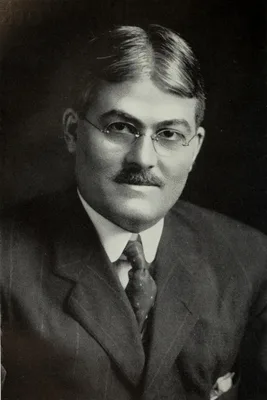
Crile saw and recorded elevations in systemic and portal venous pressures under experimental shock.
1900
#889
Zur Kenntniss der antifermentativen, lytischen und agglutinierenden Wirkungen des Blutserums und der Lymphe.
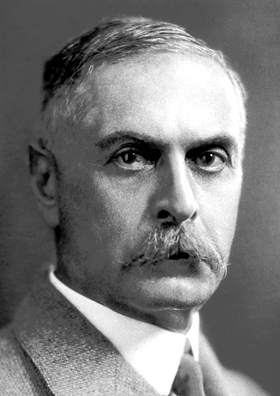
Also: Landsteiner, "Ueber Agglutinationsercheinungen normalen menschlichen Blutes," Wiener klinische Wochenschrift, 14, 1901, 1132-1134. Landsteiner discovered that human blood contains iso-agglutinins capable of aggl…
1900
#890
Ein einfaches Verfahren zur directen Schätzung der Färbestärke des Blutes.
Tallqvist’s hemoglobin scale.
1900
#4505
The etiology of rheumatic fever.
After extensive bacteriological researches, Poynton and Paine considered that a diplococcus was the cause of rheumatic fever.
1901
#840
Un nouveau galvanomètre.
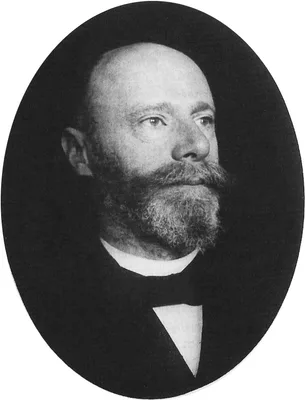
Einthoven directed much of his research to the development and perfection of recording instruments. His most famous work was in connexion with his string galvanometer, a perfection of the instrument invented by J. S. …
1901
#891
The colorimetric determination of haemoglobin.
Haldane’s hemoglobinometer and method for determination of hemoglobin.
1901
#1754
Eine Methode zur Unterscheidung der verschiedenen Blutarten, im besonderen zum differentialdiagnostischen Nachweise des Menschenblutes.
Uhlenhuth was the first to use precipitins in medico-legal tests for human blood.
1901
#3072
A fatal case of acute primary infectious pharyngitis.
First recorded case of extreme leucopenia.
1901
#5624
An experimental and clinical research into certain problems relating to surgical operations.
Crile made important contributions to knowledge regarding shock. He originated the theory that it is due to exhaustion of the vasomotor center. (See also No. 5629.) Chapter V: On the physiologic action of cocain and e…
1901
#12438
Die Schutzstoffe des Blutes.
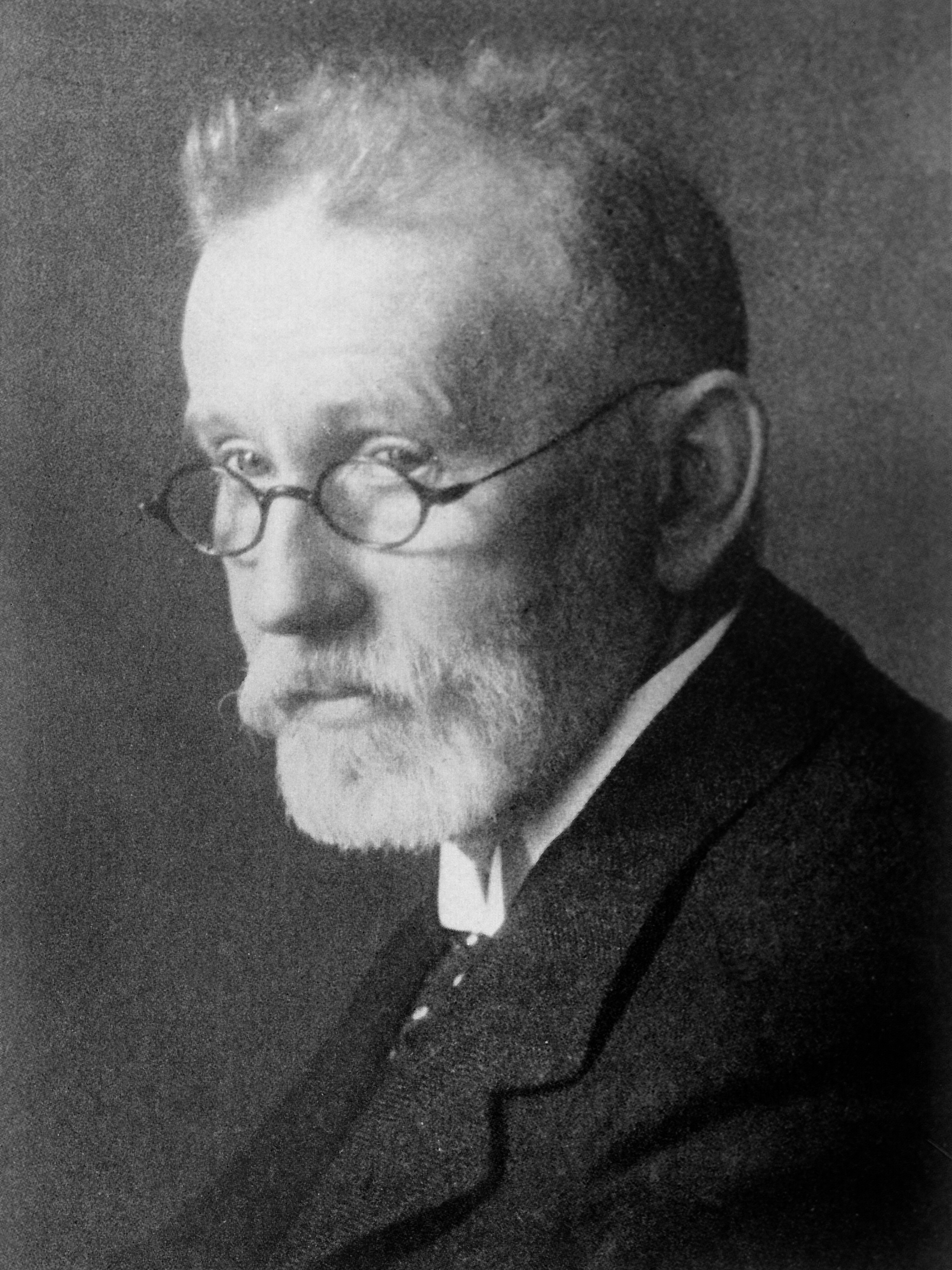
In this paper on humoral immunity in humans Ehrlich addressed the bacteriocidal property of the blood, attributing that to antibodies and antitoxins. Digital facsimile from pei.de at this link. (Thanks to Juan Weiss f…
1902
#842
Galvanometrische registratie van het menschelijk electrocardiogram IN: Herinneringsbundel Prof. S.S. Rosenstein, pp.101-106.
First description of Einthoven's string galvanometer that recorded electrical changes occurring in the human heart. Includes the first illustration of an EKG (ECG) recording. Modern electrocardiography became a realit…
1902
#892
Über ein einfaches und exactes Verfahren der klinischen Hämometrie.
Sahli’s method for the determination of hemoglobin.
1902
#893
Ueber die Isoagglutinine im Serum gesunder und kranker Menschen.
Following Landsteiner’s division of human blood into three groups (A, B and O which he named A, B, C), Decastello and Sturli discovered a fourth (the rarest) group, later named AB.
1902
#2110
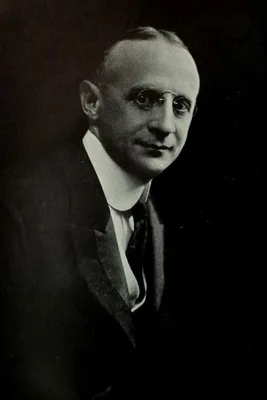
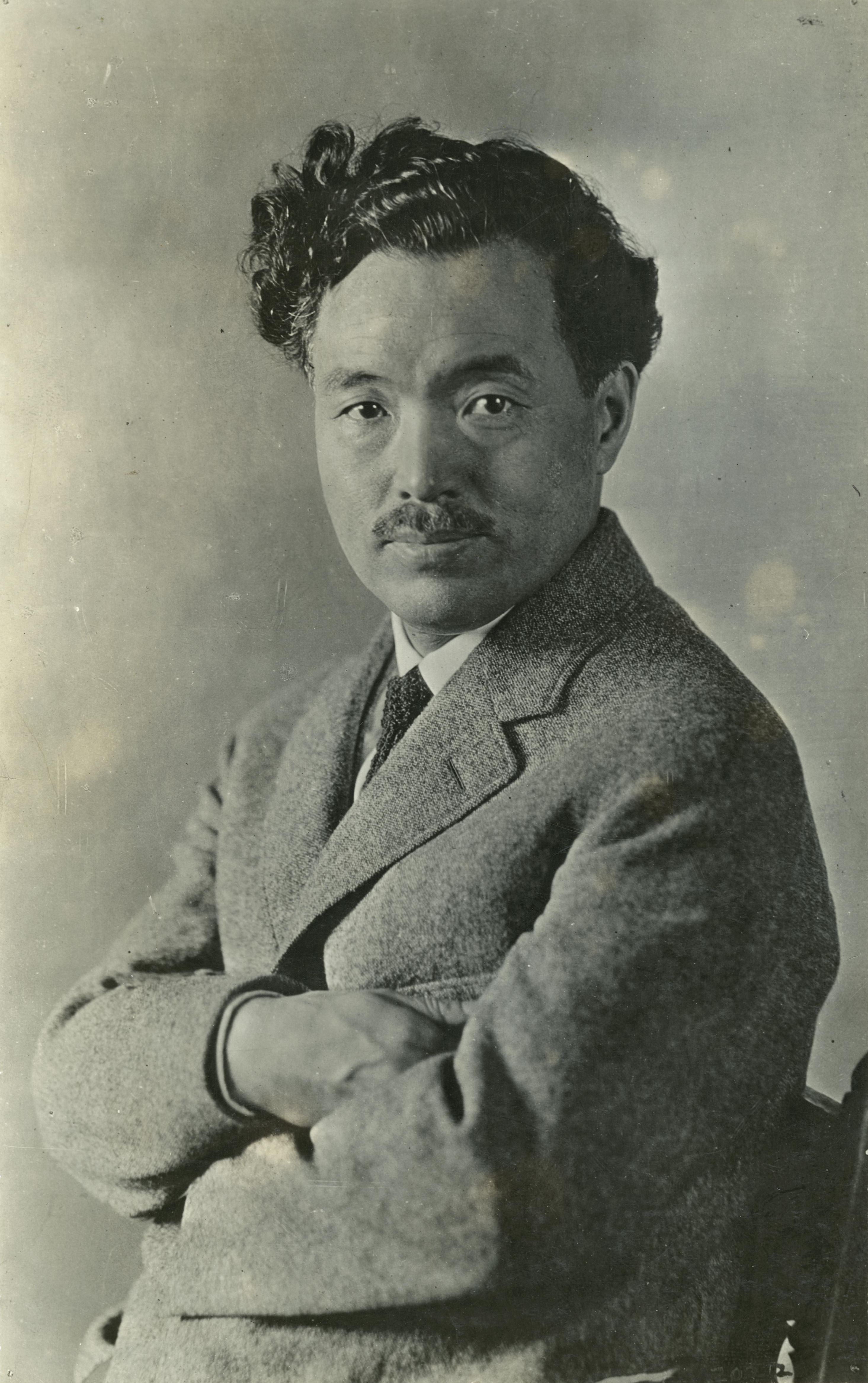
Snake venom in relation to haemolysis, bacteriolysis, and toxicity.
1902
#2813
Ueber orthodiagraphische Untersuchungen am Herzen.
Orthodiagraphy of the heart.
1902
#2909
La technique opératoire des anastomoses vasculaires et la transplantation des viscères.
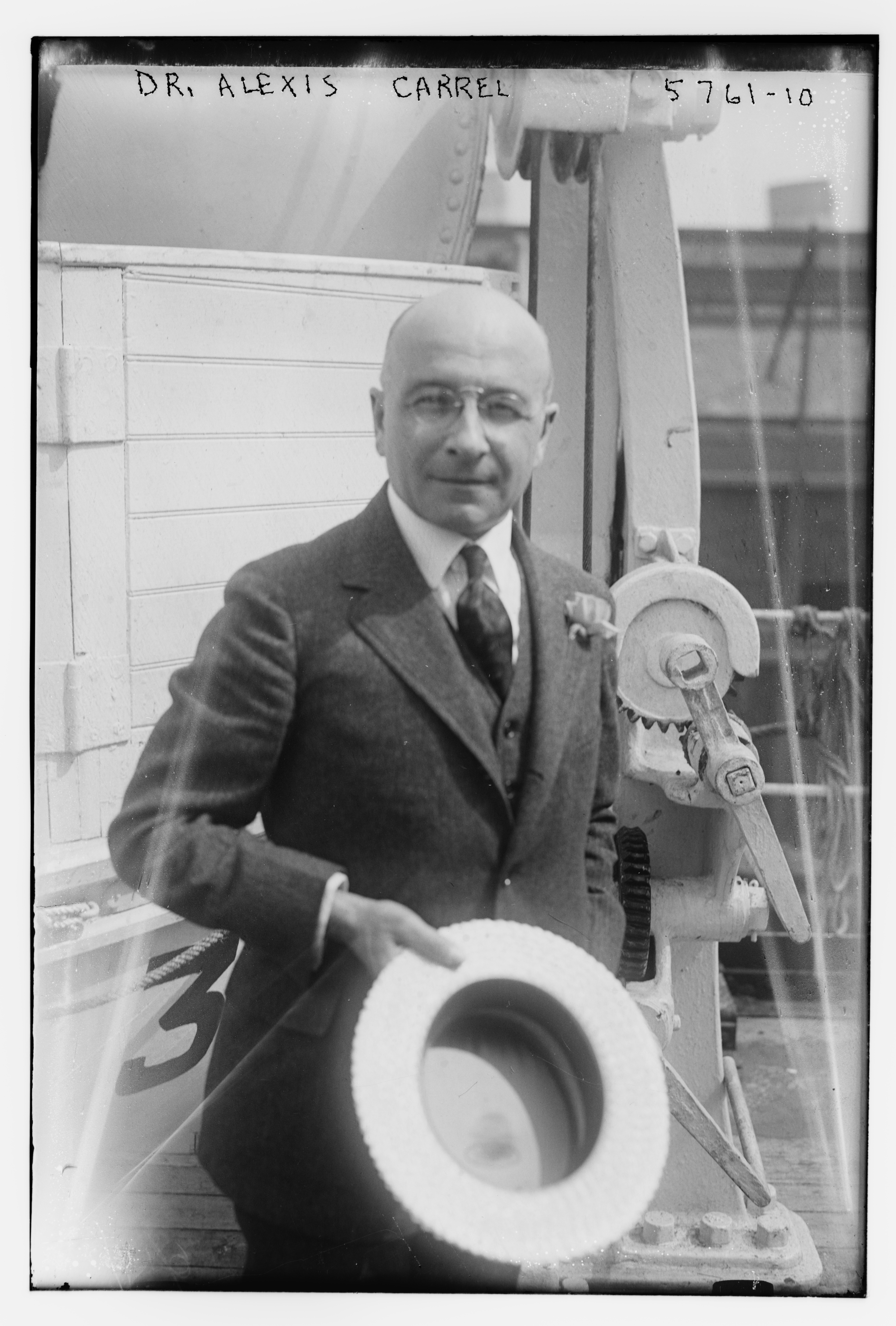
Carrel perfected the operation of arterial suture, end-to-end anastomosis of severed vessels with triple-threaded sutures. See also No. 3026.
1902
#5689
On the avoidance of shock in major amputations by cocainization of large nerve-trunks preliminary to their division.
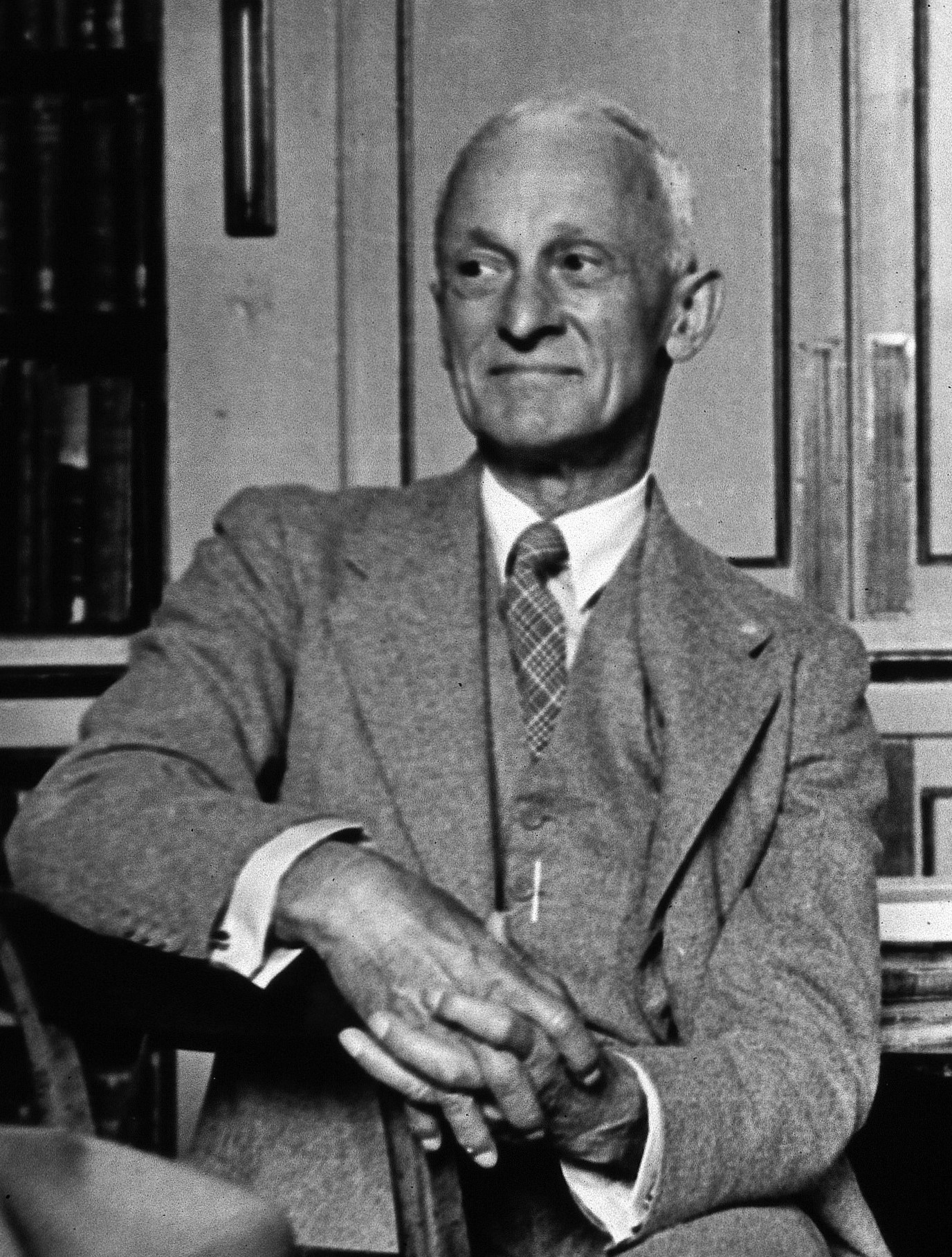
William S. Halsted was first to use infiltration anesthesia (see No. 5679) and it was later developed by Cushing.
1902
#11573
Some experimental and clinical observations concerning states of increased intracranial tension.
According to Theodore Janeway (No. 11572), Cushing was the first to recommend routine measurement of blood pressure during surgery using the Riva Rocci sphygmomanometer.(See No. 2804). Cushing visited Riva Rocci at Pa…
1903 –1904
#894
Beiträge zur Kenntniss der Blutgerinnung.
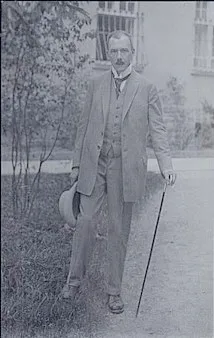
Morawitz’s theory of blood coagulation.
1903
#895
On the appearance and significance of certain granules in the erythrocytes of man.
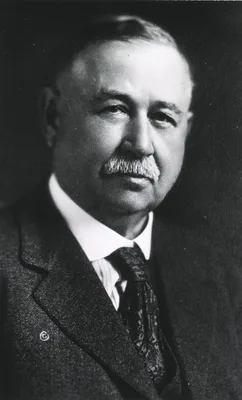
Reticulocytes described.
1903
#2814
Sur la lésion dite sténose congénitale de l’aorte dans la région de l’isthme.
Distinction of infantile and adult types of coarctation of the aorta.
1903
#3073
Chronic cyanosis, with polycythaemia and enlarged spleen: a new clinical entity.
When describing polycythemia with cyanosis, Osler thought it a new entity, but later acknowledged the priority of Vaquez’s description (No. 3070). Reprinted in Med. Classics, 1939, 4,254-75.
1903
#3074
Ueber eine Methode zur Untersuchung des lebenden Knochenmarks von Thieren und über das Bewegungsvermögen der Myelocyten.
Wolff-Eisner trephined the tibia and femur of experimental animals and suggested biopsy of bone marrow as a clinical procedure.
1903
#2910
Athérôme aortique expérimental par injections répétées d’adrénaline dans les veines.
Experimental production of arteriosclerosis.
1903
#2911
Ueber die reine Mediaverkalkung der Extremitätenartien und ihr Verhalten zur Arteriosklerose.
“Mönckeberg’s sclerosis”. He described a form of medial sclerosis of the blood-vessels of the extremities. See also his later papers in Klin. Wschr.,1942, 52,1473-78, 1521-26.
1903
#11732
Die Arrhythmie, als Austruck bestimmter Funktionsstörungen der Herzens: Eine physiologische-klinische Studie.
This monograph contains Wenckebach's obserations on the physiological bases of arrhythmias, along with accounts of their clinical manifestations. Wenckbach was the first to describe extracystoles in man, demonstrating…
1903
#12247
Analyse des Pulsus irregularis perpetuus.
Later called auricular fibrillation.
1904
#726
Ueber einen in biologischer Beziehung wichtigen Einfluss, den die Kohlensäurespannung des Blutes auf dessen Sauerstoffbindung übt.
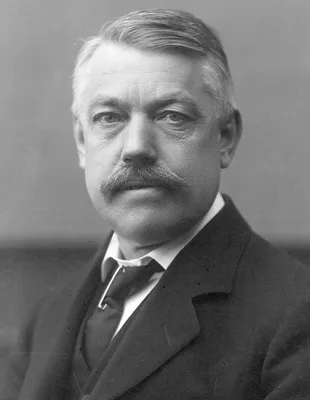
Bohr, Hasselbalch, and Krogh showed, in the experimental animal, that the affinity of blood for oxygen depends upon carbon dioxide pressure. This became known as the Bohr effect, though the discovery may have been mad…