
United Kingdom
2,632 entries published in United Kingdom. 64 publication places.
1790
#7329
The anatomical instructor; or, an illustration of the modern and most approved methods of preparing and preserving the different parts of the human body, and of quadrupeds, by injection, corrosion, maceration, distention, articulation, modelling, &c.
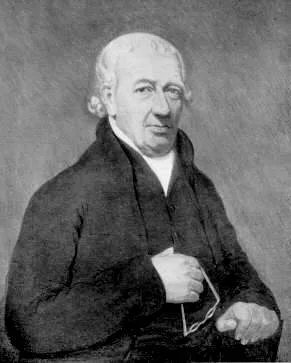
The first monograph on the preparation of anatomical specimens for museums, from various parts of the human body. Includes a method for injecting colored solutions to show the blood vessels of the head, and a method f…
1790
#7366
Journal of a voyage to New South Wales with sixty five plates of non descript. animals, birds, lizards, serpents, curious cones of trees and other natural productions
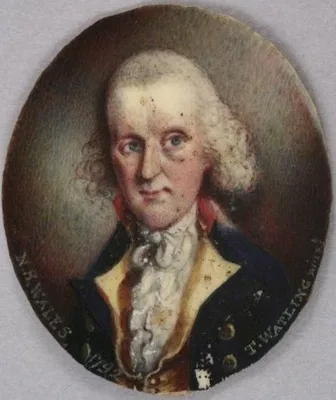
This work described many Australian species for the first time. It includes natural history illustrations after watercolor paintings by Sarah Stone. Digital facsimile from Biodiversity Heritage Library at this link
1790
#7657
A companion to the museum, (Late Sir Ashton Lever's) removed to Albion Street, the Surry end of Black Friar's Bridge.
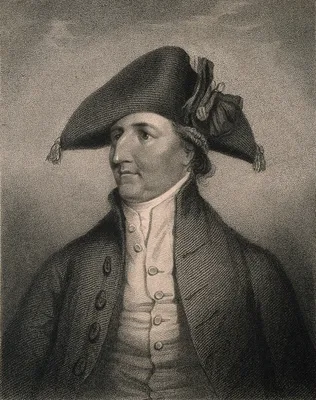
A room by room, case by case guide to Lever's celebrated museum of natural history and ethnography, authorshop of which is unidentified. Digital facsimile from Google Books at this link.
1790
#10002
Essays on fashionable diseases. The dangerous effects of hot and crouded rooms. The cloathing of invalids. Lady and gentlemen doctors. And on quacks and quackery. With the genuine patent prescriptions of Dr. James's fever power, Tickell's aetherial spirit, & Godbold's balsam, taken from the Rolls in Chancery, and under the seal of the proper officers; and also the ingredients and compostion of many of the most celebrated quack nostrums, as analized by several of the best chemists in Europe. By James M. Adair, Formerly M.D.... With a dedication to Philip Thicknesse ... To which is added a dramatic dialogue. Published for the benefit of the tin-miners in Cornwal
An attack on quack medicines, etc. with one of the most verbose title pages of the 18th century. Digital facsimile from the Internet Archive at this link.
1790 –1814
#13642
English botany; or, coloured figures of British plants, with their essential characters, synonyms, and places of growth. To which will be added, occasional remarks. 36 vols.
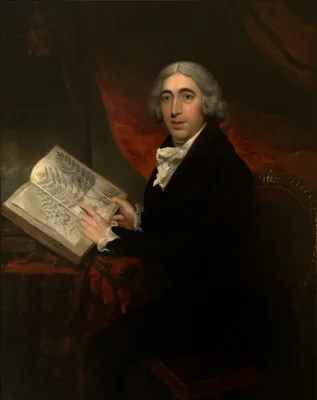
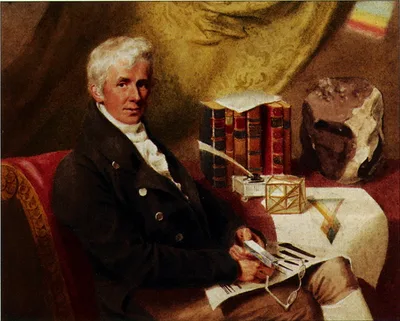
Issued in parts. Images by Sowerby; text by Sir James Edward Smith. Only Sowerby is credited on the title page. Includes 2,592 hand-colored plates of British plants. "Buyers of this work today must exercise extreme ca…
1790
#13699
Culpeper's English physician; and complete herbal. To which are now first added upwards of one hundred additional herbs, with a display of their medicinal and occult properties, physically applied to the cure of all disorders incident to mankind. To which are annexed rules for compounding medicine according to the true system of nature, forming a complete family dispensatory and natural system of physic. Beautified and enriched with engravings of upwards of four hundred and fifty different plants, and a set of anatomical figures....
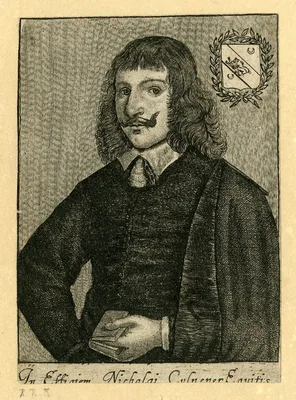
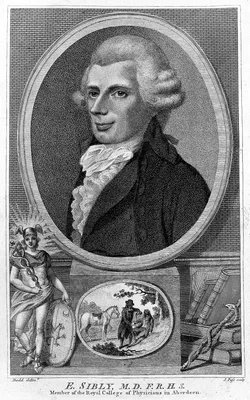
Digital facsimile from Biodiversity Heritage Library at this link.
1791
#9522
A treatise of the plague: Containing an historical journal, and medical account, of the plague, at Aleppo, in the years 1760, 1761, and 1762.
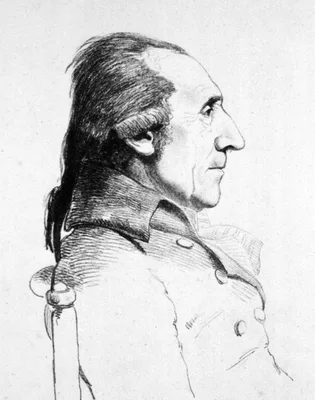
Digital facsimile from the Internet Archive at this link.
1791
#10111
A treatise on the fevers of Jamaica, with some observations on the intermitting fever of America, and an appendix containing some hints on the means of preserving the health of soldiers in hot climates.
Digital facsimile from the Internet Archive at this link.
1791
#12825
Icones selectæ plantarum, quas in Japonia collegit et delineavit; Engelbertus Kaempfer; ex archetypis in Museo Britannico asservatis. Edited by Sir Joseph Banks.
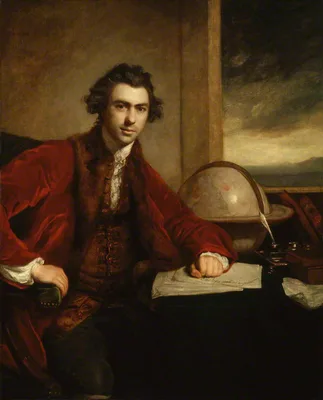
Sir Joseph Banks was responsible for publishing most of Kaempfer's studies of Japanese plants, which had remained unpublished for more than 70 years. This work introduced many Japanese plants to Western botanists. Dig…
1792
#3984
Dermato-pathologia; or practical observations, from some new thoughts on the pathology and proximate cause of diseases of the true skin.
An attempt to classify skin diseases upon the basis of their pathology.
1792 –1813
#9087
The natural history of British insects; explaining them in their several states, with the periods of their transformations, their food, oeconomy, &c. Together with the history of such minute insects as require investigation by the microscope. The whole illustrated by coloured figures, designed and executed from living specimens. 16 vols.
Includes a total of 576 plates, of which 568 were colored.
1792
#13055
Catalogus librorum in bibliotheca Societatis medicae Edinburgenae, secundum auctorum nomina dispositus.
Digital facsimile from wellcomecollection.org at this link. Later editions, 1799, 1804, 1812.
1792
#13816
The animal kingdom, or zoological system, of the celebrated Sir Charles Linnæus. containing a complete systematic description, arrangement, and nomenclature, of all the known species and varieties of the mammalia, or animals which give suck to their young; Class I Mammalia. Being a translation of that part of the Systema naturae, as lately published, with great improvements, by Professor Gmelin of Goettingen. Together with numerous additions from more recent zoological writers, and illustrated with copperplates.
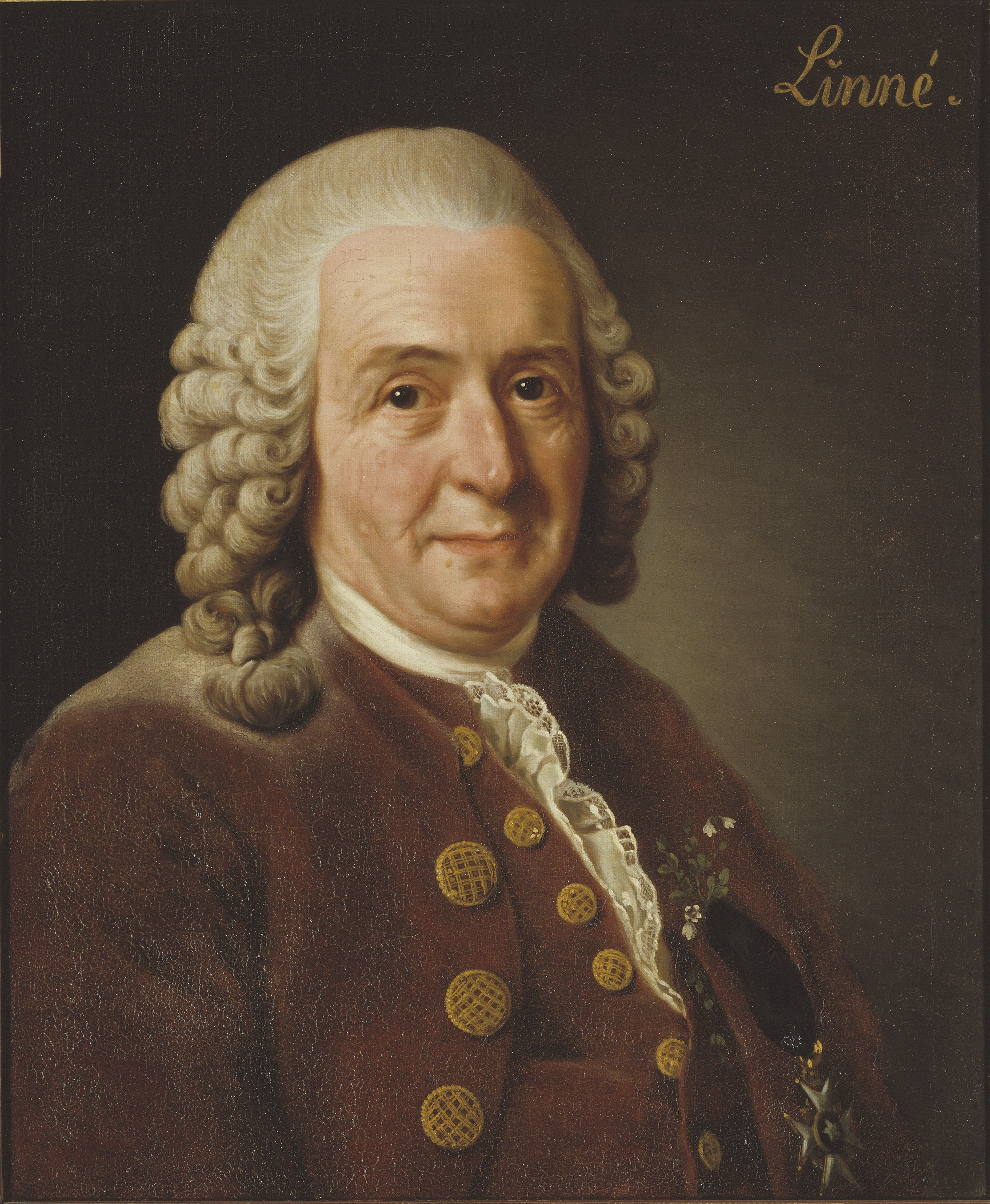
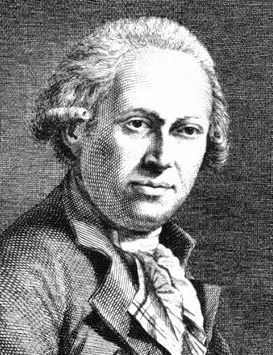
English translation of parts 1 and 2 of the 13th edition of Linnaeus's Systema naturae (1788-1793) edited by Johann Friedrich Gmelin. Digital facsimile from Biodiversity Heritage Library at this link.
1793
#2281
The morbid anatomy of some of the most important parts of the human body.
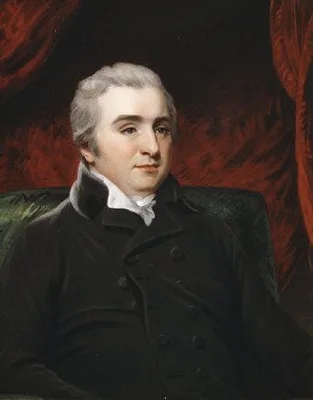
Baillie was a nephew and pupil of William Hunter. The above is the first systematic textbook of morbid anatomy, treating the subject for the first time as an independent science. See also Nos. 2736, 3167.1. Baillie wa…
1793
#2378
A treatise on gonorrhoea virulenta, and lues venerea. 2 vols.
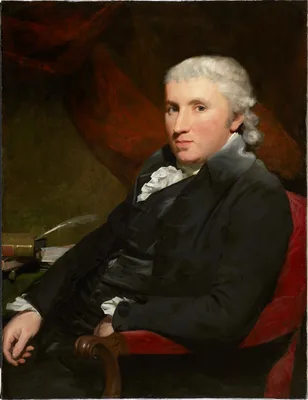
Bell was the first to differentiate between gonorrhoea and syphilis.
1793
#10590
An inquiry into the nature and properties of opium: Wherein its component principles, mode of operation, and use or abuse in particular diseases, are experimentally investigated, and the opinions of former authors on these points impartially examined.
Crumpe undertook extensive experiments to understand the effects of opium. His book provided the first detailed description of the effects of narcotic withdrawal. Digital facsimile from the Hathi Trust at this link.
1793
#12950
A sketch of a tour on the Continent, in the years 1786 and 1787. 3 vols.
Includes an index to the natural history aspects that Smith recorded. Digital facsimile from the Hathi Trust at this link.
1793 –1795
#12951
A specimen of the botany of New Holland
The first published book on the flora of Australia, issued by Sowerby in four parts between 1793 and 1795. It included 16 hand-colored plates reproducing paintings by Sowerby, mostly based on sketches by John White, a…
1793
#13041
The history of Dahomy, an inland kingdom of Africa; compiled from authentic memoirs; with an introduction and notes.
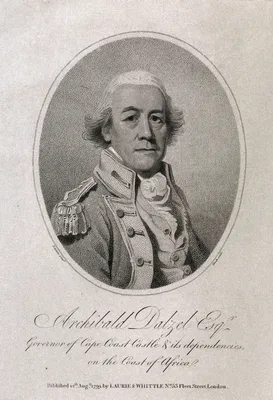
Dalzel studied medicine at Edinburgh, and served in the Royal Navy as a surgeon during the Seven Years’ War (1756–63). Discharged in 1763, he accepted a position as a surgeon in the Company of Merchants Trading to Afr…
1793
#13619
A paper on the prevention and treatment of the disorders of the seamen and soldiers in Bengal. Presented to the Honourable Court of East-India Directors, in the year 1791.
Murray was in the Bengal Medical Service from 1782 to 1802. This was his report to the Directors of the East-India Company. Digital facsimile from the Internet Archive at this link.
1793
#13872
A journal during a residence in France, from the beginning of August, to the middle of December, 1792. To which is added, an account of the most remarkable events that happened at Paris from that time to the death of the late king of France.
1794 –1796
#105
Zoonomia; or the laws of organic life. 2 vols.
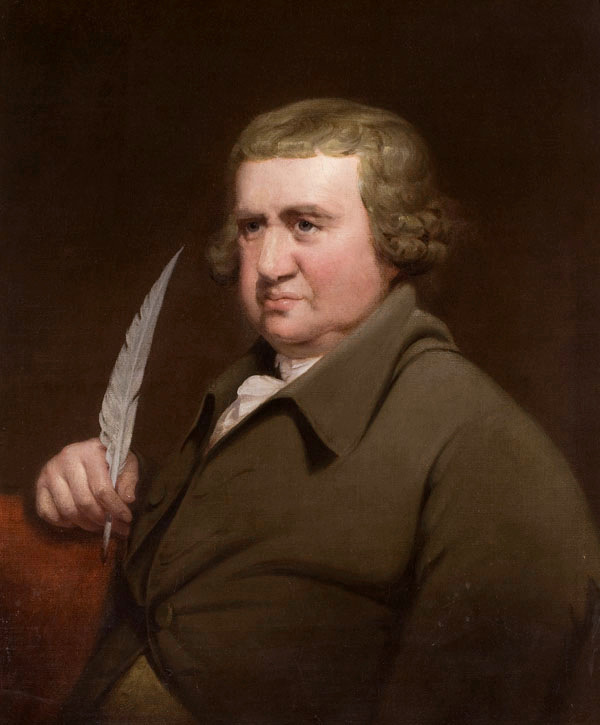
Grandfather of Charles Darwin and Francis Galton, Erasmus Darwin provided in Zoonomia, his major work in medicine and natural science, the first consistent all-embracing hypothesis of evolution. Nevertheless, his gran…
1794
#2283
A treatise on the blood, inflammation, and gun-shot wounds.
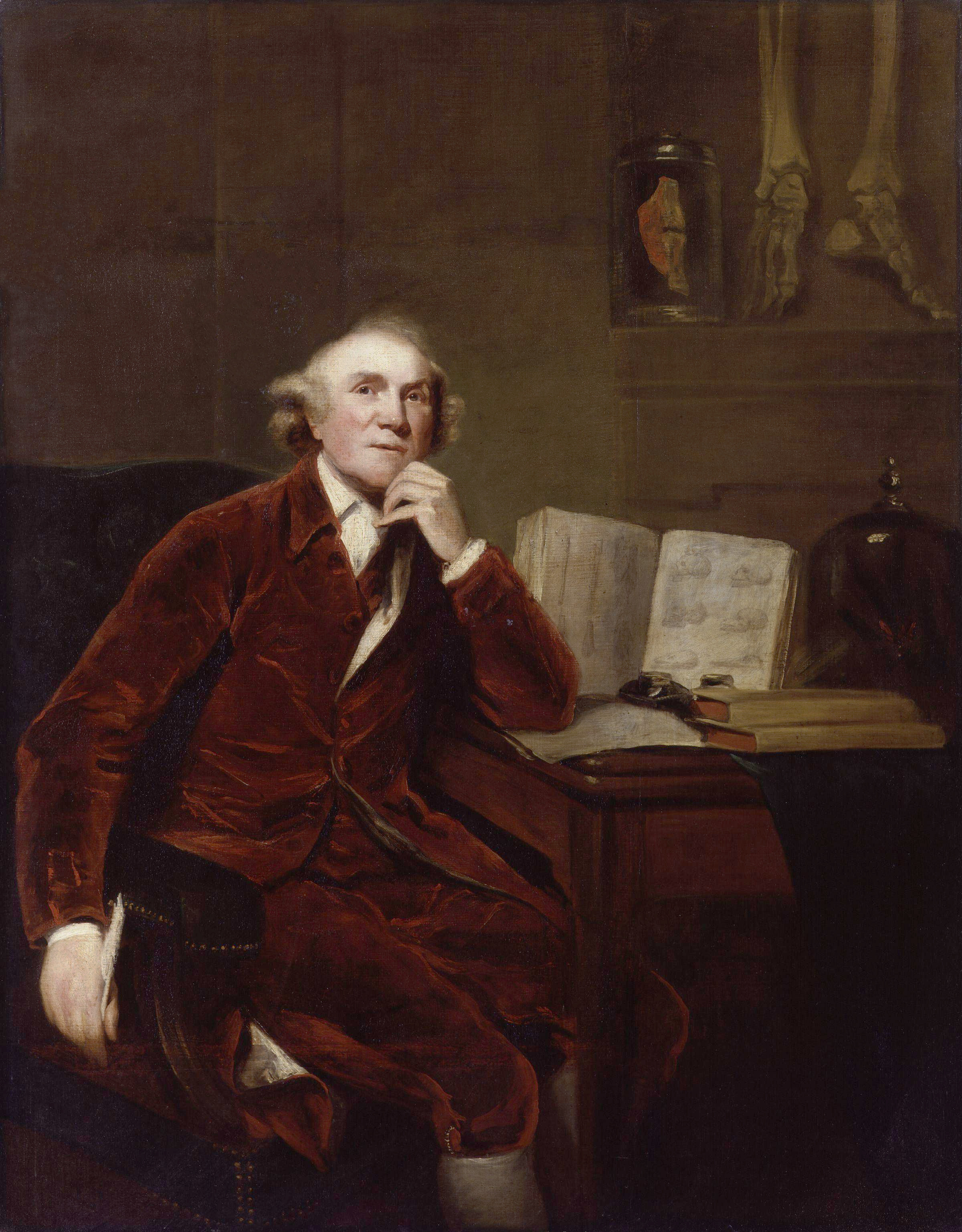
It was while serving with the army at Belle Isle during the Seven Years’ War that Hunter collected the material for his epoch-making book on inflammation and gunshot wounds. His studies on inflammation in particular a…
1794
#4307
A practical essay on a certain disease of the bones termed necrosis.
One of the first attempts at a complete and detailed description of necrosis. Russell was the first Professor of Clinical Surgery at Edinburgh.
1794
#6157.1
An anatomical description of the human gravid uterus and its contents.
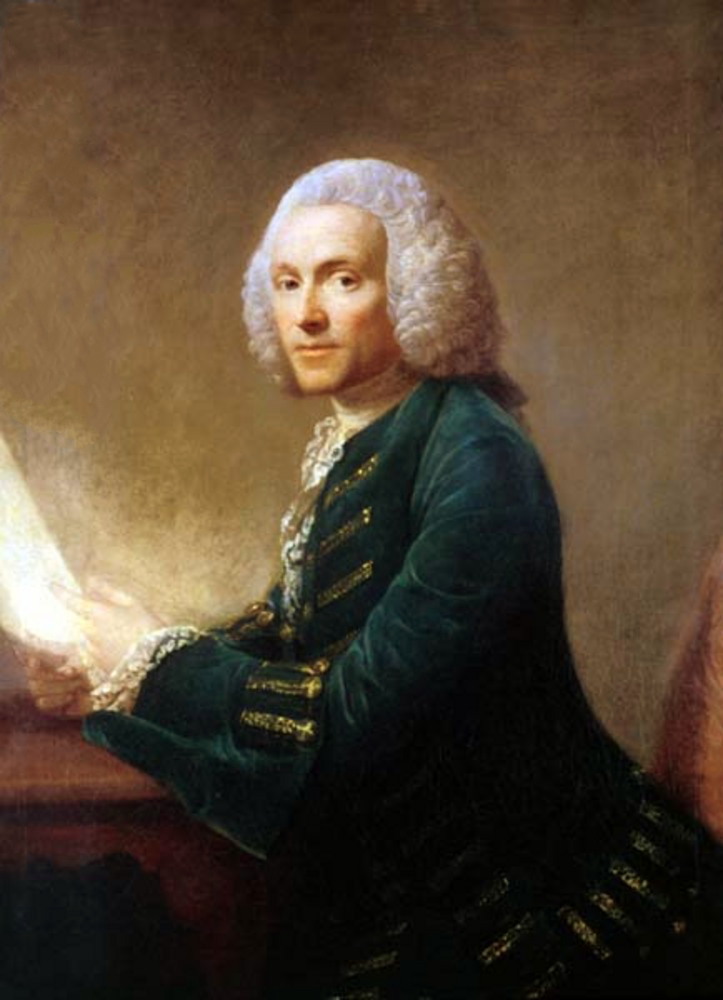
Hunter’s text for No. 6157, edited and published by Matthew Baillie after William Hunter's death. Digital facsimile from Google Books at this link.
1794
#7659
Instructions for collecting and preserving various subjects of natural history; as animals, birds, reptiles, shells, corals, plants, &c. Together with A treatise on the management of insects in their several states; selected from the best authorities.
Digital text available from ECCO TCP Eighteenth Century Collections Online at this link.
1794 –1819
#9086
The natural history of British birds; or, a selection of the most rare, beautiful and interesting birds which inhabit this country: The descriptions from the Systema naturae of Linnaeus; with general observations, either original or collected from the latest and most esteemed English ornithologists; and embellished with figures, drawn, engraved, and coloured from the original specimens. 10 vols.
The first 5 volumes were issued in monthly parts, each consisting of 2 plates and accompanying text. A volume came out each year between 1794 and 1798; the fifth volume stated: "This work being now completed." However…
1794
#9526
Considerations on the medicinal use, and on the production of factitious airs and on the manner of obtaining them in large quantities: In two parts.
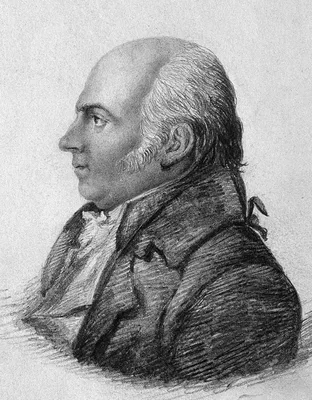
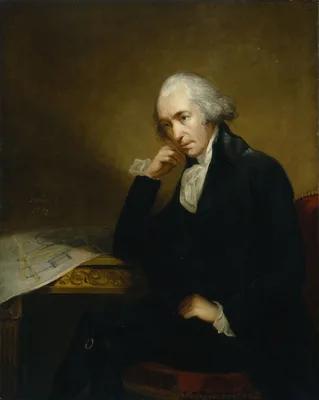
The engineer James Watt collaborated with the physician, Thomas Beddoes, in this project. This was Watt's only contribution to medicine. While much of Beddoes' work proved ineffective it did result in Humphrey Davy's …
1794
#9833
Engravings, explaining the anatomy of the bones, muscles and joints.
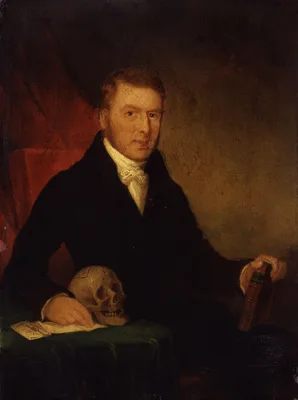
Bell’s atlas of the bones, muscles and joints was issued as a separate work a year after his text, The Anatomy of the Bones, Muscles, and Joints. Bell’s illustrations are some of the most striking in the entire litera…
1794
#12686
The life of Sir Charles Linnaeus, Knight of the Swedish Order of the Polar Star, &c. &c. To which is added a copious list of his works, and a biographical sketch of the life of his son, by D. H. Stoever. Translated from the original German by Joseph Trapp.
Digital facsimile from Google Books at this link.
1795
#595
Experiments on the insensible perspiration of the human body.
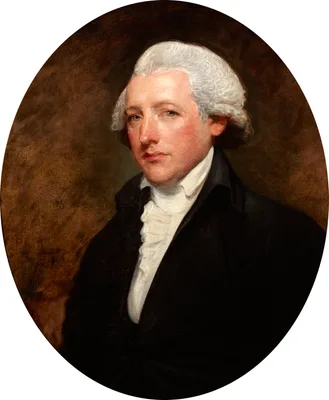
Demonstration that carbon dioxide is given off by the skin. This book was first privately printed in 1779; above is the corrected edition.
1795
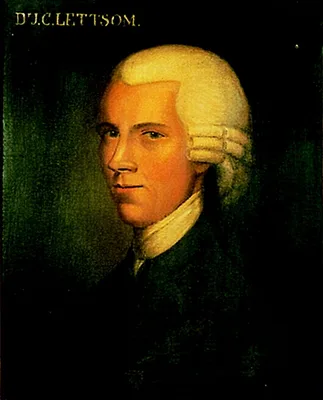
#3111
Hints respecting the chlorosis of boarding schools.
1795
#5336.3
An essay on the malignant pestilential fever introduced into the West Indian Islands from Boullam, on the coast of Guinea, as it appeared in 1793 and 1794.
Chisholm, "Surgeon to his Majesty's Ordnance in Grenada," was apparently the first to observe the mode of transmission of the Guinea worm, Dracunculus medinensis. Chishom was also one of the first to recognize that th…
1795
#6272
A treatise on the epidemic puerperal fever of Aberdeen.
Gordon was the first to advance as a definite hypothesis the contagious nature of puerperal fever, thus preceding Holmes and Semmelweis by half a century. He also advocated the disinfection of the clothes of the docto…
1795
#10016
The history of medicine, so far as it relates to the profession of the apothecary, ... the origin of druggists, their gradual encroachments on compound pharmacy, and the evils to which the public are from thence exposed.
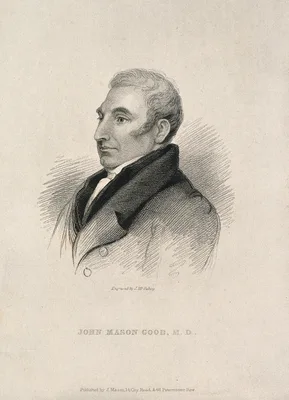
The first history of pharmacy in Britain. Good’s History was commissioned by the General Pharmaceutical Association, formed in 1794, of which the author was a prominent member. It was intended to protect the trade of …
1796
#310
An account of Indian serpents collected on the coast of Coromandel: containing descriptions and drawings of each species, together with experiments and remarks on their several poisons.
First attempt at a description of Indian serpents and serpent venoms. Includes the original description of Russell’s viper, Daboia russellii. Digital facsimile from the Linda Hall LIbrary at this link.
1796 –1808
#3985
On cutaneous diseases. Vol. 1 [All published].
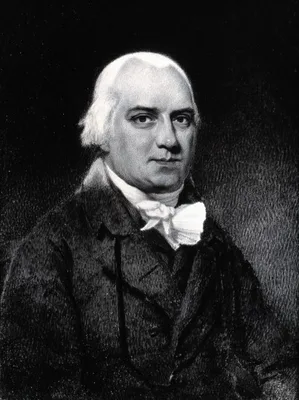
Modern dermatology may be said to start with Willan. His classification of skin diseases gained him the Fothergillian Medal of the Medical Society of London in 1790. He established a standard nomenclature which is sti…
1796 –1800
#7093
Catalogus bibliothecae historico-naturalis Josephi Banks, auctore Jona Dryander. 5 vols.
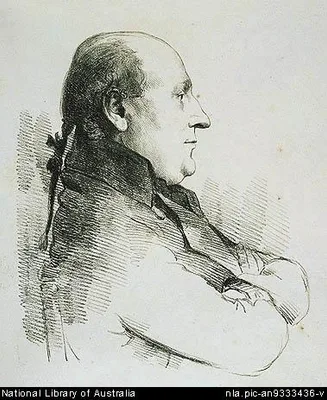
Digital facsimile of the 5 vols. from the Hathi Trust at this link.
1796
#11958
Hortus cantabrigiensis, or a catalogue of plants, indigenous and foreign, cultivated in the Walkerian Botanic Garden, Cambridge.
The Walkerian Botanic Garden was the first botanical garden founded in Cambridge. It is the ancestor of the Cambridge University Botanic Garden. Digital facsimile from the Hathi Trust at this link.
1797 –1804
#401.3
The anatomy of the human body. 4 vols.
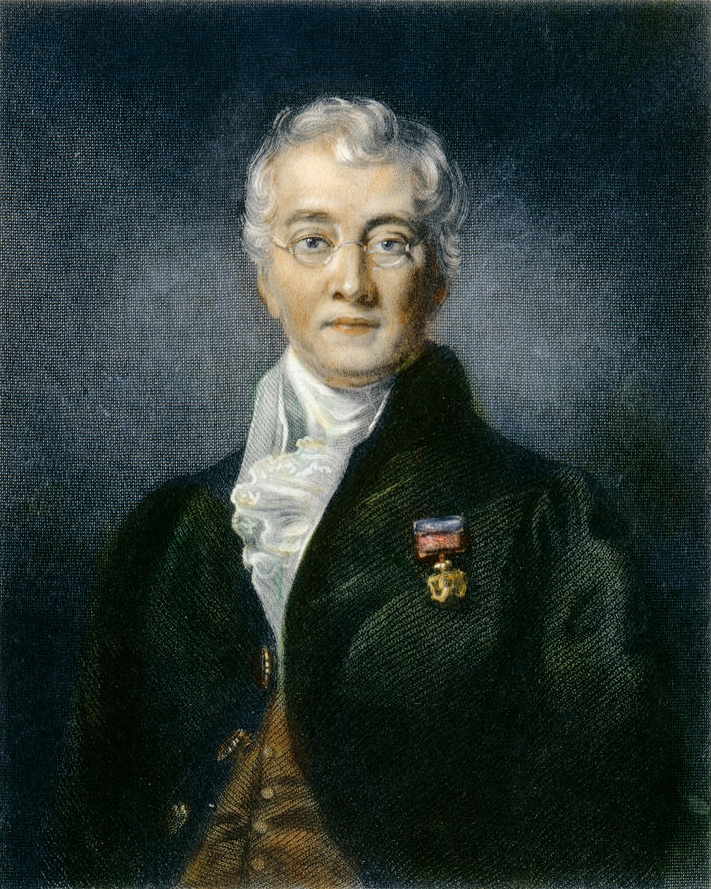
“The first great textbook contributed by the British school to modern anatomy” (Russell, No. 461).
1797 –1803
#2159
Medicina nautica; an essay on the diseases of seamen. 3 vols.
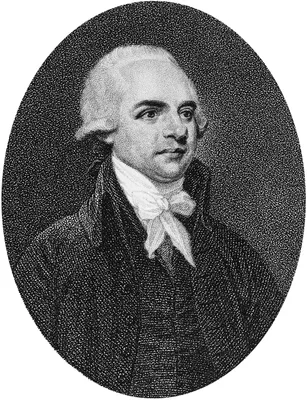
Trotter has left an excellent account of the conditions of seamen at the beginning of the 19th century. His book includes an interesting theory of the causation of fevers. He worked hard to improve the conditions of t…
1797
#1988
Medical reports, on the effects of water, cold and warm, as a remedy in fever and febrile diseases.
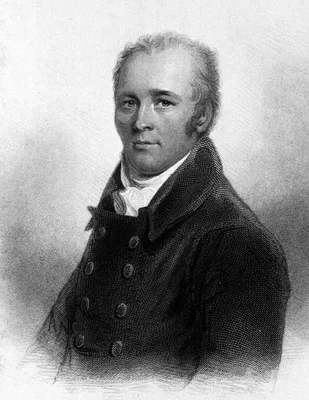
Currie was among the first in Britain to use cold water packs in the treatment of fever. He made some original observations on the clinical use of the thermometer. It was Currie who first edited Robert Burns’s Collect…
1797
#2736
The morbid anatomy of some of the most important parts of the human body. 2nd ed.
First clinical description of chronic obstructive pulmonary emphysema. The lung on which Baillie performed an autopsy before describing this condition is said to have been that of Samuel Johnson. P. 46: Baillie sugges…
1797
#3930
An account of two cases of the diabetes mellitus: With remarks, as they arose during the progress of the cure. To which are added, a general view of the nature of the disease and its appropriate treatment, including observations on some diseases depending on stomach affection; and a detail of the communications received on the subject since the dispersion of the notes on the first case....And some observations on the nature of sugar by William Cruickshank. 2 vols.
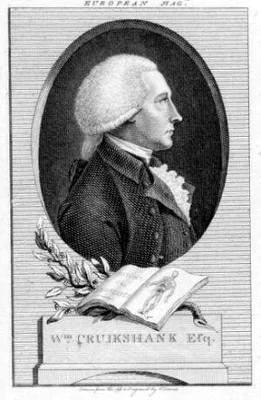
Rollo reported the success of a meat diet in the treatment of diabetes. He was the first to take Matthew Dobson's discovery of glycosuria in diabetes mellitus and apply it to managing metabolism.[He was a pioneer in t…
1797
#4287
On gouty and urinary concretions.
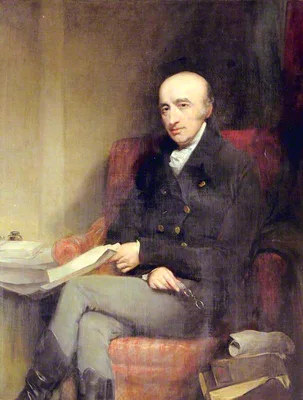
Wollaston showed that, in addition to stones consisting of uric acid, renal calculi might also consist of calcium phosphate, magnesium, ammonium phosphate, and calcium oxalate, or a mixture of these.
1797
#7768
The natural history of the rarer lepidopterous insects of Georgia. Including their systematic characters, the particulars of their several metamorphoses, and the plants on which they feed. Collected from the observations of Mr. John Abbot, many years resident in that country, by James Edward Smith.
The earliest illustrated monograph on the butterflies and moths of North America. Text in English and French. 104 hand-colored plates. Digital facsimile from the Internet Archive at this link.
1797
#10481
An essay on burns: Principally upon those which happen to workmen in mines from the explosions of inflammable air (or hydrogen gas)....
Digital facsimile of the 1817 edition reprinting the 1797 work and the continuation (1800): A second essay on burns : in which an attempt is made to refute the opinions of Mr. Earle, and Sir W. Farquhar, lately advanc…
1797
#11491
A practical inquiry into disordered respiration, distinguishing the species of convulsive asthma, their causes, and indications of cure,
Bree "embodied the numerous experiments in his own case, gave a more full and complete view of asthma and dyspnœa than had hitherto appeared, and laid down some important therapeutic rules, the practical value of whic…
1798 –1803
#402
A system of dissections. 2 vols.
Published in 7 fascicules and appendix while Bell was still a student, this was Bell’s first independent venture as an author. The anatomical work of Charles Bell and his brother John was among the most significant in…
1798
#2529.3
An inquiry into the causes and effects of the variolae vaccinae.
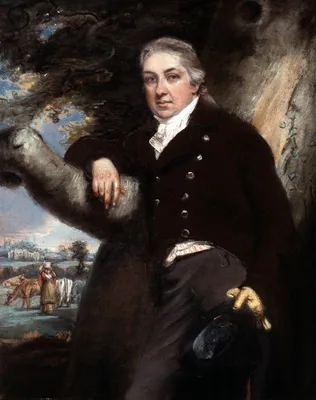
Jenner established the fact that a “vaccination” or inoculation with vaccinia (cowpox) lymph matter protects against smallpox. He performed his first vaccination on May 14, 1796. The above work, describing 23 successf…