
United Kingdom
2,632 entries published in United Kingdom. 64 publication places.
1807
#3581
The anatomy and surgical treatment of inguinal and congenital hernia. London, Cox, 1804. The anatomy and surgical treatment of crural and umbilical hernia.
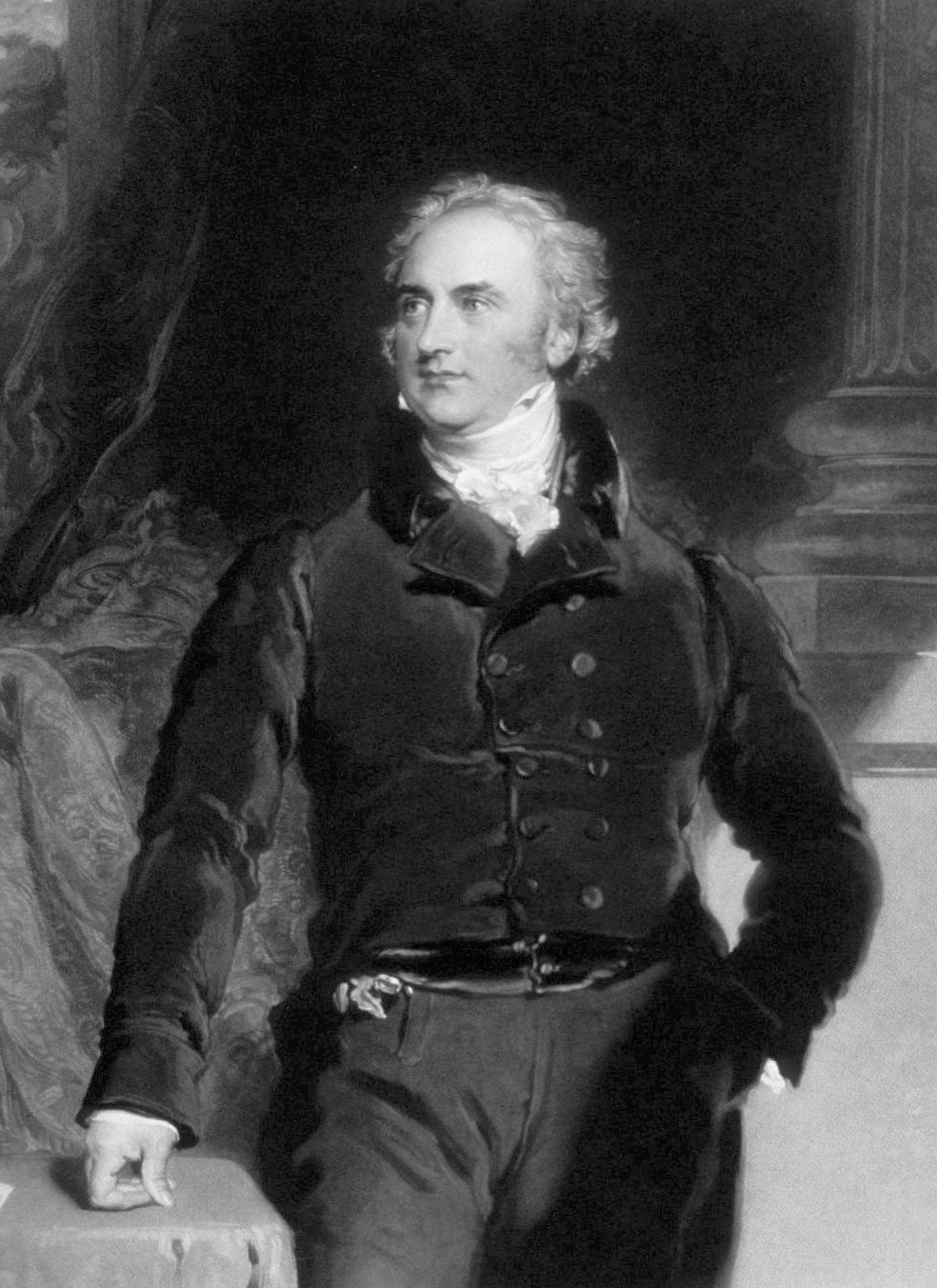
Cooper’s first book, luxuriously produced, in which he described for the first time the transversalis fascia, with full appreciation of its importance in hernia, as well as the superior pubic ligament with bears his n…
1807 –1809
#5583
A system of operative surgery. 2 vols.
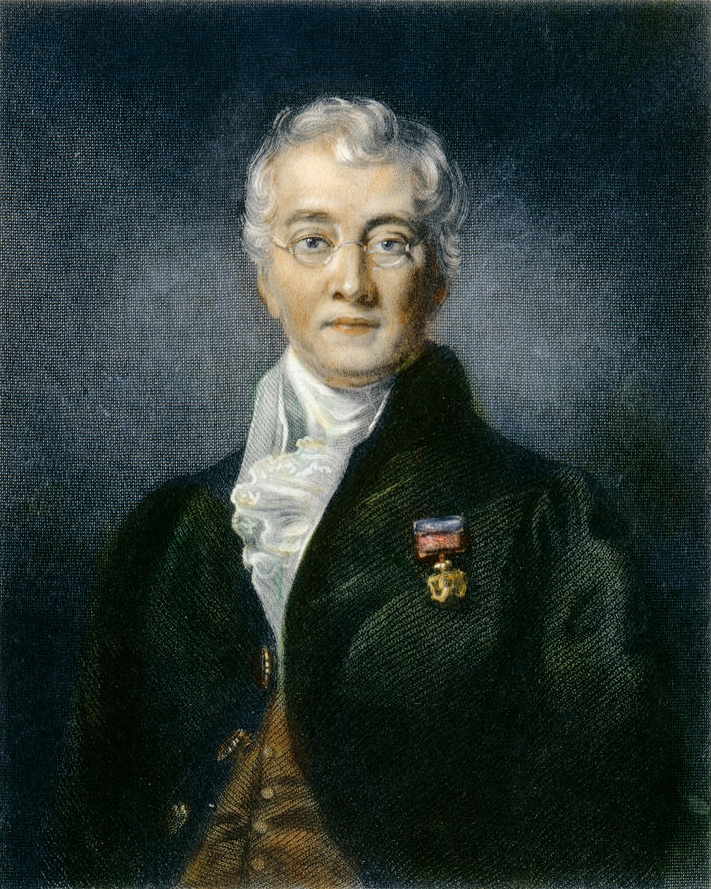
Famous as anatomist, physiologist, and neurologist, Charles Bell was also, like his brother John, an eminent surgeon. His artistic talent was even greater than that of his brother. (See No. 5588.)
1807
#5839
An account of the ophthalmia which has appeared in England since the return of the British Army from Egypt.
Vetch described trachoma.
1807
#8814
An account of the diseases of India, as they appeared in the English fleet, and in the naval hospital at Madras, in 1782 and 1783; with observations on ulcers, and the hospital sores of that country, &c. & c. To which is prefixed a view of the diseases of an expedition and passage of a fleet and armament to India, in 1781.
Digital facsimile from Google Books at this link.
1807
#11802
The Oriental voyager, or descriptive sketches and cursory remarks on a voyage to India and China in His Majesty's ship Caroline, performed in the years 1803–4–5–6. Interspersed with extracts from the best modern voyages and travels. The whole intended to exhibit a topographical and picturesque sketch of all the principal places which are annually or occasionally visited by our East Indian and China fleets....
Digital facsimile from Google Books at this link.
1807
#12875
Of the cause of the yellow fever; and the means of preventing it in places not yet infected with it: Addressed to the Board of Health in America.
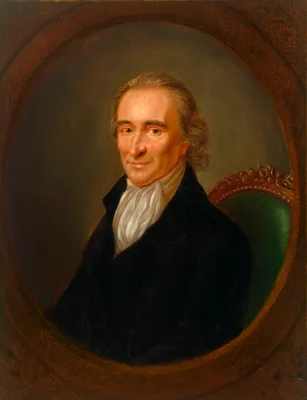
This 13-page pamphlet was probably the only medical publication by the English-born American political activist, philosopher, political theorist, and revolutionary, Thomas Paine. Paine's essay was first published in n…
1808
#4635
An essay on hydrocephalus acutus, or dropsy in the brain.
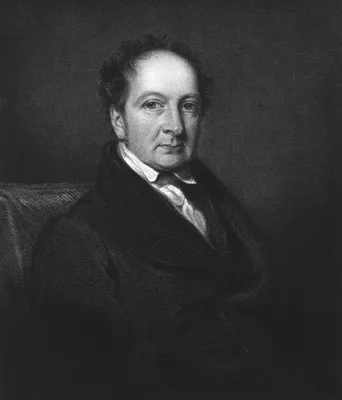
Acute hydrocephalus first described.
1808
#3168
Observations on the inflammatory affections of the mucous membrane of the bronchiae.
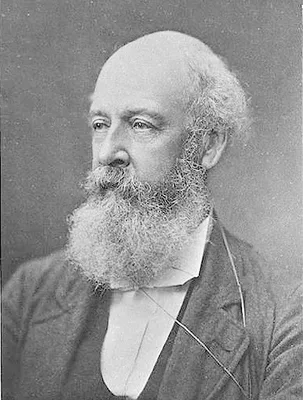
Badham distinguished acute and chronic bronchitis from pneumonia and pleurisy, with which it had previously been confused. He gave the disease its present name. Digital facsimile from Google Books at this link.
1808 –1818
#5840
Essays on the morbid anatomy of the human eye. 2 vols.
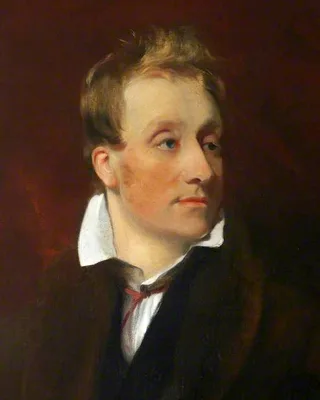
Wardrop was the first to classify the various inflammations of the eye according to the structures attacked. He was also the first to use the term “keratitis”.
1808
#7682
A catalogue of the anatomical preparations, casts, drawings, machines, instruments, &c. in White's Museum, Lying-in hospital.
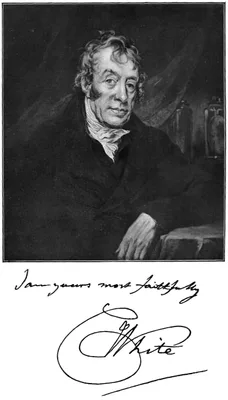
1808
#7685
Catalogue of the principal objects of curiosity [in the collection of Edward Donovan] contained in the London Museum and Institute of Natural History, Catherine Street, Strand, now open to the inspection of the public.
1808
#11955
A catalogue of plants in the Botanic Garden, at Liverpool.
Digital facsimile from the Hathi Trust at this link.
1809
#1603
A treatise on medical police, and on diet, regimen, &c. In which the permanent and regularly recurring causes of disease in general, and those of Edinburgh and London in particular, are described; with a general plan of medical police to obviate them, and a particular one adapted to the local circumstances of these cities. 2 vols.
First notable work on the subject in English. Digital facsimile from Google Books at this link.
1809
#3252
The pathology of the membranes of the larynx and bronchia.
Cheyne’s important book deals mainly with the lesions of croup.
1809
#2928
Surgical observations on the constitutional origin and treatment of local diseases.
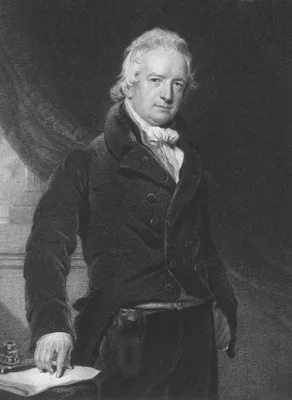
A pupil of John Hunter, Abernethy became a leading surgeon in London. He was most industrious, and it is said that not even on his wedding day did he fail to give his usual daily lecture at St. Bartholomew’s Hospital.…
1809
#5585
A dictionary of practical surgery.
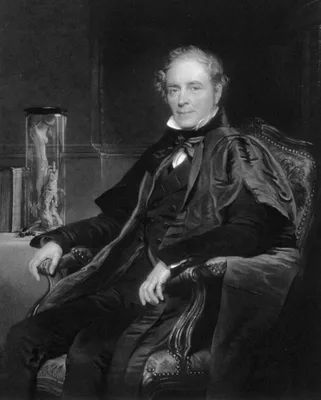
Cooper was surgeon on the field at Waterloo, and was later appointed to the chair of surgery at University College, London. His great dictionary went through seven editions during his lifetime and was translated into …
1809
#2738
Observations on some of the most frequent and important diseases of the heart.
Burns described endocarditis and reported three cases of mitral stenosis. He recognized the thrill present in the latter condition and seems to have understood the mechanism of a cardiac murmur. He also described unil…
1809
#7610
Directions for preserving animals and parts of animals for anatomical investigation; and concerning extraneous fossils.
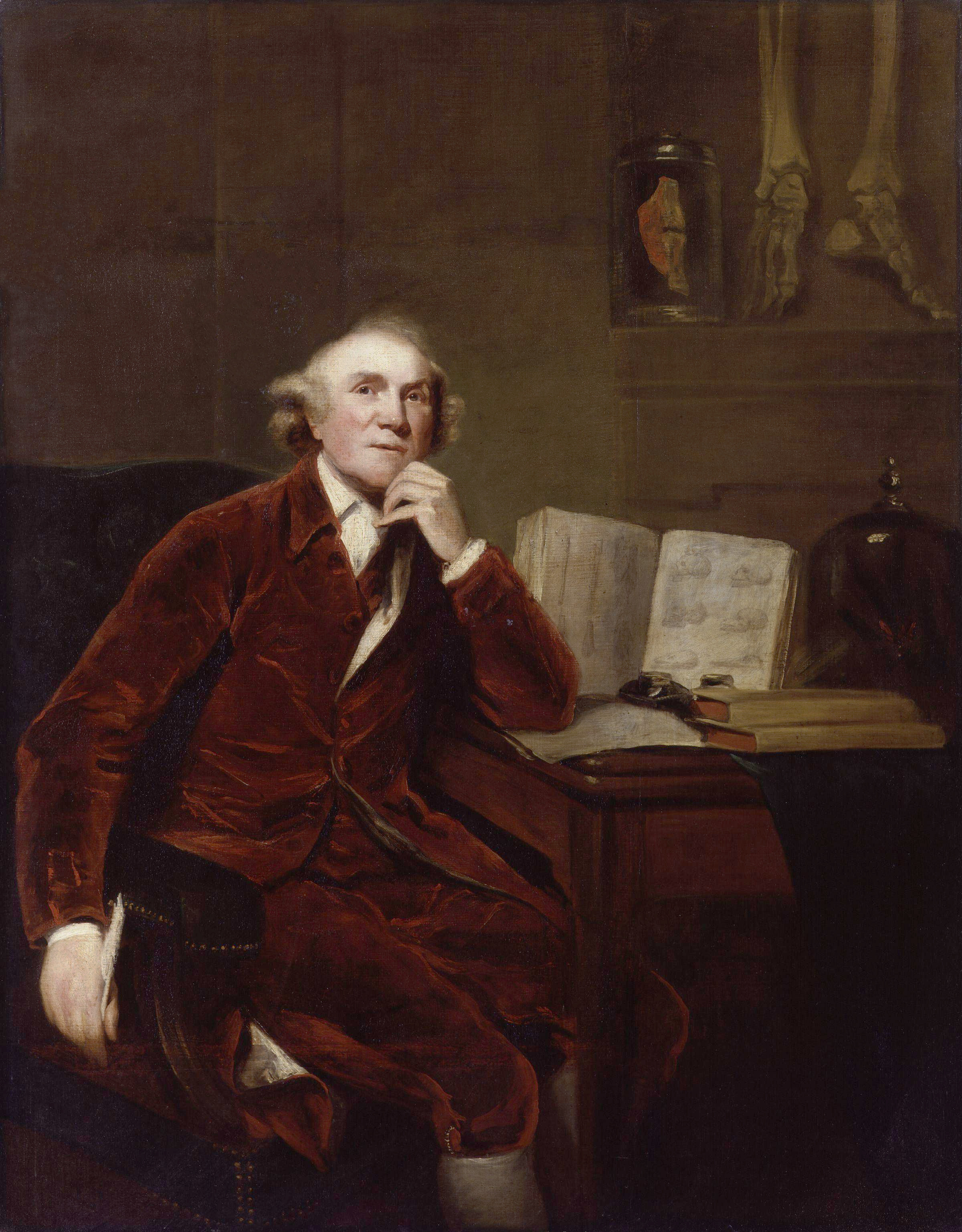
"The following Directions, framed by the late Mr. John Hunter, are intended to facilitate, and render effectual, the Endeavours of such Friends to scientific Inquiries as shall be inclined to futher the designs of the…
1809
#10465
A companion to the Liverpool Museum, containing a brief description of upwards of seven thousand natural and foreign curiosities, antiquities and productions of fine arts, collected during several years of arduous research, and at an expense of upwards of twenty thousand pounds. And now open for inspection, in the Great Room, No. 22, Piccadilly, London, which has been fitted up for the purpose in a manner entirely new.
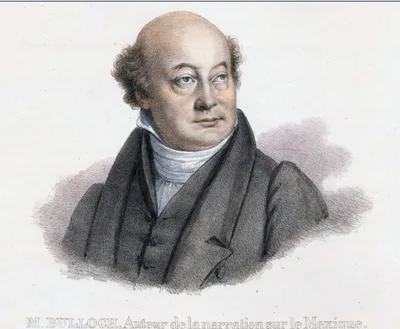
Bullock founded his Museum of Natural Curiosities at 24 Lord Street in Liverpool in 1795. While still trading as a jeweller and goldsmith, in 1801 he published a descriptive catalogue of the works of art, armor, objec…
1809
#14156
The bibliomania, an epistle to Richard Heber, Esq.
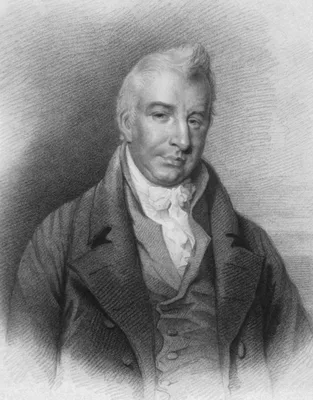
Ferriar coined the term "bibliomania" in this work. Digital facsimile from Google Books at this link.
1810
#1765
Letters on professional character and manners.
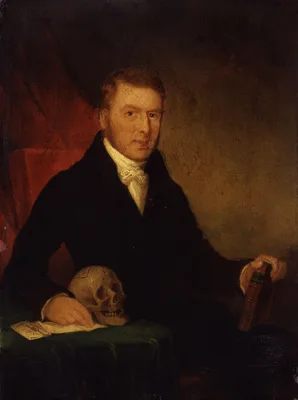
"A man of compassion, Bell made many enemies because he was outspoken about the unnecessary pain and suffering inflicted by incompetent surgeons practicing in Scotland. In 1800 he became involved in an unfortunate con…
1810
#4924.1
Illustrations of madness: exhibiting a singular case of insanity… with a description of the tortures experienced by bomb-bursting, lobster-cracking and lengthening the brain.
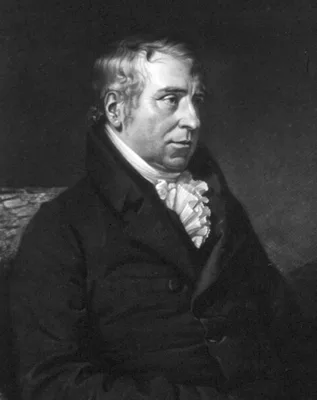
The first medical book devoted to a single case of insanity, and the first illustration of an influencing machine, commonly complained of by paranoid patients.
1810
#4969.2
A letter to Henry Cline, Esq. on imperfect developements (sic) of the faculties mental and moral, as well as constitutional and organic; and on on the treatment of impediments of speech.
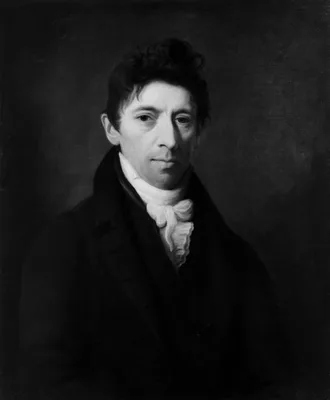
The first book on mental deficiency. Thelwall recognized that sensory deprivation could be a cause of apparent mental defect through his work with handicapped children. He established criteria for distinguishing betwe…
1811
#3055
Observations on the surgical anatomy of the head and neck.
Burns was the first to suggest (p. 31) ligature of the innominate artery. His book describes “Burns’s space”, the fascial space at the suprasternal notch. The first recorded case of chloroma (myeloid sarcoma, granuloc…
1811
#1254
Idea of a new anatomy of the brain.
Contains first reference to experimental work on the motor functions of the ventral spinal nerve-roots, without, however, establishing the sensory functions of the dorsal roots. This very rare privately printed pamphl…
1811
#7321
Lachesis Lapponica, or a tour in Lapland, now first published from the original manuscript journal of the celebrated Linnaeus; by James Edward Smith. 2 vols.
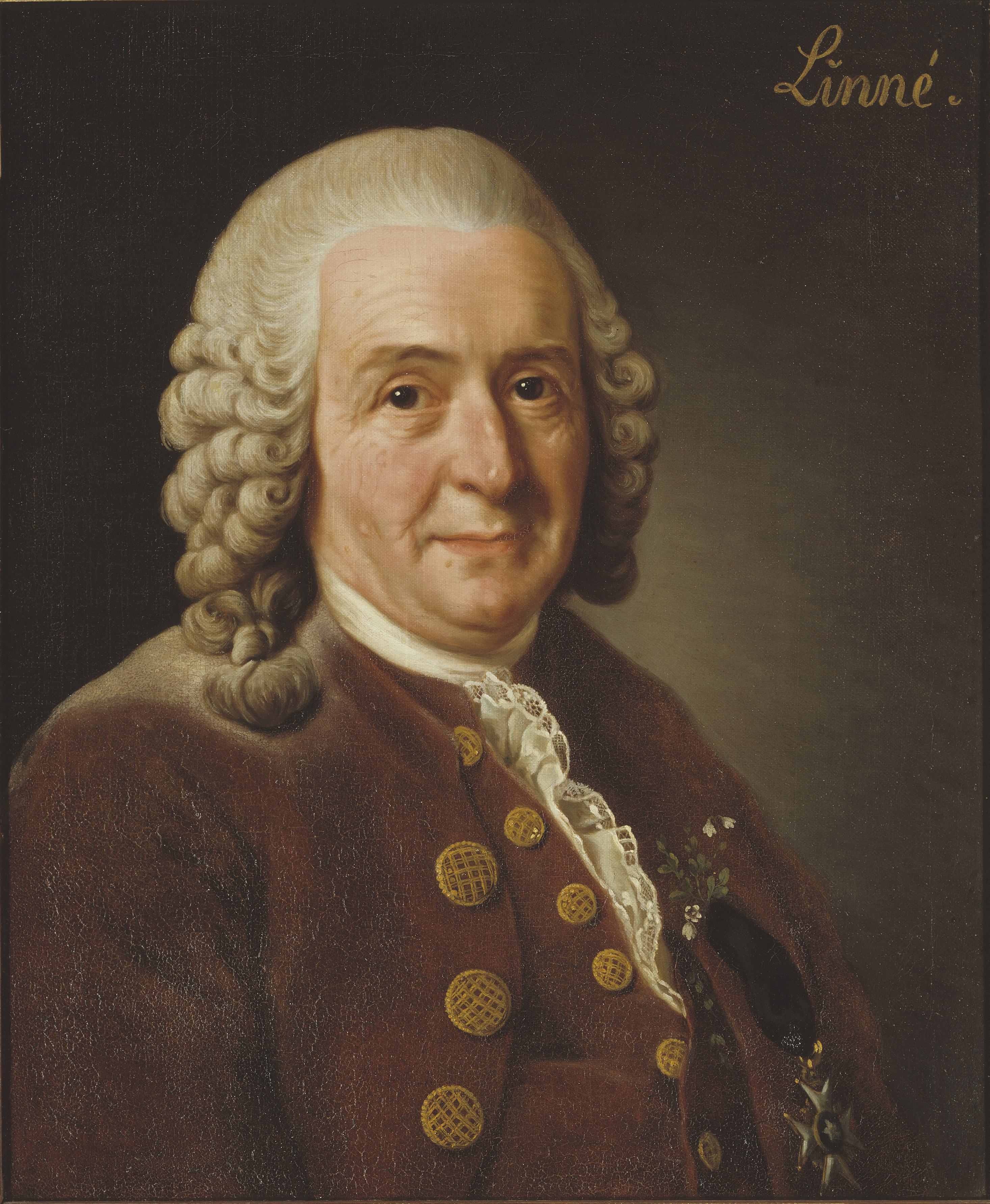
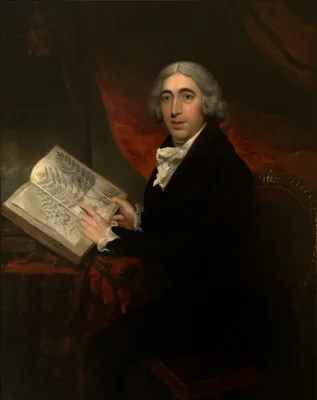
Digital facsimile from the Internet Archive at this link.
1811
#13755
Travels in the island of Iceland, during the summer of the year MDCCCX.
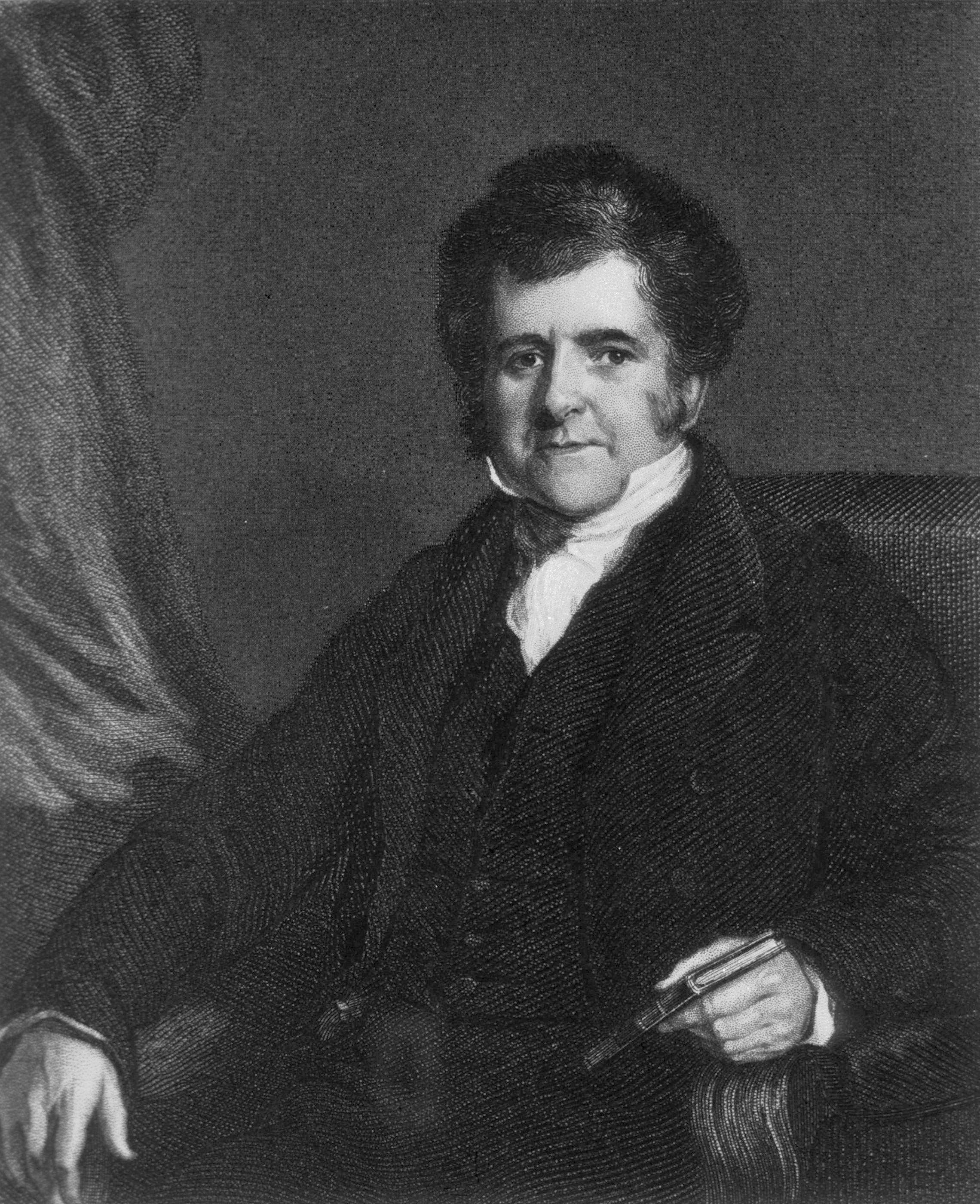
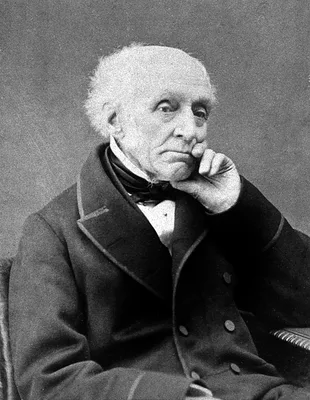
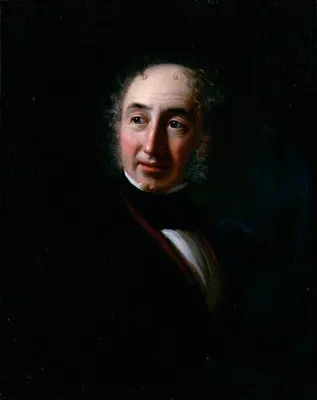
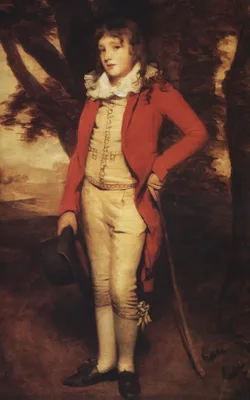
Only Mackenzie is credited with authorship on the title page. Holland and Bright accompanied Mackenzie on this voyage and exploration. On p. xi of the Preface Mackenzie indicates that he benefitted from Hooker's notes…
1811
#13762
Journal of a tour in Iceland in the summer of 1809.
"In 1809 he went to Iceland to make a botanical survey for [Sir Joseph] Banks; his collections were lost in a fire at sea on the way home but with the aid of Banks’s notes from his own journey there in 1772 Hooker was…
1812
#4519.1
Cases of apoplexy and lethargy: with observations upon the comatose diseases.
Cheyne believed that cerebral anemia might be the cause of apoplexy, and described pathological cases of cerebral infarction and of cerebral hemorrhage. The work contains the first illustration of a subarachnoid hemor…
1812
#3433
An inquiry into the process of nature in repairing injuries of the intestines.
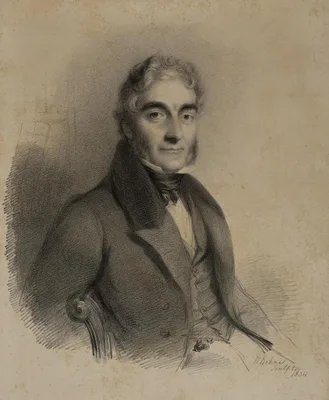
Travers’s researches on intestinal sutures recorded the first accurate knowledge on this subject.
1812
#8409
Catalogue of medical books, for the use of students attending lectures on the principles and practice of medicine; with an address to medical students, on the best method of prosecuting their studies.
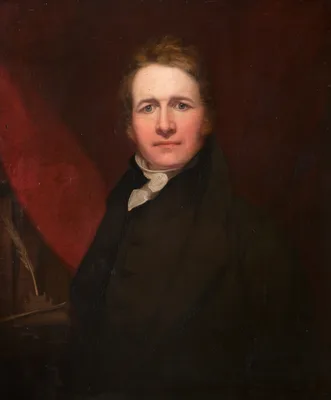
This is the catalogue that Watt prepared of his own very carefully chosen medical library, and published for the use of his students. Because Watt chose the roughly 1000 books with great care the library is representa…
1813
#2209
Observations on the nature and cure of dropsies.
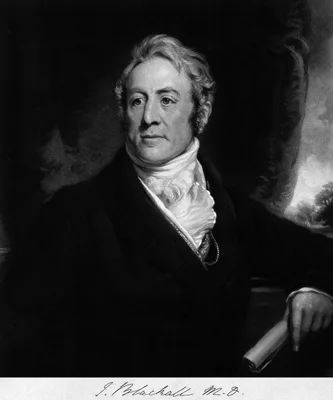
Blackall predated Bright in detecting albuminuria in association with edema. His book, of which the second edition is more important than the first, includes reports on cases of angina pectoris.
1813
#159
Researches into the physical history of man.
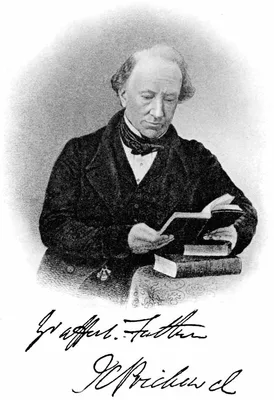
Prichard, a Bristol physician, classified and systematized facts relating to the races of men better than any previous writer. His interest in anthropology was stimulated by one of the pressing questions of his day: D…
1813
#4021
A practical synopsis of cutaneous diseases according to the arrangement of Dr. Willan.
This was the most influential textbook of dermatology of the 19th century, and the work which conveyed Willan’s system to most of the medical world. Included in the book was material by Willan which remained unpublish…
1813
#4309
An account of a successful method of treating diseases of the spine.
By his advocacy of absolute rest in the horizontal position without the aid of caustics and setons, Baynton can be said to have introduced the modern treatment of spinal caries in England. The book is dedicated to Edw…
1813
#5086.1
Treatise on the history, nature, and treatment of chincough: Including a variety of cases and dissections. To which is subjoined an inquiry into the relative mortality of the principal diseases of children, and the numbers who have died under ten years of age, in Glasgow, during the last thirty years.
Probably the second book on whooping cough, written after two of Watt's children died from the disease. After vaccination for smallpox was introduced, Watt found, as he had expected, that the number of deaths from tha…
1813
#4925
Tracts on Delirium tremens, on peritonitis, and on some other internal inflammatory affections, and on the gout.
Sutton named and described alcoholic delirium tremens, differentiating the condition from phrenitis. Digital facsimile from the Internet Archive at this link.
1813
#4925.1
Description of The Retreat, an institution near York, for insane persons…
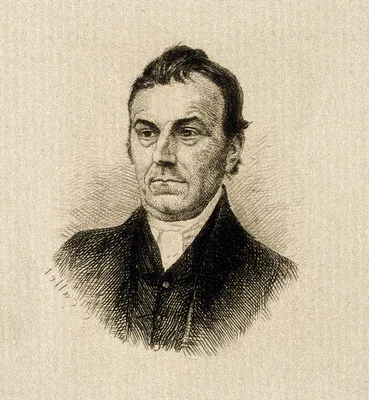
The pioneer work by an Englishman advocating humane treatment of the mentally ill. Tuke set out in this work the successful results of his experience with the “mild system of treatment” which had been instituted at Th…
1813
#6751
An introduction to medical literature, including a system of practical nosology. Intended as a guide to students, and an assistant to practitioners.
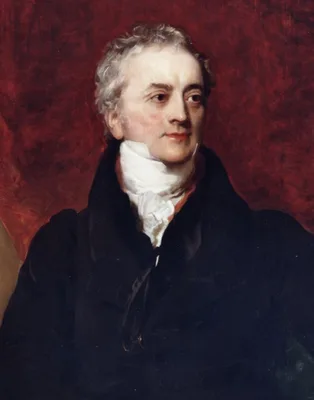
The remarkable Thomas Young compiled this bibliography of works which he considered necessary to a complete medical library. Second edition, 1823.
1813
#7543
Pedestrianism; or, An account of the performances of celebrated pedestrians during the last and present century : with a full narrative of Captain Barclay's public and private matches; and an essay on training.
Digital facsimile from the Internet Archive at this link.
1813
#7586
A general account of the Hunterian Museum, Glasgow; including historical and scientific notices of the various objects of art, literature, natural history, anatomical preparations, antiquities, & c. in that celebrated collection.
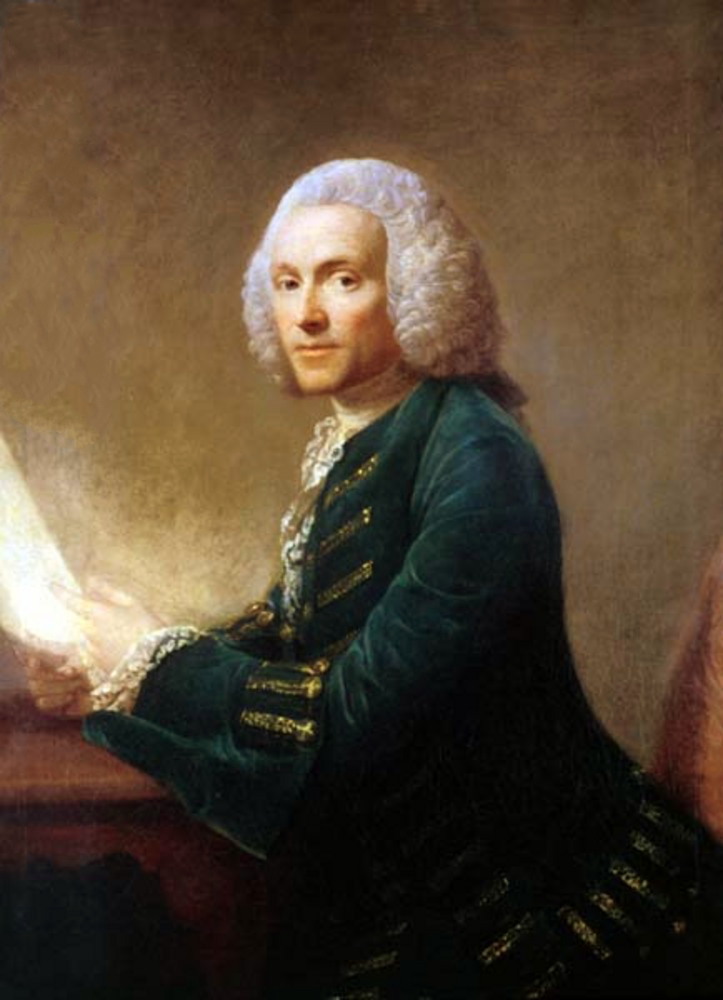
Digital facsimile from Google Books at this link.
1813
#8211
The influence of tropical climates, more especially the climate of India, on European constitutions; the principal effects and diseases thereby induced, their prevention or removal, and the means of preserving health in hot climates, rendered obvious to to Europeans in every capacity: An essay .
Digital facsimile from the Internet Archive at this link. Enlarged and retitled second edition: The influence of tropical climates on European constitutions: to which is added tropical hygiene, or the preservation of …
1814 –1828
#315
Lectures on comparative anatomy, in which are explained the preparations in the Hunterian collection
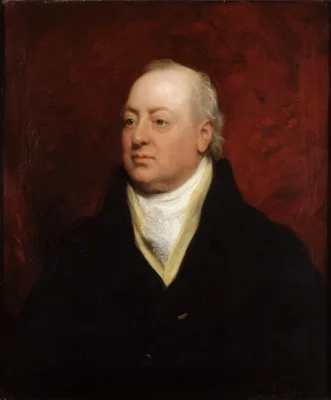
Home plagiarized this large work from the manuscripts of John Hunter, his late father-in-law, and, as a result, of immense importance for publication of Hunter’s researches, and for aspects of Hunter's collection on w…
1814
#1604
An essay on dew.
For this work Wells was awarded the Rumford Medal of the Royal Society. His researches on the subject were of major importance in the development of the science of ventilation, particularly in its relation to relative…
1814
#216.1
A treatise on the supposed hereditary properties of diseases, containing remarks on the unfounded terrors and ill-judged cautions consequent on such erroneous opinions; with notes, illustrative of the subject, particularly in madness and scrofula.
Adams was a pioneer in medical genetics. He distinguished between familial and hereditary diseases, saw that an increase in hereditary disease frequency in isolated areas could be caused by inbreeding, and suggested t…
1814
#2740.1
Pathological researches. Essay I. On malformations of the human heart. [All published.]
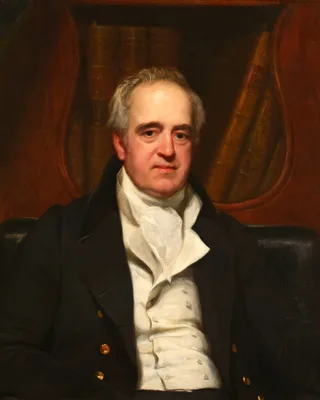
The first monograph on congenital defects of the heart.
1814
#4021.1
Practical treatise on porrigo, or scald head, and on impetigo, the humid or running teter
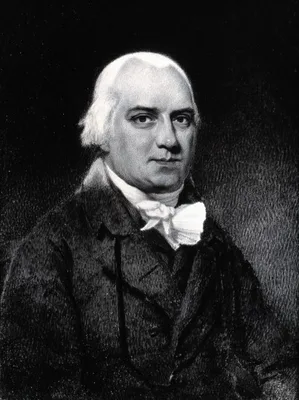
This treatise on infantile eczema is the only fascicule of the second volume of Willan’s On cutaneous diseases (No.4018) that ever appeared in print. It was edited for publication after Willan's death by his stepson-i…
1814
#7876
Flora Americae septentrionalis; or, a systematic arrangement and description of the plants of North America. Containing, besides what have been described by preceding authors, many new and rare species, collected during twelve years travels and residence in that country. 2 vols.
The first survey of all plants of North America above Mexico, including more than 3,000 species and 470 genera; describes more than 100 species collected by the Lewis and Clark expedition. Digital facsimile from Botan…
1814
#12762
An essay on the venereal diseases which have been confounded with syphilis, and the symptoms which exclusively arise from that poison. Illustrated by drawings of the cutaneous eruptions of true syphilis, and the resembling diseases.
Carmichael "subdivided venereal infections into four major classes, each of which he maintained had a distinct exciting poison, a peculiar primary manifestation and a separate series of constitutional affections. From…
1815
#2161
On gun-shot wounds of the extremities, requiring the different operations of amputation, with their after treatment.
Guthrie was the leading British military surgeon during the first half of the 19th century. He served in the Napoleonic Wars; his book is one of the most important in the history of the subject.