
United Kingdom
2,632 entries published in United Kingdom. 64 publication places.
1815
#4825
Commentaries on some of the most important diseases of children. Part the first.
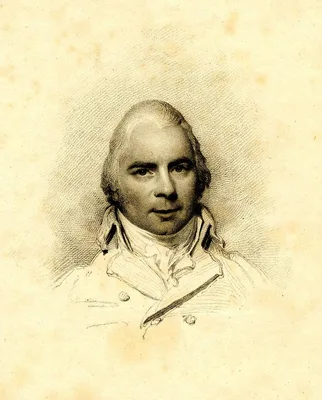
First account of infantile tetany is given on pp. 86-97. Clarke died before this work was published. In it he also gave a clear description of laryngismus stridulus. This disease, which consists in a sudden onset of d…
1815
#765.2
An inquiry into the causes of the motion of the blood; with an appendix, in which the process of respiration and its connexion with the circulation of the blood are attempted to be elucidated.
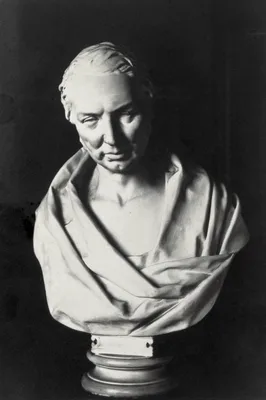
Carson recognized the vital effect on venous return played by the negative pressure in the pleural cavity.
1815
#2741
A treatise on the diseases of arteries and veins. 1 vol. and atlas.
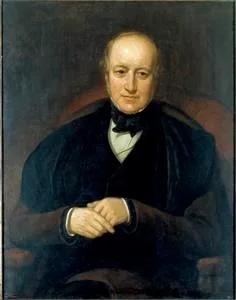
Includes the best illustrations of aneurysms and of aortic valvular endocarditis so far published, and the first description on non-sacculated dilatation of the aortic arch (“Hodgson’s disease”).
1815
#7368
Travels in the Ionian Isles, Albania, Thessaly, Macedonia, &c. during the years 1812 and 1813.
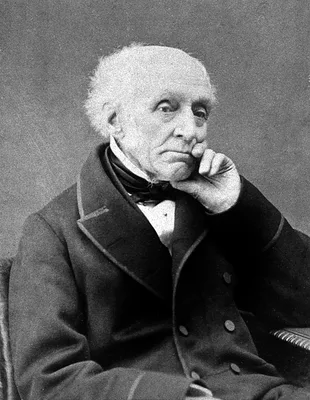
Digital facsimile from Google Books at this link.
1815
#7684
A descriptive catalogue of a museum of antiquities and foreign curiosities, natural and artifical, including models illustrative of military and naval affairs, armour and weapons, instruments of torture, polytheism, sepulchres, with the manner of depositing the dea, the costume of different nations, manuscripts, natural history, including anatomy &, &c, &c. Collected by P. Dick, Sloane-Street.
Publication date is estimated.
1815
#7932
Journal of a mission to the interior of Africa, in the year 1805. Together with other documents, official and private, relating to the same mission. To which is prefixed an account of the life of Mr. Park.
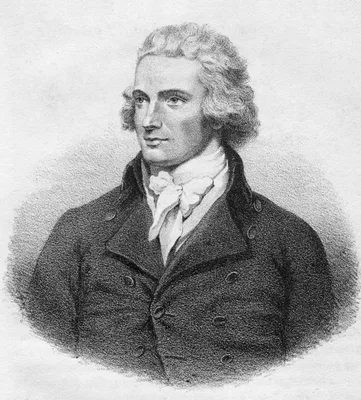
Park died in Africa in 1806, as a result of conflicts with native peoples. This volume includes the journal of Isaaco, an African, who served as Mungo Park's guide. Digital facsimile from the Internet Archive at this …
1815
#13799
The history of the small pox.
Digital facsimile from Google Books at this link.
1815
#14176
Sketches of the medical schools of Paris.
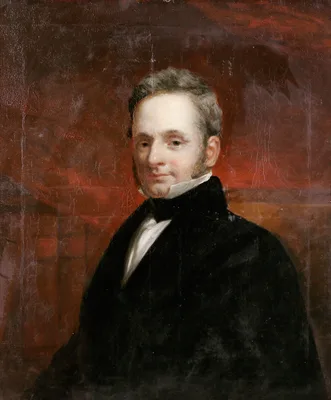
Crosse, a British surgeon whose name appears without the final "ed" on the title page, was a British surgeon who spent the winter of 1814-15 in Paris, where he wrote numerous letters to friends in london and Dublin de…
1816
#4826
Notes on the swelling of the tops of the hands and feet, and on a spasmodic affection of the thumbs and toes, which very commonly attends it.
In his early account of chronic tetany, Kellie referred to carpo-pedal spasm and spasms of the glottis as part of the syndrome.
1816
#2742
An experimental inquiry into the nature, cause and varieties of the arterial pulse: And into certain other properties of the larger arteries, in animals with warm blood.
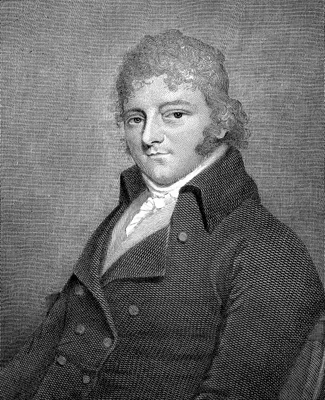
This work "included a summary of more than two dozen experiments he [Parry] conducted on a variety of mammals. In this book he discussed the pulsatile expansion of the arteries and importance of collaterals. Parry ref…
1816
#5737
An account of two successful operations for restoring a lost nose from the integuments of the forehead.
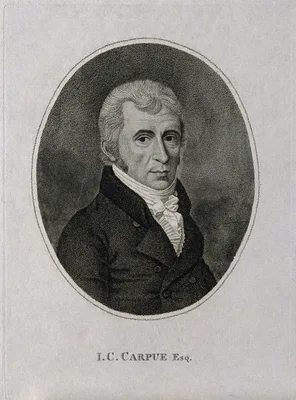
Carpue revived the Hindu method of rhinoplasty (see No. 5735.1), and reported two successful cases. Facsimile edition, with biography of Carpue by Frank C. McDowell and bibliography of his writings, Birmingham, Classi…
1816
#11143
A practical account of the Mediterranean fever, as it appeared in the ships and hospitals of His Majesty's fleet on that station: With cases and dissections. To which are added facts and observations, illustrative of the causes, symptoms and treatment comprehending the history of the fever in the fleet, during the years 1810, 1811, 1813, and of the Gibraltar and Carthagena fevers.
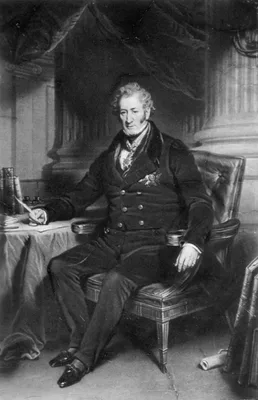
"Burnett in 1816 described an epidemic of a short term fever occurring among the Naval Forces engaged in the Siege of Malta in 1799, and this fever was almost certainly phlebotomus" (Coulter, The Royal Naval Medical S…
1816
#11799
A treatise on the medicinal leech; including its medical and natural history, with a description of its anatomical structure; also, remarks upon the diseases, preservation, and management of leeches.
Digital facsimile from the Hathi Trust at this link.
1816
#12024
A catalogue of the library of the Medical and Chirurgical Society of London. With a supplement.
Digital facsimile from Google Books at this link.
1817
#4690
An essay on the shaking palsy.
“Parkinson’s disease”–paralysis agitans. Reprinted in Med. Classics, 1938, 2, 946-97. Facsimile edition, with biography of Parkinson by Macdonald Critchley, London, 1955. Digital facsimile from the Internet Archive at…
1817
#1604.1
An essay on the disorders of old age, and on the means of prolonging life.
Carlisle, a distinguished surgeon and anatomist, advised young people to adopt a sound regimen early in life in order to secure longevity. Addressing himself directly to old people he described diseases common to the …
1817
#3988
Delineations of cutaneous diseases exhibiting the characteristic appearances of the principal genera and species comprised in the classification of the late Dr. Willan; and completing the series of engravings begun by that author.
Bateman, the pupil of Willan, continued his teacher’s classification of skin diseases. The above work is notable for its 72 colored plates. Strictly speaking it is the first atlas of dermatology, as Willan’s work fall…
1817
#6330
A cursory inquiry into some of the principal causes of mortality among children. With a view to assist in ameliorating the state of the rising generation, in health, morals, and happiness. To which is added an account of the universal dispensary for sick indigent children.
Davis called attention to the high infant mortality rate, especially in London. His suggestion that poor mothers should be instructed in the care of their infants resulted in a system of health-visiting by benevolent …
1817
#7108
Medical jurisprudence as it relates to insanity, according to the laws of England.
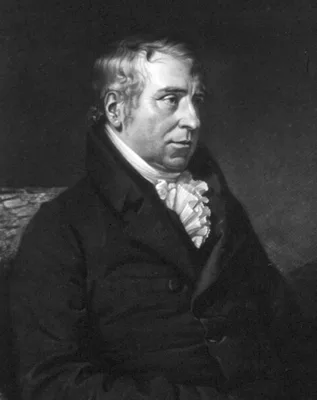
The first English work on the forensic aspects of mental illness. Digital facsimile from Wellcome Forensics Collection, Internet Archive, at this link.
1817
#8816
Results of an investigation, respecting epidemic and pestilential diseases; including researches in the Levant, concerning the plague. 2 vols.
"From 1815 to 1817 Maclean travelled in Spain, Turkey, and the Levant, and he studied the plague at the Greek Pest Hospital at Constantinople, in the service of the Levant Company. His experiences in the Levant and in…
1817
#12694
Memoirs of the life and writings of the late John Coakley Lettsom..., with a selection from his correspondence
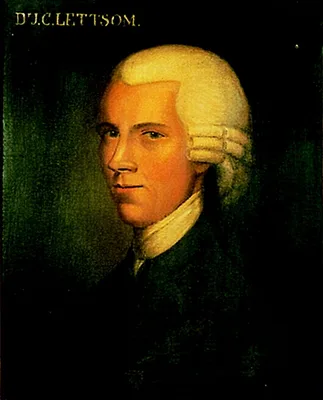
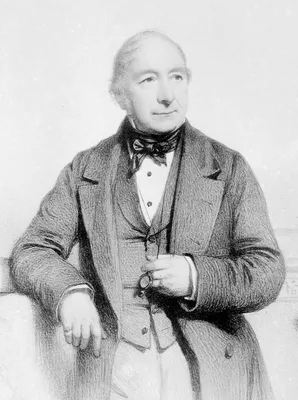
Digital facsimile from Google Books at this link.
1818
#2162
Observations on some important points in the practice of military surgery.
“A valuable surgical record of the Napoleonic period” (Garrison).
1818
#216.2
Two essays: upon single vision with two eyes; the other on dew…An account of a female of the white race of mankind, part of whose skin resembles that of a negro…
First statement of the theory of natural selection. Wells’s paper on a white woman with patchy brown discoloration of the skin contains an almost complete anticipation of Darwin’s theory of natural selection, although…
1818
#4311
Pathological and surgical observations on the diseases of the joints.
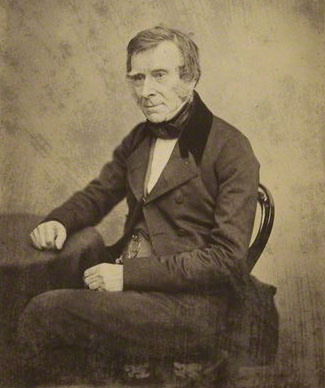
Brodie’s best work. It includes his description of hysterical pseudo-fracture of the spine and the first clinical description of ankylosing spondylitis. The fifth edition, 1850, gives (p. 77) a description of “Brodie’…
1818
#5182.1
Practical observations on fever, dysentery and liver complaints as they occur amongst European troops in India. With introductory remarks on the disadvantages of selecting boys for Indian military service.
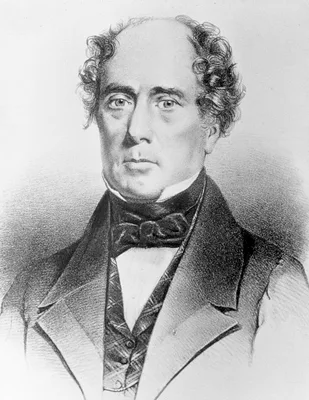
Ballingall distinguished between amoebic and bacillary dysentery. Digital facsimile from the Internet Archive at this link.
1818 –1819
#2941
Surgical essays. 2 vols.
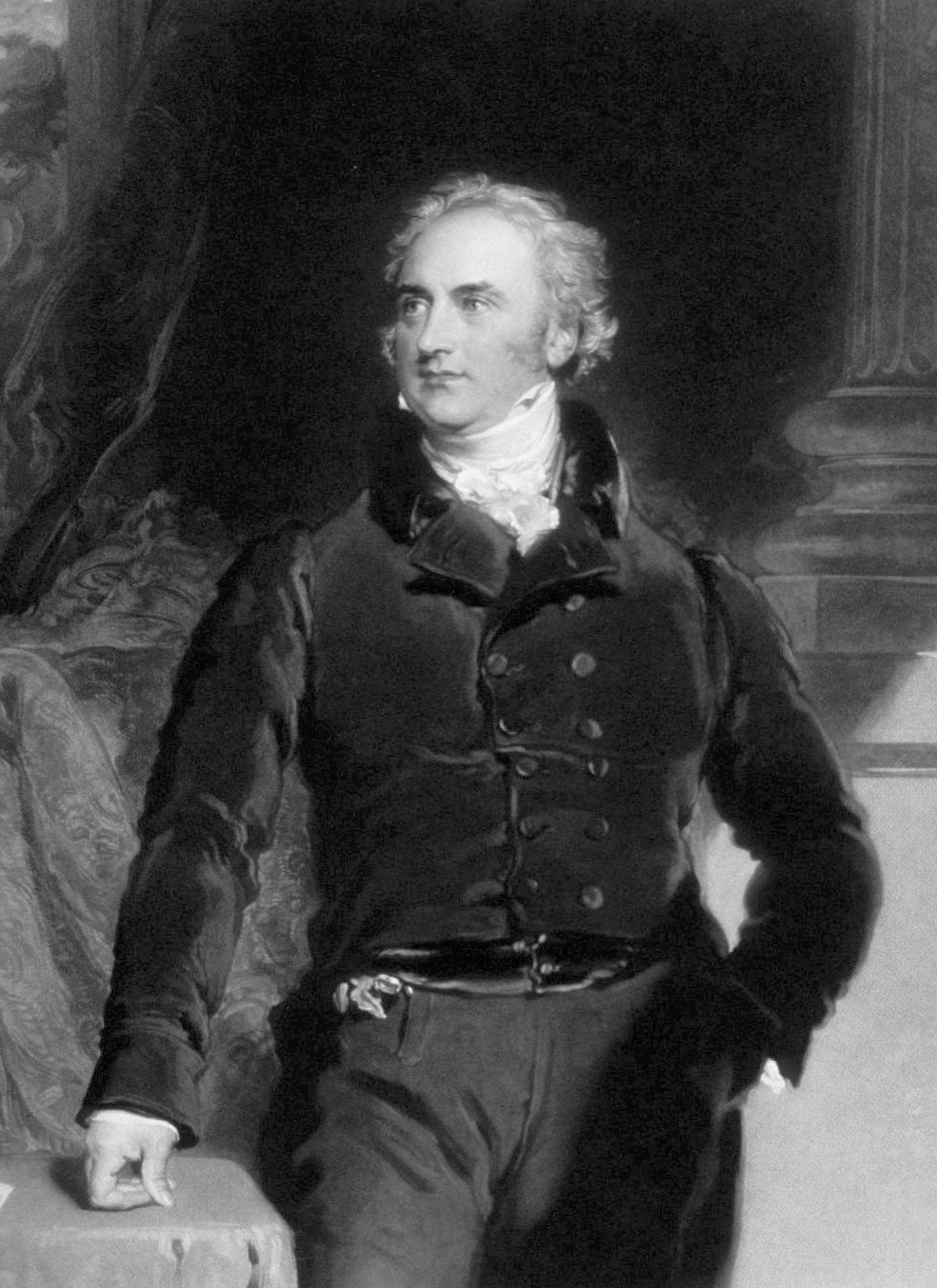
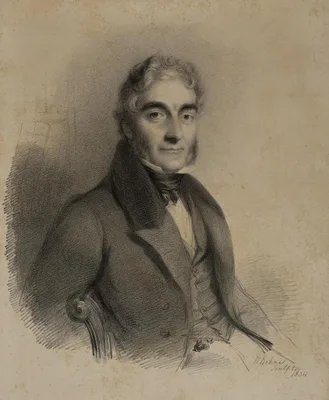
Cooper, the pupil and great interpreter of Hunter, was the most popular surgeon in London during the Regency. In 1802 he gained the Copley Medal of the Royal Society. Travers was surgeon to St. Thomas’s Hospital, and …
1818
#6167
An analysis of the subject of extrauterine foetation and of the retroversion of the gravid uterus.
Expansion of No. 6166. First book on the subject.
1818
#7319
Travels from Vienna through Lower Hungary; with remarks on the state of Vienna during the congress in the year 1814.
Digital facsimile from Google Books at this link.
1818
#7369
Narrative of a journey in the interior of China, and of a voyage to and from that country, in the years 1816 and 1817; containing an account of the most interesting transactions of Lord Amherst's embassy to the court of Pekin and observations on the countries which it visited.
Digital facsimile from Google Books at this link.
1818
#9692
Frankenstein; or, the modern prometheus. 3 vols.
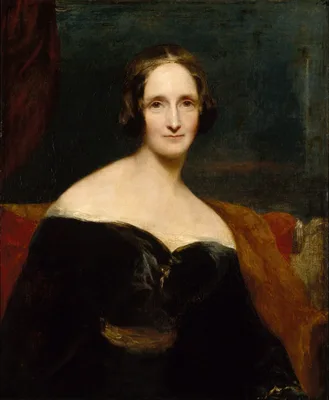
The full digitized text of the 1818 is available from the Internet Archive at this link.
1818
#10614
Catalogue of the museum of John Heaviside, Esq.: Comprising human anatomy, natural and morbid, comparative anatomy, and natural history.
Digital facsimile from the Internet Archive at this link.
1819
#2162.1
Medical topography of Upper Canada.
The only book on the War of 1812 by a British or Canadian surgeon, and the first medical book on the Province of Ontario, Canada. This and the work of Mann (No. 2161.1) are the only books on medicine in the War of 181…
1819
#4288
A history of the high operation for the stone, by incision above the pubis; with observations on the advantages attending it; and an account of the various methods of lithotomy, from the earliest periods to the present time.
Carpue popularized suprapubic lithotomy, a procedure not often previously carried out.
1819
#10065
Reports on the diseases of London, and the state of the weather, from 1804-1816; including practical remarks on the causes and treatment of the former; and preceded by a historical view of the state of health and disease in the metropolis in past times.
1819
#11240
Lectures on physiology, zoology and the natural history of man.
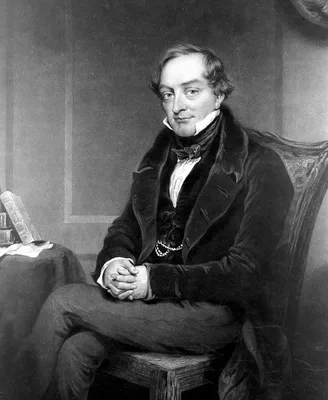
This work set forth Lawrence's then radical and remarkably advanced ideas concerning evolution and heredity. Arguing that theology and metaphysics had no place in science, Lawrence relied instead on empirical evidence…
1820 –1823
#4519.2
A treatise on nervous diseases.
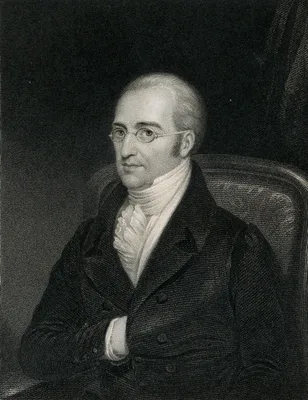
“The earliest separate work on clinical neurology” (McHenry). Includes the Croonian lecture (1819) on apoplexy, and sections on palsy and epilepsy. The work includes the first history of neurological thought.
1820
#1604.2
A treatise on the adulterations of food and culinary poisons: Exhibiting the fraudulent sophistications of bread, beer, wine, spirituous liquors, tea, coffee, cream, confectionery, vinegar, mustard, pepper, cheese, olive oil, pickles and other articles employed in domestic economy; and methods of detecting them.
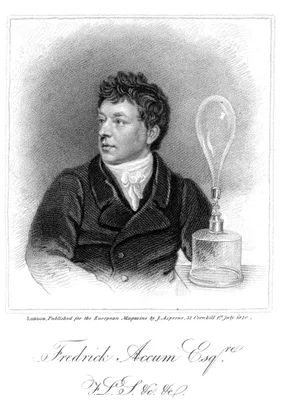
One of the earliest exposures of food adulteration, written by a German chemist who spent most of his career in England. This sensational popular scientific work exposed established scandalous practices within the foo…
1820
#2073
Pharmacologia; or the history of medicinal substances, with a view to establish the art of prescribing. 3rd ed.
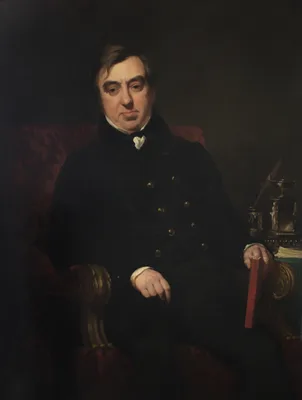
First description of cancer caused by arsenic (p. 133).
1820
#4445
A treatise on gun-shot wounds. 2nd. ed.
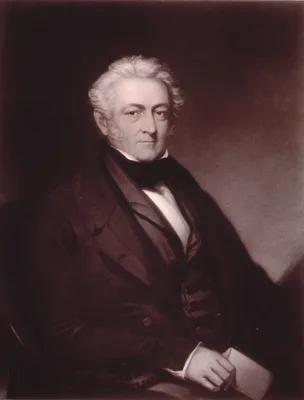
Successful amputation at the hip-joint, after the battle of Waterloo, 7 July, 1815.
1820
#5740
Dissertatio chirurgo-medica inauguralis de velosynthesi.
Stephenson, a medical student from Montreal, was the first to be operated upon by Roux (No. 5739.1) for the repair of cleft of the soft palate. He described the operation in his graduation thesis. Stephenson later fou…
1820 –1821
#5588
Illustrations of the great operations of surgery, trepan, hernia, amputation, aneurism, and lithotomy.
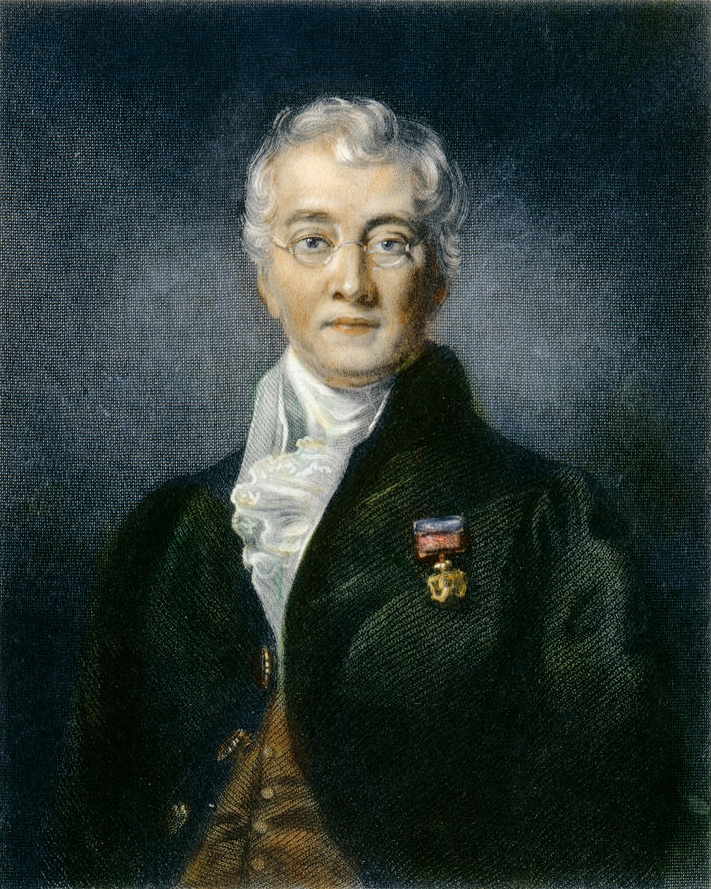
One of the most dramatically and beautifully illustrated works in the entire literature of surgery. Hand-colored copies show more blood than is usual for surgical treatises of this period. From publication in fascicul…
1820
#5843
A synopsis of the diseases of the eye.
The earliest systematic treatise in English on diseases of the eye. The book became the authority in Europe and America. Travers, a pupil of Sir Astley Cooper, became surgeon to St. Thomas’s Hospital.
1820
#7596
A dissertation on the treatment of morbid local affections of nerves.
An early discussion of peripheral nerve injuries, tumors, and inflammation of nerves, including issues of pain and healing. Swan was among the first of the 19th-century surgeons to argue that divided nerves that are s…
1820 –1823
#9197
Zoological illustrations, or, original figures and descriptions of new, rare, or interesting animals, selected chiefly from the classes of ornithology, entomology, and conchology, and arranged on the principles of Cuvier and other modern zoologists. 3 vols.
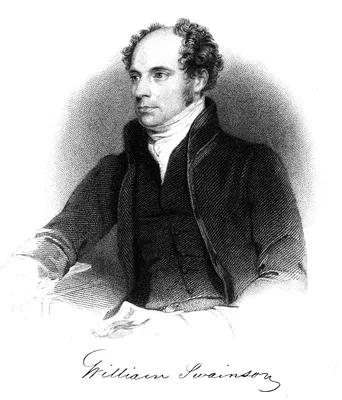
"Apart from the common and scientific names of many species, it is for the quality of his illustrations that he [Swainson] is best remembered. His friend William Elford Leach, head of zoology at the British Museum, en…
1820
#13239
Medical notes on climate, diseases, hospitals, and medical schools, in France, Italy, and Switzerland; comprising an inquiry into the effects of a residence in the South of Europe, in cases of pulmonary consumption, and illustrating the present state of medicine in those countries.
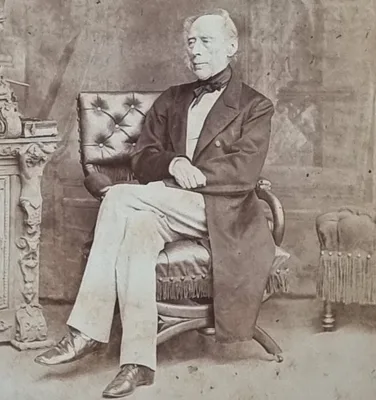
Pages 153-59 contain an account of Clark's visit to the Hopital Necker in Paris, with a detailed discussion of the use of the stethoscope introduced by Laennec, one year earlier, in 1819. This was possibly the first a…
1821
#6374.14
A treatise on acupuncturation, being a description of a surgical operation originally peculiar to the Japonese and Chinese, and by them denominated zin-king, now introduced into European practice, with directions for its performance, and cases illustrating its success.
The first English monograph on acupuncture. Churchill had most success with rheumatic conditions, sciatica, back-pain, etc. Digital facsimile from the Internet Archive at this link. The German translation of Churchill…
1821
#12757
The history of plague, as it has lately appeared in the islands of Malta, Gozo, Corfu, Cephalonia, &c. detailing specific contagion of that disease, with particulars of the means adeopted for its eradication.
Concerns the Maltese plague,. 1813-1814. Digital facsimile from the Internet Archive at this link.
1821
#13324
An illustration of the genus cinchona; comprising descriptions of all the officinal Peruvian barks, including several new species. Baron de Humboldt's Account of the Cinchona forests of South America, and Laubert's Memoir on the different species of quinquina: To which are added several dissertations of Don Hippolito Ruiz on various medicinal plants of South America ... And a short account of the spikenard of the ancients.
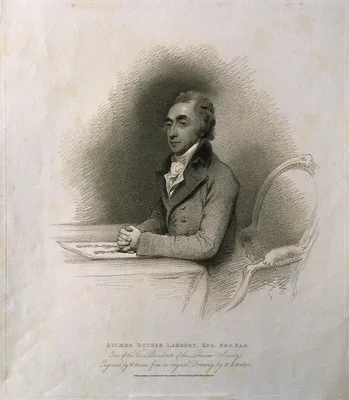
Digital facsimile from Biodiversity Heritage Library at this link.
1822
#4809
A treatise on diseases of the nervous system.
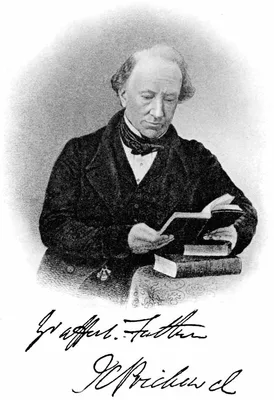
Includes the best early account of epilepsy after Willis.
1822 –1823
#1390
Anatomical and physiological commentaries. Numbers I & II [All published].
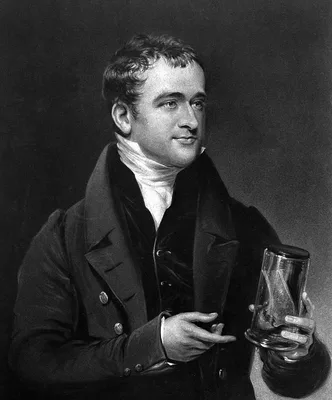
Mayo discovered and described the functions of the Vth and VIIth cranial nerves on pp. 107-120 of Number I, and did much towards the clarification of the idea of reflex action. Reprinted, Metuchen, N.J., Scarecrow Pre…