
United Kingdom
2,632 entries published in United Kingdom. 64 publication places.
1887
#1625
The health of nations: A review of the works of Edwin Chadwick, with a biographical dissertation by Benjamin Ward Richardson. 2 vols.
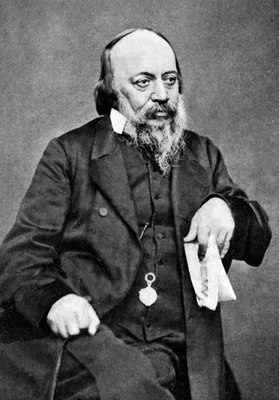
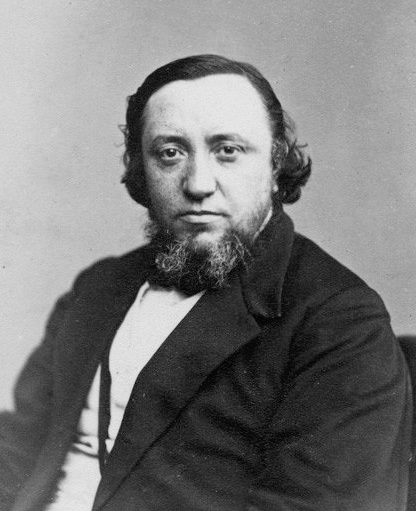
Chadwick may be said to have initiated the public health era. Largely through his efforts the Public Health Act 1848 came into existence in England. He was the greatest sanitarian of the 19th century; among other thin…
1887
#1626
Public health reports by John Simon. Edited for the Sanitary Institute of Great Britain by Edward Seaton. 2 vols.
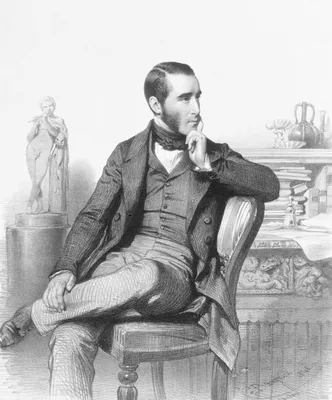
Simon was the first medical officer for the City of London. Together with his English sanitary institutions, the above work played a great part in paving the way for modern reforms in the sphere of hygiene and public …
1887
#9964
Euthanasia; or, medical treatment in aid of an easy death.
Digital facsimile from the Internet Archive at this link.
1887
#10596
Photography of bacteria. Illustrated with eight-six photographs reproduced in autotype.
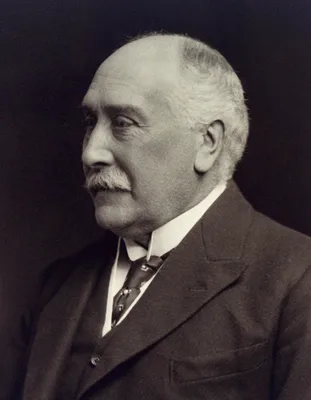
The first book entirely devoted to the photography of bacteria. Digital facsimile from Google Books at this link.
1887
#11606
Catalogue of books in the medical and biological libraries at University College, London. With an appendix.
Digital facsimile from Google Books at this link.
1887
#11756
The agricultural pests of India, and of eastern and southern Asia, vegetable and animal, injurious to man and his products.
Digital facsimile from the Internet Archive at this link.
1887
#12039
Hydrophobia: An account of M. Pasteur's system containing a translation of all his communications on the subject, the technique of his method, and the latest statistical results
The author, qualified M.D. in both Edinburgh and Paris, characterized himself on the title page of this work as "Commissioned by the Government of the Colony of Mauritius to study M. Pasteur's new treatment in Paris."…
1887 –1890
#13053
The avifauna of British India and its dependencies. A systematic account, with descriptions of all the known species of birds inhabiting British India, observations on their habits, nidification, &c., tables of their geographical distribution in Persia, Beloochistan, Afghanistan, Sind, Punjab, N.W. Provinces, and the peninsula of India generally, with woodcuts, lithographs, and coloured illustrations. 2 vols.
Digital facsimile from Biodiversity Heritage Library at this link.
1887
#14019
The topographical anatomy of the child.
The first part of this work concerns cross-sectional anatomy; the second part systematically discusses the differences between anatomy in children and adults of different parts of the body.
1888
#4574
Intracranial tumours.
1888
#3998
Diseases of the skin.
1888
#3390
Education of deaf-mutes. A manual for teachers.
Includes a history of the subject. Digital facsimile from the Internet Archive at this link.
1888
#6199
Lectures on ectopic pregnancy and pelvic haematocele.
1888
#8746
The medical profession in the United Kingdom.
(1200pp.) This is the greatly expanded edition of the book first published with the same title nine years earlier. "His most important and voluminous writings were the two Carmichael Prize essays of the Royal College …
1889
#4861
The treatment of epilepsy.
Alexander was the first to attempt the treatment of epilepsy by surgical means. He removed the superior cervical sympathetic ganglia. Digital facsimile from the Internet Archive at this link.
1889
#5435
History and pathology of vaccination. 2 vols.
This very full history of the subject caused a good deal of controversy; see the review of it in Lancet, 1890, 1, 470-72. Crookshank was an opponent of vaccination.
1889
#233
Natural inheritance.
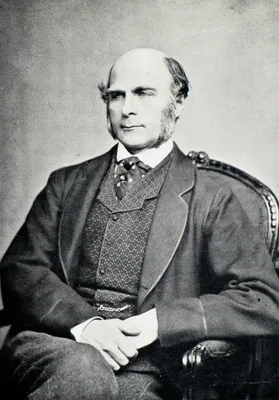
By the employment of statistical methods Galton propounded a “law of filial regression”. This book represents the first statistical study of biological variation and inheritance.
1889
#9276
The folk-lore of plants.
Digital facsimile from the Internet Archive at this link.
1889
#10618
Old age: The results of information received respecting nearly nine hundred persons who had attained the age of eighty years, including seventy-four centenarians.
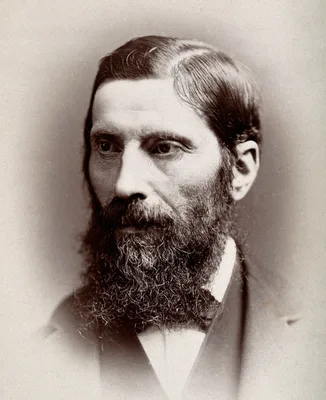
Analysis, illustrated with Woodburytype photographs, of data collected by the "Collective Investigation Committee" of the British Medical Association. Note that in the 1880s attaining the age of 80 was considered wort…
1889
#12348
Jenner and vaccination: A strange chapter of medical history.
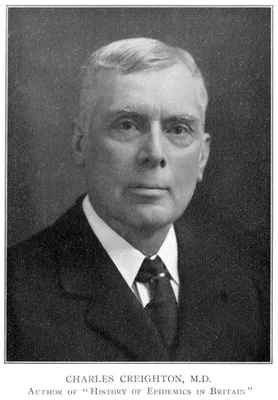
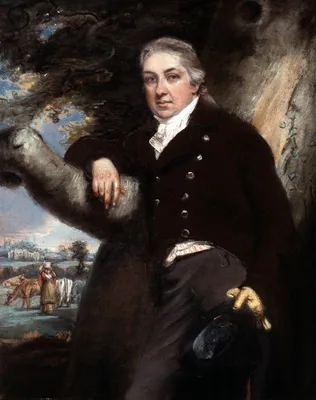
Creighton, one of the founders of epidemiology, disputed the germ theory of infectious disease, and became "one of the anti-vaccination movement's 'most ardent and distinguished spokesmen.' Creighton argued that vacci…
1889
#13509
The useful native plants of Australia. (Including Tasmania).
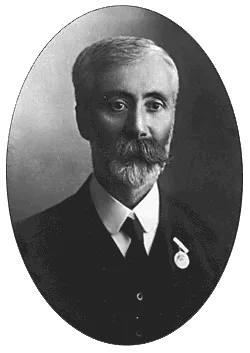
Maiden, a botanist, was Curator and Secretary of The Technological, Industrial, and Sanitary Museum of New South Wales. Chapters include. 1. Human Food and Food adjuncts; 2. Forage Plants; 3. Drugs; 4. Gums, Resins, a…
1889
#14344
The action of natural selection in producing old age, decay, and death. In Essays upon heredity and kindred biological problems by August Weismann; authorized translation edited by Edward B. Poulton, Selmar Schönland and Arthur E. Shipley, Chapter 1, "The duration of life," page 23.
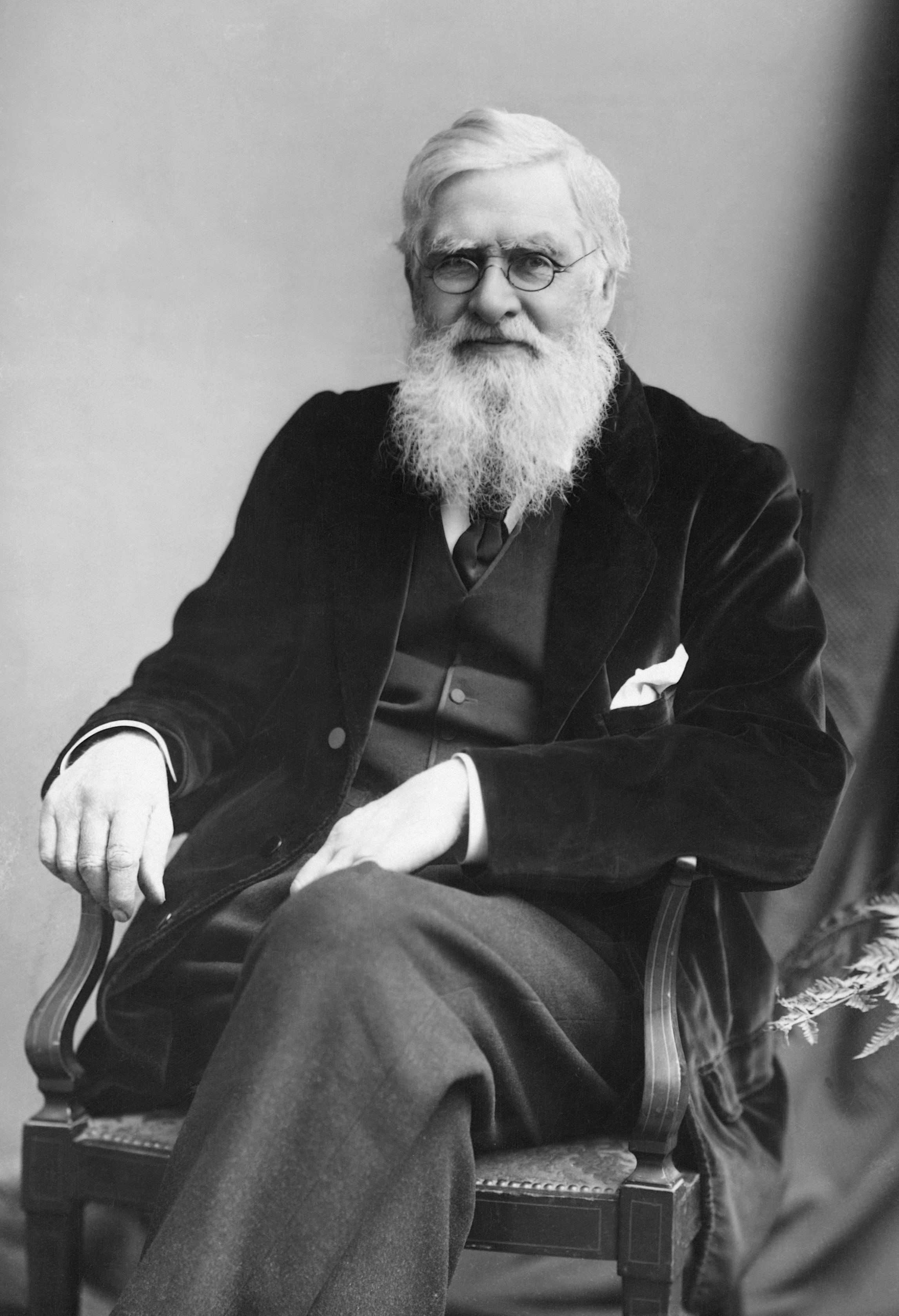
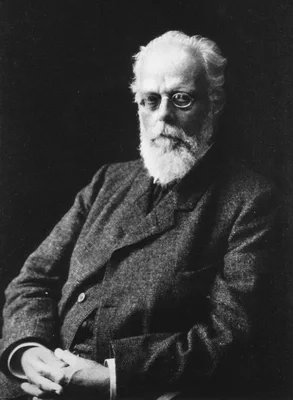
Wallace proposed the first evolutionary theory of aging. He stated that if too many people lived for a long time they would compete for resources needed for other members of the species that were of reproduction age. …
1890
#1650
English sanitary institutions, reviewed in their course of development, and in some of their political and social relations.
Simon "viewed the state as provider of the basic conditions needed for subsistence (without interfering in the iron law of wages) through sanitary reform of the environment, prevention of epidemic diseases, and the re…
1890
#184
The golden bough. 2 vols.
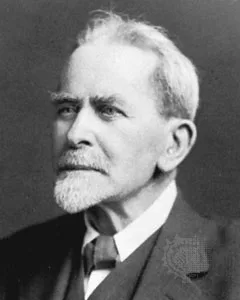
Frazer’s theoretical evolutionary sequence of magical, religious, and scientific thought is no longer accepted, and his broad general psychological theory has proved unsatisfactory; however it enabled him to compare a…
1890
#2680
The pulse.
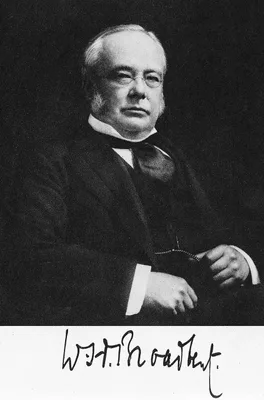
1890
#5798
The annals of the Barber-Surgeons of London, compiled from their records and other sources
Digital facsimile from the Internet Archive at this link.
1890 –1893
#9246
Pharmacographia indica: A history of the principal drugs of vegetable origin, met with in British India. 3 vols.
On the title page Dymock is identified as "Brigade Surgeon, Bombay Army, Principal Medical Storekeeper to Government." Warden is identified as "Surgeon-Major, Bengal Army, Professor of Chemistry in the Calcutta Medica…
1890
#11561
Sketch of the history & progress of district nursing, from its commencement in the year 1859 to the present date, including the foundation by the "Queen Victoria Jubilee Institute" for nursing the poor in their own home
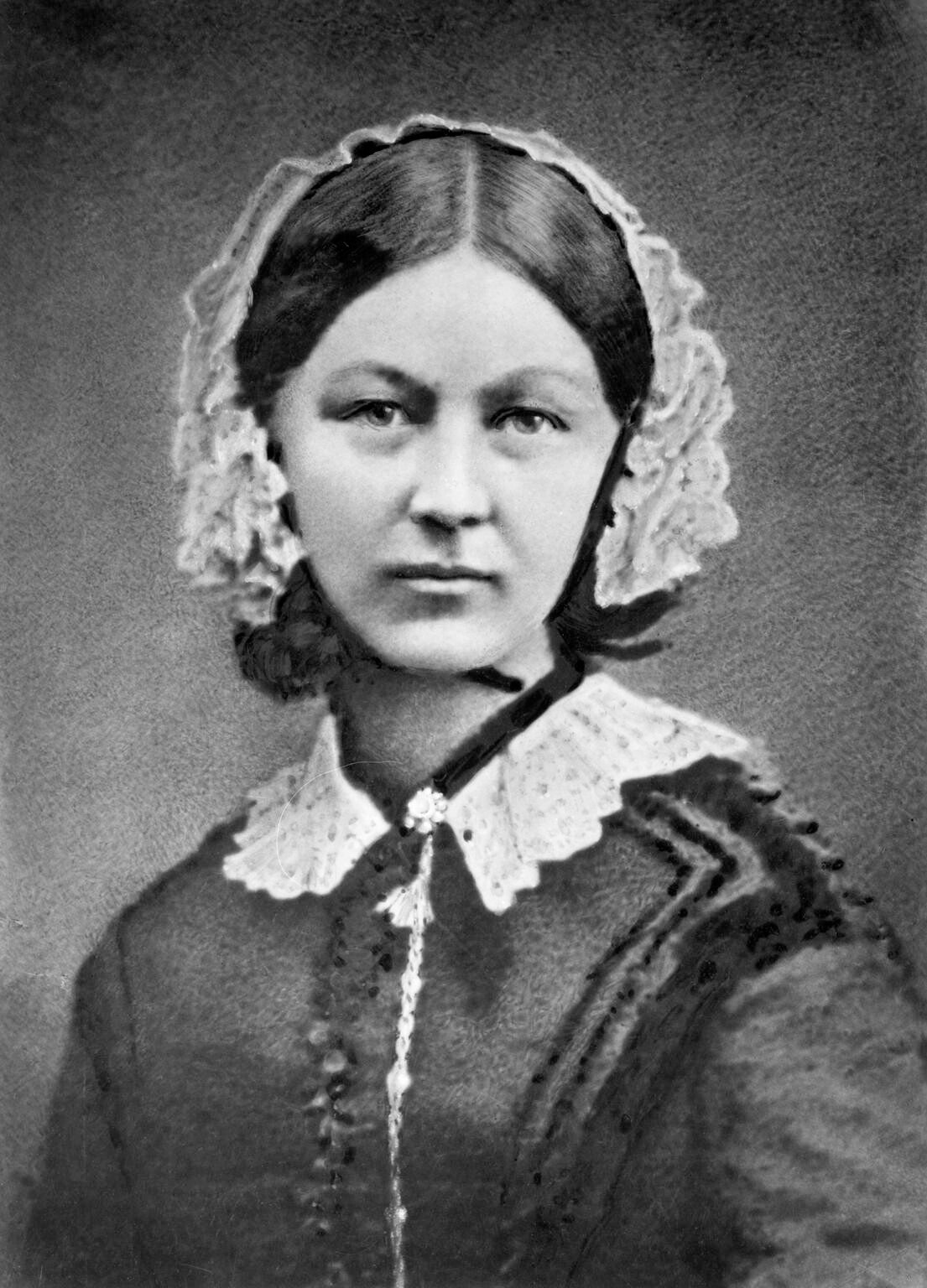
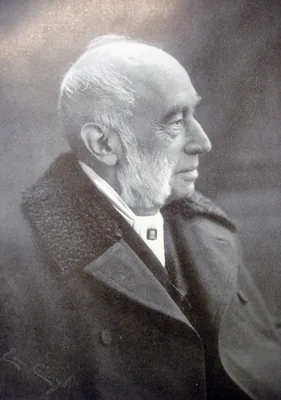
Digital facsimile from the Hathi Trust at this link.
1891 –1893
#1628
Hospitals and asylums of the world. 4 vols. and atlas.
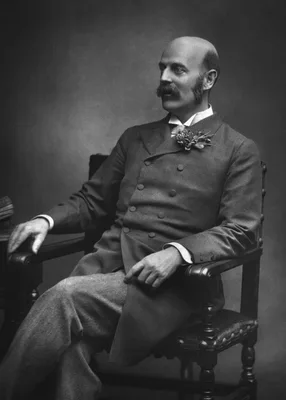
This great work deals with the history, administration, and planning of hospitals, and includes a bibliography. The author was an English financier and philanthropist rather than a professional historian or hospital a…
1891 –1894
#1680
A history of epidemics in Britain. Vol. 1: From A. D. 664 to the extinction of plague. Vol. 2: From the extinction of plague to the present time.
A classical contribution to modern epidemiology, of which Creighton may be said to have been the founder. Reprinted with new introductory material, 1965. Digital facsimile from the Internet Archive at this link.
1891
#2965
A treatise on the ligation of the great arteries in continuity.
Includes Ballance’s scale of measurement of caliber of arteries.
1891
#5937
Colour-blindness and colour-perception.
Includes (p. 262 et seq.) description of Edridge-Green’s lantern test for color-blindness. This was officially adopted in Great Britain in 1915 in place of the Holmgren test.
1891
#10152
A manual of saddles and collars, sore backs and sore shoulders.
"The subject of saddles and sore backs [of horses] is such an important one that I have considered the lectures delivered by me on the subject, in this school, might be of more permanent value if printed. "Every offic…
1891
#10365
Descriptive catalogue of the Pathological Museum of St. Mary's Hospital.
Based on manuscript catalogue begun by Charles Murchison in 1855 and continued by subsequent curators, including Dr. Broadbent.--Preface, p. [3. ]Digital facsimile from the Internet Archive at this link.
1892 –1895
#429
Dissections illustrated.
“Brodie’s ligament”, the transverse humoral ligament, described.
1892 –1894
#1629
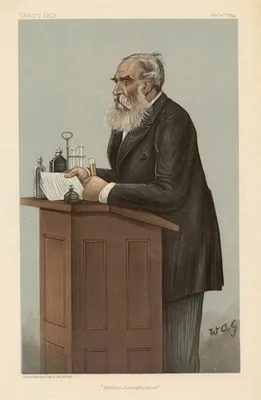
A treatise on hygiene and public health. Edited by T. Stevenson and S. F. Murphy. 3 vols.
1892
#186
Finger prints.
The use of fingerprints as identification marks was known to the Chinese, but Galton was among the first to explain their possibilities in the identification of criminals. “Galton’s delta” is a triangular area of papi…
1892
#1973
An introduction to modern therapeutics, being the Croonian Lectures on the relationship between chemical structure and physiological action.
One of the best known of Lauder Brunton’s works.
1892
#4947
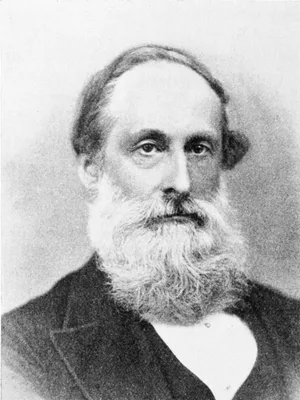
A dictionary of psychological medicine. 2 vols.
1892
#6203
Tubo peritoneal ectopic gestation.
1892
#7496
A biographical history of Guy's Hospital.
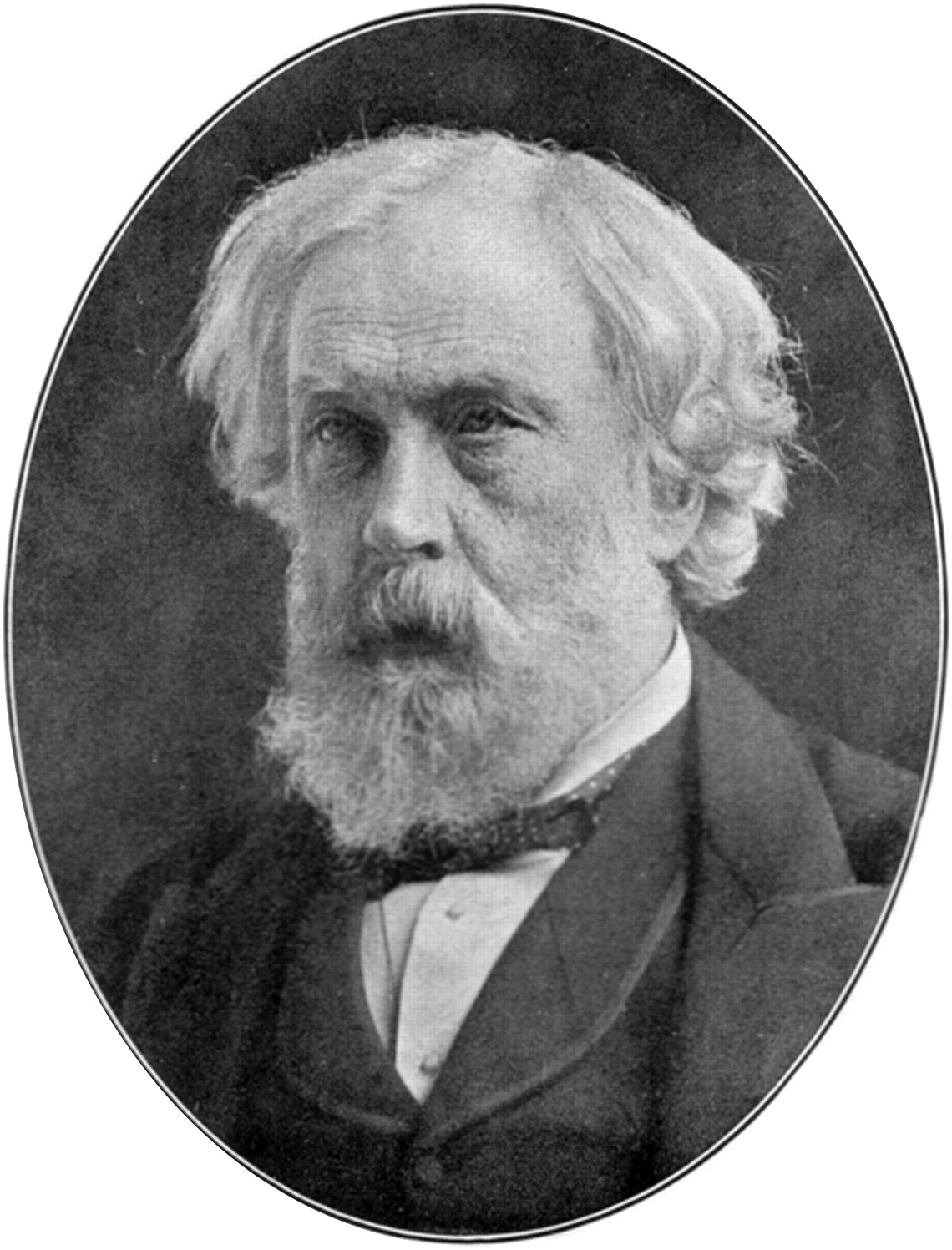
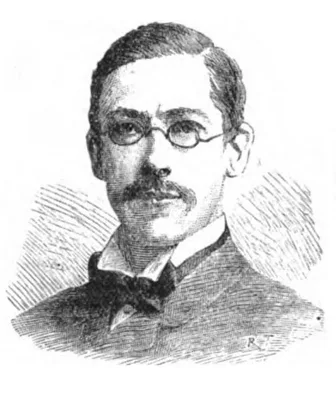
Digital facsimile from the Internet Archive at this link.
1892
#7614
The hygiene, diseases, and mortality of occupations.
Remarkably comprehensive discussion, with an innovative classification, of a very wide range of occupations. Digital facsimile from the Internet Archive at this link.
1892
#10568
Researches in female pelvic anatomy.
The first cross-sectional anatomy of the pelvic anatomy during the puerperium, the period of about six weeks after childbirth during which the mother's reproductive organs return to their original non-pregnant conditi…
1892 –1896
#10621
Atlas of clinical medicine. 3 vols.
Published at the end of the 19th century, and employing the wide variety of illustration technologies then available, including color lithography, lithography, and photography, this work testifies to the breadth and d…
1892
#12786
The collected papers of Sir W. Bowman. Edited by J. Burdon-Sanderson and J. W. Hulke. 2 vols.
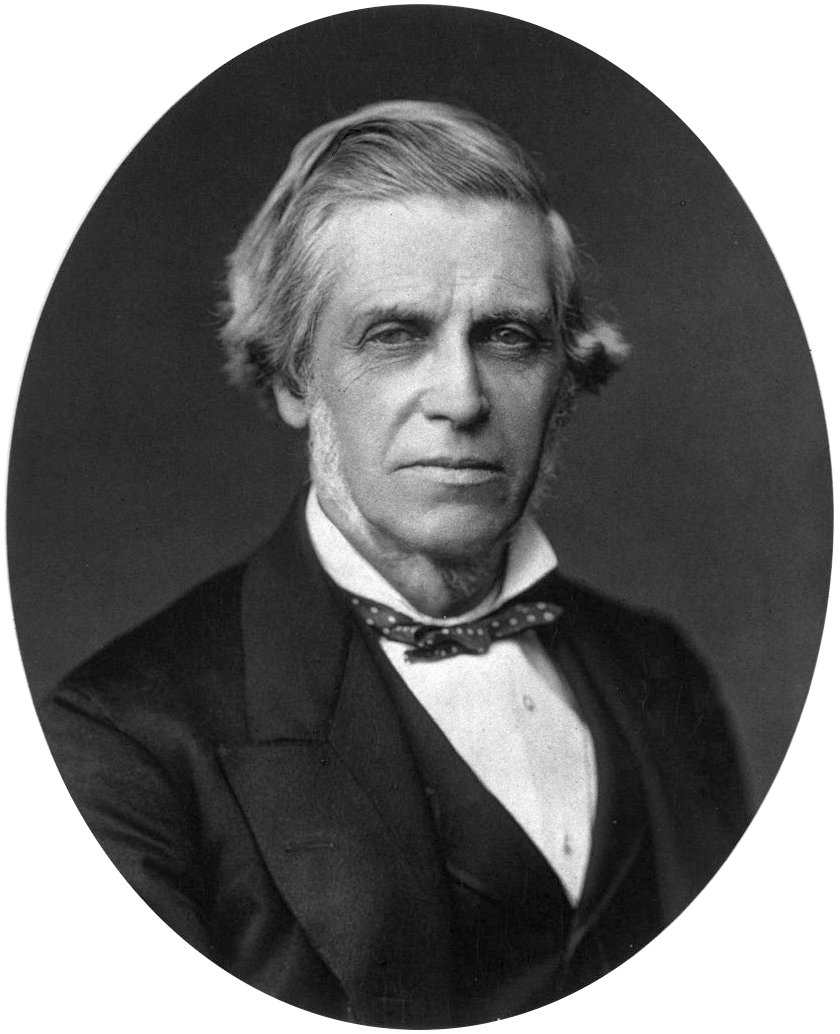
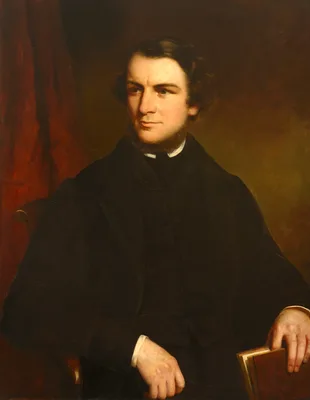
Digital facsimile from Google Books at this link.
1892 –1897
#12885
The orchid album, Comprising colored figures and descriptions of new, rare, and beautiful orchidaceous plants. Conducted by Robert Warner and Benjamin Samuel Williams. The botanical descriptions by Thomas Moore. The coloured figures by John Nugent Fitch. 11 vols.
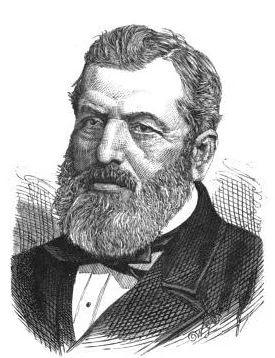
This set includes 528 chromolithographed and hand-colored plates by John Nugent Fitch on 527 sheets. It was published periodically by B. S. Williams from his nurseries in Holloway, London, from 1882 until his death in…
1893
#431
Atlas of head sections. Fifty-three engraved copperplates of frozen sections of the head, and fifty-three key plates with descriptive texts.
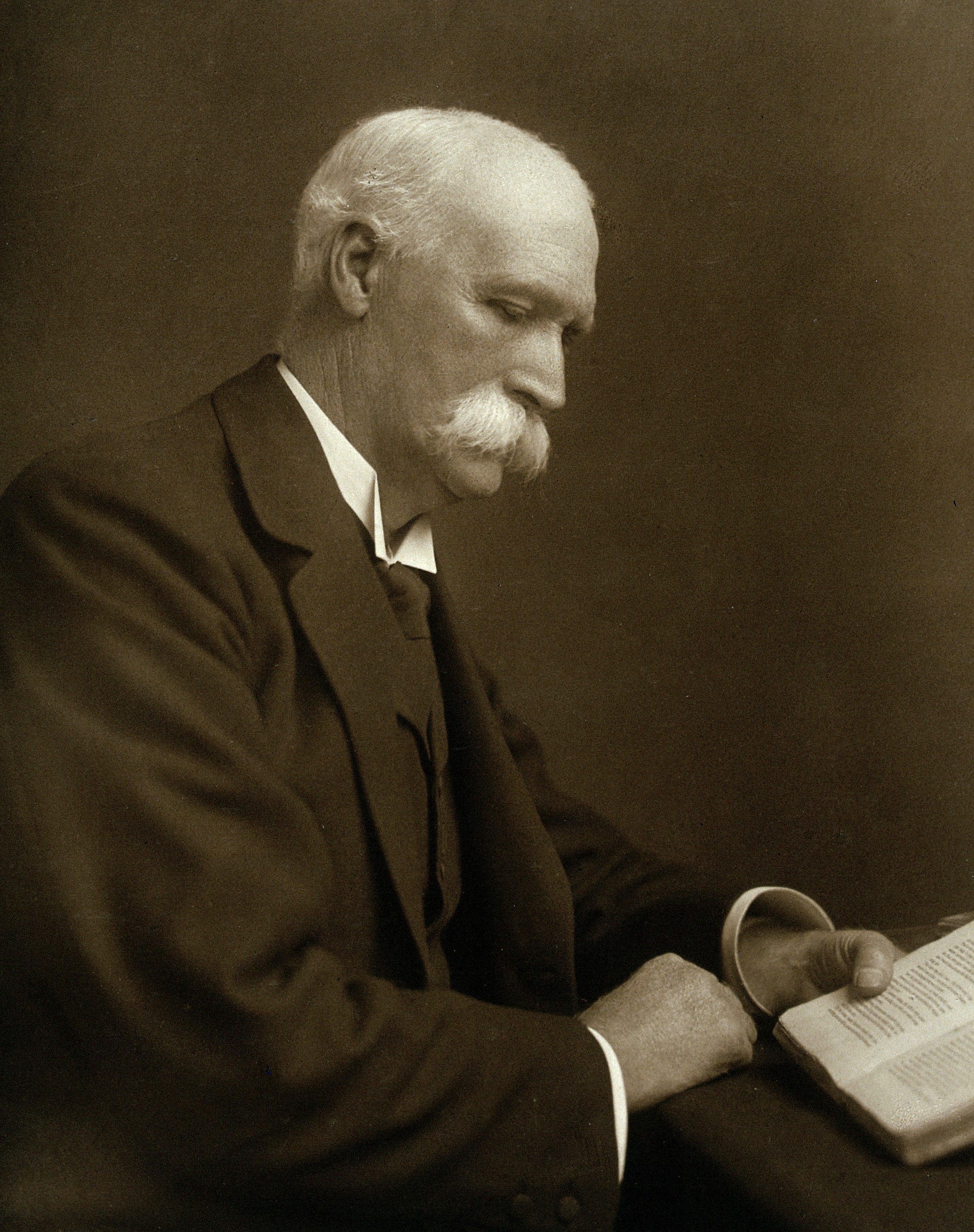
Intended to supplement and illustrate Macewen’s neurosurgical textbook published the same year (No. 4872). Includes coronal, sagittal and horizontal sections with commentary on each.
1893
#1750
Forensic medicine and toxicology.
1893
#4872
Pyogenic infective diseases of the brain and spinal cord.
Macewen’s greatest work was in connection with the surgery of the brain. In the above book he included extensive case reports of 65 patients under his care, with details of operative procedures. A biography of Macewen…
1893
#5682
Anaesthetics and their administration.
Hewitt, anesthetist to Edward VII, did much to develop the use of ether, and advanced our knowledge of the pharmacology of anesthetics. In 1892 he introduced the first practical gas and oxygen apparatus.