
United Kingdom
2,632 entries published in United Kingdom. 64 publication places.
1901
#651
The human figure in motion. An electro-photographic investigation of consecutive phases of muscular actions.
Muybridge, an Englishman, made exhaustive photographic investigations of consecutive animal movements while he was in America. More than 100,000 photographs were embodied in his Animal locomotion. An electro-photograp…
1901
#1575
Lectures on the history of physiology.
Reprinted 1924 and (Dover Pubs.), 1970.
1901
#3524
Diseases of the stomach and their surgical treatment.
1901
#6644
Science and mediaeval thought.
1901
#6287
The history of ancient gynaecology.
Digital facsimile from the Internet Archive at this link.
1902
#1576
Some apostles of physiology.
Well illustrated, and finely printed, but dated history, by a pupil of Ludwig. See No. 629.
1902 –1912
#1633
Royal Commission on sewage disposal. Reports 1-8.
1902
#2129
Dangerous trades: the historical, social, and legal aspects of industrial occupations as affecting health, by a number of experts.
A collective work edited by Oliver. Digital fascimile from the Internet Archive at this link.
1902
#2812
The study of the pulse.
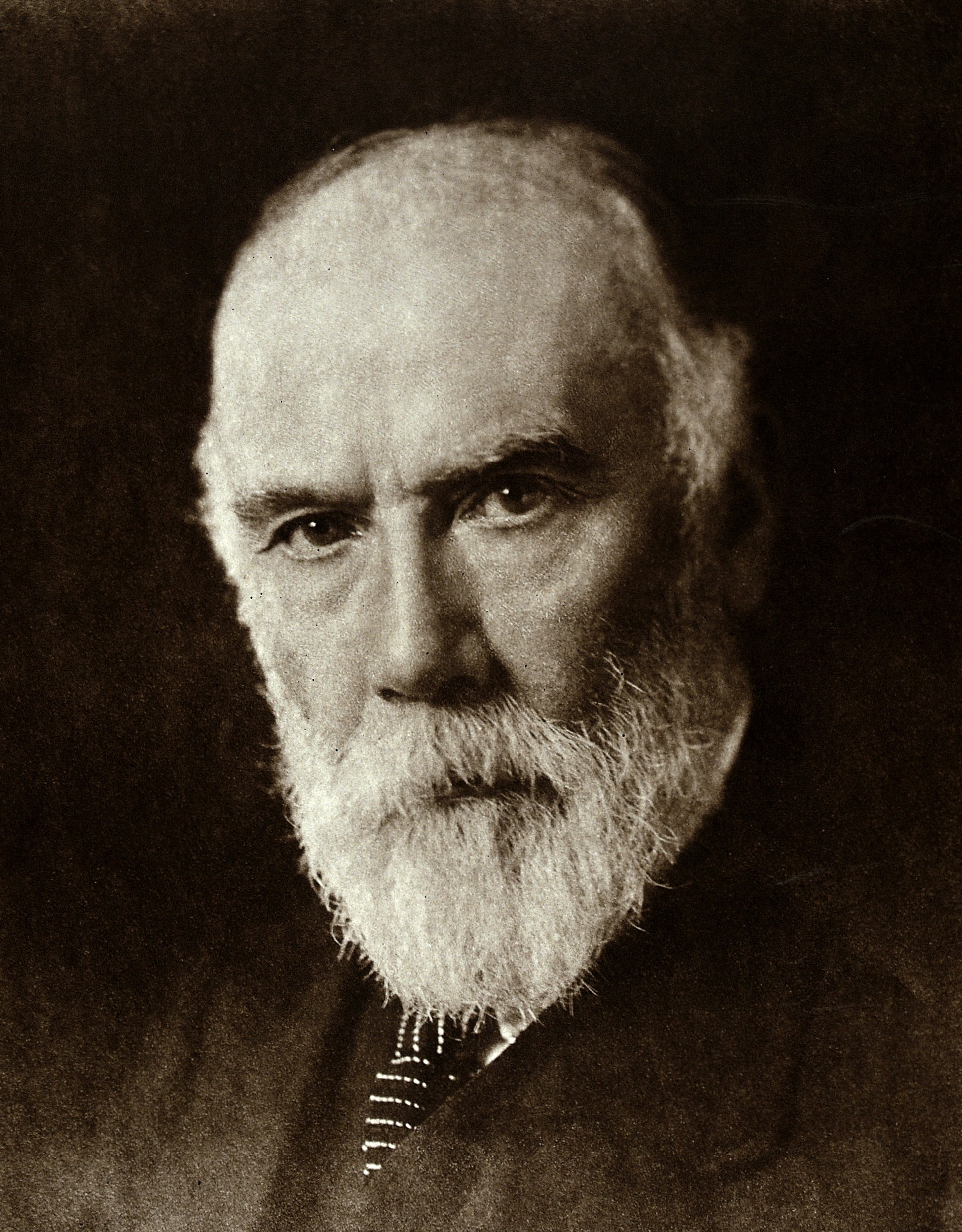
In his classic monograph Mackenzie included (p. 10) a description and illustration of his polygraph, with which he made simultaneous tracings of the pulse, apex beat, etc.
1902
#5435.1
A concise history of small-pox and vaccination in Europe.
A comprehensive summary, in tabular form.
1902 –1904
#534.69
Manual of antenatal pathology and hygiene. Volume 1, The foetus. Volume 2, The embryo.
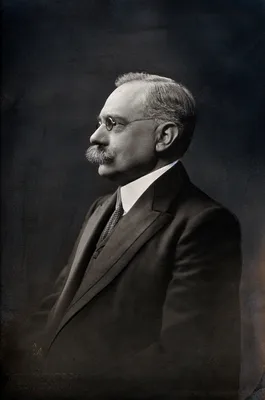
Ballantyne was a pioneer advocate of antenatal care. Volume 2, The Embryo, is the most complete history of teratology in English, and among the best in any language. American edition, New York, 1905. Digital facsimile…
1902
#241
Mendel’s principles of heredity: A defence.
The first book on Mendelism in English, and the first English textbook of genetics. It contains a reprint of the first English translation of Mendel’s “Versuch über Pflanzen-Hybriden” from the J. Roy. Horticult. Soc.,…
1902
#9260
Mosquito brigades and how to organise them.
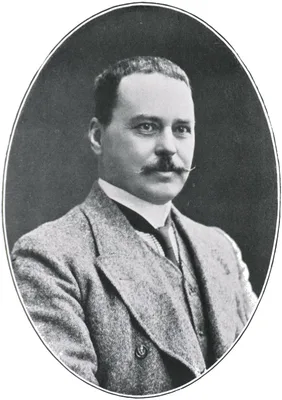
Digital facsimile from the Internet Archive at this link.
1902
#9955
Handbook of the medical organisations (chiefly for war) of foreign armies.
Includes short accounts of the field medical units and other details of the army medical service of 20 different states. Digital facsimile from Wellcome Library at this link.
1902
#12082
Essays in medical sociology. 2 vols.
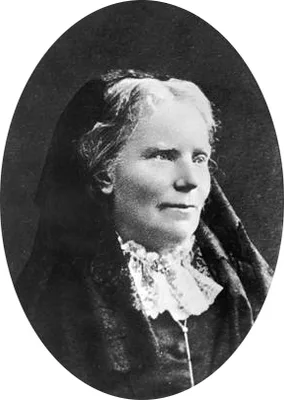
Digital facsimile from the Internet Archive at this link.
1902 –1910
#13048
Reports to the evolution committee of the Royal Society. Reports I-V. 1902-1909.
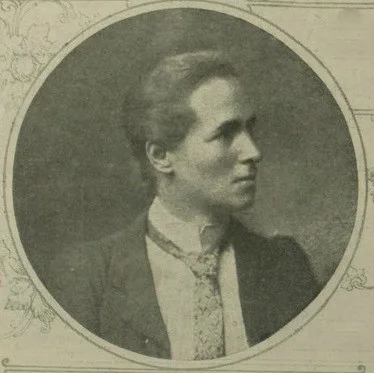
In 1908 Archibald Garrod delivered the Croonian Lectures at the Royal College of Physicians in London on inborn errors of metabolism. In his studies of the rare disease alkaptonuria, which affects about one in one mil…
1903 –1915
#2458
Protozoa and disease. 4 vols.
1903
#5005.1
Hypnosis: Its history, practice and theory.
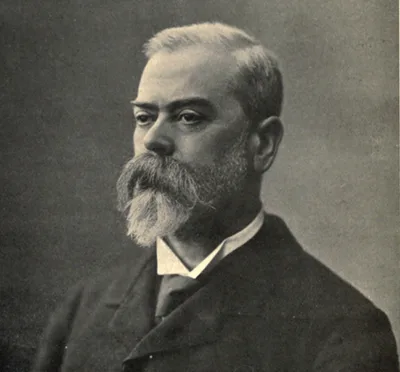
An unexcelled “scholarly, critical, and detailed analysis of hypnosis” (Bliss).
1903 –1919
#5277
Reports of the Sleeping Sickness Commission of the Royal Society, 1903-1912. 17 pts.
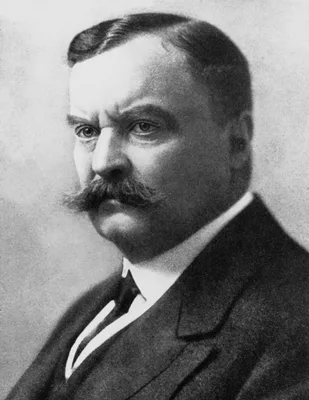
Bruce and D.N. Nabarro were sent to Africa by the Royal Society to study sleeping sickness, and in their report they showed that the tsetse fly was the vector of trypanosomiasis. They also found that Gambia fever and …
1903
#7315
Practical handbook of the pathology of the skin. An introduction to the histology, pathology, and bacteriology of the skin, with special reference to technique.
The first textbook on dermatopathology in English. Digital facsimile from Internet Archive at this link.
1903
#7382
Man's place in the universe. A study of the results of scientific research in relation to the unity or plurality of worlds.
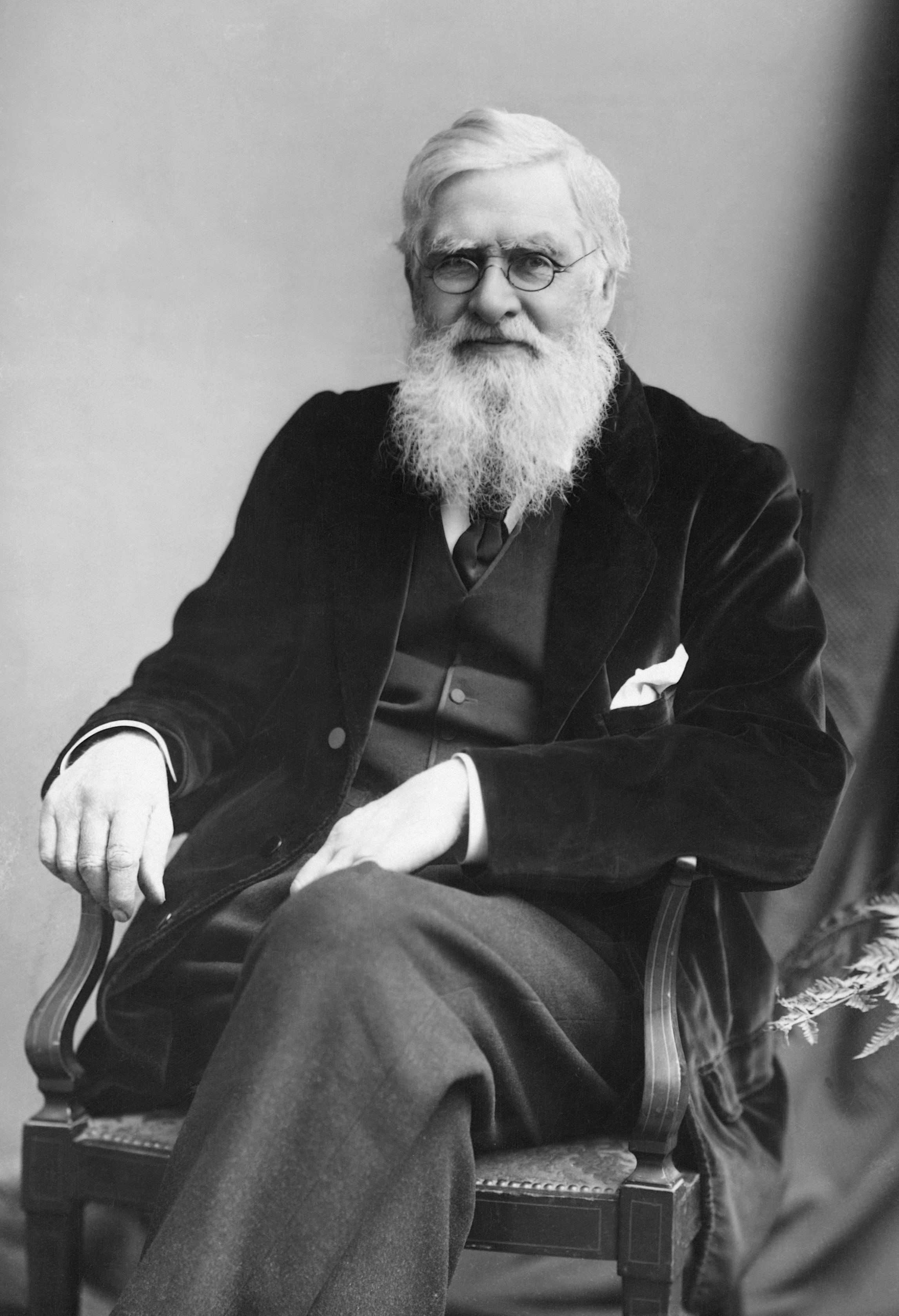
The first serious attempt by a biologist to evaluate the likelihood of life on other planets. Wallace concluded that the Earth was the only planet in the solar system that could possibly support life, mainly because i…
1903
#9029
The geography of disease.
Digital facsimile from the Internet Archive at this link.
1903
#9100
Turner on birds; a short and succinct history of the principal birds noticed by Pliny and Aristotle, first published by Doctor William Turner, 1544. Edited, with introduction, translation, notes, and appendix by A. H. Evans.
Digital facsimile from the Internet Archive at this link.
1903 –1940
#11251
Catalogue of the books, manuscripts, maps and drawings in the British Museum (Natural History). 5 vols. (1903-1915) + 3 vols. Supplement (1922-1940).
The first 5 vols. of the main author catalogue were written by Bernard B. Woodward; the Supplement was written by various members of the library staff. Digital facsimile from Biodiversity Heritage Library at this link.
1903
#13133
The zoological gardens of Europe: Their history and chief features.
Digital facsimile from Biodiversity Heritage Library at this link.
1904
#347
Morphology and anthropology. A handbook for students.
Digital facsimile from Google Books at this link.
1904
#2561
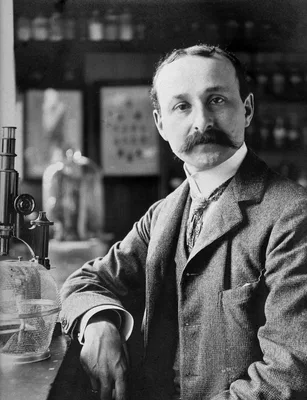
Blood immunity and blood relationship, a demonstration of certain blood relationships amongst animals by means of the precipitin test for blood.
1904 –1908
#5947
The pathology of the eye. 4 vols.
1904
#6535
English medicine in the Anglo-Saxon times.
FitzPatrick Lectures, 1903.
1904
#7652
A descriptive catalogue of pathological specimens in the museum of the Hospital for Consumption and Diseases of the Chest, Brompton.
Digital facsimile from the Internet Archive at this link.
1904
#7686
Museums: Their history and their use with a bibliography and list of museums in the United Kingdom. 3 vols.
Volumes 2 and 3 are an exhaustive bibliography, thematic and geographic, of the historical literature of museums in Europe and the United States, including catalogues of museums published through the end of the 19th c…
1904 –1912
#9318
The history of the collections contained in the Natural History Departments of the British Museum. 3 vols. [Edited by Albert Carl Ludwig Gotthilf Günther.]
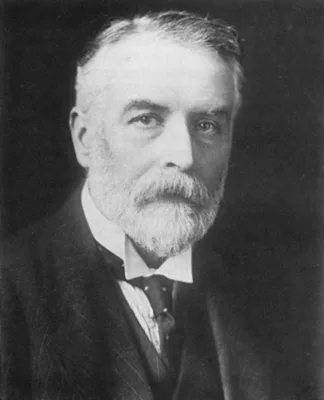
(Now the Natural History Museum, London). Vol. 1: Libraries; The Department of Botany; The Department of Geology; The Department of Minerals. Vol. 2.: Separate historical accounts of the several collections included i…
1904
#11700
An inquiry into the phenomena attending death by drowning and the means of promoting resuscitation in the apparently drowned. Report of a committee appointed by the Society, drawn up by Professor Schäfer, chairman of the committee.
The Schäfer method of artificial respiration. Digital facsimile from the Hathi Trust at this link.
1905
#1430
Histological studies on the localisation of cerebral function.
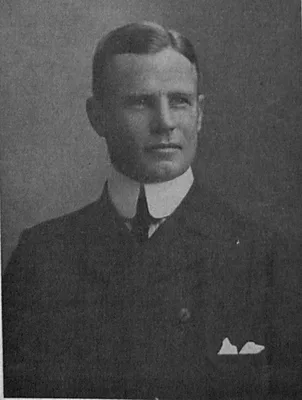
The precentral area of the cerebral cortex is known as “Campbell’s area”. Campbell and Brodmann were pioneers in the study of the architectonics of the cerebral cortex, or cerebral cytoarchitecture. Digital facsimile …
1905
#1893.2
On the reaction of cells and of nerve-endings to certain poisons, chiefly as regards the reaction of striated muscle to nicotine and to curari.
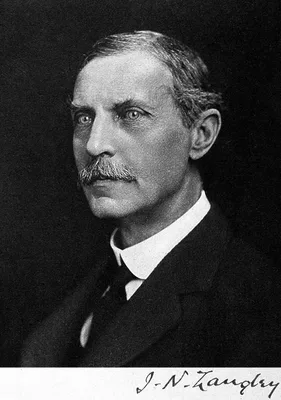
Langley introduced the concept of a receptor substance present in the biological object with which a drug has to interact in order to exert its biological effect. Digital facsimile from PubMedCentral at this link.
1905
#1755
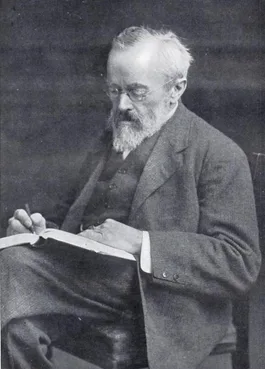
Criminal responsibility.
1905 –1907
#5102
REPORTS of the Commission appointed by the Admiralty, the War Office, and the Civil Government of Malta, for the investigation of Mediterranean fever, under the supervision of an advisory committee of the Royal Society. 7 pts.
The important findings of the Mediterranean Fever Commission are summarized in Topley & Wilson’s Bacteriology,1975, p. 2173; probably the most valuable was that of T. Zammit, who showed goat’s milk to be the main sour…
1905
#5803
The historical relations of medicine and surgery to the end of the sixteenth century.
1905
#5279
Report on trypanosomes, trypanosomiasis, and sleeping sickness, being an experimental investigation into their pathology and treatment.
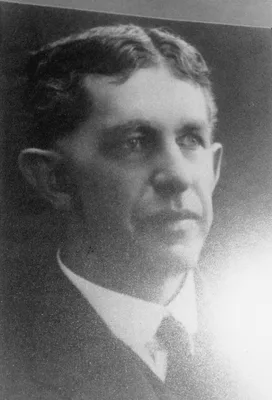
Thomas and Breinl discovered that arsanilic acid, was more potent in the treatment of laboratory trypanosomiasis than arsenic in inorganic form. As a crystalline powder it was introduced medically as Atoxyl. Thomas an…
1905
#7441
My life: A record of events and opinions. 2 vols.
1905 –1906
#10599
The Edinburgh stereoscopic atlas of Anatomy. Edited by David Waterston. 5 vols.
The first large scale application of stereoscopic photography to anatomy. The 5 parts each contain 50 stereo cards on which are pasted original stereo photographs and corresponding printed descriptive text. Digital fa…
1906
#731
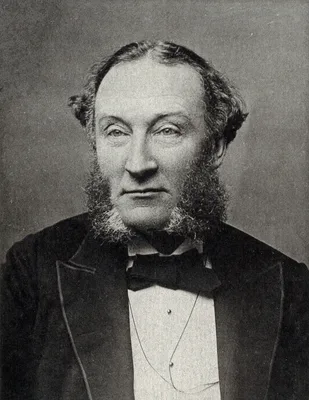
On carbohydrate metabolism.
1906
#242.3
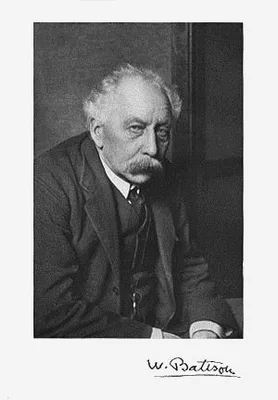
Further experiments on inheritance in sweet peas and stocks; preliminary account.
W. Bateson, E. R. Saunders and R. C. Punnett noted the phenomena of linkage of genes.
1906
#8473
Bibliotheca chemica: A catalogue of the alchemical, chemical and pharmaceutical books in the collection of the late James Young of Kelly and Durris....by John Ferguson. 2 vols.
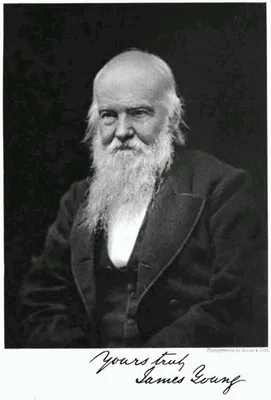
One of the great landmarks of descriptive scientific bibliography. With bibliographical details of each work, biographical notices of each writer, and exhaustive lists of references in chronological order, its scope a…
1906
#13574
The eye and nervous system: Their diagnostic relations by various authors. Edited by Wm. Campbell Posey and William G. Spiller.
The first comprehensive treatise in English on neuro-ophthalmology. Digital facsimile from the Internet Archive at this link.
1907 –1908
#1569.2
The labyrinth of animals. 2 vols.
“An important and elaborate work designed to give the anatomy of the labyrinth, or inside of the ears of vertebrates, with the exception of fishes” (Casey Wood). Illustrated with stereoscopic photographs.
1907
#4821
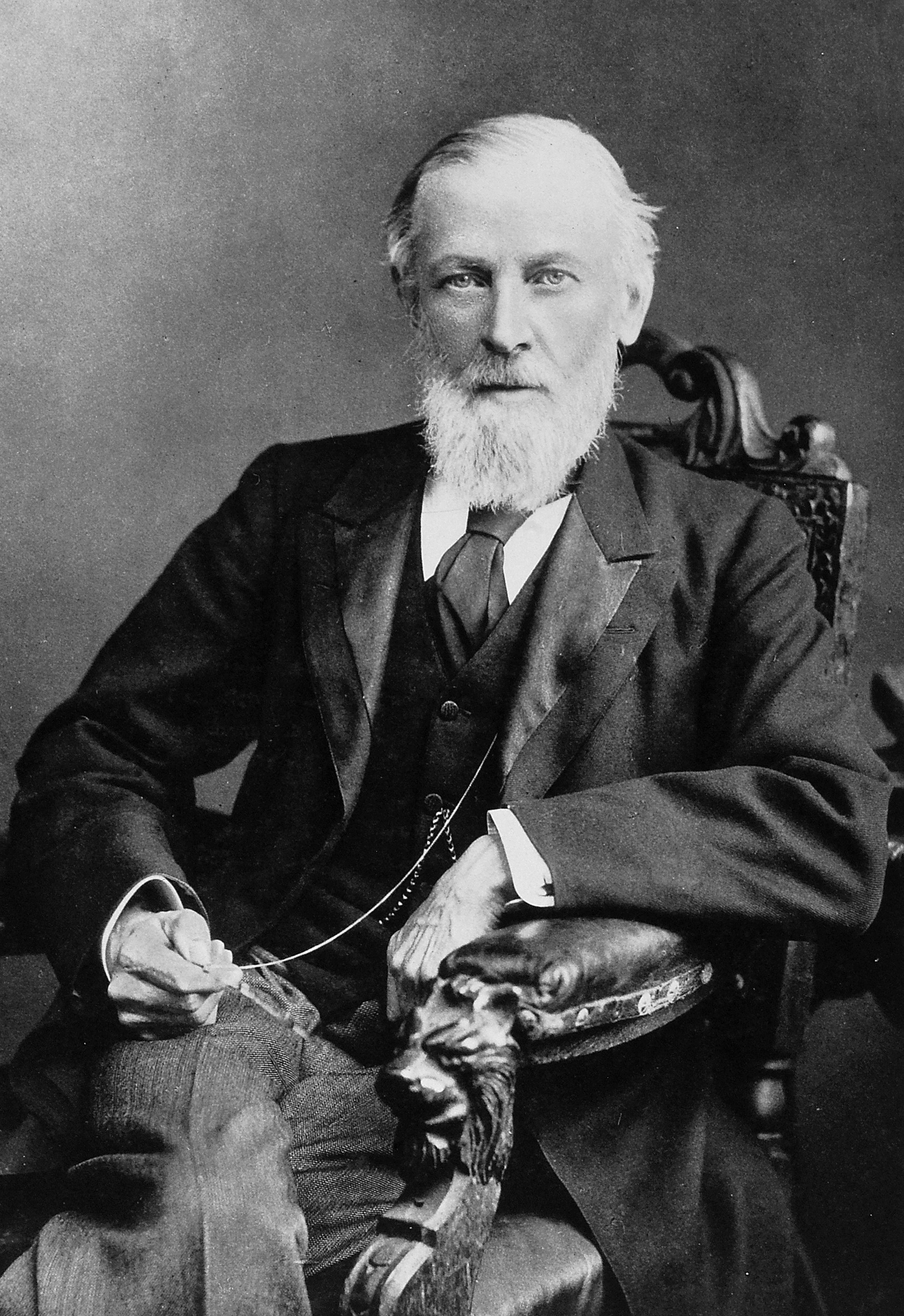
The border-land of epilepsy. Faints, vagal attacks, vertigo, migraine, sleep symptoms, and their treatment.
1907
#2006
Climatology and balneotherapy.
1907
#1709
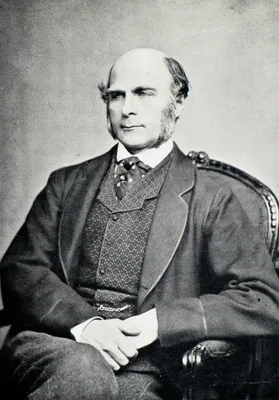
Probability: The foundation of eugenics.
1907
#2130
In Report of the Departmental Committee on Compensation for Industrial Diseases. Cd. 3495 and 3496.
The first reported case of asbestosis was observed by Murray at Charing Cross Hospital, London, in 1899 and reported to the Committee (Report, p. 14: Minutes of Evidence, p. 127) in 1907.