
Europe
6,838 entries published in Europe.
1762
#4164
Practical remarks on the hydrocele or watry rupture.
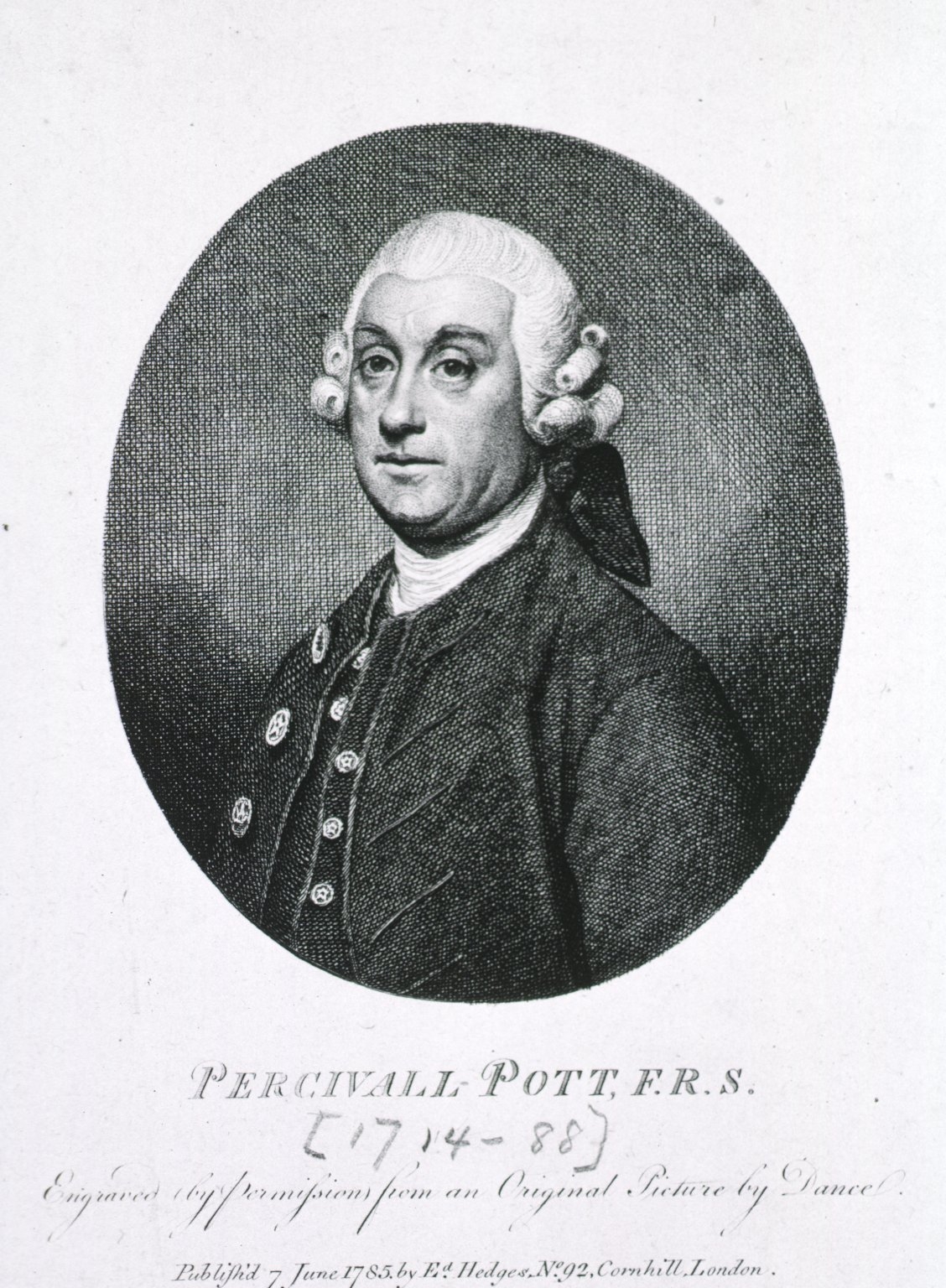
Classic description of hydrocele.
1762
#5021
De morbo mucoso.
An exhaustive study of typhoid, which the writers confused with dysentery and relapsing fever.
1762
#11523
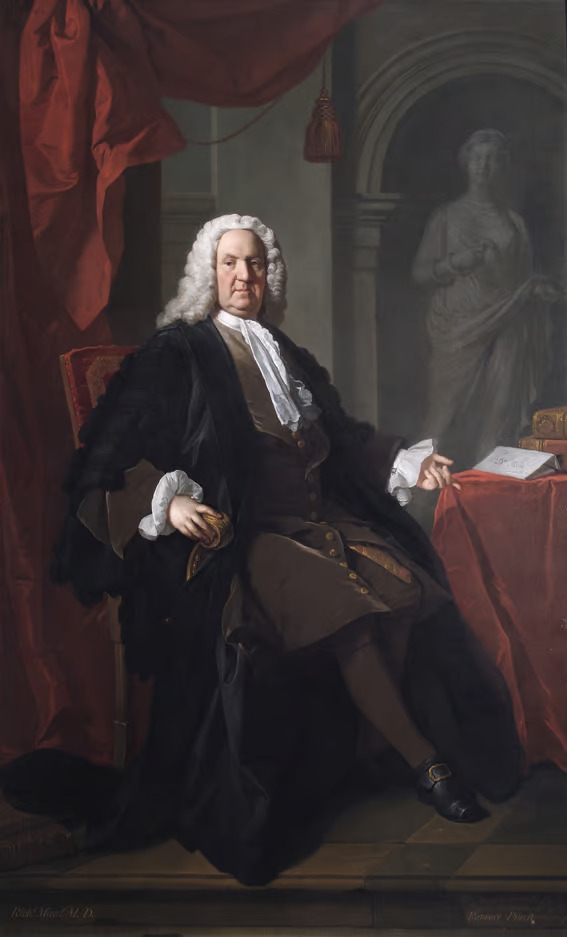
The medical works of Richard Mead.
1763
#2202
Nosologia methodica sistens morborum classes, genera et species juxtà Sydenhami mentem & botanicorum ordinem. 5 vols.
Sauvages de Lacroix, a friend of Linnaeus, adopted the botanical system of Linnaeus for the classification of diseases. His classification system listed 10 major classes of disease, which were further broken down into…
1763
#1730
Mémoire sur une question anatomique relative à la jurisprudence; dans lequel on établit les principes pour distinguer, à l’inspection d’un corps trouvé pendu, les signes du suicide d’avec ceux de l’assassinat.
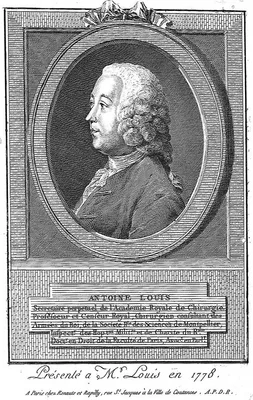
Louis was a pioneer of French medical jurisprudence. Above is a classic discussion on the differential signs of murder and suicide in cases of hanging.
1763
#7363
Travels from St. Petersburg in Russia to various parts of Asia in 1716, 1719, 1722 &c. 2 vols.
Digital facsimile from the Internet Archive at this link.
1763
#8288
Nicolai Josephi Jacquin Selectarum stirpium Americanarum historia, in qua ad Linneanum systema determinatae descriptaeque sistuntur plantse illae, quas in insulis Martinica, Jamaica, Domingo, aliisque, et in vicinae continentis parte, observavit rariores; : adjectis iconibus in solo natali delineatis. 2 vols.
Digital facsimile from the Internet Archive at this link.
1763
#10628
Catalogue de la bibliotheque de feu M. Falconet, medecin consultant du roi, et doyen des médecins de la Faculté de Paris. 2 vols.
Of the 19,798 lots in the auction catalogue of Falconet's library, which at its peak contained around 60,000 volumes, there were 3,672 lots of medical books, including a major cross-section of significant medical work…
1763
#10989
Observations on some of the diseases of the parts of the human body. Chiefly taken from the dissections of morbid bodies.
Clossy, an Irish physician, previously at Trinity College, Dublin, gave the first anatomy classes and dissections at King’s College in New York City (now Columbia) in 1763. Clossy worked closely with other King’s Coll…
1764
#74
Opera physico-medica.
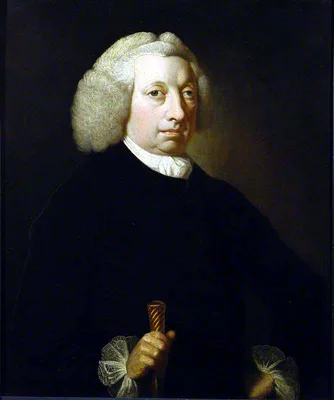
Huxham, a Devonshire man, was a pupil of Boerhaave. His most important contributions to medicine were in connection with fevers and infectious diseases.
1764
#2153
Oeconomical and medical observations … tending to the improvement of military hospitals, and to the cure of camp diseases, incident to soldiers.
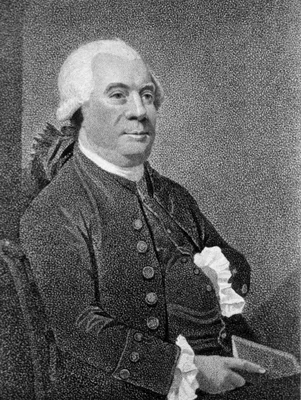
The best book of the century regarding military sanitation.
1764
#1731
Mémoire contre la légitimité des naissances prétendues tardives.
An attempt to set the minimum and maximum time limits of duration of human pregnancy. Supplement published in 1764.
1764
#6323
Underrättelser om barn-sjukdomar och deras botemedel.
Sir Frederic Still considered this work “the most progressive which had yet been written”; it gave an impetus to research which influenced the future course of pediatrics. Rosén was particularly interested in infant f…
1764
#1382
De ischiade nervosa commentarius.
Cotugno published a classic description of sciatica, which is useful even today. He recognized two types – arthritic and nervous; the latter has been called “Cotugno’s disease”, and his book is confined to that type. …
1764
#4488
Podagra. In his Commentaria in Hermanni Boerhaave aphorismos de cognoscendis et curandis morbis, 4, 287-393
1764
#9205
An account of the diseases which were most frequent in the British military hospitals in Germany, from January 1761 to the return of the troops to England in March 1763. To which is added an essay on the means of preserving the health of soldiers, and conducting military hospitals.
Donald Monro was the second son of Alexander Monro (primus). Digital facsimile from the Internet Archive at this link.
1764
#9509
An essay on the more common West-India diseases and the remedies which that country itself produces: To which are added some hints on the management, &c. of negroes.
Though the title suggests tropical medicine in general, this work mainly concerns the selection and medical care of slaves. Digital facsimile of the second edition (Edinburgh, 1802) expanded "with practical notes and …
1764
#12817
De morbis navigantium, liber unus. Accedit observatio de effectu extracti cicutae storkiano in cancro.
Digital facsimile from the Internet Archive at this link. Translated into English as Observations on diseases incidental to seamen. Translated from the Latin edition printed at Leyden. London: T. Carnan and F. Newbery…
1765
#1251
Pars quinti nervorum encephali disquisitio anatomica.
The “Gasserian ganglion”, already described by Santorini and others, was named after Johann Ludwig Gasser (fl. 1757-65), Professor of Anatomy at Vienna, by his pupil Hirsch. Also published in Ludwig, C. F., Scriptores…
1765
#1485
Ricerche de motu del iride.
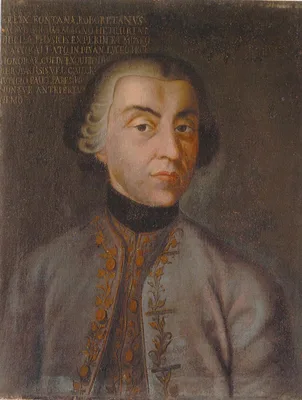
An investigation of how and why the iris contracts. See P.K. Knoefel, Felice Fontana: life and works, Trento, [1984], See also No.2103.
1765
#4841
Observations on the nature, causes, and cure of those disorders which have been commonly called nervous hypochondriac, or hysteric, to which are prefixed some remarks on the sympathy of the nerves.
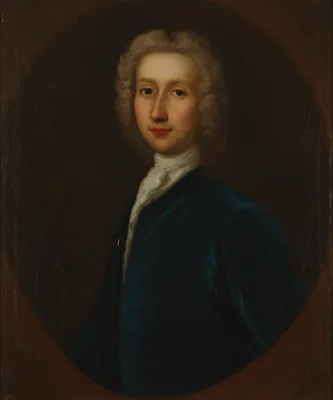
“First important English work on neurology after Willis” (Garrison).
1765
#3424.2
Remarks on the disease commonly called a fistula in ano.
Probably the greatest English classic of colon-rectal surgery. Pott recommended the practice of simple division rather than the newer, more complicated methods proposed by Cheselden and Le Dran, and audaciously pointe…
1765
#5051
An enquiry into the nature, cause, and cure of the croup.
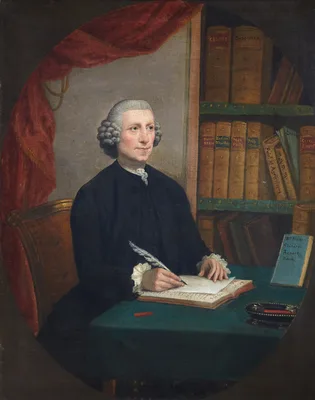
First clear and complete clinical description of diphtheria.
1765
#100
Saggio di osservazioni microscopiche concernenti il sistema della generazione dei Signori de Needham e Buffon. IN: Dissertazione due… pp. [2]-87.
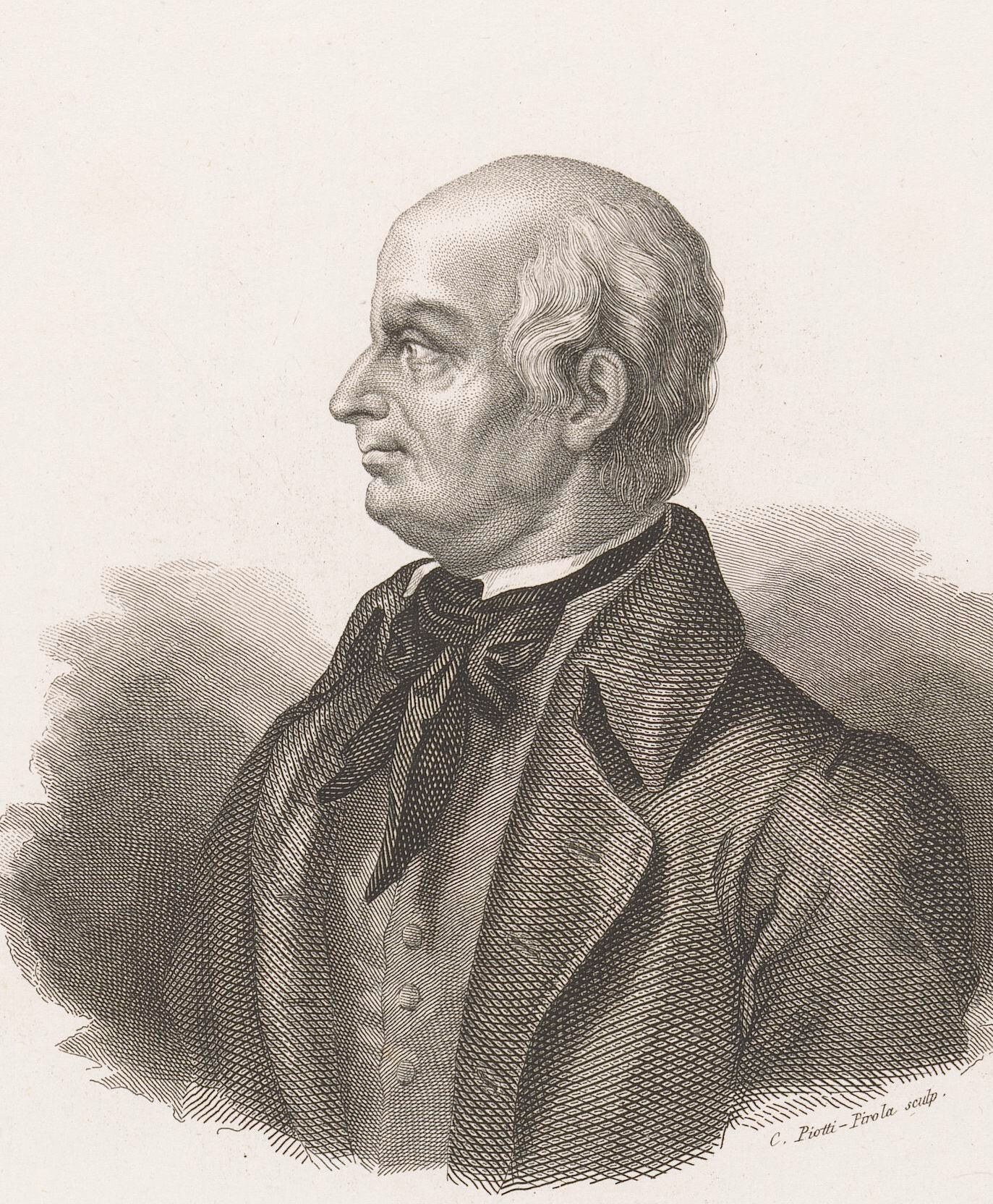
Spallanzani, a believer in preformation theory, found that he could prevent contamination by microorganisms in strongly heated infusions protected from aerial contamination, but he observed that as soon as air was all…
1766
#308.1
The anatomy of the horse.
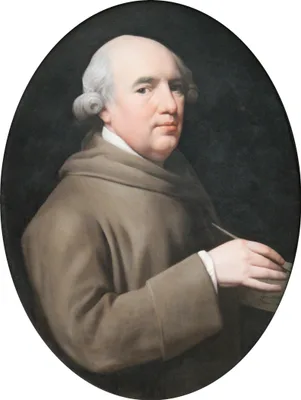
The first original work on equine anatomy after Ruini (No. 285). Stubbs, the great painter of animals, prepared his own dissections of horse carcasses, and personally engraved the 24 double folio plates for this work,…
1766
#2527.99
De variolis et morbillis commentarius.
The first medical description of smallpox was written by Rhazes, about the year 910… The above work is the first edition of the Arabic text with a parallel Latin translation by the English pharmacist and scholar, John…
1766 –1767
#7365
Travels through France and Italy. Containing observations on character, customs, religion, government, police, commerce, arts, and antiquities. With a particularly description of the town, territory, and climate of Nice: to which is added a register of the weather, kept during a residence of eighteen months in that city. 2 vols.
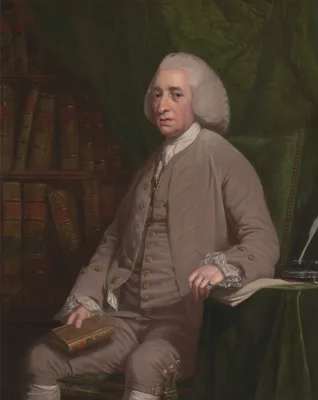
Digital facsimile from Google Books at this link.
1766
#7808
Descrizione degl'instrumenti, delle macchine, e delle suppellettili raccolte ad uso chirurgico e medico dal P. Don Ippolito Rondinelli...
Catalogue of the private museum of surgical and medical instruments established by Father Ippolito Rondinelli in Ravenna, which Soldo described as “the first museum of medicine and surgery.” Extensively illustrasted. …
1766
#10570
The Aurelian or natural history of English insects; namely, moths and butterflies.
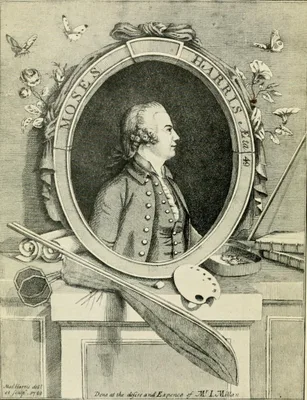
Harris drew and engraved his own illustrations. The second edition (1778) was considerably expanded, and with four more plates than the first, for a total of 45. Some of the hand-colored copies were hand-colored by th…
1766
#12496
Travels through France and Italy. Containing observations on character, customs, religion, government, police commerce, arts, and antiquities. With a particular description of the town, territory, and climate of Nice: To which is added a register of the weather, kept during a residence of eighteen months in that city. 2 vols.
Digital facsimile from Google Books at this link. "After suffering the loss of his only child, 15-year-old Elizabeth, in April 1763, Smollett left England in June of that year. Together with his wife, he traveled acro…
1767
#2096
An essay concerning the cause of the endemial colic of Devonshire.
Baker demonstrated that the cider of Devonshire contained lead, while that made in other parts of England did not. He further showed that it was common practice in Devon to line cider presses with lead, and proved tha…
1767
#2103
Ricerche fisiche sopra il veleno della vipera.
The starting point of modern investigations of serpent venoms and their antidotes. This work also includes Fontana’s description of the ciliary canal in the eye of an ox. This structure does not appear in the human ey…
1767
#5090
Von der Ruhr unter dem Volke im Jahr 1765.
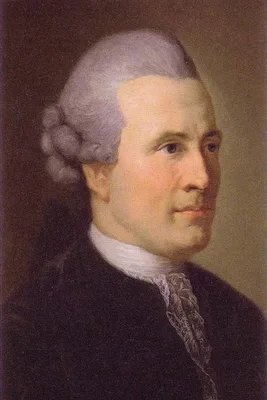
The first important monograph on bacillary dysentery. Translated into English by C. R. Hopson as A treatise on the dysentery, with a description of the epidemic dysentery that happened in Switzerland in the year 1765 …
1767
#5420
The present method of inoculating for the small-pox.
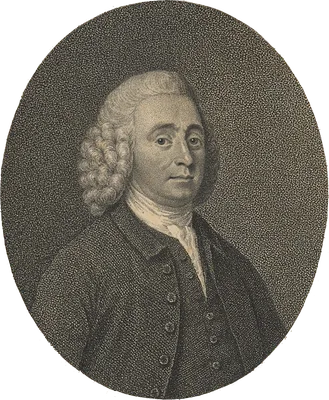
Dimsdale is notable as having inoculated Catherine of Russia and her son. For this he received a fee of £10,000 and a life pension. His reputation and the exalted rank of his patient helped in popularizing the measure…
1767
#6156
Practical directions, shewing a method of preserving the perinaeum in birth, and delivering the placenta without violence.
Harvie, Smellie’s successor, advocated external expression of the placenta instead of traction on the cord, anticipating Credé in this connection by almost a century (see No. 6183). Reprinted in H. Thoms: Classic cont…
1767
#5196
De gonorrhoea virulenta.
Balfour is said to have been the first to re-affirm the duality of gonorrhoea and syphilis.
1767
#6324
An essay on the diseases most fatal to infants.
One of the best pediatric works of the period. Armstrong is noteworthy as the founder of the first children’s dispensary in Europe, the Dispensary for Sick Children, London, in 1769.
1767
#7679
Hortus Europae americanus, or, A collection of 85 curious trees and shrubs: the produce of North America, adapted to the climates and soils of Great-Britain, Ireland, and most parts of Europe, &c together with their blossoms, fruits and seeds, observations on their culture, growth, constitution and virtues, with directions how to collect, pack up and secure them in their passage.
Digital facsimile from the Biodiversity Heritage Library at this link. First published as Hortus Britanno-Americanus (1763).
1767
#10386
Traité sur les maladies des gens de mer.
Digital facsimile from Google Books at this link.
1767
#12397
An account of the manner of inoculating for the small pox in the East Indies: With some observations on the practice and mode of treating that disease in those parts.
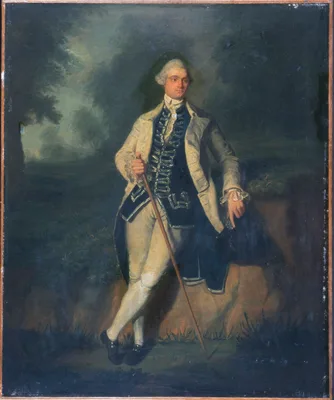
Holwell's account of smallpox variolation in India prior to Jenner has been disputed by historians. Digital facsimile from the Internet Archive at this link.
1767
#12880
Catalogue systématique et raisonné des curiosités de la nature et de l’art, qui composent le cabinet de M. Davila, avec figures en taille-douce. 3 vols.
Describes 8,096 mineral specimens from a wide range places, including a suite of specimens from Potosí, Bolivia, as well as many items from Canada, Mexico, and Paraguay. The catalog also lists 5,253 shells, 600 preser…
1767
#13081
The law of physicians, surgeons, and apothecaries: Containing all the statutes, cases at large, arguments, resolutions, and judgments concerning them. Compiled, by desire of a great personage, for the use of such gentlemen of the faculty as are enemies to quackery, in order to point out the defects in the law, as it now Stands, relative to those professions, and To propose such expedients for remedying them as they shall think necessary, before the next session of parliament, when it is intended to apply for an act for regulating the practice of physick, and suppressing empirical nostrums.
Digital facsimile from Google Books at this link.
1767
#13557
A comparative history of the increase and decrease of mankind in England, and several countries abroad, according to the different soils, situations, business of life, use of the non-naturals, &c. faithfully collected from, and attested by, above three hundred vouchers, and many of them for a long course of years, in two different Periods. To which is added a syllabus of the general States of health, air, seasons, and food for the last three hundred years; and also a meteorological discourse.
Digital facsimile from Google Books at this link.
1768
#4634
Observations on the dropsy in the brain.
The first account of the clinical course of tuberculous meningitis in children. This work is notable for its fullness of detail and its accuracy. Whytt divided the disease into three stages, according to the character…
1768
#101
Prodromo di un opera da imprimersi sopra le riproduzione animali.
In this preliminary to a larger work on regeneration which was never published, Spallanzani described regenerative capacities of remarkable complexity and repetitiveness in the land snail, salamander and toad and frog…
1768
#534.54
Operum anatomici argumenti minorum tomus tertius, De Monstris.
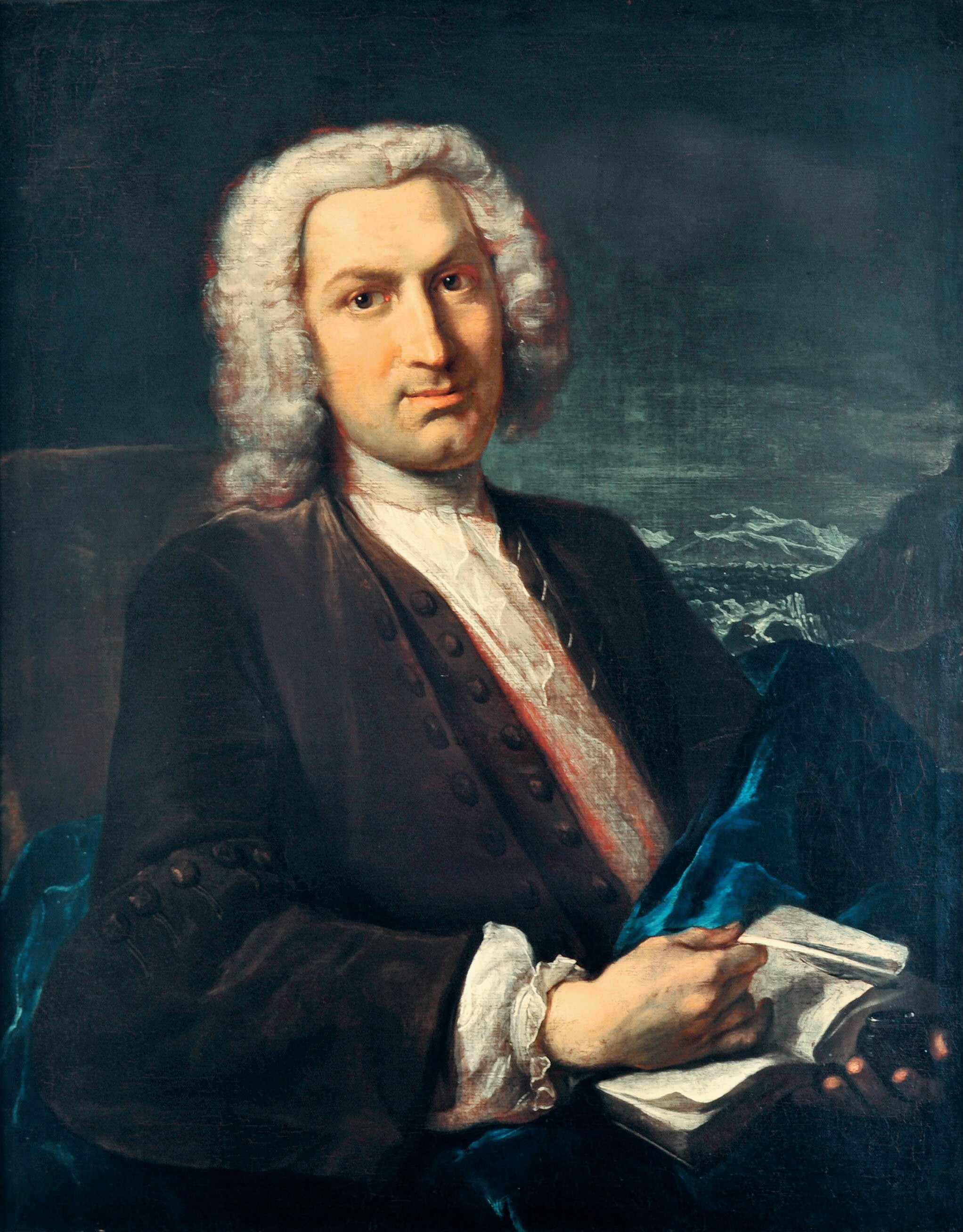
Reprints and updates Haller’s earlier essays on various malformations. This work marks the beginning of scientific teratology, placing it on a foundation of sound anatomical description.
1768
#2028.51
Historie en Gedenkschriften van de Maatschappy, tot Redding von Drenkelingen, Opgerecht Binnen Amsterdam 1768.
AMSTERDAM SOCIETY
The first of many volumes of reports by the first society to save people drowned in the waterways of Amsterdam, established in 1767. Before 1767 anyone taken from the water was presumed dead and no attempts were made …
1768
#2154
Chirurgie d’armée.
One of the most important works on military surgery during the 18th century. Ravaton, a skilful army surgeon, was the first to employ a tin boot, suspended on four rings, for the “hanging” position of broken bones. He…
1768
#2264
An essay on diseases incidental in Europeans in hot climates.
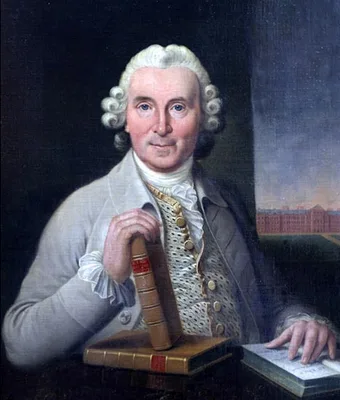
Lind came near to discovering the connection between malaria and mosquitoes. He is best remembered for his work on scurvy (No. 3713), but the above book is one of the more important early works on tropical medicine.
1768
#2886
Lettre de M. Rougnon à M. Lorry, touchant les causes de la mort de feu Monsieur Charles, ancien capitaine de cavalerie, arrivé à Besançon le 23 février 1768.
Osler, Allbutt, and several other authorities believe this to be the description of an authentic case of angina, thus preceding Heberden’s classic account. Other eminent authorities consider the patient to have suffer…