
Europe
6,838 entries published in Europe.
1807 –1809
#5583
A system of operative surgery. 2 vols.
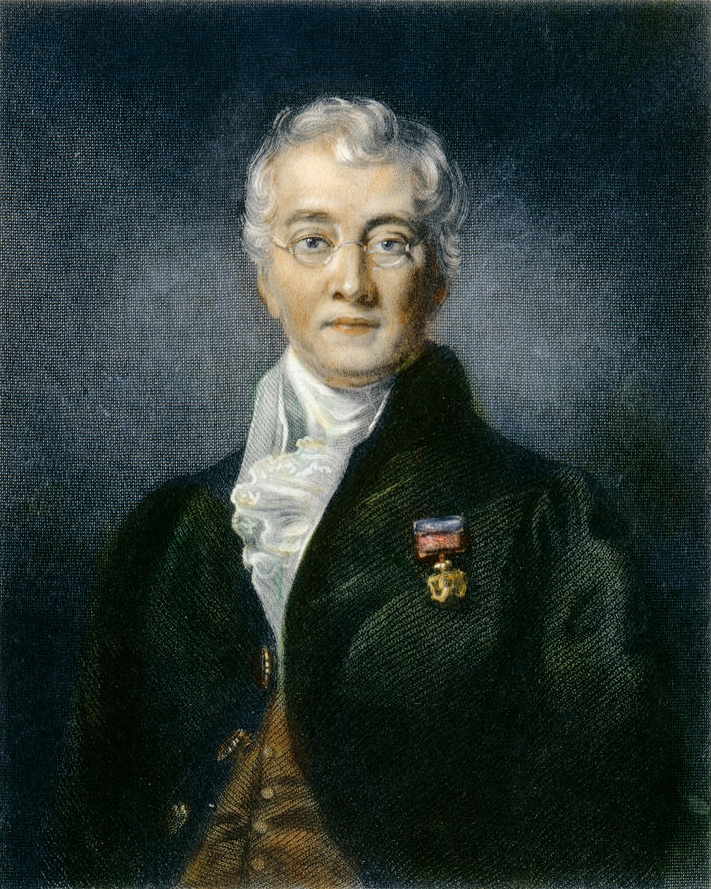
Famous as anatomist, physiologist, and neurologist, Charles Bell was also, like his brother John, an eminent surgeon. His artistic talent was even greater than that of his brother. (See No. 5588.)
1807
#5839
An account of the ophthalmia which has appeared in England since the return of the British Army from Egypt.
Vetch described trachoma.
1807 –1834
#7452
Voyage aux régions équinoxiales du nouveau continent, fait en 1799, 1800, 1801, 1802, 1803 et 1804. 34 vols.
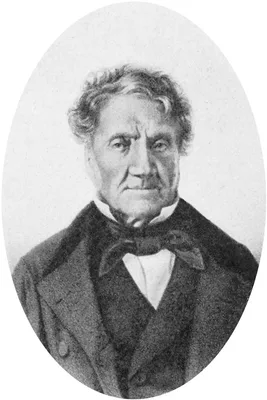
In 1799 Humboldt and Bonpland embarked on a six-year tour of research through South America and Mexico, a trip which would afterwards be called, justifiably, "the scientific discovery of America." The two amassed exha…
1807
#8814
An account of the diseases of India, as they appeared in the English fleet, and in the naval hospital at Madras, in 1782 and 1783; with observations on ulcers, and the hospital sores of that country, &c. & c. To which is prefixed a view of the diseases of an expedition and passage of a fleet and armament to India, in 1781.
Digital facsimile from Google Books at this link.
1807
#11802
The Oriental voyager, or descriptive sketches and cursory remarks on a voyage to India and China in His Majesty's ship Caroline, performed in the years 1803–4–5–6. Interspersed with extracts from the best modern voyages and travels. The whole intended to exhibit a topographical and picturesque sketch of all the principal places which are annually or occasionally visited by our East Indian and China fleets....
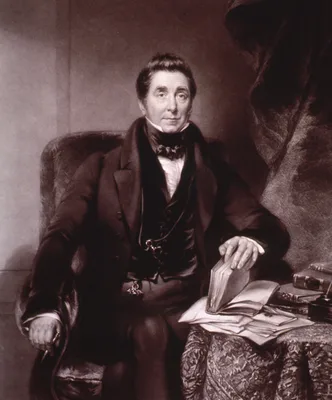
Digital facsimile from Google Books at this link.
1807 –1810
#11857
La zooiatria. 3 vols.
Pozzi was the firector of the newly formed Royal Veterinary School, Milan, and professor of pathology and hygiene. Digital facsimile from Google Books at this link.
1807 –1817
#11904
Voyage de découvertes aux Terres Australes exécuté par ordre de sa Majesté, l'Empereur et Roi, sur les corvettes le Géographe, le Naturaliste, et la goëllette le Casuarina pendant les années 1800, 1801, 1802, 1803 et 1804 ...rédigé par Péron et continue par M. L. de Freycinet. (Atlas par MM. Lesueur et Petit.) Historique. 3 vols & Atlas, containing 38 plates, 15 maps.
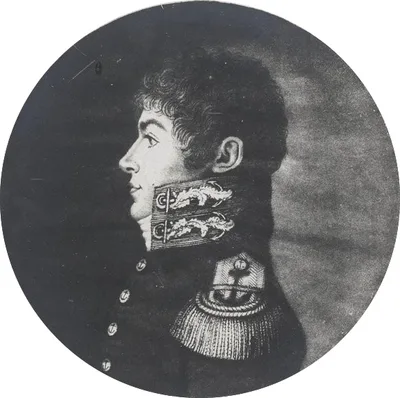
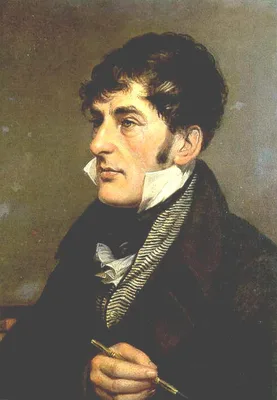
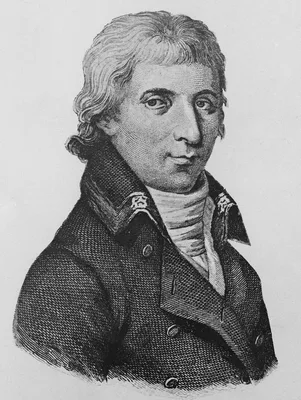
Vol. 1. Historique, by François Péron. 1807 Vol. 2. Historique [by Francois Péron, completed by L. de Freycinet] 1816. Vol. 3. Navigation et géographie, [by L. Freycinet.] 1815. Atlas historique [by C. A. Leseur & N. …
1807
#12875
Of the cause of the yellow fever; and the means of preventing it in places not yet infected with it: Addressed to the Board of Health in America.
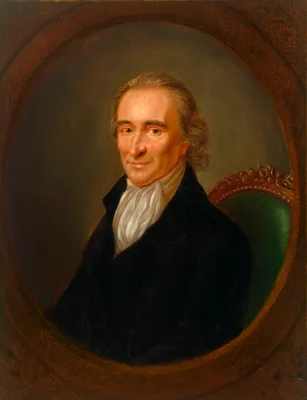
This 13-page pamphlet was probably the only medical publication by the English-born American political activist, philosopher, political theorist, and revolutionary, Thomas Paine. Paine's essay was first published in n…
1808 –1812
#314
Beyträge zur vergleichenden Anatomie. 2 vols. in 3.
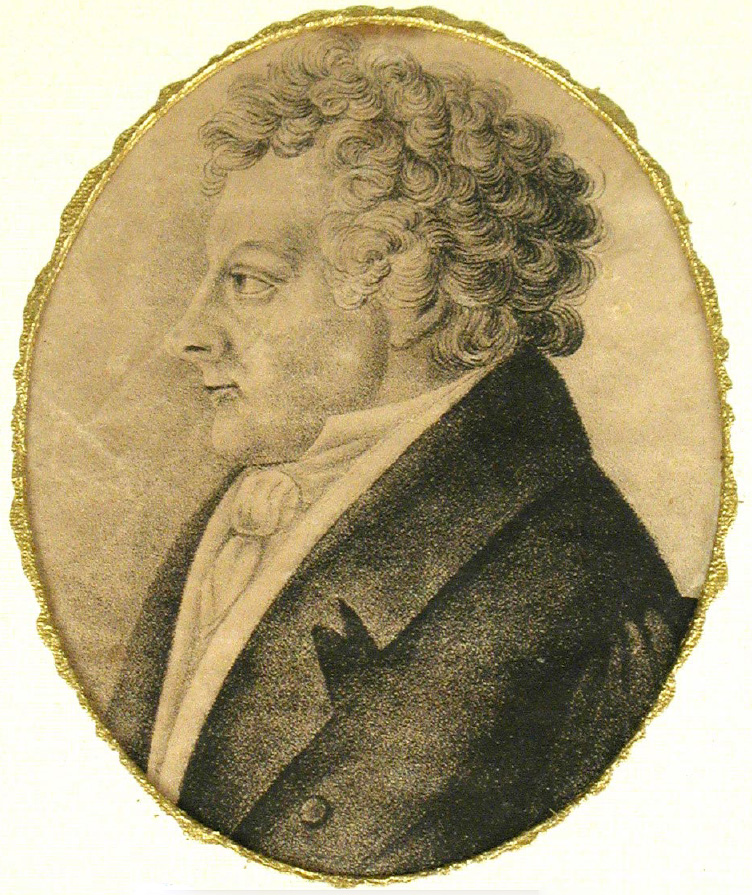
Digital facsimile facsimile from the Hathi Trust at this link.
1808
#927
Über den Bau der Lungen.
In 1804 the Berlin Akademie der Naturwissenschaften offered a prize for the best essay on the structure and function of the lungs. The prize was won by Reisseisen, while Soemmerring received honorable mention. The tex…
1808
#4635
An essay on hydrocephalus acutus, or dropsy in the brain.
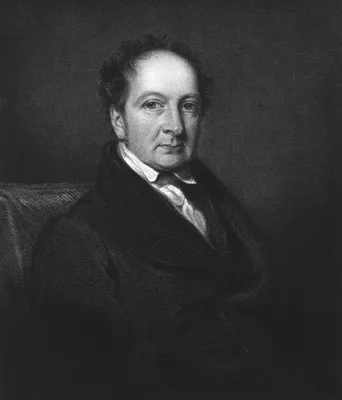
Acute hydrocephalus first described.
1808 –1810
#2449
Entozoorum, sive verminum intestinalium, historia naturalis. 2 vols.
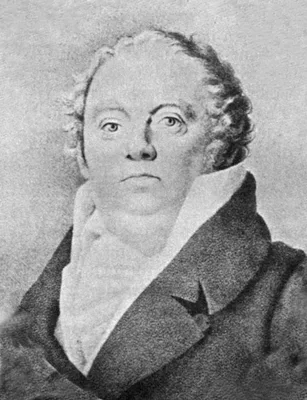
A system of helminthology. Rudolphi gave the name “echinococcus” to the common vesicular hydatid, describing three species. Digital facsimile from Biodiversity Heritage Library at this link .
1808
#3168
Observations on the inflammatory affections of the mucous membrane of the bronchiae.
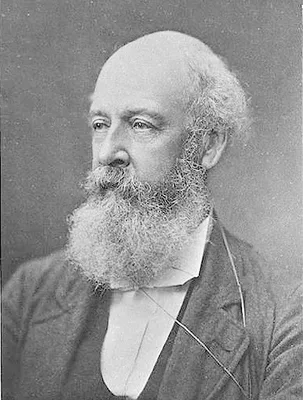
Badham distinguished acute and chronic bronchitis from pneumonia and pleurisy, with which it had previously been confused. He gave the disease its present name. Digital facsimile from Google Books at this link.
1808
#3679.2
Rapport sur les dents artificielles terro-métalliques.
Fonzi, an Italian dentist living in Paris, produced the first sets of individual porcelain teeth mounted on a base. "While previously the entire mineral denture, both base and teeth, had been fired as a single piece, …
1808 –1818
#5840
Essays on the morbid anatomy of the human eye. 2 vols.
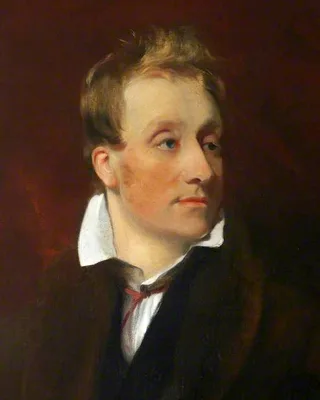
Wardrop was the first to classify the various inflammations of the eye according to the structures attacked. He was also the first to use the term “keratitis”.
1808 –1809
#6750.2
Literatura medica digesta sive repertorium medicinae practicae, chirurgiae atque rei obstetriciae. 4 vols.
A revised edition, with 40,000 additional citations, of Nos. 6750 and 6750.1. A supplement (1 vol.) was published in 1813.
1808
#7682
A catalogue of the anatomical preparations, casts, drawings, machines, instruments, &c. in White's Museum, Lying-in hospital.
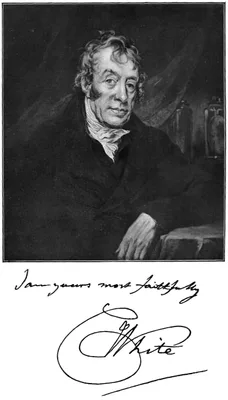
1808
#7685
Catalogue of the principal objects of curiosity [in the collection of Edward Donovan] contained in the London Museum and Institute of Natural History, Catherine Street, Strand, now open to the inspection of the public.
1808
#11955
A catalogue of plants in the Botanic Garden, at Liverpool.
Digital facsimile from the Hathi Trust at this link.
1808
#12857
Recherches historiques sur l'art du dentiste chez les anciens.
An early, if relatively brief (24pp.), effort at a study of contributions of ancient Greek and Roman writers to dentistry. Digital facsimile from BnF Gallica at this link.
1808
#13040
Catalogue des livres de la bibliothèque de feu M. E.P. Ventenat…Suivi de la description de différens herbiers, graines, fruits étrangers, etc., et objets de curiosité.
Besides Ventenat's library of botanical works lots 603-11 included Ventenat’s collections of botanical specimens (lot 603 contained 14- 15,000 specimens from all over the world!). The auction catalogue was prefaced by…
1808
#13355
Tableau historique des maladies internes de mauvais caractère qui ont affligé la grande armée dans la campagne de Prusse et de Pologne, et notamment de celles qui ont été observées dans les hôpitaux militaires et les villes de Thorn, Bromberg, Fordon et Culm, dans l'hiver de 1806 à 1807, le printems et l'été de 1807, suivi de réflexions sur les divers modes de traitement de ces maladies adoptés par les médecins français et allemands.
Digital facsimile from biusante.parisdescartes.fr at this link.
1809
#1603
A treatise on medical police, and on diet, regimen, &c. In which the permanent and regularly recurring causes of disease in general, and those of Edinburgh and London in particular, are described; with a general plan of medical police to obviate them, and a particular one adapted to the local circumstances of these cities. 2 vols.
First notable work on the subject in English. Digital facsimile from Google Books at this link.
1809
#1388
Saggio sopra la vera struttura del cervello dell’uomo e degl’animali e sopra le funzioni del sistema nervoso.
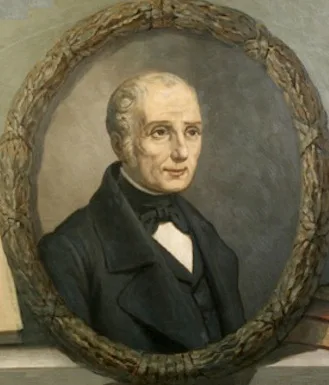
Includes description of “Rolando’s substance”, “tubercle”, and “funiculus”. Rolando described ablation experiments for brain localization similar to Flourens (No. 1391). They were largely unknown until Magendie publis…
1809
#1454
Abbildungen der menschlichen Organe des Geruches.
1809
#3252
The pathology of the membranes of the larynx and bronchia.
Cheyne’s important book deals mainly with the lesions of croup.
1809
#216
Philosophie zoologique. 2 vols.
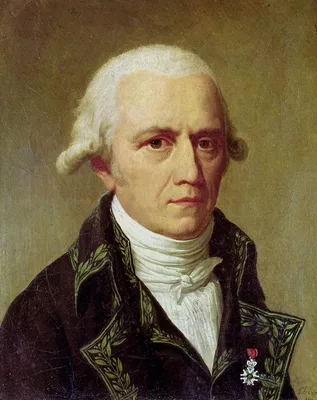
Lamarck was one of the greatest of the comparative anatomists. This work is considered the greatest exposition of his argument that evolution occurred by the inheritance of characteristics acquired by animals as a res…
1809
#3583
Sull’ernie. Memorie anatomico-chirurgiche.
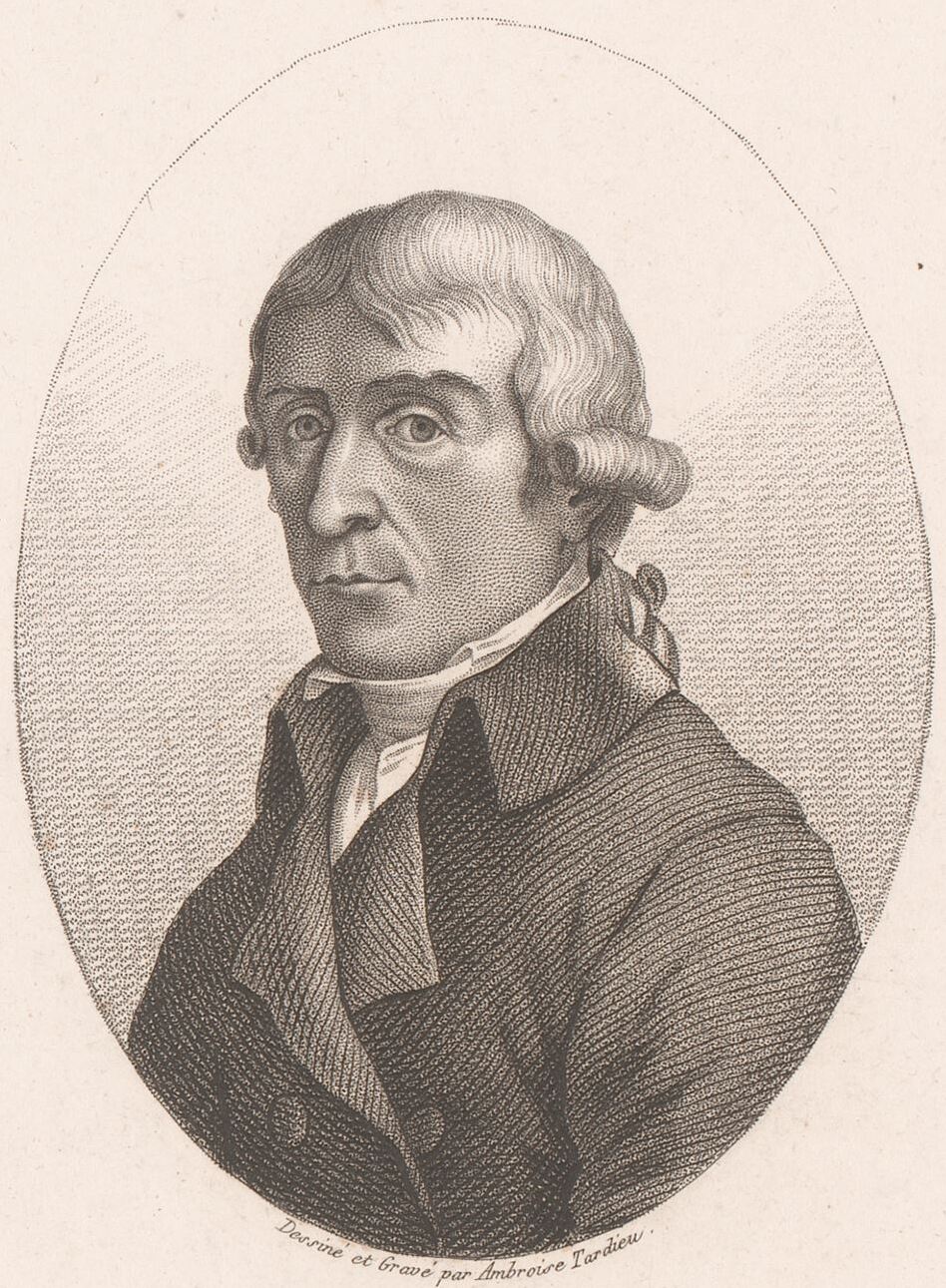
This splendidly illustrated work with life-size plates includes the description of “Scarpa’s fascia” (creasteric fascia) and Scarpa’s triangle of the thigh.
1809
#2928
Surgical observations on the constitutional origin and treatment of local diseases.
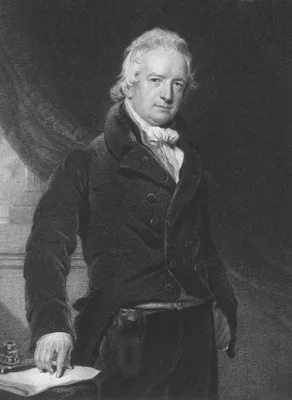
A pupil of John Hunter, Abernethy became a leading surgeon in London. He was most industrious, and it is said that not even on his wedding day did he fail to give his usual daily lecture at St. Bartholomew’s Hospital.…
1809
#5585
A dictionary of practical surgery.
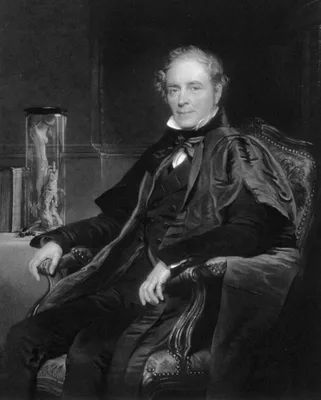
Cooper was surgeon on the field at Waterloo, and was later appointed to the chair of surgery at University College, London. His great dictionary went through seven editions during his lifetime and was translated into …
1809
#2738
Observations on some of the most frequent and important diseases of the heart.
Burns described endocarditis and reported three cases of mitral stenosis. He recognized the thrill present in the latter condition and seems to have understood the mechanism of a cardiac murmur. He also described unil…
1809
#7610
Directions for preserving animals and parts of animals for anatomical investigation; and concerning extraneous fossils.
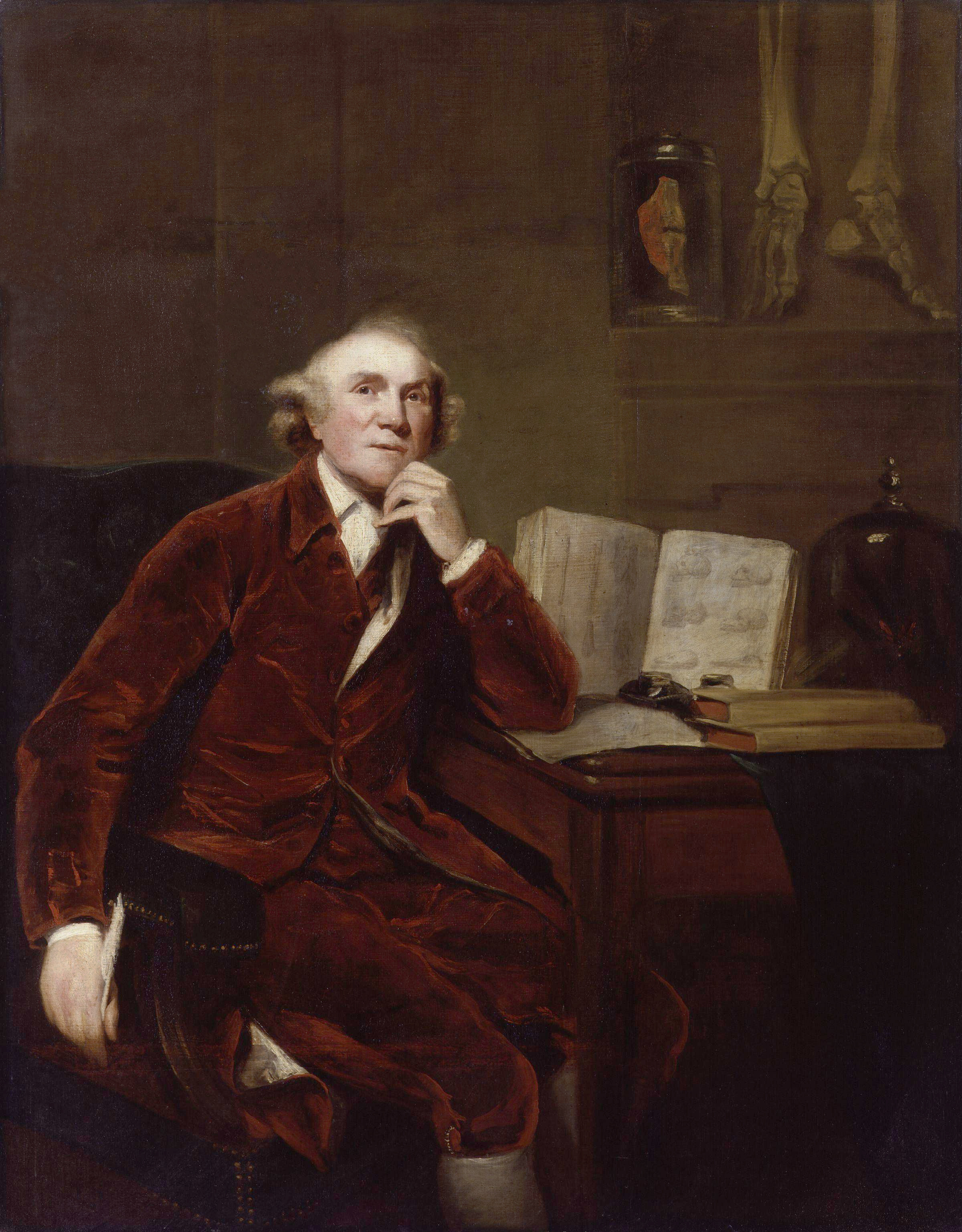
"The following Directions, framed by the late Mr. John Hunter, are intended to facilitate, and render effectual, the Endeavours of such Friends to scientific Inquiries as shall be inclined to futher the designs of the…
1809
#10267
Recueil général des lois, réglemens, décisions et circulaires sur le service des hôpitaux militaires. 2 vols.
On the organization and administration of French military hospitals during the Napoleonic era, and probably the most comprehensive account published up to this time on the administration of military hospitals in gener…
1809
#10465
A companion to the Liverpool Museum, containing a brief description of upwards of seven thousand natural and foreign curiosities, antiquities and productions of fine arts, collected during several years of arduous research, and at an expense of upwards of twenty thousand pounds. And now open for inspection, in the Great Room, No. 22, Piccadilly, London, which has been fitted up for the purpose in a manner entirely new.
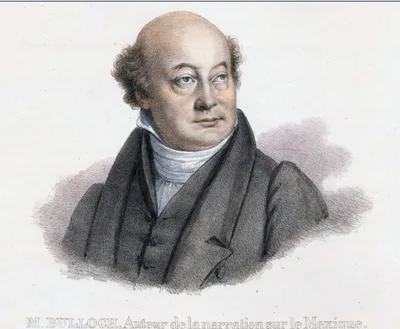
Bullock founded his Museum of Natural Curiosities at 24 Lord Street in Liverpool in 1795. While still trading as a jeweller and goldsmith, in 1801 he published a descriptive catalogue of the works of art, armor, objec…
1809
#11717
Traité de la sangsue médicinale.
A 585-page treatise on this later-debunked therapy published around the time of its greatest vogue. Digital facsimile from Google Books at this link.
1809 –1840
#12798
Flore portugaise ou description de toutes les plantes qui croissent naturellement en Portugal. 2 vols.
The most spectacular illustrated book on the flora of Portugal. The delicate illustrations, mostly stipple-engraved and colored by hand, based on the travels of Hoffmannsegg through Portugal between 1797 and 1801, wer…
1809
#12827
Voyages d'un Naturaliste, et ses observations. Faites sur les trois règnes de la Nature, dans plusieurs ports de mer français, en Espagne, au continent de l'Amerique septentrionale, à Saint-Yago de Cuba, et à St.-Domingue, où l'Auteur devenu le prisonnier de 40,000 Noirs révoltés, et par suite mis en liberté par une colonne de l'armée française, donne des détails circonstanciés sur l'expédition du général Leclerc. Dédiés à ... le Comte de Lacépède. 3 vols.
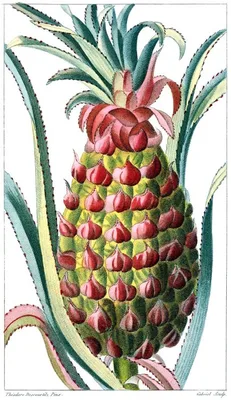
One of the more unusually titled travel accounts including the mention that "the author became the prisoner of 40,000 black revolutionaries, and was rescued by the French army." "Following his marriage to the daughter…
1809
#14156
The bibliomania, an epistle to Richard Heber, Esq.
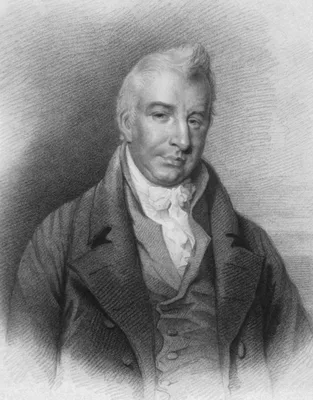
Ferriar coined the term "bibliomania" in this work. Digital facsimile from Google Books at this link.
1810 –1819
#1389
Anatomie et physiologie du système nerveux en général, et du cerveau en particulier. 4 vols. and atlas.
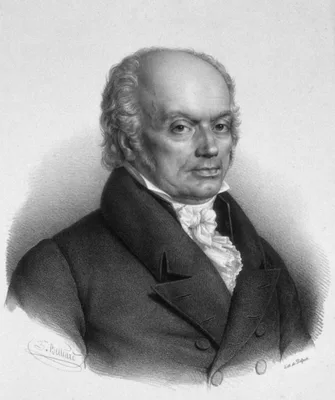
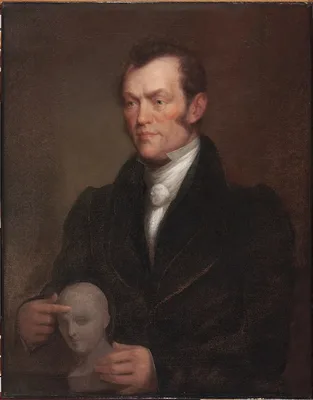
Introduced the theory of localization of cerebral function, although in a somewhat fantastic form. This pioneer attempt to map out the cerebral cortex according to function gave rise to the pseudo-science of phrenolog…
1810
#2322
Recherches sur la phthisie pulmonaire.
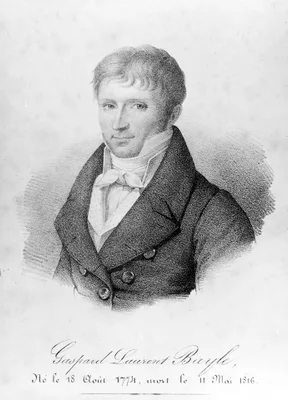
The beginning of the modern clinical conception of tuberculosis. Bayle gave the best description to date of the varieties of tuberculosis. He was first to use the term “miliary” to describe small tubercles and first t…
1810
#2467.1
L’Art de conserver, pendant plusieurs années, toutes les substances animales et végétales….
The first workable process for canning foods. In 1795 Appert began developing the process under Napoleon’s auspices as a way to maintain food on military expeditions. For strategic reasons he was not allowed to publis…
1810
#1765
Letters on professional character and manners.
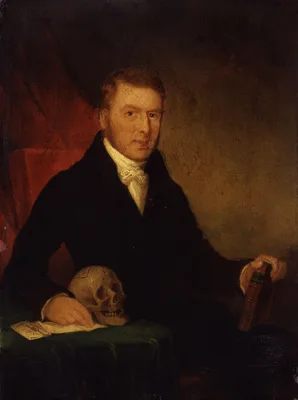
"A man of compassion, Bell made many enemies because he was outspoken about the unnecessary pain and suffering inflicted by incompetent surgeons practicing in Scotland. In 1800 he became involved in an unfortunate con…
1810
#2378.1
Traité de la maladie vénérienne chez les enfans nouveau-nés, les femmes enceintes et les nourrices.
The first systematic work on congenital syphilis.
1810
#1966
Organon der rationellen Heilkunde.
Hahnemann, the founder of homeopathy, embodied his theories in the Organon. The minute doses set down by him did much to correct the evils of the polypharmacy of his time, in which overdosage was pervasive. Hahnemann …
1810 –1818
#3987
Précis théorique et pratique sur les maladies de la peau. 2 vols.
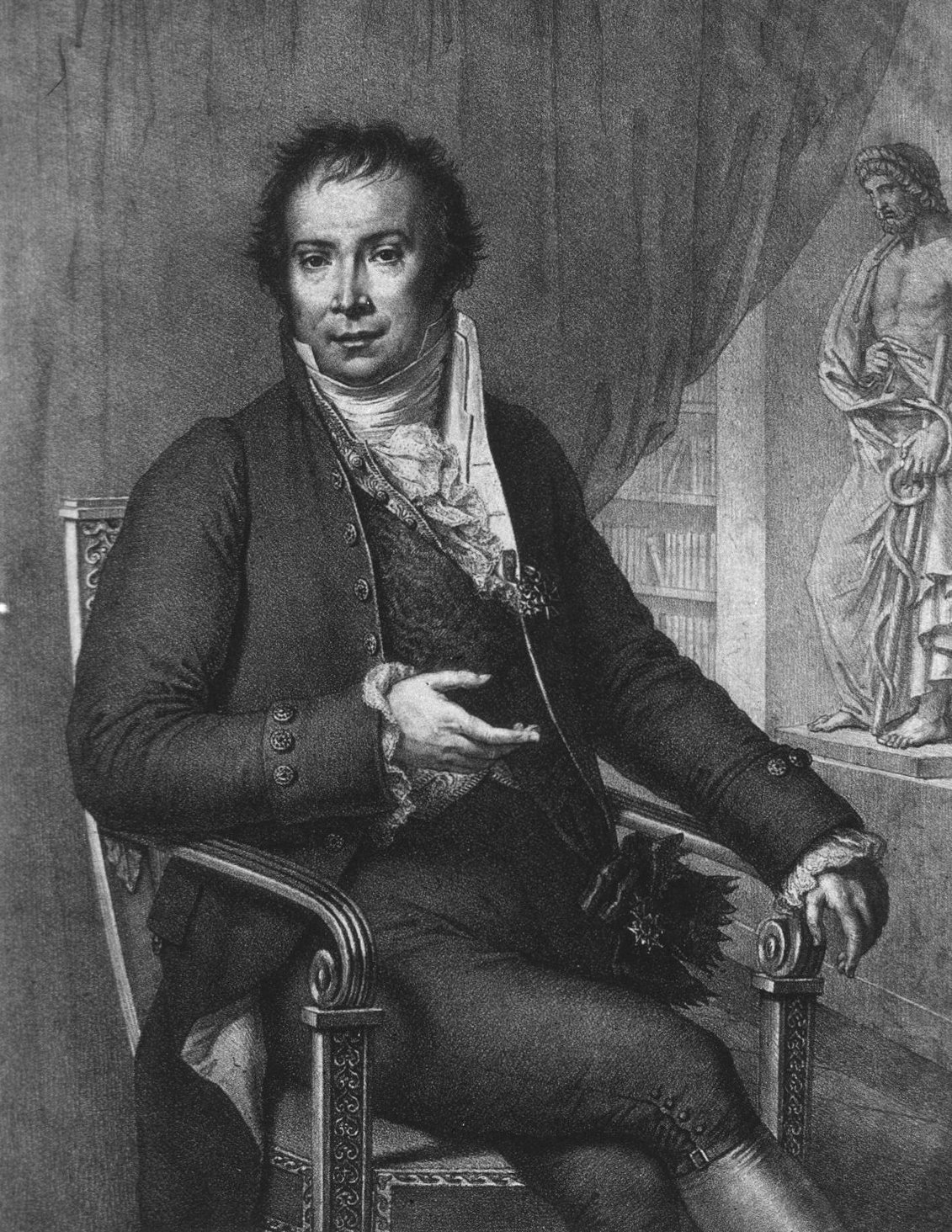
1810
#3431
Animadversiones quaedam chirurgicae experimentis in animalibus factis illustratae.
Experimental excision of the pylorus.
1810
#4924.1
Illustrations of madness: exhibiting a singular case of insanity… with a description of the tortures experienced by bomb-bursting, lobster-cracking and lengthening the brain.
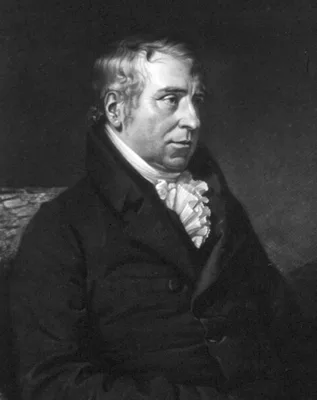
The first medical book devoted to a single case of insanity, and the first illustration of an influencing machine, commonly complained of by paranoid patients.
1810
#4441
Diss. de articulis exstirpandis, imprimis de genu exstirpato.
1810
#4969.2
A letter to Henry Cline, Esq. on imperfect developements (sic) of the faculties mental and moral, as well as constitutional and organic; and on on the treatment of impediments of speech.
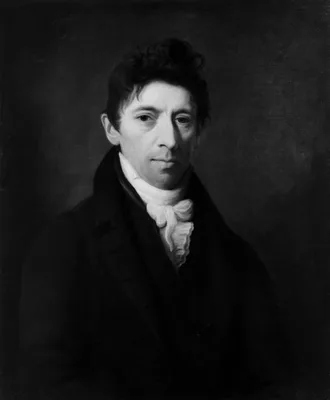
The first book on mental deficiency. Thelwall recognized that sensory deprivation could be a cause of apparent mental defect through his work with handicapped children. He established criteria for distinguishing betwe…
1810
#5375
Ueber den ansteckenden Typhus.
Hildenbrand gave a classic description of typhus. The French literature sometimes refers to the condition as “Hildenbrand’s disease”. English translation by S. D. Gross, 1829.