
Europe
6,838 entries published in Europe.
1825
#11508
The last days of the Emperor Napoleon by Doctor F. Antommarchi, his physician. 2 vols.
An account of Napoleon's final illness and the medical care that Napoleon received while emprisoned on the island of Saint Helena, by his physician. English and French language versions of this work were published in …
1825
#11800
Histoire naturelle et médicale des sangsues, contenant la description anatomique des organes de la sangsue officinale, avec des considérations physiologiques sur ces organes; des notions très-étendues sur la conservation domestique de ce ver, sa reproduction, ses maladies, son application, etc.
Digital facsimile from Biodiversity Heritage Library at this link.
1825
#13301
Traité d'anatomie chirurgicale, ou anatomie des régions, considérée dans ses rapports avec la chirurgie; ouvrage orné de quatorze planches représentant les principales régions du corps. 2 vols.
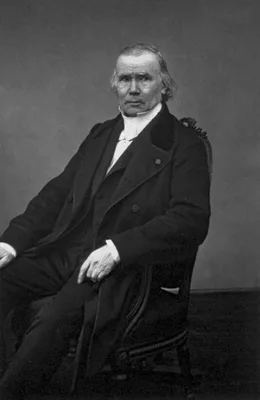
Some copies were issued with the plates hand-colored. Digital facsimile of a black & white copy from Google Books at this link.
1825
#13480
Catalogue des arbres, arbrisseaux, arbustes et plantes vivaces, cultivés en pleine terre à Baleine [sic], près Moulins, département d'Allier.
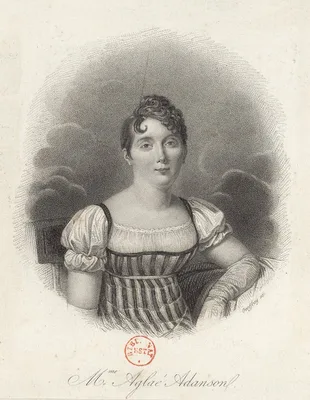
Digital facsimile from Biodiversity Heritage Library at this link.
1825
#13841
Index numismatum in virorum de rebus medicis vel physicis meritorum memoriam percussorum.
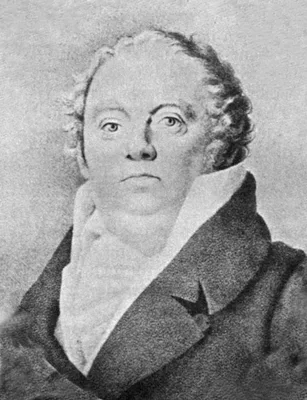
At head of title: Ioanni Fr. Blumenbach ... viro illustri Germaniae decori diem semisecularem physiophili germanici laete gratulantur. Digital facsimile from wellcomecollection.org at this link.
1825
#13874
Travels in Russia, the Krimea, the Causcasus and Georgia.
1825
#14163
Mémoire sur l'acupuncture, suivi d'une série d'observations recueillies sous les yeux de M. Jules Cloquet by M. Morand.
Little is known about Morand. He refers to his teacher, Jules Cloquet throughout. Cloquet's book on acupuncture was published the following year in 1826. (No. 6829). Digital facsimile of Morand's book from BnF Gallica…
1825
#14177
Commentatio de vera materiae sanguini purpureum colorem impertientis natura.
Engelhart’s dissertation, presented before the medical faculty at the University of Göttingen, contains the first determination of the molecular mass of a protein (hemoglobin). Engelhart proved that the ratio of iron …
1825
#14215
Elements of operative midwifery.
Davis introduced a number of improvements in instruments and techniques: “It outlines rules and precautions for undertaking operations, described the use of various forms of forceps, and provided twenty detailed plate…
1826 –1840
#599
Die Physiologie als Erfahrungswissenschaft. Edited by Karl Friedrich Burdach. 6 vols.
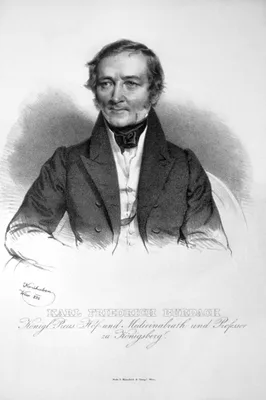
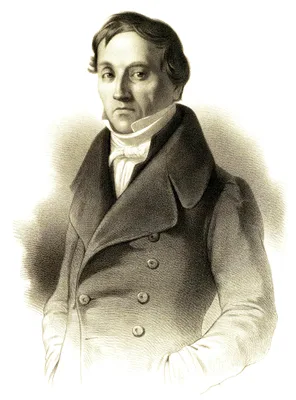
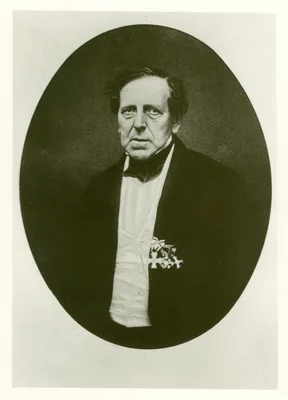
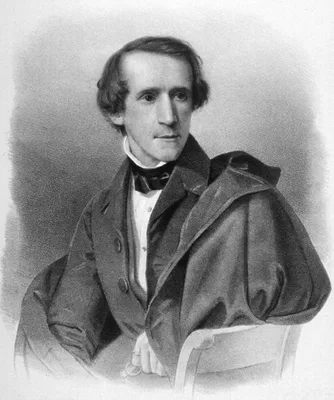
Burdach’s great textbook of physiology was planned to run to 10 vols., but the death of his wife quenched his enthusiasm for the task. Parts of the text were written by von Baer, Rathke, Johannes Müller, R. Wagner and…
1826 –1827
#988
Die Verdauung nach Versuchen. 2 vols.
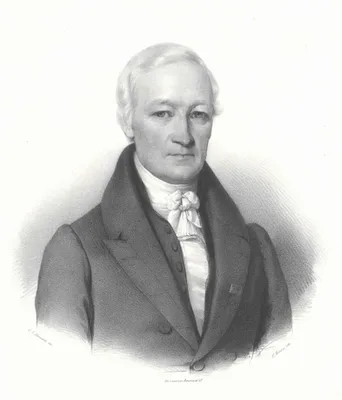
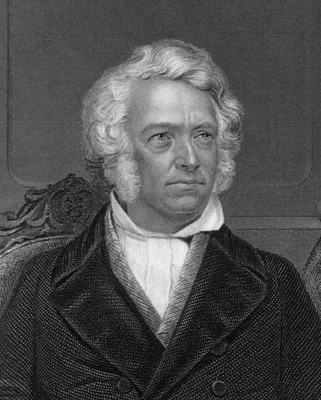
Confirmation of the work of Prout.
1826
#4797
De la paralysie consideree chez les aliénés.
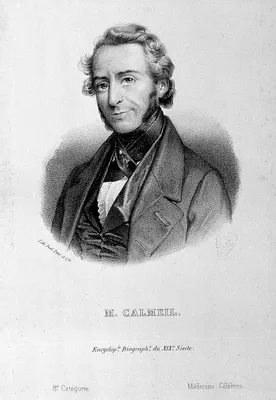
Classic description of general paralysis. Calmeil’s work complements Bayle’s earlier delineation of general paralysis (No. 4795). Between the two of them they established the clinical picture of general paralysis of t…
1826
#1257
Zur vergleichenden Physiologie des Gesichtssinnes des Menschen und der Thiere.
Includes Müller’s law of specific nerve energies. For an English translation, see his Elements of physiology, transl. W. Baly, London, 1838, vol. 1, pp. 766-67. Includes (p. 73) his explanation of the color sensations…
1826
#1456
Ueber die phantastischen Gesichtserscheinungen.
Müller’s early studies on specific nerve energies are included in the above work. Later he stated, in his Handbuch der Physiologie, Coblenz, 1840, 2, 258, his law of specific nerve energies – each nerve of special sen…
1826
#2284.1
The morbid anatomy of the human brain.
Based on over 4000 autopsies performed over 30 years, and illustrated with fine hand-colored plates.
1826
#3254
Observations on the surgical pathology of the larynx and trachea.
Porter was Professor of Surgery at the Royal College of Surgeons in Ireland. The above includes a description of “Porter’s sign”, tracheal tugging in aortic aneurysm.
1826 –1827
#3989
Traité théorique et pratique des maladies de la peau. 2 vols, and atlas.
In this summary of dermatological literature of the period Rayer first described adenoma sebaceum and xanthoma multiplex. He was the first to differentiate between acute and chronic eczema. The second edition, Paris, …
1826
#5053
Des inflammations spéciales du tissu muqueux et en particulier de la diphthérite, ou inflammation pelliculaire.
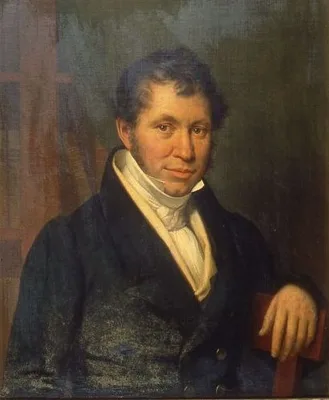
Bretonneau showed that croup, malignant angina, and “scorbutic gangrene of the gums” were all the same disease, for which he suggested the term dipntheritis, later substituting “dipnthérite”. He performed (pp. 300-38)…
1826
#5481.1
Die Geschichte der Hundswuth und der Wasserscheu und deren Behandlung.
A full account of rabies, summarizing current knowledge, with a bibliography of about 300 items.
1826 –1838
#6752
Repertorium bibliographicum. 2 vols. [in 4].
Alphabetical author-index of 16,299 incunabula. Originally based on the contents of the Munich Hofbibliothek, it was made more useful when Walter Arthur Copinger published a 3-volume supplement, 1895-1902, which added…
1826
#6829
Traité de acupuncture, d'après les observations de M. Jules Cloquet. Édité par Dantu de Vannes.
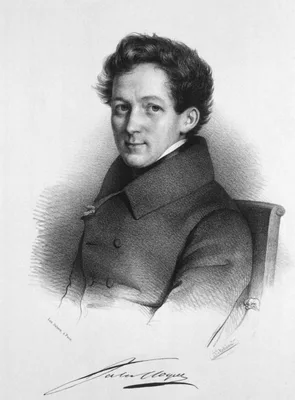
As adjunct chief surgeon at the Hôpital St. Louis, Cloquet had an ample number of patients at his disposal, and he was able to test acupuncture on upwards of 300 cases with mostly beneficial results. Cloquet did not p…
1826
#7508
Every woman's book; or, what is love? Containing most important instructions for the prudent regulation of the principle of love and the number of a family.
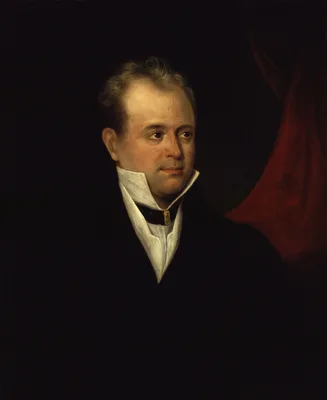
This radical and progressive sex manual was the first book to specify methods of contraception, including the sponge, condoms, and withdrawal. It also took the position, radical at the time, that with respect to sexua…
1826
#7511
Descriptio musei anatomici.
Bleuland's catalogue of his museum of anatomical and pathological specimens. Digital facsimile from Universiteit Utrecht at this link.
1826
#8523
Materia Indica; or, some account of those articles which are employed by the Hindoos and other eastern nations, in their medicine, arts, and agriculture; comprising also formulae, with practical observations, names of diseases in various eastern languages, and a copious list of oriental books immediately connected with general science. 2 vols.
Digital facsimile from the Internet Archive at this link.
1826
#10037
De euthanasia medica prolusio.
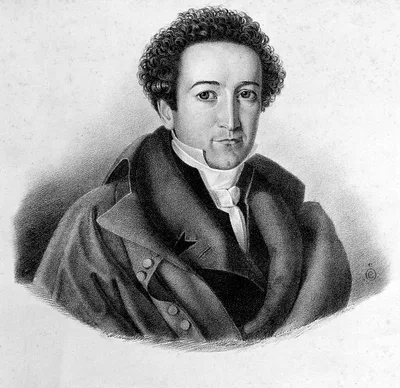
The first "modern" discussion of medical euthanasia. Translated into English by Walter Crane as "Medical euthanasia: A paper published in Latin in 1826, translated and reintorduced to the medical Profession," J. Hist.…
1826 –1838
#10437
Voyage autour du monde, exécuté par ordre du Roi, sur la corvette de Sa Majesté, la Coquille, pendant les années 1822, 1823, 1824 et 1825. 6 vols. plus 4 atlases.
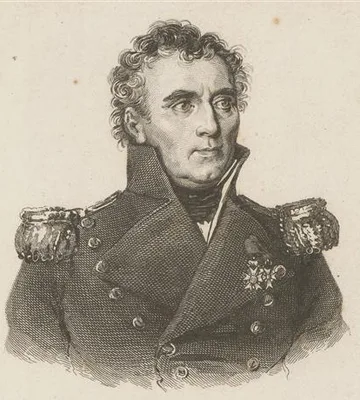
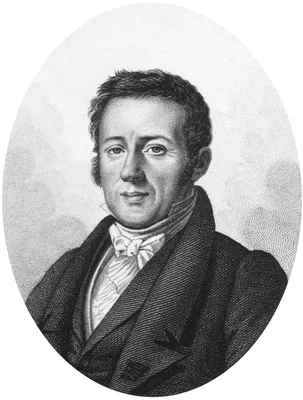
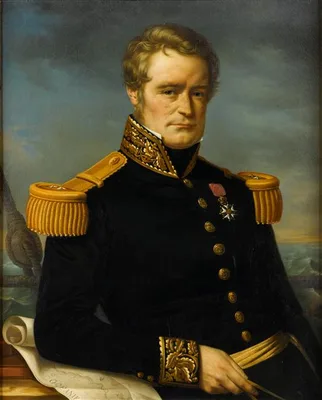
Duperrey undertook this circumnavigation under the sponsorship of the French Minister of Marine, to study terrestrial magnetism and meteorology, and to confirm or correct the position of islands and landmarks that wer…
1826
#10529
Clinique de la maladie syphilitique. Enrichie d’observations communiquées par messieurs Cullerier oncle, Cullerier neveu, Bard, Gama, Desruelles et autre médecins. Text and atlas.
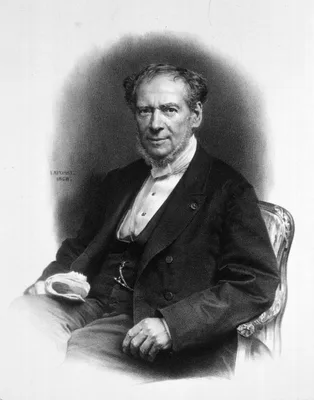
Includes 126 hand-colored engraved plates from drawings by Dupont the elder, assisted by Delestre the younger and Verollot, engraved by Johann Theodor Susemihl, a German engraver working in Paris, known for his zoolog…
1826
#12868
Principles of dental surgery; exhibiting a new method of treating the diseases of the teeth and gums; especially calculated to promote their health and beauty, accompanied by a general view of the present state of dental surgery, with oc casional references to the more prevalent abuses of the art, in two parts.
"This was a complete work on dental science, pathology, and thereapeutics, far in advance of anything heretofore published in the English language containing many practical ideas" (Thorpe, Biographies of pioneer Ameri…
1826
#13365
Recherches et expériences sur les poisons d'Amérique: Tirés des trois règnes de La nature, et envisagés sous les rapports de l'histoire naturelle, de la physiologie, de le pathologie et de la chimie, avec un essai sur l'empoisonnement par Les miasmes des marais, le mal d'estomac des nègres (cachexia Africana), et les maladies qui ressemblent aux empoisonnemens; pour servir à la toxicologie générale du continent d'Amérique et des Antilles.
1826
#13410
Mémoire médico-légal sur la viabilité de l'enfant naissant.
Chaussier introduced a procedure for the revival of near-dead infants. Digital facsimile from BnF Gallica at this link.
1826
#14323
Traité de l'auscultation médiate ou traité diagnostic des maladies des poumons et du coeur. 2 vols.
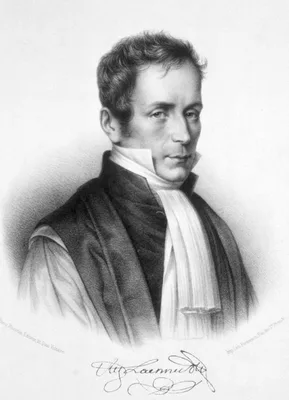
Second edition, hugely revised, expanded, and improved. The pagination of the first edition (1819) was 456 pp. in vol. 1 and 472 pp. in vol. 2. The second edition was expanded to 728pp. in vol. 1 and 790 pp. in vol. 2…
1827 –1838
#322
The birds of America. From original drawings by John James Audubon. 4 vols.
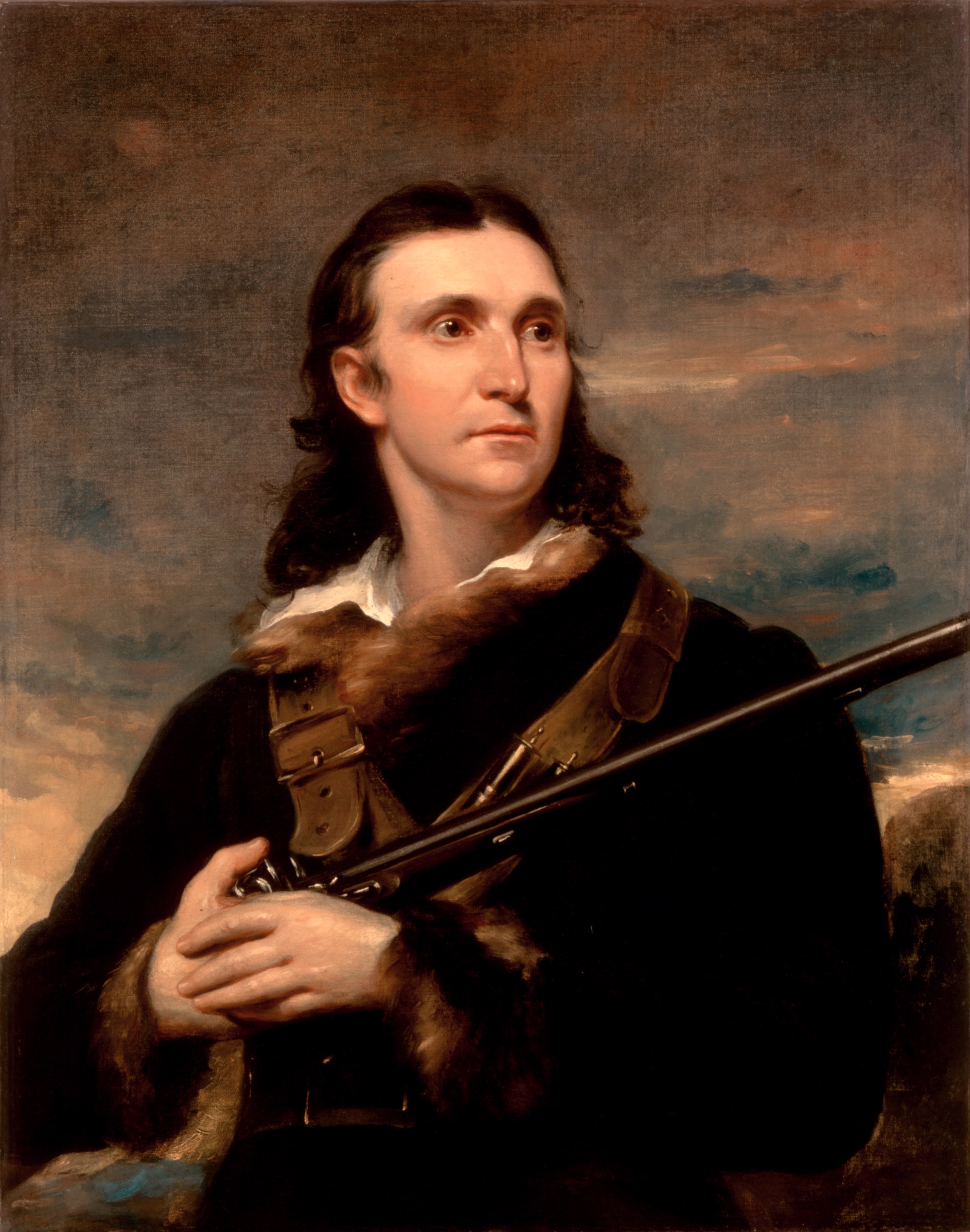
Contains 435 hand-colored plates in double elephant folio format, originally issued in 87 parts. The birds of America is widely regarded as the greatest illustrated ornithological work ever published, and one of the g…
1827
#76
The works. 2 vols.
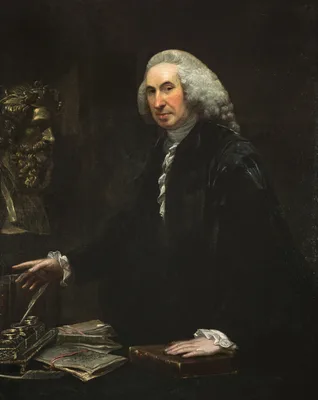
Cullen was the most conspicuous figure in the history of the Edinburgh Medical School during the 18th century. He was an inspiring teacher and was instrumental in founding the Glasgow Medical School in 1744. His clini…
1827
#477
De ovi mammalium et hominis genesi.
Announces Baer’s discovery of the mammalian ovum, the culmination of a search begun by scientists at least as early as the work of de Graaf in the 17th century (No. 1209). The pamphlet was reprinted in facsimile in Is…
1827
#4773
De tabe dorsuali praelusio.
Gives the views of his father, Ernst Horn (1744-1848), on tabes.
1827
#4810
Recherches sur les symptômes et le traitement de l’épilepsie hémiplégique. Thèse [pour le doctorat en médecin] No. 118
First description of hemiplegic epilepsy so well depicted by Jackson (No. 4816), and referred to by Charcot as “Bravais–Jacksonian épilepsie”. Digital facsimile from the Internet Archive at this link.
1827 –1831
#2285
Reports of medical cases, selected with a view of illustrating the symptoms and cure of diseases by a reference to morbid anatomy. 2 vols. in 3.
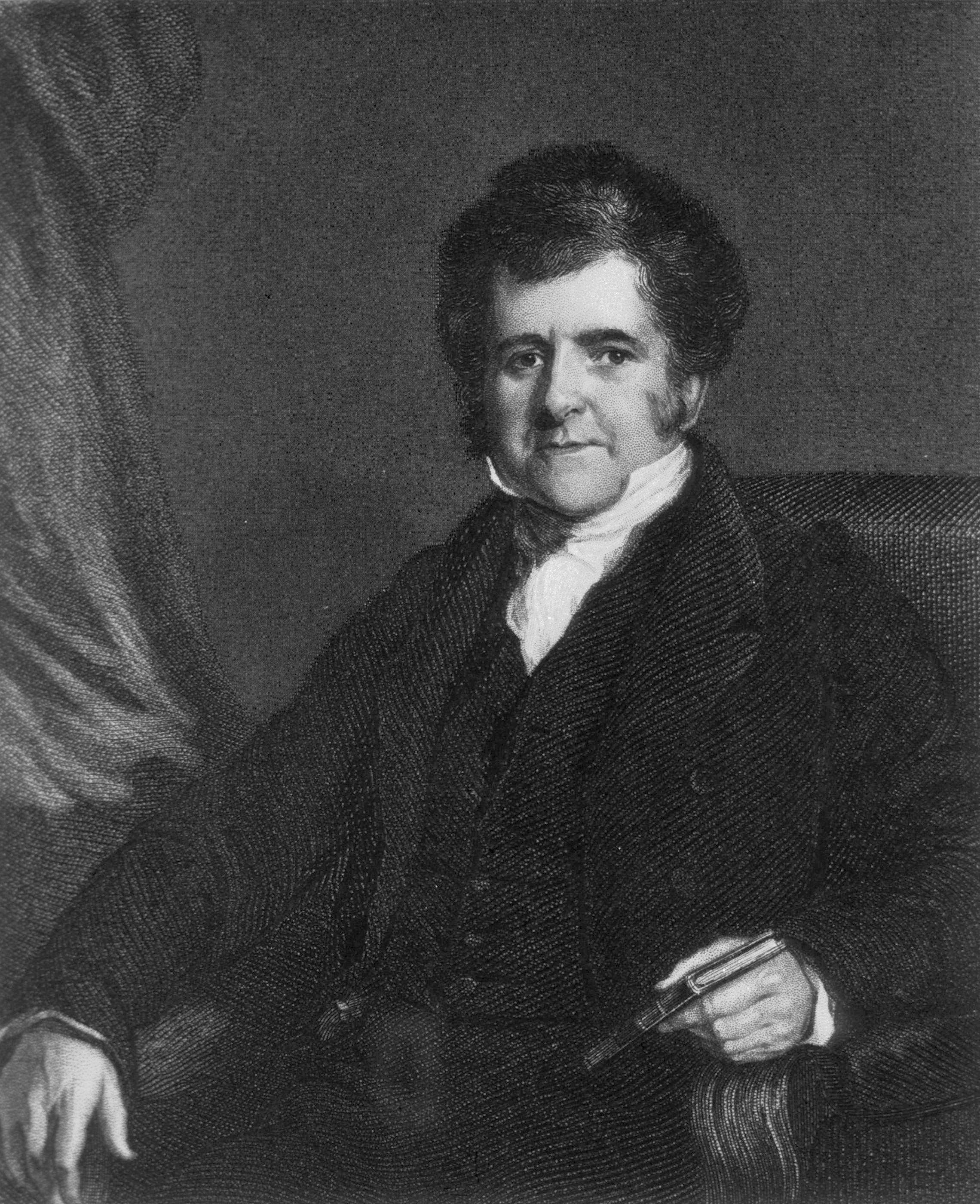
Beside's Bright's classic description of chronic non-suppurative nephritis, known eponymically as “Bright’s disease”, the Reports contain numerous other outstanding contributions to general pathology, neuropathology, …
1827
#3365
Essai sur les maladies de l’oreille interne.
Saissy described a Eustachian bougie; he was probably the first to use this instrument. Besides dealing with the labyrinth, his book discusses diseases of the tympanum and Eustachian tube. English translation, Baltimo…
1827
#6172
Nouvelles recherches sur l’origine, la nature et le traitement de la mole vésiculaire ou grossesse hydatique.
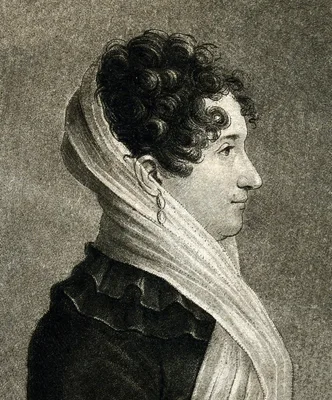
Classic description of hydatidiform mole.
1827
#6709
The gold-headed cane.
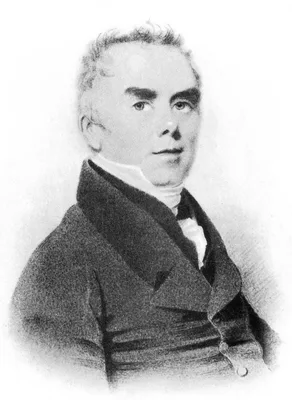
This charming “autobiography” tells of the adventures of the famous gold-headed cane, successively in the possession of Radcliffe, Mead, Askew, William and David Pitcairn, and Baillie, and then retired to a glass case…
1827 –1834
#9545
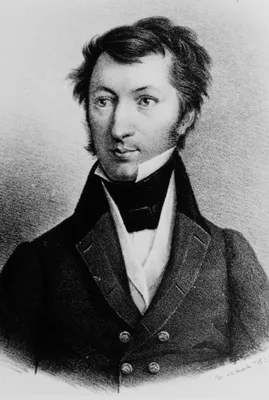
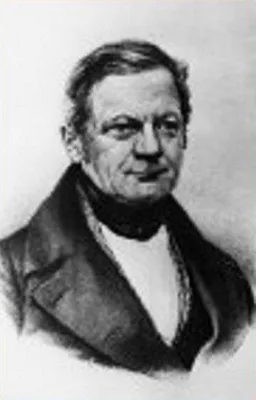
Pharmaceutische Waarenkunde mit illuminirten Kupfern nach der Natur gezeichnet von Ernst Schenk. Begonnen von Friedemann Goebel. Fortgesetzt von Gustav Kunze. 14 parts in 2 vols.
1827
#10507
Charte über die geographische Ausbreitung der Krankheiten.
The first world map of the distribution of human disease. For Schnurrer's work in epidemiology and his map, which was published separately from his books, see Brömer, "The first global map of the distribution of human…
1827
#12863
Anatomie comparée du système dentaire chez l'homme et chez les principaux animaux. Avec trente planches desinées d'après nature, par J. C. Werner, peintre au Muséum.
Some copies of this work were issued with hand-colored plates. The illustrator of this work, Jean-Charles Werner, was one of the most distinguished natural history artists of his time. Digital facsimile of a black & w…
1827
#13198
Synopsis of the Newcastle Museum, late The Allan, formerly The Tunstall, or Wycliffe Museum: To which are prefixed Memoirs of Mr. Tunstall, the founder, and of Mr. Allan, the Late Proprietor, of the collection; with occasional remarks on the species, by those gentlemen and the editor.
Ornithologist and collector Marmaduke Tunstall began collecting for his private museum in London in the 1770s, acquiring numerous 'curiosities brought by Captain Cook'; he moved the collections in 1776 to his home at …
1827
#13539
Pathological and practical observations on spinal diseases: illustrated with cases and engravings. Also, An inquiry into the origin and cure of distorted limbs.
Harrison founded the first infirmary for spinal diseases in London. See Weiner & Silver, "Edward Harrison and the treatment of spinal deformities in the nineteenth century," J. R. Coll. Phys. Edinb., 38 (2006) 265-71.…
1827
#14199
Méthode nouvelle pour le traitement des déviations de la colonne vertébrale; précédée d'un examen critique des divers moyens employés par les orthopédistes modernes.
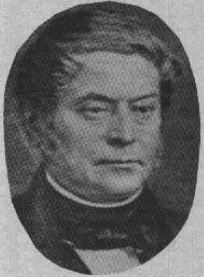
Digital facsimile from Google Books at this link.
1827
#14285
Der Leichnam des Menschen in seinen physischen Verwandlungen nach Beobachtungen und Versuchen.
The human corpse in its physical transformations according to observations and experiments.
1828
#410
Elements of descriptive and practical anatomy.
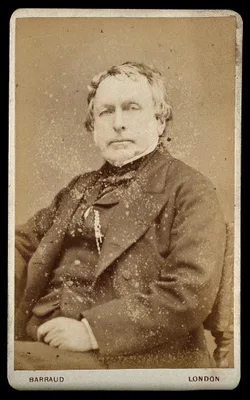
Among the most important of the English textbooks on anatomy. An eleventh edition was published in 1908-29.
1828 –1888
#479
Ueber Entwicklungsgeschichte der Thiere. 2 vols.
Baer, the founder of modern embryology, definitely established the “germ-layer theory”, discovered the notochord and the human ovum, and postulated the law of corresponding stages in embryonic development. With Cuvier…
1828
#767
Recherches sur la force du coeur aortique.
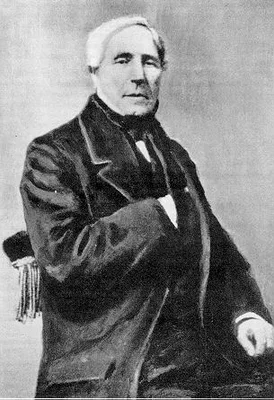
Poiseuille was the first after Stephen Hales to make any important addition to the knowledge of the physiology of circulation. In his graduation thesis, above, he described a “hemodynamometer” invented by himself and …