
1910–1919
772 entries with publication dates in this decade.
1919
#8600
Training school methods for institutional nurses.
Digital facsimiles from the Hathi Trust at this link.
1919
#8795
Über die Anhalonium-Alkaloide I. Anhalin und Mezcalin
Synthesis of mescaline.
1919
#8871
Irish ethno-botany and the evolution of medicine in Ireland.
A discussion of Irish materia medica and a summary of the development of medicine in Ireland from the earliest times. Indices in Gaelic and English. Digital facsimile from the Internet Archive at this link.
1919
#8900
Pioneers of birth control in England and America.
Digital facsimile from Google Books at this link.
1919
#9287
Uses of plants by the Indians of the Missouri River region. Thirty-third annual report of the Bureau of American Ethnology, 1911-1912.
Medicinal and edible plants used by the Dakota, Omaha/Ponca, Winnebago and Pawnee peoples. Gilmore reports on 180 plants, and offers 16 pages of tables of names in various languages. Digital facsimile from the Biodive…
1919
#9436
The medical aspects of mustard gas poisoning.
Digital facsimile from the Internet Archive at this link.
1919 –1933
#10149
The early history of veterinary literature and its British development
Digital facsimile of vol. 1 and limited (search only) of vol. 2-4 from the Hathi Trust at this link.
1919 –1922
#10206
American Frohse anatomical charts. Edited, revised and augmented by Max Brödel. With: A key to the Frohse anatomical charts.
10 wall charts, each 42 x 64 inches, comprising a total of 76 colored illustrations life size or larger. Chart 1: Human Skeleton Chart 2: Muscles, front and back Chart 3: Nervous and Circulatory Systems Chart 4: a Sch…
1919
#10741
The journal of a disappointed man. With an introduction by H. G. Wells.
Published under the pseudonym, Wilhelm Nero Pilate Barbellion. "Cummings' life changed forever when he was called to enlist in the British Army to fight in World War I in November 1915. He had consulted his doctor bef…
1919
#11011
The story of U.S. Army Base Hospital No. 5
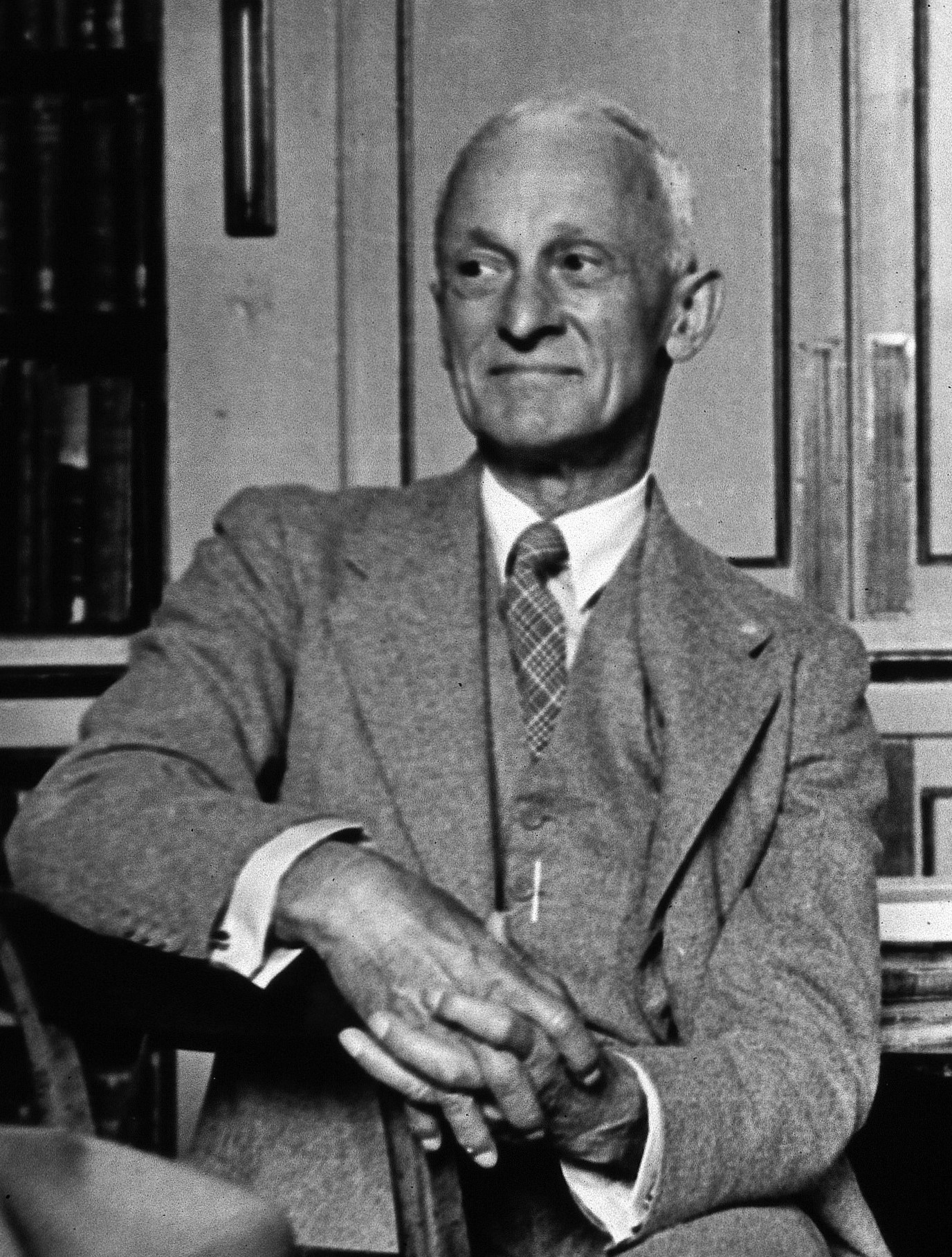
An account of the Base Hospital in which Cushing served in World War I, based upon his wartime diaries. Limited to 250 copies, some of which were issued in cloth-backed printed boards, and others in printed wrappers. …
1919
#11016
Prostitution in Europe. Introduction by John D. Rockefeller, Jr.
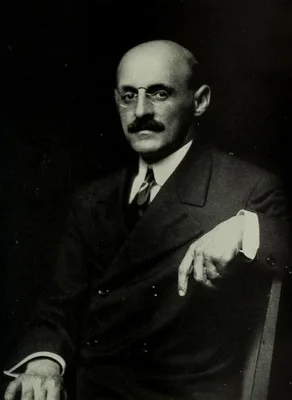
"Publications of the Bureau of Social Hygiene". Digital facsimile from the Internet Archive at this link.
1919
#11031
“Album de la guerre”: Five hundred photographs, seventy drawings and thirteen articles by members of Base Hospital no. 4, U.S.A. . . . and Mobile Hospital no. 5, U.S.A. . . . covering a period of twenty-three months from May 8th, 1917 to April 8th, 1919.
1919
#11486
The amoebae living in man; a zoological monograph.
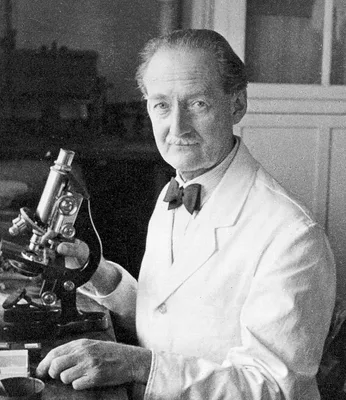
"I have attempted in this monograph to give an accurate and concise account of all the amoebae which live in human beings." Digital facsimile from Biodiversity Heritage Library at this link.
1919
#11739
In Flanders fields and other poems by John McCrae. With an essay in character by Sir Andrew MacPhail.
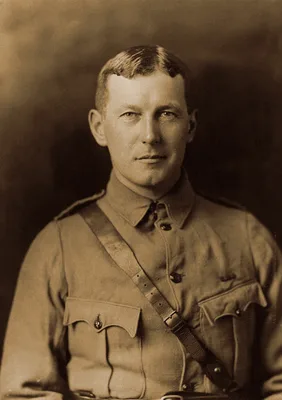
McCrae's poem, In Flanders Fields, was among the most popular poems of World War I. He was inspired to write it on May 3, 1915, after presiding over the funeral of friend and fellow soldier Lieutenant Alexis Helmer, w…
1919
#11983
With the American Ambulance in France.
Born in 1876 Honolulu, James Judd, the grandson of missionaries, was a private practice physician and graduate of Oahu College, Yale and Columbia Universities. He served in three wars: the Spanish-American and World W…
1919
#12006
The use of blood agar for the study of streptococci.
In this monograph with numerous charts and 34 full-page plates Brown classified streptococci into α, β, A prime and γ based on the type and degree of hemolysis produced by the bacteria on a blood agar plate. He also d…
1919
#12248
Thrombosis of the coronary arteries.
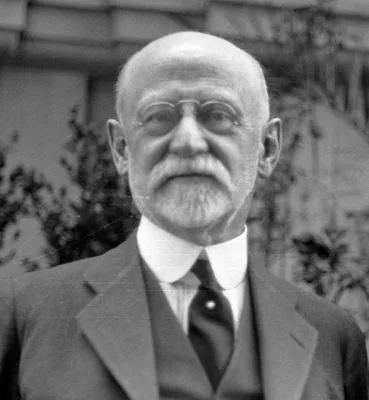
"...includes electrocardiographic tracings of a 42-year-old physician who died "after coronary obstructive symptoms" and of a dog following experimental ligation of a coronary artery. This finding "led Herrick to conc…
1919
#12507
The microscopic anatomy of the teeth.
Digital facsimile of the 1919 edition from Biodiversity Heritage Library at this link. Mummery substantially expanded and retitled the second edition of this work as The microscopic & general anatomy of the teeth huma…
1919
#12557
History of medicine in New York: Three centuries of medical progress. 4 vols.
Digital facsimile from Google Books at this link.
1919 –1968
#12828
Life histories of North American Birds. 23 vols.
One of the most comprehensive repositories of North American ornithology, published over 50 years, in a series of volumes in the United States National Museum Bulletin. Bent used his own experiences traveling over the…
1919
#13372
The old humanities and the new science. An address before the Classical Association, Oxford, May 16th, 1919.
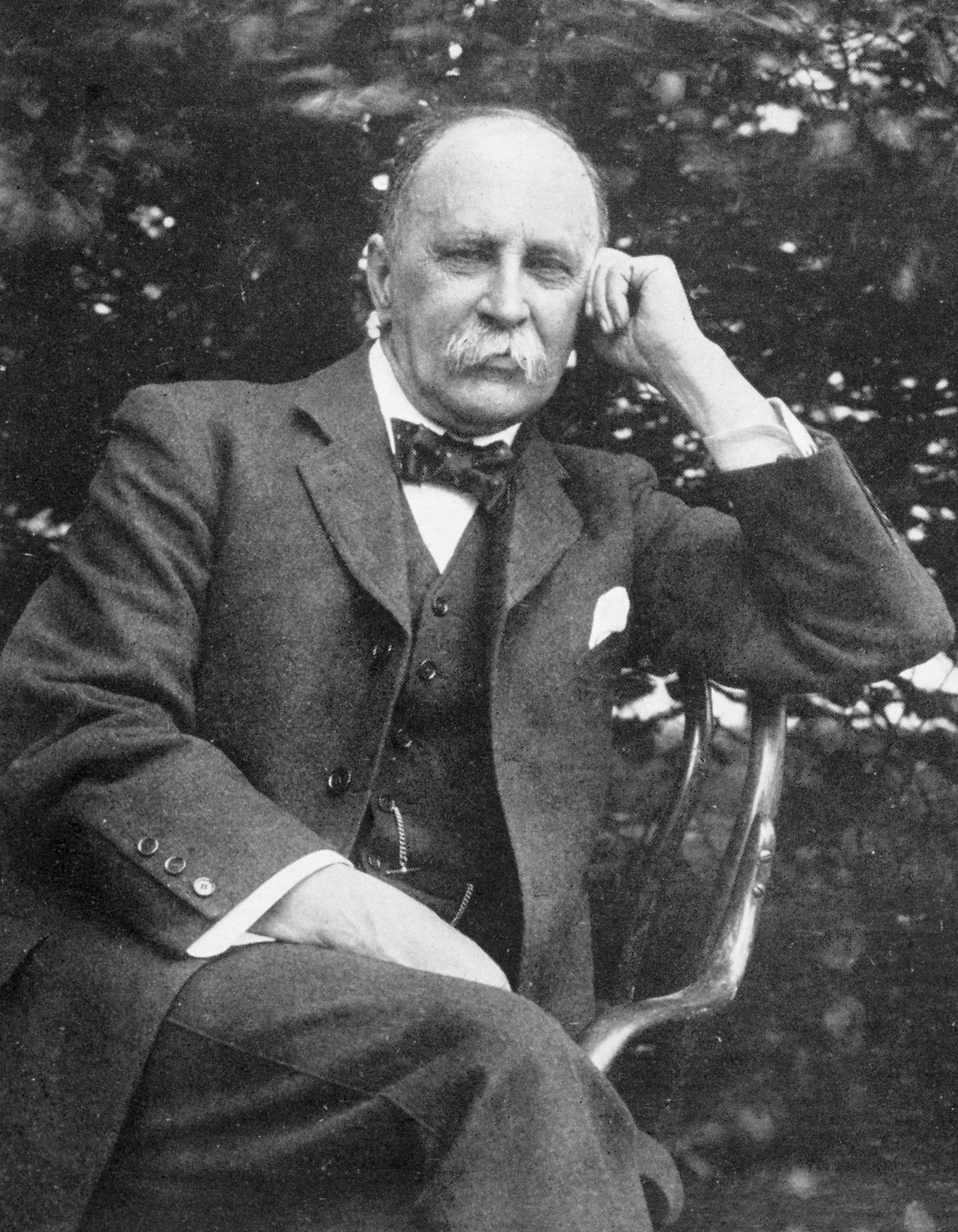
"Osler became a 'despairing optimist' after World War I, in which he lost his son. He closed his last public address, given in May 1919 on “The Old Humanities and the New Science,” with the hope that through the Hippo…
1919
#13915
The physical basis of heredity.
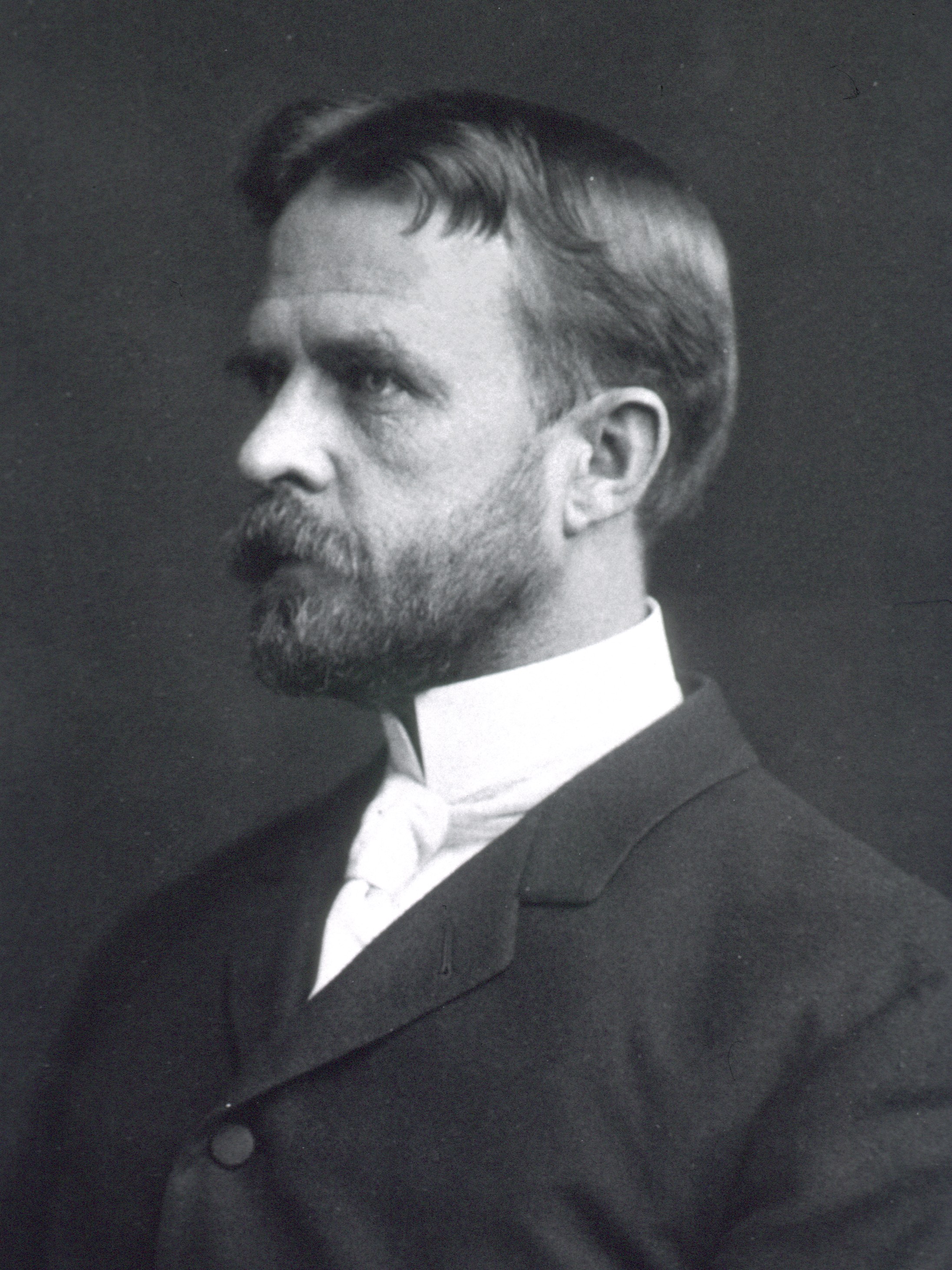
In this book Morgan first used the word gene. Previously he had used the term "Mendelian unit" or "factor." On the basis of genetic analysis Morgan presented a number of characteristics of genes: 1. A gene could have …