
Entry Nos. 2300–2399
96 Garrison-Morton entries in this range.
1950
#2352
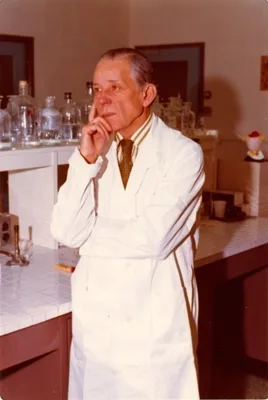
A new and practical B.C.G. skin test (the B.C.G. scarification test) for the detection of the total tuberculous allergy.
1952
#2353
Chemotherapy of human tuberculosis with hydrazine derivatives of isonicotinic acid. (Preliminary report of representative cases.)
Introduction of isoniazid. With I. J. Selikoff and G. G. Omstein. See also Amer. Rev. Tuberc., 1952, 65, 257-442.
1925
#2354
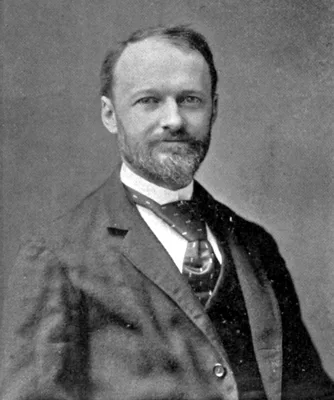
Development of our knowledge of tuberculosis.
1931
#2355
Historie de la tuberculose.
1936
#2356
A short history of tuberculosis.
1936
#2357
Tuberculosis.
Clio Medica series.
1937
#2358
The control of tuberculosis in England, past and present.
1946
#2359
Chemotherapy of tuberculosis. Researches during the past 100 years.
1955
#2360
Historical chronology of tuberculosis. 2nd ed.
1496 –1497
#2362
Tractatus de pestilentiali scorra sive mala de Franzos: originem remediaqu[ue] eiusdem continens.
Grünpeck was first to record mixed primary lesions, multiple primary lesions, and to note the second incubation period of syphilis. A translation of the above is in Arch. Derm. Syph. (Chicago), 1930, 22, 430. Digital …
1497
#2363
Libellus de Epidemia, quam uulgo morbum Gallicum uocant,
One of the earliest treatises on syphilis, and one of the few medical books printed by Aldus Manutius in the 15th century. Leoniceno included a good description of syphilitic hemiplegia. He believed that syphilis was …
1530
#2364
Syphilis sive morbus gallicus.
The most famous of all medical poems. It epitomized contemporary knowledge of syphilis, gave to it its present name, and recognized a venereal cause. Fracastorius refers to mercury as a remedy. First complete English …
1527
#2365
Liber de morbo gallico.
Includes a description of the neurological manifestations of syphilis. Though this work bears the date 1507, Peter Krivatsy, provided evidence that this edition was printed in 1527. See Krivatsy, "Nicola Massa's Liber…
1533
#2366
Morbi gallici novum ac utilissimum opusculum quo vera et omnimoda ejus cura percipi potest.
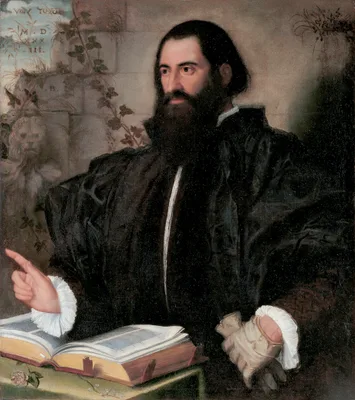
Mattioli considered mercury a specific in the treatment of syphilis. He was probably the first to work extensively on syphilis of the newborn. He is better known for his commentary on Dioscorides.
1539
#2367
Tractado cótra el mal serpentino.
Diaz de Isla, a Barcelonese surgeon, wrote of a disease “previously unknown, unseen and undescribed”, which appeared in Barcelona in 1493 and which was obviously syphilis. This is probably the earliest reference to th…
1552
#2368
La méthode curatoire de la maladie venerienne.
De Héry made a fortune from treating syphilitic patients. He recommended mercurial inunctions and guaiac internally.
1553
#2369
Von der frantzösischen kranckheit drey Bücher.
Paracelsus suggested the hereditary transmission of syphilis and advocated mercury internally, as an antisyphilitic. He called the disease “French gonorrhoea” and thus started the confusion over the geographic origins…
1563
#2370
De morbo gallico.
Falloppius was one of the first prominent opponents of the use of mercury in syphilis. He distinguished syphilitic and non-syphilitic condylomata.
1563
#2371
Certaine works of chirurgerie.

Includes the first mention of syphilis in the English literature. Facsimile reprint, New York, Da Capo Press, 1971.
1566 –1567
#2372
De morbo gallico omnia quae extant. 3 vols.
A collection of important writings on syphilis to 1500. Boerhaave published a revision of this work in 1728, covering the period 1495-1566.
1579
#2373
A short and profitable treatise touching the cure of the morbus gallicus by unctions.
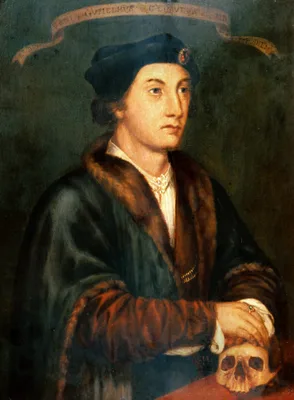
William Clowes, the greatest of the Elizabethan surgeons, published the first original English treatise on syphilis. It was his first work; it demonstrates the prevalence of the disease at that time (Clowes says that …
1579
#2374
Deluis venereae curatione perfectissima liber.
French translation, Paris, 1879.
1684
#2375
Tuta, ac efficax luis venereae, saepe absque mercurio, ac semper absque salivatione mercuriali curando methodus.
Abercromby advanced the idea that syphilis was caused by a parasite, and promoted mercury as a treatment. Digital facsimile from Google Books at this link.
1774
#2376
Morborum antiquitates.
Pp. 85-100: “Lists 191 semeiological varieties of syphilis described in the period” (Garrison).
1786
#2377
A treatise on the venereal disease.
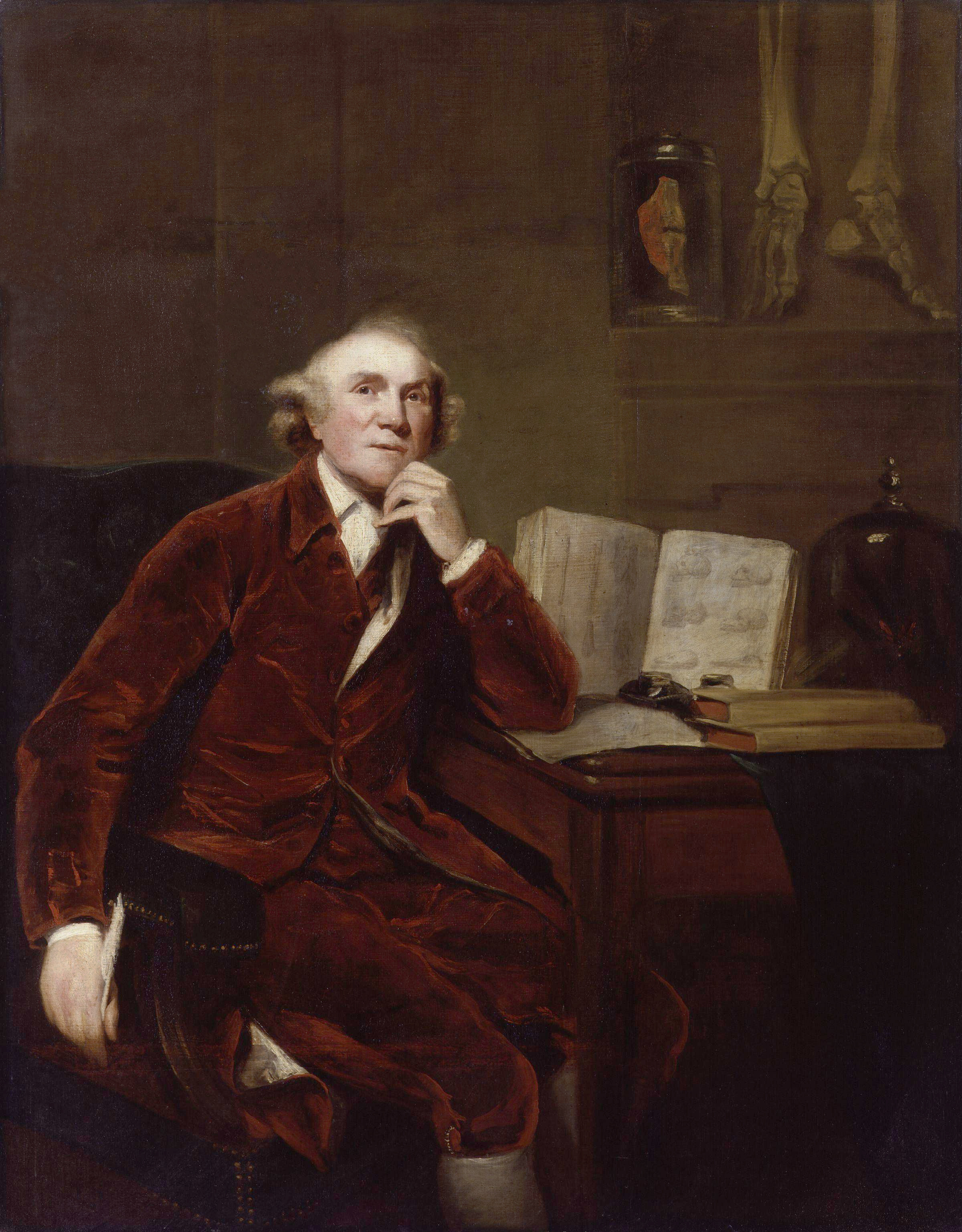
In Hunter's day venereal diseases were thought to be due to a single poison. To test this theory Hunter experimented with matter taken from a gonorrhoeal patient who, unknown to Hunter, also had syphilis. Hunter maint…
1793
#2378
A treatise on gonorrhoea virulenta, and lues venerea. 2 vols.
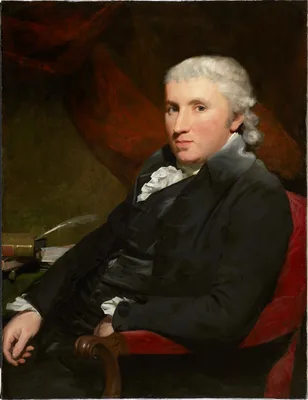
Bell was the first to differentiate between gonorrhoea and syphilis.
1835 –1836
#2379
Treatment of the venereal disease by the hydriodate of potash, or iodide of potassium.
Wallace introduced potassium iodide in the treatment of syphilis, reporting good results in 139 patients.
1837
#2380
Practical observations on the venereal disease, and on the use of mercury.
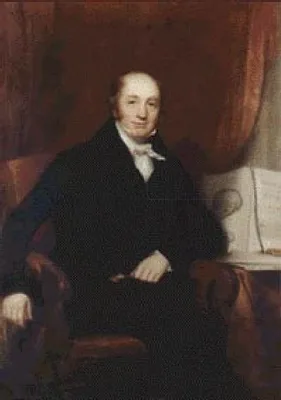
“Colles’s law” is stated on. p. 304. Colles introduced small doses of mercury in the treatment of syphilis. He was Professor of Surgery at Dublin.
1838
#2381
Traité pratique des maladies vénériennes.
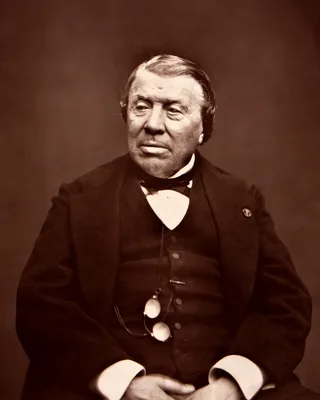
Includes the description of “Ricord’s chancre”, the initial lesion in syphilis. Ricord re-demonstrated the specific character of syphilis and divided it into the three stages, primary, secondary, and tertiary. Repeati…
1854
#2383
Traité de la syphilis des nouveau-nés et des enfants à la mamelle.
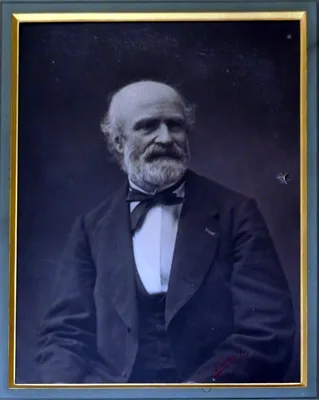
An important work on congenital syphilis. English translation, 1859.
1856
#2384
First demonstration of the experimental inoculability of syphilis. The information is given in a discussion on the subject by the Society of Physicians of the Palatinate; it appeared anonymously, without title, and id…
1858
#2385
Ueber die Natur der constitutionell-syphilitischen Affectionen.
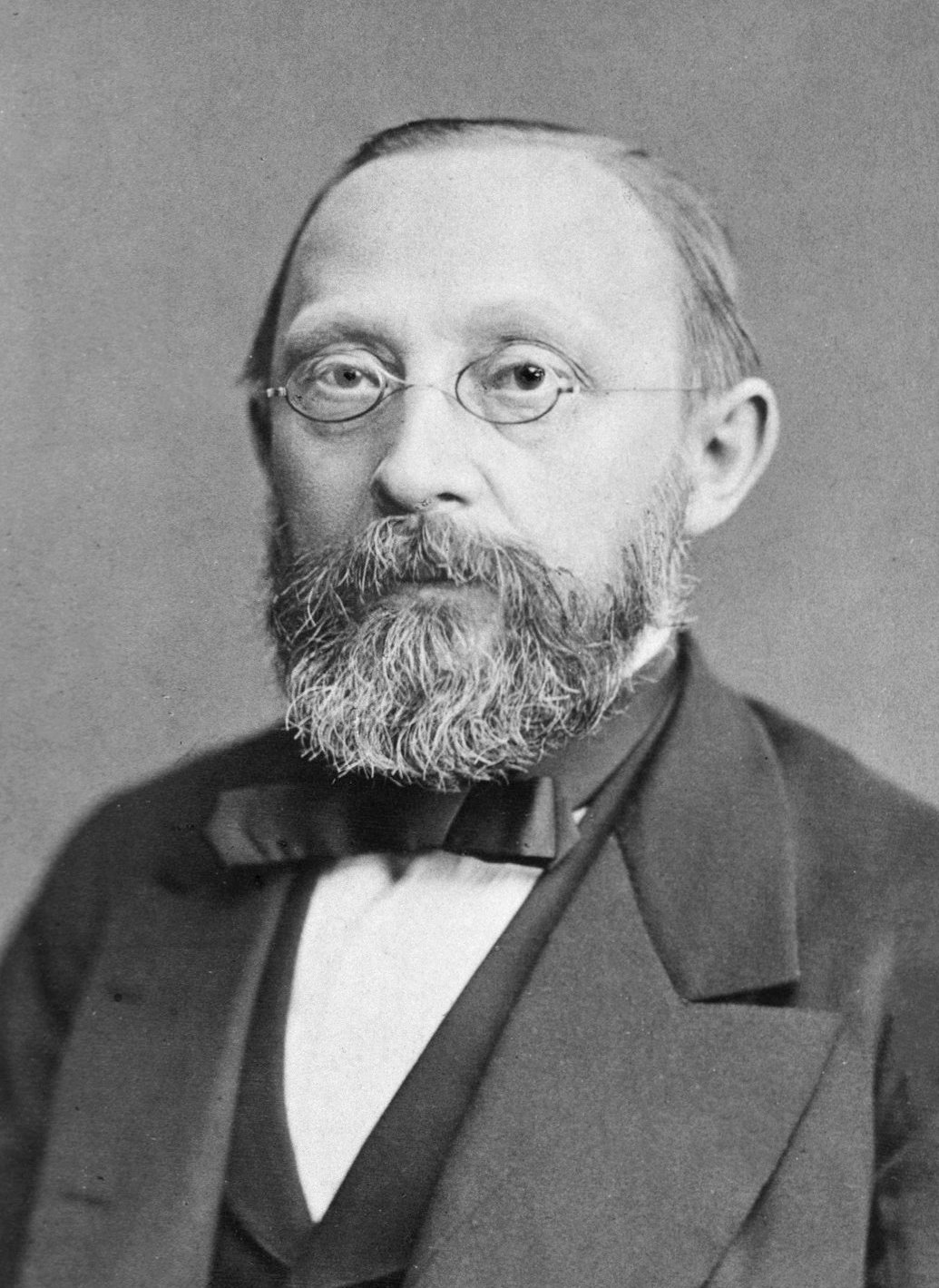
Virchow’s great work on the pathology of syphilis confirmed the fact that it was a disease which involved all organs and tissues of the body and showed that the causal organism was transferred through the blood to the…
1858
#2386
Report on the effects of infantile syphilis in marring the development of the teeth.
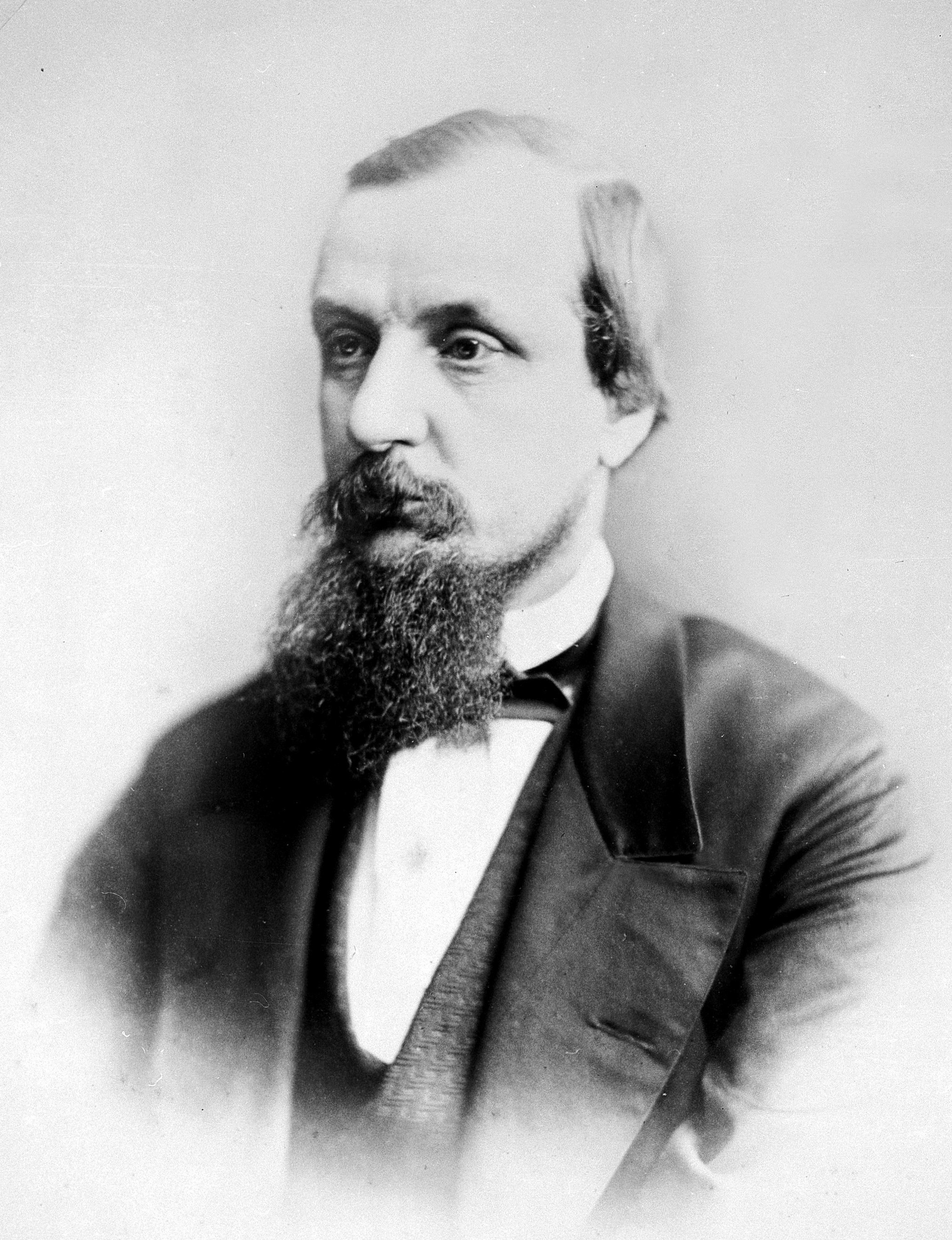
Hutchinson of St. Bartholomew’s Hospital, is memorable for his original description of the notched incisors (“Hutchinson’s teeth”) in congenital syphilis. His name is also associated with “Hutchinson’s triad” (interst…
1861
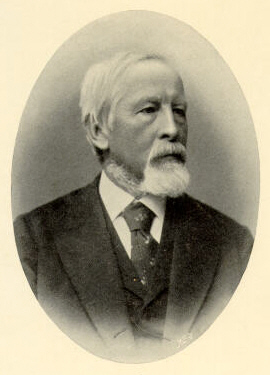
#2387
Untersuchungen über den constitutionellen Mercurialismus und sein Verhältniss zur constitutionellen Syphilis.
1862
#2388
Della trasmissione delle sifilide mediante la inoculazione del sangue.
Proof of the possibility of transmission of syphilis by blood transfusion.
1863
#2389
On the syphilitic affections of internal organs.
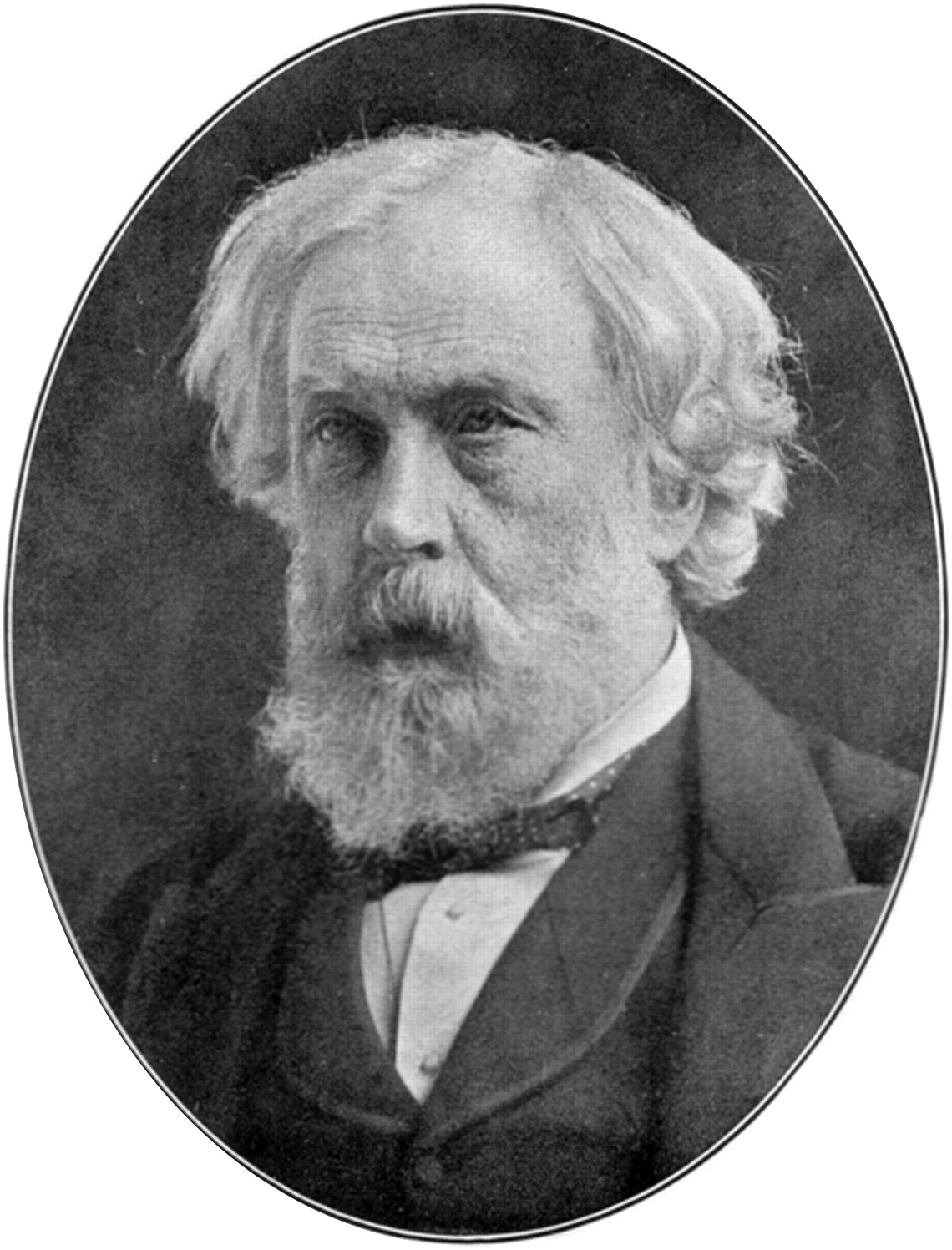
Wilks’s outstanding work was on visceral syphilis, a subject which he was one of the first to study.
1865
#2390
Sulla sifilide per allattamento.
Profeta’s law – a non-syphilitic child born of syphilitic parents is immune.
1876 –1877
#2391
On irregular and defective tooth development.
“Moon’s molars”, the first molars in congenital syphilitics.
1878 –1879
#2392
Das Contagium der Syphilis. Eine experimentelle Studie.
Klebs inoculated syphilis into apes and probably saw the spirochete before Schaudinn and Hoffmann.
1886
#2393
La syphilis héréditaire tardive.
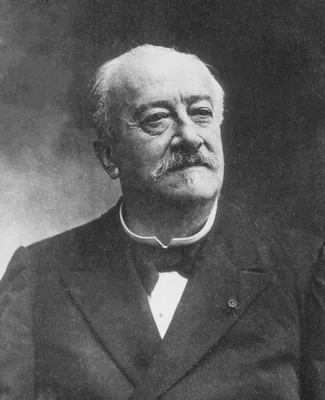
Fournier, one of the greatest syphilologists, did more than any other person to develop the knowledge regarding congenital syphilis. Through his writings, the importance of syphilis as a cause of degenerative diseases…
1889
#2394
Expériences sur la toxicité du bismuth.
Balzer was the first to suggest bismuth in the treatment of syphilis.
1897
#2395
Les chancres extra-génitaux.
1895
#2396
Therapeutische Versuche bei Syphilis.
Jarisch-Herxheimer reaction; see also No. 2397.
1902
#2397
Ueber eine bei Syphilitischen vorkommende Quecksilberreaktion.
See No. 2396.
1903 –1904
#2398
Études expérimentales sur la syphilis.
Metchnikoff and Roux successfully transmitted syphilis from man to the higher apes. Although not the first to do this, they recorded much new information concerning the disease.
1905
#2399
Vorläufiger Bericht über das Vorkommen von Spirochaeten in syphilitischen Krankheitsprodukten und bei Papillomen.
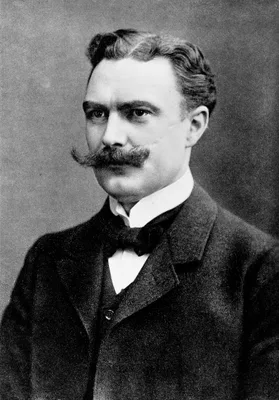
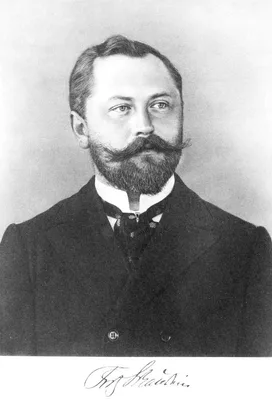
On March 3, 1905, Schaudinn discovered the causal organism of syphilis Spirochaeta pallida, in serum obtained from a genital lesion by Hoffmann. Schaudinn later renamed the spirochete Treponema pallidum.