
Entry Nos. 4700–4799
97 Garrison-Morton entries in this range.
1884
#4747
Ueber die juvenile Form der progressiven Muskelatrophie und ihre Beziehungen zur sogenannten Pseudohypertrophie der Muskeln.
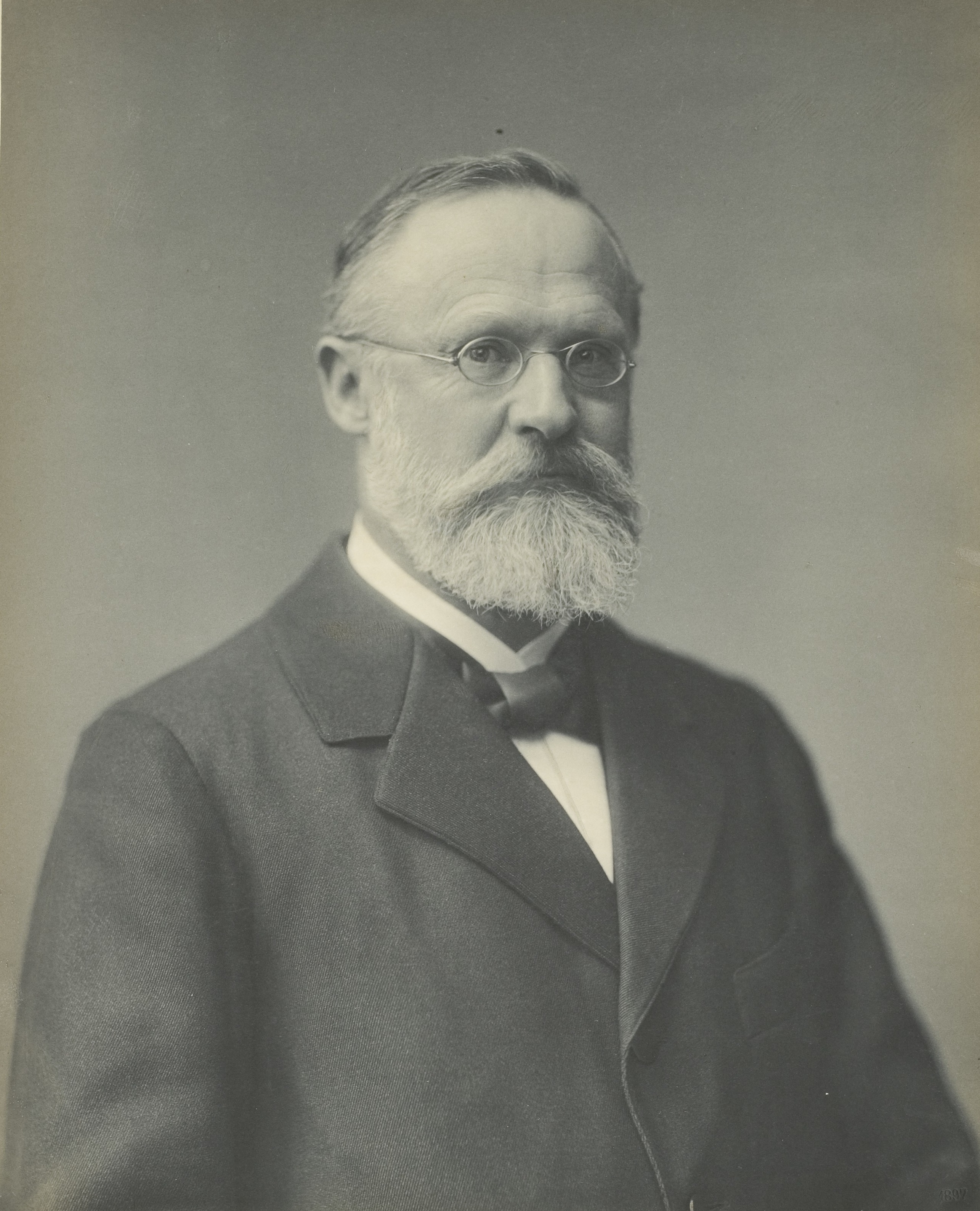
Progressive muscular dystrophy (“Erb’s muscular atrophy”). Erb did much to establish the modern conception of the muscular dystrophies.
1885
#4748
Contribution à l’étude des paralysies radiculaires du plexus brachial.
First description of atrophic paralysis of the muscles of the hand following lesion of the brachial plexus and eighth cervical and first dorsal nerves (“Klumpke’s paralysis”).
1886
#4749
Sur une forme particuliére d’atrophie musculaire progressive souvent familiale débutant par les pieds et les jambes et atteignant plus tard les mains.
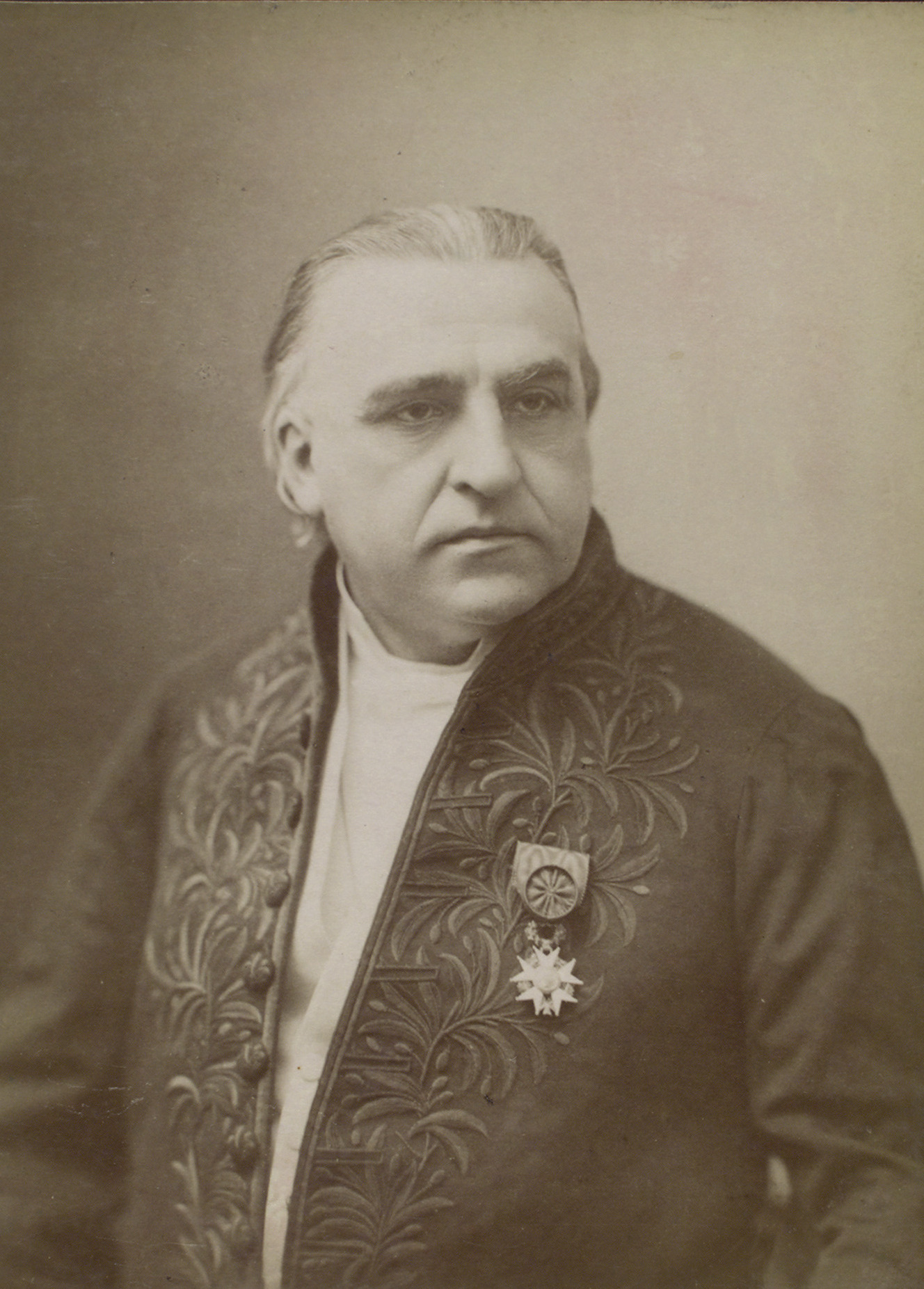
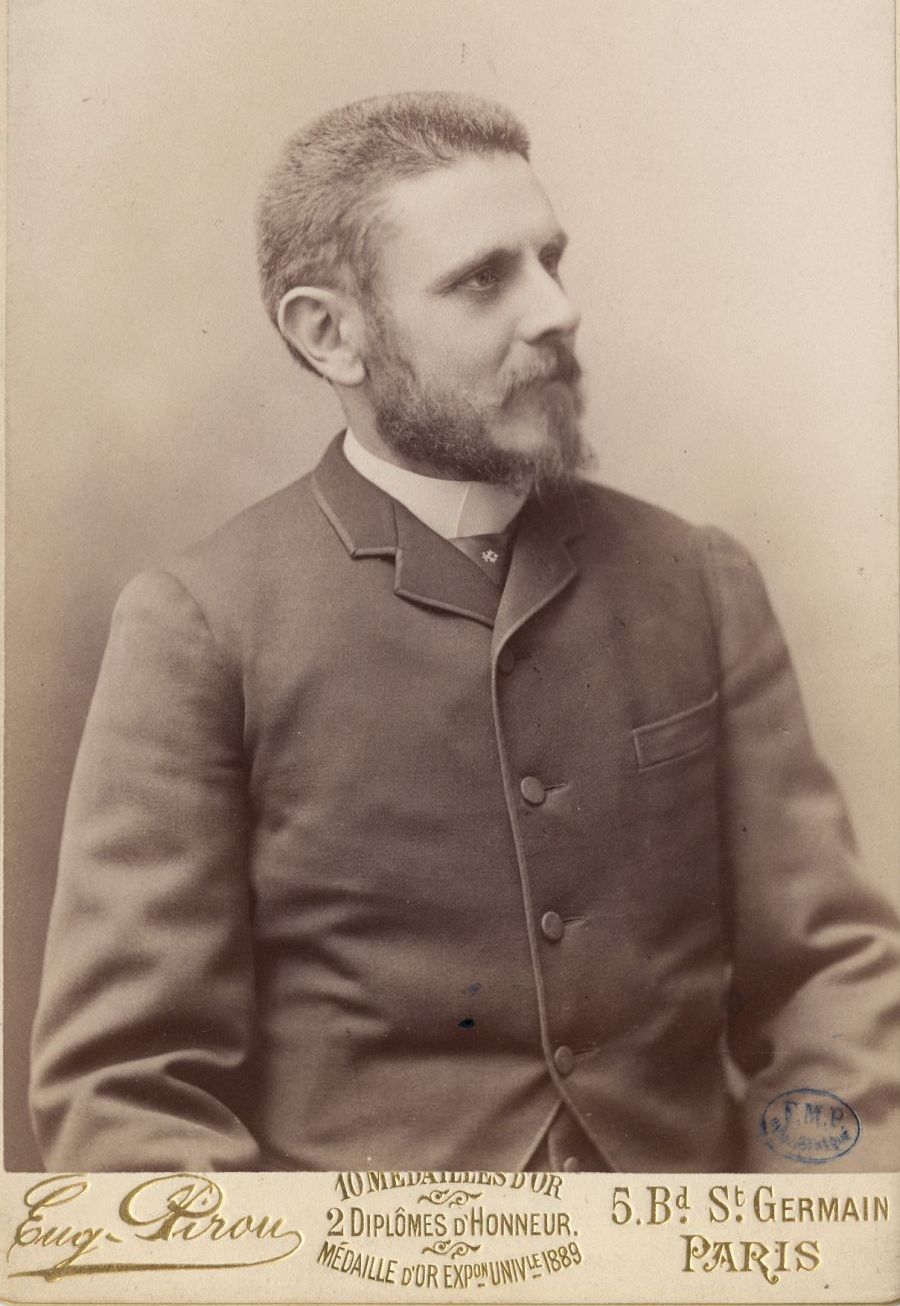
First description of the peroneal form of muscular atrophy, the so-called Charcot–Marie–Tooth type.
1886
#4750
The peroneal type of progressive muscular atrophy. Thesis for the degree of M.D. in the University of Cambridge.
Tooth described peroneal muscular atrophym a hereditary motor and sensory neuropathy of the peripheral nervous system, independently of, and in the same year as, Charcot and Marie. Known as Charcot-Marie-Tooth (CMT) d…
1886
#4752
Contribution à l’étude de la myopathie atrophique progressive (myopathie atrophique progressive, à type scapulo-huméral).
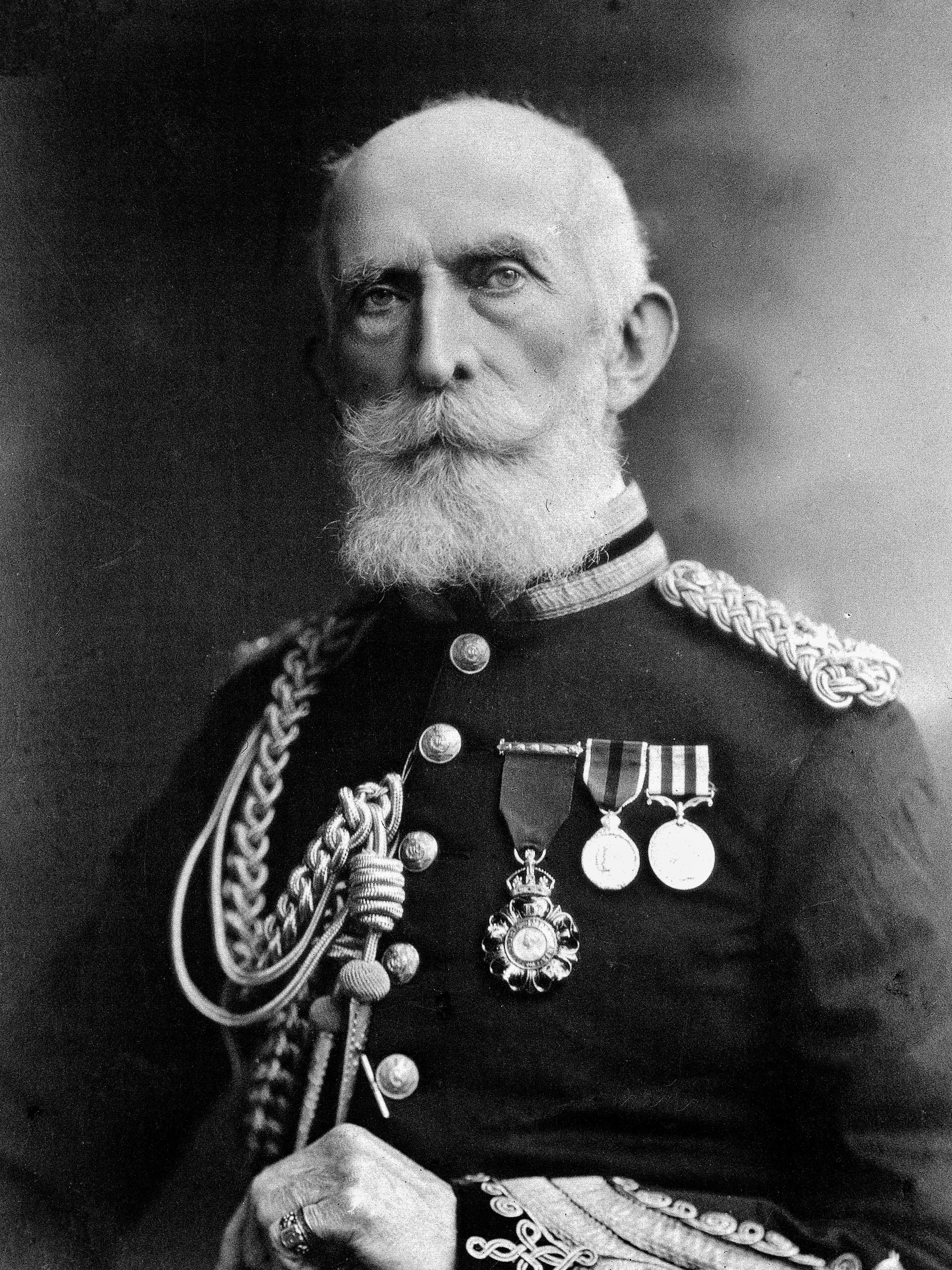
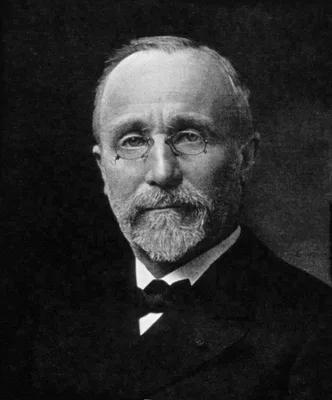
“Landouzy–Dejerine type” of progressive muscular dystrophy.
1888
#4753
An atypical case of Thomsen’s disease (myotonia congenita).
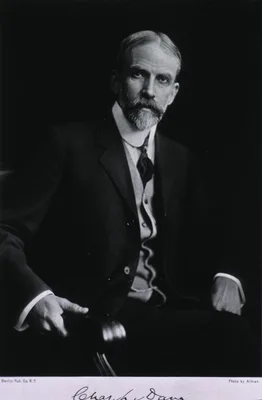
Dana described a combination of myotonia and muscular atrophy.
1890
#4754
Étude clinique sur la maladie de Thomsen (myotonie congénitale).
First description of dystrophia myotonica (“Déléage’s disease”).
1891
#4755
Zwei frühinfantile hereditäre Fälle von progressiver Muskelatrophie unter dem Bilde der Dystrophie, aber auf neurotischer Grundlage.
“Werdnig-Hoffmann muscular atrophy”, an infantile familial form of progressive muscular atrophy. Hoffmann independently described it (see No. 4756).
1891 –1893
#4756
Ueber chronische spinale Muskelatrophie im Kindesalter, auf familiärer Basis.
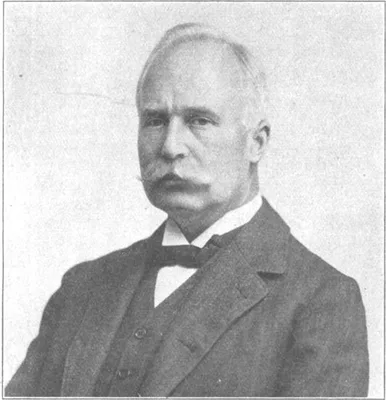
“Hoffmann’s muscular atrophy” – independently described by Werdnig (No. 4755).
1893
#4757
Ueber einen scheinbar heilbaren bulbärparalytischen Symptomen-complex mit Betheiligung der Extremitäten.
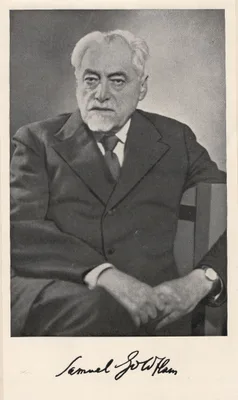
Myasthenia pseudoparalytica (Erb–Goldflam symptom complex). See No. 4746.
1895
#4758
Contribution à l’étude de l’atrophie musculaire progressive type Duchenne–Aran.
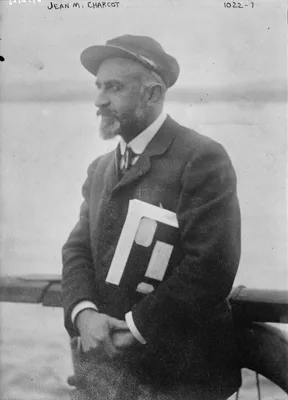
Digital facsimile from the Internet Archive at this link.
1897
#4759
Existe-t-il une atrophie musculaire progressive Aran-Duchenne?
Marie disbelieved in the Aran–Duchenne type of muscular progressive atrophy.
1900
#4760
Ueber allgemeine und localisierte Atonie der Muskulatur (Myatonie) im frühen Kindesalter.
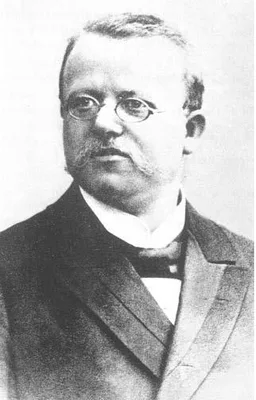
First description of “Oppenheim’s disease” – amyotonia congenita.
1901
#4761
Pathologisch-anatomischer Beitrag zur Erb’schen Krankheit (Myasthenia gravis).
Weigert noted the connection of myasthenia gravis with hypertrophy of the thymus.
1902
#4762
On myopathy and a distal form.
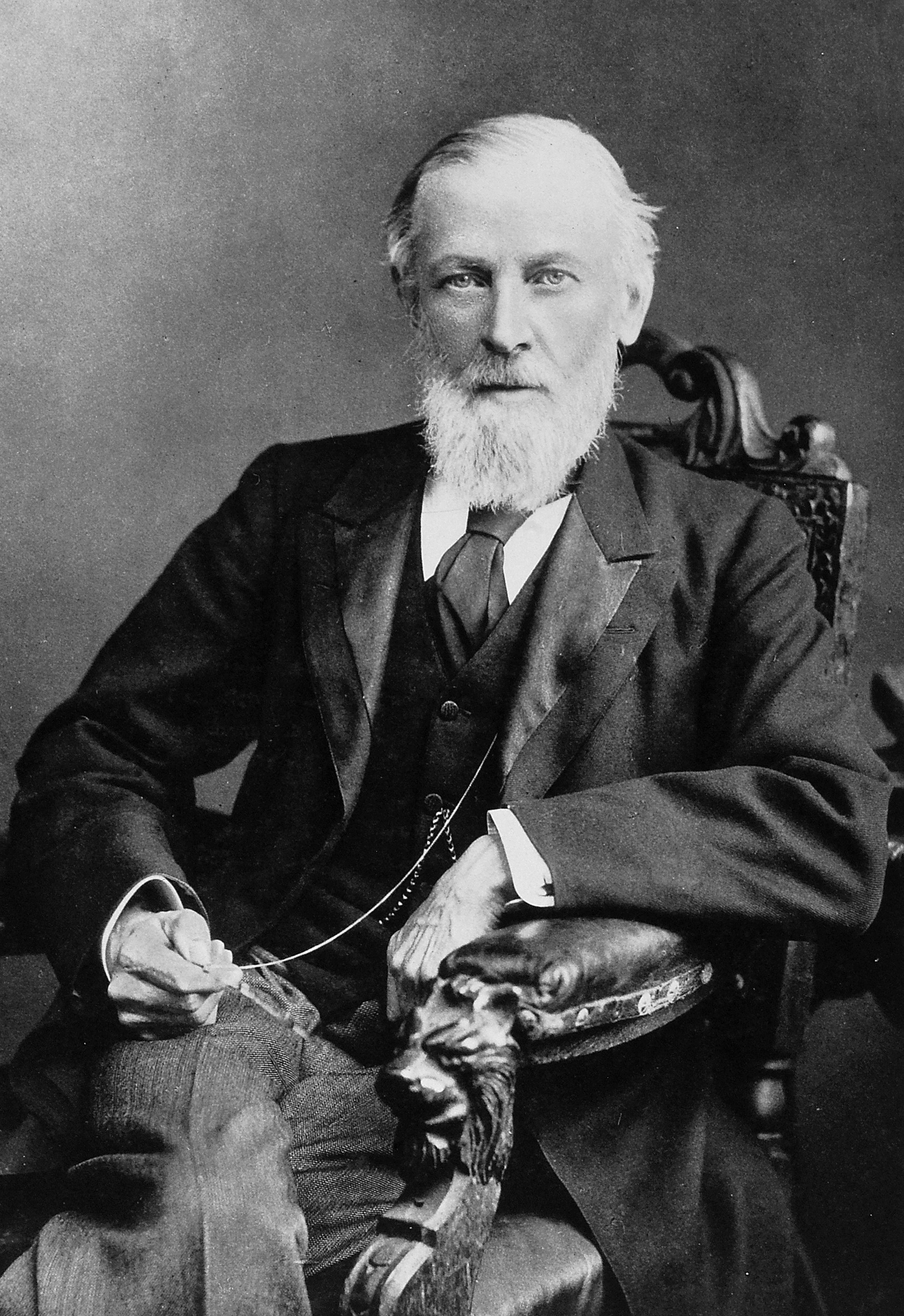
“Distal myopathy of Gowers”, a form of progressive muscular dystrophy.
1907
#4763
Traité des torticolis spasmodiques.
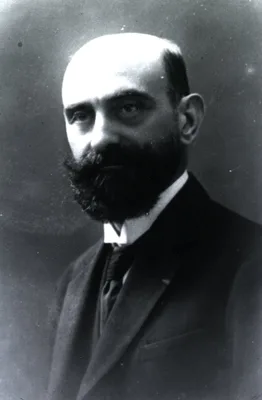
In this classic monograph, 357 cases of torticollis are recorded.
1912 –1913
#4764
Thymektomie bei einem Fall von Morbus Basedowi mit Myasthenie.
Thymectomy for myasthenia gravis. Reported by C. H. Schumacher and – . Roth.
1930
#4765
A report of progress on the use of ephedrine in a case of myasthenia gravis.
Harriet Edgeworth discovered by accident the beneficial effect of ephedrine in myasthenia gravis. Digital facsimile from jamanetwork.com at this link.
1932
#4766
Myasthenia gravis: a preliminary report on the effect of treatment with glycine.
Introduction of glycine (glycocoll) in the treatment of myasthenia gravis.
1932
#4767
Zur Pathogenese und Therapie der Myasthenie gravis pseudoparalytica.
Introduction of neostigmine in the treatment of myasthenia gravis.
1934
#4768
Treatment of myasthenia gravis with physostigmine.
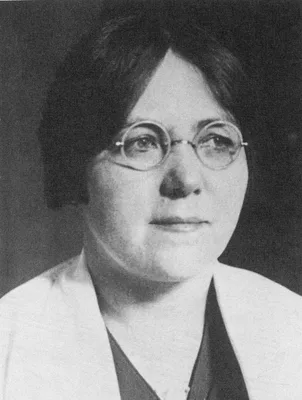
Introduction of physostigmine in treatment of myasthenia gravis. She replaced this with neostigmine in 1935 (Proc. roy. Soc. Med., 28, 759-61).
1935
#4769
The influence of large doses of potassium chloride on myasthenia gravis.
Potassium salts first used in treatment of myasthenia gravis.
1938
#4770
The response of the myasthenic state to guanidine hydrochloride.
Guanidine first used in treatment of myasthenia gravis. With K. Dodd and S. S. Riven.
1939
#4771
Myasthenia gravis and tumors of the thymic region. Report of a case in which the tumor was removed.
First deliberate treatment of myasthenia gravis by thymectomy, with M. F. Mason, H. J. Morgan, and S. S. Riven.
1817
#4772
De myelophthisi chronica vera et notha.
First important account of tabes dorsalis.
1827
#4773
De tabe dorsuali praelusio.
Gives the views of his father, Ernst Horn (1744-1848), on tabes.
1858 –1859
#4774
De l’ataxie locomotrice progressive.
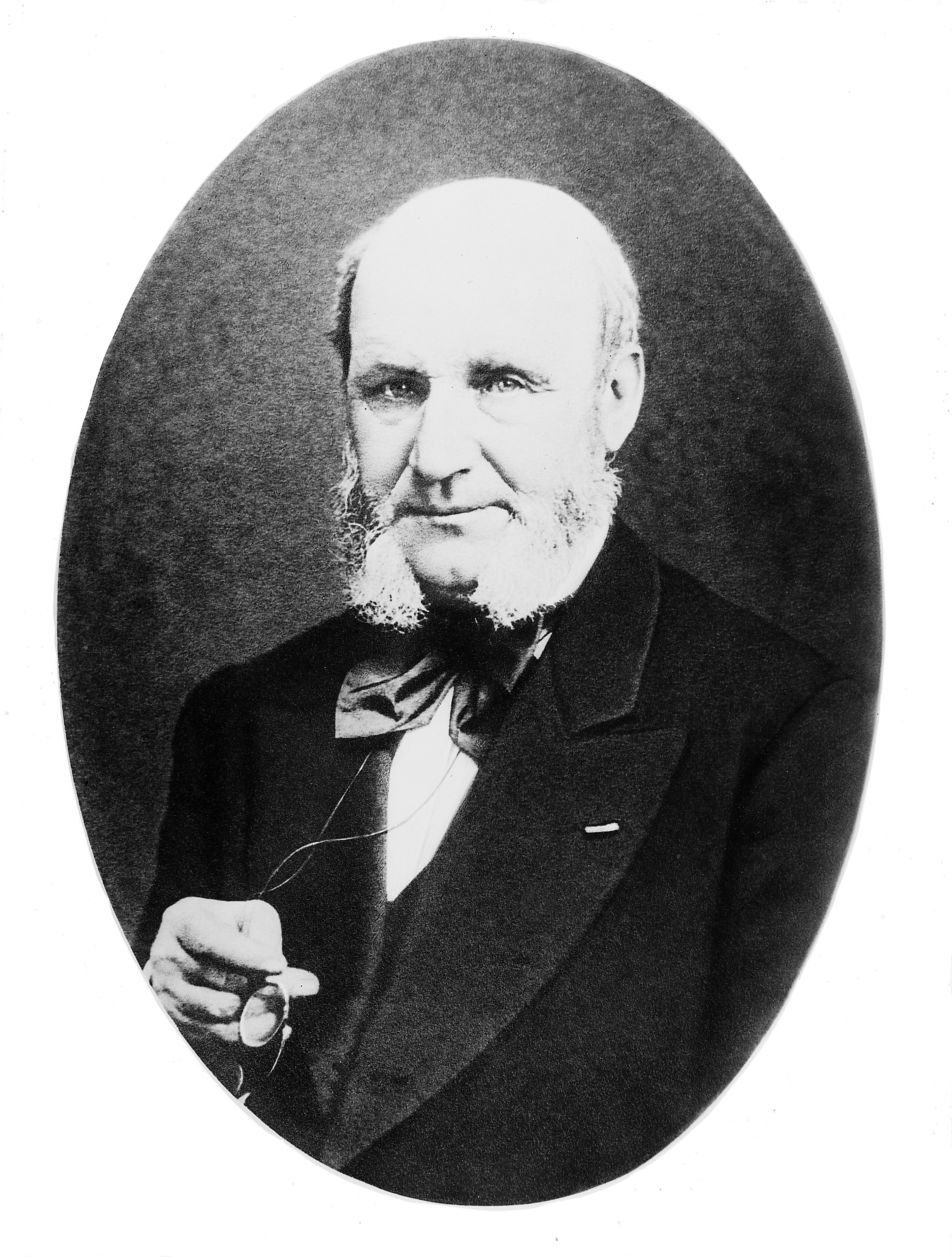
Although far from being the first to describe tabes dorsalis, Duchenne gave a classic account of the condition, earning the eponym “Duchenne’s disease”.
1866
#4775
Douleurs fulgurantes de l’ataxie sans incoordination des mouvements; sclérose commençante des cordons postérieurs de la moëlle épinière.
First clinical description of the electric pains in tabes.
1866
#4776
Des troubles gastriques dans l’ataxie locomotrice progressive. Thèse pour le doctorat en médecine. No. 250.
Tabetic gastric crises first described. Digital facsimile from the Internet Archive at this link.
1868
#4778
Case of cerebral disease in a syphilitic patient.
Syphilitic endarteritis of cerebral arteries described.
1869
#4779
Remarks on a case of locomotor ataxy with hydrarthrosis.
An early description of the joint symptoms in tabes dorsalis.
1875
#4780
Ueber Sehnenreflexe bei Gesunden und bei Rückenmarkskranken.
Knee-jerk first used as diagnostic measure in tabes dorsalis.
1875
#4781
Ueber einige durch mechanische Einwirkung auf Sehnen und Muskeln hervorgebrachte Bewegungs-Erscheinungen.
Westphal discovered the diagnostic value of the knee-jerk simultaneously with Erb.
1882
#4782
De l’ataxie locomotrice d’origine syphilitique.
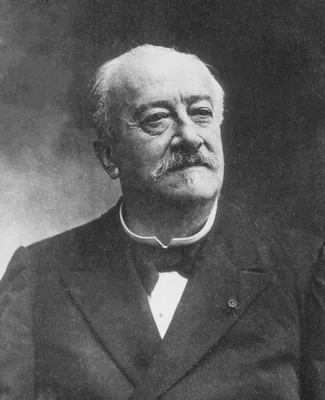
Fournier advanced the doctrine of the syphilitic origin of tabes, a hypothesis which was opposed for a time.
1887
#4784
Sur un cas de paraplégie par névrites périphériques, chez un ataxique morphiomane.
First description of peripheral neuritis, “Dejerine’s neurotabes”.
1889
#4785
Sur l’atrophie musculaire des ataxiques.
Dejerine ranks high in French neurology. He became clinical chief at the Salpêtrière. He separated peripheral from medullary tabes, wrote on the tabetic muscular atrophies, on the parietal lobe syndrome, and made many…
1890
#4786
Die Therapie atactischer Bewegungsstörungen.
Frenkel devised certain muscular exercises for use in the treatment of tabes dorsalis.
1892
#4788
Ueber syphilitische Spinalparalyse.
Erb’s classic description of syphilitic spinal paralysis, sometimes called “Erb’s disease”.
1892
#4789
Die Aetiologieder Tabes.
English translation, 1900.
1898
#4791
Augenkrisen bei Tabes dorsalis.
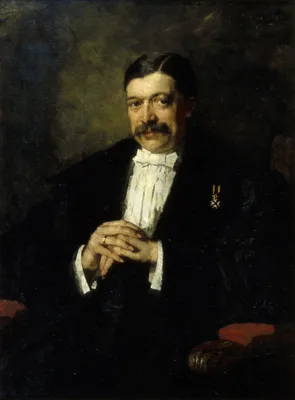
“Pel’s crises” – the ocular crises in tabes.
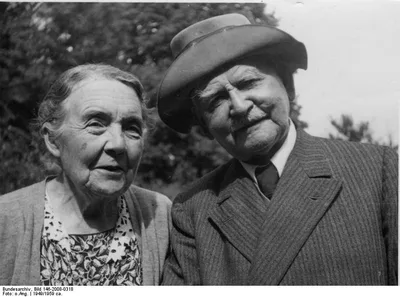
1902
#4792
Syphilis und Nervensystem.
1798
#4794
Observations on insanity.
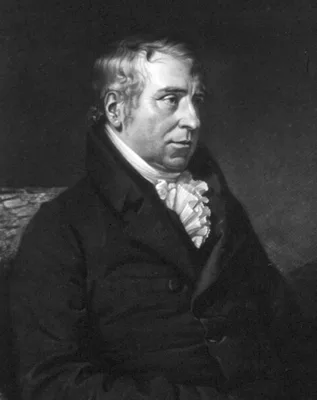
Haslam was among the first to describe general paralysis; he recorded three cases (pp. 64, 67, 92, 120).
1822
#4795
Recherches sur l’arachnitis chronique, la gastrite et la gastro-entérite chroniques, et la goutte: Considerées comme causes de l'aliénation mentale. Thèse No. 247.
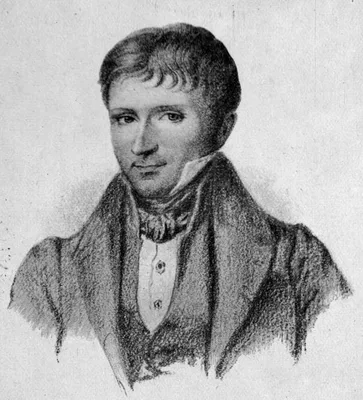
First description of general paresis, or paralytic dementia, general paralysis of the insane, or "maladie de Bayle". This is considered the first demonstation of an organic cause for a "psychiatric" disorder; it was i…
1824
#4796
Considérations sur une espèce de paralysie qui affecte particulièrement les aliénés. Thèse [pour le doctorat en médecin] No. 224.
Delaye, a pupil of Esquirol, selected for his thesis the subject of “incomplete general paralysis of the insane”, which he differentiated from other forms of paralysis. He recorded the early signs of the disease, emph…
1826
#4797
De la paralysie consideree chez les aliénés.
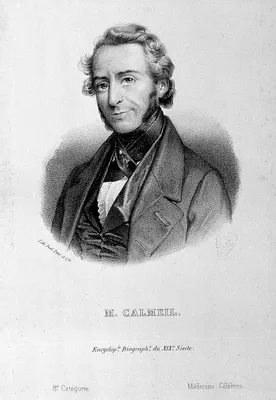
Classic description of general paralysis. Calmeil’s work complements Bayle’s earlier delineation of general paralysis (No. 4795). Between the two of them they established the clinical picture of general paralysis of t…
1838
#4798
Des maladies mentales. 2 vols. and atlas.
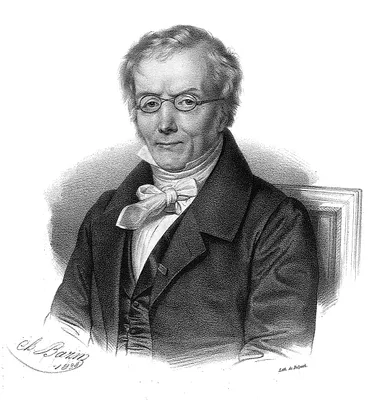
Esquirol succeeded Pinel at the Salpêtrière, and was the first lecturer on psychiatry. After Pinel he was a founder of the French School. This is the first modern textbook on psychiatry. It is notable for its striking…
1877
#4799
A case of general paralysis at the age of sixteen.
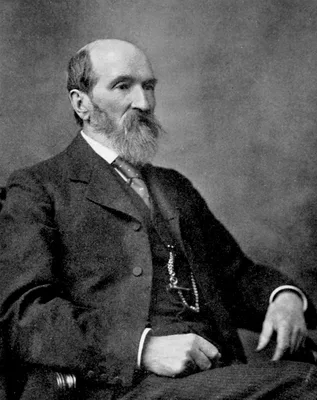
Clouston, eminent English psychiatrist, was the first definitely to recognize the relationship between paresis and congenital syphilis and to report a case. This paper is also of interest as being the only recorded ca…