
Entry Nos. 600–699
98 Garrison-Morton entries in this range.
1901 –1911
#652
Fisiologia dell’uomo. 4 vols.
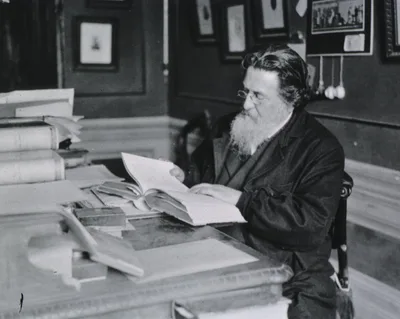
5th edition (5 vols.), 1919-21; English translation (5 vols.), London, 1911-21. Luciani was professor of physiology successively at Siena, Florence, and Rome.
1902
#653
Untersuchungen zur Thermodynamik der bioelektrischen Ströme.
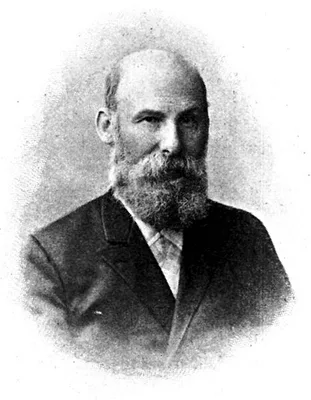
Bernstein’s studies on the nature of muscular contraction included the observation that changes in surface tension are a controlling factor in the development of the energy of muscular contraction.
1906
#654
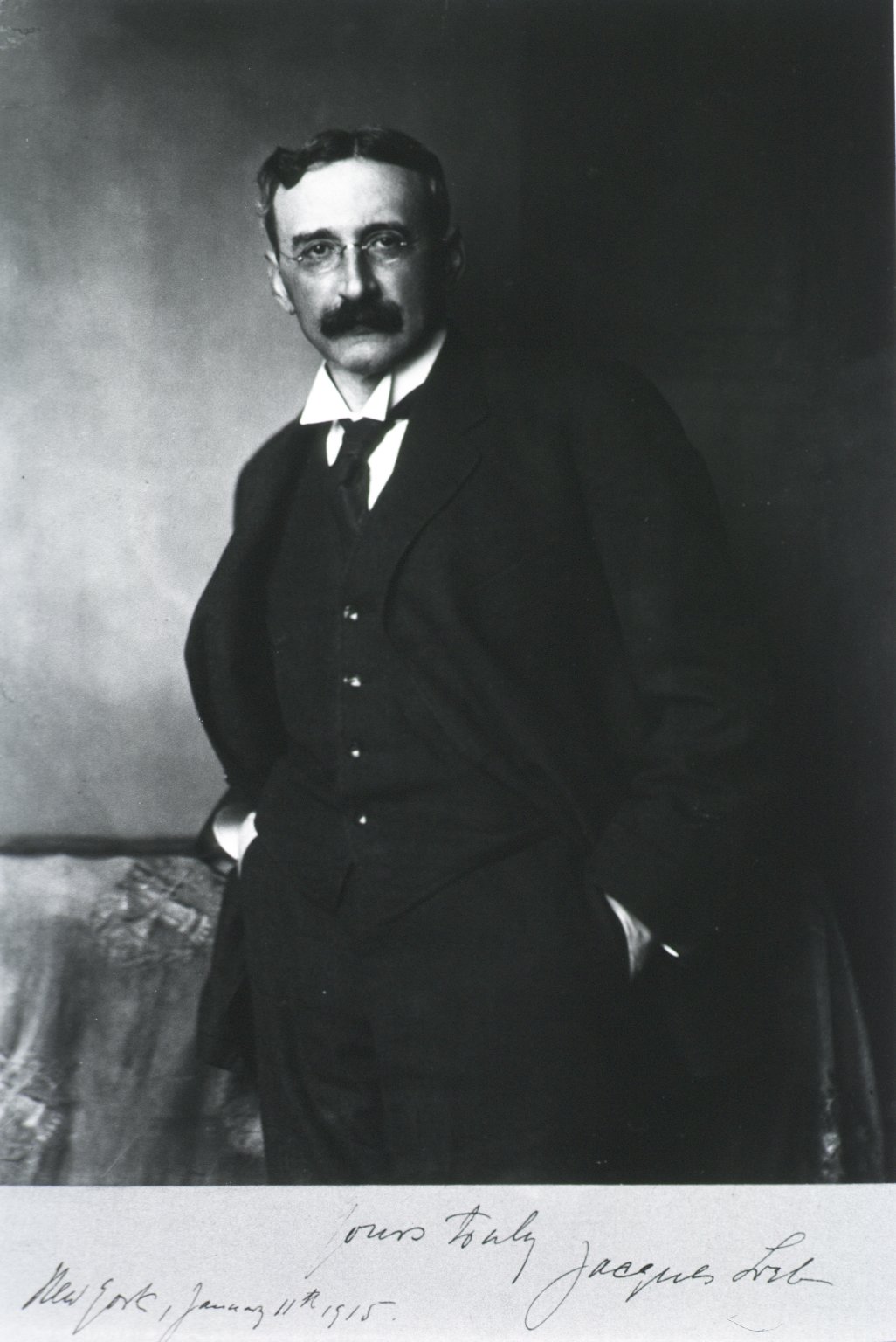
The dynamics of living matter.
1909
#655
Définition expérimentale de l’excitabilité.
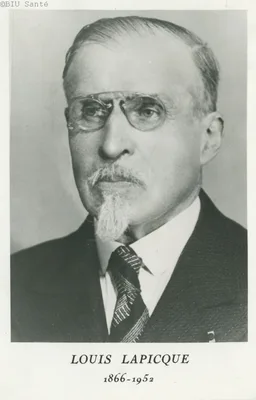
Lapicque first defined “chronaxia”, the duration of excitation of tissue. Partial translation in J. F. Fulton’s Selected readings in the history of physiology, 2nd ed., 1966, pp. 233-34.
1910 –1925
#656
Handbuch der vergleichenden Physiologie. 4 vols.
Edited by Winterstein.
1913
#657
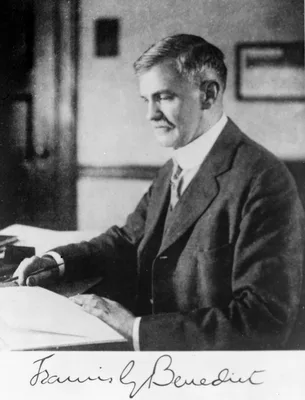
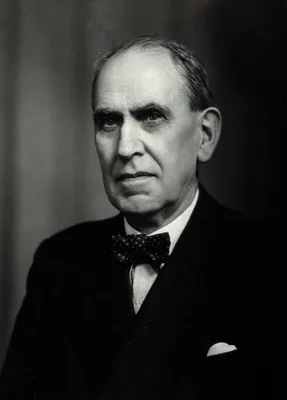
Muscular work. A metabolic study.
1915
#658
Principles of general physiology.
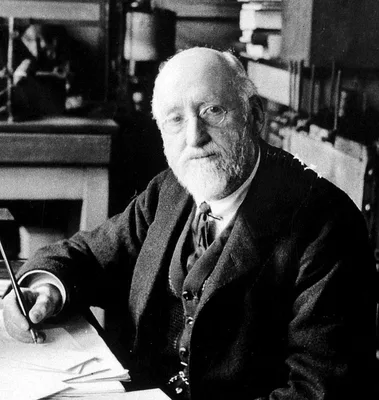
Bayliss’s book treats of general physiology from the physical chemical point of view. For some years it remained the most important book of its kind, and today is still of great value for its historical information an…
1920
#659
The four phases of heat-production of muscle.
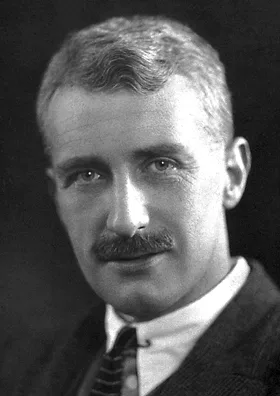
Hill and Hartree made valuable contributions to the knowledge of the thermodynamics of muscle. See also Physiol. Rev., 1922, 2, 310-41, and Hill, A. V., Trails and trials in physiology: a bibliography 1909-1964, 1965.…
1922
#660
Correlation of basal metabolic rate with pulse rate and pulse pressure.
Read’s formula for computation of basal metabolic rate.
1924
#661
Körperstellung.
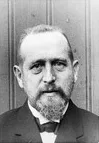
A classic work on muscle tone and posture, a subject upon which Magnus spent many years of study. He demonstrated among other things that the labyrinth is the one sense organ entirely concerned with posture and equili…
1925 –1932
#662
Handbuch der normalen und pathologischen Physiologie. Hrsg. von. A. Bethe, G. Bermann, etc. 18 vols.
1926
#663
Muscular contraction and the reflex control of movement.
A detailed study of the physiology of skeletal muscle. A valuable historical introduction will be found on pp. 3-55, and the book includes an extensive bibliography.
1932
#664
The wisdom of the body.
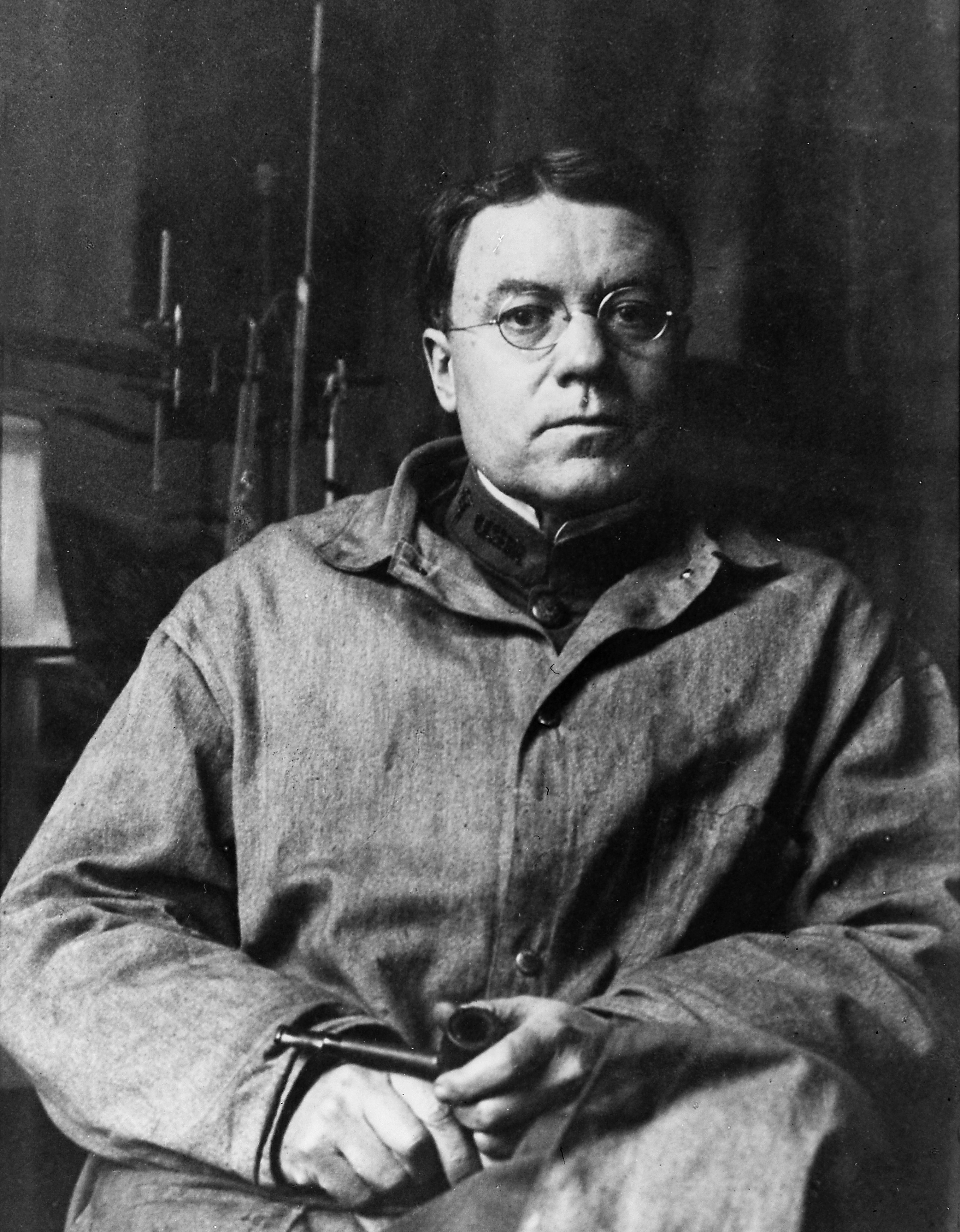
A discussion of the regulation of body fluids, hunger, thirst, temperature, oxygen supply, water, sugar, and proteins of the body, and the role of the sympathetic-adrenal mechanism.
1648
#665
Ortus medicinae.
Helmont was one of the founders of biochemistry. He was the first to realize the physiological importance of ferments and gases, and indeed invented the word “gas”. He introduced the gravimetric idea in the analysis o…
1662
#666
A defence of the doctrine touching the spring and weight of the air.
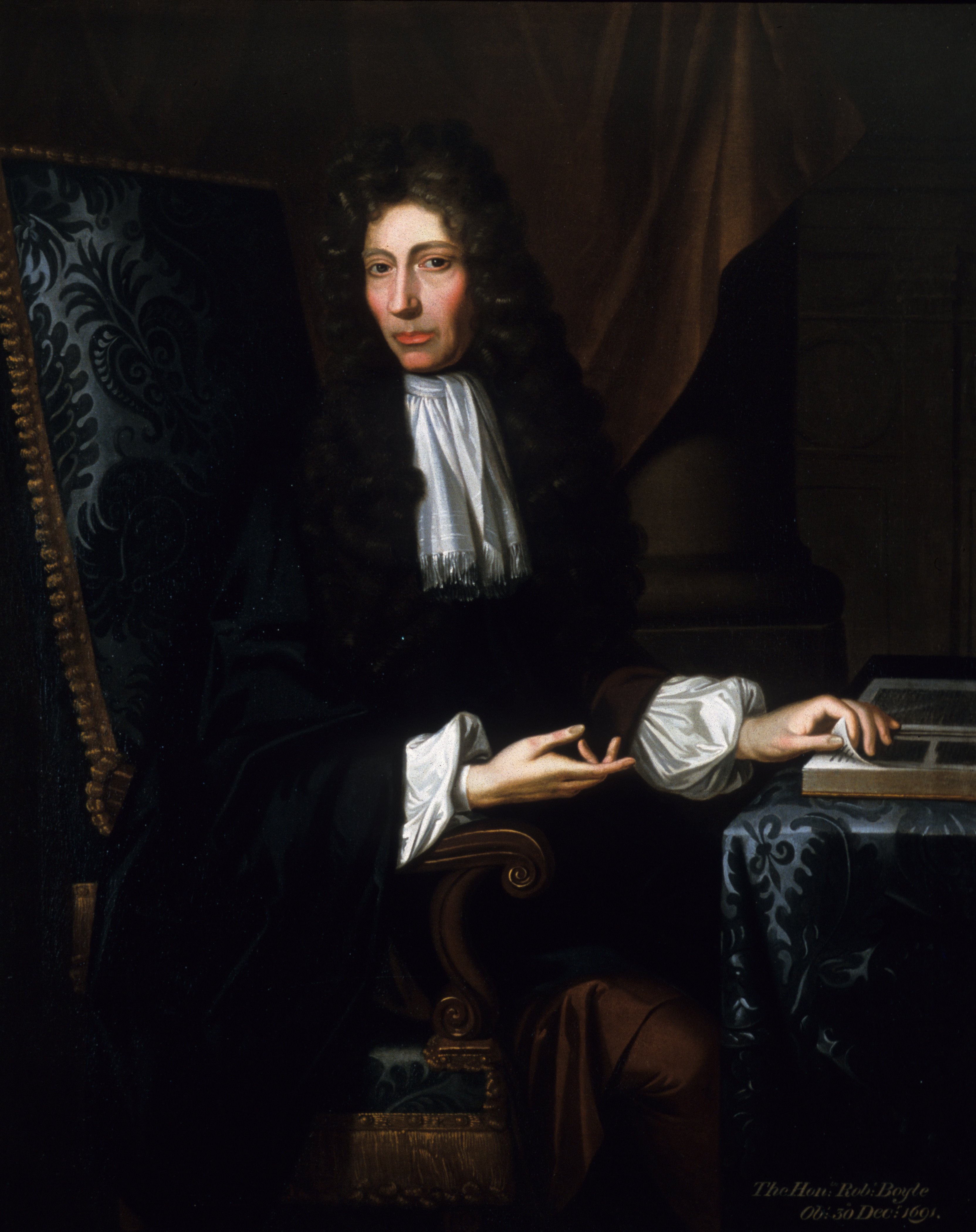
Boyle’s law. The above pamphlet was appended to the second edition of Boyle’s The spring and weight of the air, 1662. The relevant passage is reproduced inj. F. Fulton’s Selected readings in the history of physiology,…
1773
#667
Observations sur l’urine humaine.
Discovery of urea, independently of Boerhaave. Rouelle isolated urea as the alcohol-soluble substance from urine. He was the first to present proof of the high nitrogen content of urea.
1776
#668
Undersökning om blasestenen.
Discovery of uric acid. English translation in his Chemical Essays, London, 1786.
1823
#669
Recherches chimiques sur les corps gras d’origine animale.
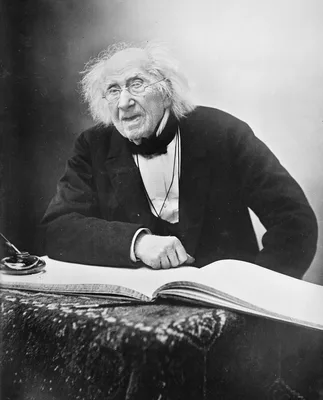
A classic study of animal fats. Chevreul discovered that fats are composed of fatty acids and glycerol.
1827
#670
Nouvelles observations sur l’endosmose et l’exosmose.
The process by which water passes through a membrane from a solution on the one side to another solution on the other side has been known, since the classic work of Dutrochet, as “endosmosis” or “exosmosis”; the press…
1828
#671
Ueber künstliche Bildung des Harnstoffs.
The synthetic preparation of urea was the first occasion that an organic compound was built up from inorganic materials. Wöhler’s discovery led eventually to the brilliant results that have been achieved in attempts t…
1832
#672
Neues eigenthümliches stickstoffhaltiges Princip, in Muskelfleisch gefunden.
Isolation of creatine from muscle.
1837
#673
Ueber Knorpel und Knochen.
Isolation of chondrin and glutin.
1837
#674
Vorlaüfige Mittheilung betreffend Versuche über die Weingährung und Fäulniss.
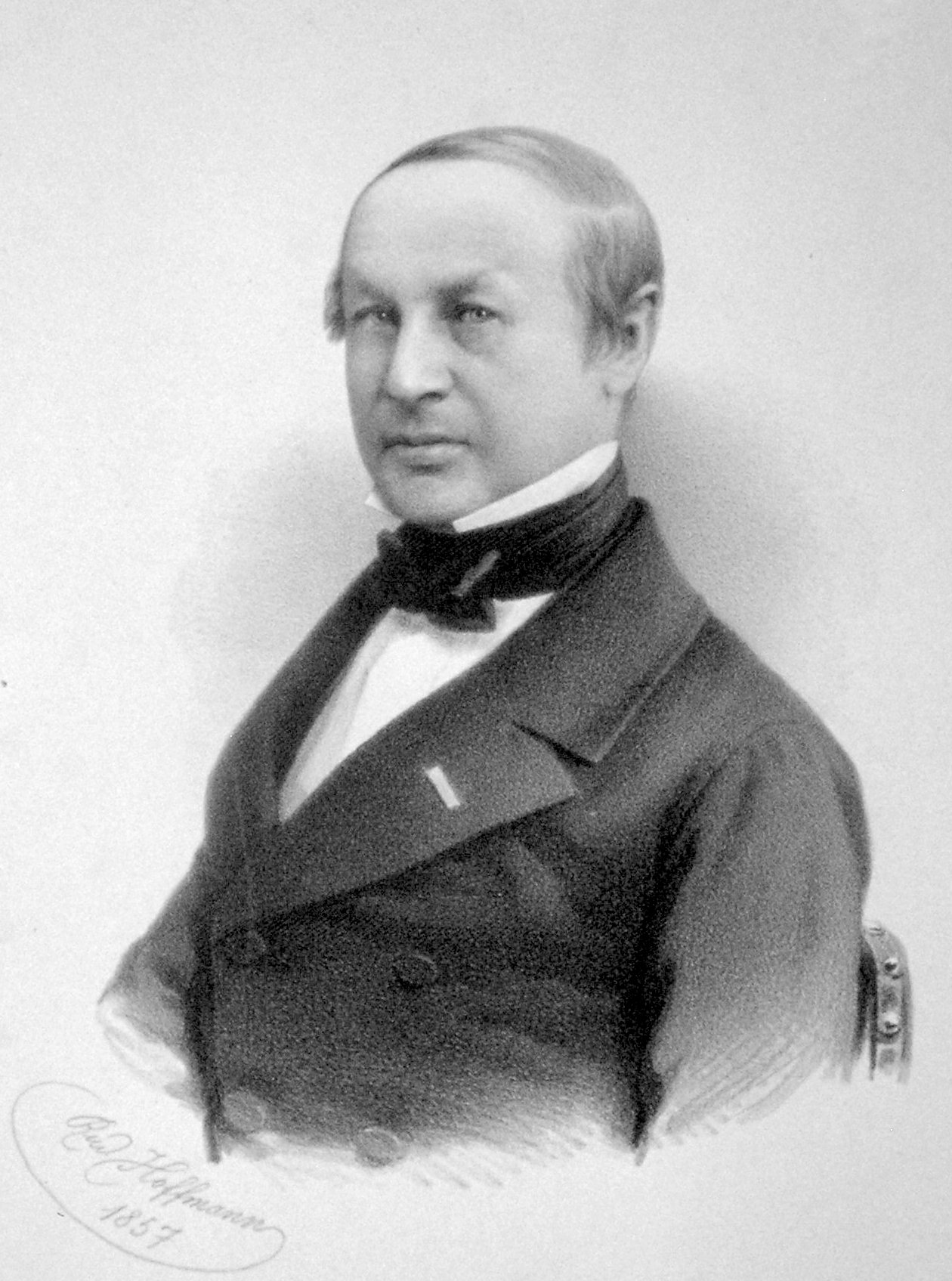
Proof that putrefaction is produced by living bodies. Independently of Cagniard-Latour, Schwann discovered the yeast cell. He is regarded as the founder of the germ theory of putrefaction and fermentation.
1838
#675
Mémoire sur la fermentation vineuse.
The earliest demonstration of the true nature of yeast was made by Cagniard-Latour in 1836. All his work on the subject is summed up in this paper. Digital facsimile from Google Books at this link.
1838
#676
Action de l’acide hydrochlorique sur la protéine.
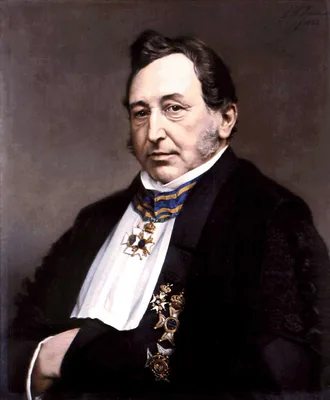
Mulder gave the name protéine (protein) to a substance which he believed to be the essential constituent of all organized bodies. Later, with Liebig, he found there was no such definite compound, but the work remained…
1842
#677
Die organische Chemie in ihrer Anwendung auf Physiologie und Pathologie.
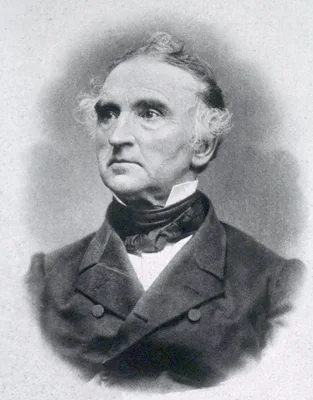
First classification of the organic foodstuffs and the processes of nutrition. With this book Liebig introduced the concept of metabolism into physiology. English translation, London, 1842.
1842
#678
Umwandlung der Benzoësäure in Hippursäure im lebenden Organismus.
Discovery that benzoic acid taken in with food is excreted in the urine as hippuric acid. (But see the footnote to p. 474 of Garrison’s History of medicine, 1929.)
1844
#679
Notiz über eine neue Reaction auf Galle und Zucker.
Pettenkofer’s test for bile. Previously there had been no means of recognizing the presence of the bile salts.
1848
#680
Quantitative Bestimmung des Zuckers im Harn.
Fehling’s test for sugar in the urine.
1848
#681
Untersuchung der Ochsengalle.
1849
#682
Ueber die endosmotischen Aequivalent und die endosmotische Theorie.
In this development of his theory of urinary secretion (see No. 1232) Ludwig made important observations on endosmosis.
1849
#683
Sur un réactif propre aux composés protéiques.
Millon discovered a special reagent for proteids.
1853
#684
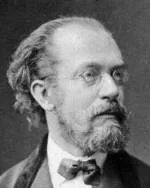
Atlas der physiologischen Chemie.
1853
#685
Ueber einige Harnstoffverbindungen und eine neue Methode zur Bestimmung von Kochsalz und Harnstoff im Ham.
Liebig’s method of estimating urea.
1854
#686
On osmotic force.
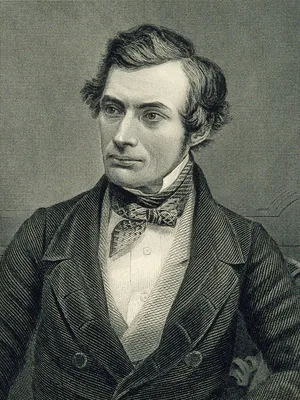
Investigation of osmotic force; provided important information for the physiologists.
1857
#687
On the immediate principles of human excrements in the healthy state.
First important publication on coprosterol as a product of excretion.
1861
#688
Liquid diffusion applied to analysis.
Graham’s method of separating animal and other fluids by dialysis introduced the distinction between colloidal and crystalloid substances.
1863
#690
Zur Kenntnis der zuckerbildenden Fermente.
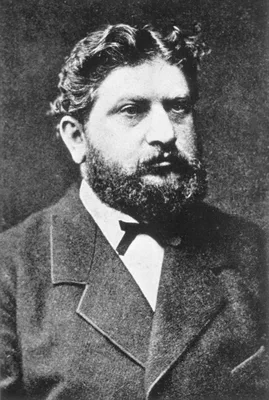
Investigation of the sugar-forming ferments.
1867
#692
Experimente zur Theorie der Zellenbildung und Endosmose.
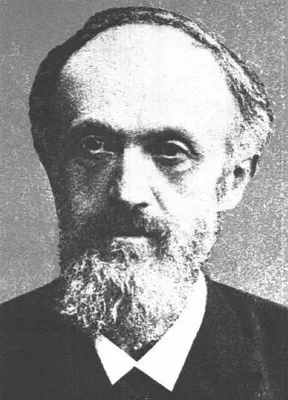
Employing, for the first time, copper ferrocyanide as a semi-permeable membrane, Traube investigated osmosis and the permeability of membranes.
1868
#693
Beitrag zur Kenntniss der Gallen-und Harnpigmente.
Jaffe discovered urobilin in the urine.
1871
#694
Ueber das Vorkommen von Urobilin im Darminhalt.
Discovery of urobilin in the intestines.
1871
#695
Ueber die chemische Zusammensetzung der Eiterzellen.
In 1869 Miescher discovered a substance which he termed nuclein (nucleoprotein), later shown to be the hereditary genetic material. He demonstrated it in pus cells. The discovery he first published in 1871. He was als…
1876
#696
Die quantitative Spectralanalyse in ihrer Anwendung auf Physiologie, Physik, Chemie und Technologie.
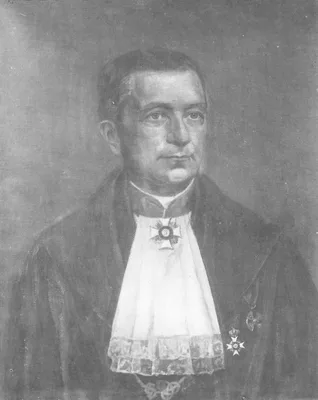
Vierordt’s spectral analyses of hemoglobin, bile and urine were of great value. He studied the variations in the spectrum of oxyhemoglobin produced by different dilutions of this substance and was thus able to estimat…
1877
#697
Ueber die Ausscheidung des Indicans unter physiologischen und pathologischen Verhältnissen.
Isolation of indican in the urine.
1877
#698
Osmotische Untersuchungen.
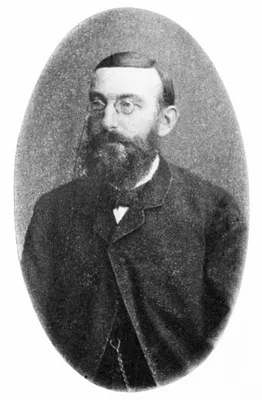
The osmotic pressures of solutions were found by Pfeffer to be directly in proportion to the concentration of the solute and to the absolute temperature. English translation, 1895.
1877
#699
Untersuchungen über die Wirkung der Säuren auf den thierischen Organismus.
1855
#1995
De l’électrisation localisée et de son application à la physiologie, à la pathologie, et à la thérapeutique.
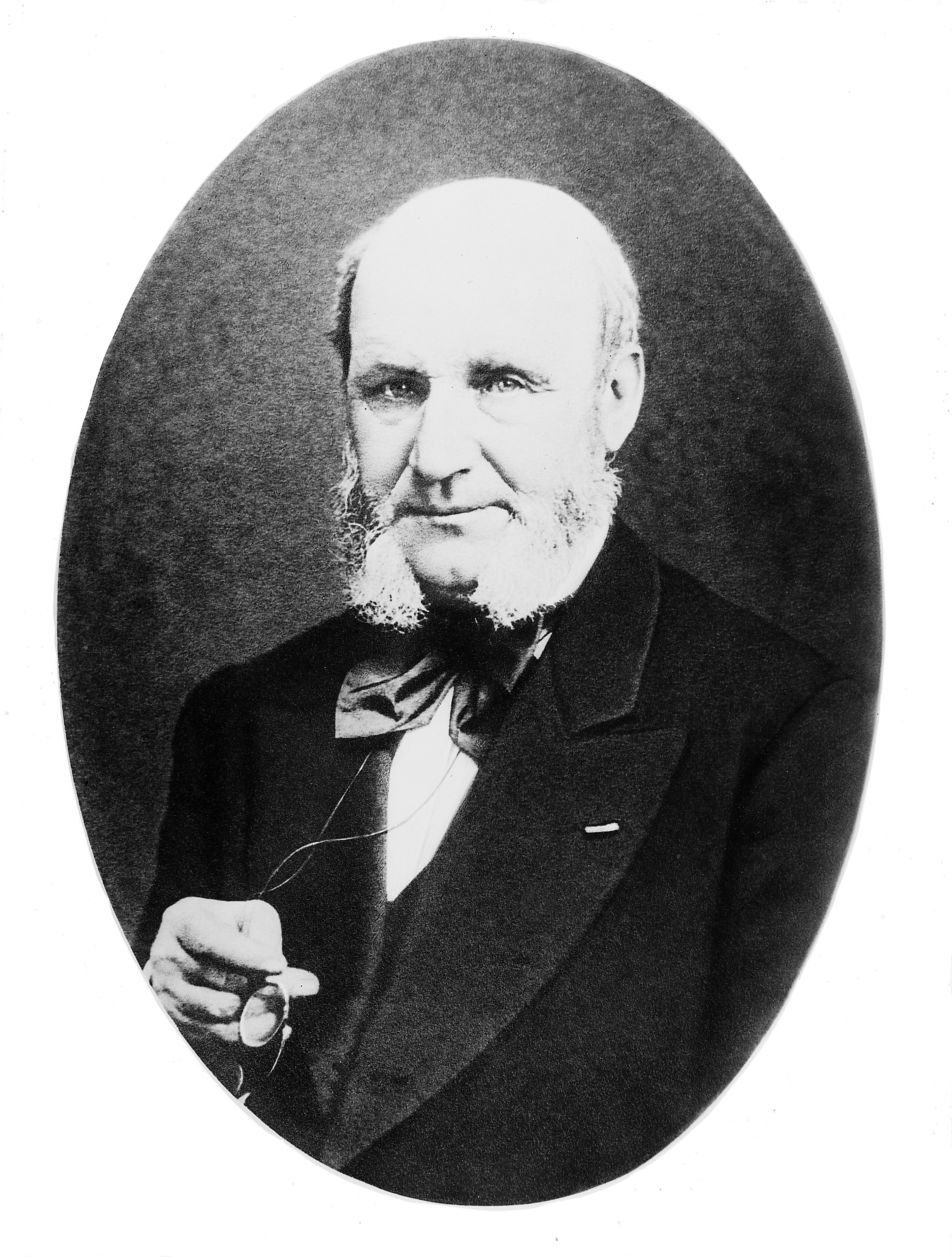
Duchenne classified the electrophysiology of the entire muscular system and summed up his findings in the above work. The application of his results to pathological conditions marks him as the founder of electrotherap…
1856
#2079
Analyse physiologique des propriétés des systèmes musculaires et nerveux au moyen de curare.
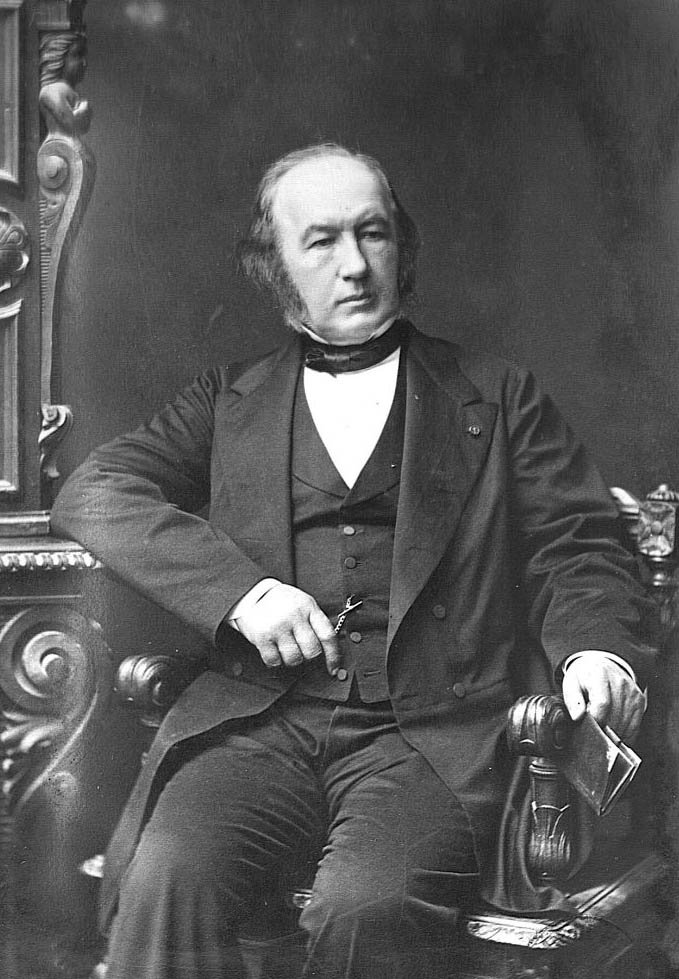
Bernard paralysed motor nerve-endings with curare and demonstrated the independent excitability of muscle. He showed that curare acted by stopping the transmission of impulses from motor nerves to voluntary muscles.