
Facets
Browse across eight MeSH (opens in new tab) facets — era, geography, science, specialty, technology, history, culture, and reference. Select one tag per group; counts update across the others. What’s new in facet browse how facets relate to subjects and MeSH.
Clear filtersGeography
Specialties & Disease
- Alternative & Fringe Medicine 52
- Anatomy & Pathology 42
- Cardiology & Blood 4
- Dentistry 259
- Diabetes 0
- ENT & Hearing 10
- Epidemiology & Demography 16
- Gastroenterology & Hepatology 1
- General Clinical Medicine 83
- Immunology & Dermatology 7
- Infectious Disease (General) 2
- Internal, Emergency & Geriatric 10
- Microbiology & Virology 11
- Military Medicine 31
- Neurology & Psychiatry 21
- Obstetrics & Reproductive 19
- Oncology & Cancer 2
- Ophthalmology & Vision 3
- Pediatrics 6
- Physiology & Embryology 9
- Plagues & Epidemics 15
- Psychology 14
- Public Health 142
- Pulmonary & Respiratory 0
- Rheumatology, Rehab & Pain 6
- Surgery & Anesthesia 41
- Urology & Nephrology 4
- Veterinary Medicine 2
Social & Historical Studies
Institutions & Culture
Reference & Scholarly Works
Drugs & Technology
11 entries match Microbiology & Virology [C01.748] · Professions & Education [M01 / N02]
1684
#2464.1
An abstract of a letter…Sep. 17, 1683. Containing some microscopical observations, about animals in the scurf of the teeth.
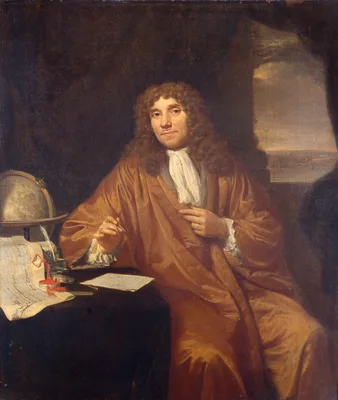
Records discovery of bacteria in the mouth, with the first illustrations of the basic types – what were much later called cocci (round or oval), bacilli (rod-shaped) and spiriillum (spiral) forms. Although Leeuwenhoek…
1769
#5304
Essay on the natural history of Guiana, in South America. Containing a description of many curious productions in the animal and vegetable systems of that country. Together with an account of the religion, manners, and customs of several tribes of its Indian inhabitants. Interspersed with a variety of literary and medical observations. In several letters....
Bancroft was an English physician who lived for many years in South America. He noted the transmission of yaws by flies (p. 385 of his book). Digital facsimile from the Internet Archive at this link.
1890
#3687
The micro-organisms of the human mouth.
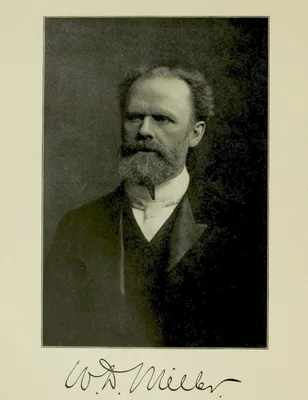
In 1884 Miller became professor of dentistry at the University of Berlin, the first foreigner ever to receive a professorial appointment at a German University. Inspired by study of bacteriology under Robert Koch, Mil…
1894
#3308.1
Studien zur bacteriellen Diagnostik der Diphtherie und der Anginen.
“Plaut’s angina” (necrotizing ulcerative gingivostomatitis). He noted the association of fusiform bacilli in ulcerating lesions of the tonsils. Vincent (see No. 3309) gave the first comprehensive description of this c…
1896
#3309
Sur l’étiologie et sur les lésions anatomo-pathologiques de la pourriture d’hôpital.
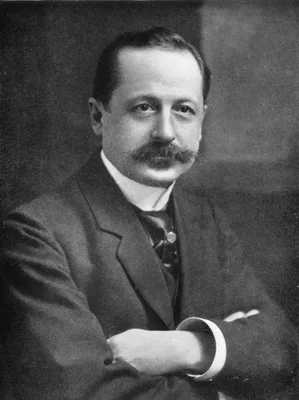
Vincent described a fusiform bacillus and a spirillum which, in association, were responsible for hospital gangrene. Later, in Arch. int. Laryng., 1898, 11, 44-48, he showed these two organisms to be present in “Vince…
1920
#86.2
Papers and addresses by William Henry Welch. [Edited by Walter C. Burket]. 3 vols.
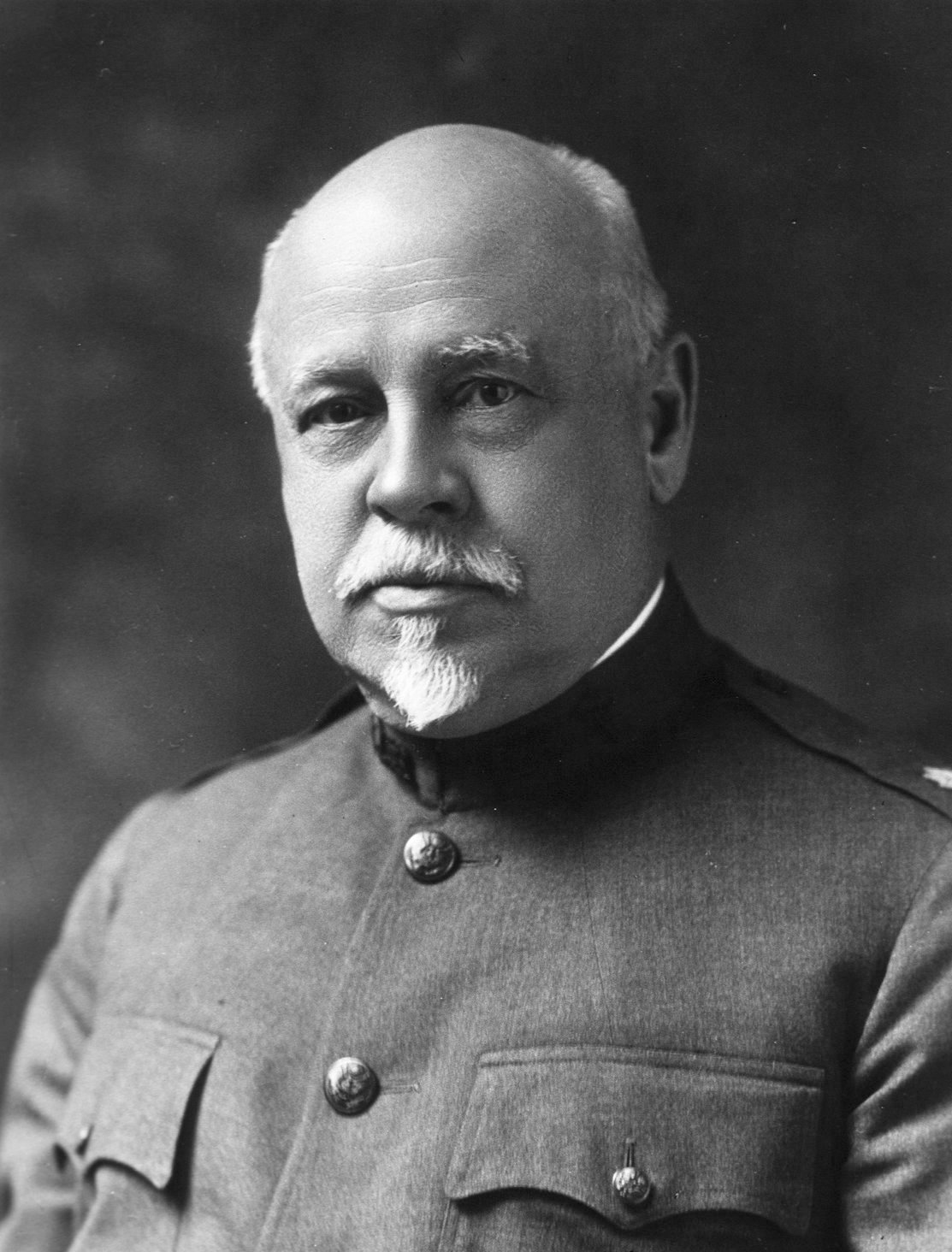
Vol. 1: Pathology and preventive medicine. Vol. 2: Bacteriology. Vol. 3: Medical education, history, miscellaneous subjects, and Welch's bibliography. Introduction by Simon Flexner. Digital facsimile from the Internet…
1921
#2573
Results of experimental studies on focal infection and elective localization.
Rosenow showed that focal infection could by caused by bacteria in teeth, etc.
1922
#1910.1
On a remarkable bacteriolytic element found in secretions and tissues.
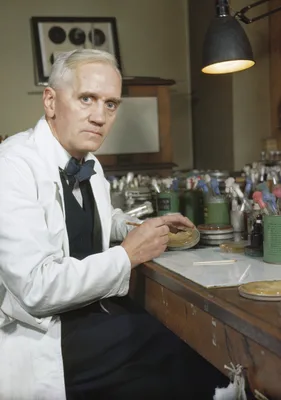
Lysozyme, an antimicrobial enzyme that is a component of secretions such as tears and saliva. Digital facsimile from royalsocietypublishing.org at this link
1922 –1925
#3691
An investigation into the aetiology of dental caries. I: The nature of the destructive agent and the production of artificial caries. II" The biological characteristics and distribution of B. acidolphilus odontolyticus. III: Further experiments on the production of artificial caries. IV: Accessory factors in dental caries. (1) Reaction of the saliva (2) Acid resistance of teeth.(3) Bacteriotropic action of saliva.
Isolation of Lactobacillus odontolyticus I and II from carious teeth. Digital facsimile of part 1 from PubMedCentral at this link. Digital facsimile of part 4 from PubMedCentral at this link.
1922
#12656
Studies in the specific study of the bacteriology of dental cavities.
Rodríguez discovered that three types of the Lactobacillus species of bacteria, during the process of fermentation, are the causes of cavities. Digital facsimile from Google Books at this link.
1968
#10841
Kuru and cannibalism.
Medical anthropologists Lindenbaum and Glass demonstrated that Kuru was transmitted in New Guinea by cannibalism--particularly by eating the brains of infected victims, which were the reservoir of prions. Order of aut…