
Facets
Browse across eight MeSH (opens in new tab) facets — era, geography, science, specialty, technology, history, culture, and reference. Select one tag per group; counts update across the others. What’s new in facet browse how facets relate to subjects and MeSH.
Clear filtersGeography
Specialties & Disease
- Alternative & Fringe Medicine 0
- Anatomy & Pathology 0
- Cardiology & Blood 1
- Dentistry 0
- Diabetes 0
- ENT & Hearing 0
- Epidemiology & Demography 0
- Gastroenterology & Hepatology 0
- General Clinical Medicine 0
- Immunology & Dermatology 1
- Infectious Disease (General) 0
- Internal, Emergency & Geriatric 0
- Microbiology & Virology 2
- Military Medicine 0
- Neurology & Psychiatry 0
- Obstetrics & Reproductive 0
- Oncology & Cancer 1
- Ophthalmology & Vision 0
- Pediatrics 0
- Physiology & Embryology 16
- Plagues & Epidemics 0
- Psychology 0
- Public Health 0
- Pulmonary & Respiratory 0
- Rheumatology, Rehab & Pain 0
- Surgery & Anesthesia 1
- Urology & Nephrology 0
- Veterinary Medicine 0
Social & Historical Studies
Institutions & Culture
Reference & Scholarly Works
Drugs & Technology
20 entries match Nobel Prizes [K01.150.567] · Genetics & Heredity [K01.900.300]
1910
#245.2
Sex-limited inheritance in Drosophila.
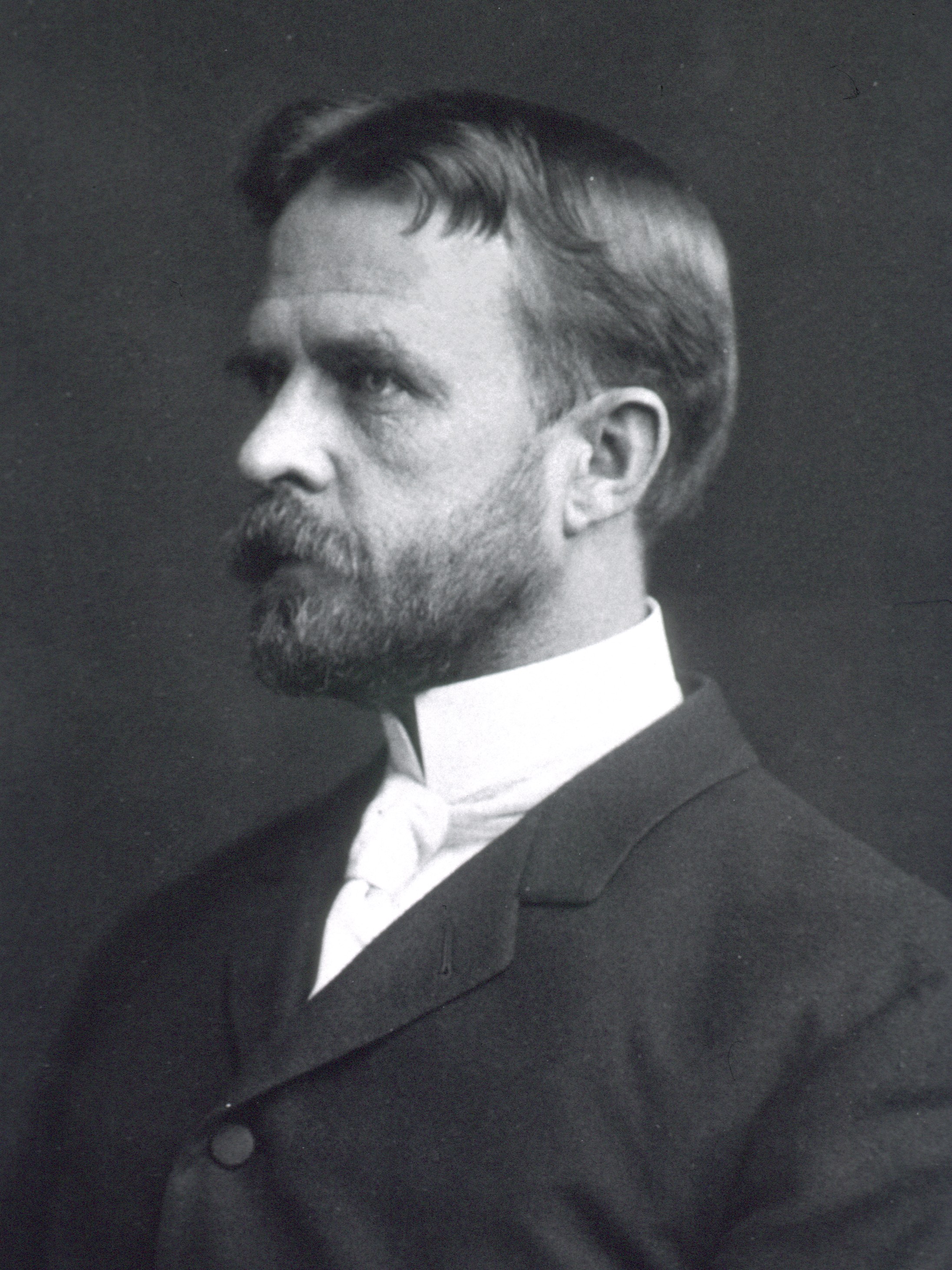
Morgan demonstrated sex-limited inheritance. In 1933 Morgan was awarded the Nobel Prize in Physology or Medicine "for discoveries elucidating the role that the chromosome plays in heredity." See also Nos. 245.3, 246, …
1927
#251.1
Artificial transmutation of the gene.
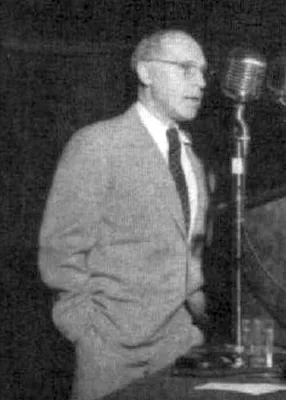
Muller showed that radiation causes mutations that are passed on from one generation to the next. This was the first suggestion that inherited traits might be altered or controlled, and it created a sensation: “Man’s …
1941
#254.3
Genetic control of biochemical reactions in Neurospora.
Beadle and Tatum proposed the "one gene, one enzyme" hypothesis in 1941. This was a restatement of ideas originally proposed by Archibald Garrod (No. 244.1) in 1908. 1958 Beadle and Tatum shared the Nobel Prize in Phy…
1946
#255.4
Gene recombination in Escherichia coli.
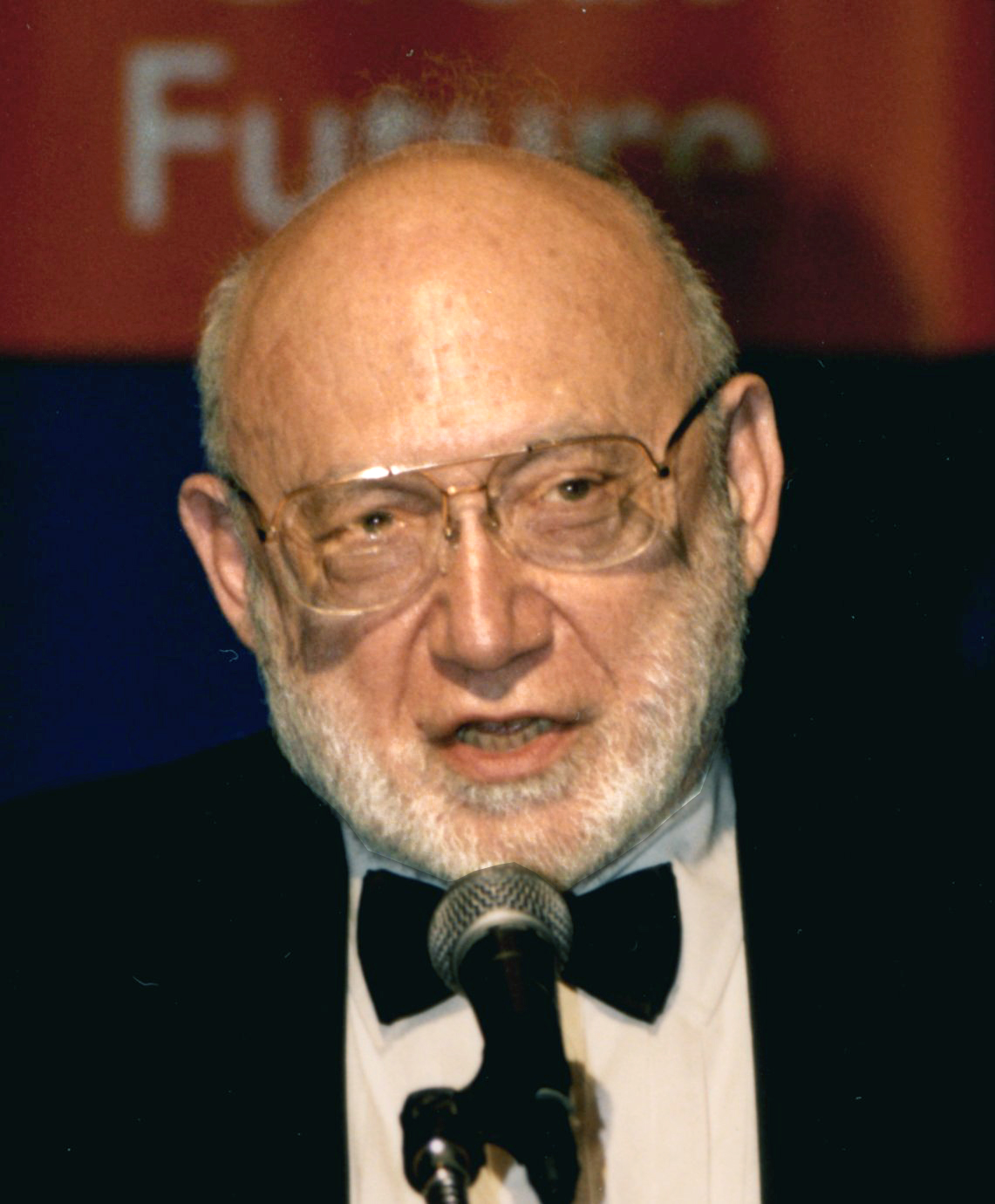
Discovery of sexual processes in the reproduction of bacteria. In 1958 Lederberg shared the Nobel Prize in Physiology or Medicine with Tatum and Beadle (No. 254.3) "for his discoveries concerning genetic recombination…
1949
#2526.1
Genetic recombinations leading to production of active bacteriophage from ultraviolet inactivated bacteriophage particles.
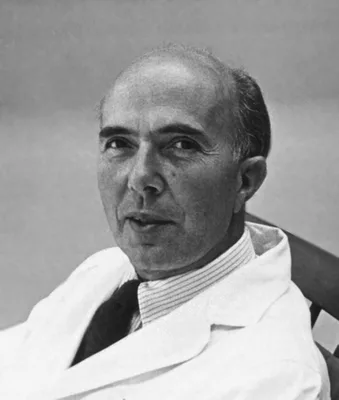
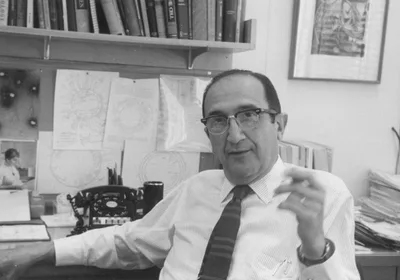
In 1969 Luria shared the Nobel Prize in Physiology or Medicine in with Delbrück (No. 2578.5) and A. D. Hershey (No. 256) "for their discoveries concerning the replication mechanism and the genetic structure of viruses."
1950
#12063
The origin and behavior of mutable loci in maize.
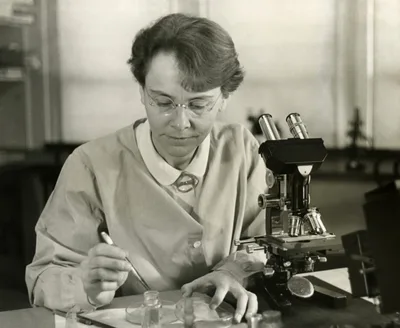
"In the summer of 1944 at Cold Spring Harbor Laboratory, McClintock systematic studies on the mechanisms of the mosaic color patterns of maize seed and the unstable inheritance of this mosaicism.[44] She identified tw…
1958
#2578.30
Histocompatibility genes of the mouse.
Snell made fundamental contributions to transplantation genetics. At his suggestion genes governing transplantation were called histocompatibility genes and Gorer’s Antigen II became Histocompatibility-2 (H-2). In 198…
1968
#13935
Reconstruction of three-dimensional structures from electron micrographs.
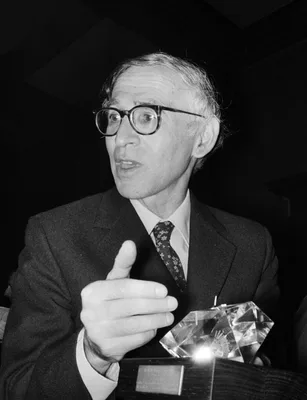
Klug and deRosier invented methods for two-dimensional and three-dimensional digital image processing of electron microscope images. The latter method provided the theory behind the development of computed tomography …
1970
#6889
A restriction endonuclease from Hemophilus influenzae. II. Base sequence of the recognition site.
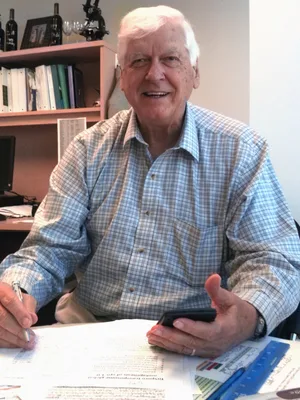
Discovery of the first type II restriction enzyme (HindII). Smith shared the 1978 Nobel Prize in Physiology or Medicine with Werner Arber and Daniel Nathans "for the discovery of restriction enzymes and their applicat…
1971
#6890
Specific cleavage of simian virus 40 DNA by restriction endonuclease of Hemophilus influenzae.
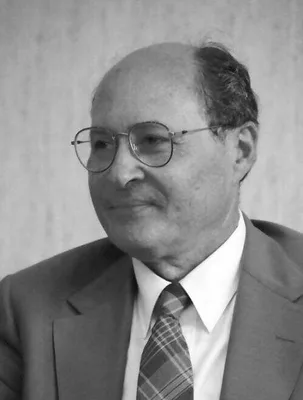
Nathans showed that the restriction enzyme discovered by Hamilton Smith cleaved SV40 DNA into 11 specific pieces. Nathans and his student Kathleen Danna wrote: "The availability of pieces of SV40 DNA from specific sit…
1974
#9941
The genetics of CAENORHABDITIS ELEGANS.
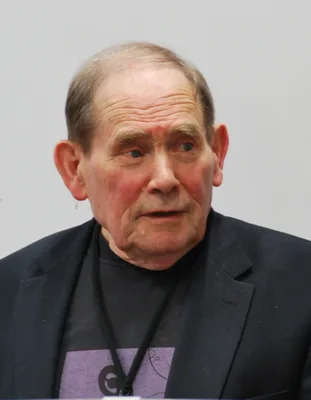
In 2002 Brenner shared the Nobel Prize in Physiology or Medicine in Physiology or Medicine with H. Robert Horvitz and John Sulston "for their discoveries concerning genetic regulation of organ development and programm…
1974
#13934
Genetic control of the cell division cycle in yeast.
In 2001 Hartwell shared the Nobel Prize in Physiology or Medicine with Tim Hunt and Sir Paul M. Nurse "for their discoveries of key regulators of the cell cycle." See also No. 13933. In this paper the authors demonstr…
1976
#2660.28
DNA related to the transforming gene(s) of avian sarcoma viruses is present in normal avian DNA.
Discovery of the first “oncogene. In 1989 Varmus and Bishop shared the Nobel Prize for in Physiology or Medicine "for their discovery of the cellular origin of retroviral oncogenes."
1977
#6883
DNA sequencing with chain-terminating inhibitors.
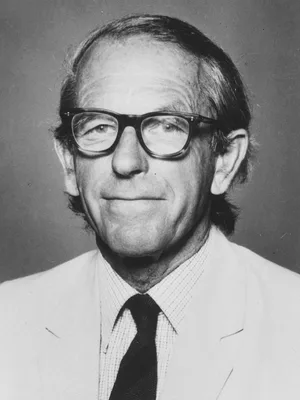
Sanger and colleagues developed methods for rapid sequencing of long sections of DNA molecules. Sanger’s method, and that developed by Gilbert and Maxam, made it possible to read the nucleotide sequence for entire gen…
1977
#6926
A new method for sequencing DNA.
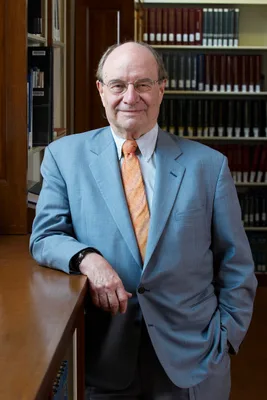
The Gilbert-Maxam method for sequencing DNA. This paper is available from PNAS at this link. In 1980 Gilbert shared the 1980 Nobel Prize in Chemistry with Frederick Sanger and Paul Berg. Berg received half of the priz…
1978
#7456
A gene complex controlling segmentation in Drosophila.
Discovery of the Drosophila Bithorax complex and elucidation of its function. Lewis founded the field of developmental genetics and laid the groundwork for current understanding of the universal, evolutionarily conser…
1980
#7455
Mutations affecting segment number and polarity in Drosophilia.
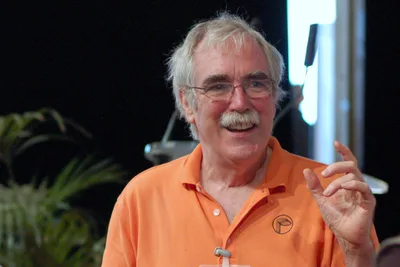
In 1995 Nüsslein-Volhard and Wieschaus shared the Nobel Prize in Physiology or Medicine with Edward B. Lewis "for their discoveries concerning the genetic control of early embryonic development."
1985
#10785
Enzymatic amplication of B-globin genomic sequences and restriction site analysis for diagnosis of sickle cell anemia.
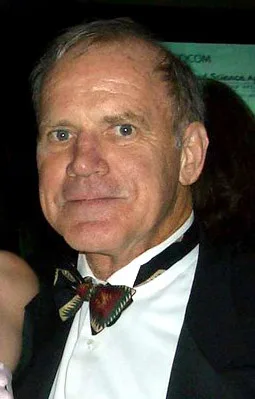
Polymerase chain reaction first published. With Randall K. Saiki, Stephen Scharf, Fred Faloona et al. Order of authorship in the original paper was Saiki, Scharf, Faloona, Mullis.... In 1993 the Nobel Prize in Chemist…
1987
#13931
Site-directed mutagenesis by gene targeting in mouse embryo-derived stem cells.
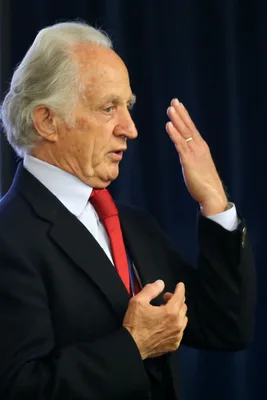
In 2007 Capecchi shared the 2007 Nobel Prize in Physiology or Medicine with Martin J. Evans and Oliver Smithies "for their discoveries of principles for introducing specific gene modifications in mice by the use of em…
2014
#7289
The complete genome sequence of a Neanderthal from the Altai Mountains.
First complete sequence of a Neanderthal genome. With more than 20 co-authors. In 2022 Pääbo was awarded the Nobel Prize in Physiology or Medicine "for his discoveries concerning the genomes of extinct hominins and hu…