
Facets
Browse across eight MeSH (opens in new tab) facets — era, geography, science, specialty, technology, history, culture, and reference. Select one tag per group; counts update across the others. What’s new in facet browse how facets relate to subjects and MeSH.
Clear filtersGeography
Specialties & Disease
- Alternative & Fringe Medicine 383
- Anatomy & Pathology 765
- Cardiology & Blood 914
- Dentistry 259
- Diabetes 80
- ENT & Hearing 293
- Epidemiology & Demography 397
- Gastroenterology & Hepatology 316
- General Clinical Medicine 487
- Immunology & Dermatology 1,008
- Infectious Disease (General) 147
- Internal, Emergency & Geriatric 123
- Microbiology & Virology 1,080
- Military Medicine 436
- Neurology & Psychiatry 1,258
- Obstetrics & Reproductive 551
- Oncology & Cancer 377
- Ophthalmology & Vision 412
- Pediatrics 247
- Physiology & Embryology 924
- Plagues & Epidemics 1,279
- Psychology 202
- Public Health 1,129
- Pulmonary & Respiratory 233
- Rheumatology, Rehab & Pain 189
- Surgery & Anesthesia 1,553
- Urology & Nephrology 309
- Veterinary Medicine 165
Social & Historical Studies
Institutions & Culture
Reference & Scholarly Works
1,279 entries match Plagues & Epidemics [C01.252]
1896
#5491
Influenza und Dengue.
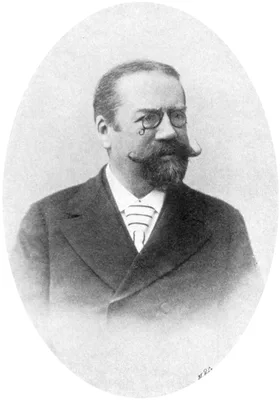
Forms Bd. IV, Teil 1 of Nothnagel’s Specielle Pathologie und Therapie.
1896
#5444
The diagnosis of the invasion of measles from a study of the exanthema as it appears on the buccal mucous membrane.
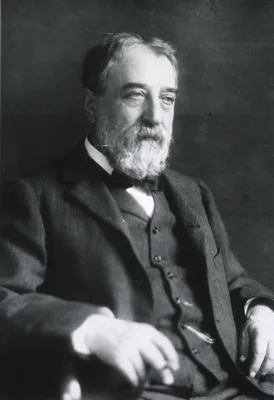
Koplik, American pediatrician, was the first to note and report on “Koplik’s spots”, the buccal spots which are an important early diagnostic sign in measles.
1896
#6103
Über Blasen-Gonorrhöe.
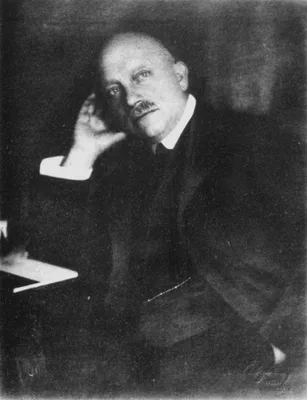
Wertheim demonstrated the gonococcus in acute cystitis.
1896
#5205.1
The lupoid form of the so-called “groin ulceration” of this colony.
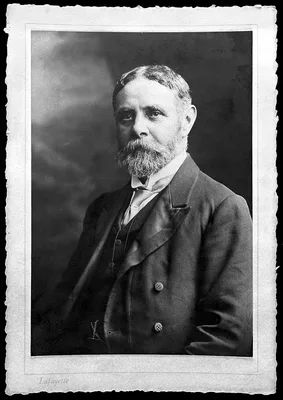
Granuloma inguinale distinguished from other similar lesions in the genital region.
1896
#5212
Ulcerative endocarditis due to the gonococcus; gonorrheal septicemia.
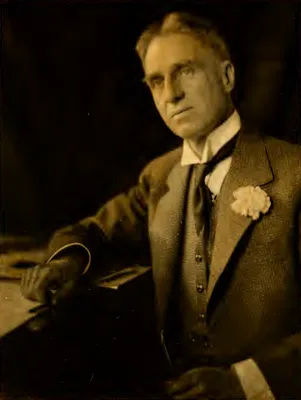
Thayer and Blumer found the gonococcus in cases of gonorrheal endocarditis.
1896
#11077
Further report on the tsetse fly disease or nagana, in Zululand.
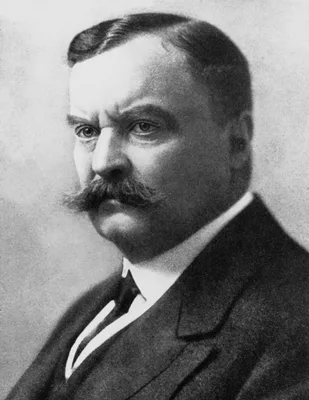
In this more-detailed follow-up to his "preliminary" paper of 1895 published in Durban, South Africa, Bruce provided definitive proof that the Trypanosoma was the cause of nagana, and the tsetse fly was the vector of …
1896
#11380
L'action bactericide des eaux de la Jumna et du Gange sur le vibrion du cholera.
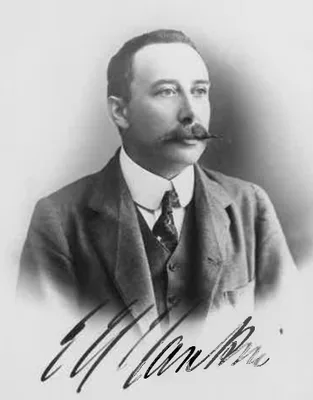
Hankin described the antibacterial activity of a then-unknown source in the Ganges and Jumna Rivers in India. He noted that "It is seen that the unboiled water of the Ganges kills the cholera germ in less than 3 hours…
1897
#2333
Ueber neue Tuberkulinpräparate.
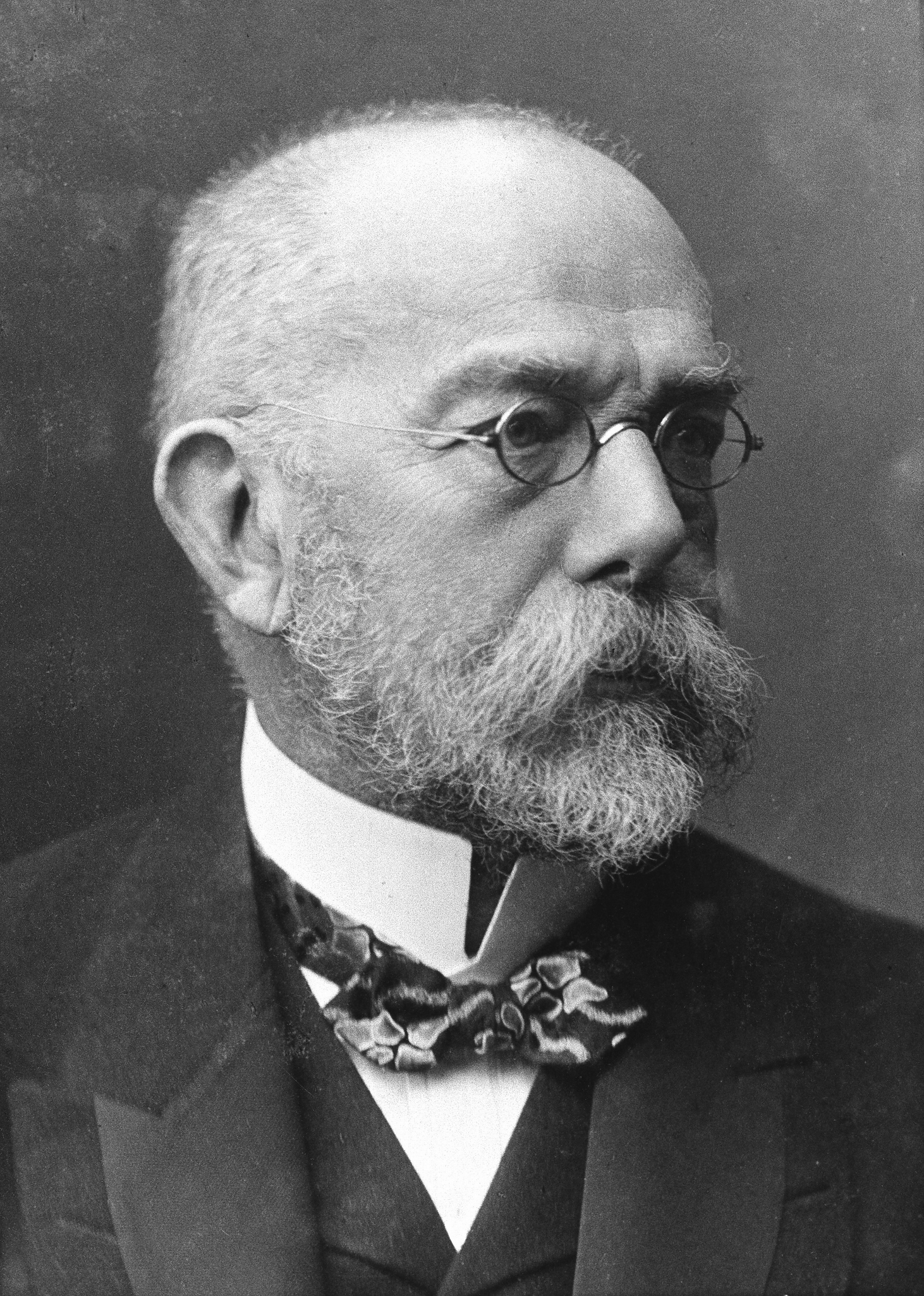
Koch’s new tuberculin (Tuberculin R).
1897
#2395
Les chancres extra-génitaux.
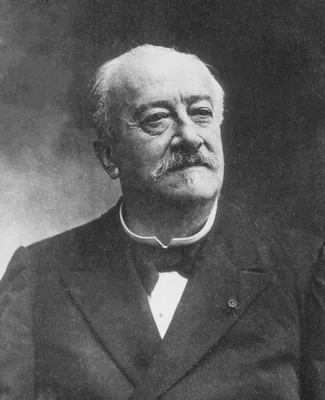
1897
#2550.1
Über specifische Reactionen im keimfreien Filtraten aus Cholera, Typhus und Pestbouillonculturen, erzeugt durch homologes Serum.
The precipitin reaction, employed for the qualitative identification of antigens and antibodies. English translation in Bibel, Milestones in immunology,(1988) pp. 265-68.
1897
#5064
Die Wertbestimmung des Diphtherieheilserums.
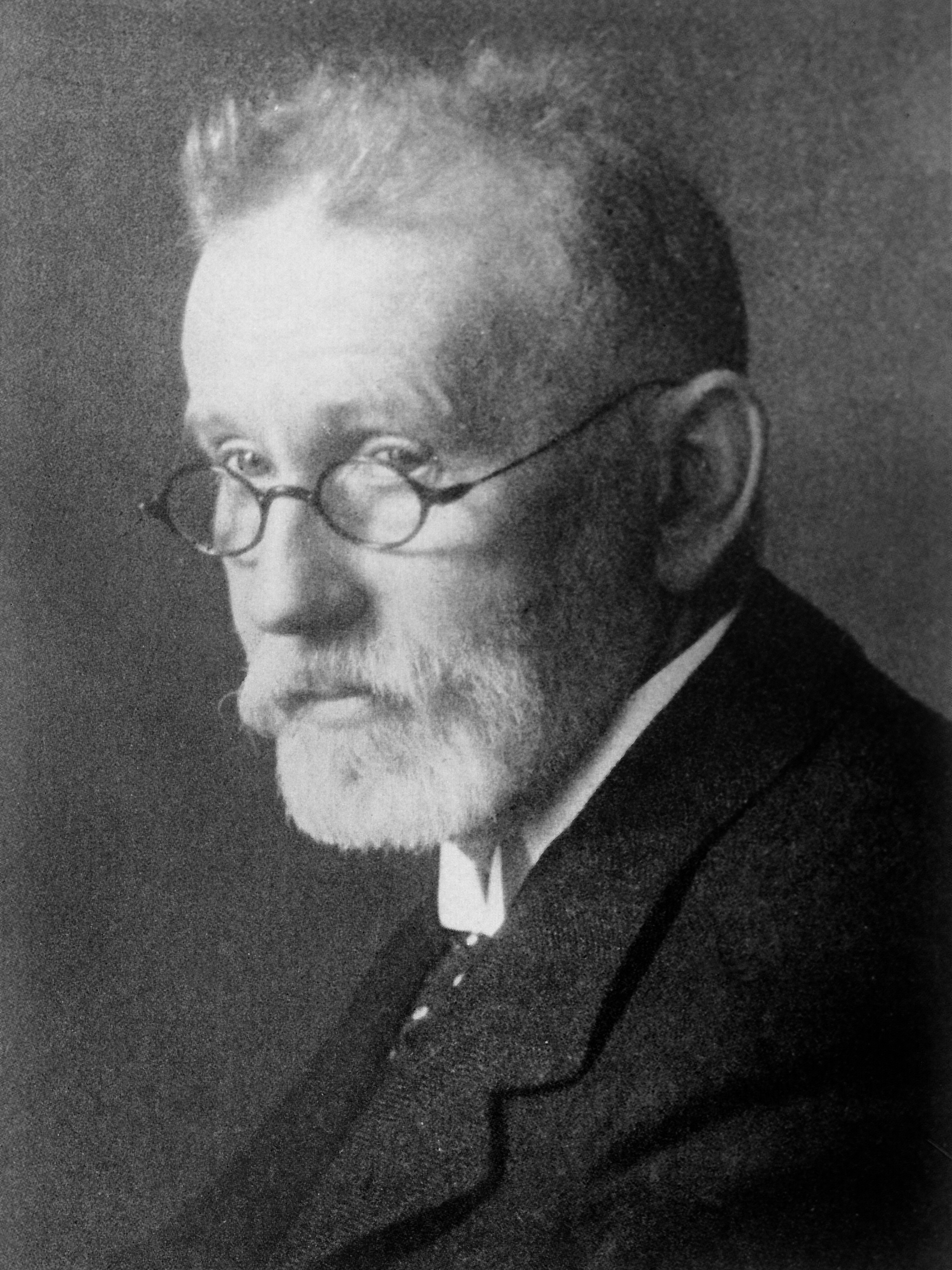
Ehrlich improved Behring’s diphtheria antitoxin through quantitative titration and established an international standard for this and other antitoxins. This was the beginning of the concept of biological standardizati…
1897
#5128
Ueber die Pestepidemie in Formosa.
Ogata considered the flea (principally Xenopsylla cheopis) to be the principal, if not the sole, vector of bubonic plague infection.
1897
#5246
On the flagellated form of the malarial parasite.
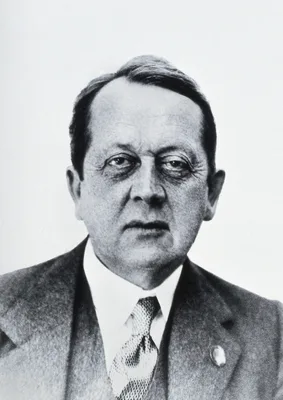
MacCallum reported at a meeting of the British Association his observation of the mode of fertilization of the malarial parasite of birds; two months later he announced that he had found the same to hold good for the …
1897
#5247
On some peculiar pigmented cells found in two mosquitoes fed on malarial blood.
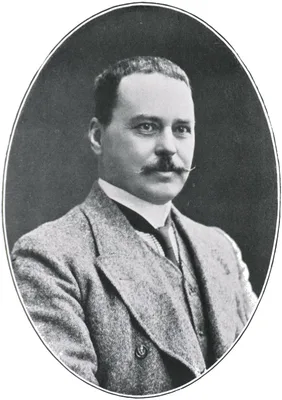
Ross proved that the mosquito was responsible for the transmission of malaria. On 20 August 1897, he found Laveran’s Plasmodium in the stomach of the Anopheles mosquito after it had fed on the blood of malaria patient…
1897
#4504
Polyarthrite tuberculeuse simulant des lésions rhumatismales chroniques déformantes.
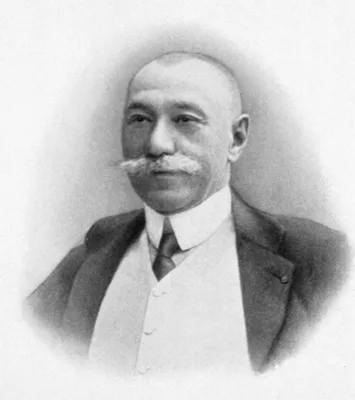
Tuberculous rheumatism (“Poncet’s disease”). See also his later paper in Bull. Acad. Méd. (Paris), 1902, 3 sér., 48, 97-114.
1898
#2266
Tropical diseases.
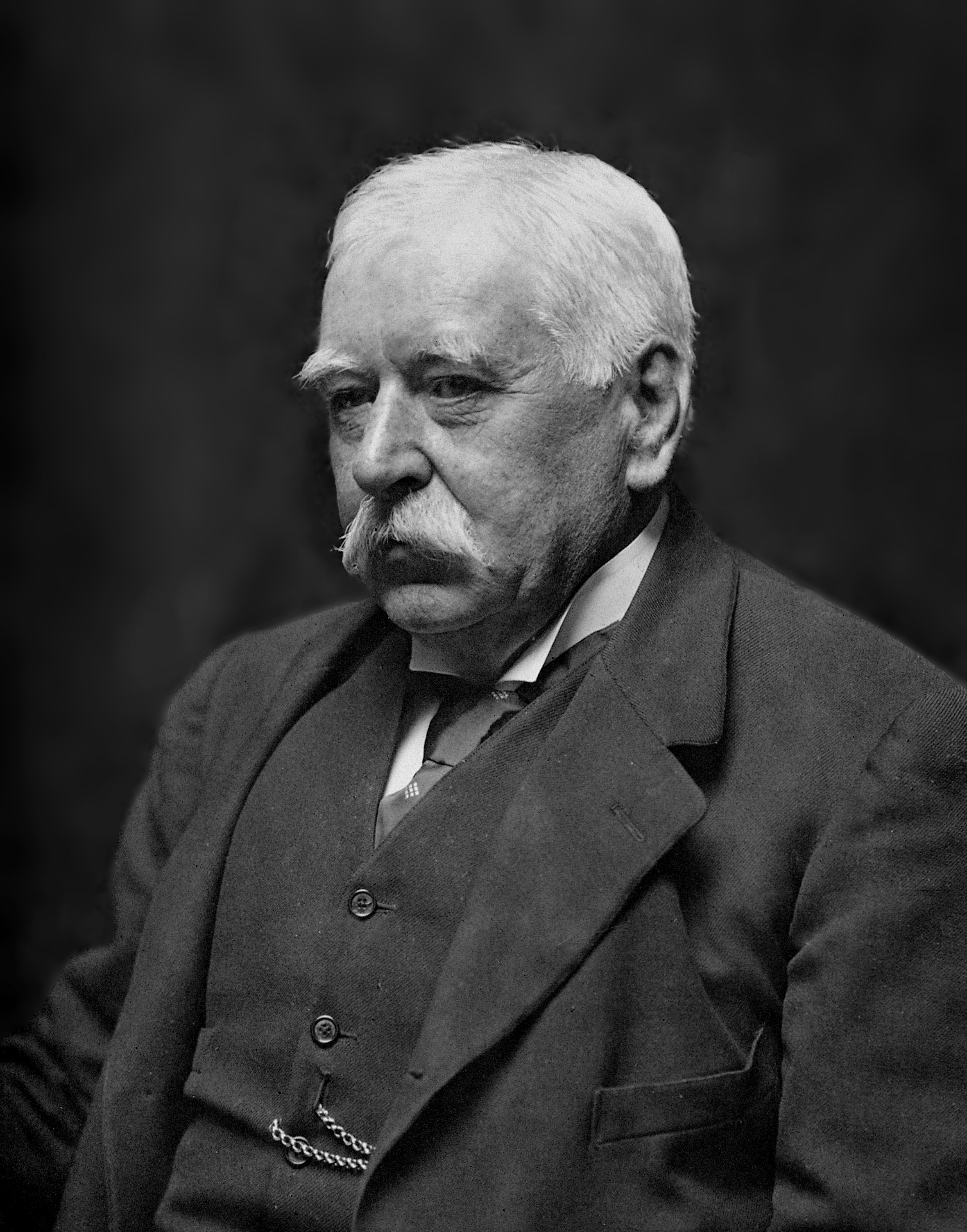
Manson has been called the “father of modern tropical medicine”. He had vast experience of disease in the Tropics and himself made many valuable contributions to the knowledge of this subject. He described tinea nigra…
1898
#2457
Reise-Bericht über Rinderpest, Bubonenpest in Indien und Afrika, Tsetse-oder Surrakrankheit, Texasfieber, tropische Malaria, Schwarzwasserfieber.
1898
#2334
Sur l’obtention de cultures et d’émulsions homogènes du bacille de la tuberculose humaine en milieu liquide et “sur une variété mobile de ce bacille”.
Sero-agglutination for the diagnosis of tubercle bacillus.
1898
#2335
A comparative study of bovine tubercle bacilli and of human bacilli from sputum.
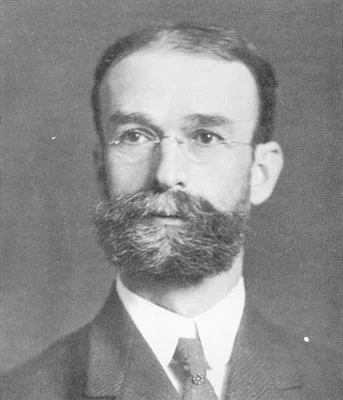
First clear differentiation between the bovine and human types of tubercle bacillus.
1898
#2513
On an epidemic of gastro-enteritis associated with the presence of a variety of the Bacillus enteritidis (Gaertner), and with positive sero-diagnostic evidence (in vivo and in vitro).
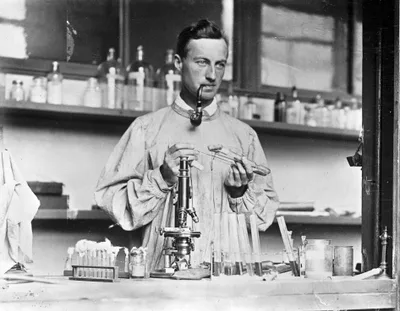
Discovery of Salm. Aertrycke in patients suffering from food poisoning.
1898
#5038
On infection with a para-colon bacillus in a case with all the clinical features of typhoid fever.
Isolation of Salmonella paratyphi A.
1898
#5128.1
La propagation de la peste.
Simond provided substantial evidence to support Ogata that fleas transmitted plague from rat to man.
1898
#5294
On sart sore.
First description of the protozoon later named Leishmania tropica. The paper is in Russian; for a translation, see C. A. Hoare, in Trans. roy. Soc. trop. Med. Hyg., 1938, 32, 78-90.
1898
#5445
Recherches expérimentales sur la transmissibilité de la rougeole animaux.
Measles transmitted to animals.
1898
#5248
Traité du paludisme.
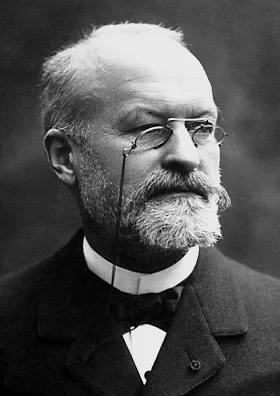
1898
#5249
On the haemocytozoa of birds.
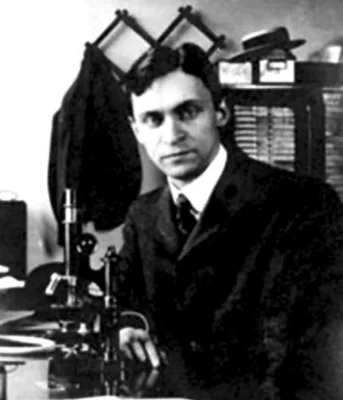
Demonstration of sexual conjugation in the malaria parasite. See also No. 5250.
1898
#5250
Notes on the pathological changes in the organs of birds infected with haemocytozoa.
MacCallum and Opie discovered the sexual phase of malaria parasites.
1898
#5251
The rôle of the mosquito in the evolution of the malarial parasite.
Ross provided the last link in the chain demonstrating the complete life-cycle of the parasite of bird malaria. He found that mosquitoes which had fed on malaria-infected birds, and which had allowed the parasites to …
1898 –1900
#11394
Über die Beulenpest in Bombay im Jahre 1897. Gesamtbericht von der Kaiserlichen Akademie der Wissenschaften in Wien zur Studium der Beulenpest nach Indien entsendeten Commission. 2 vols. in 3.
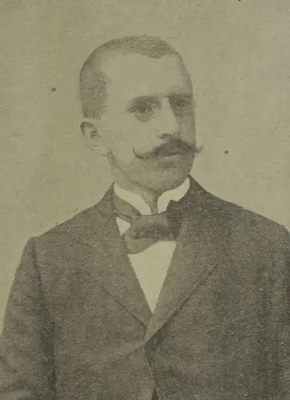
Müller died at the age of 32 as a result of exposure to this plague.
1899
#4681
Ein Fall von Allgemeininfection mit Influenzabacillen.
First description of influenzal meningitis.
1899
#2987
Die Aortensyphilis als Ursache von Aneurysmen.
Heller established the fact that syphilis is a cause of aortic aneurysm.
1899
#5429
Vaccination, its natural history and pathology.
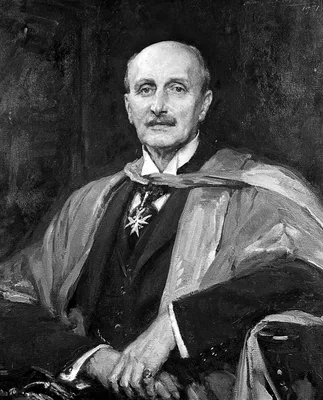
Milroy Lectures, Royal College of Physicians, 1898. Copeman’s bacteriological studies permanently determined the validity of vaccination as a preventive of smallpox.
1899
#5252
Ciclo evolutivo della semilune nell’ Anopheles claviger.
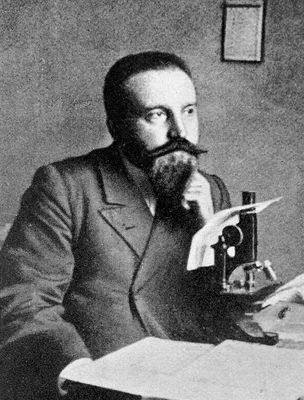
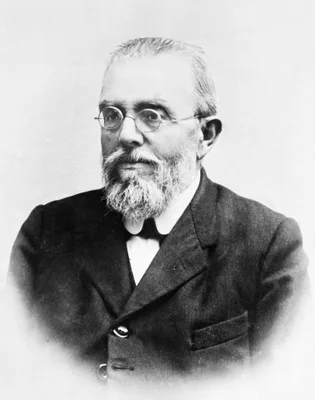
Grassi and Bignami showed that the Plasmodium undergoes its sexual phase only in the Anopheles mosquito.
1900
#2336
Les maladies qu’on soigne à Berck.
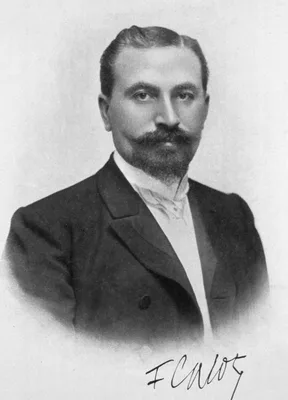
An account of the work of the Rothschild Hospital at Berck-sur-Mer, where Calot specialized in the treatment of surgical tuberculosis in children.
1900
#5505
On the confusion of two different diseases under the name of rubella (rose-rash).
Dukes described a condition similar to that noted earlier by Filatov (No. 5503). Dukes called it the “fourth disease”, distinguishing it from scarlet fever, measles, and rubella on the ground that an attack of any of …
1900
#5456
A note on the interval between infecting and secondary cases of yellow fever from the records of yellow fever at Orwood and Taylor, Mississippi, in 1898.
Carter's determination of the incubation period yellow fever influenced the direction of Reed’s researches, and was instrumental in the discovery of the mode of transmission of the yellow fever virus.
1900
#5457
The etiology of yellow fever. A preliminary note.
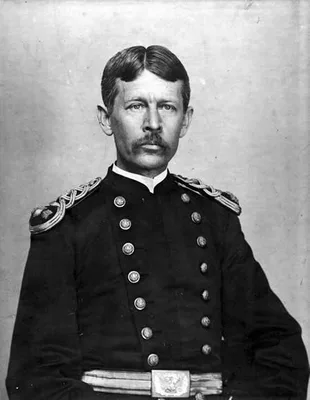
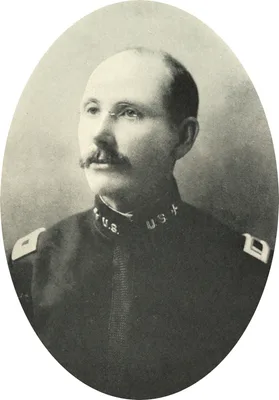
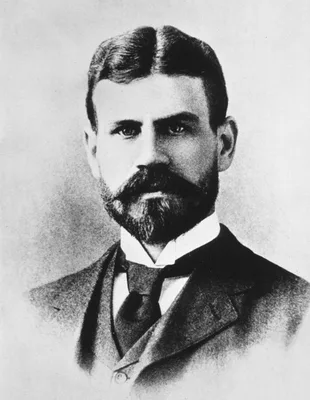
First definite proof that the organism causing yellow fever is transmitted to man by the mosquito Aëdes aegypti. During the period spent by these workers in the investigation of the disease in Cuba Lazear and Carroll …
1900
#5252.1
Studi di uno zoologo sulla malaria.
Includes the best illustrations of the various stages of the malaria parasite published up to that time.
1900
#5252.2
Experimental proof of the mosquito-malaria theory.
In a classic demonstration Manson allowed infected mosquitoes from Rome to bite a volunteer (his son) in London, who developed malaria 15 days later with tertian parasites in the blood, and who was cured by quinine.
1900
#12007
A comparative study of the biological characters and pathogenesis of bacillus X (Sternberg), bacillus icteroides (Sanarelli), and the Hog Cholera Bacillus (Salmon and Smith).
Order of authorship in the original publication: Reed, Carroll. In this paper of monograph length the authors irrefutably proved that yellow fever was not caused by a bacterial infection, allowing them to concentrate …
1901 –1910
#346
A monograph of the Culicidae, or mosquitoes. Mainly compiled from the collections received at the British Museum from various parts of the world in connection with the cause of malaria conducted by the Colonial Office and the Royal Society. 4 vols. and atlas.
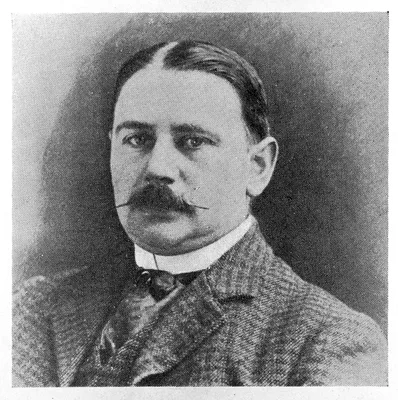
Digital facsimile from the Internet Archive at this link.
1901 –1911
#2423
Der Ursprung der Syphilis. 2 pts.
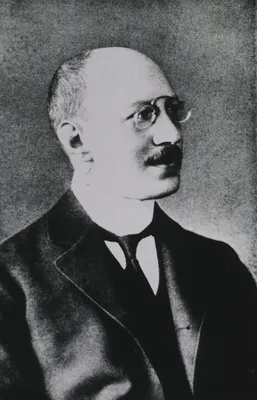
Bloch was a chief modern supporter of the theory of the Columbian origin of syphilis.
1901
#5253
Note on a simple and rapid method of producing Romanowsky staining in malarial and other blood films.
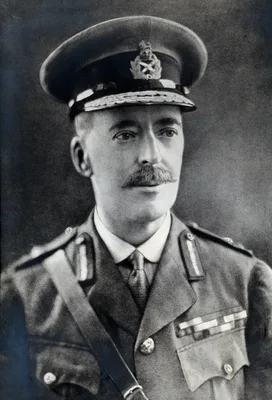
“Leishman’s stain”, a modification of that introduced by Romanovsky in 1891.
1901
#5135
Pestblätter des XV. Jahrhunderts. Hrsg. von P. Heitz, mit einleitendem Text von W.L. Scheiber.
1901
#9372
The etiology of yellow fever: An additional note.
"The article describes a series of experiments conducted to explore how yellow fever is propagated from individual to individual and how the contagium is spread within households. The study was conducted in an experim…
1902
#2397
Ueber eine bei Syphilitischen vorkommende Quecksilberreaktion.
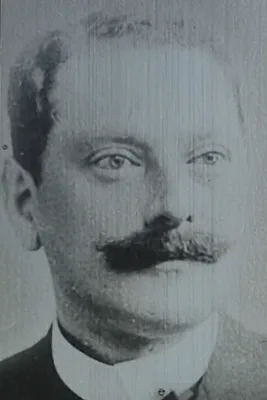
See No. 2396.
1902
#3780
On the pathological changes in Hodgkin’s disease, with especial reference to its relation to tuberculosis.
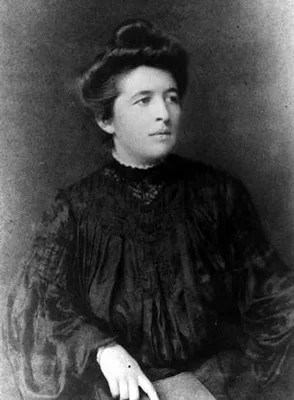
Dorothy Reed’s classic work on Hodgkin’s disease included a study of the histological picture. She described the proliferation of the endothelial and reticular cells, and the formation of lymphadenoma cells – “Dorothy…
1902
#5435.1
A concise history of small-pox and vaccination in Europe.
A comprehensive summary, in tabular form.
1902
#5274
Some clinical notes on a European patient in whose blood a trypanosoma was observed.
In 1901 Forde saw (but did not at first recognize as such) trypanosomes in the blood of a patient in Gambia. (See No. 5275.)
1902
#5275
Preliminary note upon a trypanosome occurring in the blood of man.
Dutton was the first to recognize human trypanosomiasis. He saw Forde’s patient (see No. 5274) and named the trypanosome T. gambiense. Sleeping sickness itself has been referred to as “Dutton’s disease”. The first ann…