
Facets
Browse across eight MeSH (opens in new tab) facets — era, geography, science, specialty, technology, history, culture, and reference. Select one tag per group; counts update across the others. What’s new in facet browse how facets relate to subjects and MeSH.
Clear filtersGeography
Specialties & Disease
- Alternative & Fringe Medicine 383
- Anatomy & Pathology 765
- Cardiology & Blood 914
- Dentistry 259
- Diabetes 80
- ENT & Hearing 293
- Epidemiology & Demography 397
- Gastroenterology & Hepatology 316
- General Clinical Medicine 487
- Immunology & Dermatology 1,008
- Infectious Disease (General) 147
- Internal, Emergency & Geriatric 123
- Microbiology & Virology 1,080
- Military Medicine 436
- Neurology & Psychiatry 1,258
- Obstetrics & Reproductive 551
- Oncology & Cancer 377
- Ophthalmology & Vision 412
- Pediatrics 247
- Physiology & Embryology 924
- Plagues & Epidemics 1,279
- Psychology 202
- Public Health 1,129
- Pulmonary & Respiratory 233
- Rheumatology, Rehab & Pain 189
- Surgery & Anesthesia 1,553
- Urology & Nephrology 309
- Veterinary Medicine 165
Social & Historical Studies
Institutions & Culture
Reference & Scholarly Works
1,279 entries match Plagues & Epidemics [C01.252]
1911
#5172
Die bakteriologische Blutuntersuchung beim Milzbrand des Menschen.
Salvarsan first used in the treatment of anthrax.
1911
#5173
A plague-like disease of rodents.
Tularemia first recorded (in rodents).
1911
#5285.1
Contribuiçao para o estudo da anatomia patolojica da “molestia de Carlos Chagas”.
Demonstration of the mode of reproduction of T. cruzi. Text in Portuguese and German. See also the paper by Chagas in pp. 219-75 of the same journal.
1911
#5448
Experimental measles in the monkey.
Measles transmitted to monkeys.
1911
#5460.1
Fiebre amarilla y fiebre espiroquetal; endemias y epidemias en Muzo, de 1907 a 1910.
Franco, J. Martínez-Santamaria, and G. Toro-Villa described epidemics of yellow fever spread by mosquitoes other than Ae. aegypti. Later F. L. Soper, et al., Amer. J. Hyg., 1933, 18, 555-87, substantiated this.
1911
#6646
The king’s evil.
A classic account of the history of touching for the “king’s evil” or scrofula— a practice of kings from ancient times until the 18th century.
1911
#7762
Observations upon the natural history of epidemic diarrhoea.
Diarrhoea was one of the chief causes of child mortality in Great Britain at the turn of the century. Peters begins with a statistical study of age incidence, prevalence, and fatality of the condition and then in succ…
1911
#9373
Yellow fever: A compilation of various publications. Results of the work of Maj. Walter Reed, Medical Corps, United States Army, and the Yellow Fever Commission. Presented by Mr. Owen.
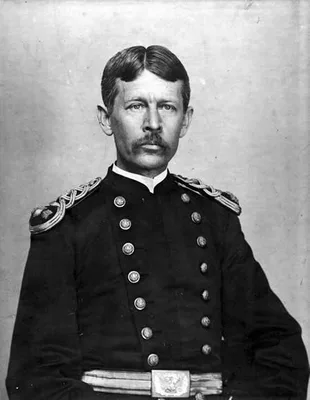
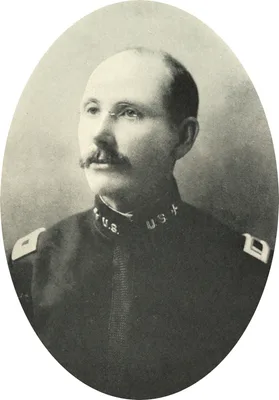
A convenient compilation of the work of Reed and his associates, including the work of James Carroll published after the death of Walter Reed. Digital facsimile from the Internet Archive at this link.
1912
#4646
Zur Kenntnis der sogenannten diffusen Sklerose (über Encephalitis periaxialis diffusa).
“Schilder’s disease” – encephalitis periaxialis diffusa.
1912
#86
Gesammelte Werke von Robert Koch. Unter Mitwirkung von G. Gaffky and E. Pfuhl. Herausgegeben von J. Schwalbe. 2 vols. [in 3).
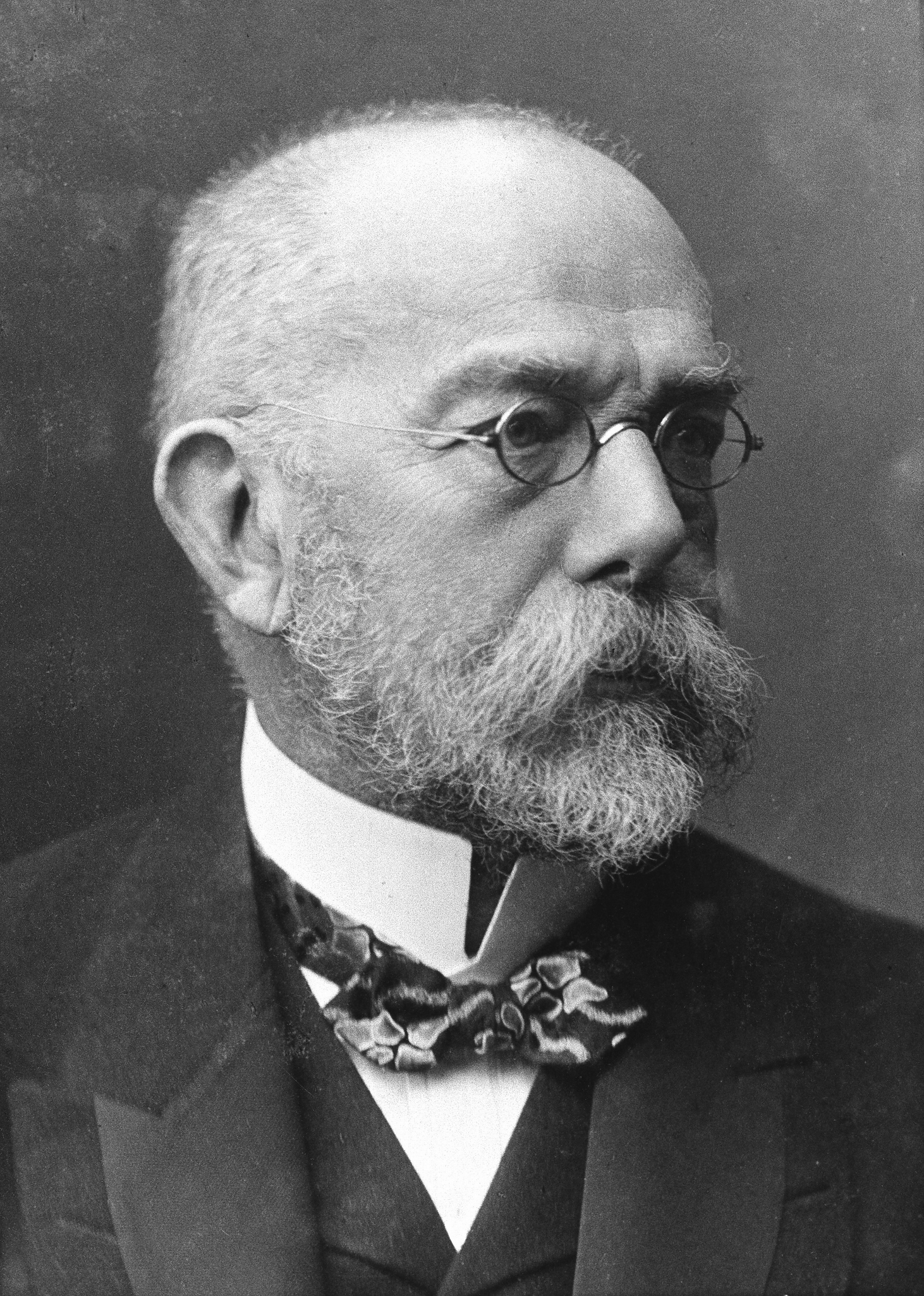
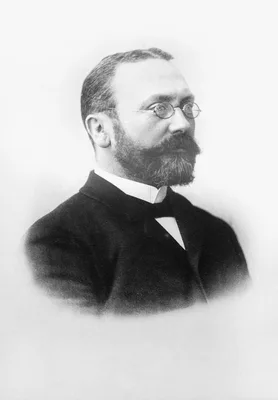
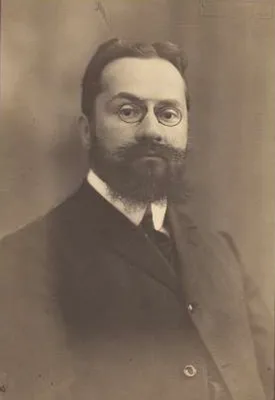
For his work on tuberculosis Koch received the Nobel Prize in 1905. Digital facsimile from the Internet Archive at this link. See T.D. Brock, Robert Koch: A life in medicine and bacteriology, Madison, WS: Science-Tech…
1912
#2424
Aus der Frühgeschichte der Syphilis.
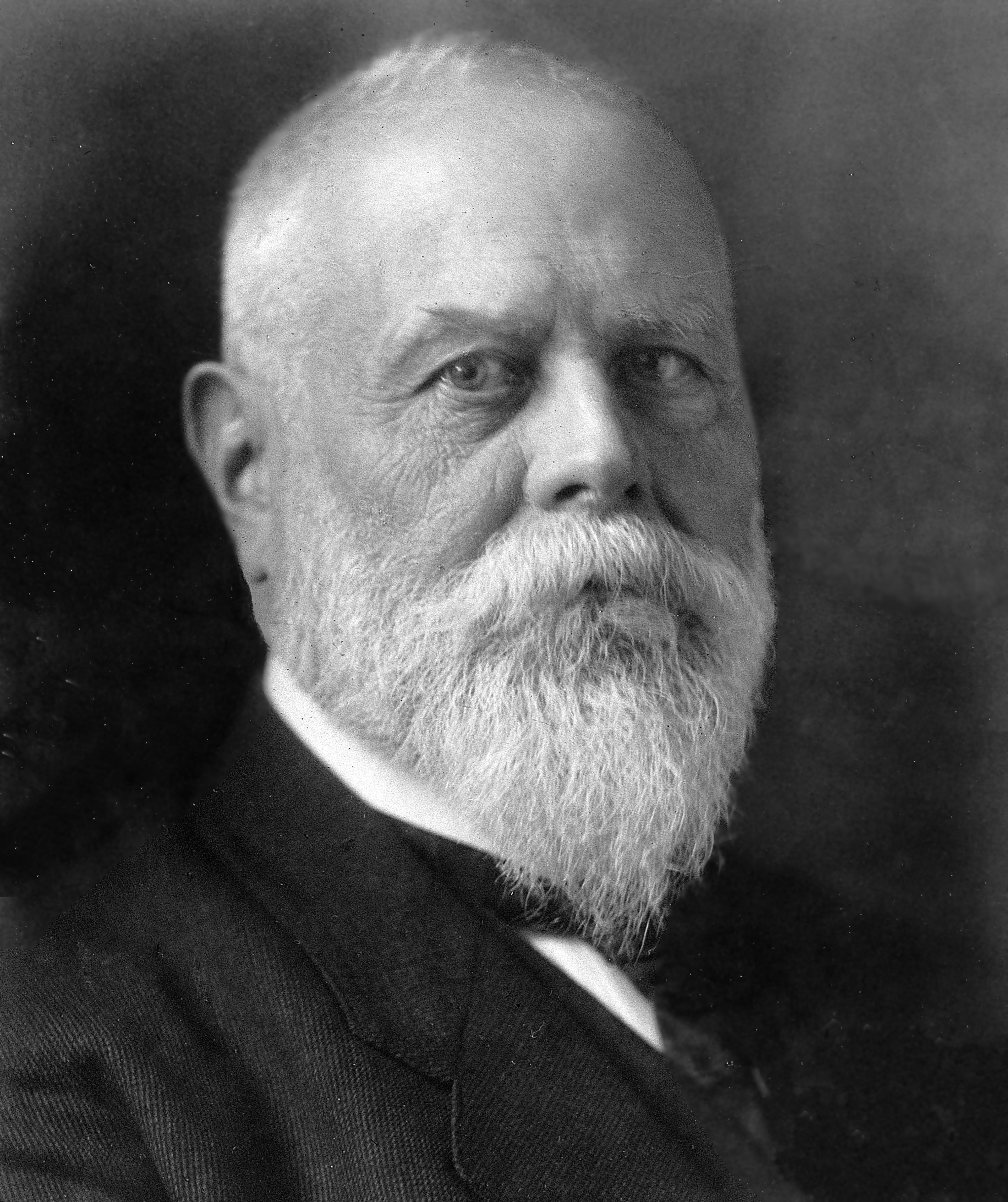
Sudhoff believed in the pre-Columbian existence of syphilis.
1912
#2405
Ueber Laboratoriumsversuche und klinische Erprobung von Heilstoffen.
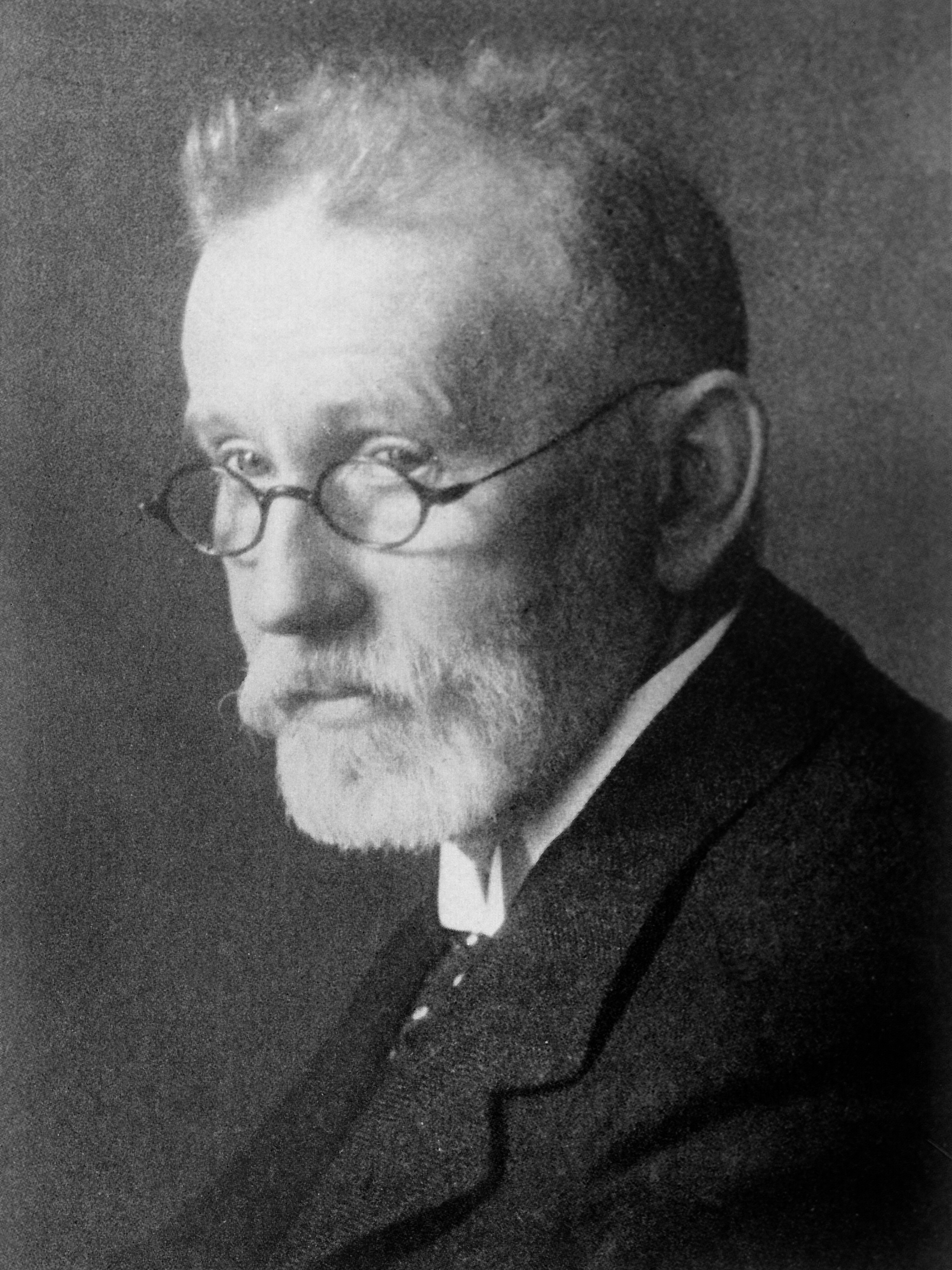
Introduction of neoarsphenamine (neosalvarsan).
1912
#2425
Mal Franzoso in Italien in der ersten Hälfte des 15. Jahrhunderts.
Forms Heft 5 of K. Sudhoff & G. Sticker: Zur historischen Biologie der Krankheitserreger.
1912
#5174
Further observations on a plague-like disease of rodents with a preliminary note on the causative agent, Bacterium tularense.
Isolation of Pasteurella tularensis, causal organism in tularemia.
1912
#5285.2
On the transmission of human trypanosomes by Glossina morsitans, Westw.; and on the occurrence of human trypanosomes in game.
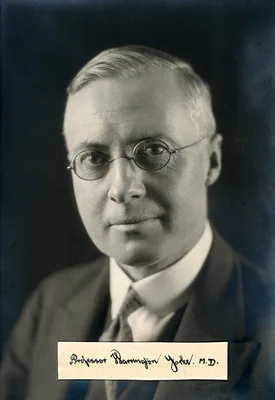
Glossina morsitans shown to be the transmitting fly of T. rhodesiense.
1912
#5285.3
Le trypanosoma cruzi évolue chez Conorhinus megistus, Cimex lectularius, Cimex Boueti et Ornithodorus moubata. Cycle évolutif de ce parasite.
Life cycle of T. cruzi described. English translation in Kean (No. 2268.1).
1912
#5255.1
The cultivation of malaria plasmodia (Plasmodium vivax and Plasmodium falciparum) in vitro.
Cultivation of the malaria parasite.
1912
#10921
Does a human tick-borne disease exist in British Columbia?
Report on the first cases of "tick paralysis", a potentially lethal disease treatable by removing the tick. Follow-up paper by Todd: "Tick bite in British Columbia," Canad. med. Assoc. J., 2 (1912) 1118-1119. Unlike m…
1912
#12582
Report of the International Plague Conference held at Mukden [Shenyang], April, 1911.
Report on the epidemic of pneumonic plague that raged in Manchuria and north China during the winter months of 1910-11, causing the death of nearly 50,000 people. This was the first outbreak of epidemic pneumonic plag…
1913
#2342
Die Heliotherapie der Tuberkulose.
In 1903 Rollier introduced ultra-violet light and Alpine sunlight in the treatment of surgical tuberculosis. Heliotherapy for chronic affections was advocated as early as the 5th century CE by Caelius Aurelianus.
1913
#2406
Die Ausflockung kolloidalen Goldes durch Zerebrospinalflüssigkeit bei luetischenAffektiondesZentralnervensystems.
Lange’s colloidal gold test for the diagnosis of cerebrospinal syphilis. See also Berl. klin. Wschr., 1912, 49, 897-901.
1913
#3192.1
A biological classification of pneumococci by means of immunity reactions.
Dochez and Gillespie differentiated four types of pneumococci.
1913
#5066
Die Diphtherietoxin – Hautreaktion des Menschen als Vorprobe der prophylaktischen Diphtherieheilseruminjektion.
Schick developed his test for use as an indication as to whether or not prophylactic injections of antitoxin are necessary in children already exposed to diphtheria. English translation in J. Mt. Sinai Hosp., 1938, 5,…
1913
#5067
Ueber ein neues Diphtherieschutzmittel.
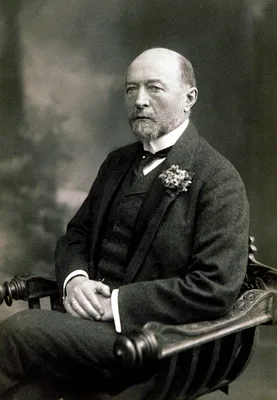
Toxin–antitoxin for immunization against diphtheria.
1913
#5300.1
Un cas de kala-azar à Asuncion (Paraguay).
Migone first noted the existence of visceral leishmaniasis in the Americas (Paraguay).
1913
#5436
The historic evolution of variolation.
1913
#5217
Lymphogranulomatose inguinale subaiguë d’origine génitale probable, peut-être vénérienne.
First important description. Sometimes called “Nicolas–Favre disease” and “Nicolas–Durand–Favre disease”.
1913
#11249
Important discovery in tropical medicine: Metamorphosis of Filaria Loa.
Leiper discovered diurnal periodicity in Filaria Loa, as the worm embryos are found in the blood only during day, as an adaptation to the day-biting habits of their insect vector, a biting fly of the genus Chrysopa. T…
1914
#2443
La lèpre à travers les siècles et les contrées.
1914
#5068
Active immunization in diphtheria and treatment by toxin-antitoxin.
With A. Zingher and M. H. Serota. Park was an early advocate of diphtheria immunization with toxin-antitoxin. A second paper is in the same journal, 1915, 65, 2216-20.
1914
#5129.1
Observations on the mechanism of the transmission of plague by fleas.
Bacot and Martin demonstrated the method by which the rat flea (primarily Xenopsylla cheopis) transmits the plague bacillus from rat to man.
1914
#5138
Plague and pestilence in literature and art.
Deals with the subject up to the end of the 18th century. Revised ed., 1951.
1914
#5175
Infection of man with Bacterium tularense
Wherry and Lamb were first to isolate P. tularensis from lesions in man.
1914
#5506.1
German measles (rubella): an experimental study.
Experimental proof that rubella is caused by a virus.
1914
#5301
Sobre o tratemento de leishmaniose tegumentar.
Vianna introduced tartar emetic in the treatment of S. American leishmaniasis. His preliminary announcement on this form of treatment was made to the Brazilian Dermatological Society and appears in Arch. brasil. Med.,…
1914
#5350.2
Der Zwischenwirt des Schistosomum japonicum Katsurada.
Miyairi and Suzuki confirmed that snails are the intermediate hosts of S. japonicum, and their paper completed the description of the life cycle from ova to snail intermediate host. Translation in Kean (No. 2268.1), p…
1914
#13802
The history of small-pox in Australia 1788-1908.
A second volume, The history of small-pox in Australia, 1909-1923 by J.H.L. Compston and F. McCallum was published in Melbourne: H. J. Green, govt. printer, 1925.
1915
#2444
Leper houses and mediaeval hospitals.
1915
#5757
Bone-graft surgery.
Albee was the first to employ living bone grafts as internal splints. He used cutting machines and saws to make inlaid, perfectly-fitting grafts. See especially his “Transplantation of a portion of the tibia into the …
1915 –1916
#5350.4
Reports of the results of the bilharzia mission in Egypt, 1915.
Leiper identified the snail responsible for the transmission of Schistosoma mansoni and S. haematobium.
1915
#5350.5
Observations on the spread of Asiatic schistosomiasis.
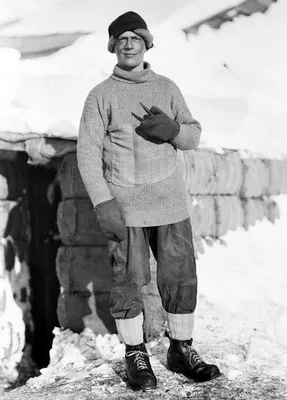
First paper in English giving a detailed account of the development of S. japonicum in the snail and its subsequent development in man. Atkinson, a surgeon in the Royal Navy, was a member of Scott’s Antarctic expediti…
1915
#5384.1
Ätiologische Untersuchungen über den Flecktyphus in Serbien 1913 und in Hamburg 1914.
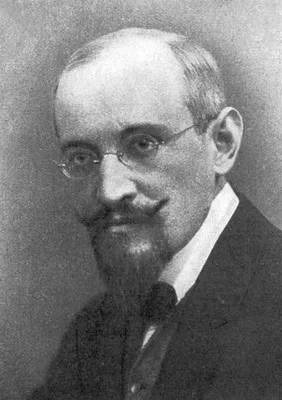
Prowazek, like Ricketts and Wilder, demonstrated the specific causal agent in typhus. Like Ricketts he died of the disease.
1915
#5430.1
Pure cultivation in vivo of vaccine virus free from bacteria.
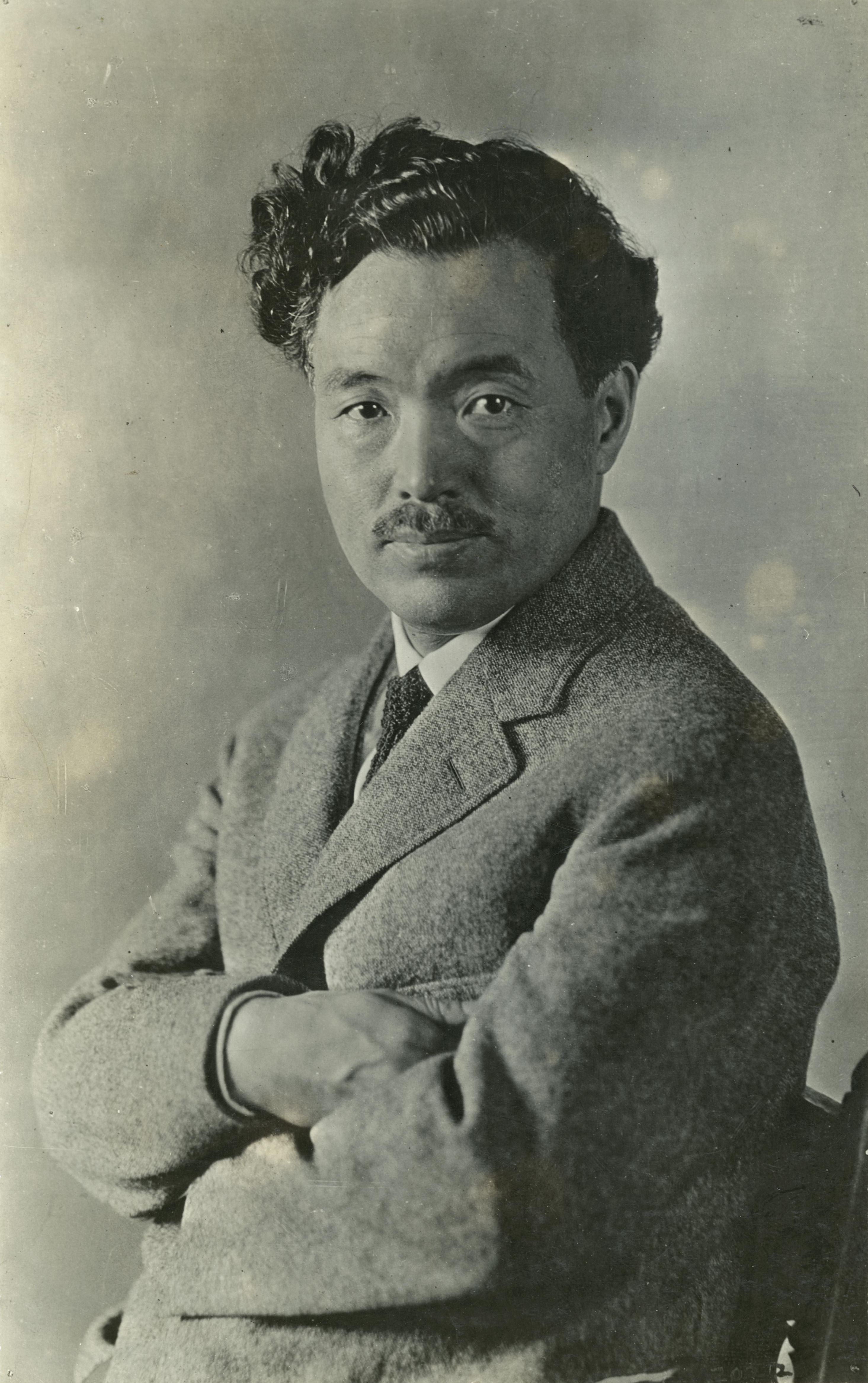
Noguchi obtained a pure culture of vaccinia virus.
1915
#5431
Zur Differentialdiagnose der Variola und der Varicellen. Die Erscheinungen an der variolierten Hornhaut des Kaninchens und ihre frühzeitige Erkennung.
Paul’s test for the diagnosis of smallpox.
1915
#9259
Sanitation in Panama.
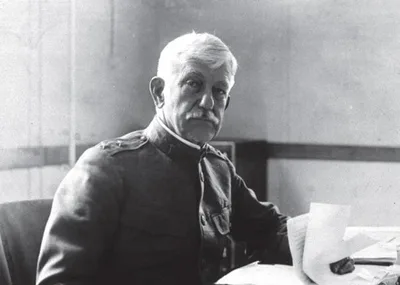
"Gorgas capitalized on the momentous work of ... Walter Reed, who had himself built much of his work on insights of a Cuban doctor, Carlos Finlay, to prove the mosquito transmission of yellow fever. He won internation…
1915
#12573
Report of first expedition to South America 1913.
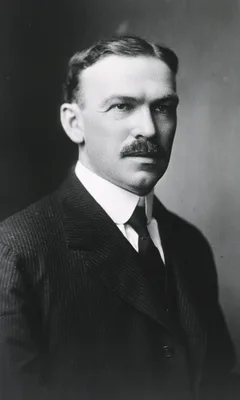
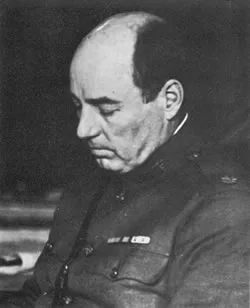
Strong was the first professor of tropical medicine at Harvard. The Harvard School of Tropical Medicine was founded in 1913, the year they undertook this expedition. Digital facsimile from Google Books at this link.
1916
#2571.1
Pathogénie du choléra. Reproduction expérimentale de la maladie.
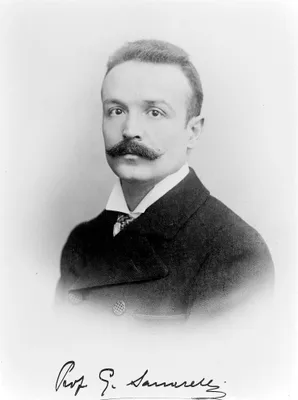
Sanarelli claimed priority in observing the Shwartzman phenomenon (See No. 2576). See Ann. Inst. Pasteur,1939, 63, 105.
1916
#5043
Ueber die Behandlung von Typhus mit Milchinjektionen.
1916
#5388
Zur Aetiologie des Fleckfiebers.
Rickettsia prowazeki, cause of epidemic typhus, was first isolated by the Brazilian microbiologist Henrique da Rocha-Lima, who named it after Ricketts and Prowazek, both of whom died of the disease.
1916
#5390
Zurserologischen Diagnose des Fleckfiebers.
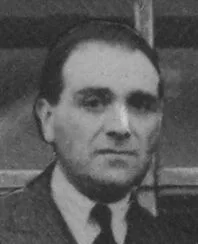
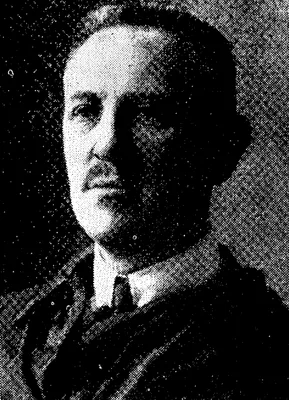
Weil-Felix reaction for the diagnosis of typhus. See also the later paper in the same journal, 1916, 29, 974-78.