
Facets
Browse across eight MeSH (opens in new tab) facets — era, geography, science, specialty, technology, history, culture, and reference. Select one tag per group; counts update across the others. What’s new in facet browse how facets relate to subjects and MeSH.
Clear filtersGeography
Specialties & Disease
- Alternative & Fringe Medicine 383
- Anatomy & Pathology 765
- Cardiology & Blood 914
- Dentistry 259
- Diabetes 80
- ENT & Hearing 293
- Epidemiology & Demography 397
- Gastroenterology & Hepatology 316
- General Clinical Medicine 487
- Immunology & Dermatology 1,008
- Infectious Disease (General) 147
- Internal, Emergency & Geriatric 123
- Microbiology & Virology 1,080
- Military Medicine 436
- Neurology & Psychiatry 1,258
- Obstetrics & Reproductive 551
- Oncology & Cancer 377
- Ophthalmology & Vision 412
- Pediatrics 247
- Physiology & Embryology 924
- Plagues & Epidemics 1,279
- Psychology 202
- Public Health 1,129
- Pulmonary & Respiratory 233
- Rheumatology, Rehab & Pain 189
- Surgery & Anesthesia 1,553
- Urology & Nephrology 309
- Veterinary Medicine 165
Social & Historical Studies
Institutions & Culture
Reference & Scholarly Works
1,279 entries match Plagues & Epidemics [C01.252]
1916
#5474
On the transmission of Australian dengue by the mosquito Stegomyia fasciata.
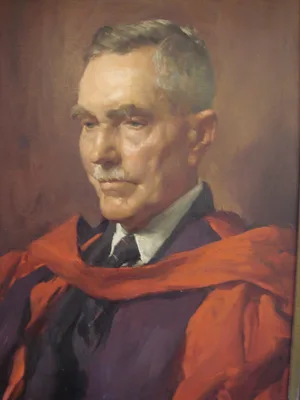
These workers proved that Aëdes aegypti (Stegomyia fasciata) is capable of transmitting dengue fever. See also J. Hyg. (Camb.), 1918, 16, 317-418. With C. H. Bradley and W. McDonald.
1916
#10522
"The path of the destroyer": A history of leprosy in the Hawaiian Islands, and thirty years research into the means by which it has been spread.
Digital facsimile from the Internet Archive at this link.
1917
#4648
The Australian epidemics of an acute polio-encephalomyelitis (X disease).
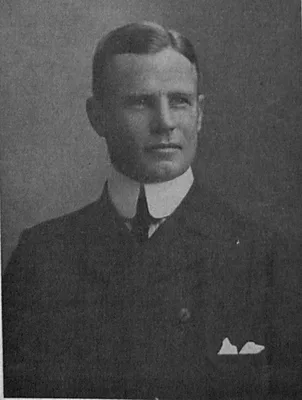
Campbell was Australia's first neurologist. This paper described Murray Valley encephalitis (Australian X disease). Cleland and Campbell isolated a virus from the cerebral tissue of three patients.
1917
#4649
Quarante cas d’encéphalo-myélite subaiguë.
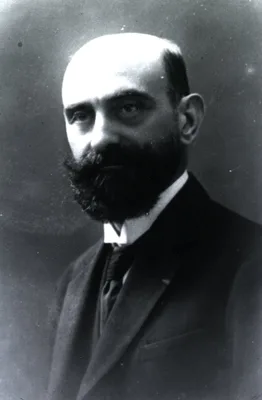
Cruchet’s account of epidemic encephalitis was given on 27 April 1917, preceding that of Economo by 13 days. With F. Moutier
1917
#2407
Ueber ein neue Methode der serologischen Luesdiagnose.
Meinicke diagnostic reaction.
1917
#4650
Encephalitis lethargica.
Economo’s classic description of epidemic encephalitis (“von Economo’s disease”) was published on 10 May 1917; see No. 4649.
1918 –1919
#4806
Ueber die Einwirkung der Malaria auf die progressive Paralyse.
In 1917 Wagner von Jauregg returned to the idea of the inoculation of paretics with malaria to induce pyrexia, first proposed by him in 1887 (Ueber die Einwirkung fieberhafter Erkrankungen auf Psychosen, Jb. Psychiat.…
1918
#5081
Serologische Beobachtungen am Scharlachexanthem.
Schultz–Charlton reaction.
1918
#5350.6
The successful use of antimony in bilharziosis.
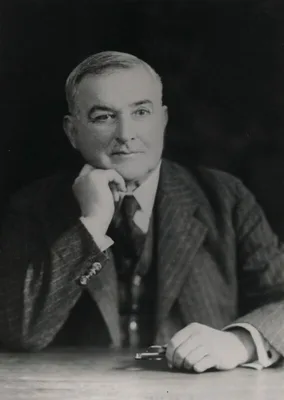
Introduction of tartar emetic (antimony) in the treatment of schistosomiasis.
1918
#11922
"Spanish influenza," "Three-day fever," "The flu".
Public health advice from the U.S. Public Health Service published during the pandemic.
1919
#4651
Etiology of epidemic (lethargic) encephalitis. Preliminary note.
Experimental transmission of encephalitis lethargica.
1919
#2440
On the value of a skin reaction to a suspension of leprous nodules.
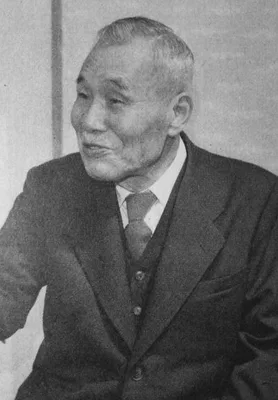
Mitsuda (lepromin) reaction. English translation by the author in Int. J. Leprosy, 1953, 21, 347-58.
1919
#2408
Zur Kritik des serologischen Luesnachweises mittels Ausflockung.
Sachs–Georgi diagnostic reaction.
1919
#2409
Über die Serodiagnostik der Syphilis mittels Ausflockung durch cholesterinierte Extrakte.
Weichardt’s reagent.
1919
#5044
A new generation of paratyphoid.
Hirszfeld gave an important description of Salmonella paratyphi C. (“Hirszfeld’s bacillus”).
1919
#5391
Studies on Rocky Mountain spotted fever.
In his important aetiological and pathological studies of Rocky Mountain spotted fever, Wolbach mentioned the causal agent Dermacentroxenus rickettsi.
1920
#2410
A more rapid and improved method of demonstrating spirochetes in tissues (Warthin and Starry’s cover-glass method).
Warthin and Starry’s method.
1920
#5286
Ueber chemotherapeutische Versuche mit “205 Bayer”, einen neuen trypanoziden Mittel von besonderer Wirkung.
Introduction of “Bayer 205” (germanin, suramin, naphuride).
1920
#5492
Report on the pandemic of influenza 1918-19.
Reports on Public Health and Medical Subjects, No. 4. The most widespread and serious pandemic of influenza occurred in 1918-19. It spread throughout Europe, Russia, Canada, S. America, New Zealand, Australia, Africa,…
1920
#11921
Special tables of mortality from influenza and pneumonia in Indiana, Kansas, and Philadelphia, Pa., September 1 to December 31, 1918.
Digital facsimile from the Hathi Trust at this link.
1921
#4723
Rapport sur les syndromes parkinsoniens.
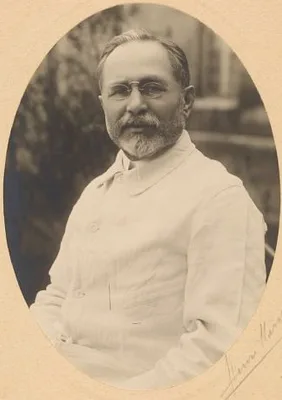
Souques recognized the importance of encephalitis lethargica as a cause of Parkinsonism; more than any other neurologist he was responsible for unifying its diverse manifestations.
1921
#2411
Traitement de la syphilis par le bismuth.
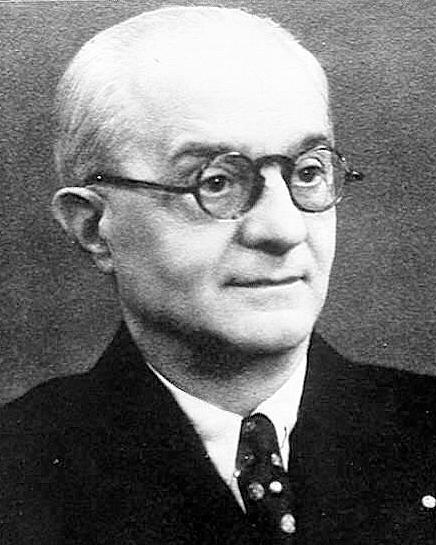
Introduction of sodium-potassium bismuth tartrate in the treatment of syphilis.
1921
#5287
Studies on the treatment of human trypanosomiasis with tryparsamide (the sodium salt of N-phenylglycineamide-p-arsonic acid).
Introduction of tryparsamide in the treatment of trypanosomiasis.
1921
#5392
Cultivation of rickettsia-like bodies in typhus fever.
Isolation of Rickettsia prowazeki from the blood. With S. A. Ritter and G. Baehr.
1921
#11920
Influenza: An epidemiological study. The American Journal of Hygiene. Monographic Series No. 1.
A comprehensive survey written two years after the pandemic, including historical information back to 1893. Digital facsimile from Google Books at this link.
1922
#2412
A simple quantative precipitation reaction for syphilis.
Kahn test.
1922
#2413
Studies in the standardization of the Wassermann reaction. XXX. A new complement-fixation test for syphilis based upon the results of studies in the standardization of technic.
Kolmer test.
1922
#5393
The etiology and pathology of typhus. Being the main report of the Typhus Research Commission of the League of Red Cross Societies to Poland.
The carefully controlled experiments of Wolbach, Todd, and Palfrey eliminated all doubt that R. prowazeki was the causal agent in typhus. Digital facsimile from the U.S. National Library of Medicine at this link.
1922
#5255.2
A new malaria parasite of man.
Plasmodium ovale described.
1922
#11919
The etiology and epidemiology of influenza.
Digital facsimile from Harvard Library at this link.
1922
#12637
Die epidemische Encephalitis. (Monographien aus dem Gesamtgebiete der Neurologie und Psychiatrie. Bd. 30).
Felix Stern was the leading German specialist in encephalitis lethargica . No national statistics for this disease, first described in Vienna in 1916, were kept in Germany. For this reason, the data collected by Stern…
1923
#2426
Beiträge zur Geschichte der Syphilis: insbesondere über ihren Ursprung und ihre Pathologie in Ostasien.
Gives, in an appendix, a list of writers on syphilis from 1495 to 1829. Digital facsimile from wellcomecollection.org at this link.
1923
#5288
Chimiothérapie des trypanosomiasis.
Introduction of moranyl (“Foumeau 309”).
1923
#5228
Epidemics I and III. In [Works] with English translation by W.H.S. Jones, 1, 139-287
![HIPPOCRATES, [Ἱπποκράτης; Hippocrates of Kos] (-460 – -370)](/media/portraits/50)
Hippocrates may be regarded as the first malariologist; he clearly and fully described the intermittent fevers; he was acquainted with seasonal and topographical variations in the distribution of malaria; and he recog…
1924
#2440.1
A plea for the early recognition of leprosy, with notes on diagnosis and methods.
The scraped-incision slit-skin method for bacterial examination in leprosy.
1924
#2343
Essai d’immunisation contre l’infection tuberculeuse.
B.C.G. (Bacille Calmette–Guérin) vaccine was first produced in 1906 and subcultured for 13 years. It was first used as a prophylactic against tuberculosis in children in 1921. It remains in use. See also No. 2346.
1924
#5069
Ueber cutane Hautreaktion mittels Diphtherie-Toxin zum Nachweis der Diphtherie-Immunität.
The “scratch test”, a cutaneous reaction for determination of susceptibility to diphtheria.
1924
#5082
A skin test for susceptibility to scarlet fever.
The “Dick test” for the determination of individual susceptibility to scarlet fever.
1924
#5082.1
The etiology of scarlet fever.
Proof that streptococcus is the cause of scarlet fever.
1924
#5083
A scarlet fever antitoxin.
Following their successful attempts to establish individual susceptibility to scarlet fever, these workers prepared an antitoxin for immunization.
1924
#5084
The significance of Streptococcus hemolyticus in scarlet fever and the preparation of a specific anti-scarlatinal serum by immunization of the horse to Streptococcus hemolyticus-scarlatinae.
Dochez and Sherman immunized a horse by repeated injections of scarlet fever toxin. A serum obtained from the horse blanched a scarlet fever rash and, when injected subcutaneously, caused marked amelioration of the ea…
1924
#5301.1
On a Herpetomonas found in the gut of the sandfly, Phlebotomus argentipes, fed on kala-azar patients.
Demonstration that L. donovani is capable of reproduction in Phlebotomus. With R. O. Smith.
1924
#4687
Une nouvelle maladie infectieuse du système nerveux central?
Acute lymphocytic choriomeningitis (aseptic meningitis syndrome) first described.
1925
#4652
Experimentelle Übertragung von Herpes zoster auf den Menschen und die Beziehungen von Herpes zoster zu Varicellen.
First demonstration of the infectivity of herpes.
1925
#2427
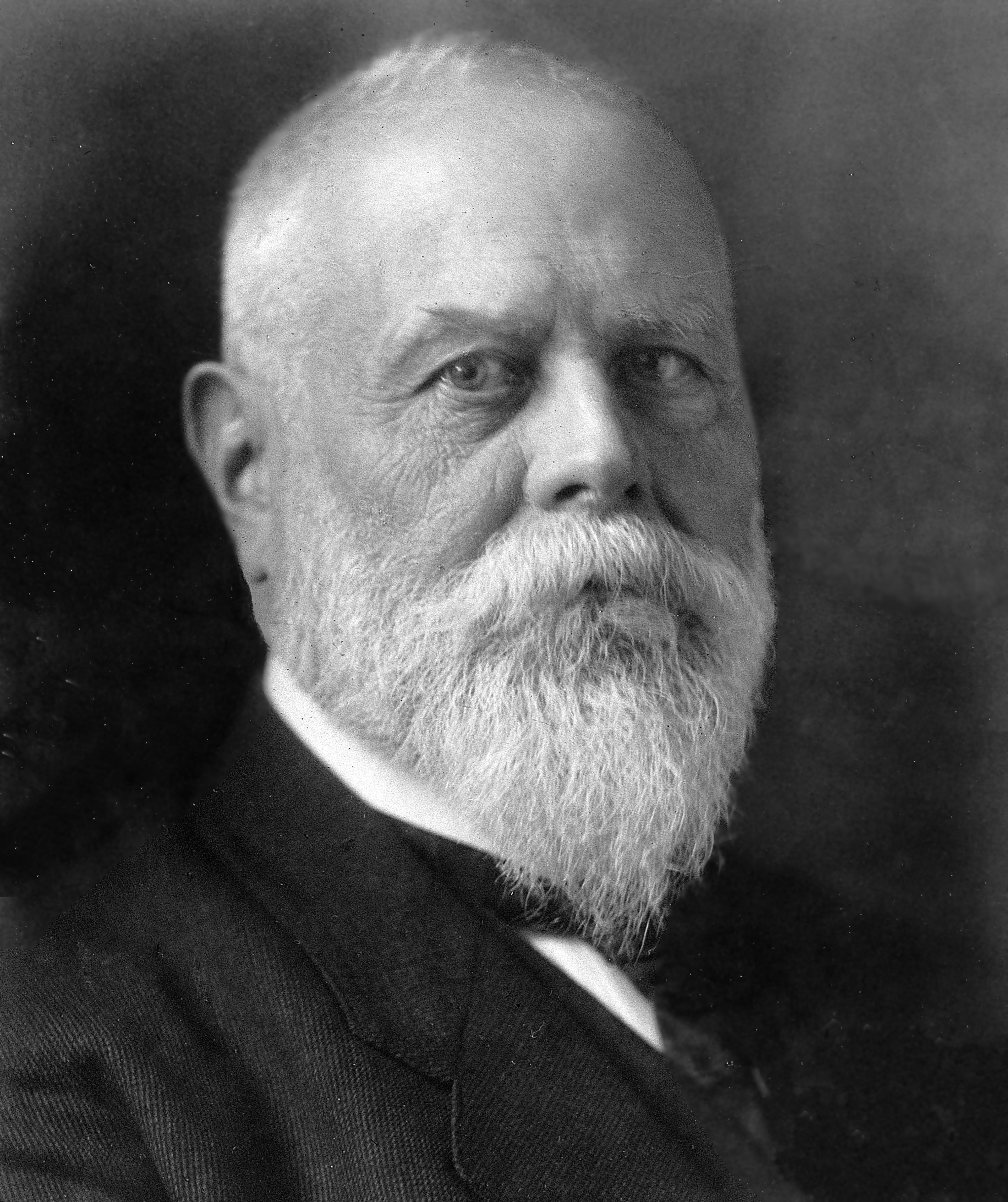
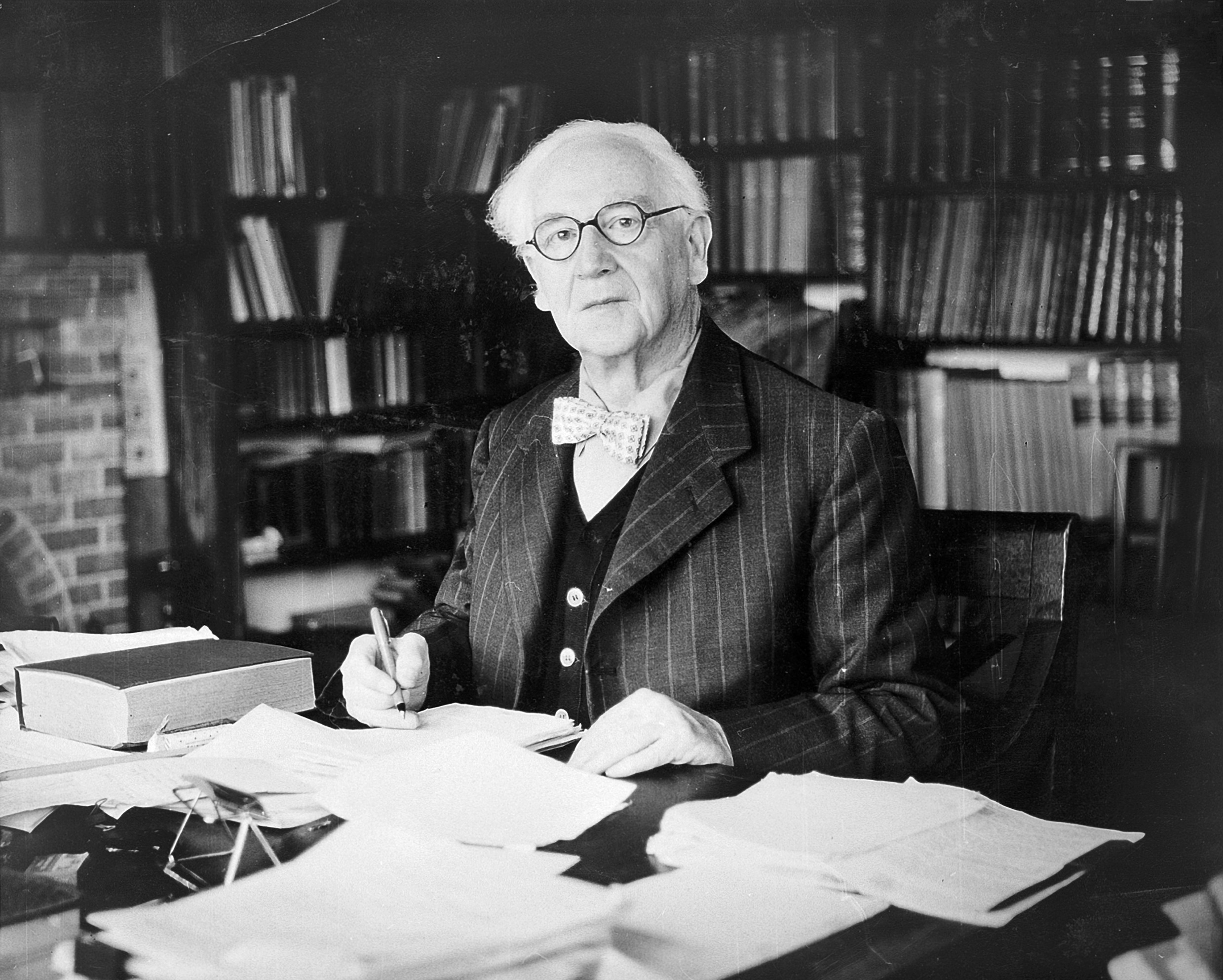
The earliest printed literature on syphilis. Being ten tractates from the years 1495-98
1925
#2344
Ueber die experimentellen Grundlagen für die Sanocrysin-Behandlung der Tuberkulose.
Mollgaard was responsible for the introduction of sanocrysin.
1925
#2354
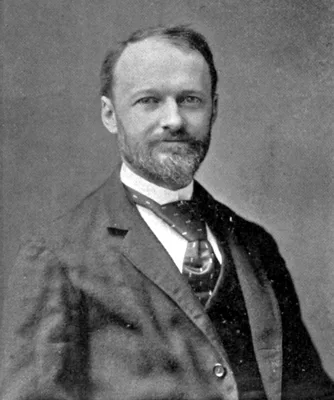
Development of our knowledge of tuberculosis.
1925
#3200
Studies on pneumonia following naso-pharyngeal injections of oil.
Lipoid pneumonia first described.
1925
#5140
Remèdes contre la peste. Facsimilés, notes et liste bibliographique des incunables sur la peste.
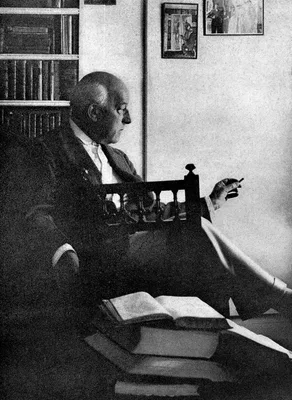
Includes facsimile reproduction of “La régime de l’epidémie et remède contre icelle” of Jean Jacme (Johannes Jacobi), [5115], together with the “Remède très utile contre fièvre pestilencieuse” by the same writer. See …
1925
#5176
Tularemia
Francis demonstrated the transmission of tularemia to man from rodents through insects, particularly the deerfly. He gave the disease its present name; it is also called “Francis’s disease” by some writers.