
Facets
Browse across eight MeSH (opens in new tab) facets — era, geography, science, specialty, technology, history, culture, and reference. Select one tag per group; counts update across the others. What’s new in facet browse how facets relate to subjects and MeSH.
Clear filtersGeography
Specialties & Disease
- Alternative & Fringe Medicine 383
- Anatomy & Pathology 765
- Cardiology & Blood 914
- Dentistry 259
- Diabetes 80
- ENT & Hearing 293
- Epidemiology & Demography 397
- Gastroenterology & Hepatology 316
- General Clinical Medicine 487
- Immunology & Dermatology 1,008
- Infectious Disease (General) 147
- Internal, Emergency & Geriatric 123
- Microbiology & Virology 1,080
- Military Medicine 436
- Neurology & Psychiatry 1,258
- Obstetrics & Reproductive 551
- Oncology & Cancer 377
- Ophthalmology & Vision 412
- Pediatrics 247
- Physiology & Embryology 924
- Plagues & Epidemics 1,279
- Psychology 202
- Public Health 1,129
- Pulmonary & Respiratory 233
- Rheumatology, Rehab & Pain 189
- Surgery & Anesthesia 1,553
- Urology & Nephrology 309
- Veterinary Medicine 165
Social & Historical Studies
Institutions & Culture
Reference & Scholarly Works
1,258 entries match Neurology & Psychiatry [C10 / F04]
1686
#4514
Schedula monitoria de novae febris ingressu.
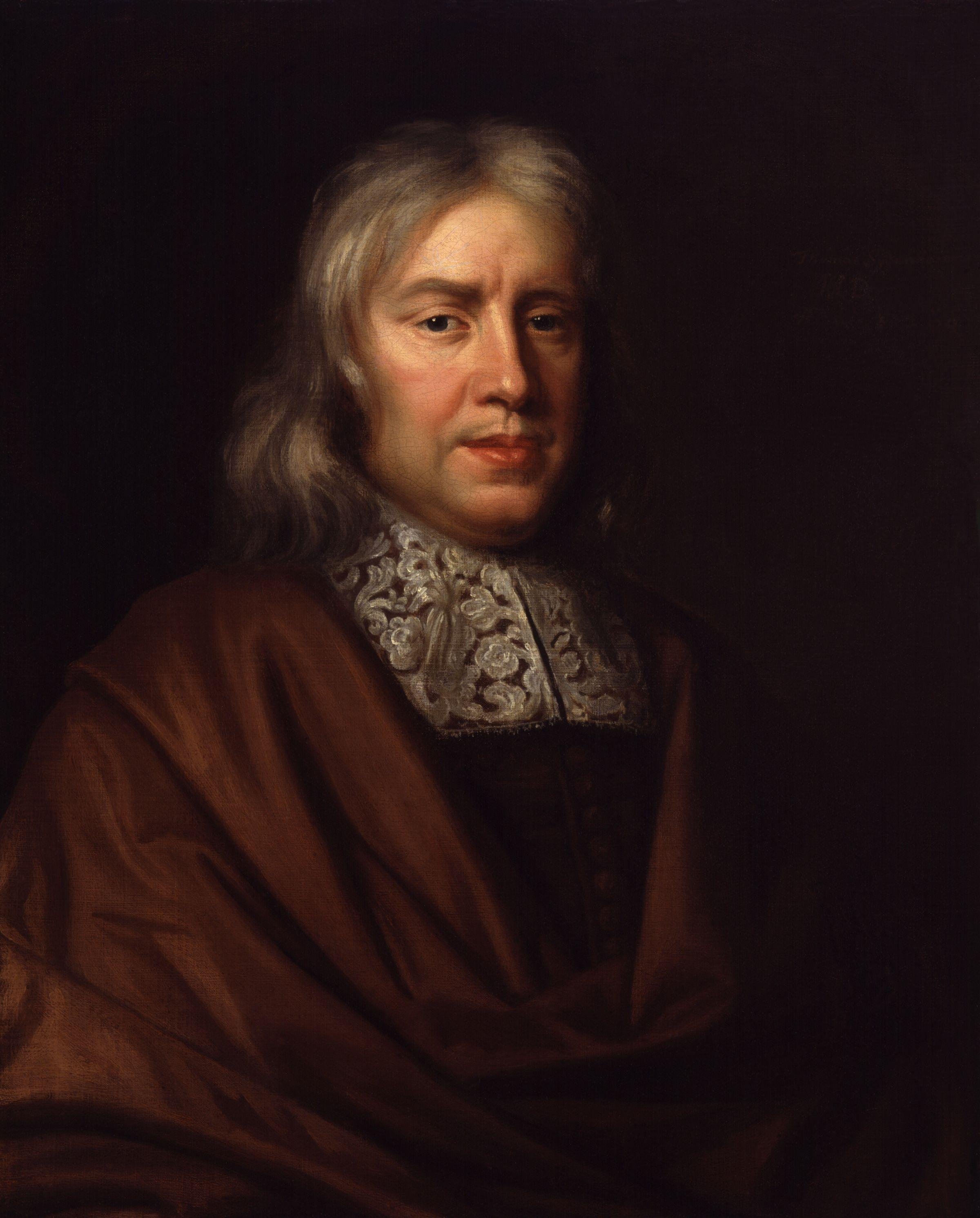
Includes (pp. 25-28) his classic description of chorea minor (“Sydenham’s chorea”). Reprinted in Med. Classics, 1939, 4, 327-53. In the Sydenham Society translation (see No. 64) the passage occurs in vol. 2, pp. 198-99.
1686
#1355
Circulus anatomico-physiologicus.
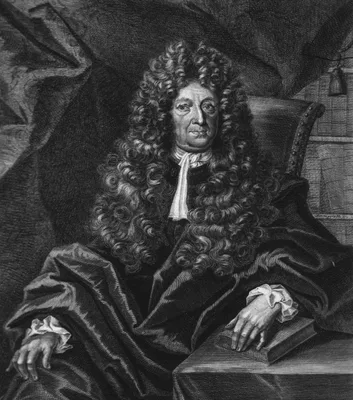
Bohn's approach was mechanistic in that he grave predominately physical interpretations of vital processes. He experimented on the decapitated frog, declaring the reflex phenomena to be entirely material and mechanica…
1689
#3216
Phthisiologia, seu exercitationes de phthisi.
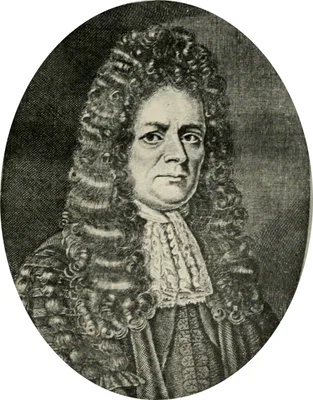
The first application of the principles of pathology to the study of pulmonary tuberculosis. Morton showed that the formation of tubercles is a necessary part of the development of this lung disease, and pointed out t…
1689
#6321
De morbis acutis infantum.
Harris was physician to William and Mary. His book served for nearly a century as a standard work on pediatrics. He anticipated the modern treatment of tetany by using calcium salts in infantile convulsions. For a stu…
1695
#1379.1
The anatomy of the brain.
The first book on the brain in the English language, including the first account of the circular venous sinus which Ridley names, and the first English account of a pineal tumor. In it Ridley gives the first account o…
1705
#1380
Dissertatio epistolaris ad Lucam Schroeckium de glandulis conglobatis durae meningis humanae.
Includes a description and illustration of the Pacchionian bodies of the arachnoid tissue under the dura, producing by pressure slight depressions (“Pacchionian depressions”). See also Pacchioni’s De durae meningis fa…
1710
#1356
Lettres d’un médecin des hôpitaux du Roy… contient un nouveau système du cerveau, etc.
Theory of contralateral innervation.
1714
#1312
Tabulae anatomicae.
A romantic history attaches to this fine collection of plates, drawn by Eustachius himself and completed in 1552. They remained unprinted and forgotten in the Vatican Library until discovered in the early 18th century…
1718
#9494
Send-Brieven, zoo aan de Hoog-edele Heeren van de Koninklyke Societeit te Londen, als aan andere Aansienelyke en Geleerde Lieden....
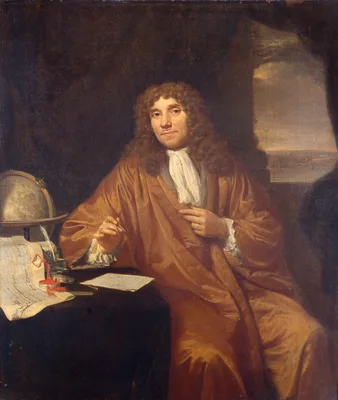
In his letter of 2 March 1717 (letter XXXII) addressed to Abraham van Bleyswyk and first published in this edition, Leewenhoek provided the first morphologic description of nerve fibers accompanied by illustrations. “…
1719
#1380.1
Cerebri examen chemicum, ex eodemqve phosphorum singularem omnia inflammabilia accendentem dissertatione academica.
First account of the chemical composition of the brain. Hensing discovered the presence of phosphorus. Annotated English translation with biography and historical analysis, by D.B. Tower. New York, Raven Press, [1983].
1722
#10703
A treatise of the hypochondriack and hysterick passions.
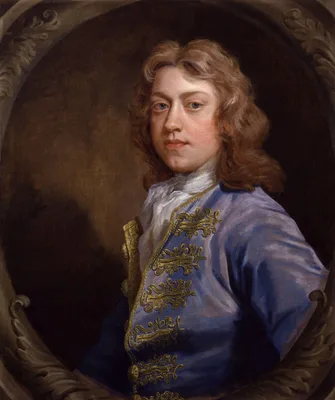
Probably the first psychiatric self-help book. Hunter and Macalpine call Mandeville's work "the first book on minor mental maladies `writ by way of Information to Patients' rather than `to teach other Practitioners' .…
1727
#1313
Mémoire dans lequel il est démontré que les nerfs intercostaux fournissent des rameaux que portent des esprits dans les yeux.
By cutting the intercostal nerves in the neck, du Petit found that disturbances occurred in the eyes and face of the same side; this disproved earlier views of the cerebral origin of the intercostal nerves.
1727
#764
Mémoire dans lequel il est démontré que les nerfs intercostaux fournissent des rameaux que portent des espirits dans les yeux.
Discovery of the vasomotor nerves (see also No. 1313).
1732
#1314
Exposition anatomique de la structure du corps humain.
![WINSLOW, Jacques-Bénigne [Jacob Benignus Winsløw] (1669 – 1760)](/media/portraits/708)
The foramen between the greater and lesser sacs of the peritoneum (described on pages 352-65), is named after Winslow. His Exposition is distinguished as being the first book on descriptive anatomy to discard physiolo…
1733
#4840
The English malady; or, a treatise of nervous diseases of all kinds.
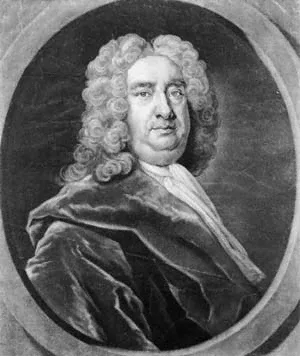
Cheyne attributed hypochondria (“Cheyne’s disease”) to the moisture of the air and variability of the weather in the British Isles. Cheyne himself suffered from this disease and the work includes a careful account of …
1740
#4731
A case of extraordinary exostoses on the back of a boy.
Probably the earliest description of myositis ossificans progressiva. Freke was a friend of Fielding, who mentioned him in Tom Jones.
1745
#4616
Glömska af alla substantiva och i synnerhet namn.
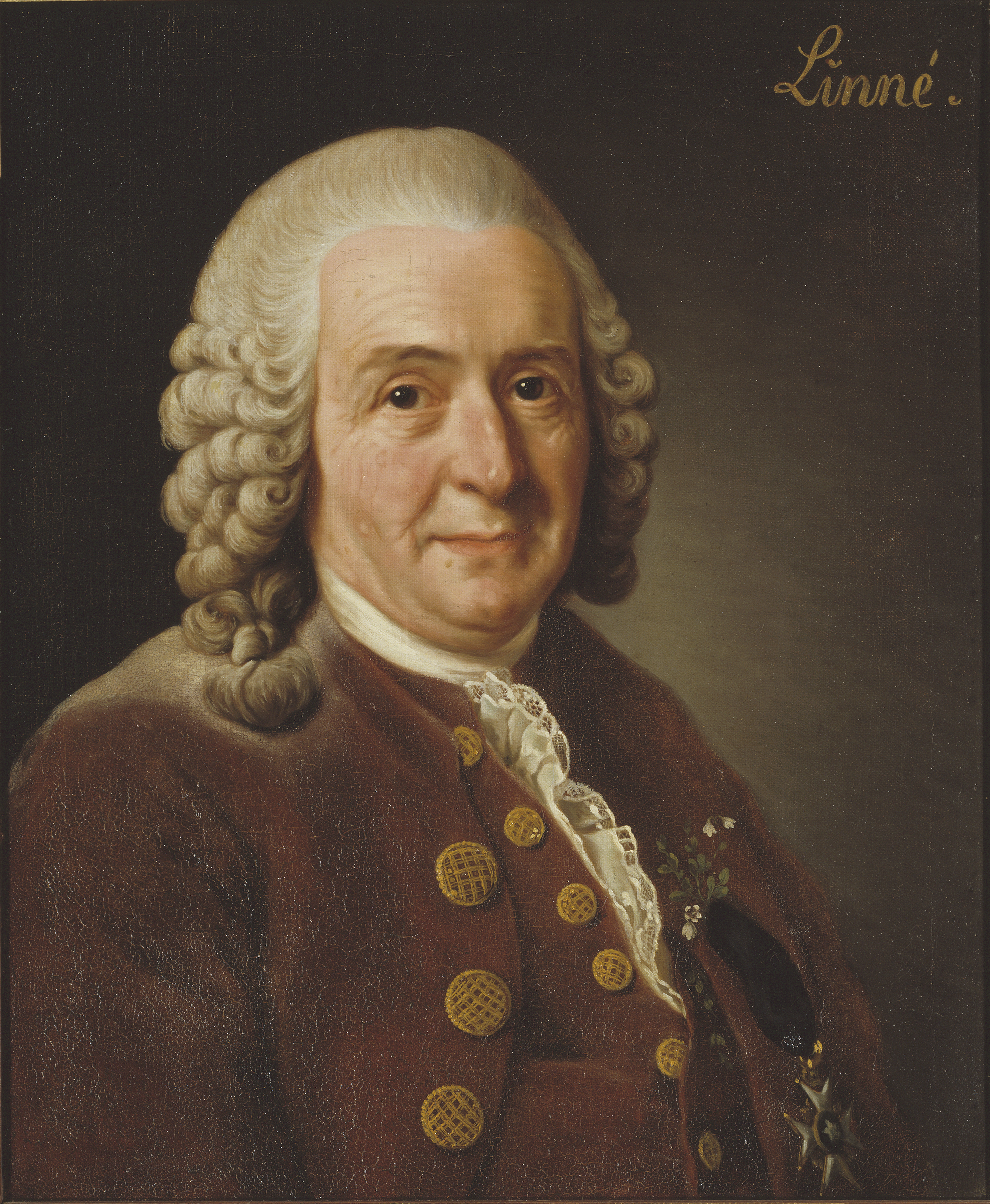
Aphasia first described. Facsimile reproduction and English translation by H. R. Viets, Bull. Hist. Med., 1943, 13, 328-33.
1748
#1249
Tractatus anatomico-physiologicus de quinto pare nervorum cerebri.
Meckel’s graduation thesis contains the first really detailed account of the trigeminal nerve’s distribution (along with a meticulous treatment of the earlier literature), and in it he describes for the first time the…
1750
#6950
Adversaria anatomica, de omnibus corporis humani partium, tum descriptionibus, cum picturis, Adversaria anatomica Prima, De omnibus cerebri, nervorum & organorum functionibus animalibus inserventium, descriptionibus & iconismis.
The first pictorial history of neuroanatomy, which contains some of the very first color engravings of the brain. The three colored copperplates were by “a certain Robert", a pupil of Le Blon, the inventor of three-co…
1751
#1381
An essay on the vital and other involuntary motions of animals.
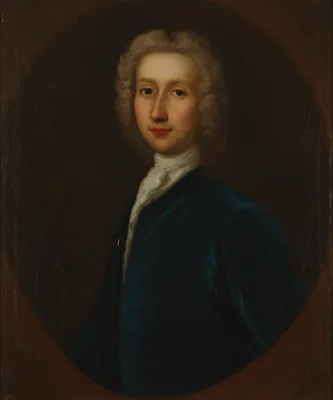
Whytt, famous Edinburgh neurophysiologist, was the first to prove that the response of the pupils to light is a reflex action (“Whytt’s reflex”). He described this reflex at length and mentioned that its afferent path…
1752
#11719
Sendschreiben von den Wirkungen des Kafeetranks.
Discussing the consumption and reception of coffee from Britain to Turkey, Knoll dismissed criticisms of coffee, including that it reduced beauty and virility, or that it was contrary to Islam, instead promoting the m…
1753
#587
De partibus corporis humani sensibilibus et irritabilibus.
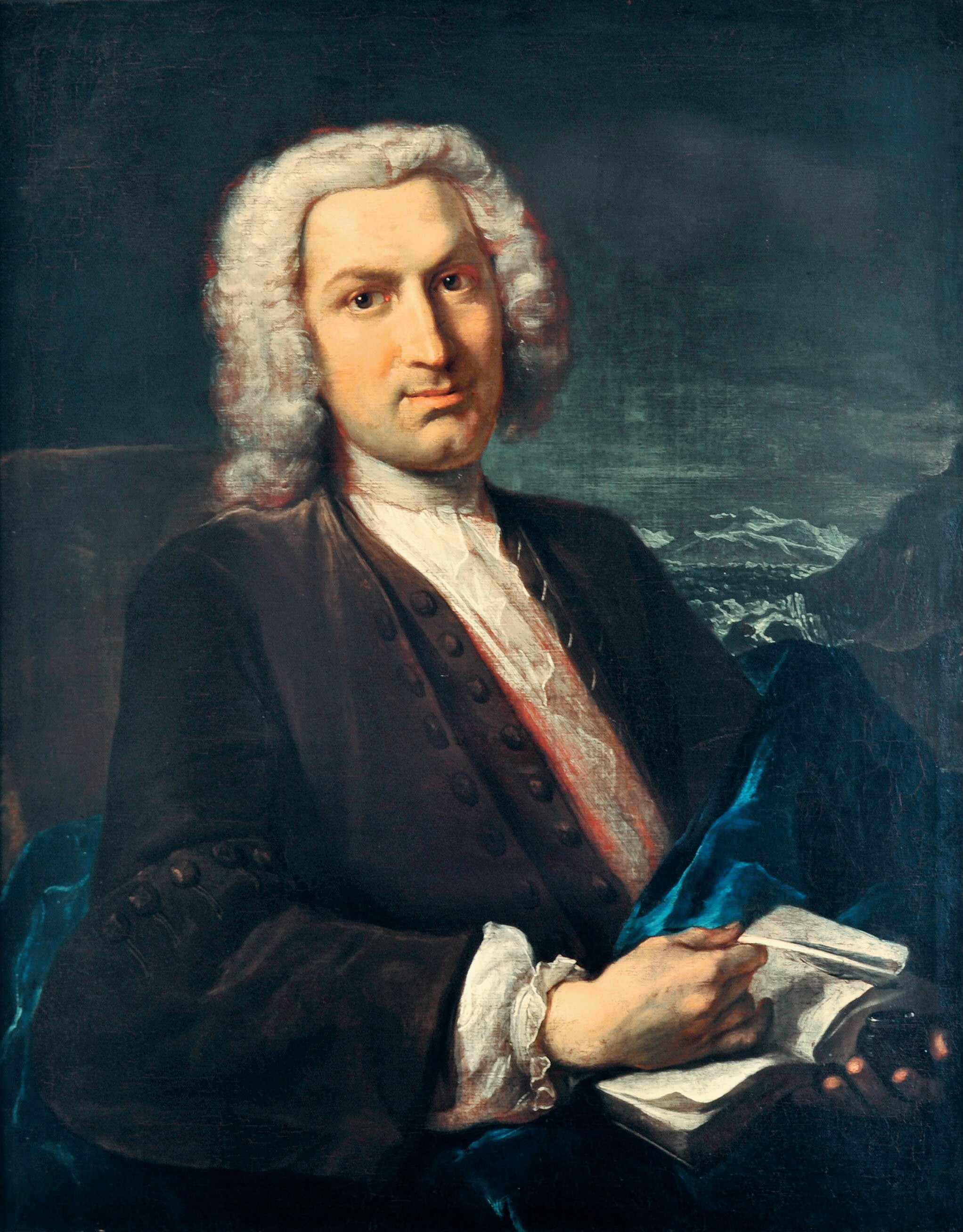
Glisson in 1677 had introduced the concept of “irritability” as a specific property of all tissues. Haller, in the above work, recorded his experimental proof of this, and distinguished between nerve impulse (sensibil…
1758
#4617
Lethargus cum impotentia loquelae, tandem convulsivus et lethalis.
1758
#4919.1
Treatise on madness.
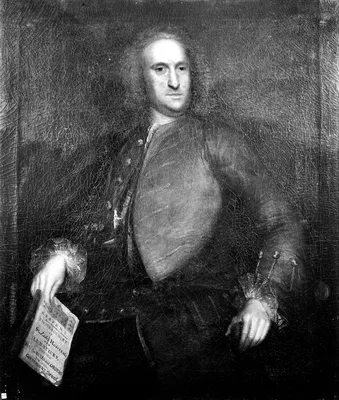
Battie was among the first to teach psychiatry at the bedside. His book is the first English text book on the subject. Reprinted with J. Monro’s Remarks on Dr. Battie’s treatise on madness, London, Dawsons, 1962.
1760
#6951
Sur les mouvements du cerveau et de la dure-mere. Premier mémoire, sur le mouvement des parties contenues dans le crâne, considérées dans leur état naturel. Second mémoire. Sur les mouvements contre nature de ce viscère, & sur les organes qui sont le principe de son action.
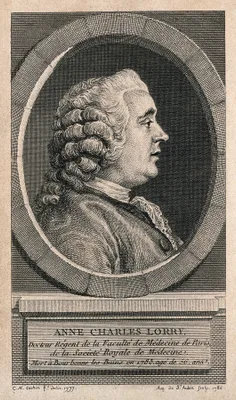
Probably the first example in the literature of a definite localization of function in the brain. In the first memoir Lorry examined the normal movements of the brain; in the second memoir he set out specifically, sys…
1764
#1382
De ischiade nervosa commentarius.
Cotugno published a classic description of sciatica, which is useful even today. He recognized two types – arthritic and nervous; the latter has been called “Cotugno’s disease”, and his book is confined to that type. …
1765
#1250
Essay on the use of the ganglions of the nerves.
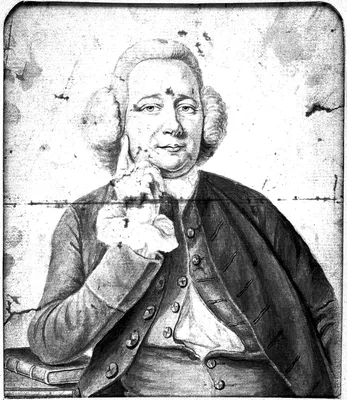
See also his supplementary papers on the subject, in Phil. Trans., (1767), 1768, 57, 118-31; (1770), 1771, 60, 30-35. Revised edition in book form, Shrewsbury, 1771.
1765
#1251
Pars quinti nervorum encephali disquisitio anatomica.
The “Gasserian ganglion”, already described by Santorini and others, was named after Johann Ludwig Gasser (fl. 1757-65), Professor of Anatomy at Vienna, by his pupil Hirsch. Also published in Ludwig, C. F., Scriptores…
1765
#4841
Observations on the nature, causes, and cure of those disorders which have been commonly called nervous hypochondriac, or hysteric, to which are prefixed some remarks on the sympathy of the nerves.
“First important English work on neurology after Willis” (Garrison).
1767
#2103
Ricerche fisiche sopra il veleno della vipera.
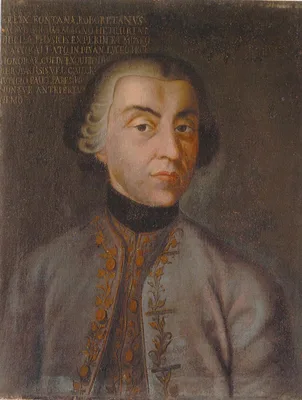
The starting point of modern investigations of serpent venoms and their antidotes. This work also includes Fontana’s description of the ciliary canal in the eye of an ox. This structure does not appear in the human ey…
1768
#4634
Observations on the dropsy in the brain.
The first account of the clinical course of tuberculous meningitis in children. This work is notable for its fullness of detail and its accuracy. Whytt divided the disease into three stages, according to the character…
1768
#4015.1
Observations on cancers.
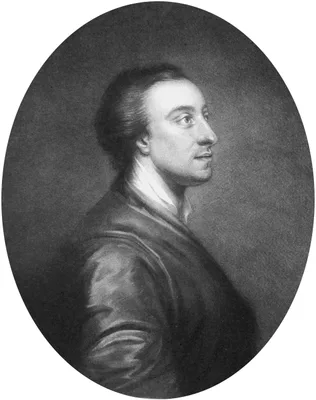
First recorded description of multiple neurofibromatosis. Akenside was better known as a poet; he was caricatured as the republican doctor of Tobias Smollett's The Adventures of Peregrine Pickle.
1768
#11733
The works of Robert Whytt, M.D. Late physician to his Majesty.... Published by his son.
Digital facsimile from the Internet Archive at this link.
1769
#13008
Nouvelle méthode facile et curieuse pour connoitre le pouls par les notes de la musique, par feu M.F.N. Marquet. Seconde édition, augmentée de plusieurs observations et réflexions critiques, & d'une dissertation en forme de thèse sur cette méthode; d'un mémoire sur la manière de guérir la mélancholie par la musique, & de l'éloge historique de M. Marquet. Par Pierre-Joseph Buc'hoz.
Buc'hoz applied his father-in-laws theories of music therapy to the treatment of depression. Digital facsimile from loc.gov at this link.
1771
#1357
Erste Gründe einer Physiologie der eigentlichen thierischen Natur thierischer Körper.
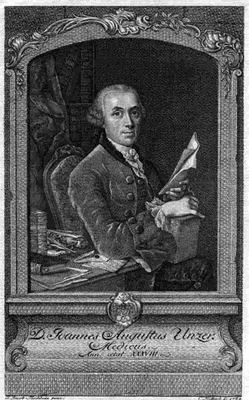
Unzer was probably the first to employ the work “reflex” in connection with sensory–motor reactions. T. Laycock translated his book into English for the Sydenham Society in 1851.
1776
#4516
Of a painful affection of the face.
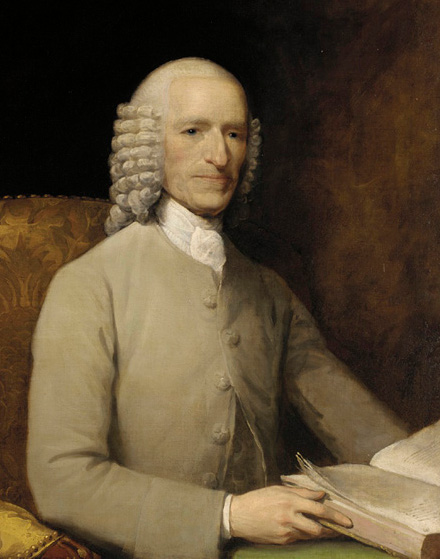
Original description of facial neuralgia. Reprinted in Med. Classics, 1940, 5, 100-06.
1776
#1382.1
Nuova esposizione della vera struttura del cervelletto umano.
The first detailed account of the anatomy of the cerebellum, which introduced the terms, “tonsil”, “pyramid”, “lingula”, and “uvula”. Reprinted in his Encefalotomia a sia nuova diimostrazione anatomica di tutte le par…
1777
#1252
Observationes anatomicae de quinto pare nervorum encephali.
Wrisberg, Professor of Anatomy at Göttingen, is remembered for his discovery of the nervus intermedius (“nerve of Wrisberg”), described in the above treatise.
1777 –1784
#4517
Remarks on that complaint commonly known under the name of the sick head-ach.
First accurate description of migraine.
1778
#1383
Dissertatio inauguralis anatomica de basi encephali et originibus nervorum cranio egredientium libri quinque.
The first accurate enumeration of the 12 cranial nerves, superseding that of Willis (No. 1378). Soemmerring is notable for his accuracy in anatomical illustration. This was his thesis. The same publisher issued an edi…
1778
#1382.2
Mémoire sur les contre-coups dans les lésions de la tête [1768].
“One of the first achievements of modern brain physiology” (Neuburger). Saucerotte carried out surgical experiments on dogs which convinced him that the anterior part of the cerebrum innervated the lower limbs and the…
1780 –1784
#1386
Adnotationum academicarum. Fasciculus tertius. III. De functionibus systematis nervosi. 3 pts.
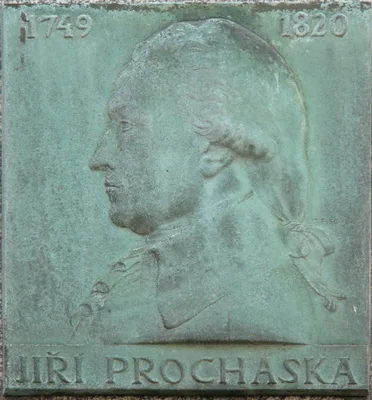
Prochaska introduced the idea of a “sensorium commune” in the central nervous system, a consistent and comprehensive theory of reflex action. English translation, London, Sydenham Society, 1851.
1781
#5000
Bibliotheca chirurgica. 2 vols.
Fulton (No. 6785) points out that this work contains the “most complete bibliographical study of the literature of head injury that had been brought together up to that time”. Digital facsimile from Google Books at th…
1781
#11601
A complete collection of the medical and philosophical works of John Fothergill. With an account of his life; and occasional notes, by John Elliot.
Digital facsimile from Google Books at this link.
1782
#1384
De peculiari structura cerebri, nonnulisque ejus morbis.
Gennari was the first to demonstrate the laminar structure of the cerebral cortex when he discovered the line of Gennari, a macroscopically white band in the cerebral cortex of the occipital lobe. This he observed on …
1782 –1786
#4920
Observation on the nature, kinds, causes and prevention of insanity, lunacy, or madness. 2 vols.
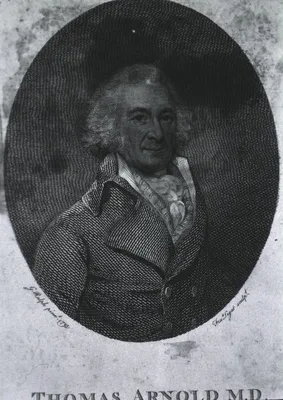
Best historical account to the time. 2nd ed., 1806.
1783
#1385
Observations on the structure and functions of the nervous system.
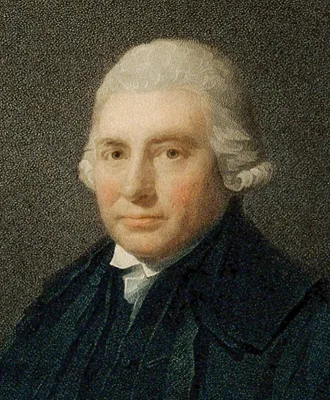
Monro discovered the communication between the lateral ventricles of the human brain with each other and with the third ventricle, the “foramen of Monro”. Alexander secundus was the greatest of the three Monros.
1784
#4920.1
First lines on the practice of physic. 4th ed. Vol. 3.
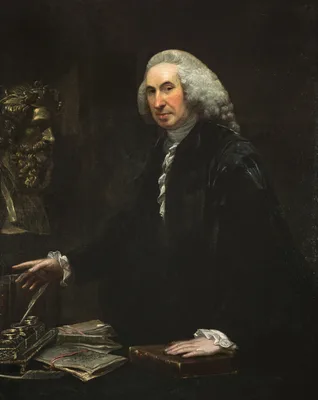
Cullen introduced the term “neuroses” (pp. 121-23).
1784
#2734.4
A treatise on the diseases of children.
Underwood laid the foundation of modern pediatrics. His work was superior to anything that had previously appeared and remained the most important book on the subject for sixty years, passing through many editions. Th…
1786
#401.2
Traité d’anatomie et de physiologie avec des planches coloriées répresentant au naturel les divers organes de l’homme et des animaux. Tome premier [all published].
The most accurate neuroanatomical work produced before the advent of microscopic staining techniques. Vicq d’Azyr identified accurately for the first time many of the cerebral convolutions, along with various internal…