
Facets
Browse across eight MeSH (opens in new tab) facets — era, geography, science, specialty, technology, history, culture, and reference. Select one tag per group; counts update across the others. What’s new in facet browse how facets relate to subjects and MeSH.
Clear filtersGeography
Specialties & Disease
- Alternative & Fringe Medicine 383
- Anatomy & Pathology 765
- Cardiology & Blood 914
- Dentistry 259
- Diabetes 80
- ENT & Hearing 293
- Epidemiology & Demography 397
- Gastroenterology & Hepatology 316
- General Clinical Medicine 487
- Immunology & Dermatology 1,008
- Infectious Disease (General) 147
- Internal, Emergency & Geriatric 123
- Microbiology & Virology 1,080
- Military Medicine 436
- Neurology & Psychiatry 1,258
- Obstetrics & Reproductive 551
- Oncology & Cancer 377
- Ophthalmology & Vision 412
- Pediatrics 247
- Physiology & Embryology 924
- Plagues & Epidemics 1,279
- Psychology 202
- Public Health 1,129
- Pulmonary & Respiratory 233
- Rheumatology, Rehab & Pain 189
- Surgery & Anesthesia 1,553
- Urology & Nephrology 309
- Veterinary Medicine 165
Social & Historical Studies
Institutions & Culture
Reference & Scholarly Works
383 entries match Alternative & Fringe Medicine [G02.403.750 / M01]
1803
#1989
An introduction to electricity and galvanism.
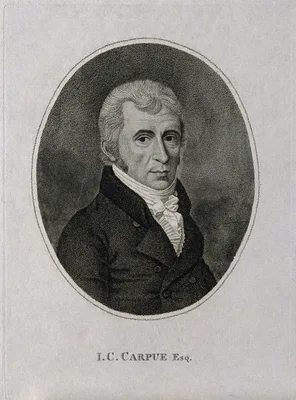
One of the first works in the English language entirely devoted to medical electricity. Carpue also played a key role in the development of rhinoplasty. See No. 5737.
1803
#13026
A poetical petition against tractorising trumpery and the Perkinistic institution: In four cantos. Most respectfully addressed to the Royal College of Physicians.
This medical satire in doggerel verse, which was ostensibly an attack on Perkins' metallic tractors, or "Perkinism" was actually written in support of them. The work was best known for its second and greatly expanded …
1805
#6850
Fragmenta de viribus medicamentorum positivis sive in sano corpore humano observatis. 2 vols.
Hahnemann's first published homeopathic book, his first title on Materia Medica and Repertory, and the first collection of drug provings on the healthy body. The book lists the health effects of 27 drugs in common use…
1805
#6851
Heilkunde der Erfahrung.
Also published as a monograph, Berlin: In commission bei L. W. Wittich. 1805.
1810 –1819
#1389
Anatomie et physiologie du système nerveux en général, et du cerveau en particulier. 4 vols. and atlas.
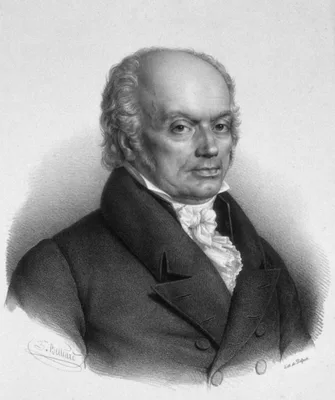
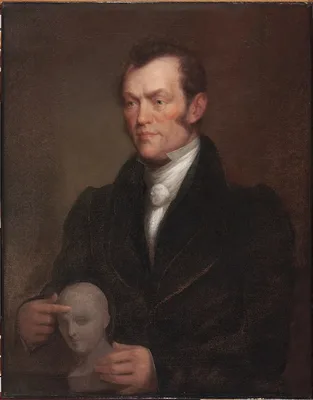
Introduced the theory of localization of cerebral function, although in a somewhat fantastic form. This pioneer attempt to map out the cerebral cortex according to function gave rise to the pseudo-science of phrenolog…
1810
#1966
Organon der rationellen Heilkunde.
Hahnemann, the founder of homeopathy, embodied his theories in the Organon. The minute doses set down by him did much to correct the evils of the polypharmacy of his time, in which overdosage was pervasive. Hahnemann …
1811 –1821
#6852
Reine Arzneimittellehre. 6 vols.
Known as the Materia Medica Pura. Second edition, 6 vols, 1822-27. For the third edition, Hahnemann only wrote vols. 1 & 2 (1830-33).
1816
#6374.13
Mémoires sur les maladies chroniques, les évacuations sanguines et l’acupuncture.
Berlioz, father of the composer, published the first French monograph on acupuncture. He had his best success with muscle and joint stiffness after falls, and rheumatic and arthritic states. Digital facsimile from Goo…
1821
#6374.14
A treatise on acupuncturation, being a description of a surgical operation originally peculiar to the Japonese and Chinese, and by them denominated zin-king, now introduced into European practice, with directions for its performance, and cases illustrating its success.
The first English monograph on acupuncture. Churchill had most success with rheumatic conditions, sciatica, back-pain, etc. Digital facsimile from the Internet Archive at this link. The German translation of Churchill…
1822
#6988
New guide to health; or botanic family physician, containing a complete system of practice, upon a plan entirely new; with a description of the vegetables made use of, and directions for preparing and adminstering them to cure disease. To which is prefixed a narrative of the life and medical discoveries of the author.
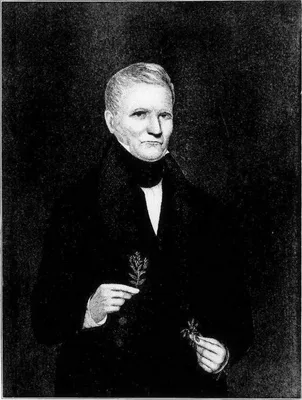
The "Bible" of Thomsonism or "Thomsonian medicine", which employed botanical remedies, often based on native American medicines. Digital facsimile from the Medical Heritage Library, Internet Archive, at this link.
1822
#10751
A narrative of the life and medical discoveries of Samuel Thomson: Containing an account of his system of practice, and the manner of curing disease with vegetable medicine, upon a plan entirely new; to which is added an introduction to his New Guide to Health, or Botanic Family Physician containing the principles upon which the system is founded, with remarks on fevers, steaming, poison &c.
Thomson issued this introductory work shortly before publication of his New Guide. Three issues appeared in 1822: one with 180 pages, another with 182 pages including testimonials, and a 204 page issue with the introd…
1824
#13719
Elements of phrenology.
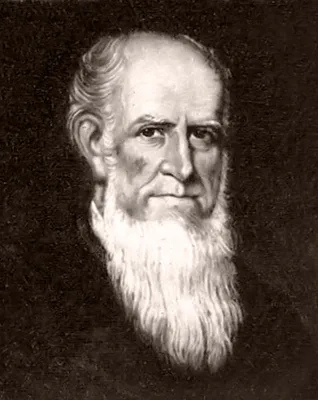
The first book on phrenology written by an American. Digital facsimile from U.S. National Library of Medicine at this link.
1825
#6374.16
Mémoires sur l’électro-puncture, considerée comme moyen nouveau de traiter efficacement la goutte, les rheumatisme et les affections nerveuses…
The first treatise on electro-puncture – the only significant Western contribution to acupuncture, and one of the most widely used methods of acupuncture today.
1825
#6861
The characteristics of homoeopathia. From Hahnemann's "Geist der Homöopathischen Heil-lehre."
The first publication on homeopathy issued in the United States— a translation of Hahnemann's essay. The 24-page pamphlet was dedicated to David Hosack of New York, and gratuitously distributed to leading physicians t…
1825
#14163
Mémoire sur l'acupuncture, suivi d'une série d'observations recueillies sous les yeux de M. Jules Cloquet by M. Morand.
Little is known about Morand. He refers to his teacher, Jules Cloquet throughout. Cloquet's book on acupuncture was published the following year in 1826. (No. 6829). Digital facsimile of Morand's book from BnF Gallica…
1826
#6828
Cases illustrative of the remedial effects of acupuncturation.
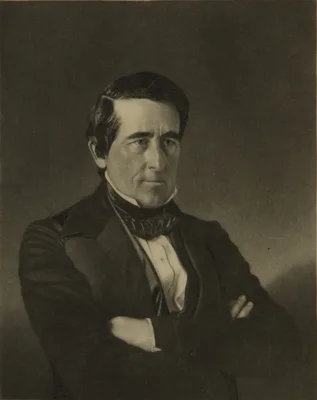
The first original study of acupuncture published in North America, and one of the earliest American publications on the alleviation of pain. Franklin Bache, great-grandson of Benjamin Franklin, was the first American…
1826
#6829
Traité de acupuncture, d'après les observations de M. Jules Cloquet. Édité par Dantu de Vannes.
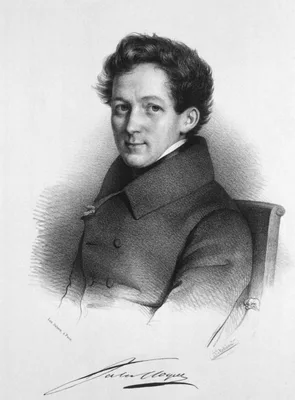
As adjunct chief surgeon at the Hôpital St. Louis, Cloquet had an ample number of patients at his disposal, and he was able to test acupuncture on upwards of 300 cases with mostly beneficial results. Cloquet did not p…
1828 –1830
#6853
Die chronischen Krankheiten, ihre eigenthümliche Natur und homöopathische Heilung. 4 vols.
Second edition, 6 vols., 1835-39.
1828
#10071
The constitution of man considered in relation to external objects.
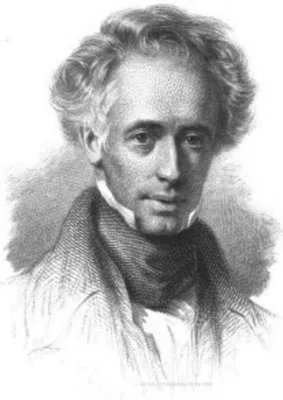
"Combe argues that the human mind is best understood through Phrenology, and that the relative size of the various regions of the brain defined by Phrenology determines a persons behavior and potential interactions wi…
1829
#9450
Praktische waarnemingen over eenige Javaansche geneesmiddelen, welke niet alleen vele uitheemsche medicamenten, die thans nog van Europa naar Java moeten worden overgezonden, kunnen vervangen, maar dezelve ook tegen eenige ziekten op het eiland Java heerschende, in werkzaamheid overtreffen.
An early account of Jamu (old spelling Djamu), the traditional medicine of Indonesia, especially Java. "It is a predominantly herbal medicine made from natural materials, such as parts of plants such as roots, bark, f…
1831
#2977
Mémoire sur la piqûre ou l’acupuncture des artères dans le traitement des anévrismes.
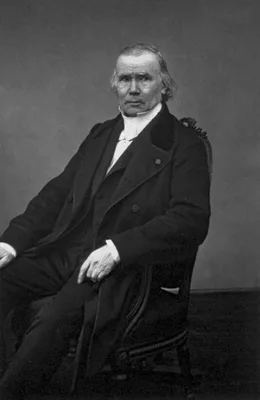
First attempt at operative treatment of aneurysm.
1833
#6855
Systematisches Alphabetisches Repertorium der antipsorischen Arzneien mit Einschluss der antisyphilitic und antipsorischen Arzneien.
Foreward by Hahnemann. Translated into English from the second German edition by C. M. Roger, as A Systematic, Alphabetic Repertory of Homoeopathic Remedies. Part First. Embracing the Antisporic, Antisyphilitic, and A…
1834
#13091
Pharmacopoeia Homoeopathica.
The first systematic work on homeopathy published in England. A rather late work to be published in Latin.
1835
#1992
The coldwater cure, its principles, theory, and practice.
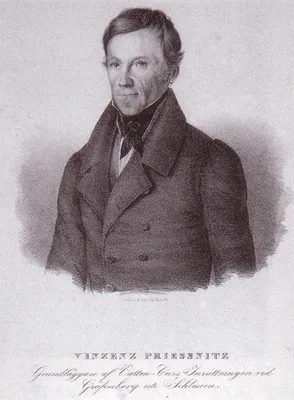
Priessnitz, a peasant farmer in Gräfenberg, Austrian Silesia, is generally considered the founder of modern hydrotherapy, which is used in alternative and orthodox medicine. Priessnitz stressed remedies such as suitab…
1835 –1838
#6864
The homoeopathist, or domestic physician. 2 vols.
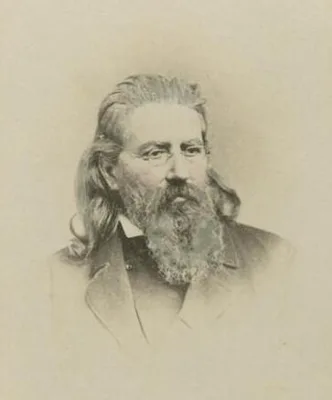
The first book on domestic homeopathy published in the United States. The names of the medicines are not given, but are referred to by numbers. Digital facsimile from the National Library of Medicine at this link.
1837
#4524
On the influence of electricity, as a remedy in certain convulsive and spasmodic diseases.
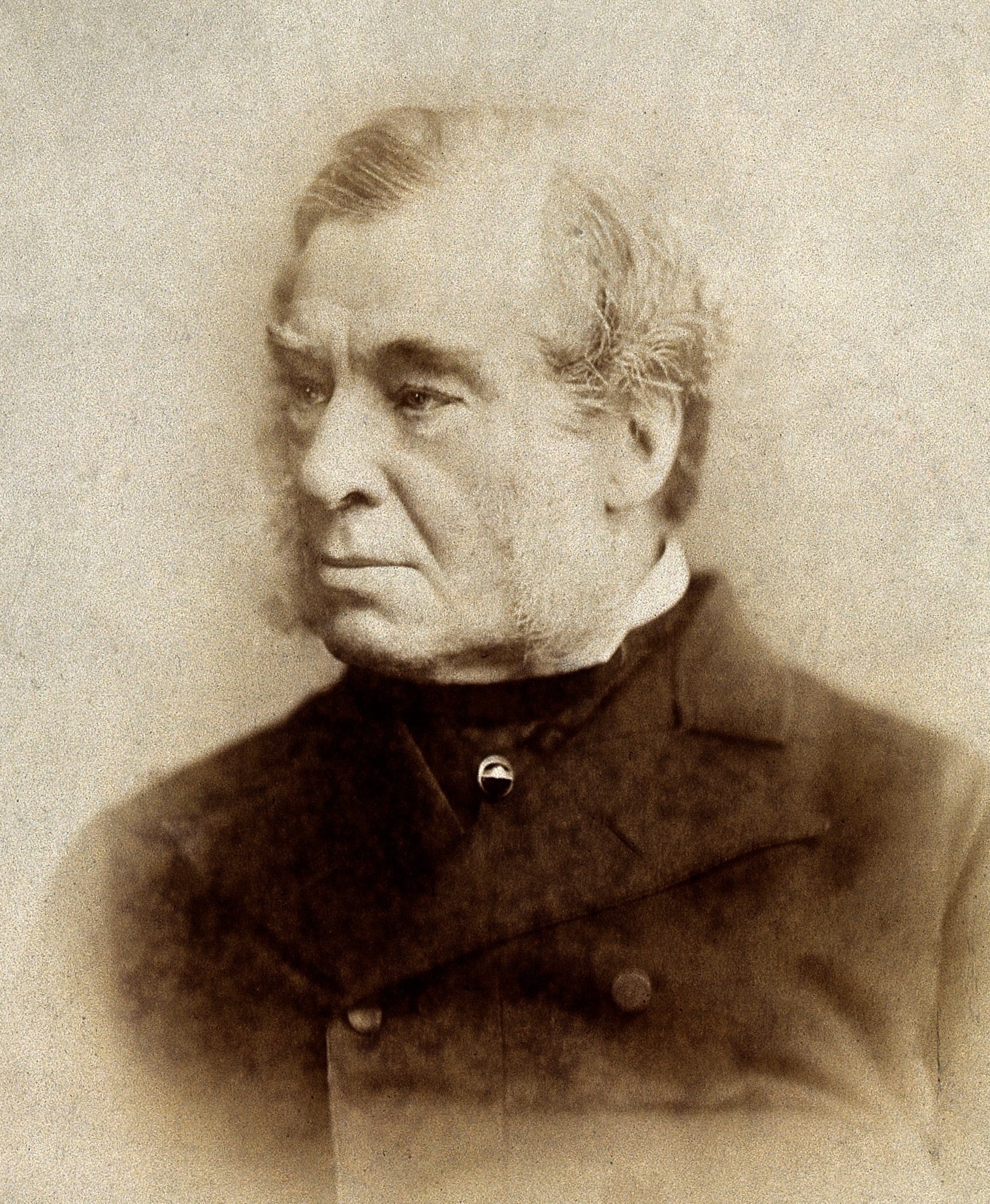
First therapeutic employment of static electricity.
1837
#6865
Wirkungen des Schlangengiftes, zum aerztichen Gebrauche vergleichend zusammengestellt. Mit einer Einleigung über das Studium der homöopathischen Arzneimittellehr.
An early American homeopathic title on The Effects of Snake Poison Comparatively Arranged for Therapeutic Use. Hering assumed an analogy between snake venom and bacterial toxins. He drew his work from provings and tes…
1837
#13101
An examination of phrenology; in two lectures.
This may be the earliest work incorporating anatomical images that was written in opposition to phrenology. Sewall, a physician from New England, was a founding member of the medical department at Columbian College (n…
1838
#10402
Botica general de los remedios esperimentados. Que á beneficio del público se reimprime por su original en Cadiz, en Sonoma, de la alta California: Por M. G. V.
The first medical book printed in California, a small 23-page pamphlet of folk or popular medicine. It was printed by Agustín V. Zamorano, the first printer in Alta California under Mexican rule before the region beca…
1838
#11431
Barn-Yard rhymes; showing what opinions the turkey, the cock, the goose, and the duck, enterain of allopathia, homopathia, electro-galvanism and the animalcule doctrines.
A critique of medical practice and procedures in 80 pages of rhymed couplets voiced by farmyard animals. Mary Griffith, who published these satirical poems anonymously, dedicated the work to the Philadelphia physician…
c. 1839
#10003
Deadly adulteration and slow poisoning unmasked; or, Disease and death in the pot and the bottle; in which the blood-empoisoning and life-destroying adulterations of wines, spirits, beer, bread, flour, tea, sugar, spices, cheese-mongery, pastry, confectionary medicines, &c. &c. &c. are laid open to the public, with tests or methods for the ascertaining and detecting the fraudulent and deleterious adulterations and the good and bad qualities of those articles: with an exposé of medical empiricism and imposture, quacks and quackery, regular and irregular, legitimate and illegitimate: and the frauds and mal-practices of the pawn-brokers and madhouse keepers. New edition
Digital facsimile from the Hathi Trust at this link.
1839
#10589
Physiognomice pathologica – Krankenphysiognomik. Text in quarto; atlas in folio with 72 hand-colored lithographs.
A second edition in octavo format with 80 small plates was published in 1842. Baumgärtner, a pupil of Friedrich Tiedemann and Leopold Gmelin at Heidelberg, taught that it was possible to make a correct diagnosis with …
1841 –1843
#1994
Ueber den Galvanismus als chemisches Heilmittel gegen örtliche Krankheiten.
Crusell began to use electrolysis as a cauterizing agent in 1839. See No. 5604.
1841
#10072
Notes on the United States of North America during a phrenological visit in 1838-9-40. 3 vols.
Digital facsimile from the Hathi Trust at this link.
1842
#4992.3
Satanic agency and mesmerism reviewed. In a Letter to the Rev. H. Mc. Neile A.M. of Liverpool: In reply to a sermon preached by him in St. Jude's Church, Liverpool, on Sunday, April 10th, 1842.
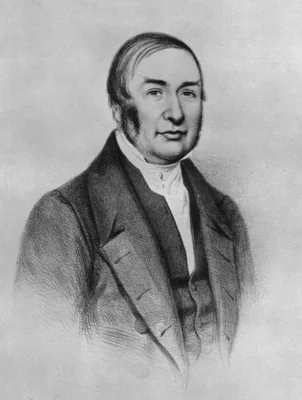
Braid’s scientific investigations of mesmerism convinced him that its effects did not depend on an outside force, but were natural phenomena arising from the subject’s heightened suggestibility. This 10-page pamphlet …
1842
#11260
Homoeópathy, and its kindred delusions; Two lectures delivered before the Boston Society for the Diffusion of Useful Knowledge.
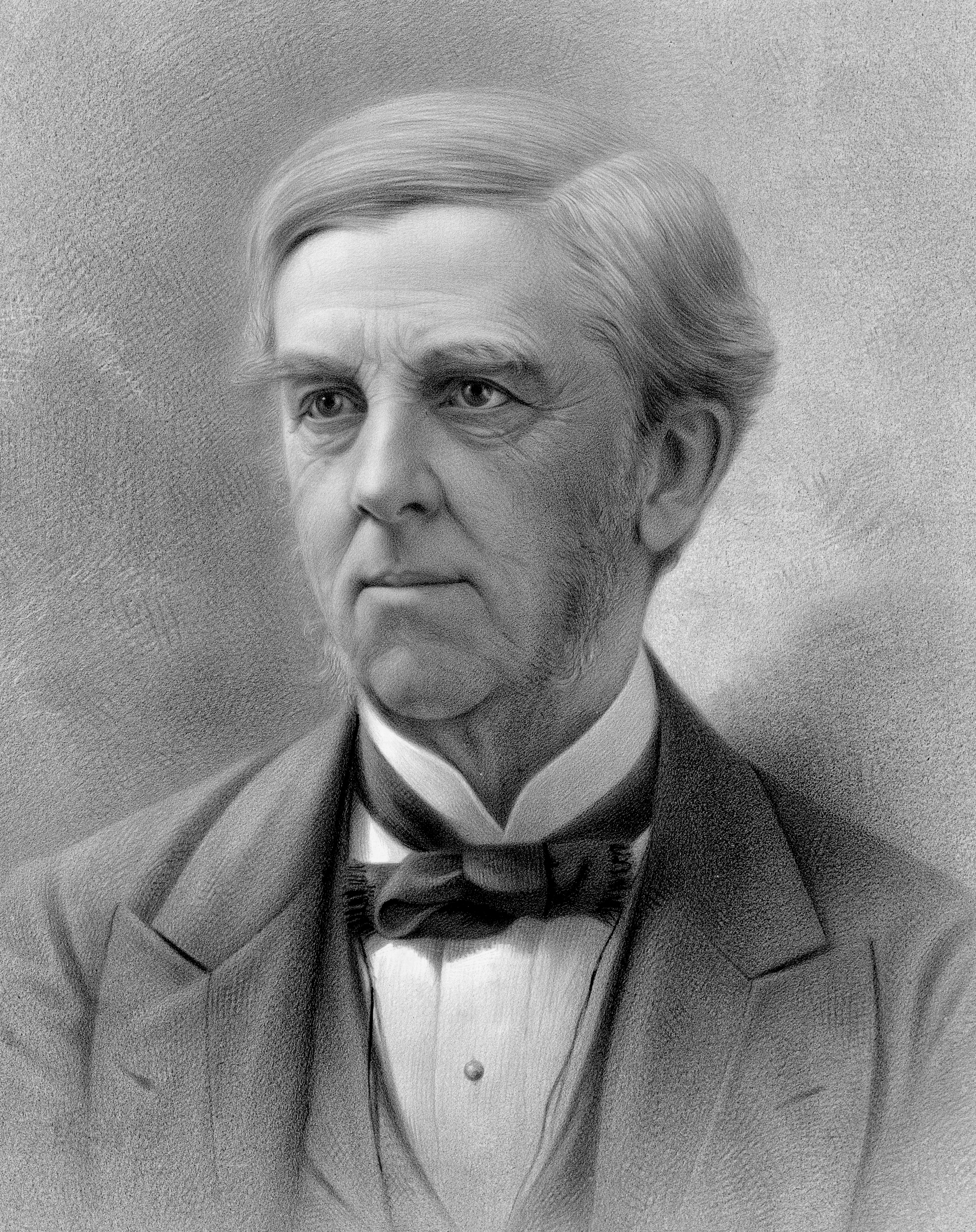
Digital facsimile from the Internet Archive at this link.
1843 –1856
#9256
The Zoist: A journal of cerebral physiology & mesmerism, and their applications to human welfare. Edited by John Elliotson. 13 vols.
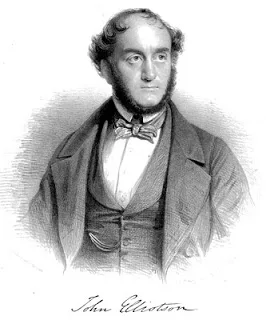
The most comprehensive source about British mesmerism of the period, and an invaluable reference for contemporary ideas and developments not only in mesmerism (hypnosis) but also in phrenology, neurology and psychiatr…
1844
#12695
On superstitions connected with the history and practice of medicine and surgery.
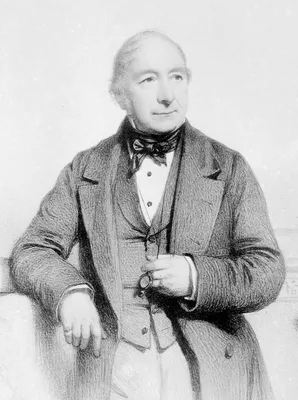
Digital facsimile from the Hathi Trust at this link.
1845
#10459
Des hallucinations, ou histoire raisonnée des apparitions, des visions, des songes, de l'extase, du magnétisme et du somnambulisme.
This study underwent at least three editions in French and also appeared in several English translations, the first of which appears to have been translated anonymously and publlished in Philadelphia in 1853 from the …
1846
#6856
Therapeutisches Taschenbuch für Homöopathische Aerzte.
Frequently reprinted. "Bönninghausen's Therapeutic Pocketbook of 1846 was the first homeopathic repertory to grade individual remedies by their strength of relationship with each symptom, and each other. This so-calle…
1849
#9814
The physiognomy of diseases.
Corfe was Resident Medical Officer at London's Middlesex Hospital, Fellow of the Royal College of Physicians of Edinburgh, and author of works on various medical subjects. Digital facsimile from the Internet Archive a…
1851
#12424
The Mesmeric mania of 1851, with a physiological explanation of the phenomena produced. A lecture.
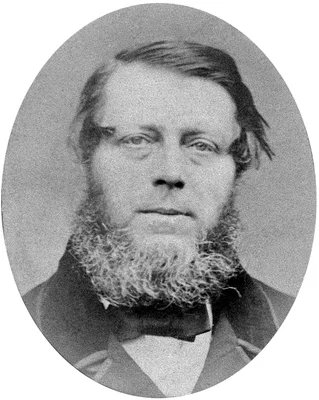
Bennett provided a scientific explanation for then current mass hysteria or group hypnosis in Edinburgh. Digital facsimile from Google Books at this link.
1852 –1853
#10129
The flora homoeopathica: Or, illustrations and descriptions of the medicinal plants used as homoeopathic remedies. 2 vols.
Hamilton detailed the symptoms of poisoning, records of successful use of the plant, and a description of its homeopathic uses. Finely illustrated with hand-colored plates, mostly by Henry Sowerby and his sister Charl…
1854
#6860
Lectures on the theory and practice of homoeopathy.
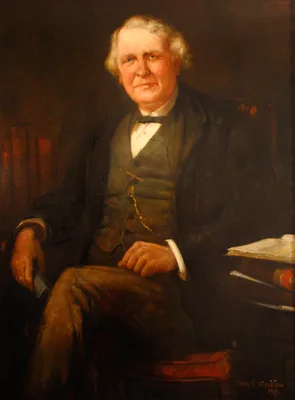
A series of lectures given at the London Hahnemann Hospital between 1852 and 1853, presenting an early account of Hahnemann’s life and the development of homeopathy. Digital facsimile from the Internet Archive at this…
1855
#1995
De l’électrisation localisée et de son application à la physiologie, à la pathologie, et à la thérapeutique.
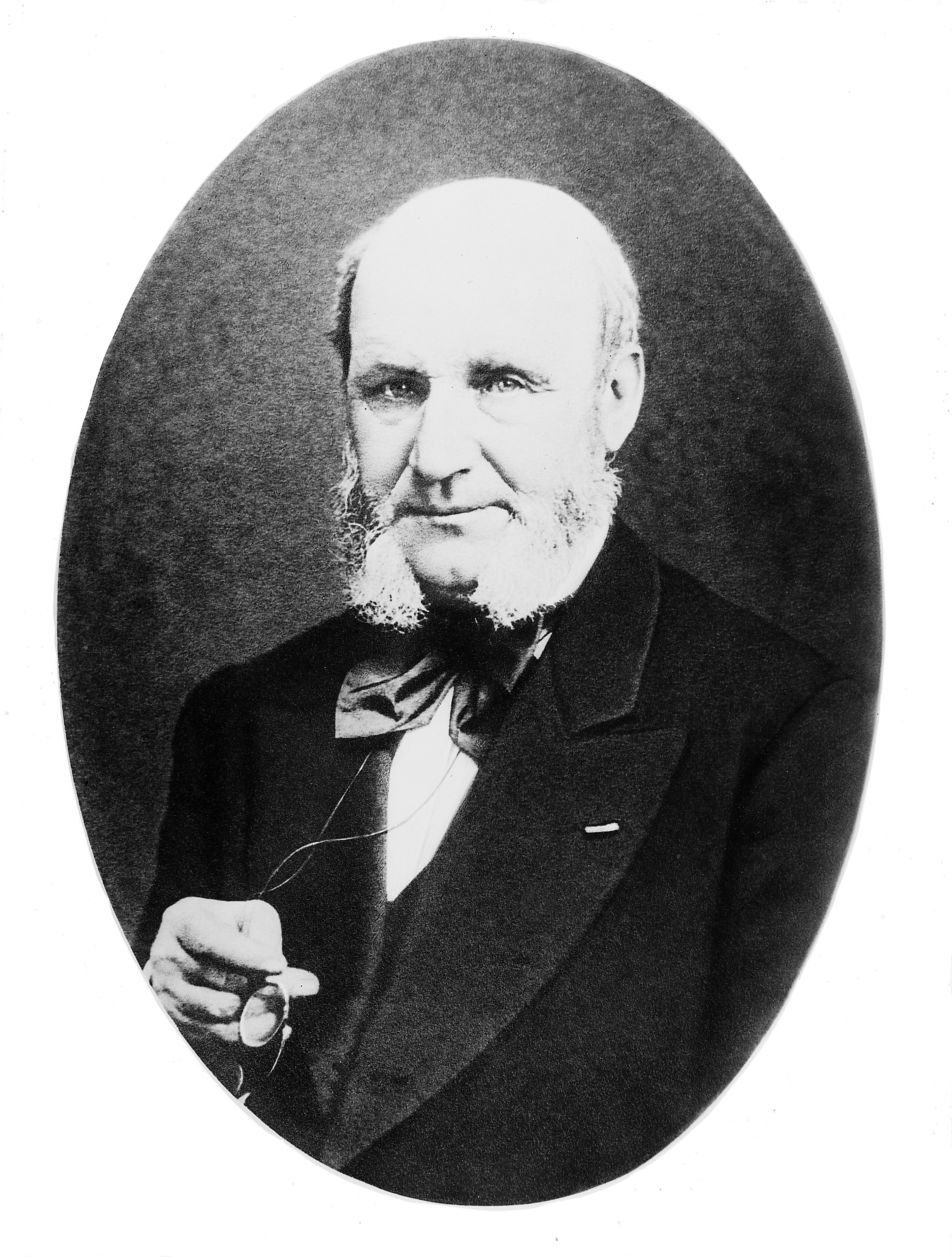
Duchenne classified the electrophysiology of the entire muscular system and summed up his findings in the above work. The application of his results to pathological conditions marks him as the founder of electrotherap…
1857
#1996
Die Electricität in der Medicin.
Ziemssen confirmed Remak’s discovery of the motor points, established their exact location, and published exact instructions for finding the motor points for stimulating the various muscles of the body.
1858
#1996.1
Galvanotherapie der Nerven- und Muskelkrankheiten.
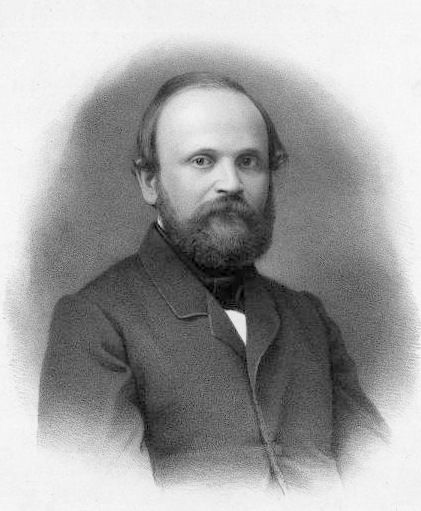
Remak was a pioneer of galvanotherapy. Having treated some 700 patients with galvanic current, he believed that it was superior to faradic current for electrotherapy.
1862
#11625
An inquiry into the medicinal value of the excreta of reptiles, in phthisis and some other diseases.
Digital facsimile from the Internet Archive at this link.
1864 –1866
#6534
Leechdoms, wortcunning, and starcraft of early England. Being a collection of documents, for the most part never before printed, illustrating the history of science in this country before the Norman Conquest. Collected and edited by Oswald Cockayne. 3 vols.
This set contains many texts relating to medieval English medicine and the Anglo-Saxon language. It contains the Herbal of Apuleius in Anglo-Saxon and modern English, the Leechbook of Bald, the text of Sextus Placitus…
1866
#7378
Notes bibliographiques pour servir à l'histoire du magnétisme animal: Analyse de tous les livres, brochures, articles de journaux publiés sur le magnétisme animal, en France et à l'étranger, à partir de 1766 jusqu'en 1866.
Later issue: Paris: chez l'auteur, Joubert, 1869.