
Facets
Browse across eight MeSH (opens in new tab) facets — era, geography, science, specialty, technology, history, culture, and reference. Select one tag per group; counts update across the others. What’s new in facet browse how facets relate to subjects and MeSH.
Clear filtersGeography
Specialties & Disease
- Alternative & Fringe Medicine 383
- Anatomy & Pathology 765
- Cardiology & Blood 914
- Dentistry 259
- Diabetes 80
- ENT & Hearing 293
- Epidemiology & Demography 397
- Gastroenterology & Hepatology 316
- General Clinical Medicine 487
- Immunology & Dermatology 1,008
- Infectious Disease (General) 147
- Internal, Emergency & Geriatric 123
- Microbiology & Virology 1,080
- Military Medicine 436
- Neurology & Psychiatry 1,258
- Obstetrics & Reproductive 551
- Oncology & Cancer 377
- Ophthalmology & Vision 412
- Pediatrics 247
- Physiology & Embryology 924
- Plagues & Epidemics 1,279
- Psychology 202
- Public Health 1,129
- Pulmonary & Respiratory 233
- Rheumatology, Rehab & Pain 189
- Surgery & Anesthesia 1,553
- Urology & Nephrology 309
- Veterinary Medicine 165
Social & Historical Studies
Institutions & Culture
Reference & Scholarly Works
1,258 entries match Neurology & Psychiatry [C10 / F04]
1787
#14359
Essai sur la maladie de la face, nommée le tic douloureux; avec quelques réflexions sur la raptus caninus de Caelius Aurelianus.
The first monograph exclusively on trigeminal neuralgia, which Pujol called “tic douloureux”, or painful tic, as it had originally been designated by Caelius Aurelianus. Pujol provided a valuable description of the sy…
1788
#10004
A dissertation on the influence of passions upon disorders of the body.
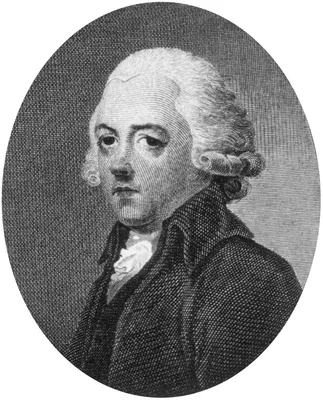
A treatise on the psychosomatic aspects of certain diseases. Digital facsimile from the Internet Archive at this link.
1789
#4920.2
Remarks and rules set by him in: Regolamento dei Regi Spedali di Santa Maria Nuova & di Bonifazio.
Chiarugi’s regulations for the Bonifazio mental asylum mark the first appearance in print of his landmark reforms in the humane treatment of the mentally ill. Chiarugi was the first to practise the humanitarian treatm…
1789
#8371
An arithmetical and medical analysis of the diseases and mortality of the human species.
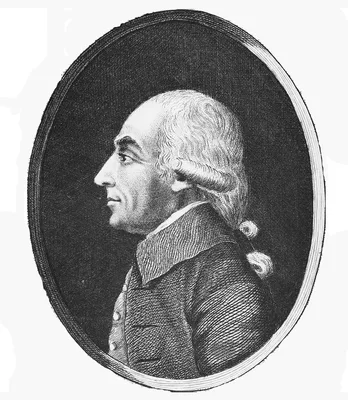
Black analyzed the London bills of mortality from 1701-1776. His work was the only study to provide a numerical account of insanity, a disease on people's minds because of George III's illness.
1792
#4518
De vertebralis columnae in morbis dignitate. In his Delectus opusculorum medicorum, 11, 1-50
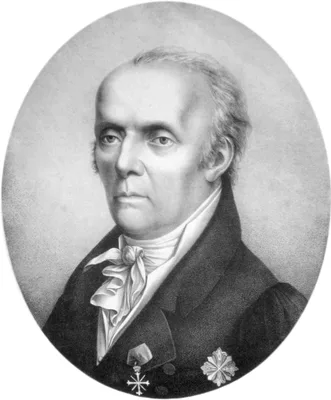
Frank, best remembered for his great services to public health, was the first physician to emphasize the gravity of diseases of the spinal cord.
1792
#13154
Del coraggio nelle malattie. Trattato.
Pasta was a pioneer in promoting the value of psychological support for treating patients with severe physical disaease. His paper, printed by the celebrated Giambattista Bodoni, promotes courage and philosophical tol…
1793
#1386.1
Examen chimique du cerveau de plusieurs animaux.
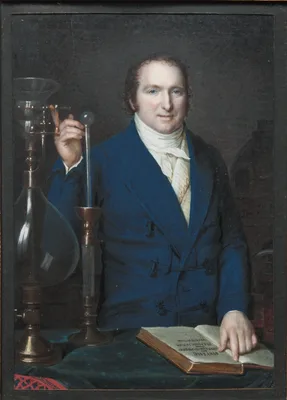
Fourcroy, French physician and chemist, made important researches on the chemistry of the brain. He noted albumen (protein) as a principal constituent.
1793 –1794
#4921
Della pazzia in genere, e in specie, trattato medico-analitico, con una centuri di osservatzioni. 3 vols.
Chiarugi was the first in Europe to abandon chains and fetters in a mental hospital. He required a case history for each patient, hygienic rooms with segregation of the sexes, no restraint beyond strait jacket and cot…
1794
#1253
Tabulae nevrologicae, ad illustrandum historiam anatomicam cardiacorum nervorum, noni nervorum cerebri, glossopharyngaei et pharyngaei ex octavo cerebri.
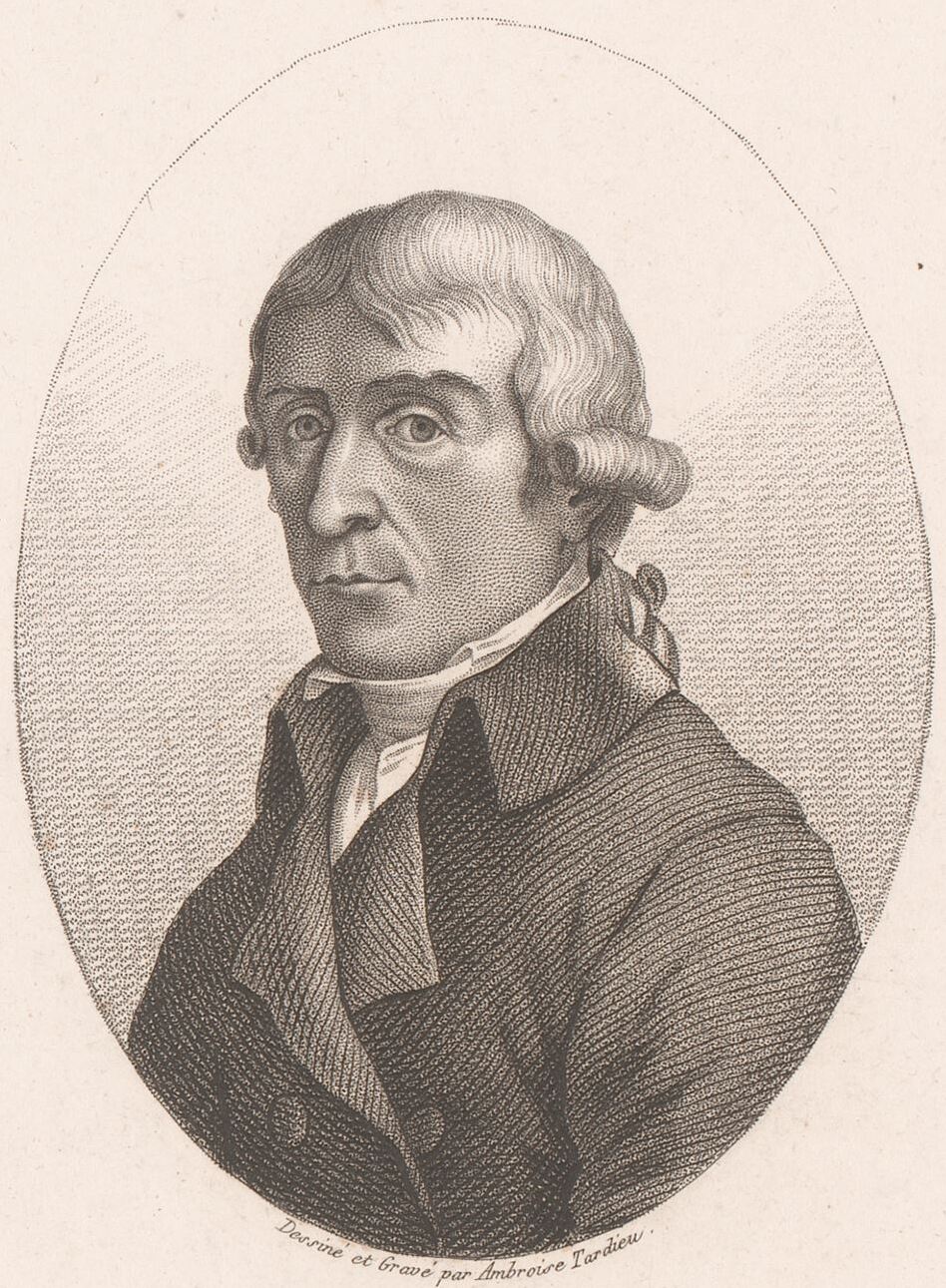
This elegantly illustrated anatomical atlas is regarded as Scarpa’s greatest work. The result of 20 years of research, it includes the first proper delineation of the glossopharyngeal, vagus, hypoglossal, and cardiac …
1794
#11782
Medicina theologica, ou supplica humilde, feita a todos os senhores confessores e directores, sobre o modo de proceder com seus penitentes na emenda dos peccados, principalmente da lascivia, colera, e bebedice.
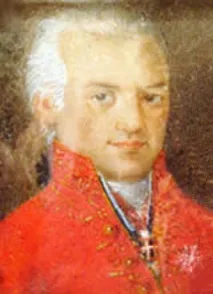
The first Portuguese work on psychosomatic medicine. The author was a Brazilian who worked in Portugal. Digital facsimile from Wellcomelibrary.org at this link.
1796
#1387
Exercitationum anatomicarum fasciculus primus. De structura nervorum, tribus tabulis aeneis illustratus [All published].
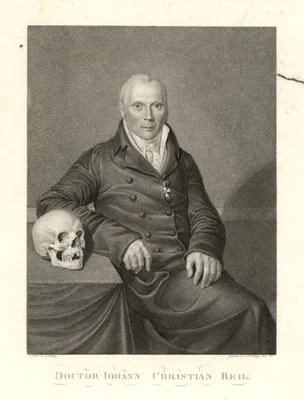
Description of the “island of Reil”. This was the first part of the surface of the cerebral hemispheres to be given a name since 1641 (No. 1377.3). See also Reil’s follow-up paper in Arch. Physiol. (Halle), 1809, 9, 1…
1797
#4519
De paralysi musculorum faciei rheumatici.
Facial paralysis first described.
1798
#4794
Observations on insanity.
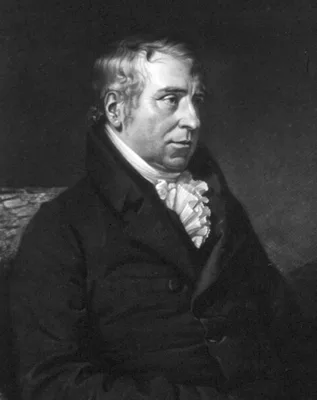
Haslam was among the first to describe general paralysis; he recorded three cases (pp. 64, 67, 92, 120).
1798
#7978
An inquiry into the nature and origin of mental derangement: comprehending a concise system of the physiology and pathology of the human mind, and a history of the passions and their effects. 2 vols.
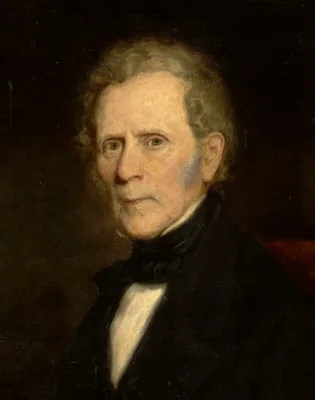
In chapter 2 of vol. 1, pp. 254-90, “On Attention and its Diseases” Crichton described a mental state much like the inattentive subtype of Attention Deficit Hyperactivity Disorder (ADHD). He did not mention any sympto…
1801
#4922
Traité médico-philosophique sur l’aliénation mentale ou la manie.
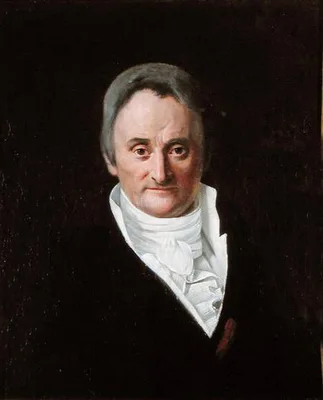
Pinel founded the French School of Psychiatry. He was among the first to treat the insane humanely; he dispensed with chains and placed his patients under the care of specially selected physicians. Garrison considered…
1801 –1803
#1315
Traité d’anatomie descriptive. 5 vols.
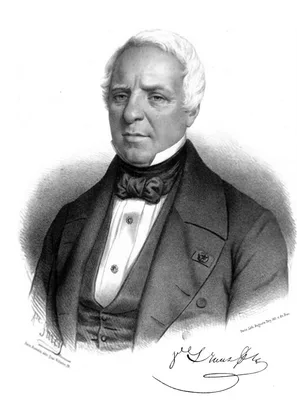
Bichat was the creator of descriptive anatomy. He introduced the terms “animal” and “vegetative” system. This was his last work, unfinished at his death. Vol. 4 was prepared by Bichat's student and cousin, Mathieu-Fra…
1801
#8372
Observations on the increase and decrease of different disease, and particularly of the plague.
Heberden observed that the number of deaths from dysentery sharply decreased over the 18th century, but that deaths attributed to apoplexy increased. Digital facsimile from the Internet Archive at this link.
1803
#1989.1
An account of the late improvements in galvanism…
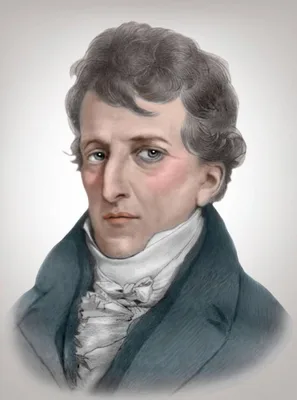
Nephew of Galvani (see No. 593), Aldini developed and promoted animal electricity. His sensational experiments on the body of a criminal executed at Newgate, conducted with Carpue (No. 1989) were significant for the p…
1803
#4923
Rhapsodieen über die Anwendung der psychischen Curmethode auf Geisteszerrüttungen.
The versatile Reil, physician and physiologist, was an early advocate of humane treatment for the insane. He was instrumental in the establishment of the first journal devoted to mental disease – the Magazin für Nerve…
1805
#313
Oeuvres de Vicq-d'Azyr recueillie et publiées avec des notes et un discours sur sa vie et ses ouvrages par Jacq[ues] L[ouis]- Moreau [de la Sarthe]. 6 vols. and atlas.
Vicq d’Azyr has been called the greatest comparative anatomist of the 18th century. The mammillo-thalamic tract is named the “bundle of Vicq d’Azyr”. See No. 401.2. Digital facsimile of from the Internet Archive at th…
1805
#4674
Mémoire sur la maladie qui a régné à Genève au printemps de 1805.
First definite description of cerebrospinal meningitis. Partial English translation in No. 2241.
1808
#4635
An essay on hydrocephalus acutus, or dropsy in the brain.
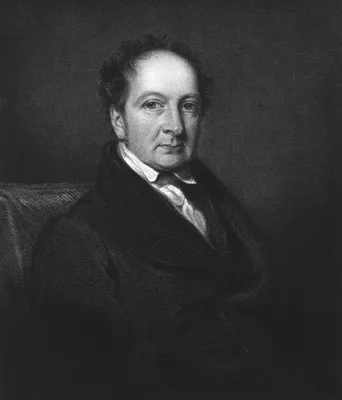
Acute hydrocephalus first described.
1809
#1388
Saggio sopra la vera struttura del cervello dell’uomo e degl’animali e sopra le funzioni del sistema nervoso.
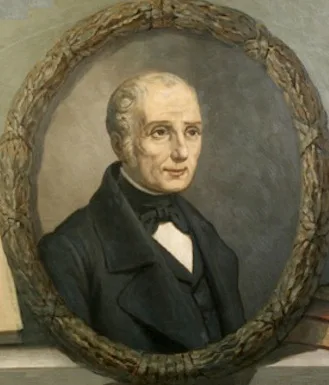
Includes description of “Rolando’s substance”, “tubercle”, and “funiculus”. Rolando described ablation experiments for brain localization similar to Flourens (No. 1391). They were largely unknown until Magendie publis…
1810
#4675
An inaugural dissertation on the disease termed petechial, or spotted fever. Submitted to the Examining Committee of the Medical Society of Connecticut, for the county of Hartford.
This graduation dissertation was the first published brochure on cerebrospinal meningitis. Digital facsimile from U.S. National Library of Medicine at this link.
1810 –1819
#1389
Anatomie et physiologie du système nerveux en général, et du cerveau en particulier. 4 vols. and atlas.
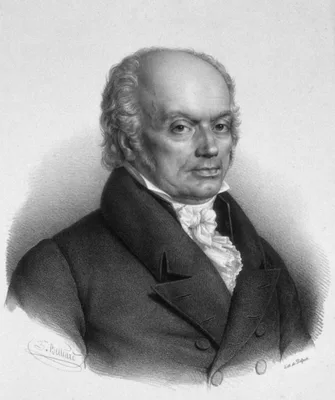
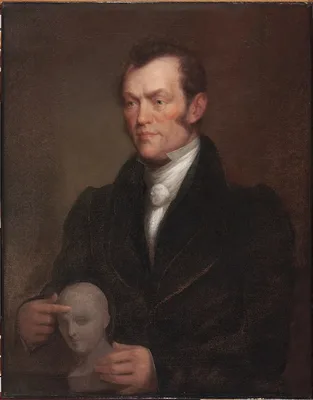
Introduced the theory of localization of cerebral function, although in a somewhat fantastic form. This pioneer attempt to map out the cerebral cortex according to function gave rise to the pseudo-science of phrenolog…
1810
#4924.1
Illustrations of madness: exhibiting a singular case of insanity… with a description of the tortures experienced by bomb-bursting, lobster-cracking and lengthening the brain.
The first medical book devoted to a single case of insanity, and the first illustration of an influencing machine, commonly complained of by paranoid patients.
1810
#4969.2
A letter to Henry Cline, Esq. on imperfect developements (sic) of the faculties mental and moral, as well as constitutional and organic; and on on the treatment of impediments of speech.
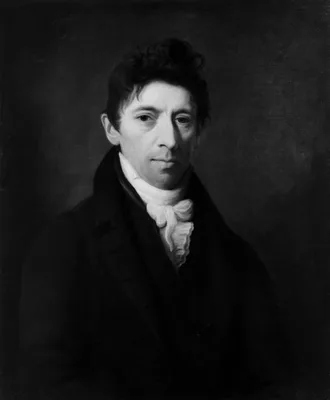
The first book on mental deficiency. Thelwall recognized that sensory deprivation could be a cause of apparent mental defect through his work with handicapped children. He established criteria for distinguishing betwe…
1811
#4676
A treatise on a malignant epidemic, commonly called spotted fever.
First book on cerebrospinal meningitis; in it North recommended the use of the clinical thermometer, not in general use until the time of Wunderlich. For more information on this book, see the article by F. L. Pleadwe…
1811
#1389.1
Analyse de la matière cérèbrale de l’homme et de quelques animaux.
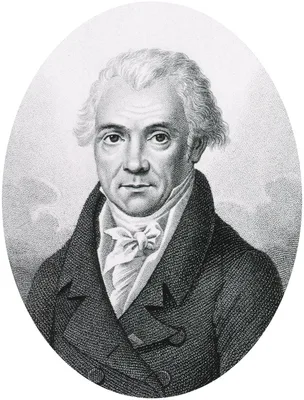
First complete chemical analysis of the nervous system.
1811
#1254
Idea of a new anatomy of the brain.
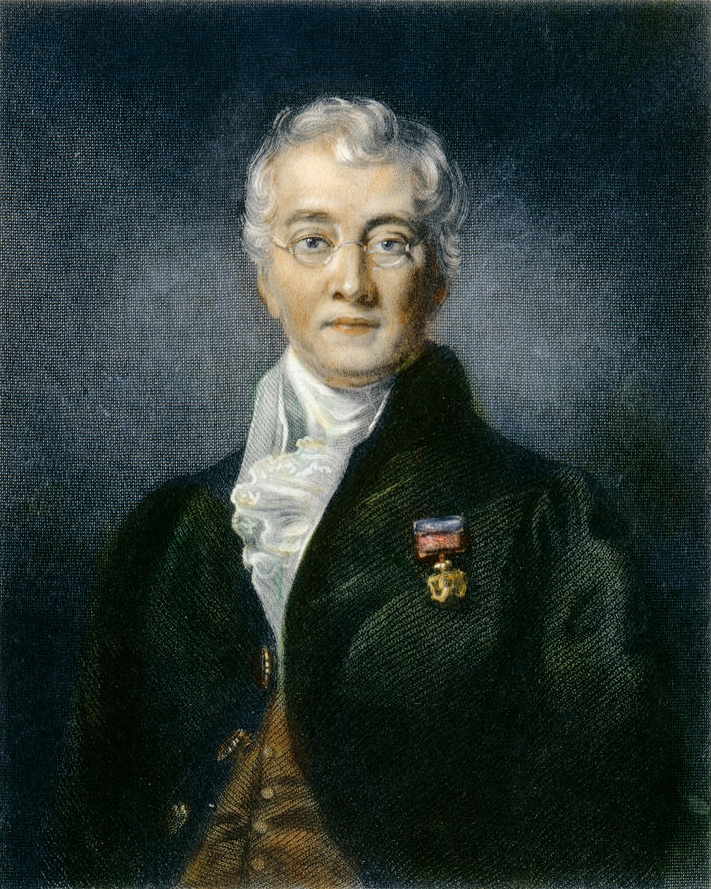
Contains first reference to experimental work on the motor functions of the ventral spinal nerve-roots, without, however, establishing the sensory functions of the dorsal roots. This very rare privately printed pamphl…
1812
#1389.2
Expériences sur le principe de la vie.
Le Gallois described the action of the vagus nerve on respiration. He showed that bilateral section of the vagus can produce fatal bronchopneumonia. The above work includes (p. 37) his location of the respiratory cent…
1812
#4519.1
Cases of apoplexy and lethargy: with observations upon the comatose diseases.
Cheyne believed that cerebral anemia might be the cause of apoplexy, and described pathological cases of cerebral infarction and of cerebral hemorrhage. The work contains the first illustration of a subarachnoid hemor…
1812
#4924
Medical inquiries and observations upon the diseases of the mind.
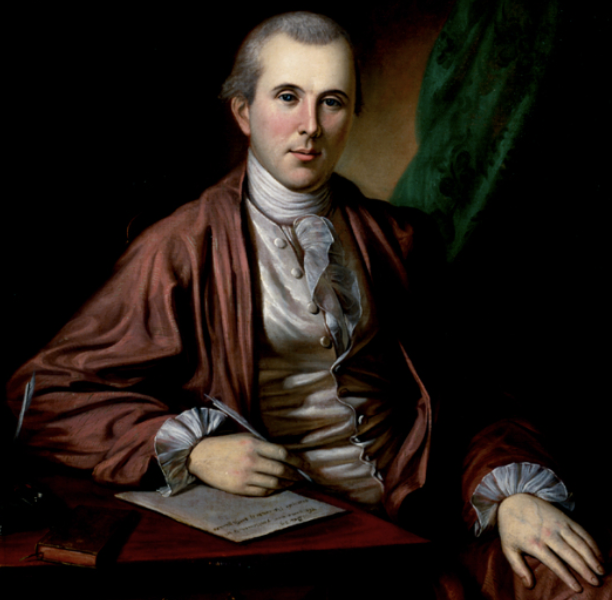
The first American textbook on psychiatry, and, considering the state of that science in Rush’s time, one of the most noteworthy. It underwent four editions.
1813
#4925.1
Description of The Retreat, an institution near York, for insane persons…
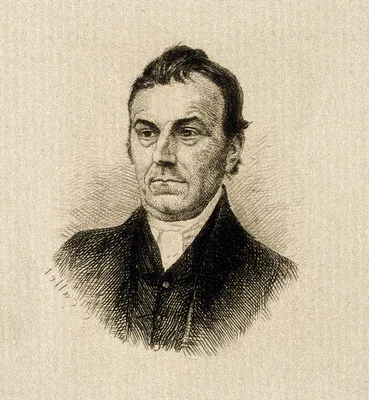
The pioneer work by an Englishman advocating humane treatment of the mentally ill. Tuke set out in this work the successful results of his experience with the “mild system of treatment” which had been instituted at Th…
1814
#216.1
A treatise on the supposed hereditary properties of diseases, containing remarks on the unfounded terrors and ill-judged cautions consequent on such erroneous opinions; with notes, illustrative of the subject, particularly in madness and scrofula.
Adams was a pioneer in medical genetics. He distinguished between familial and hereditary diseases, saw that an increase in hereditary disease frequency in isolated areas could be caused by inbreeding, and suggested t…
1815
#4825
Commentaries on some of the most important diseases of children. Part the first.
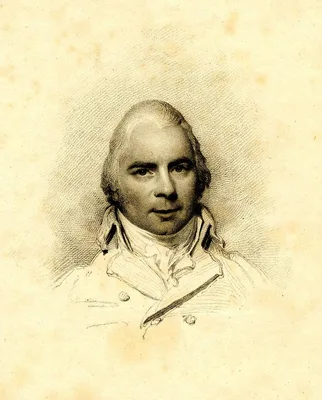
First account of infantile tetany is given on pp. 86-97. Clarke died before this work was published. In it he also gave a clear description of laryngismus stridulus. This disease, which consists in a sudden onset of d…
1815 –1818
#6329
Praktische Abhandlungen über die vorzüglichen Krankheiten des Kindesalters. Vol. 1: Von der hitzigen Gehirnhöhlen-Wassersucht; Vol. 2: Vom inneren chronischen Wasserkopfe....
"In 1818, Leopold Anton Gölis (1765-1827, Austrian physician and pathologist), a paediatrician and dissector in the Institute for the Sick Children of the Poor in Vienna, described the clinical and autopsy findings of…
1816
#4826
Notes on the swelling of the tops of the hands and feet, and on a spasmodic affection of the thumbs and toes, which very commonly attends it.
In his early account of chronic tetany, Kellie referred to carpo-pedal spasm and spasms of the glottis as part of the syndrome.
1817
#4690
An essay on the shaking palsy.
“Parkinson’s disease”–paralysis agitans. Reprinted in Med. Classics, 1938, 2, 946-97. Facsimile edition, with biography of Parkinson by Macdonald Critchley, London, 1955. Digital facsimile from the Internet Archive at…
1817
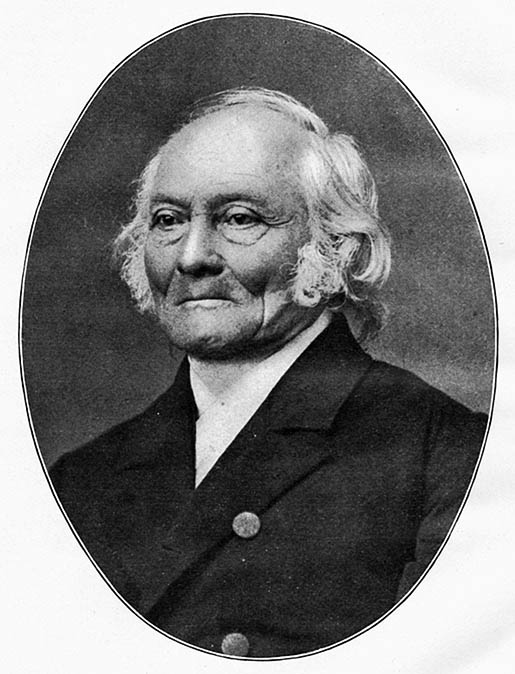
#1316
Anatomia comparata nervi sympathici.
1817
#4772
De myelophthisi chronica vera et notha.
First important account of tabes dorsalis.
1817
#7108
Medical jurisprudence as it relates to insanity, according to the laws of England.
The first English work on the forensic aspects of mental illness. Digital facsimile from Wellcome Forensics Collection, Internet Archive, at this link.
1818
#4926
Lehrbuch der Störungen des Seelenlebens.
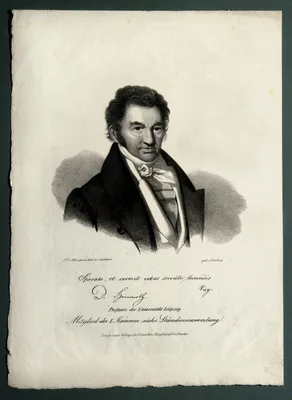
Heinroth drew his psychology from the Bible and maintained that mental health was maintained only by piety and that sin engendered madness; for him treatment was by repentance and a return to the fold. English transla…
1819 –1826
#1358
Vom Baue und Leben des Gehirns. 3 vols.
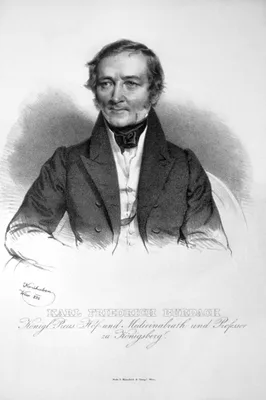
Includes description of “Burdach’s column”, the posterior column of the spinal cord. This work is also “an unrivalled source of historical information on macroscopical neuroanatomy” (Meyer).
1820 –1823
#4519.2
A treatise on nervous diseases.
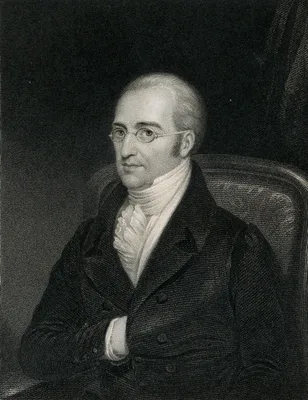
“The earliest separate work on clinical neurology” (McHenry). Includes the Croonian lecture (1819) on apoplexy, and sections on palsy and epilepsy. The work includes the first history of neurological thought.
1820
#7596
A dissertation on the treatment of morbid local affections of nerves.
An early discussion of peripheral nerve injuries, tumors, and inflammation of nerves, including issues of pain and healing. Swan was among the first of the 19th-century surgeons to argue that divided nerves that are s…
1821
#1255
On the nerves; giving an account of some experiments on their structure and functions, which lead to a new arrangement of the system.
“Bell’s palsy”. The facial paralysis ensuing upon lesion of the motor nerve of the face is described here for the first time. See also his later paper, with more detailed description, in the same journal, 1829, 119, 3…
1821
#6374.14
A treatise on acupuncturation, being a description of a surgical operation originally peculiar to the Japonese and Chinese, and by them denominated zin-king, now introduced into European practice, with directions for its performance, and cases illustrating its success.
The first English monograph on acupuncture. Churchill had most success with rheumatic conditions, sciatica, back-pain, etc. Digital facsimile from the Internet Archive at this link. The German translation of Churchill…
1821
#9700
Icones cerebri simiarum et quorundam mammalium rariorum.
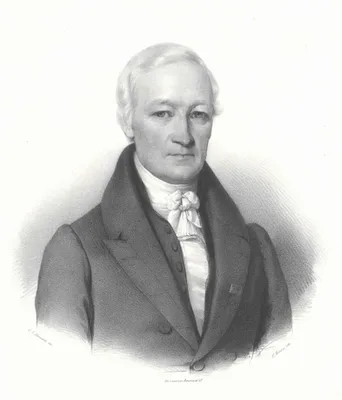
"Although a few more reports were published furing the next hundred years [after Tyson] it was Tiedemann alone who gave a more detailed account, on monkeys, in his... Icones Simiarum.... In monkeys he found the brain …
1822
#4521
On a peculiar disease resulting from the use of ardent spirits.
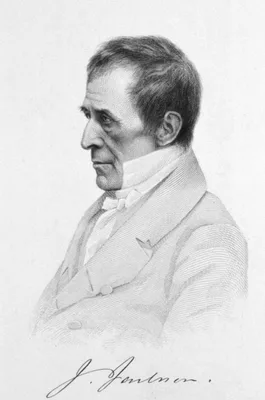
Jackson drew attention to alcoholic neuritis – arthrodynia a potu. Jackson was professor at Boston Medical School.