
Facets
Browse across eight MeSH (opens in new tab) facets — era, geography, science, specialty, technology, history, culture, and reference. Select one tag per group; counts update across the others. What’s new in facet browse how facets relate to subjects and MeSH.
Clear filtersGeography
Specialties & Disease
- Alternative & Fringe Medicine 383
- Anatomy & Pathology 765
- Cardiology & Blood 914
- Dentistry 259
- Diabetes 80
- ENT & Hearing 293
- Epidemiology & Demography 397
- Gastroenterology & Hepatology 316
- General Clinical Medicine 487
- Immunology & Dermatology 1,008
- Infectious Disease (General) 147
- Internal, Emergency & Geriatric 123
- Microbiology & Virology 1,080
- Military Medicine 436
- Neurology & Psychiatry 1,258
- Obstetrics & Reproductive 551
- Oncology & Cancer 377
- Ophthalmology & Vision 412
- Pediatrics 247
- Physiology & Embryology 924
- Plagues & Epidemics 1,279
- Psychology 202
- Public Health 1,129
- Pulmonary & Respiratory 233
- Rheumatology, Rehab & Pain 189
- Surgery & Anesthesia 1,553
- Urology & Nephrology 309
- Veterinary Medicine 165
Social & Historical Studies
Institutions & Culture
Reference & Scholarly Works
1,279 entries match Plagues & Epidemics [C01.252]
1730
#10109
Exanthematologia ; or, an attempt to give a rational account of eruptive fevers, especially of the measles and small pox, In two parts. Parts I Of the blood, the air, venoms, Infection: fever of all kinds in general with their varieties, descriptions, names & C but more professedly and fully of the measles ... Part II Of the small pox ... To which is added. An appendix concerning inoculation.
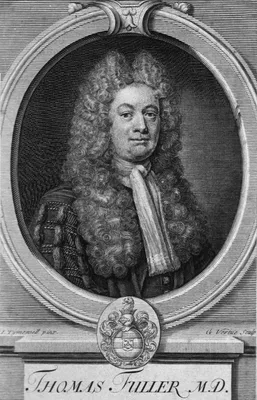
Includes the first clear account of chicken pox as a distinct disease, and the first distinction between the spots made by flea bites from those seen in eruptive fevers.
1734
#2148
The navy-surgeon, or a practical system of surgery.
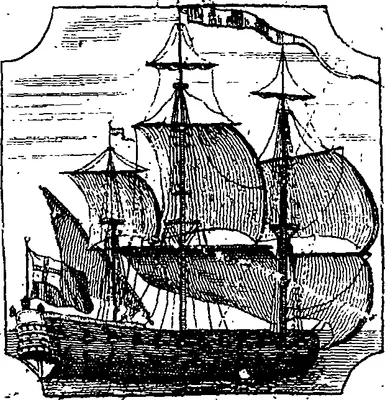
Atkins was an English naval surgeon. His book includes some useful case reports and contains the first English description of African trypanosomiasis.
1736
#5076
The practical history of a new epidemical eruptive miliary fever, with an angina ulcusculosa, which prevailed in Boston New England in the years 1735 and 1736.
Douglass left the first adequate clinical description of scarlet fever, which he called angina ulcusculosa, in his account of New England’s first scarlet fever epidemic. He was one of the first American physicians to …
1736
#5195
De morbis venereis libri sex.
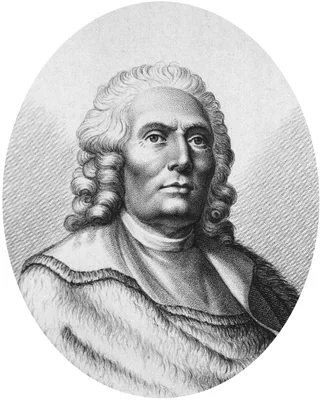
A comprehensive book on the subject, including a careful review of the existing literature. Astruc stated that syphilis first appeared in Europe in 1493. The book was translated into English in 1737. Digital facsimile…
1736
#10978
Aphrodisiacus. Containing a summary of the ancient writers on the venereal disease ... Extracted from the two tomes of Aloysius Luisinus, which by the direction of Dr. Boerhaave, were lately revised and reprinted at Leyden. Together with an index of all others omitted in that collection ... from the beginning of the sixteenth century down to the present time. With a large preface, by Daniel Turner.
A partial English translation of Luisinus's, De morbo gallico omnia quae extant (1566-67) as expanded by Boerhaave (1728). Digital facsimile of the 1736 work from the Internet Archive at this link.
1743
#5416
An essay on inoculation, occasioned by the small-pox being brought into South Carolina in the year 1738.
After its initial popularity, inoculation fell into disuse in England. Kirkpatrick, who became a prominent inoculator in England after experience in America, helped considerably in reviving its popularity. He attempte…
1744
#4302
De iis, qui ex tuberculis gibberosi fiunt.
Platner affirmed the tuberculous nature of humpback, which had earlier been surmised by Hippocrates and confirmed by Galen.
1745
#10474
Berg-Raths Medicinischer Aufstand und Schmelz-Bogen Von der Bergsucht und Hütten-Katze auch einigen andern, Denen Bergleuten und Hütten-Arbeitern zustoßenden Krankheiten, Vor dieselben und diejenigen So in Stein, Erz, Metall und Feuer arbeiten, ausgestellet.
A key early work on the Bergsucht or miner's phthisis.
1747
#5417
De variolis et morbillis liber.
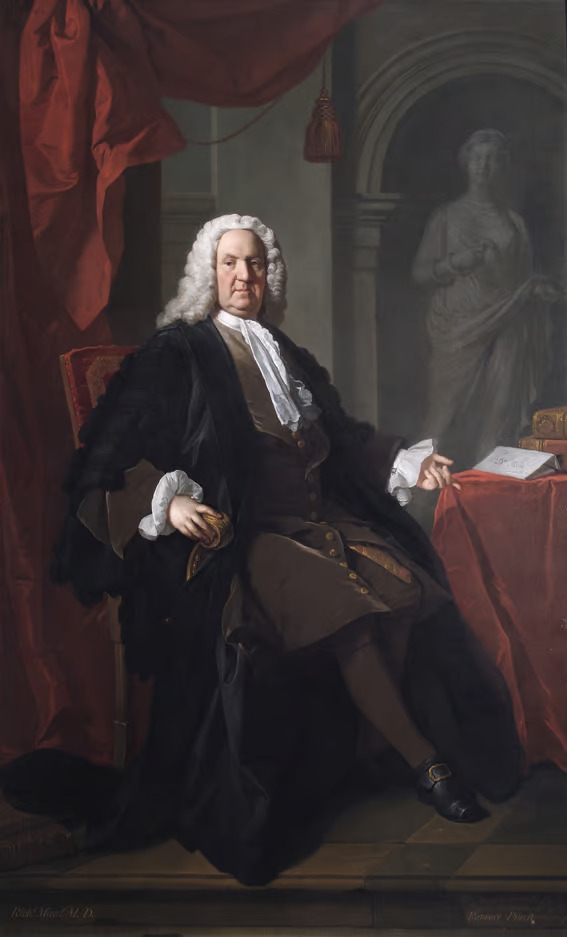
Includes a Latin translation of Rhazes’s commentary on smallpox. Mead favored inoculation, and his great authority and influence contributed to a more general acceptance of this measure. English translation entitled A…
1748
#5049
An account of the sore throat attended with ulcers.
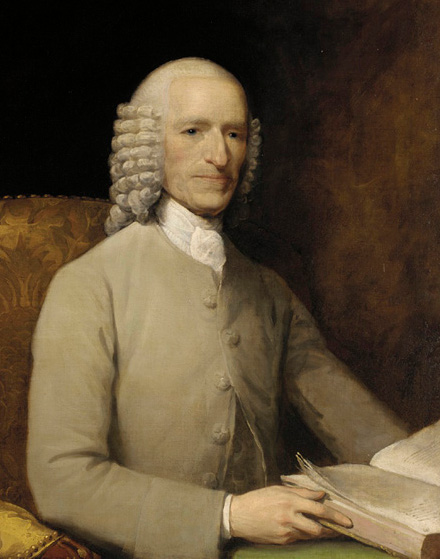
First authoritative account of both diphtheria and scarlatinal angina, although failing to differentiate between the two conditions. Reprinted in Med. Classics, 1940, 5, 58-99.
1750
#2201
An essay on fevers.
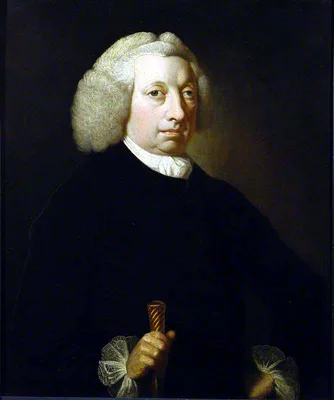
Huxham’s best work. He was well known in the west of England and wrote important monographs on diphtheria and on Devonshire colic. Huxham seemed to appreciate that a difference existed between typhus and typhoid, at t…
1750
#5374
Observations on the nature and cure of hospital and jayl-fevers.
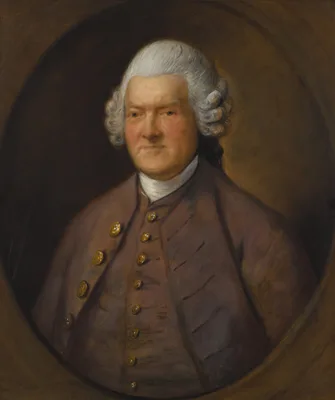
Pringle was a strong advocate of better ventilation in prisons and hospitals as a means of preventing typhus, which he showed to be identical with “hospital fever”.
1750
#5418
A discourse on the preparation of the body for the small-pox; and the manner of receiving the infection.
Thomson, a physician in Philadelphia, was the originator of the American method of inoculation against smallpox. Printed by Benjamin Franklin. Digital facsimile from dla.library.upenn.edu at this link.
1751
#1832
Descriptions, virtues, and uses of sundry plants of these northern parts of America, and particularly of the newly discovered Indian cure for the venereal disease.
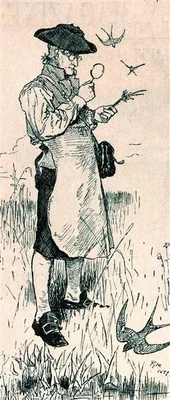
Bartram founded one of the first botanical gardens in America (at Kingsessing). Linnaeus referred to him as the “greatest natural botanist in the world”. A few copies of this 7-page work printed by Benjamin Franklin w…
1755
#5124
Tentamen de inoculandi peste.
Weszprémi proposed preventive inoculation against plague.
1755
#10510
An historical account of the several plagues that have appeared in the world since the year 1346. With an enquiry Into the present prevailing opinion, that the plague is a contagious distemper, capable of being transported in merchandize, from one country to another. In which the absurdity of such notions is exposed, and the arguments that have been made use of to support them, refuted. To which are added a particular account of the yellow fever, shewing its periodical appearance to be similar to the plague. Also observations on Dr Mackenzie's letters; read before the Royal Society on this subject. And an abstract of Capt. Isaac Clemens's voyage in the Sloop Fawey, from their arrival in the Mould of Algiers, to the sinking of her, on a supposition that the plague was on board her. Taken from his log-book
Digital facsimile from Google Books at this link.
1756
#5290
Natural history of Aleppo and parts adjacent.
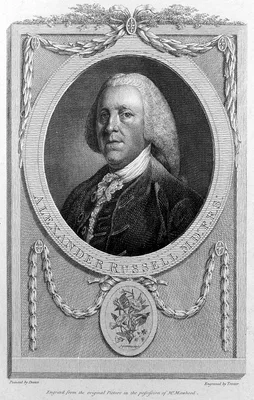
Includes (Chap, iv) a good account of “Aleppo boil”, which Russell found to be endemic in Aleppo. Digital facsimile from the Internet Archive at this link.
1756
#13448
The civil and natural history of Jamaica. In three parts, containing 1. An accurate description of that Island, its situation and soil; with a brief account of its former and present state, government, revenues, produce, and trade. II. A history of the natural productions, including the various sorts of native fossils, perfect and imperfect vegetables, quadrupedes, birds, fishes, reptiles and insects; with their properties and uses in mechanics, diet, and physic. III. An account of the nature of climate in general, and their different effects upon the human body; with a detail of the diseases arising from this source, particularly within the tropics....illustrated with fifty copper-plates...in natural size....
Digital facsimile from Google Books at this link.
1757
#5050
A dissertation on the malignant, ulcerous sore-throat.
Huxham’s reputation rests mainly on his Essays on fevers, but he also left an excellent account of diphtheria. Although he failed to differentiate the disease from scarlatinal angina, he was the first to observe the p…
1759
#5419
Some account of the success of inoculation for the small-pox in England and America. Together with plain instructions, by which any person may be enabled to perform the operation.
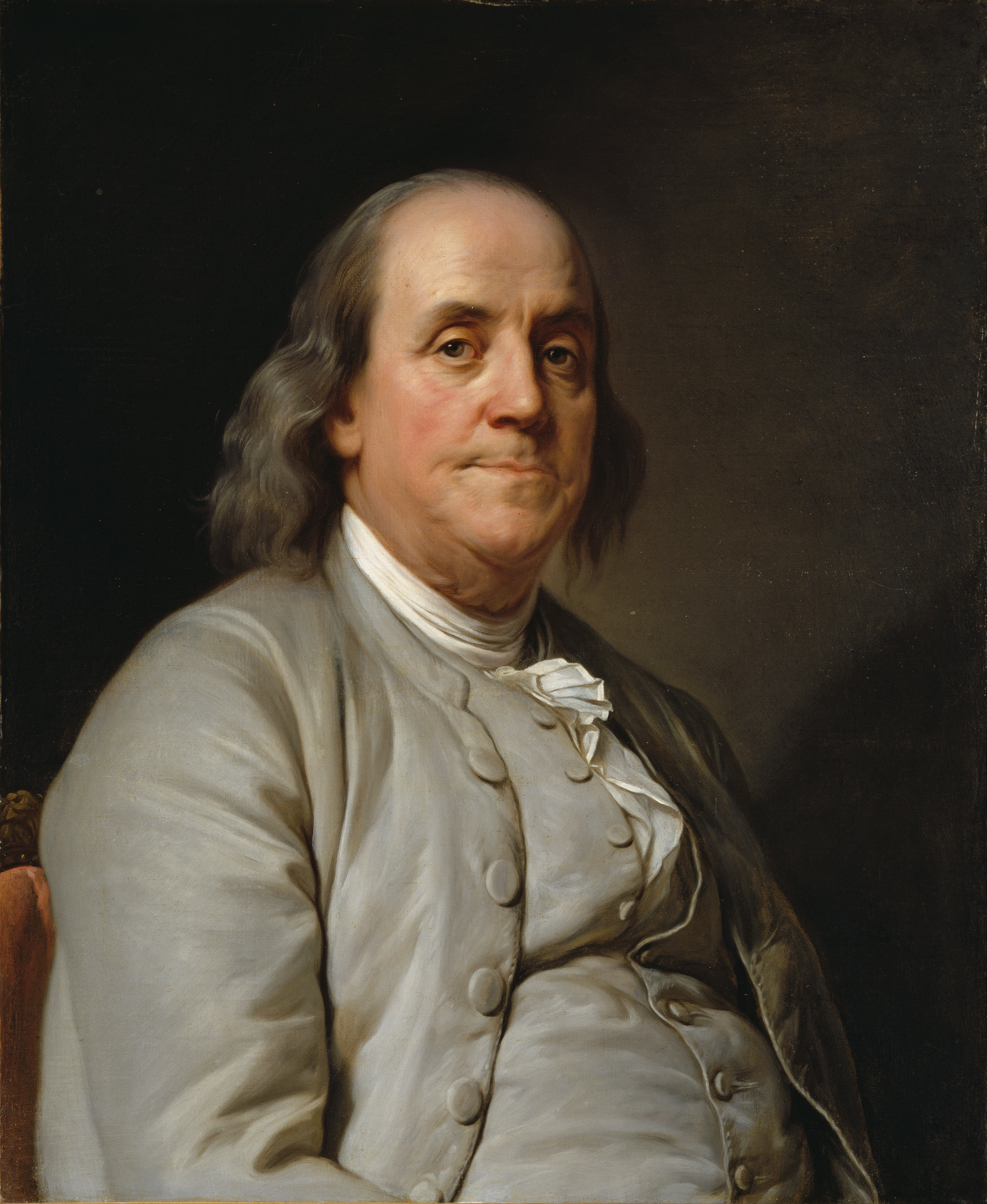
Franklin’s statistical account of smallpox inoculation in Boston during the epidemic of 1753-54, showing the beneficial effects of the practice, was written for William Heberden, who contributed the “Plain instruction…
1759
#5442
Medical facts and experiments.
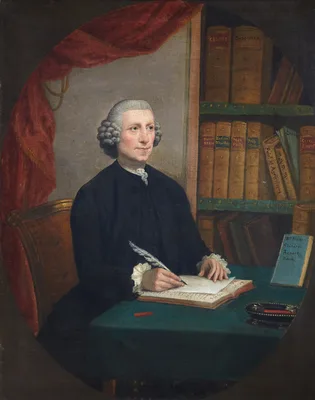
Experimental human transmission of measles (pp. 266-88). Digital facsimile from Google Books at this link.
1759
#11137
Traité de tumeurs et des ulcères, où l'on a tâché de joindre à une théorie solide, la pratique la plus sûre et la mieux éprouvée ; avec deux lettres : I. Sur la composition de remèdes dont on vante l'utilité et dont on cache la préparation : II. Sur la nature et le succès des nouveaux remèdes qu'on propose pour la guérison des maladies vénériennes. 2 vols.
The earliest French work on dermatology, and one of the earliest works in dermatopathology, including tumors of the skin. Digital facsimile of the 1768 second edition from Google Books at this link.
1762
#5078
Opera medico-physica in quatuor tractatus digesta.
Plenciz was the first to grasp the significance of Leeuwenhoek’s animalculae for the etiology of contagious disease. Part III of the above is concerned with scarlatina.
1764
#9509
An essay on the more common West-India diseases and the remedies which that country itself produces: To which are added some hints on the management, &c. of negroes.
Though the title suggests tropical medicine in general, this work mainly concerns the selection and medical care of slaves. Digital facsimile of the second edition (Edinburgh, 1802) expanded "with practical notes and …
1765
#5051
An enquiry into the nature, cause, and cure of the croup.
First clear and complete clinical description of diphtheria.
1766
#2527.99
De variolis et morbillis commentarius.
The first medical description of smallpox was written by Rhazes, about the year 910… The above work is the first edition of the Arabic text with a parallel Latin translation by the English pharmacist and scholar, John…
1767
#5420
The present method of inoculating for the small-pox.
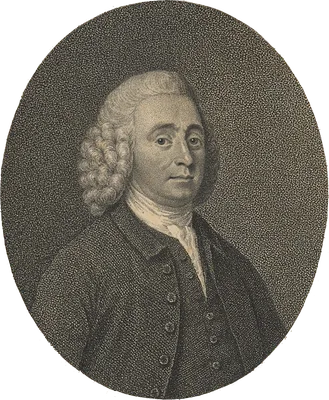
Dimsdale is notable as having inoculated Catherine of Russia and her son. For this he received a fee of £10,000 and a life pension. His reputation and the exalted rank of his patient helped in popularizing the measure…
1767
#5196
De gonorrhoea virulenta.
Balfour is said to have been the first to re-affirm the duality of gonorrhoea and syphilis.
1767
#12397
An account of the manner of inoculating for the small pox in the East Indies: With some observations on the practice and mode of treating that disease in those parts.
Holwell's account of smallpox variolation in India prior to Jenner has been disputed by historians. Digital facsimile from the Internet Archive at this link.
1768
#4634
Observations on the dropsy in the brain.
The first account of the clinical course of tuberculous meningitis in children. This work is notable for its fullness of detail and its accuracy. Whytt divided the disease into three stages, according to the character…
1768
#2264
An essay on diseases incidental in Europeans in hot climates.
Lind came near to discovering the connection between malaria and mosquitoes. He is best remembered for his work on scurvy (No. 3713), but the above book is one of the more important early works on tropical medicine.
1768
#5438
On the chickenpox.
In a paper read before the (Royal) College of Physicians on 11 August 1767, Heberden first definitely differentiated chickenpox from smallpox.
1769
#5304
Essay on the natural history of Guiana, in South America. Containing a description of many curious productions in the animal and vegetable systems of that country. Together with an account of the religion, manners, and customs of several tribes of its Indian inhabitants. Interspersed with a variety of literary and medical observations. In several letters....
Bancroft was an English physician who lived for many years in South America. He noted the transmission of yaws by flies (p. 385 of his book). Digital facsimile from the Internet Archive at this link.
1770
#1772
A chronological history of the weather and seasons and of the prevailing diseases in Dublin. With their various periods, successions, and revolutions, during the space of forty years. With a comparative view of the difference of the Irish climate and diseases, and those of England and other countries ...
Rutty kept continuous records of weather and diseases in Dublin from 1724-64. On page 75 of this work is the first clear description of relapsing fever. Digital facsimile from the Hathi Trust at this link.
1770
#5336.2
Sur un ver trouvé sous la conjunctive, à Maribou, isle Saint-Domingue.
First description of the worm Loa loa. Mongin was a French surgeon working in the West Indies. English translation in Kean (No. 2268.1).
1770
#9913
Histoire des maladies de S. Domingue. 3 vols. Title of vol. 3: Traité ou abregé des plantes usuelles de S. Dominique.
Posthmously published; vol. 1 contains a life of the author. Digital facsimile from Google Books at this link.
1771
#5052
An enquiry into the nature, cause and cure of the angina suffocativa, or sore throat distemper, as it is commonly called by the inhabitants of this city and colony.
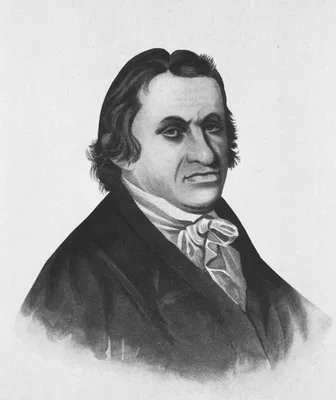
One of the earliest accurate descriptions of diphtheria. Osler considered the book “an American classic of the first rank”. Bard was personal physician to George Washington.
1773
#8813
Observations on the diseases in long voyages to hot countries, and particularly on those which prevail in the East Indies.
Digital facsimile of the third edition, "revised and enlarged" (1793) from the Internet Archive at this link.
1773
#14117
A treatise on the kinkcough. With an appendix. Containing an account of hemlock, and its preparation.
Probably the first book on whooping cough, proceeding Watt's book by 40 years. Butter proposed hemlock as a treatment for whooping cough. Digital facsimile from Google Books at this link. (Thanks to Webb Dordick for t…
1774
#2376
Morborum antiquitates.
Pp. 85-100: “Lists 191 semeiological varieties of syphilis described in the period” (Garrison).
1776
#9520
Thoughts on general and partial inoculations: Containing a translation of two treatises written when the author was at Petersburg, and published there in the Russian language; also outlines of two plans: One, for the general inoculation of the poor in small towns and villages. The other, for the general inoculation of the poor in London and other large and populous places.
Digital facsimile from the Internet Archive at this link.
1779
#4303
Dissertation sur les effets du mouvement et du repos dans les maladies chirurgicales.
Includes a description of Pott’s disease, with post-mortem findings, better than Pott’s own account. This is an important early work on the effect of movement and of rest in the treatment of joint conditions. English …
1779
#4304
Remarks on that kind of palsy of the lower limbs, which is frequently found to accompany a curvature of the spine.
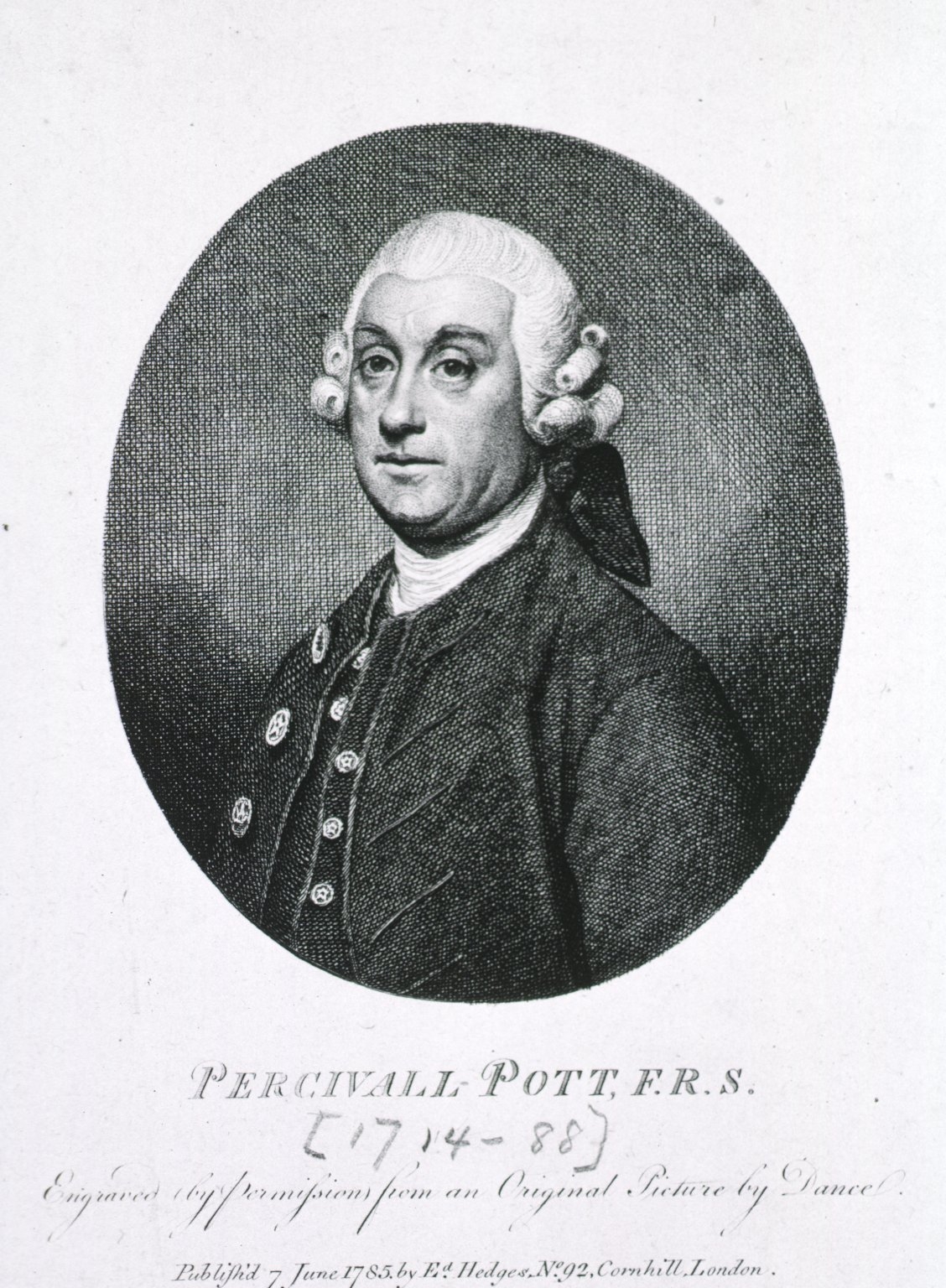
“Pott’s disease”. Percival Pott, surgeon to St. Bartholomew’s Hospital for more than 40 years, left a classic description of spinal curvature due to tuberculous caries and causing paralysis of the lower limbs. He did …
1779
#5079
An account of the scarlet fever and sore throat, or scarlatina anginosa; particularly as it appeared at Birmingham in the year 1778.
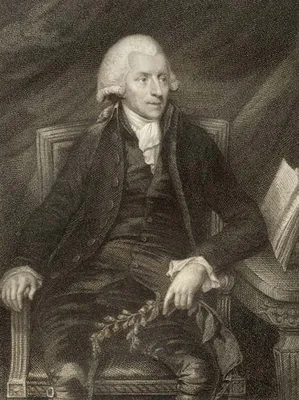
Withering, best remembered for his book on the foxglove, described the epidemics of scarlet fever which occurred in England in 1771 and 1778.
1779
#9501
A physical journal kept on board H. M. Ship Rainbow during three voyages to the coast of Africa and the West Indies, in the years 1772, 1773, and 1774: To which is prefixed, a particular account of the remitting fever which happened on board of His Majesty's Sloop Weasel, on that coast, in 1769.
1780
#2205
Observations on fevers, especially those of the continued type, and on the scarlet fever attended with ulcerated sore-throat, as it appeared at Newcastle upon Tyne in the year 1778: Together with a comparative view of that epidemic with the scarlet fever as described by authors, and the angina maligna.
Digital facsimile from the Intenet Archive at this link.
1780
#5162
Description et traitement du charbon dans les animaux.
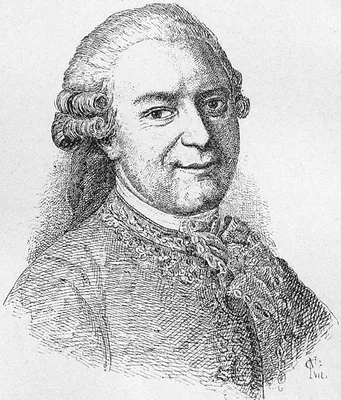
First important clinical description of anthrax. For some time after the appearance of Chabert’s short book, the condition was known as “Chabert’s disease”. Chabert was Directeur & Inspecteur général of the Écoles Roy…
1780
#5488
Tableau historique et raisonné des épidémies catharrales vulgairement dites la grippe; depuis 1510 jusques et y compris celle de 1780.
1780
#5421
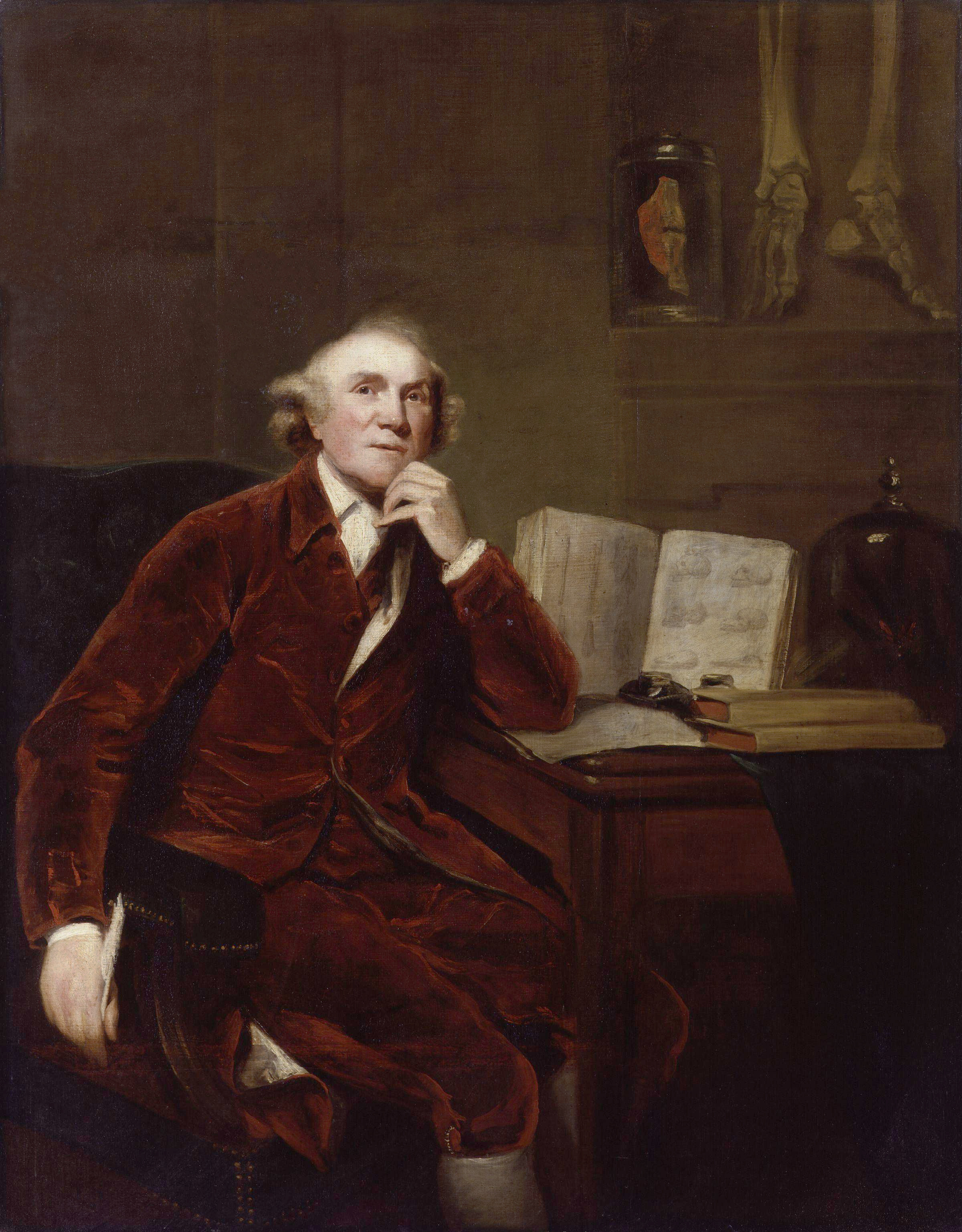
Account of a woman who had the smallpox during pregnancy, and who seemed to have communicated the same disease to the foetus.
1780
#5469
Korte aantekening wegens eene algemeene ziekte, doorgaans genaamd knokkel-koorts.
Bylon described an epidemic of dengue which appeared in the Dutch East Indies in 1779, the first definite description of the disease. O. H. P. Pepper published a photographic reproduction of the article in Ann. med. H…