
Facets
Browse across eight MeSH (opens in new tab) facets — era, geography, science, specialty, technology, history, culture, and reference. Select one tag per group; counts update across the others. What’s new in facet browse how facets relate to subjects and MeSH.
Clear filtersGeography
Specialties & Disease
- Alternative & Fringe Medicine 383
- Anatomy & Pathology 765
- Cardiology & Blood 914
- Dentistry 259
- Diabetes 80
- ENT & Hearing 293
- Epidemiology & Demography 397
- Gastroenterology & Hepatology 316
- General Clinical Medicine 487
- Immunology & Dermatology 1,008
- Infectious Disease (General) 147
- Internal, Emergency & Geriatric 123
- Microbiology & Virology 1,080
- Military Medicine 436
- Neurology & Psychiatry 1,258
- Obstetrics & Reproductive 551
- Oncology & Cancer 377
- Ophthalmology & Vision 412
- Pediatrics 247
- Physiology & Embryology 924
- Plagues & Epidemics 1,279
- Psychology 202
- Public Health 1,129
- Pulmonary & Respiratory 233
- Rheumatology, Rehab & Pain 189
- Surgery & Anesthesia 1,553
- Urology & Nephrology 309
- Veterinary Medicine 165
Social & Historical Studies
Institutions & Culture
Reference & Scholarly Works
316 entries match Gastroenterology & Hepatology [C06 / C04]
1886
#3486
Ueber die Verwendung des Musculus rectus abdominis zum Verschlusse der künstlichen Magenfistel.
Von Hacker’s method of gastrostomy.
1886
#3629
The surgery of the pancreas, as based upon experiments and clinical researches.
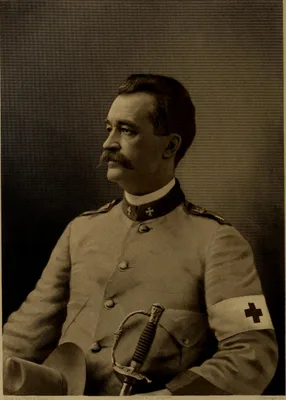
In this review of the world literature and a report of animal experimentation, Senn concluded that complete extirpation of the pancreas was invariably followed by death, but that partial excision was feasible and just…
1887
#1018
D’une disposition à sphincter spéciale de l’ouverture du canal cholédoque.
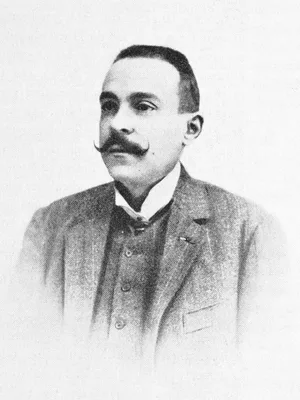
“Sphincter of Oddi” of the bile duct, already known to Glisson in 1654. Reprinted as a pamphlet, Perugia, 1887.
1887
#3488
Circular suture of the intestines; an experimental study.
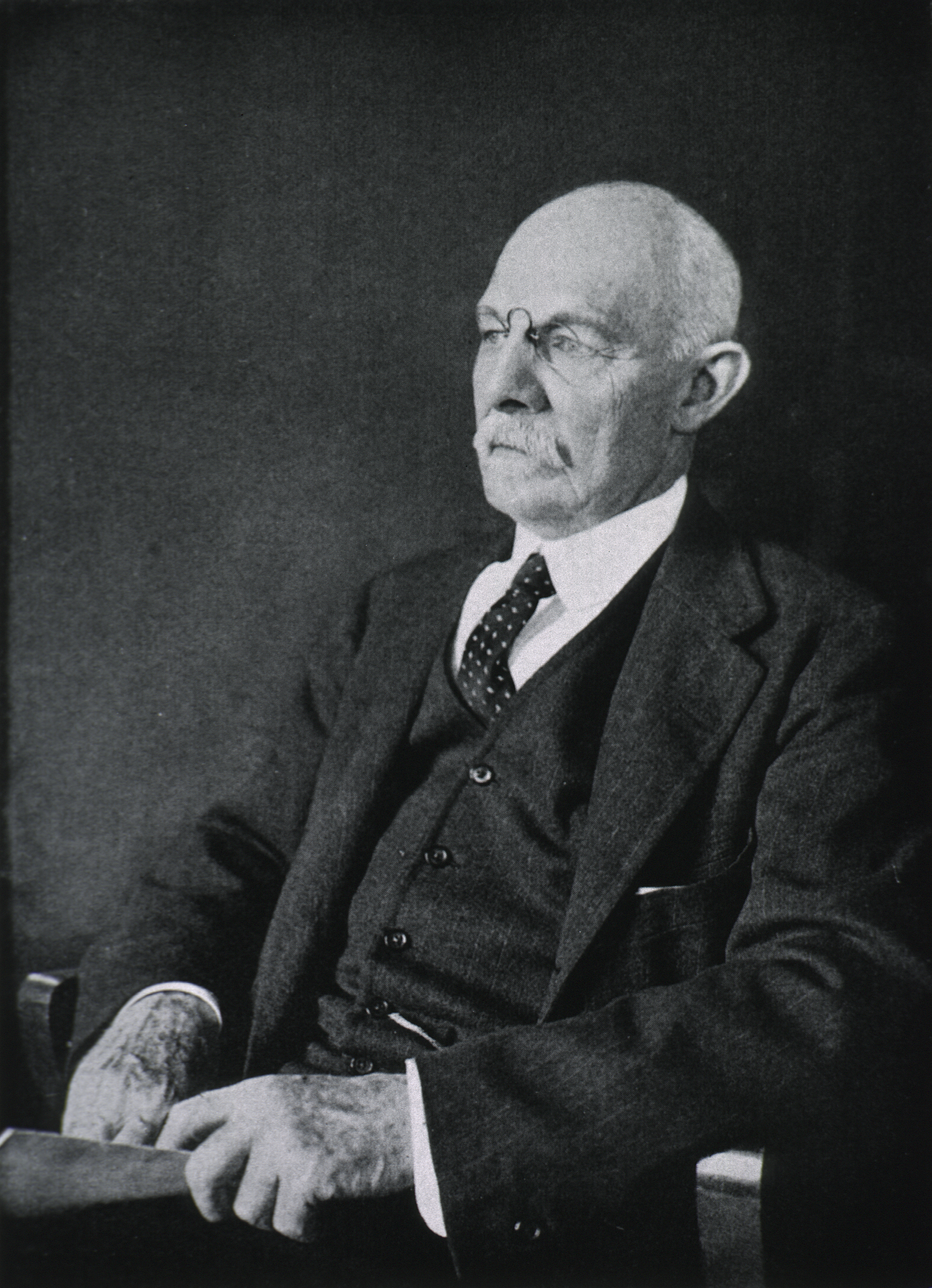
Halsted set down some of the fundamental rules regarding intestinal anastomosis.
1888
#3489.1
Fälle von angeborener Pylorusstenose, beobachtet bei Säuglingen.
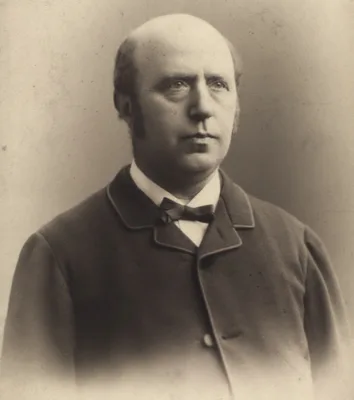
Hirschsprung first made the medical world aware of congenital hypertrophic pyloric stenosis as a distinct clinical entity. In this paper he made no suggestions concerning therapy.
1888
#3491
On the coeliac affection.
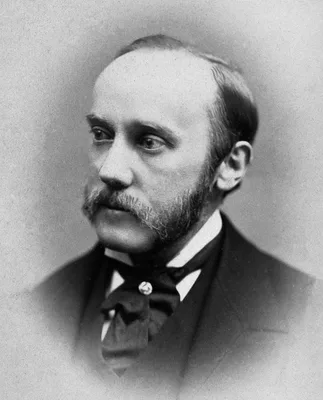
Coeliac disease (non-tropical sprue, idiopathic steatorrhoea) was first described by Gee. Later Thaysen (No. 3550) studied the disease, which acquired the eponym “Gee-Thaysen disease”.
1888
#3492.1
Des polyadénomes gastriques et de leurs rapports avec le cancer de l’estomac.
“Menetrier’s disease” – giant hypertrophic gastritis.
1888
#3494
Rectal insufflation of hydrogen gas an infallible test in the diagnosis of visceral injury of the gastro-intestinal canal in penetrating wounds of the abdomen.
Senn’s method of detecting intestinal perforation by insufflation with hydrogen.
1888
#3630
Contribution à l’étude clinique et anatomo-pathologique du cancer primitif du pancréas.
“Bard-Pic syndrome” first described.
1888
#3631
Ueber den zungenförmigen Fortsatz des rechten Leberlappens und seine pathognostiche Bedeutung für die Erkrankung der Gallenblase nebst Bemerkungen über Gallensteinoperationen.
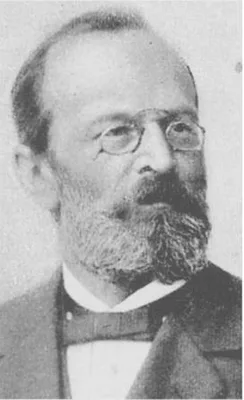
“Riedel’s lobe”, a form of constriction lobe of the liver.
1889
#1013
Fisiologia del digiuni.
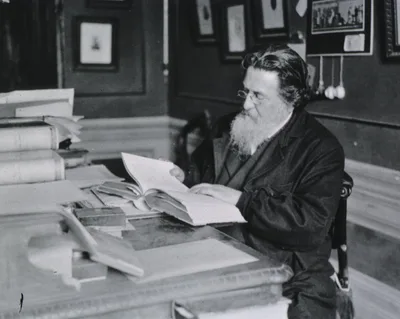
Luciani distinguished three stages of starvation in man – hunger, physiological inanition, and pathological inanition. Digital facsimile from Google Books at this link.
1889
#3495
Die Gastrodiaphanie.
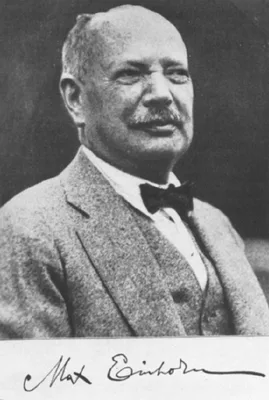
Einhorn devised the method of exploration of the stomach by means of a tube – gastrodiaphany.
1889
#3496
Ueber Darmsaftgewinnung beim Menschen. (Vorläufige Mittheilung.)
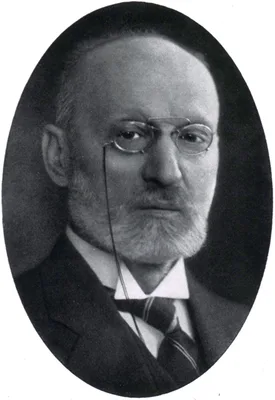
Duodenal aspiration.
1889
#3632
Acute pancreatitis; a consideration of pancreatic hemorrhage, hemorrhagic suppurative, and gangrenous pancreatitis, and of disseminated fat necrosis.
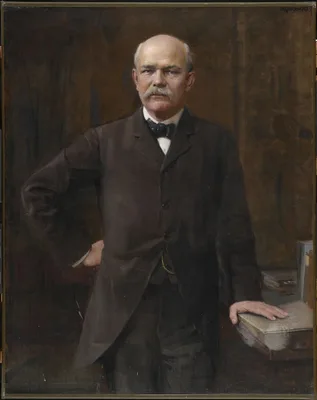
Fitz described three forms of acute pancreatitis, and made the earliest suggestion that disseminated fat necrosis is the result of a pathologic process in the pancreas.
1890 –1893
#3497
Diagnostik und Therapie der Magenkrankheiten. 2 pts.
Boas, who devised the test breakfast, became the foremost gastroenterologist in Europe. He founded the Archivfür Verdauungskrankheiten, the first journal devoted to the subject of gastroenterology.
1891
#1018.1
Quelques points de l’anatomie et de la chirurgie des voies biliaires.
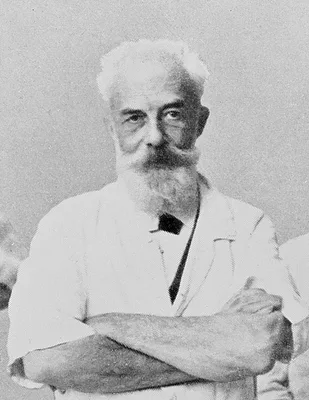
“Hartmann’s pouch”, a dilatation of the neck of the gall-bladder.
1891
#3498
Ueber Magensyphilis.
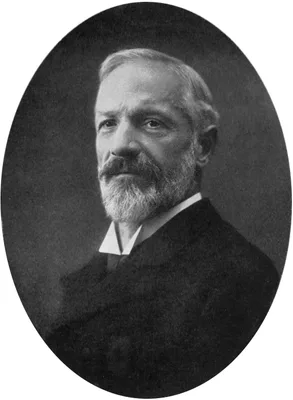
Important study of gastric syphilis.
1891
#3500
Ueber eine neue Untersuchungsmethode der Verdauungsorgane und einige Resultate derselben.
Sahli’s test for estimating the functional activity of the stomach.
1891
#3633
Der Icterus und seine verschiedenen Formen.
1892
#3503
On achylia gastrica.
Einhorn introduced the concept of achylia gastrica, to indicate a primary nervous functional disorder of the gastric secretion.
1892
#3505
Ein Fall von einem frei in die Bauchhöhle perforirten Magengeschwür; Laparotomie; Naht der Perforationsstelle; Heilung.
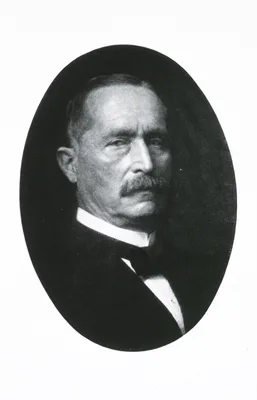
In 1892 Ludwig Heusner (1846-1916) successfully sutured a perforated gastric ulcer, the first successful case on record. It was reported by H. Kriege.
1892
#3634
Klinik der Cholelithiasis.
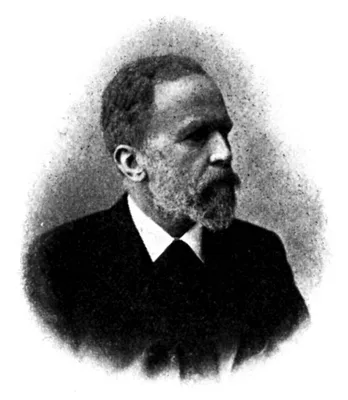
Naunyn produced a classic monograph on gall-stones, devising an accurate chemical classification. He was one of Frerichs’s best pupils and became Professor of Clinical Medicine successively at Dorpat, Berne, Königsber…
1893
#3510
On diseases of the duodenum.
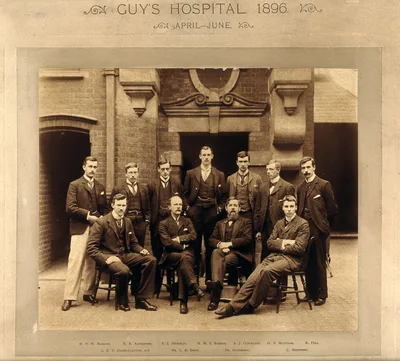
A careful examination of the records of post mortems carried out at Guy’s Hospital, 1826-92, was made by Perry and Shaw, who showed that of 70 reports of duodenal ulcer, ten occurred in cases of severe burns.
1894
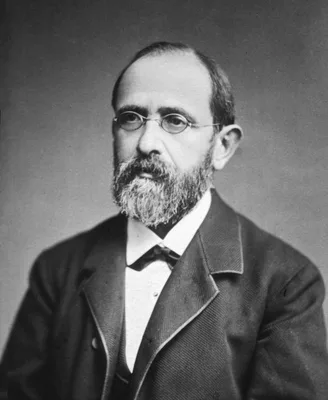
#1019
Neue Versuche liber die Aufsaugung im Dunndarm.
1894
#3513
Eine Methode zur titrimetrischen Bestimmung der hauptsächlichsten Factoren der Magenacidität.
Toepfer’s test for hydrochloric acid in gastric juice.
1895 –1896
#1020
Thierisches Leben ohne Bakterien im Verdauungskanal.
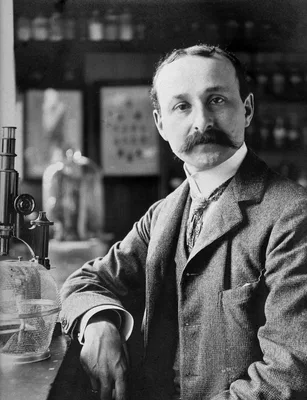
Proof that healthy life and perfect digestion are possible without the presence of bacteria in the digestive tract.
1895
#3635
Sulla puntura del fegato a scopo diagnostico.
Liver puncture biopsy.
1896
#2803
Ueber chronische unter dem Bilde der Leberzirrhose verlaufende Perikarditis (perikarditische Pseudoleberzirrhose) nebst Bemerkungen über die Zuckergussleber.
“Pick’s disease” – pericardial pseudocirrhosis of the liver.
1896
#3516
Zur Anwendung des Röntgenschen Verfahrens in der Medicin.
Becher introduced a solution of lead into the stomach of a guinea-pig, making it opaque to x rays; he thus showed the possibility of radiological diagnosis of gastric disease.
1896
#3516.1
Ueber Gastroskopie.
Rosenheim’s gastroscope.
1897
#1021
Zur Frage über den Bau des Darmkanals.
The “cells of Kultschitzky” in the epithelium of the intestine, between the cells which line the gland of Lieberkühn.
1897
#1022
Lektsii o rabotie glavnikh pishtshevaritelnikh zhelyoz. [Lectures on the work of the principal digestive glands.]
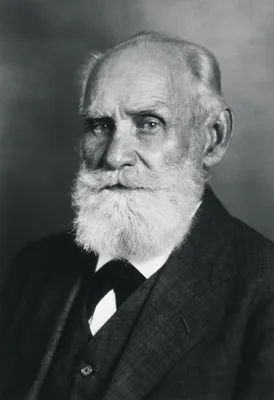
Pavlov's classic study of the physiology of digestion. Especially notable was his method of producing gastric and pancreatic fistulae for the purpose of his experiments. The second published edition was a German trans…
1898
#2687.1
The movements of the stomach studied by means of the Roentgen rays.
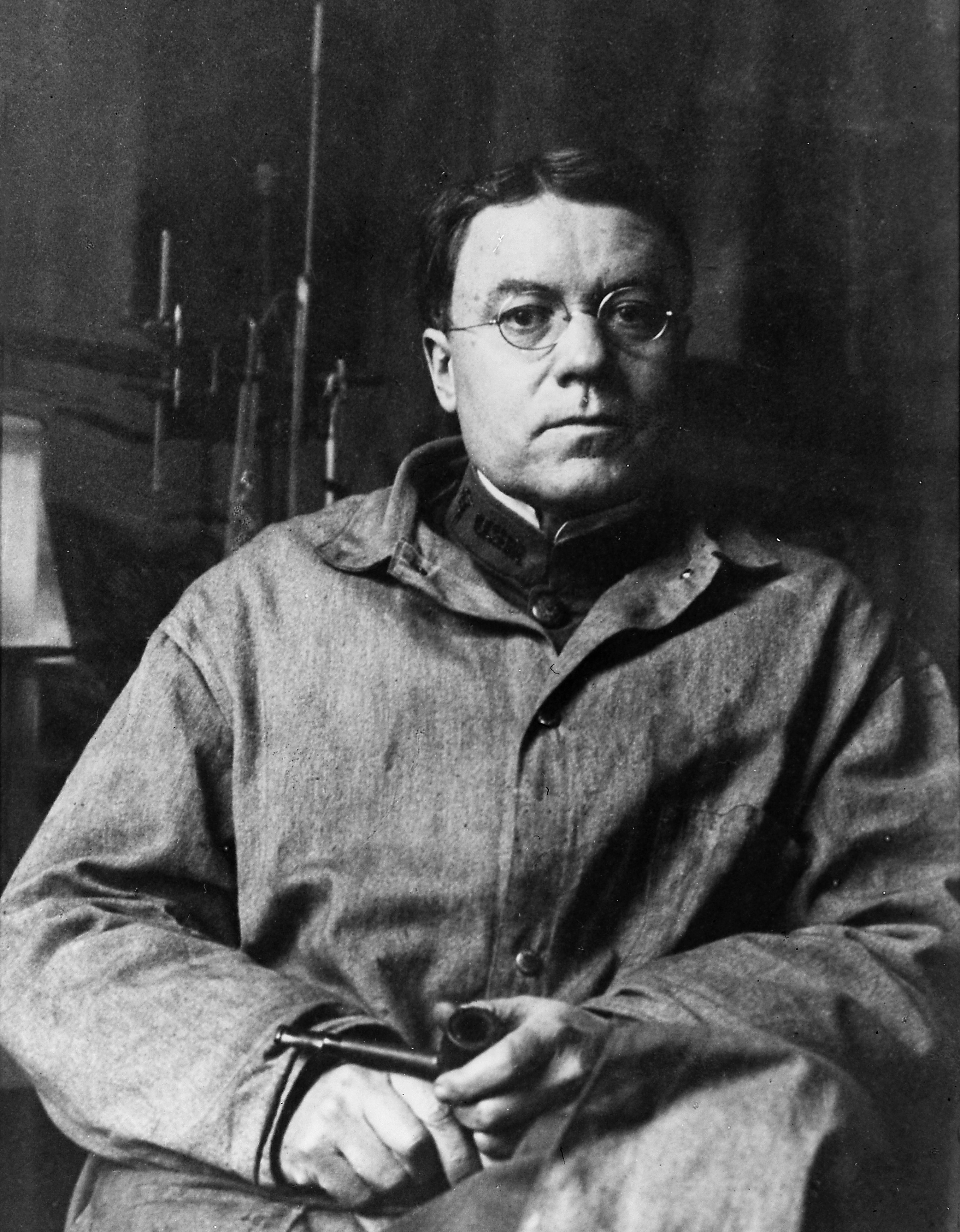
Cannon introduced the bismuth meal. He showed that bismuth, opaque to x rays, could be of great use in conjunction with roentgenology in the investigation of the digestive tract. See No. 1029.
1898
#3637
Ueber ein neues Operationsverfahren zur Entfernung von Echinococcus in der Leber und anderen parenchymatösen Bauchorganen.
Important work on surgical treatment of hydatids of the liver. Originally appeared in Russian in Khirurgiya, 1898, 3, 3-9.
1898
#3638
Ueber die Photographie von Gallensteinen in vivo.
First x-ray demonstration of gall-stones.
1898
#3639
Chirurgische Oeffnung neuer Seitenbahnen für das Blut der Vena portae.
Talma’s operation for the relief of ascites in cirrhosis of the liver.
1899
#1023
On the topographical anatomy of abdominal viscera in man, especially the gastrointestinal canal.
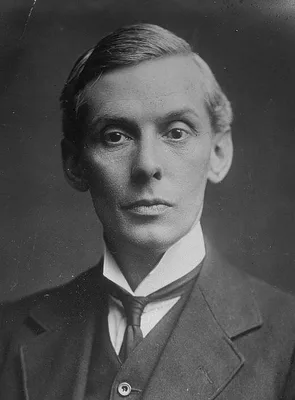
“Addison’s transpyloric plane”. Addison was Britain’s first Minister of Health (1919-21).
1899
#3520
Ueber multiple falsche Darmdivertikel in der Flexura sigmoidea.
A false diverticulum of the sigmoid flexure, described by Graser, has been given the eponym “Graser’s diverticulum”.
1899
#3639.1
Contribution to the surgery of the bile passages, especially of the common bile-duct.
“Among Halsted’s many outstanding surgical accomplishments those related to surgery of the biliary tract are lesser known. However, he is commonly credited with performing the first successful operation for a primary …
1900 –1901
#3521
Ueber Magenspiegelung.
Describes the first clinical use of the oesophagoscope by Kussmaul in 1867-68. The latter made only brief mention of it himself in his paper on the stomach pump, Dtsch. Arch. klin. Med., 1869, 6, 456.
1900 –1901
#3640
Experimental bacillary cirrhosis of the liver.
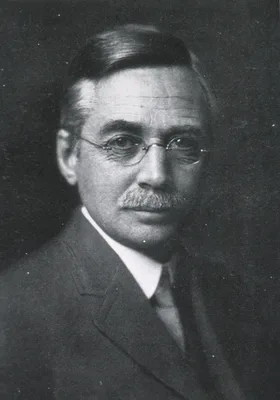
Hektoen produced experimental cirrhosis of the liver. His notable work in pathology includes the foundation of the Archives of Pathology.
1901
#3524
Diseases of the stomach and their surgical treatment.
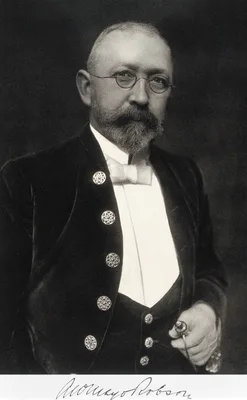
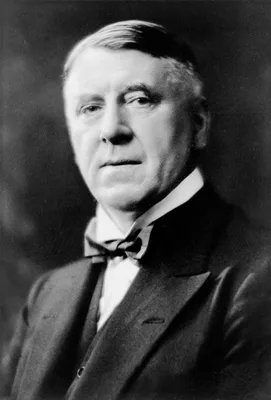
1902
#1024
The mechanism of pancreatic secretion.
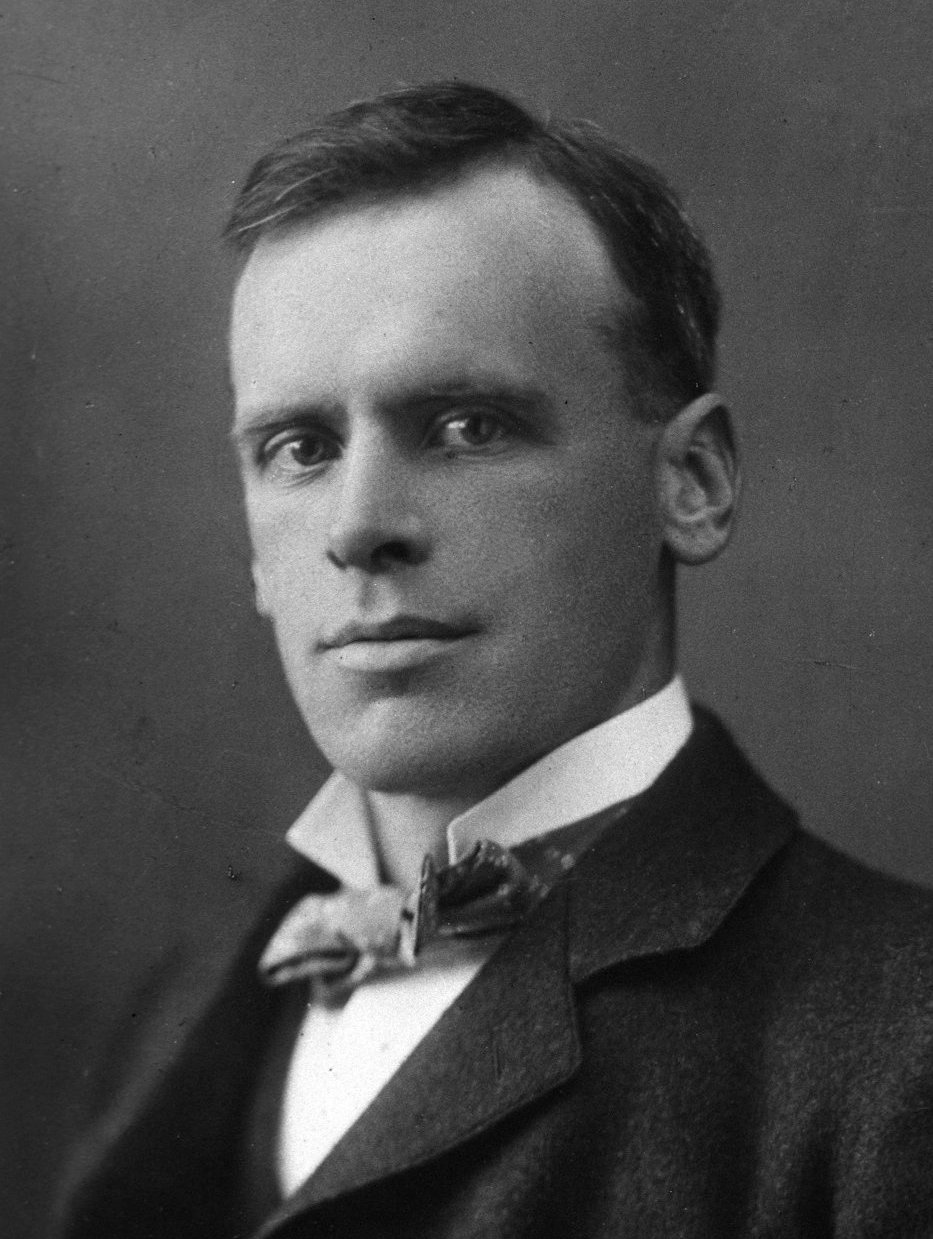
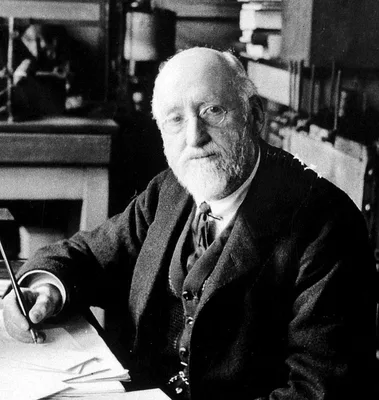
Demonstration of the existence of secretin in the duodenal secretion. Preliminary note in Lancet, 1902, 1, 813.
1902
#1025
Die Gesetze des Energieverbrauchs bei der Ernährung.
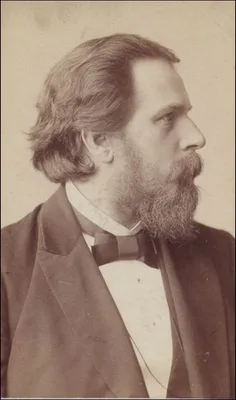
Rubner’s classic work on the influence of foodstuffs on metabolism. In it he introduced the term “specific dynamic action of the foodstuffs”.
1903
#3641
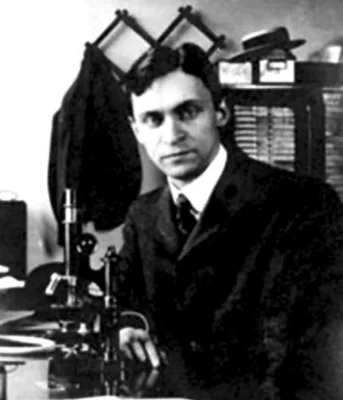
Disease of the pancreas; its cause and nature.
1904
#3642
The chemistry of the urine in diseases of the pancreas.
Test for diseases of the pancreas.
1904
#5349.1
The aetiology of a parasitic disease (in Japanese)
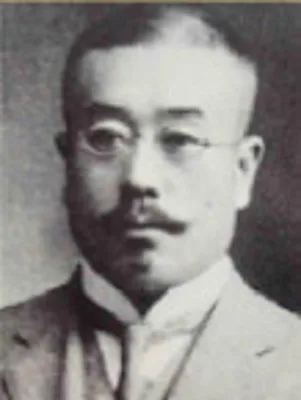
First description of Schistosoma japonicum. Translation in Kean (No. 2368.1), p. 518.
1905
#12457
Auscultation of the rhythmic sounds produced by the stomach and intestines.
Cannon reported on the rhythmic sounds made by the GI tract, mostly basing his observations on his own abdomen. This may be the first serous study of this topic.
1906
#1026
The chemical mechanism of gastric secretion.
Gastric secretin (gastrin) was first described by Edkins. A preliminary communication is in Proc. roy. Soc. B, 1905, 76, 376.
1906
#3643
Ueber die Assimilation von Galaktose und Milchzucker Beim Gesunden und Kranken.
Galactose tolerance test.