
Facets
Browse across eight MeSH (opens in new tab) facets — era, geography, science, specialty, technology, history, culture, and reference. Select one tag per group; counts update across the others. What’s new in facet browse how facets relate to subjects and MeSH.
Clear filtersGeography
Specialties & Disease
- Alternative & Fringe Medicine 383
- Anatomy & Pathology 765
- Cardiology & Blood 914
- Dentistry 259
- Diabetes 80
- ENT & Hearing 293
- Epidemiology & Demography 397
- Gastroenterology & Hepatology 316
- General Clinical Medicine 487
- Immunology & Dermatology 1,008
- Infectious Disease (General) 147
- Internal, Emergency & Geriatric 123
- Microbiology & Virology 1,080
- Military Medicine 436
- Neurology & Psychiatry 1,258
- Obstetrics & Reproductive 551
- Oncology & Cancer 377
- Ophthalmology & Vision 412
- Pediatrics 247
- Physiology & Embryology 924
- Plagues & Epidemics 1,279
- Psychology 202
- Public Health 1,129
- Pulmonary & Respiratory 233
- Rheumatology, Rehab & Pain 189
- Surgery & Anesthesia 1,553
- Urology & Nephrology 309
- Veterinary Medicine 165
Social & Historical Studies
Institutions & Culture
Reference & Scholarly Works
924 entries match Physiology & Embryology [G07 / G02.149]
1827
#478
Mémoire sur le développement du poulet dans l’oeuf.
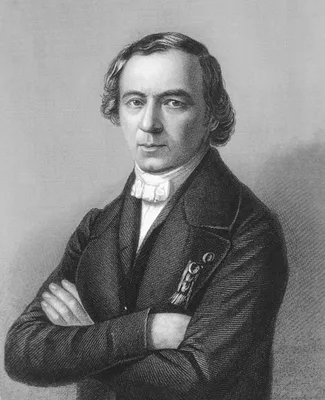
First description of the segmentation of the frog’s egg.
1827
#13241
The philosophy of the human voice: Embracing its physiological history; together with a system of principles by which criticism in the art of elocution may be rendered intelligible, and instruction, definite and comprehensive. To which is added a brief analysis of song and recitative.
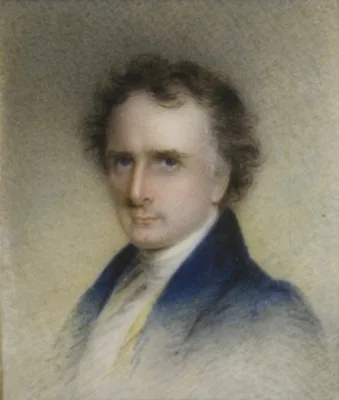
“With over 30 diagrams and charts, including myriad musical notations to show the pitch and duration of syllables, the text offers a systematic notation for the description of speech sounds, followed by a detailed tre…
1828 –1888
#479
Ueber Entwicklungsgeschichte der Thiere. 2 vols.
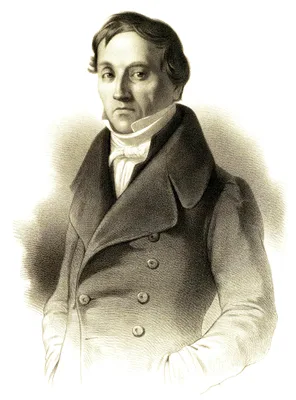
Baer, the founder of modern embryology, definitely established the “germ-layer theory”, discovered the notochord and the human ovum, and postulated the law of corresponding stages in embryonic development. With Cuvier…
1828
#767
Recherches sur la force du coeur aortique.
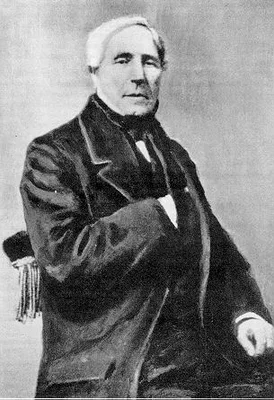
Poiseuille was the first after Stephen Hales to make any important addition to the knowledge of the physiology of circulation. In his graduation thesis, above, he described a “hemodynamometer” invented by himself and …
1828
#12937
De foetu humano: Adnotationes anatomicae quibus praemissis viro perillustri Samueli Thomae de Soemmerring ... doctoratus in medicina impetrati semisaecularia gratulatur Universitas Literarum Regiomontana. Interprete Carlo Friderico Burdach.
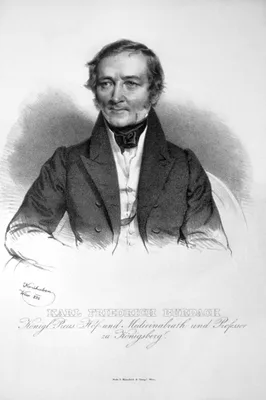
Reproduction of a drawing by Soemmerring of the first stages of embryonic development visible with the naked eye, with a note by Burdach. Digital facsimile from Bayerische StaatsBibliothek at this link.
1830
#600
On a peculiar motion excited in fluids by the surfaces of certain animals.
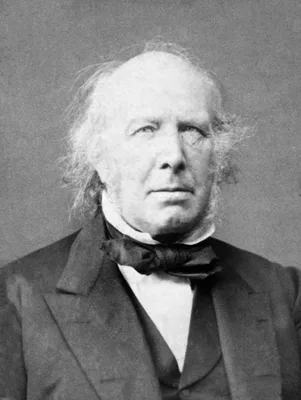
Sharpey was the first occupant of the chair of anatomy and physiology at University College, London, this chair being the first official recognition of physiology in any English medical school. He wrote a memorable pa…
1831
#768.1
A critical and experimental essay on the circulation of the blood.
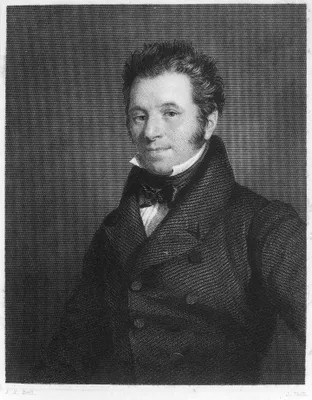
Marshall Hall clearly distinguished arterioles and venules from capillaries, and he described arteriovenous shunts.
1831
#12346
Die Lehre vom Kreislauf vom Harvey. Eine historische Abhandlungen.
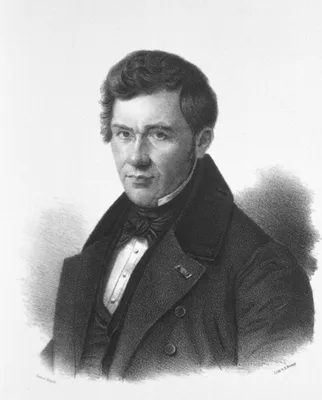
Perhaps the earliest essay by a professional historian on the pre-Harveian history of the circulation. Digital facsimile from Google Books at this link.
1832 –1833
#480
Abhandlungen zur Bildungs-und Entwicklungs-Geschichte der Menschen und der Thiere. 2 pts.
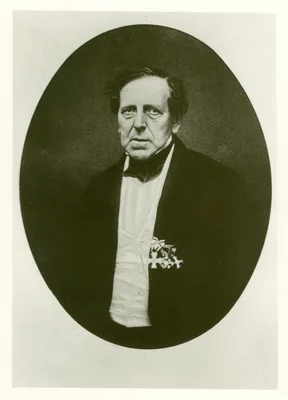
Rathke’s most notable discovery was of structures homologous with gill slits in bird and mammalian embryos. He discredited the vertebral theory of the skull.
1832
#12197
On the influence of physical agents on life, by W. F. Edwards. Translated from the French by Dr. Hodgkin and Dr. Fisher. To which are added, in the appendix, some observations on electricity by Dr. Edwards, M. Pouillet, and Luke Howard; on absorption, and the uses of the spleen, by Dr. Hodgkin; on the microscopic characters of the animal tissues and fluids, by J. J. Lister and Dr. Hodgkin, and some notes to the work of Dr. Edwards.
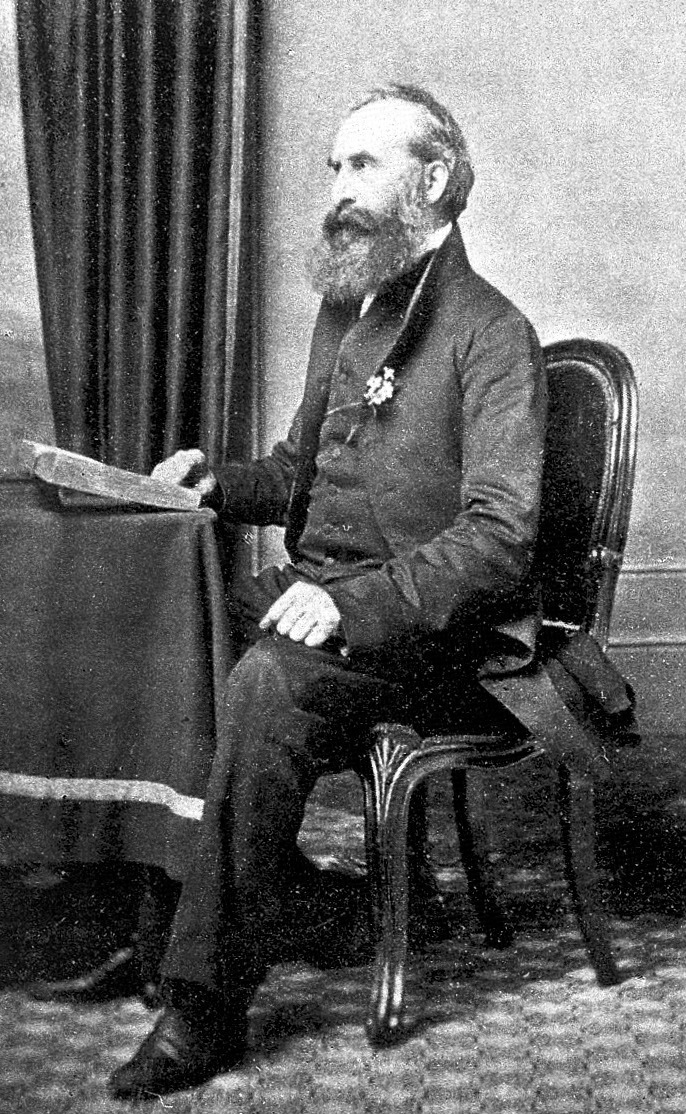
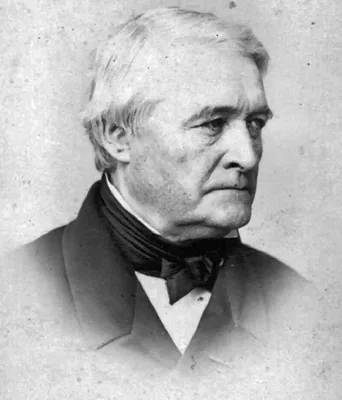
Digital facsimile from Google Books at this link.
1833
#411.1
The hand: Its mechanism and vital endowments as evincing design.
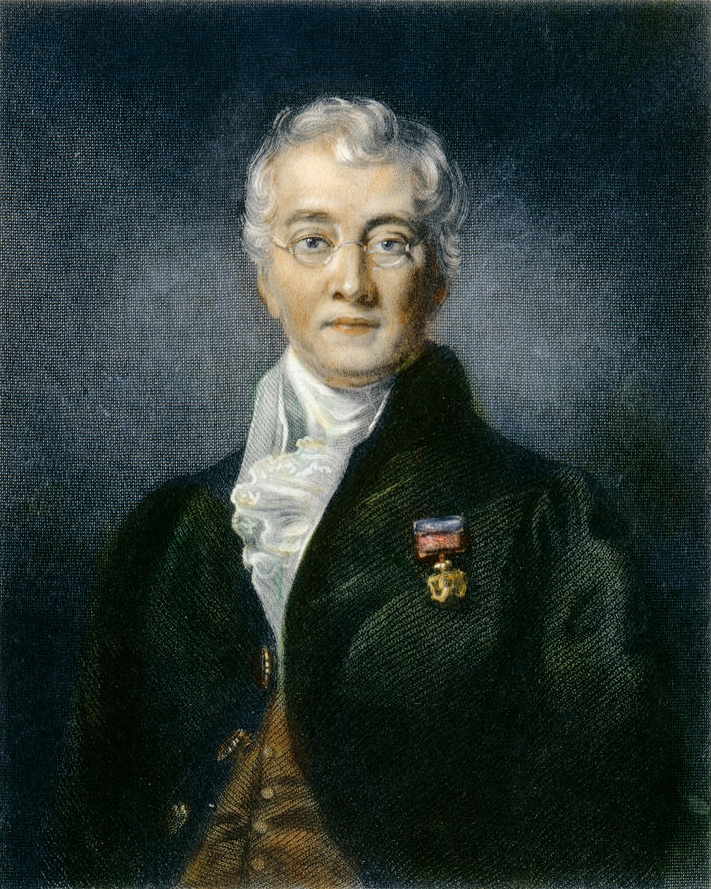
Classic work on the anatomy, physiology, bio-mechanics, comparative anatomy, and adaptive importance of the hand. Issued as a volume in a series entitled the "Bridgewater Treatises." The first edition has 288pp. An en…
1834 –1840
#601
Handbuch der Physiologie des Menschen.
The first modern, systematic textbook on physiology, presenting an authoritative and discerning survey of each aspect of the science. This is also one of the best reviews of physiological literature during the first p…
1834
#481
De necessitate aëris atmosphaerici ad evolutionem pulli in ovo incubito. Dissertatio inauguralis physiologica....
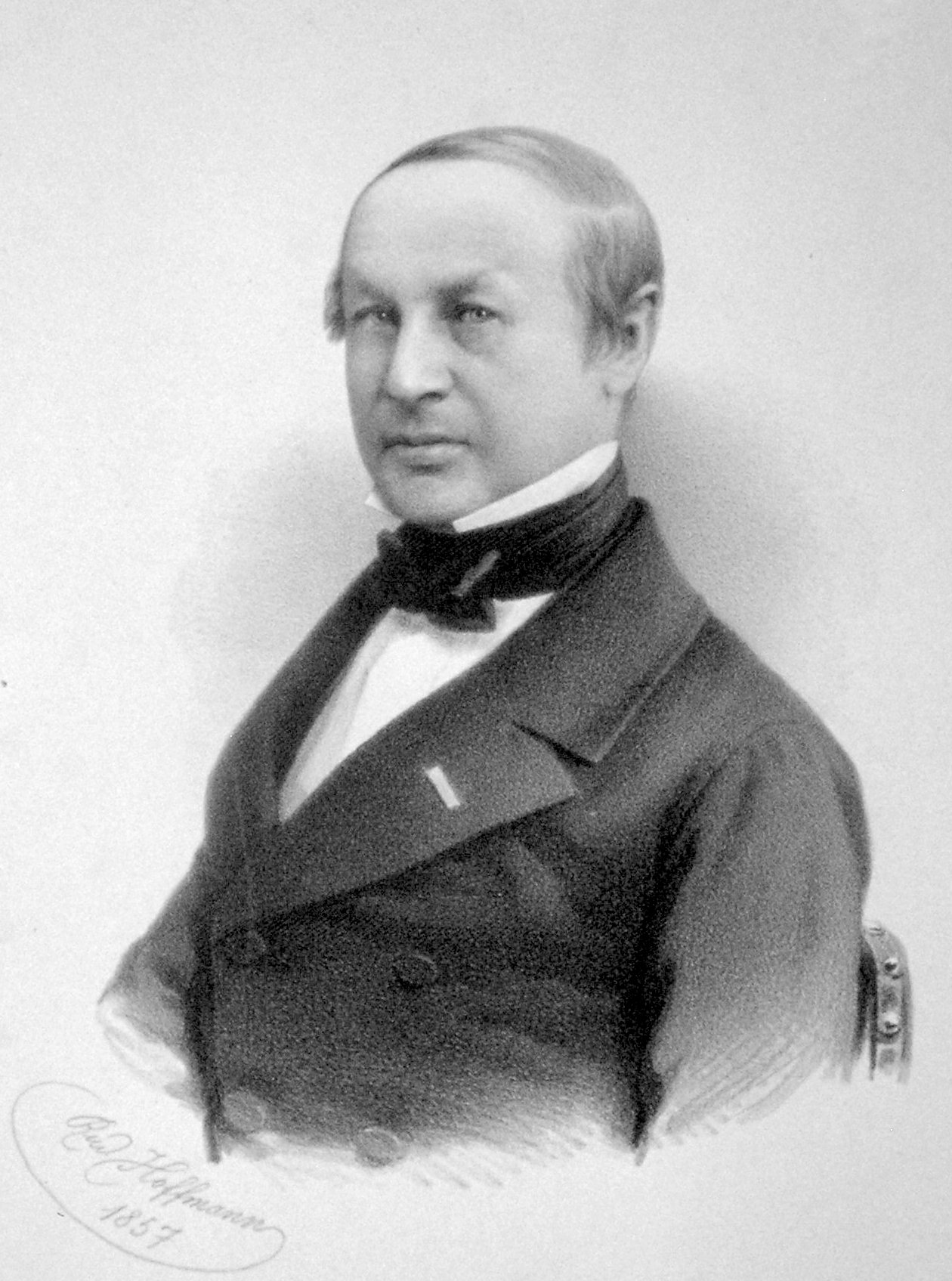
Proof that air is necessary in the development of the embryo. Digital facsimile from Google Books at this link.
1834
#2748.2
Le sphygmomètre; instrument qui traduit à l’oeil toute l’action des artères.
Hérisson invented an instrument for recording blood pressure. Translated into English as The sphygmometer, an instrument which renders the action of the arteries apparent to the eye. A memoir... with an improvement of…
1834
#12395
An inquiry into the claims of Doctor William Harvey to the discovery of the circulation of the blood; with a more equitable retrospect of that event. To which is added an introductory lecture delivered on the third of November, 18929, in vindication of Hippocrates from sundry charges of ignorance preferred against him by the late professor Rush.
Perhaps the earliest American monograph on the history of circulation. Keynes characterized this volume as "an elaborate and very learned attempt to belittle Harvey's achievement" Keynes, Life of William Harvey, p. 42…
1835 –1859
#603
The cyclopaedia of anatomy and physiology. Edited by Robert Bentley Todd. 5 vols.
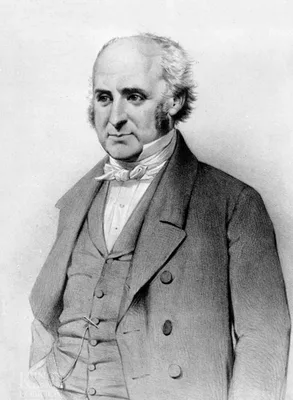
Contributors included Richard Owen and Thomas Huxley, and physicians James Paget, James Young Simpson, and William Bowman.The discoveries of Purkynĕ and Valentin, together with additional observations by William Sharp…
1836
#604
Mechanik der menschlichen Gehwerkzeuge. 1 vol. and atlas.
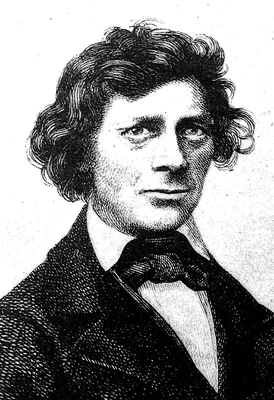
A pioneering study of the physiology and biomechanics of motion and locomotion. The atlas contains four illustrations that were printed directly from actual bones embedded in plaster of Paris. This is one of the only …
1836 –1838
#2217
Leçons sur les phénomènes physiques de la vie. 4 vols.
Magendie, pioneer experimental physiologist, regarded pathology as only a modification of physiology, “medicine the physiology of the sick man”. By him clinical medicine was reconstructed on physiological lines.
1836
#11645
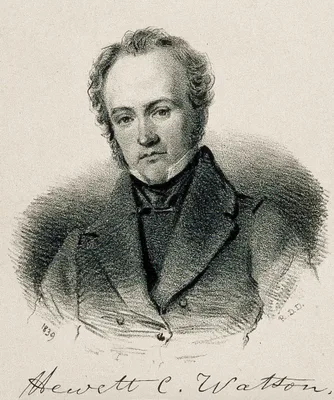
What is the use of the double brain?
1837
#804
Ueber den Herzstoss und die durch die Herzbewegungen verursachten Töne.
Skoda’s theory of the heart beat.
1837
#482
Ueber die Visceralbogen der Wirbelthiere.
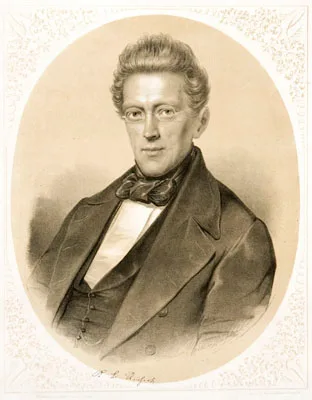
First description of the visceral arches in vertebrates.
1837 –1841
#11697
Anatomia chirurgica truncorum arteriarum nec non fasciarum fibrosarum.
An atlas of arterial stems and fasciae. Translated into German as Chirurgische anatomie der Arterienstamme und Fascien neu Bearbeitet von Julius Szymanowski. Leipzig und Heidelberg: C. F. Winter, 1850. Digital facsimi…
1838
#605
Sur le courant électrique ou propre de la grenouille.
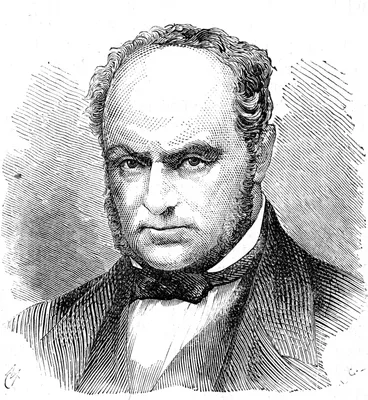
Matteucci established the difference of potential between injured nerve and its muscle.
1839
#541
De formatione granulosa in nervis aliisque partibus organismi animalis.
In 1839 Purkynĕ was the first to use the term protoplasma, by which he described the embryonic ground substance. This fact is recorded in the inaugural dissertation of one of his students, J. Rosenthal.
1839
#805
Nowe spostrzezenia i badainia w przedmiocie fizyologii i drobnowidzowéj anatomii.
The “Purkinjĕ fibres”; identification of the conductor system of the heart. Reprinted in his Opera omnia, 1939, 3, 52-63. German version in Arch. Anat. Physiol, wiss. Med., 1845, 281-95; English translation by W. W. G…
1839
#483
Entwicklungsgeschichte der Natter (Coluber natrix).
“Rathke’s pouch”, a diverticulum from the embryonic buccal cavity.
1839
#1458
Ueber die Compensation der physischen Kräfte am menschlichen Stimmorgan, mit Bemerkungen über die Stimme der Säugethiere, Vögel und Amphibien.
1839
#2585
Lectures on the blood, and on the changes which it undergoes during disease: Delivered at the College of France in 1837-8.
Pp. 244-49: Magendie showed that secondary or subsequent injections of egg/albumin caused death in rabbits who had tolerated an initial injection. This was the first experiment in anaphylaxis, though Jenner in 1798 ha…
1840
#768
Recherches expèrimentales sur le mouvement des liquides dans les tubes de très petits diamètres.
Poiseuille’s law of the flow of liquids in tubes – fundamental in blood viscosimetry. Abstract; complete monograph in Mém. Acad. roy. Sci. (Paris), 1846, 9, 433-544. First book-form edition, Paris, 1844.
1841
#543
Allgemeine Anatomie. Lehre von den Mischungs- und Formbestandtheilen des menschlichen Körpers.
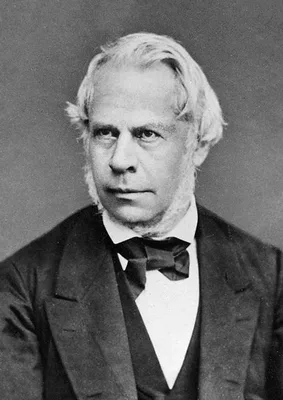
Many of the histological discoveries of Henle are described in the above. He classified tissues histologically. In the section on Gefässnerven (pp. 510, 690) Henle demonstrated the presence of smooth muscle in the end…
1842
#606
Bemerkungen über die Kräfte der unbelebten Natur.
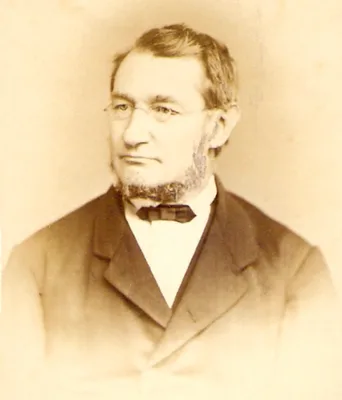
Mayer demonstrated the principle of the conservation of energy as far as physiological processes are concerned.
1842 –1853
#607
Handwörterbuch der Physiologie … hrsg. von R. Wagner.
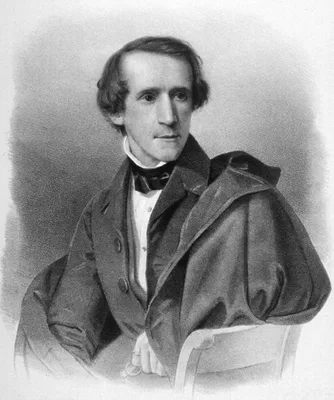
Wagner was professor at Göttingen. His literary output was enormous. In the above work he contributed the sections on sympathetic nerves, nerve-ganglia, and nerve-endings. This work contained 63 extensive review artic…
1842
#484
Entwickelungsgeschichte des Kaninchen-Eies.
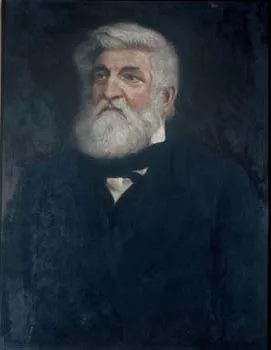
Bischoff contributed important original work on the development of the rabbit.
1842
#1397
Recherches physiologiques et cliniques sur le liquide céphalo-rachidien ou cérébro-spinal. 1 vol. and atlas.
“Foramen of Magendie” described.
1842
#11109
Theophili Protospatharii De corporis humani fabrica libri v. Edidit Gulielmus Alexander Greenhill.
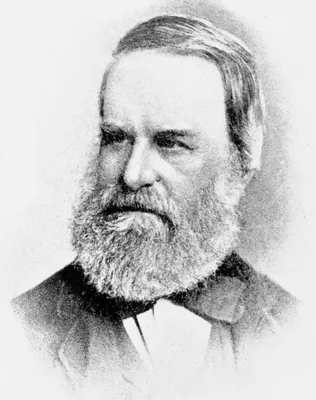
Extensively annotated Greek & Latin edition of this Byzantine treatise on anatomy and physiology, edited by William Alexander Greenhill. Digital facsimile from the Internet Archive at this link.
1842
#14132
Die angeborenen chirurgischen Krankheiten des Menschen in Abbildungen dargestellt und durch erläuternden Text erklärt. Mit fünfhundert vierundsiebzig Figuren auf vierunddreissig Kupfertafeln in Folio. 2 vols.
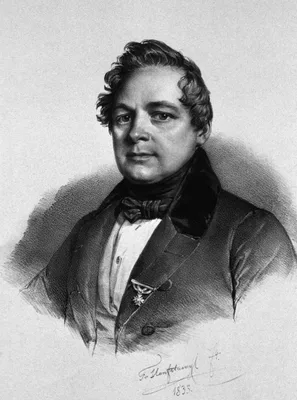
A treatise on malformations of particular interest to surgeons, including facial clefts, urogenital anomalies, anorectal atresias, parasitic twins, and limb duplications. Digital facsimile of the text, without the vol…
1843
#608
Sur le courant électrique des muscles des animaux vivants ou récemment tués.
Matteucci’s “rheoscopic frog” effect.
1843
#609
Ueber den sogennanten Froschstrom.
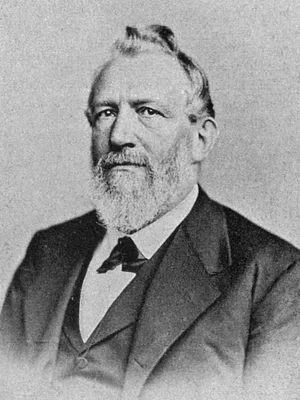
First description and definition of electrotonus.
1844
#806
Neurologische Erlauterungen.
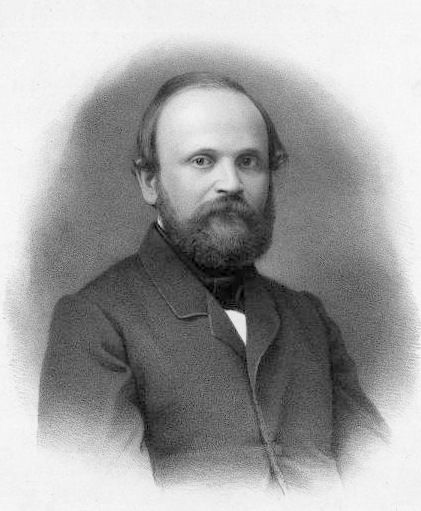
Remak was first to describe the intrinsic ganglia of the heart.
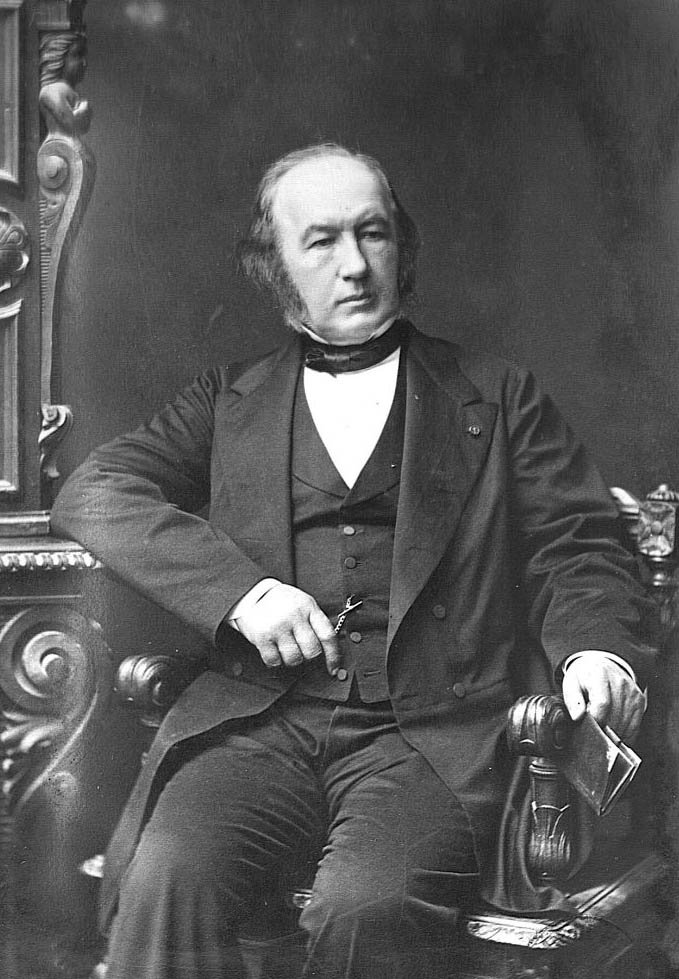
1844
#1264
Recherches expérimentales sur les fonctions du nerf spinal, étudié spécialement dans ses rapports avec le pneumogastrique.
1844
#11646
A new view of insanity: The duality of the mind proved by the structure, functions and diseases of the brain and by the phenomena of mental derangement and shown to be essential to moral responsibility. With an appendix: 1. On the influence of religion on insanity. 2. Conjectures on the nature of the mental operations. 3. On the management of lunatic asylums.
"From the seventeenth century there were shifts in some of the basic assumptions about how the brain and mind functioned, and there are some useful markers along the way to an era of more systematic studies. Descartes…
1845
#807
Experimenta, quibus probatur nervos vagos rotatione machinae galvanomagneticae irritatos, motum cordis retardare et adeo intercipare.
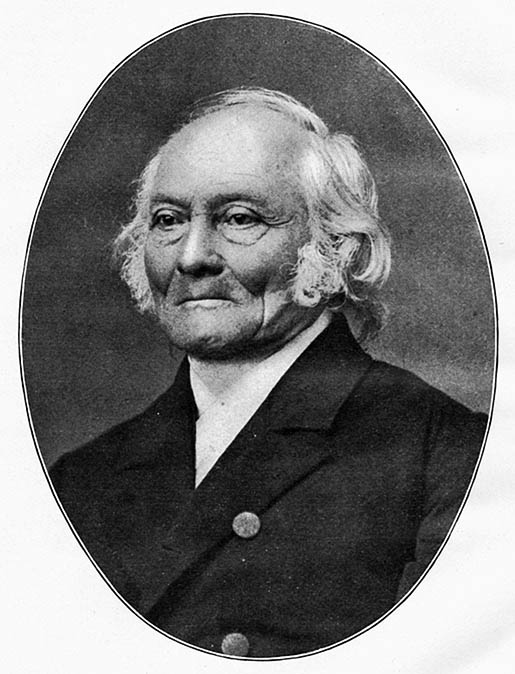
The discovery of the inhibitory power of the vagus. Also published in Wagner’s Handwörterbuch der Physiologie, 1846, 3, 45-51. Partial translation in J. F. Fulton’s Selected readings in the history of physiology, 2nd …
1845
#13761
The origin of life: A popular treatise on the philosophy and physiology of reproduction, in plants and animals, including the details of human generation with a full description of the male and female organs. Illustrated by fine colored engravings on stone.
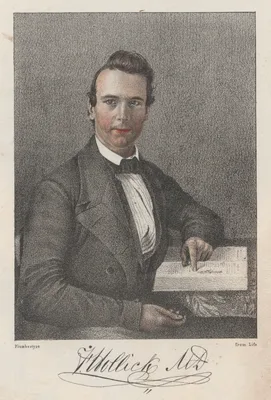
Digital facsimile of the 20th edition from Google Books at this link.
1846
#808
Ueber die peristaltische Bewegung des Oesophagus, nebst einigen Bemerkungen über diejenigen des Darms.
Includes (pp. 76-77) a description of what is probably the first perfusion of the isolated heart.
1846
#1459
Der Tastsinn und das Gemeingefühl. In: Wagner’s Handwörterbuch der Physiologie, Braunschweig, 3, Abt. 2, 481-588.
English translation of Tastsinn, Academic Press, 1978.
1846
#11558
On the disorders of the cerebral circulation; and on the connection between affections of the brain and diseases of the heart.
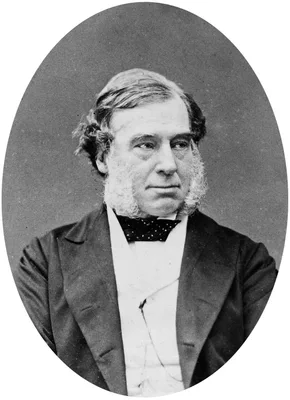
"Burrows was the first to indicate that the effects of cerebral anemia could be produced not only by obvious anemia itself, but also from a fall in blood pressure. He carried out some of the earliest studies of the ph…
1846
#11734
A treatise on the motive powers which produce the circulation of the blood.
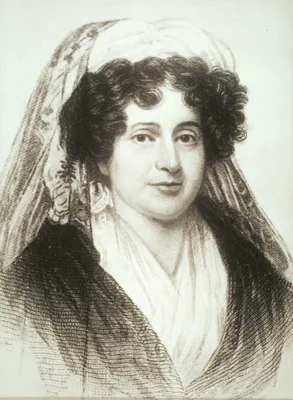
The author was an American women's rights activist and educator rather than a physician or physiologist. Digital facsimile from U.S. National Library of Medicine at this link.
1847
#611
Ueber die Erhaltung der Kraft, eine physikalische Abhandlung.
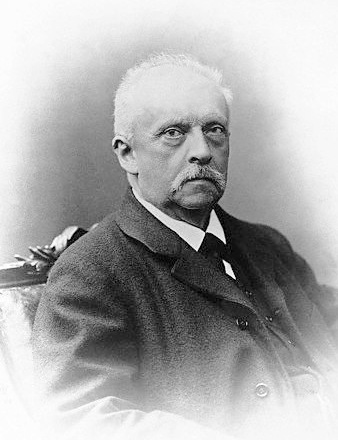
An epoch-making work which led the way to the acceptance of the fundamental physical doctrine of the conservation of energy.
1847
#61.1
The works of William Harvey. Translated from the Latin, with a life of the author by Robert Willis.
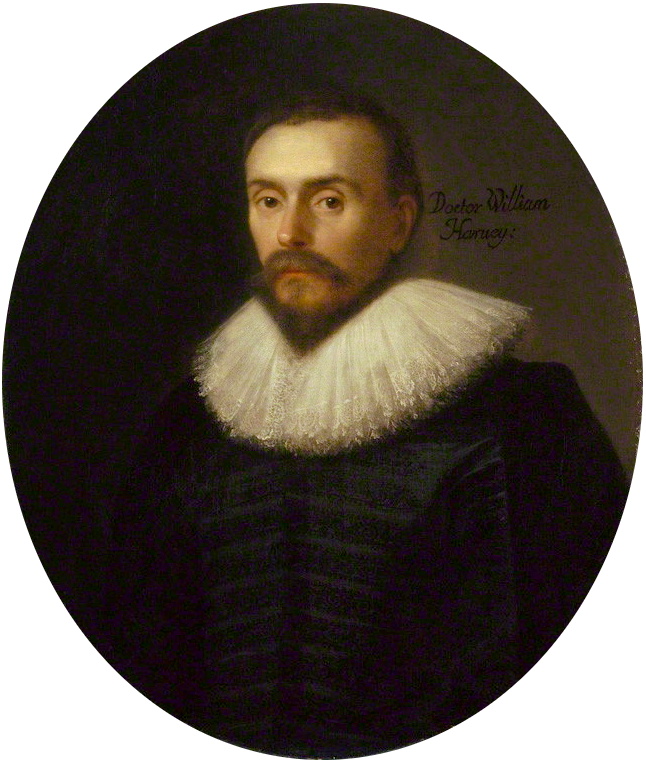
See Sir Geoffrey Keynes’s Life of William Harvey, Oxford, 1966, (2nd printing, with corrections, 1978) and his Bibliography of the writings of William Harvey, 3rd ed., revised by Gweneth Whitteridge and Christine Engl…
1847
#770
Beiträge zur Kenntniss des Einflusses der Respirationsbewegungen auf den Blutlauf im Aortensystem.
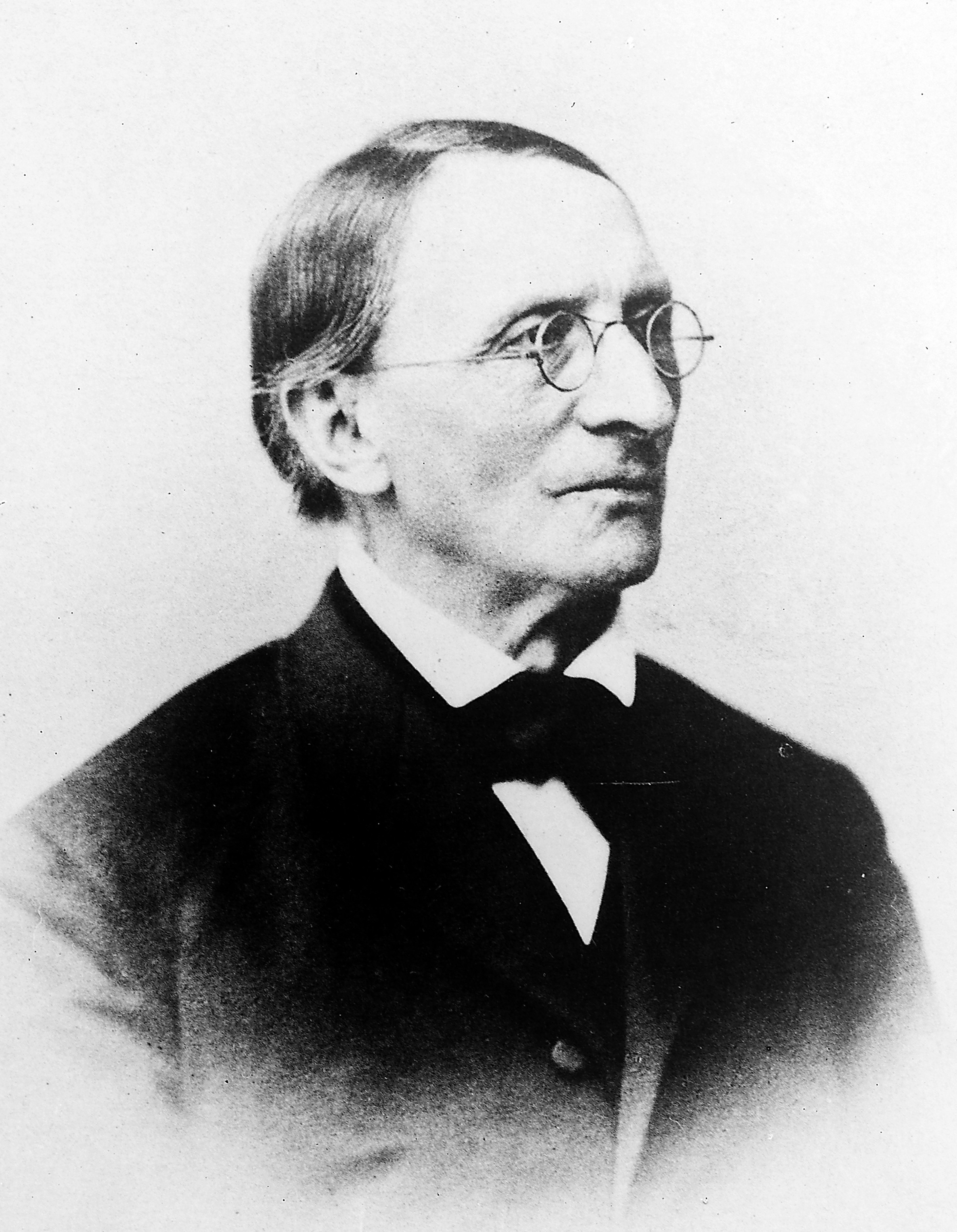
Ludwig changed Poiseuille’s hemodynamometer into the kymograph by the addition of a float and caused this float to write on a recording cylinder. Abridged English translation in Ruskin (No. 3160.1).