
Facets
Browse across eight MeSH (opens in new tab) facets — era, geography, science, specialty, technology, history, culture, and reference. Select one tag per group; counts update across the others. What’s new in facet browse how facets relate to subjects and MeSH.
Clear filtersGeography
Specialties & Disease
- Alternative & Fringe Medicine 100
- Anatomy & Pathology 9
- Cardiology & Blood 94
- Dentistry 7
- Diabetes 4
- ENT & Hearing 3
- Epidemiology & Demography 13
- Gastroenterology & Hepatology 10
- General Clinical Medicine 46
- Immunology & Dermatology 23
- Infectious Disease (General) 5
- Internal, Emergency & Geriatric 4
- Microbiology & Virology 82
- Military Medicine 16
- Neurology & Psychiatry 78
- Obstetrics & Reproductive 17
- Oncology & Cancer 33
- Ophthalmology & Vision 5
- Pediatrics 6
- Physiology & Embryology 41
- Plagues & Epidemics 92
- Psychology 9
- Public Health 101
- Pulmonary & Respiratory 9
- Rheumatology, Rehab & Pain 29
- Surgery & Anesthesia 52
- Urology & Nephrology 3
- Veterinary Medicine 8
Social & Historical Studies
Institutions & Culture
Reference & Scholarly Works
1,672 entries match Pharmacology & Therapeutics [D01 / E02]
1658
#1825
De Indiae utriusque re naturali et medica libri quatuordecim.
This is an extensively revised and enlarged second edition of Piso’s Historia naturalis Brasiliae (1648). In this edition Piso reprinted Bontius's De medicina Indorum (1642) with two additional books on Asian flora an…
1658
#13396
Catalogus Horti Botanici Oxoniensis: Alphabeticè digestus, duas, præterpropter, plantarum chiliadas complectens, priore duplo auctior, ... : Cui accessere plantæ minimùm sexaginta suis nominibus insignitæ....Cura & opera socia Philippi Stephani et Guilelmi Brounei. Adhibitis etiam in consilium D. Boberto.
Catalogue of plants in the Oxford Botanic Garden, the oldest botanic garden in Great Britain. Digital facsimile from Google Books at this link.
1660
#11878
Catalogus plantarum circa Cantabrigiam nascentium: In qua exhibentur quotquot hactenus inventae sunt, qua vel sponte proveniunt, vel in agris seruntur; un cum synomyis selectioribus, locis natalibus & observationibus quibusdam oppido raris. Adjiciuntur in gratiam tyronum, index Anglo-latinus, Index locorum, etymologia nominum, & explicatio quorundam terminorum.
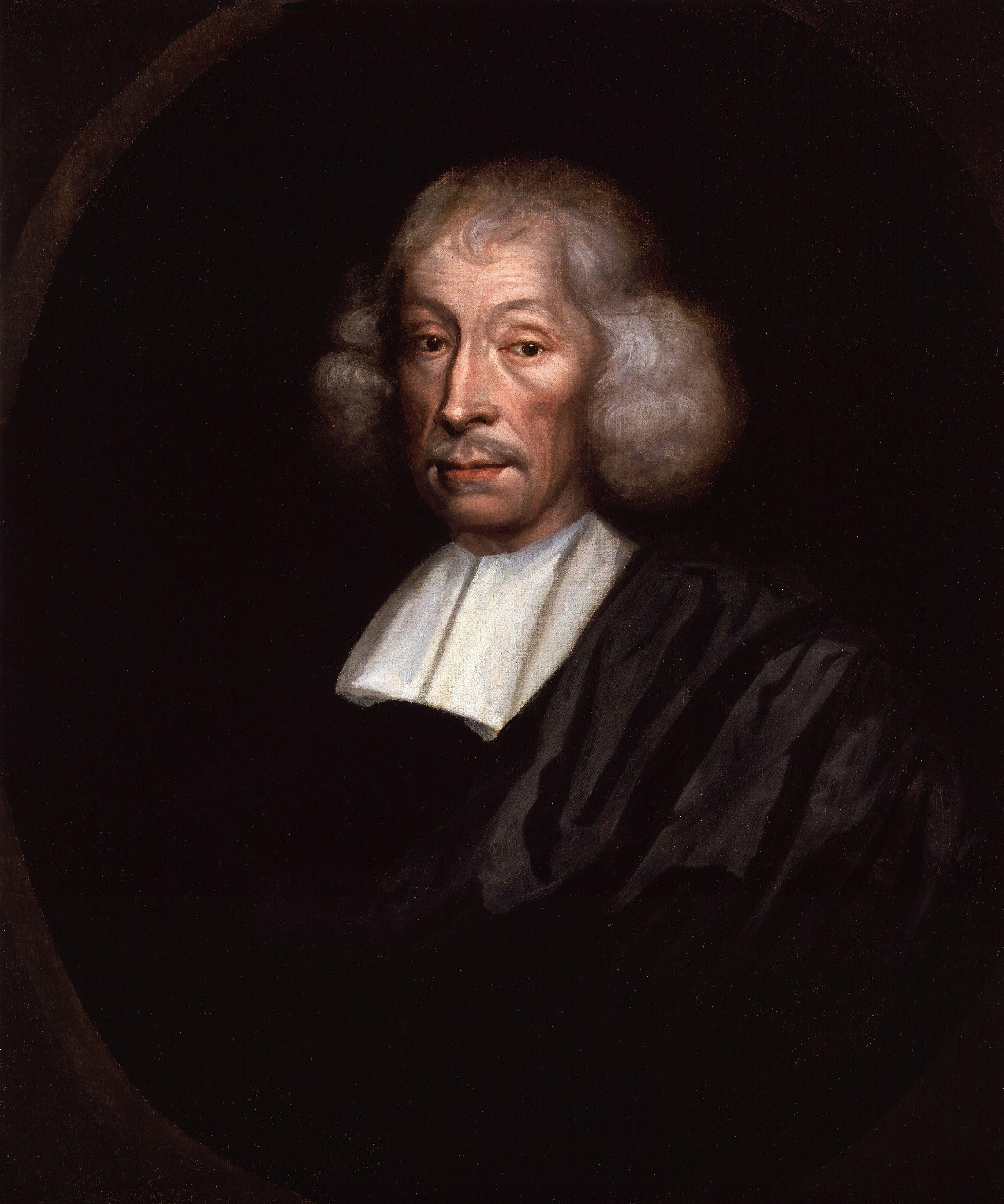
This study of the plants around Cambridge includes some of the classification work of Joachim Jungius, whose classification system did not begin to be published until 1662. Digital facsimile from Google Books at this …
1661
#9671
Thanasima, kai dēlētēria: Tractatus de venenis. Or, a treatise of poysons. Their sundry sorts, names, natures and virtues, with their severall symptomes, signes diagnosticks, prognosticks, and antidotes. Wherein, are divers necessary questions discussed; the truth by the most learned, confirmed, by many instances, examples & stories illustrated; and, both philosophically and medically handled.
1662
#11882
Doxoscopiae physicae minores, sive isagoge physica doxoscopica. In qua praecipuae opiniones in physica passim receptae breviter quidem, sed accuratissime examinantur. Ex recensione et distinctione M. F. H., cuius annotationes quaedam accedunt.
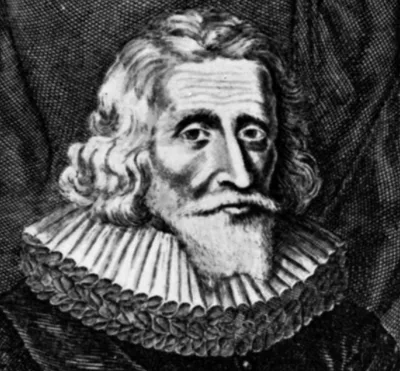
Jungius was the first to appreciate and expand upon the botanical ideas of Cesalpino. In this posthumously published work, edited by his student Martin Fogel, and in his Isagoge phytoscopica published in 1669, Jungius…
1663
#1826
Anastasis corticis Peruviae, seu chinae defensio
A defence of the virtues of Jesuit's bark or Peruvian bark (cinchona, chinchona), the most celebrated specific remedy for malaria. It was obtained from the bark of several species of the genus Cinchona, of the Rubiace…
1664
#145.51
Sylva, or a discourse of forest-trees, and the preservation of timber in His Majesty’s dominions.
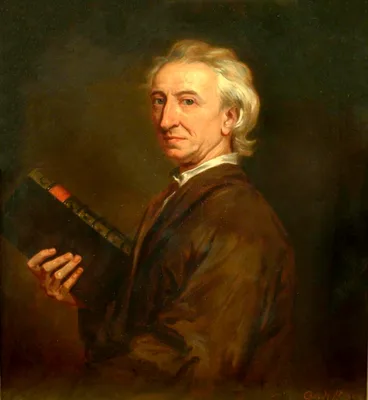
A protest against the careless destruction of England’s forests to fuel the furnaces of the glass and iron industries. The work was influential in establishing a much-needed program of reforestation that had a lasting…
1664
#2102
Osservazioni intorno alle vipere.
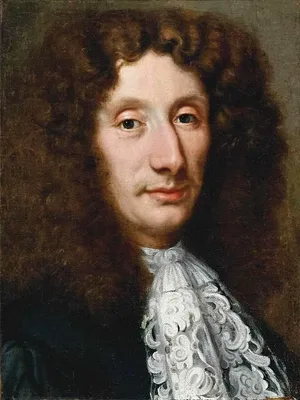
The first methodical work on snake-poison. Redi demonstrated for the first time that, for the poison to produce its effect, it must be injected under the skin.
1665 –1666
#2012
The method observed in transfusing the blood out of one live animal into another.
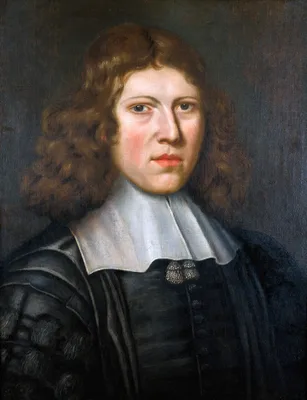
In February 1665 Lower successfully transfused dogs with blood.
1665
#1962
Clysmatica nova; oder newe Clystier-Kunst.
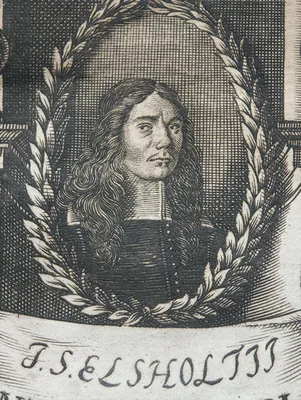
Elsholtz’s book on the venous infusion of medicaments was one of the first works to deal with blood transfusion. Latin edition in 1667; English translation in 1677. Reprint of Latin 1667 edition, Hildesheim, G. Olms, …
1666
#6822
La chymie charitable et facile, en faveur des dames.
A book on practical chemistry, pharmacology and medicine written for the common reader by French autodidact Marie Meurdrac, La chymie charitable et facile, en faveur des dames, was the first treatise on chemistry writ…
1667
#2013
Lettre … touchant deux expériences de la transfusion faites sur des hommes.
The first transfusion of blood into a human was performed by Denis on June 15, 1667; he transfused lamb’s blood into a youth. For a partial translation, see Geoffrey Keynes’s Blood transfusion (Bristol, 1949) 14-15. D…
1667
#2014
An account of the experiment of transfusion, practised upon a man in London.
First transfusion of blood performed on a human in England, Nov. 23, 1667.
1667
#1963
Chirurgia infusoria.
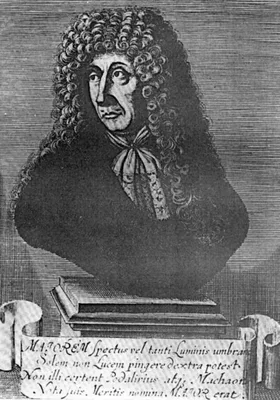
Major, the first Professor of Medicine at Kiel, was the first to make successful intravenous injections of drugs into the human body, in 1662. Sir Christopher Wren in 1656 had injected wine and ale into the veins of a…
1669
#13548
Il tabacco opera ... Nella quale si tratta dell'origine, historia, coltura, preparatione, qualità natura, virtà & uso in fumo, in polvere, in foglia, in lambitivo, et in medicina della pianta volgarmente detta tabacco, si discorre degl'vtili ch'arreca moderatamente preso, de i danni ch'apporta smoderatamente usato, e qual sia il vero e legitimo modo di prenderlo: trattato naturale, medico, morale & curioso.
Discusses the origin, history, cultivation, preparation, nature and virtues of tobacco, whether used for smoking, snuffing, chewing, etc. or for medicinal purposes (Waring). "The custom of smoking, its role in divinat…
1670
#9286
Catalogus plantarum Angliae, et insularum adjacentium: tum indigenas, tum in agris passim cultas complectens.
Includes some ethnobotanical notes regarding medical remedies. Digital facsimile from Google Books at this link.
1671
#12881
Thermarum Aquisgranensium et porcetanarum descriptio. Congruorum quoque ac salubrium usuum balneationis et potationis elucidatio, opera.
An extenisvely illustrated work promoting the medicinal value of the sulphur springs of Aachen and Burscheid. Blondel devoted his life to the promotion of the medicinal value of these springs, becoming inspector of th…
1671
#13629
De l'usage du caphe, du the, et du chocolate.
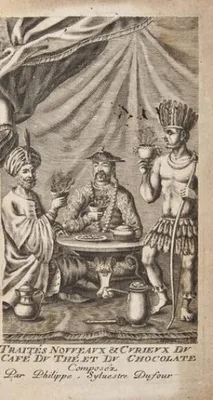
The Library of Congress attributes this anonymous work to Philippe Sylvestre Dufour, but characterizes Jacob Spon as the "supposed author." They also state as follows: "Attributed also to Jacob Spon. cf. Paris. Bibl. …
1672
#1826.1
New-Englands rarities discovered: in birds, beasts, fishes, serpents, and plants of that country. Together with the physical and chyrurgical remedies wherewith the natives constantly use to cure their distempers, wounds, and sores…
The first detailed account of the natural history and botany of North America, including the first extensive study of native North American medicine.
1672
#7007
The American physician : or, a treatise of the roots, plants, trees, shrubs, fruit, herbs, etc., growing in the English Plantations in America ; ... whereunto is added a discourse of the Cacao-nut-Tree, and the use of its fruit ; with all the ways of making Chocolate
The earliest work in English on the medicinal virtues of North American tropical plants. Based on first-hand observations made in the West Indies, Evidence suggests that Hughes began his career in 1651 with a privatee…
1672
#11640
The anatomy of vegetables begun. With an a general account of vegetation founded thereon.
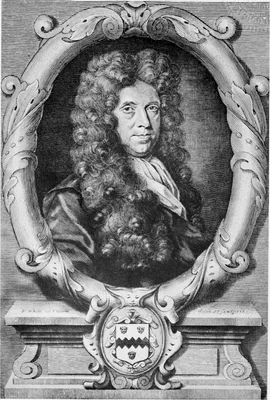
"Grew was a conscious pioneer in a hitherto neglected area... His work was primarily marked by his brilliant observation and description of plants and their component parts; having begun by making observations using o…
1673
#12972
Nova medicina spirituum: Curiosa scientia & doctrina, unanimiter hucusque neglecta, & à nemine meritò exculta, medicis tamen & physicis utilissima. In quâ Primo Spirituum naturalis constitutio, vita, sanitas temperamenta, ingenia, calidum innatum, phantasiae vires, ideae, astrorum influentiae, μετεμψύχωσις, rerum magnetissimi, sympatiae & antipatiae, qualitates hactenus occultae, aliaq; caeteroquin abstrusa & paradoxa; Dehinc spirituum praeternaturalis seu morbosa Dispositio, causae, curationes per naturam, per diaetam, per arcana majora, palingenesiam, magnetissimum seu sympatheismum, transplantationes, amuleta, ingenuè & dilucidè demonstrantur.
”A very curious work, attributing the causes of many diseases to spirits and basing their cure on this theory. There is a great deal on insanity. The methods of treatment are partly chemical, partly magnetical, even s…
1675 –1679
#536
Anatome plantarum.
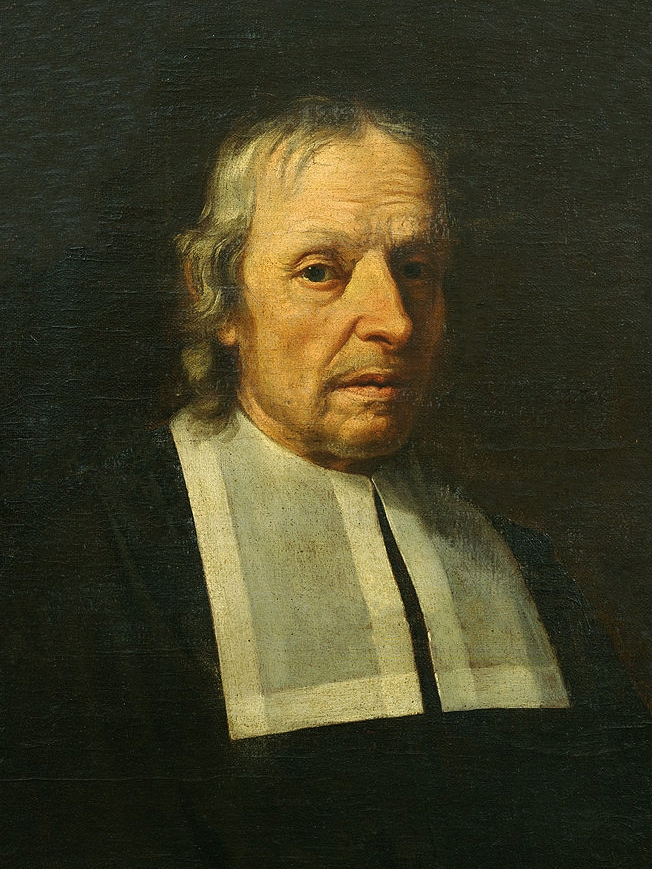
Malpighi was the founder of microscopic anatomy and a pioneer in the study of plant development. He approached the subject through the study of plant tissues. His Appendix adds to the work on chick embryology Malpighi…
1675
#12998
Theatrum fungorum oft het tooneel der Campernoelien. Waer inne vertoont wort de gedaente, ken-teeckens, natuere, crachten, voetsel, deught ende ondeught; mitsgaders het voorsichtigh schoonmaken ende bereyden van alderhande Fungien....
The first separate general work on fungi, describing edible and poisonous varieties. Digital facsimile from the Hathi Trust at this link.
1676
#61
Opera. 6 vols.
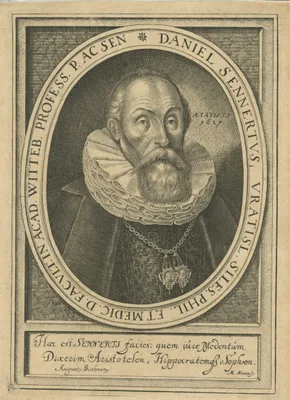
Besides giving early accounts of scarlatina and rubella, Sennert added to the knowledge of scurvy, dysentery and alcoholism. He was an able clinician and also a believer in witchcraft. His Opera was first published in…
1676
#9511
The family physician, and the house apothecary: Containing I. Medicines against all such diseases people usually advise with apothecaries to be cured of, II. Instructions, whereby to prepare at your own houses all kinds of necessary medicines that are prepared by apothecaries, or prescribed by physicians, III. The exact prices of all drugs, herbs, seeds, simple and compound medicines, as they are sold at the druggists, or may be sold by the apothecaries, IV. That it's plainly made to appear, that in preparing medicines thus at your own houses, that it's not onely a far safer way, but you shall also save nineteen shillings in twenty, comparing it with the extravagant rates of many apothecaries.
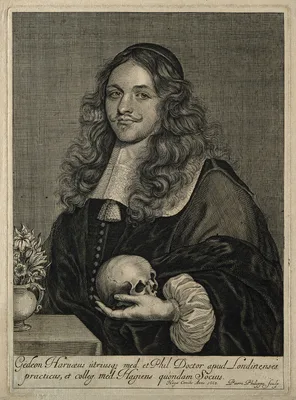
The text of the second edition (1678) is available from Early English Books Online at this link.
1677
#10648
Laboratorium chymicum, gehouden op het voortreffelycke Eylandt Ceylon, soo in't Animalische, Vegetabilische, als Mineralische Ryck.
The first book on the animal, vegetable and mineral medicines indigenous to Sri Lanka. Grim was a physician in the service of the VOC (the East India Company). Digital facsimile from Google Books at this link.
1678 –1703
#9543
Hortus Indicus Malabaricus: Continens regni Malabarici apud Indos cereberrimi onmis generis plantas rariores, Latinas, Malabaricis, Arabicis, Brachmanum charactareibus hominibusque expressas ....12 vols.
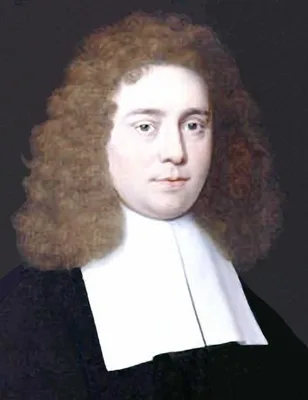
The earliest comprehensive printed work on the flora of Asia and the tropics in 12 folio volumes written and published under the supervision of van Rheede tot Drakenstein, a colonial administrator of the Dutch East In…
1679
#974.1
Cicutae aquaticae historia et noxae.
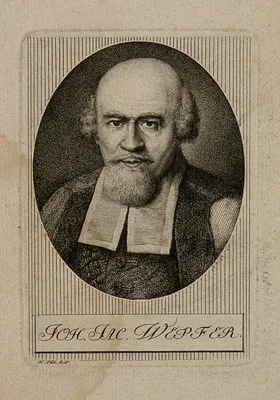
This is primarily a work on the poisonous water hemlock, its dangerous effects, its medicinal uses, and antidotes to counter the poison. However, it also contains the first description of the tiny glands in the mucosa…
1679
#4436
Currus triumphalis, è terebinthô. Or an account of the many admirable vertues of oleum terebinthinae. More particularly, of the good effects produced by its application to recent wounds, especially with respect to the hemorrhagies of the veins, and arteries, and the no less pernicious weepings of the nerves, and lymphaducts. Where also, the common methods, and medicaments, used to restrain hemorrhagies, are examined, and divers of them censured. And lastly, A new way of amputation, and a speedier convenient method of curing stumps, than that commonly practised, is with divers other useful matters recommended to the military surgeon.…
Describes how Yonge used turpentine to arrest hemorrhage, and presents the first account of a flap amputation. It also shows that Yonge was familiar with tourniquets. Digital facsimile from Google Books at this link.
1679
#10604
Tractatio med. curiosa, de ortu & occasasu transfusionis sanguins, qua haec, quae fit e bruto in brutum, a for medico penitus eliminatur; ila, quae e bruto in hominem peragitur....
The first detailed history of efforts at blood transfusion. Mercklin was one of the earliest writers to discuss the history, value, dangers, and methods of blood transfusion. He recognized and understood what we now c…
1679
#11881
Praecipuae opiniones physicae, passim recetae, breviter quidem sed accuratissime examinate, ex recension & distinctione Martini Fogelii ...cum annotationes quaedam accedunt accessit nunc primum eiusdem auctoris Harmonica & Isagoge phytoscopica.
Posthumous first publication of Jungius's Isagoge phytoscopia, an expansion or supplement to his system of botanical classification first published in his Doxoscopiae physicae minores (1662). The second edition of the…
1681
#13139
Pharmacopoea persica ex idiomate persico in latinum conversa. Tafsir-i murakkabat-i qarabadin-i parsi [-i Muzaffar b. Muhammad as-Sifa`i] ba-dast-i Angelus Karmelit.
The editor, Joseph Labrosse, "was born in Toulouse in 1636 and entered a Carmelite order, taking the name of Fr. Angelus of St Joseph. In 1662 he went to Rome and studied Arabic for two years before travelling to Isfa…
1683
#13076
Hortus medicus Edinburgensis, or, A catalogue of the plants in the Physical Garden at Edinburgh: Containing their most proper Latin and English names; with an English alphabetical index.
Digital facsimile from Biodiversity Heritage Library at this link.
1684
#1311
Dr. Willis's practice of physick.
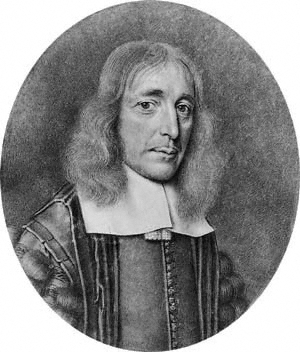
The only complete edition of Willis's works in English, translated by the poet Samuel Pordage. It contains the translations of all his works except his Affectionum quae dicuntur hystericae (1671). The collection inclu…
1685
#11557
Of the reconcileableness of specifick medicines to the corpuscular philosophy to which is annexed a discourse about the advantages of the use of simple medicines.
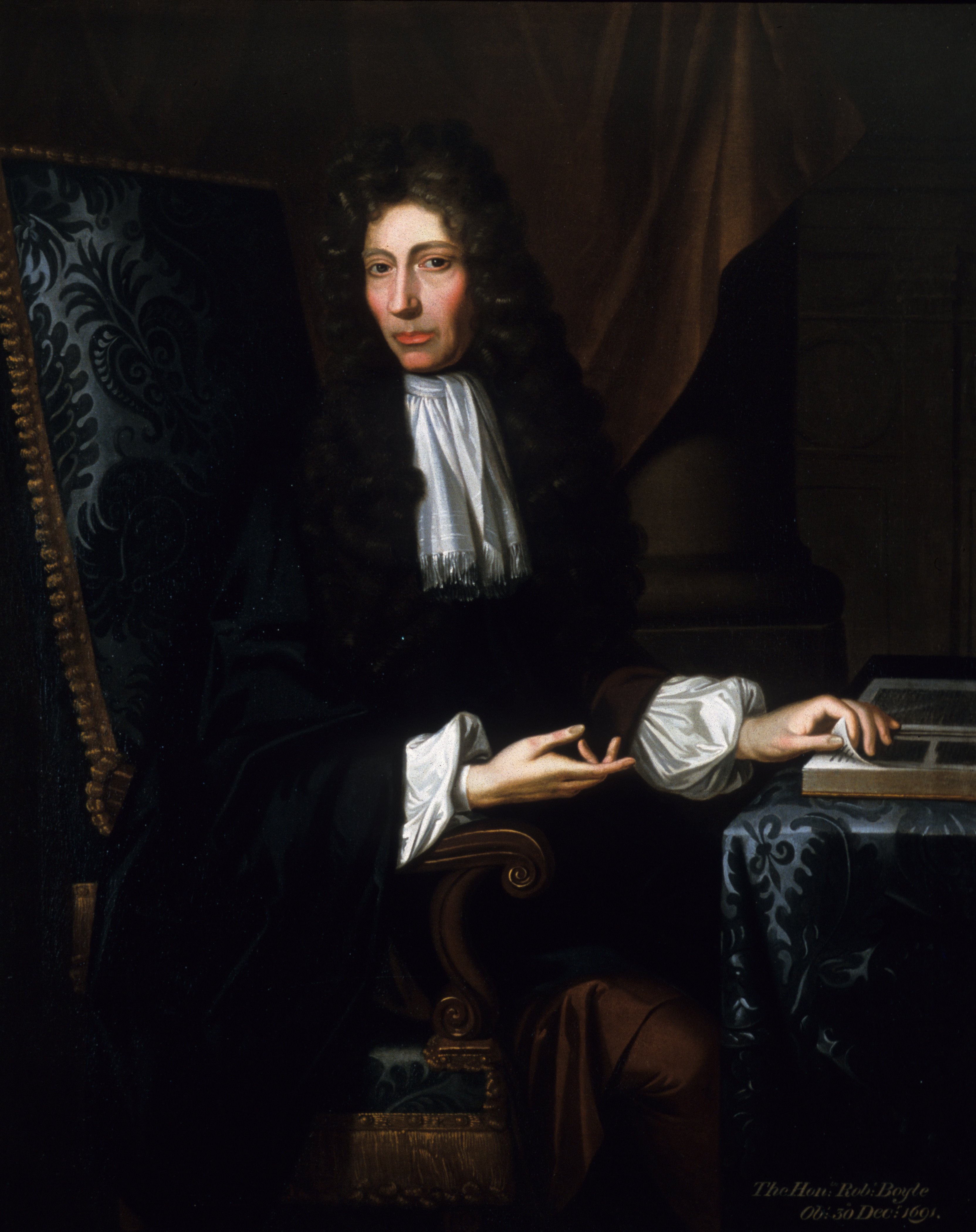
In this work on drug action or pharmacodynamics Boyle argued that remedies composed of only one or two ingredients were preferable to more complex drugs for two reasons. First, because the patient would experience few…
1686 –1704
#7090
Historia plantarum.... 3 vols.
This massive catalogue begins with an extensive general botanical treatise covering plant physiology, plant nutrition and, most importantly, Ray's principles and methodology of botanical classification. Ray adopted Ju…
1687
#12708
Horti Academici Lugduno-Batavi catalogus exhibens plantarum omnium nomina, quibus ab anno MDCLXXXI ad annum MDCLXXXVI hortus fuit instructus ut & plurimarum in eodem cultarum & à nemine hucusque editarum descriptiones & icones.
Catalogue of about 3300 plants in the botanical garden of Leiden University (106 illustrated), compiled, and with plates apparently drawn by the author. Hermann had only recently introduced many plants to Europe from …
1687
#13624
Le bon usage du the, du caffe, et du chocolat pour la preservation & pour la guerison des maladies.
Digital facsimile from Biodiversity Heritage Library at this link.
1688
#7955
Remèdes contre les cours de ventre.
"The remedy here treated of is ipecacuanha: although its antidysenteric virtues had previously been made known in 1649 by the writings of Piso and Marggraf [No. 2263.1] it was left to Helvetius, about forty years subs…
1689
#13100
Catalogus plantarum Horti Medici Amstelodamensis. Pars prior.
First published catalogue of plants of the Hortus Medicus, precursor of the Hortus Botanicus. The Hortus Medicus, founded in 1682 under Commelin's guidance, was ranked among the most comprehensive in Europe, including…
1689
#13411
Prodromus historiae generalis plantarum, in quo familiae plantarum per tabulas disponuntur.
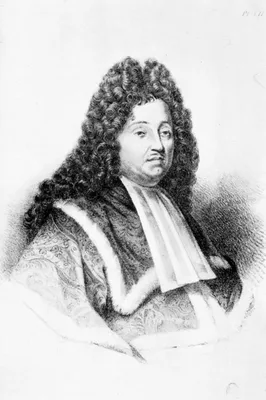
Magnol invented of the concept of plant families, a natural classification, based on combinations of morphological character. "In his Prodromus he developed 75 tables, which not only grouped plants into families but a…
1690
#11472
Florae Lugduno-Batavae flores sive enumeratio stirpium horti Lugduno-Batavi methodo, naturae vestigiis isistente, dispositarum, & anno 1689 in lectionibus tam publicis quam privatis expositarum a Paulo Hermann. Nunc vero in gratiam botanophilorum primum in lucem editarum opera Lothari Zumbach.
In this treatise on the flowering plants in the Hortus Botanicus Leiden Hermann coined the term Angiospermae as the name of one of his primary divisions of the plant kingdom. This division included flowering plants po…
1690
#13406
Introductio generalis in rem herbariam.
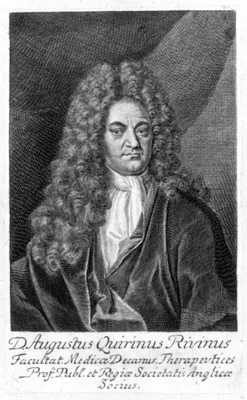
Rivinus (Bachmann) introduced the concept of classification of plants based upon the structure of the flower. He also introduced the ORDER as a distinct rank of biological classification having its own distinctive nam…
1693
#9541
Description des plantes de l'Amerique.
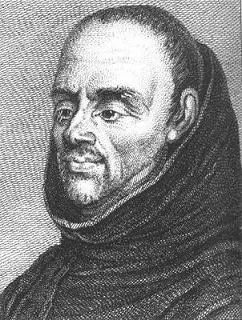
Digital facsimile from Botanicus at this link.
1694
#98
De sexu plantarum epistola.
First experimental demonstration of the sexuality of plants. Camerer showed that in flowering plants the anthers are male organs, and that the ovary with style and stigma are female, and that pollen is required for th…
1694
#1827.1
Histoire générale des drogues….
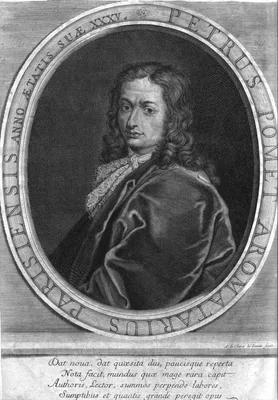
Pomet became chief druggist to Louis XIV. His work was considered the most complete materia medica of the time. It also covered non-botanical drugs. Digital facsimile from bibdigital.rjb.csic.es at this link. English …
1694
#8930
Trattado unico da constituiçam pestilencial de Pernambuco, offerecido a ElRey N.S. por ser servido ordenar por seu Governador aos Medicos da America, que assistem aonde ha este contagio, que o compusessem para se conferirem pelos Coripheos da Medicina aos dictames com que he trattada esta pestilencial febre.
The first scientific description of yellow fever in Brazil by the first European physician to treat the disease in Brazil, and perhaps in all of Latin America. It includes the description of the first autopsy of a yel…
1694
#11975
Elemens de botanique, ou methode pour connoître les plantes.
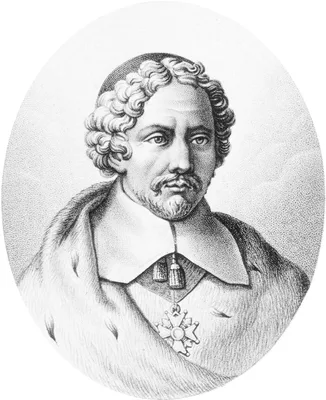
Though Tournefort's classification was completely artificial, and neglected some important divisions established by earlier botanists, and was a step backwards in systematics, the text was so clearly written and well …
1696
#9915
Catalogus plantarum quae in insula Jamaica: Sponte proveniunt, vel vulgò coluntur cum earundem synonymis & locis natalibus, adjectis aliis quibusdam quae in insulis Maderae, Barbados, Nieves, & Sancti Christophori nascuntur, seu Prodromi historiae naturalis Jamaicae pars prima.
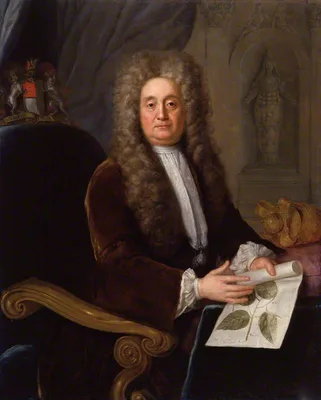
Digital facsimile from Biodiversity Heritage Archive at this link.