
Facets
Browse across eight MeSH (opens in new tab) facets — era, geography, science, specialty, technology, history, culture, and reference. Select one tag per group; counts update across the others. What’s new in facet browse how facets relate to subjects and MeSH.
Clear filtersGeography
Specialties & Disease
- Alternative & Fringe Medicine 0
- Anatomy & Pathology 2
- Cardiology & Blood 43
- Dentistry 22
- Diabetes 0
- ENT & Hearing 25
- Epidemiology & Demography 1
- Gastroenterology & Hepatology 9
- General Clinical Medicine 7
- Immunology & Dermatology 2
- Infectious Disease (General) 0
- Internal, Emergency & Geriatric 13
- Microbiology & Virology 0
- Military Medicine 5
- Neurology & Psychiatry 9
- Obstetrics & Reproductive 29
- Oncology & Cancer 2
- Ophthalmology & Vision 25
- Pediatrics 2
- Physiology & Embryology 38
- Plagues & Epidemics 5
- Psychology 2
- Public Health 3
- Pulmonary & Respiratory 14
- Rheumatology, Rehab & Pain 2
- Surgery & Anesthesia 78
- Urology & Nephrology 11
- Veterinary Medicine 0
Social & Historical Studies
Institutions & Culture
Reference & Scholarly Works
311 entries match Instruments & Devices [E07]
1896
#3516.1
Ueber Gastroskopie.
Rosenheim’s gastroscope.
1897
#2807
A simple and accurate form of sphygmomanometer or arterial pressure gauge contrived for clinical use.
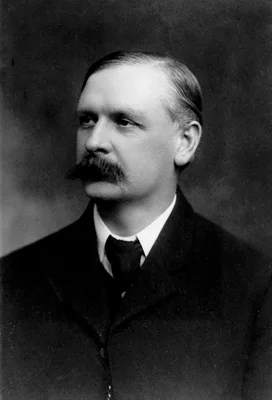
Hill and Barnard made an important modification to the Riva-Rocci sphygmomanometer when they substituted a pressure gauge in place of the mercury manometer used for pressure readings.
1898
#4874
Zur Technik der temporären Schädelresektion mit meiner Drahtsäge.
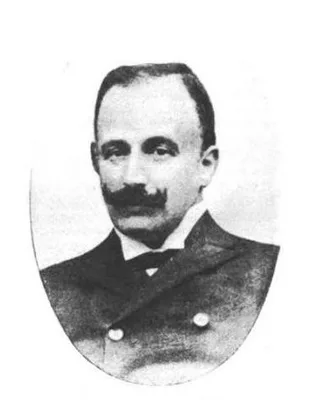
Gigli’s saw adapted for craniotomy. Translation in J. Neurosurg., 1962, 19, 1103.
1899
#2810
Ueber einen neuen Blutdruckmesser (Tonometer).
Gaertner, an Austrian physician, invented an instrument for measuring blood-pressure by means of a compressing ring applied to the finger.
1899
#2680.01
The mechanics of surgery.
An encyclopedic work that described illustrated and analysed the entire range of instrumentation employed in medical and surgical practice at the end of the 19th century. Reprinted with introduction by James M. Edmons…
1900 –1901
#3521
Ueber Magenspiegelung.
Describes the first clinical use of the oesophagoscope by Kussmaul in 1867-68. The latter made only brief mention of it himself in his paper on the stomach pump, Dtsch. Arch. klin. Med., 1869, 6, 456.
1901
#840
Un nouveau galvanomètre.
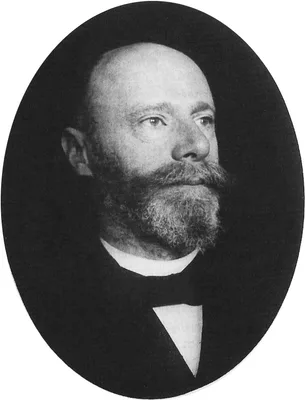
Einthoven directed much of his research to the development and perfection of recording instruments. His most famous work was in connexion with his string galvanometer, a perfection of the instrument invented by J. S. …
1901
#891
The colorimetric determination of haemoglobin.
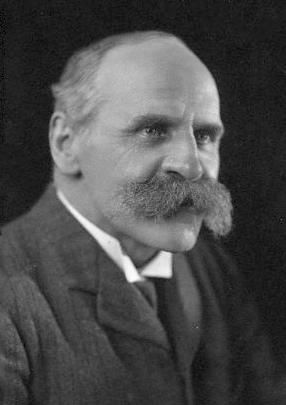
Haldane’s hemoglobinometer and method for determination of hemoglobin.
1902
#842
Galvanometrische registratie van het menschelijk electrocardiogram IN: Herinneringsbundel Prof. S.S. Rosenstein, pp.101-106.
First description of Einthoven's string galvanometer that recorded electrical changes occurring in the human heart. Includes the first illustration of an EKG (ECG) recording. Modern electrocardiography became a realit…
1902
#2812
The study of the pulse.
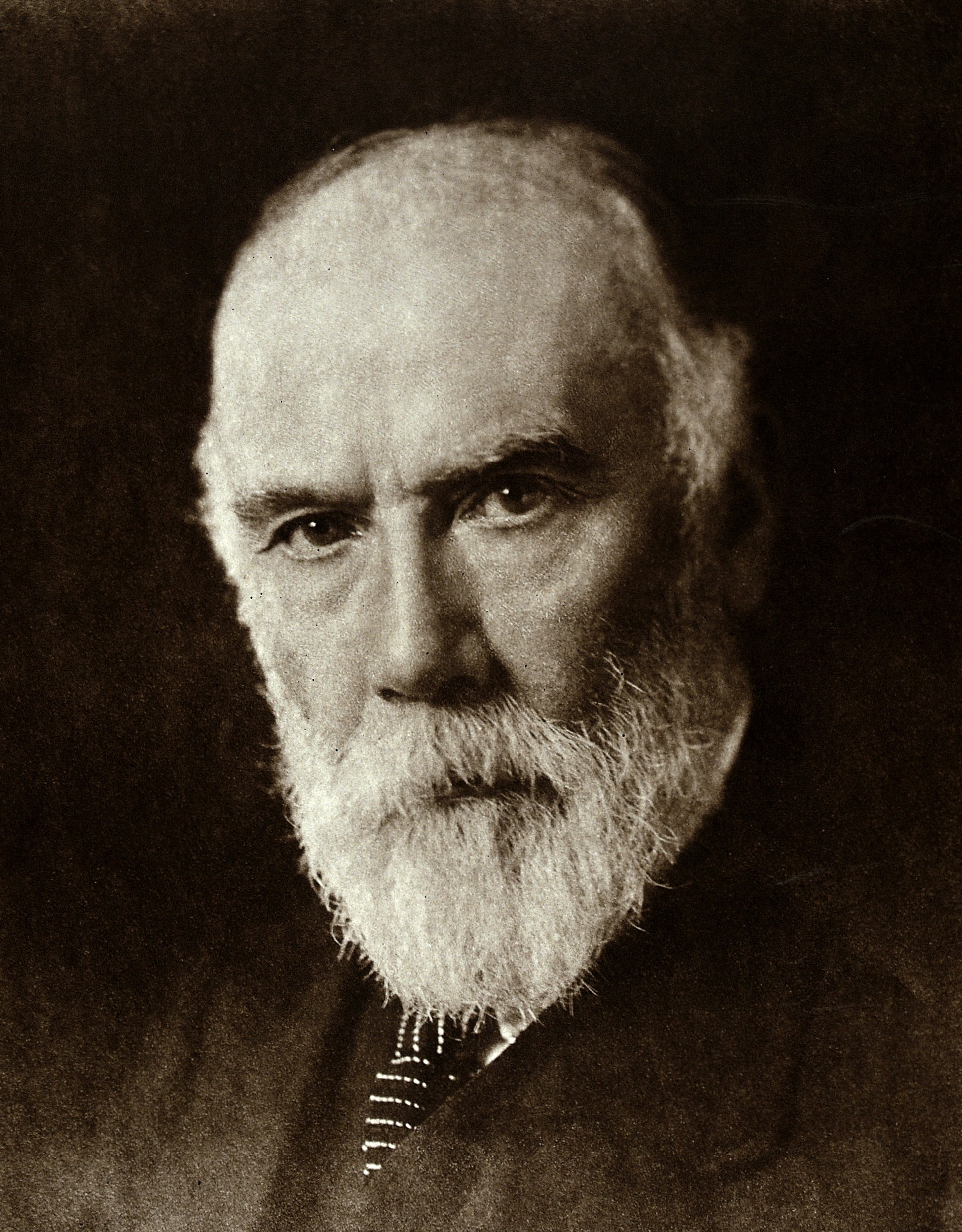
In his classic monograph Mackenzie included (p. 10) a description and illustration of his polygraph, with which he made simultaneous tracings of the pulse, apex beat, etc.
1902
#11573
Some experimental and clinical observations concerning states of increased intracranial tension.
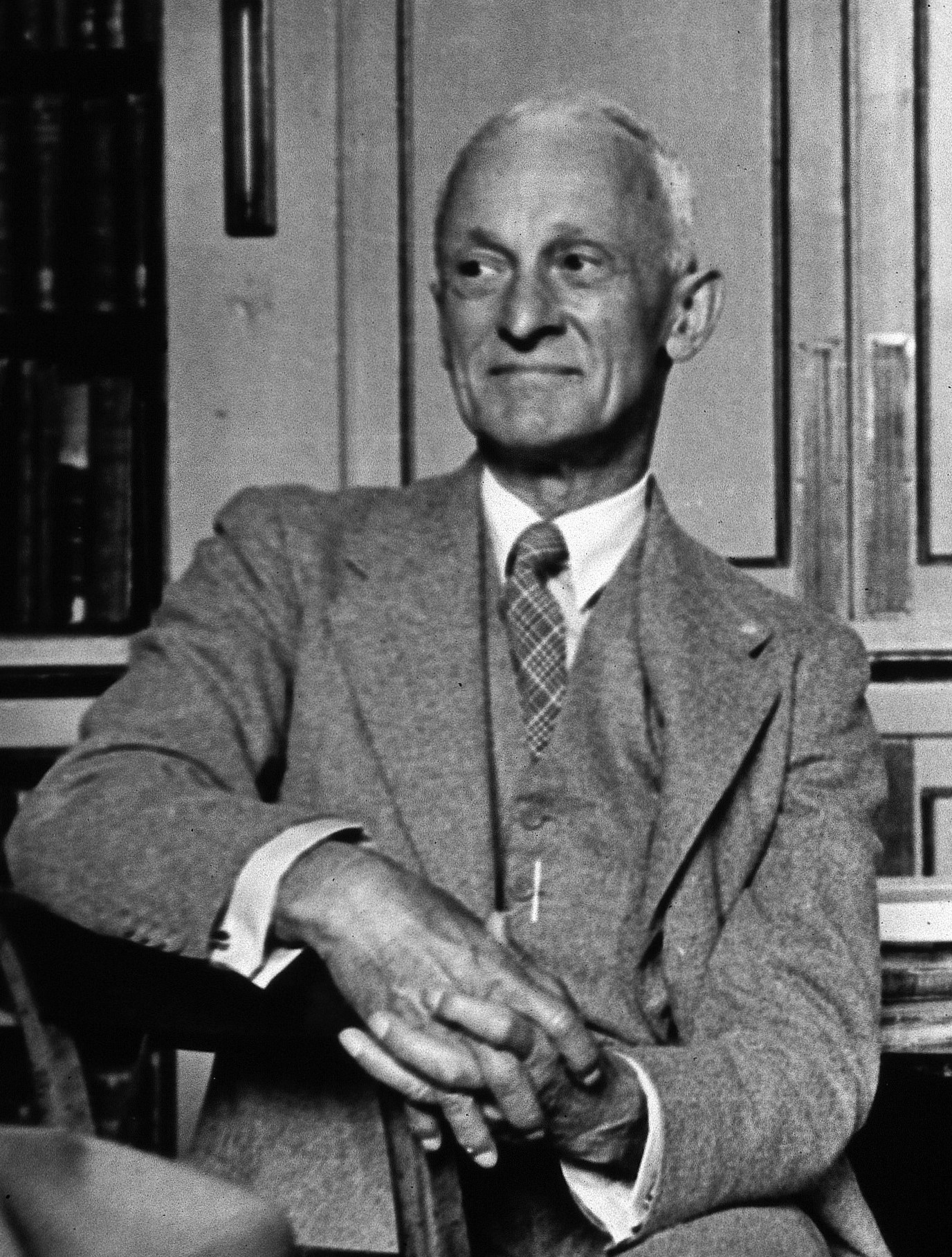
According to Theodore Janeway (No. 11572), Cushing was the first to recommend routine measurement of blood pressure during surgery using the Riva Rocci sphygmomanometer.(See No. 2804). Cushing visited Riva Rocci at Pa…
1903
#3526
Instruments for use through cylindrical rectal specula, with the patients in the knee-chest posture.
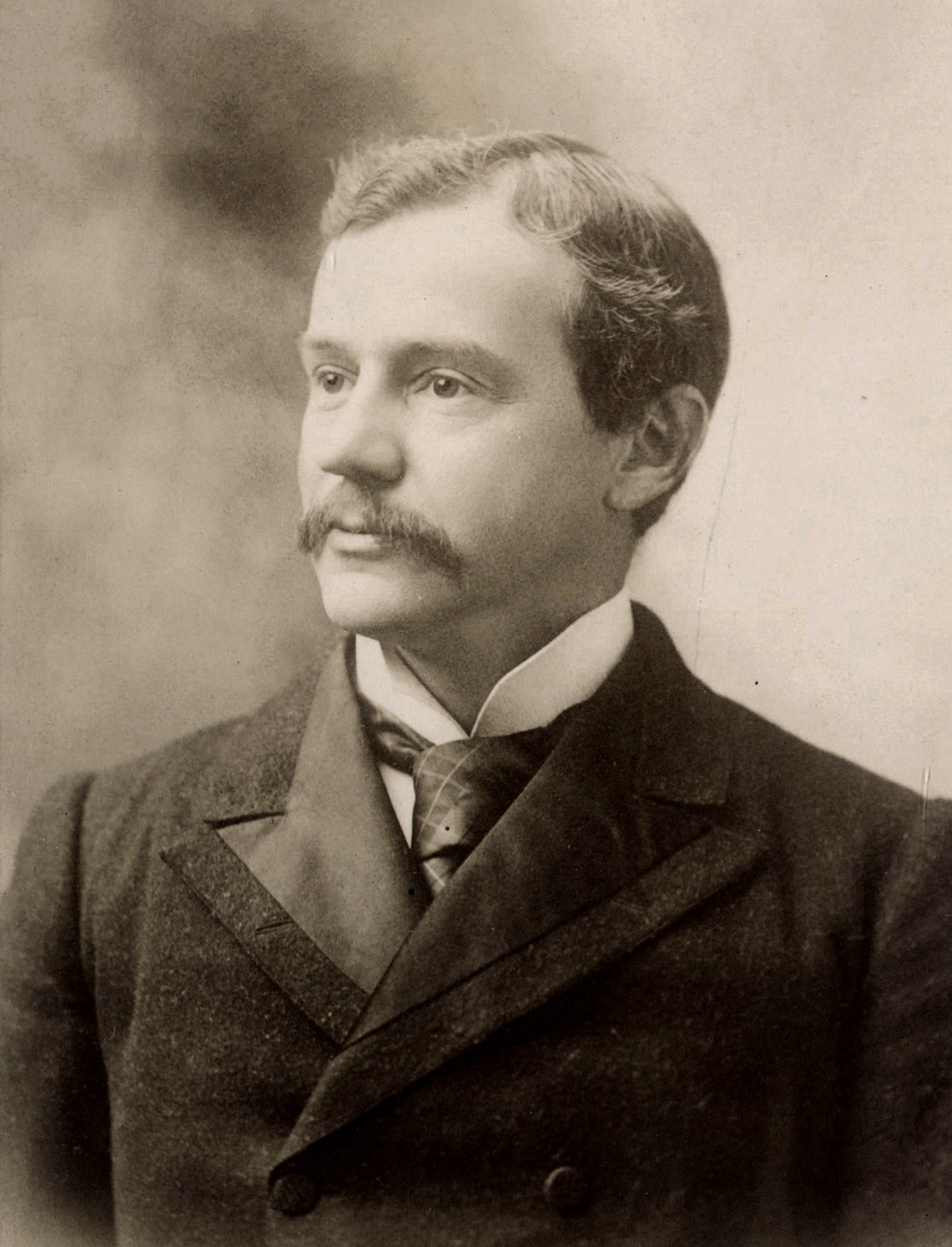
Various rectal and vesical specula were designed by Kelly.
1904
#11572
The clinical study of blood-pressure. A guide to the use of the sphygmomanometer in medical, surgical and obstetrical practice, with a summary of the experimental and clinical facts relating to the blood-pressure in health and disease.
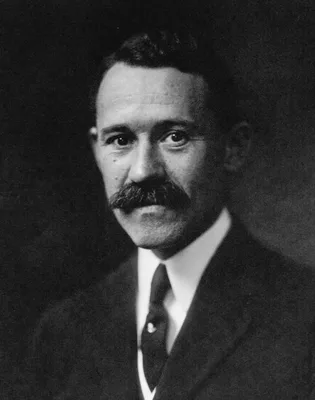
The earliest American monograph on hypertension and its detection. Digital facsimile from the Hathi Trust at this link.
1905
#2818
On methods of studying blood pressure.
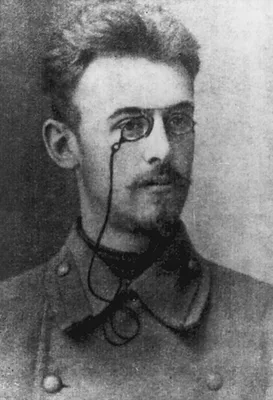
Korotkov introduced the modern method of applying the stethoscope to the brachial artery during blood-pressure examination with Riva-Rocci’s sphygmomanometer, for the purpose of investigating the sounds made by the bl…
1905
#5693
Perorale Tubagen mit und ohne Druck.
Kuhn introduced the intratracheal insufflation method of anesthetization about 1900; he used a flexible metal tube and a curved introducer. He also experimented with positive and negative pressure insufflation.
1906
#11589
Het telecardiogram.
This paper includes the first published ECG tracing of atrial fibrillation. See W. Bruce Fye, "Tracing atrial fibrillation - 100 years," New Eng. J. Med., 355 (2006) 1412.
1907
#846
Die Registrierung der menschlichen Herztone mittels des Saitengalvanometers
Phonocardiography.
1907
#2825
Neuerung zur Messung des systolischen und diastolischen Druckes.
Fellner suggested the use of the stethoscope in the measurement of systolic and diastolic pressure.
1907
#3337
Tracheo-bronchoscopy, esophagoscopy and gastroscopy.
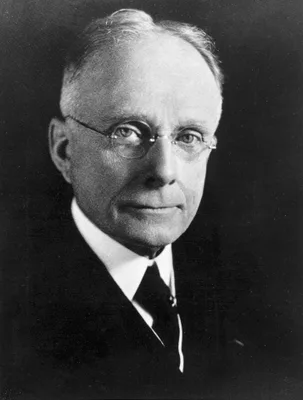
First textbook on endoscopy.
1907
#5806
Surgical instruments in Greek and Roman times.
Reprinted, N.Y., 1970.
1908
#1435.1
The structure and functions of the cerebellum examined by a new method.
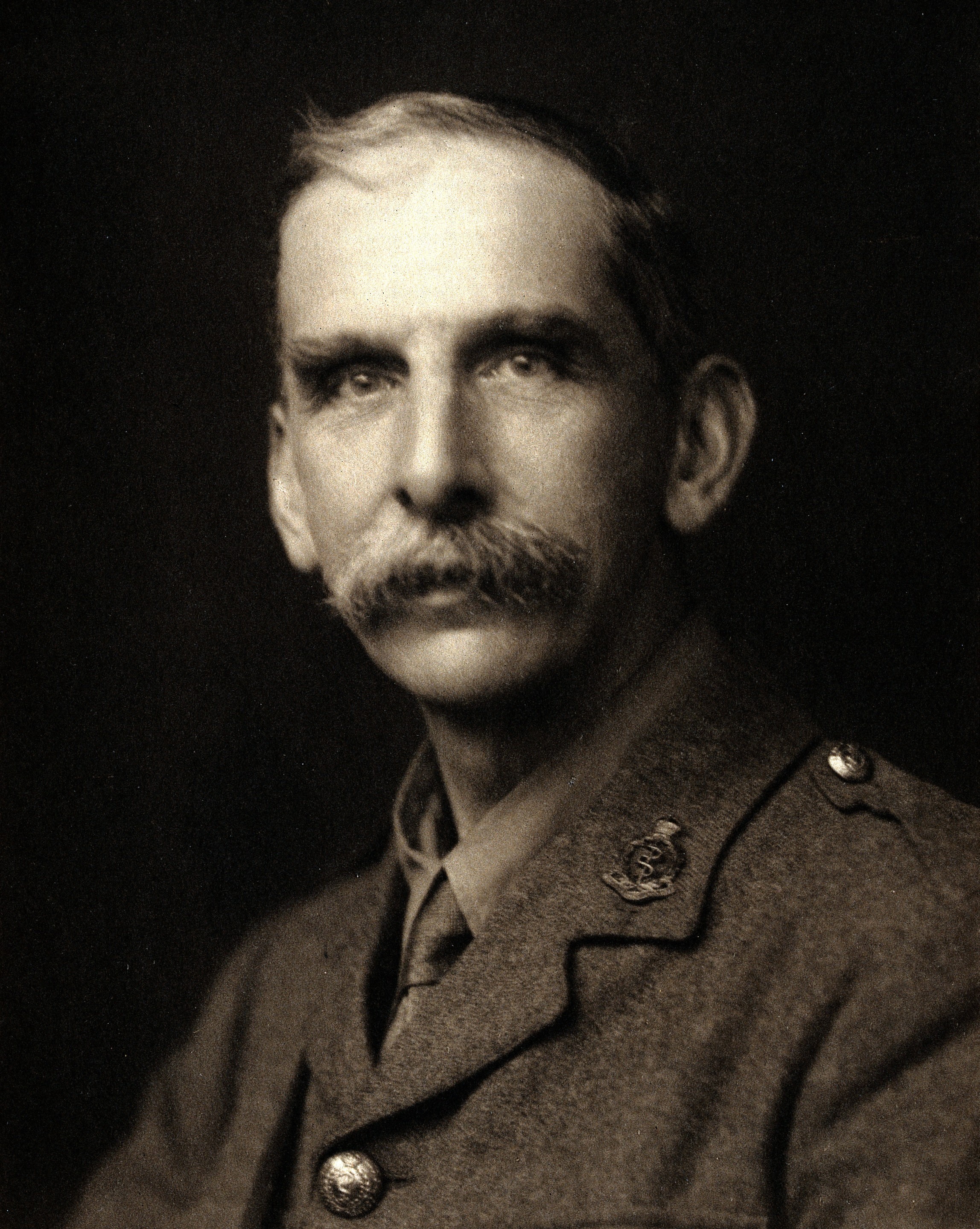
Stereotactic apparatus for the accurate location of electrodes in the brain. The apparatus devised by Horsley and Clarke opened the way to stereotactic surgery of the brain.
1908
#3689.2
A work on operative dentistry. 2 vols.
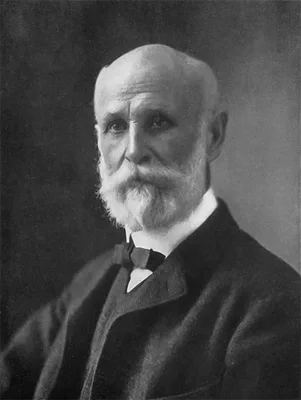
Black established a system of cavity preparation from which modern techniques have been derived. He constructed a “gnathodynamometer” with which the pressure exerted on the human tooth and therefore on the filling mat…
1908
#5693.1
Un appareil pour l’anesthésie par l’éther.
Ombrédanne ether inhaler.
1909
#11680
Elektrokardiogramme.
This 37-page pamphlet was the earliest collection of information regarding electrocardiography. It contained "only single lead electrocardiograms, limited to mitral stenosis and hypertrophy of the right and left venti…
1910
#3189
Ueber die Möglichkeit die Zystoscopie bei Untersuchungen seröser Höhlungen anzuwenden.
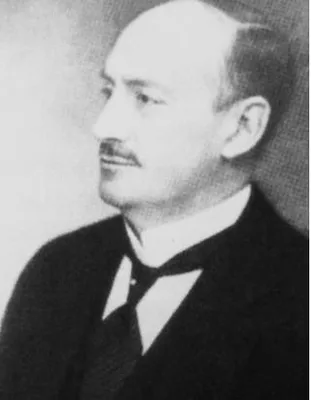
Jacobaeus adapted the cystoscope for the study of the interior of the body; this led to the introduction of the thoracoscope.
1910
#11674
Das Elektrokardiogramm des gesunden and kranken Menschen.
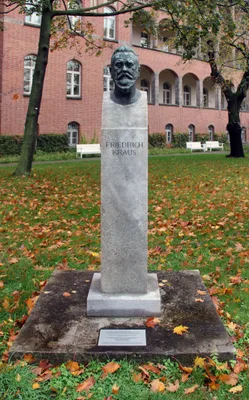
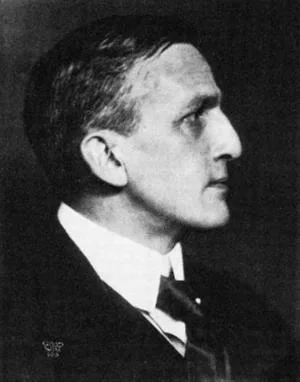
The first comprehensive monograph on electrocardiography in any language.
1911
#3535.1
Die Gastroskopie.
Elsner designed a straight gastroscope with a rubber tip and an optical system to be pushed into the outer tube, which had a lamp at its tip.
1911
#5697
Nitrous oxide-oxygen anaesthesia. With a description of a new apparatus.
Intermittent gas-oxygen machine.
1912
#5698
Nitrous oxide-oxygen-ether anesthesia: notes on administration; a perfected apparatus.
Boothby and Cotton’s flowmeter.
1913
#5699.2
Intratracheal anaesthesia.
Kelly’s intratracheal ether apparatus.
1913 –1914
#6488
The surgical instruments of the Hindus, with a comparative study of the surgical instruments of the Greek, Roman, Arab and the modern Eouropean [sic] surgeons. 2 vols.
Vol. 2 consists of plates.
1913
#11679
Clinical electrocardiography.
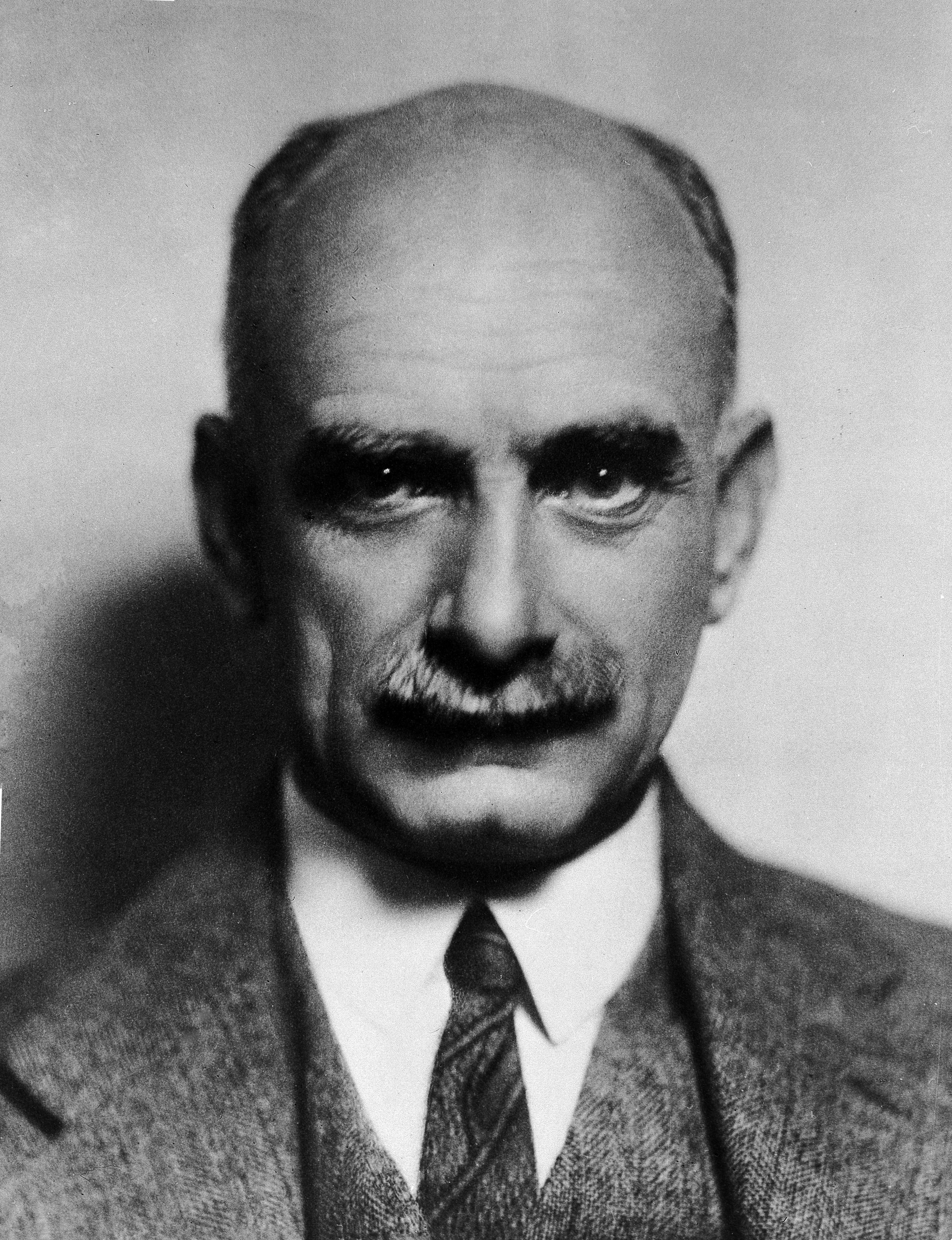
The first textbook of electrocardiography.
1914
#13070
The dental art in ancient times: Lecture memoranda. American medical Association, Atlantic City, 1914.
A very well illustrated serious pocket guide (214pp.) to elements of the history of dentistry including equipment through the ages and marketing information for equipment then available to dentists. Digital facsimile …
1916
#5699.3
The advantages of warm anaesthetic vapours, and an apparatus for their administration.
Shipway apparatus.
1916
#6219
Ueber die Anlegung der Zange am nicht rotierten Kopf mit Beschreibung eines neuen Zangenmodelles und einer neuen Anlegungsmethode.
Kielland forceps. English translation and historical background in E.P. Jones, Kielland’s forceps, London, 1952.
1917 –1918
#5700
Nitrous oxide-oxygen-ether outfit.
Boyle’s continous-flow anesthetic machine.
1920
#2853.1
A method of analyzing the electrocardiogram.
Mann developed the monocardiogram while a fourth-year medical student. This was the first vector loop and the beginning of modern vectorcardiography.
1920
#12489
The prophylactic forceps operation.
DeLee's advocacy of prophylactic forceps delivery made forceps deliveries more common. It remains probably his most controversial contribution to obstetrics. "At a meeting of the American Gynecological Society in 1920…
1921
#4388.2
Die Arthroendoskopie.
First published account of the use of the laparoscope for arthroscopy.
1921
#12923
A century of dental art. A centenary memoir 1820-1921.
Digital facsimile from the Internet Archive at this link.
1922
#3545
Probleme und Technik der Gastroskopie, mit der Beschreibung eines neuen Gastroskops.
Schindler made gastroscopy a “method”. See also his paper in the Münch, med. Wschr., 1922, 69, 535-37.
1923
#4198.1
A new type of observation and operating cysto-urethroscope.
McCarthy foroblique pan-endoscope.
1925
#5968
Gonioscopy and its clinical applications.
Troncoso’s gonioscope.
1925
#3573.1
Die Handschrift des Schnitt- und Augenarztes Caspar Stromayr in Lindau im Bodensee: In der Lindauer Handschrift (P.1.46) vom 4. Juli 1559. Mit einer historischen Einführung und Wertung von Walter von Brunn.
Stroymayr's manuscript was discovered in Lindau in 1909, and remained unpublished until the above edition, which reproduced his drawings in color. Like Bartisch (No. 5817) Stromayr specialized in hernia repair and eye…
1926
#4273
Minor surgery of the prostate gland; a new cystoscopic instrument employing a cutting current capable of operation in a water medium.
Stern’s resectoscope.
1927
#9335
Studies on the velocity of blood flow: I. The method utilized.
Reports the first diagnostic procedure, done in 1925, using radioactive indicators on humans. "Less well recognized is the fact that Blumgart and his coworker Otto C. Yens, then a medical student, developed the first …
1928
#798
Die Thermo-Stromuhr. Ein Verfahren zur fortlaufenden Messung der mittleren absoluten Durchfulssmengen in uneröffneten Gefässen in situ.
Introduction of the Thermostromuhr, an instrument for measuring the velocity of the blood flow.
1928
#799
The pressure pulses in the cardiovascular system.
Wiggers, professor of physiology at the Western Reserve University, Cleveland, contributed much to the knowledge of the circulation and devised several instruments to promote the study of this subject.
1928
#856.1
A double perfusion-pump.
Mechanical heart.
1928
#4897.1
Electro-surgery as an aid to the removal of intracranial tumors. With a preliminary note on a new surgical-current generator by W.T. Bovie.
Introduction of electrocoagulation in neurosurgery.