
Facets
Browse across eight MeSH (opens in new tab) facets — era, geography, science, specialty, technology, history, culture, and reference. Select one tag per group; counts update across the others. What’s new in facet browse how facets relate to subjects and MeSH.
Clear filtersGeography
Specialties & Disease
- Alternative & Fringe Medicine 383
- Anatomy & Pathology 765
- Cardiology & Blood 914
- Dentistry 259
- Diabetes 80
- ENT & Hearing 293
- Epidemiology & Demography 397
- Gastroenterology & Hepatology 316
- General Clinical Medicine 487
- Immunology & Dermatology 1,008
- Infectious Disease (General) 147
- Internal, Emergency & Geriatric 123
- Microbiology & Virology 1,080
- Military Medicine 436
- Neurology & Psychiatry 1,258
- Obstetrics & Reproductive 551
- Oncology & Cancer 377
- Ophthalmology & Vision 412
- Pediatrics 247
- Physiology & Embryology 924
- Plagues & Epidemics 1,279
- Psychology 202
- Public Health 1,129
- Pulmonary & Respiratory 233
- Rheumatology, Rehab & Pain 189
- Surgery & Anesthesia 1,553
- Urology & Nephrology 309
- Veterinary Medicine 165
Social & Historical Studies
Institutions & Culture
Reference & Scholarly Works
1,279 entries match Plagues & Epidemics [C01.252]
1811
#4676
A treatise on a malignant epidemic, commonly called spotted fever.
First book on cerebrospinal meningitis; in it North recommended the use of the clinical thermometer, not in general use until the time of Wunderlich. For more information on this book, see the article by F. L. Pleadwe…
1813
#5086.1
Treatise on the history, nature, and treatment of chincough: Including a variety of cases and dissections. To which is subjoined an inquiry into the relative mortality of the principal diseases of children, and the numbers who have died under ten years of age, in Glasgow, during the last thirty years.
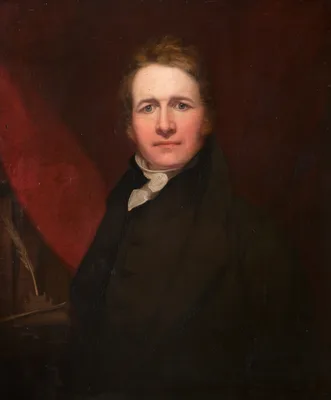
Probably the second book on whooping cough, written after two of Watt's children died from the disease. After vaccination for smallpox was introduced, Watt found, as he had expected, that the number of deaths from tha…
1813
#8211
The influence of tropical climates, more especially the climate of India, on European constitutions; the principal effects and diseases thereby induced, their prevention or removal, and the means of preserving health in hot climates, rendered obvious to to Europeans in every capacity: An essay .
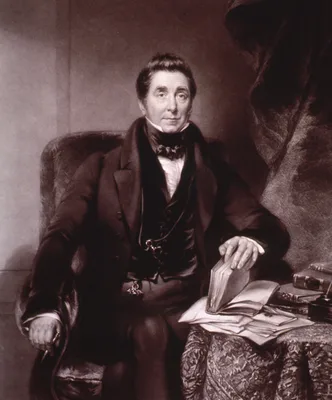
Digital facsimile from the Internet Archive at this link. Enlarged and retitled second edition: The influence of tropical climates on European constitutions: to which is added tropical hygiene, or the preservation of …
1814
#8219
Coup-d'oeil sur Saint-Domingue; observations sur le caractère des négres et sur la fièvre jaune; moyens de recouvrer cette colonie, et de se préserver des maladies qui y règnent.
Digital facsimile from patrimoines-martinique.org at this link.
1814
#12762
An essay on the venereal diseases which have been confounded with syphilis, and the symptoms which exclusively arise from that poison. Illustrated by drawings of the cutaneous eruptions of true syphilis, and the resembling diseases.
Carmichael "subdivided venereal infections into four major classes, each of which he maintained had a distinct exciting poison, a peculiar primary manifestation and a separate series of constitutional affections. From…
1815
#13487
Sketches of epidemic diseases in the state of Vermont; from the first settlement to the year 1815, with a consideration of their causes, phenomena, and treatment. To which is added remarks on pulmonary consumption.
Digital facsimile from U.S. National Library of Medicine at this link:
1815
#13799
The history of the small pox.
Digital facsimile from Google Books at this link.
1816
#11143
A practical account of the Mediterranean fever, as it appeared in the ships and hospitals of His Majesty's fleet on that station: With cases and dissections. To which are added facts and observations, illustrative of the causes, symptoms and treatment comprehending the history of the fever in the fleet, during the years 1810, 1811, 1813, and of the Gibraltar and Carthagena fevers.
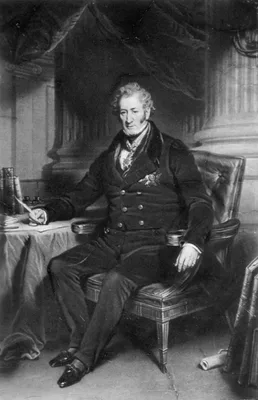
"Burnett in 1816 described an epidemic of a short term fever occurring among the Naval Forces engaged in the Siege of Malta in 1799, and this fever was almost certainly phlebotomus" (Coulter, The Royal Naval Medical S…
1817
#8816
Results of an investigation, respecting epidemic and pestilential diseases; including researches in the Levant, concerning the plague. 2 vols.
"From 1815 to 1817 Maclean travelled in Spain, Turkey, and the Levant, and he studied the plague at the Greek Pest Hospital at Constantinople, in the service of the Levant Company. His experiences in the Levant and in…
1819
#2673
De l’auscultation médiate, ou traité du diagnostic des maladies des poumons et du coeur. 2 vols.
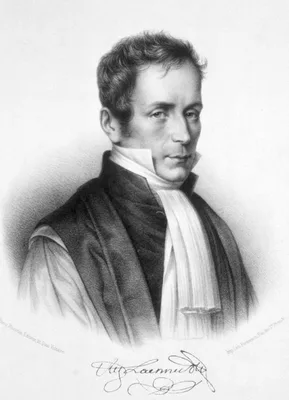
This book revolutionized the study of diseases of the chest. Auscultation in the instrumental sense dates from Laennec’s invention of the stethoscope (at first merely a roll of stiff paper) with a view to amplifying t…
1819
#10456
A statement of the occurrences during a malignant yellow fever in the city of New-York, in the summer and autumnal months of 1819; and of the check given to its progress, by the measures adopted by the Board of Health. With a list of cases and names of sick persons, and a map of their places of residence within the infected and proscribed limits: With a view of ascertaining, by comparative arguments, whether the distemper was engendered by domestic causes, or communicated by human contagion from foreign ports.
Pascalis mapped this yellow fever outbreak using a method similar to Valentine Seaman, but with a more extensive and detailed list of cases. A condensation of his 60-page pamphlet with a reissue of his map appeared in…
1820
#5233
Recherches chimique sur les quinquinas.
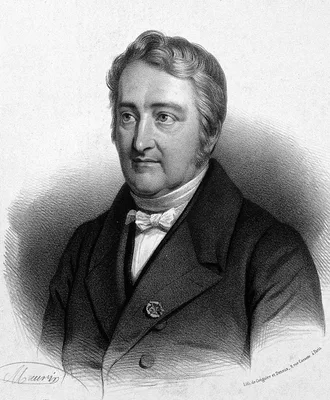
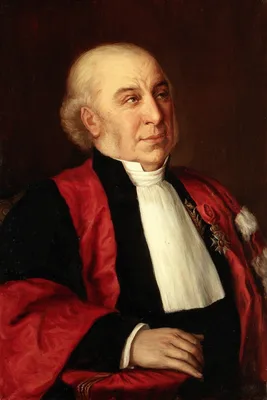
Isolation of quinine.
1820
#8948
Observations sur la fièvre jaune, faites à Cadix, en 1819 par MM. Pariset et Mazet, docteurs en médecine de la Faculté de Paris, et rédigées par M. Pariset.
Pariset and Mazet distinguished themselves combating an outbreak of yellow fever in Spain. Pariset's colleague was apparently not involved with publication of the book, and died in a yellow fever outbreak in Barcelona…
1820
#13239
Medical notes on climate, diseases, hospitals, and medical schools, in France, Italy, and Switzerland; comprising an inquiry into the effects of a residence in the South of Europe, in cases of pulmonary consumption, and illustrating the present state of medicine in those countries.
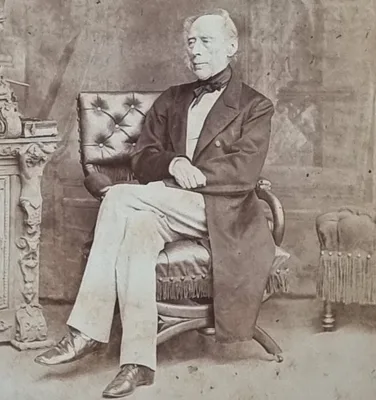
Pages 153-59 contain an account of Clark's visit to the Hopital Necker in Paris, with a detailed discussion of the use of the stethoscope introduced by Laennec, one year earlier, in 1819. This was possibly the first a…
1821
#12757
The history of plague, as it has lately appeared in the islands of Malta, Gozo, Corfu, Cephalonia, &c. detailing specific contagion of that disease, with particulars of the means adeopted for its eradication.
Concerns the Maltese plague,. 1813-1814. Digital facsimile from the Internet Archive at this link.
1822
#9071
Memoria sobre a virtude toenifuga da romeira, com observações zoologicas e zoonomicas relativas á toenea, e com huma estampa.
On the use of a root medicine to treat tapeworms, roundworms and similar parasites. The author refers to cases from Portuguese Africa, India and Brazil, and gives clinical observations based on his own case studies, s…
1822
#9523
An account of the yellow fever which occurred in the city of New York, in the year 1822, to which is prefixed a brief sketch of the different pestilential diseases, with which this city was afflicted, in the years 1798, 1799, 1803 & 1805, with the opinion of several of our most eminent physicians, respecting the origin of the disease, its prevention and cure.To which is added a correct list of all the deaths by yellow fever during the late season.
Digital facsimile from the Internet Archive at this link.
1825
#3221
Recherches anatomico-pathologiques sur la phthisis.
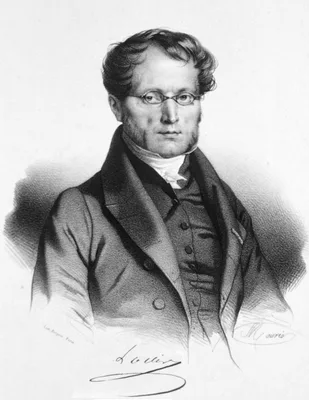
Louis’ researches were based on 358 dissections and 1,960 clinical cases, and included a numerical study of extra-pulmonary lesions. First edition in English, London, 1835. English translation, Boston, 1836. A transla…
1825
#10518
Medical facts and inquiries, respecting the causes, nature, prevention and cure of fever: more expressly in relation to the endemic fevers of summer and autumn in the southern states: Together with a history of the bilious remitting fever of Alabama, as it appeared in Cahawba and its vicinity in the summers and autumns of 1821 and 1822.
Digital facsimile from the U.S. National Library of Medicine at this link.
1826
#5053
Des inflammations spéciales du tissu muqueux et en particulier de la diphthérite, ou inflammation pelliculaire.
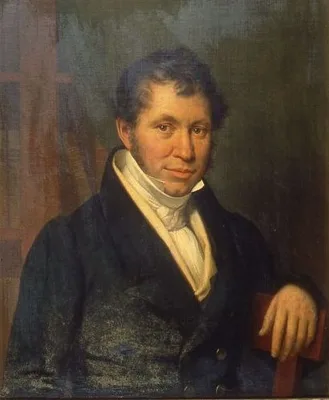
Bretonneau showed that croup, malignant angina, and “scorbutic gangrene of the gums” were all the same disease, for which he suggested the term dipntheritis, later substituting “dipnthérite”. He performed (pp. 300-38)…
1826
#10529
Clinique de la maladie syphilitique. Enrichie d’observations communiquées par messieurs Cullerier oncle, Cullerier neveu, Bard, Gama, Desruelles et autre médecins. Text and atlas.
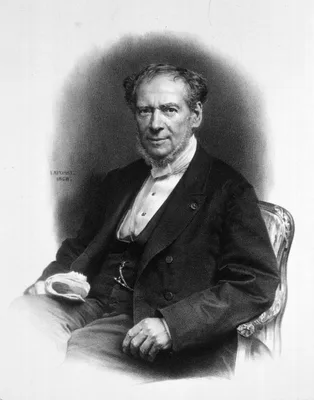
Includes 126 hand-colored engraved plates from drawings by Dupont the elder, assisted by Delestre the younger and Verollot, engraved by Johann Theodor Susemihl, a German engraver working in Paris, known for his zoolog…
1826
#14323
Traité de l'auscultation médiate ou traité diagnostic des maladies des poumons et du coeur. 2 vols.
Second edition, hugely revised, expanded, and improved. The pagination of the first edition (1819) was 456 pp. in vol. 1 and 472 pp. in vol. 2. The second edition was expanded to 728pp. in vol. 1 and 790 pp. in vol. 2…
1828
#1776.1
Researches into the causes, nature and treatment of the more prevalent diseases of India, and of warm climates generally. Illustrated with cases, post mortem examinations, and numerous coloured engravings of morbid structures. 2 vols.
A landmark in geographical pathology, superbly illustrated. Annesley’s cases, collected over many years’ service throughout India, represented the most complete treatment of diseases on the sub-continent to date. Digi…
1828
#3990
Abrégé pratique des maladies de la peau.
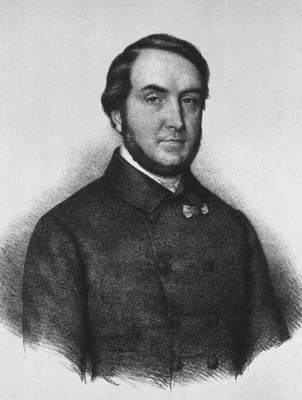
This book codified and published the lectures, doctrines and observations of Laurent Biett (1781-1840), the leading clinical teacher in dermatology of the early 19th century, who published very little himself. Cazenav…
1828
#4315
De l’orthomorphie. 2 vols. and atlas.
Delpech, Professor of Surgery at Montpellier, published a comprehensive treatise on deformities of the bones and joints. He established the tuberculous nature of Pott’s disease. Delpech did more than any other man tow…
1829
#5291
Sur la pyrophlyctide endémique, ou pustule d’Aleppo.
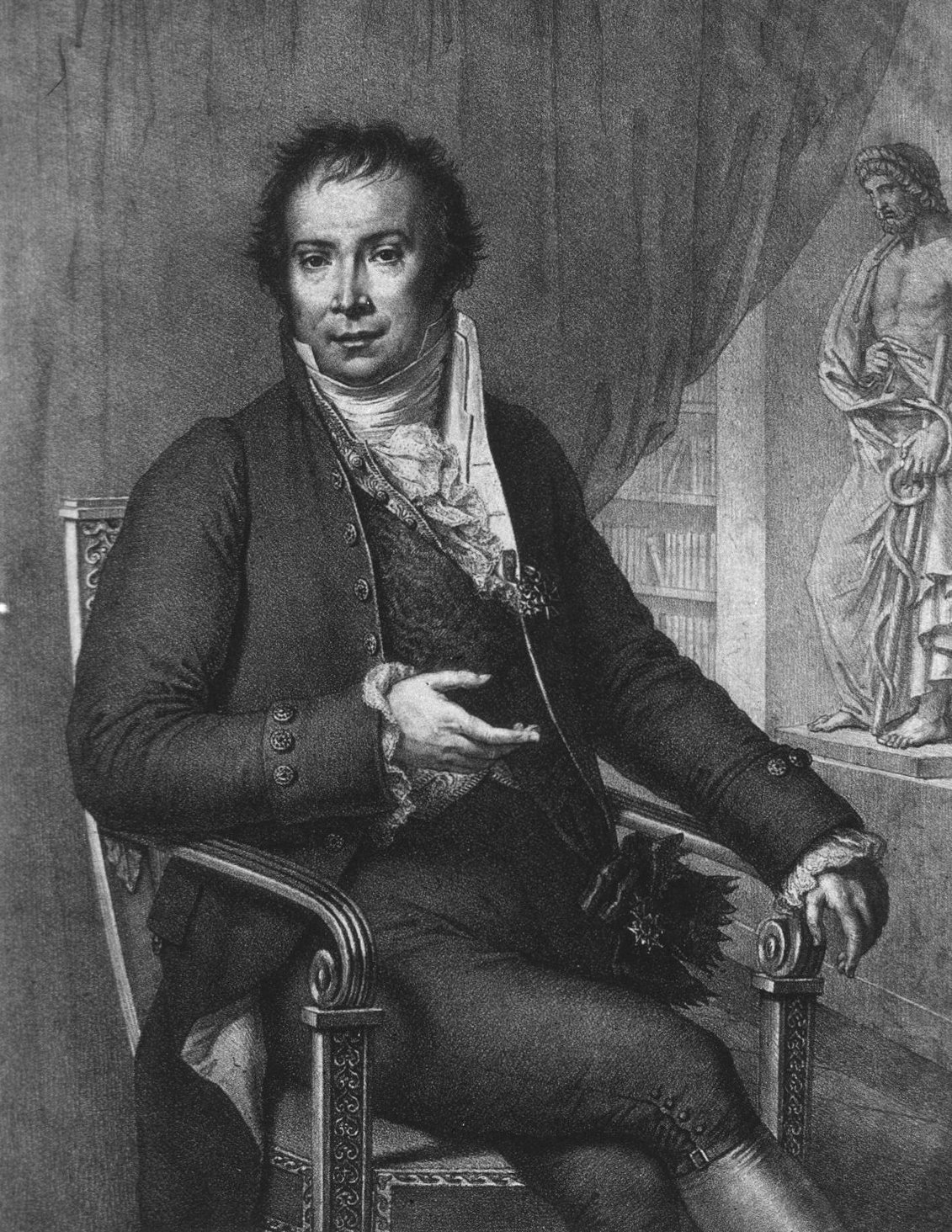
Important description of “Aleppo boil”, furunculosis orientalis.
1829
#5501
Die Rötheln, als für sich bestehende Krankheit.
Wagner separated rubella from measles and scarlet fever.
1831
#10790
A practical medico-historical account of the western coast of Africa: Embracing a topographical description of its shores, rivers, and settlements, with their seasons and comparative healthiness: Together with the causes, symptoms, and treatment, of the fevers of western Africa, and a similar account respecting the other diseases which prevail there.
Digital facsimile from the Internet Archive at this link.
1832
#2748.1
Physiologisch-chirurgische Beobachtungen bei Cholera-Kranken.
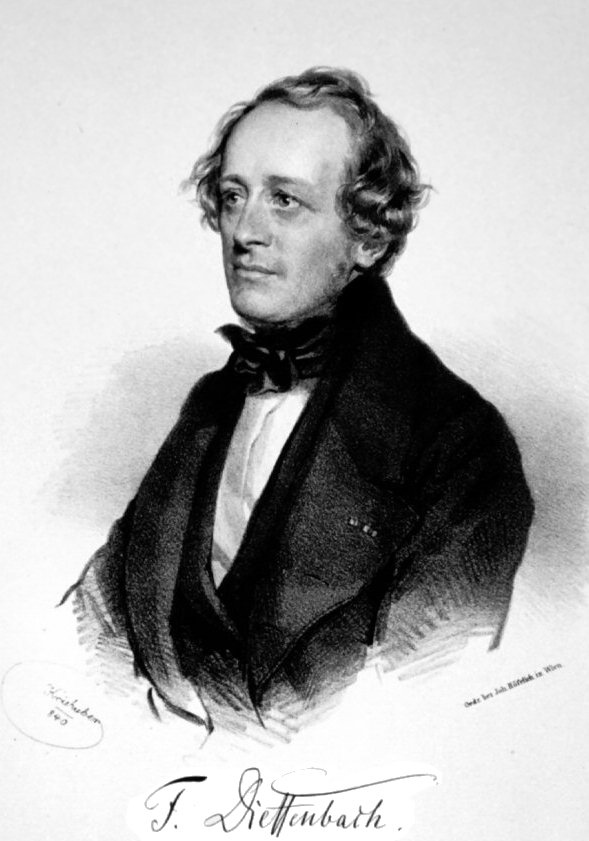
First recorded example of cardiac catheterization, performed during an unsuccessful attempt to obtain blood from a patient suffering from cholera (p. 100). Second edition as separate pamphlet with a new Foreward, Güst…
1832
#5105
Suggestions respecting the cause, nature, and treatment of cholera.
Parkin suggested the water-born character of cholera and the use of charcoal filters for water purification.
1832
#7688
A treatise on epidemic cholera; including an historical account of its origin and progress, to the present period. Compiled from the most authentic sources.
This compendium contains one of the first world charts of a disease, tracing the spread of cholera from two main sources, India (1817) and China (1820), across Asia and the Middle East via trade routes, to France and …
1832
#10457
Relation historique et médicale du choléra-morbus de Pologne, comprenant l'apparition de la maladie, sa march, ses progrès, ses symptômes, son mode de traitement et les moyens préservatifs. Avec une carte.
In his study of the spread of cholera in Poland in 1831 Brière de Boismont used a map to show the progression of the disease from a central point through the country along a red line through principal towns and the da…
1832
#10462
The substance of the official medical reports upon the epidemic, called cholera: Which prevailed among the poor at Dantzick, between the end of May and the first part of September, 1831, as transmitted to their lordships; being an analysis of the said epidemic disease in that city--founded upon actual observation and accurate inquiry: With important and well-authenticated facts relative to the same disease, as it prevailed among the poor in other parts of the North of Europe.
Hamett privately published this report after it was rejected for publication by the British government. He included hospital admission tables in his book and produced perhaps the first map based on hospital reports of…
1832
#10463
A treatise on the epidemic cholera, as it has prevailed in India; together with the reports of the medical officers, made to the medical boards of the presidencies of Bengal, Madras, and Bombay, for the purpose of ascertaining a successful mode of treating that destructive disease; And a critical examination of all the works that have hitherto appeared on the subject.
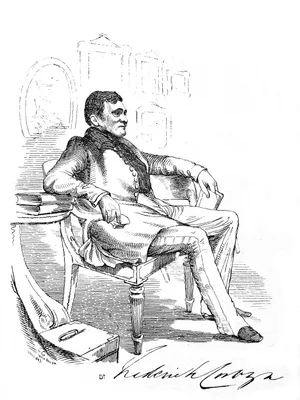
Corbyn mapped the history of cholera in India within British regimental stations. He included the date of each reported outbreak in a table of British regimental locations to describe the temporal progression of the d…
1832
#10526
A geographical and statistical account of the epidemic cholera: From its commencement in India to its entrance into the United States: Comprehended in a series of maps and tables, exhibiting the names of places visited by the pestilence, the time of its commencement, the number of cases, and deaths, and duration, at each place: Compiled from a great variety of printed and manuscript documents.
Tanner, a prolific cartographer, wished to provide a geographic account of the spread of the worldwide cholera epidemic of 1817. Statistics concerning the epidemic, he complained, were "given in such a loose and uncon…
1832
#10812
Observations on the epidemic now prevailing in the city of New-York; called the Asiatic or spasmodic cholera; with advice to the planters of the South, for the medical treatment of their slaves.
Digital facsimile from the Internet Archive at this link.
1833
#5054
Mémoire sur un cas de trachéotomie pratiquée dans la période extréme de croup.
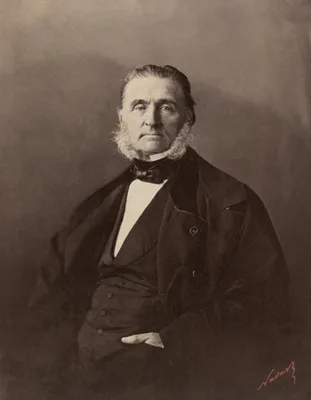
Trousseau popularized tracheotomy.
1833
#5215
A treatise on the venereal disease and its varieties.
On p. 371 commences the first description of lymphogranuloma venereum, which Wallace called “indolent primary syphilitic bubo”.
1834
#4636
Cerebral affections of children.
Accurate clinical description of tuberculous meningitis.
1834
#4319
Aufsätze und Abhandlungen aus dem Gebiete der Medizin, Chirurgie und Staatsarzneikunde. 1, 196.
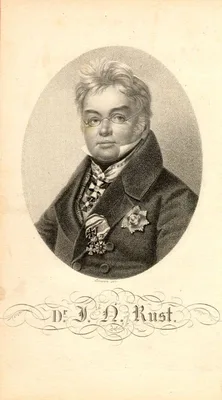
First description of “Rust’s disease” – tuberculous spondylitis of the cervical vertebrae.
1834
#7480
Rapport sur la marche et les effets du choléra-morbus dans Paris et les communes rurales du département de la Seine par la commission nommée, avec l'approbation de M. le ministre du commerce et des travaux publics, par MM. les préfets de la Seine et de police; année 1832.
This work contained one of the earliest applications of spatial analysis in epidemiology—an early thematic map by geographer and cartographer Charles Picquet, in which the 48 districts of Paris were represented by gra…
1835
#1698
Recherches sur les effets de la saignée dans quelques maladies inflammatoires, et sur l’action de l’émétique et des vésicatoires dans la pneumonie.
Louis refuted Broussais’s system of medicine, his “médicine physiologique.” Louis was instrumental in establishing medicine as an exact science by the introduction of the numerical or statistical method. English trans…
1835 –1836
#2379
Treatment of the venereal disease by the hydriodate of potash, or iodide of potassium.
Wallace introduced potassium iodide in the treatment of syphilis, reporting good results in 139 patients.
1835
#5850
De l’emploi de l’excision et de la cautérisation à l’aide du nitrate d’argent fondu dans l’ophthalmie blennorrhagique.
Silver nitrate for treatment of gonococcal ophthalmia. Digital facsimile from wellcomecollection.org at this link.
1836
#5023.1
Observations on continued fever, as it occurs in the city of Glasgow hospitals.
Perry correctly described many of the distinctions between typhus and typhoid.
1836
#5207
Animalcules observés dans les matières purulentes et le produit des sécrétions des organes génitaux de l’homme et de la femme.
First description of Trichomonas vaginalis, which Donné at first believed to be the pernicious agent in gonorrhoea. He later recognized that the organism is a normal inhabitant of the female genital tract. By this wor…
1837
#2213
A treatise on the diagnosis and treatment of diseases of the chest.
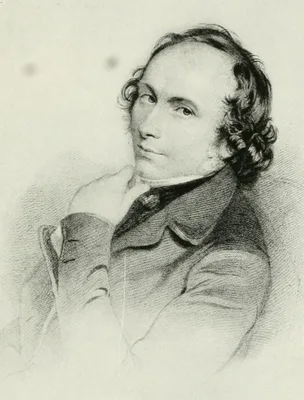
Stokes, most prominent of the Irish school of medicine, established his reputation by his book on diseases of the chest. Important among its contents are his discovery of a stage of pneumonia prior to that described b…
1837
#2380
Practical observations on the venereal disease, and on the use of mercury.
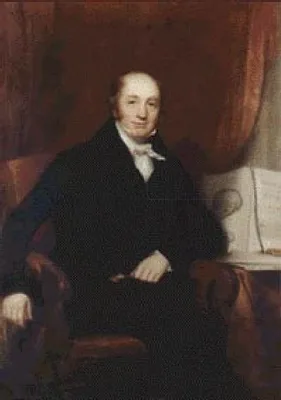
“Colles’s law” is stated on. p. 304. Colles introduced small doses of mercury in the treatment of syphilis. He was Professor of Surgery at Dublin.
1837
#5024
On the typhus fever which occurred at Philadelphia in the spring and summer of 1836; illustrated by clinical observations at the Philadelphia Hospital; showing the distinction between this form of disease and dothinenteritis, the typhoid fever with alteration of the follicles of the small intestine.
Gerhard, a pupil of Louis, correctly differentiated between typhus and typhoid. Part of his paper is reproduced in R. H. Major, Classic descriptions of disease, 3rd ed., 1945, p. 174.
1837
#8803
Notes on the medical topography of Calcutta.
Digital facsimile from the Internet Archive at this link.