
Facets
Browse across eight MeSH (opens in new tab) facets — era, geography, science, specialty, technology, history, culture, and reference. Select one tag per group; counts update across the others. What’s new in facet browse how facets relate to subjects and MeSH.
Clear filtersGeography
Specialties & Disease
- Alternative & Fringe Medicine 383
- Anatomy & Pathology 765
- Cardiology & Blood 914
- Dentistry 259
- Diabetes 80
- ENT & Hearing 293
- Epidemiology & Demography 397
- Gastroenterology & Hepatology 316
- General Clinical Medicine 487
- Immunology & Dermatology 1,008
- Infectious Disease (General) 147
- Internal, Emergency & Geriatric 123
- Microbiology & Virology 1,080
- Military Medicine 436
- Neurology & Psychiatry 1,258
- Obstetrics & Reproductive 551
- Oncology & Cancer 377
- Ophthalmology & Vision 412
- Pediatrics 247
- Physiology & Embryology 924
- Plagues & Epidemics 1,279
- Psychology 202
- Public Health 1,129
- Pulmonary & Respiratory 233
- Rheumatology, Rehab & Pain 189
- Surgery & Anesthesia 1,553
- Urology & Nephrology 309
- Veterinary Medicine 165
Social & Historical Studies
Institutions & Culture
Reference & Scholarly Works
1,258 entries match Neurology & Psychiatry [C10 / F04]
1851
#1360
Researches into the structure of the spinal cord.
Clarke made important researches on the spinal cord. He described the nucleus dorsalis. He introduced the method of mounting sections with Canada balsam.
1851
#1267
Recherches sur la système nerveux.
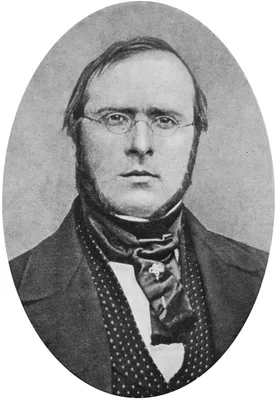
1851
#1267.1
Ueber den Zustand der Sensibilität nach theilweiser Trennung des Rückenmarkes.
Türck showed that degeneration in a nerve track corresponds to the direction in which it conducts nerve impulses – ascending tracks degenerate above the lesion and descending tracks below it.
1851
#4530
De la transmission croisée des impressions sensitives par la moëlle épinière.
“Brown-Séquard’s paralysis”. Lesion of one lateral half of the spinal cord causes paralysis of motion on one side and of sensation on the other. See also the writer’s later paper on pp. 70-73 of the same volume.
1852
#811
Ueber functionell verschiedene und räumlich getrennte Nervencentra im Froschherzen.
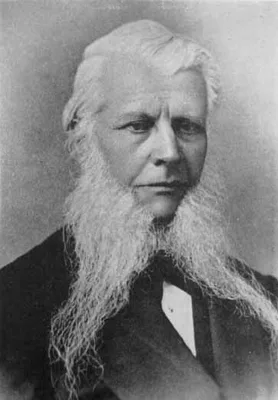
Discovery of the ganglion cells at the auriculo-ventricular junction, “Bidder’s ganglion”.
1852 –1853
#4734
Sur la paralysie musculaire, progressive, atrophique.
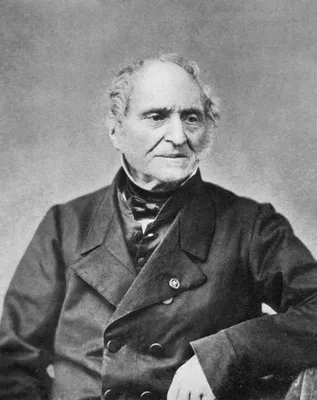
“Cruveilhier’s palsy”, the progressive muscular atrophy already described by Duchenne and Aran. The slimness of the anterior roots was first noticed by Cruveilhier and was thought to be the essential lesion until Luys…
1852
#4734.1
On granular and fatty degeneration of the voluntary muscles.
“Duchenne’s muscular dystrophy” (No. 4739) described.
1852
#1320
Influence du grand sympathique sur la sensibilité et sur la calorification.
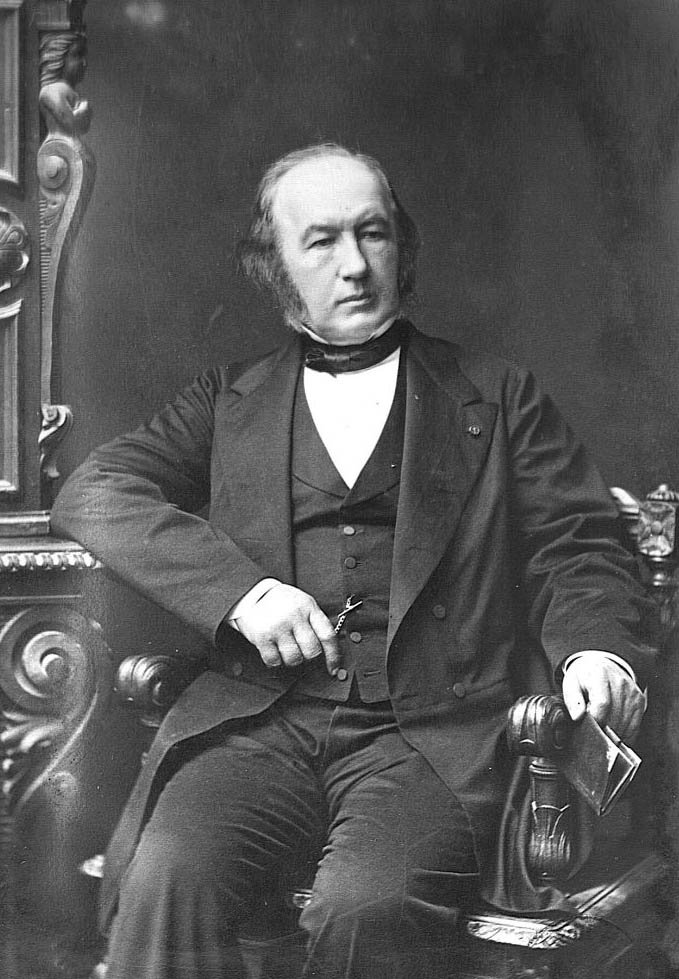
Bernard discovered the existence of vasomotor nerves.
1852
#1322
Experimental researches applied to physiology and pathology.
By applying a galvanic current to the superior part of the divided sympathetic nerve and causing vascular contraction and a fall in temperature, Brown-Séquard inferred that section of the sympathetic paralysed and dil…
1852
#1323
Experimenteller Beweis, dass der Nervus sympathicus aus dem Rückenmark entspringt.
1852
#4829
De la contracture des extrémités ou tétanie. Thèse pour le doctorat en médecine. No. 223
In his graduation thesis, Lucien Corvisart, nephew of the more famous Baron Corvisart (No. 2737), introduced the term “tétanie”. Digital facsimile from BnF Gallica at this link.
1852
#4931
Du délire des persécutions.
“Lasègue’s disease” – persecution mania.
1852
#12047
A curious dance round a curious tree.
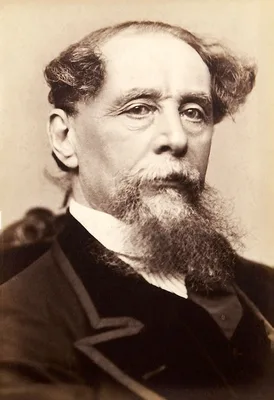
Dickens' account of his visit on the day after Christmas, 1851 to the wards at St. Luke's Hospital for Lunatics, founded in 1751 to provide free care to the impoverished and incurable mentally ill. "The inhabitants of…
1853
#4329
On the nature and treatment of the deformities of the human frame.
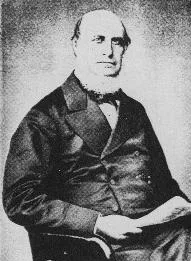
Little was the first eminent orthopedic surgeon in the British Isles. He studied under Stromeyer and, in 1838, he founded the Orthopaedic Institution, now the (Royal) National Orthopaedic Hospital, London. The above w…
1853
#1321
Expérience sur les fonctions de la portion céphalique du grand sympathique.
1853
#1398
Des granulations méningiennes. Thèse pour le doctorat en médecine.
Digital facsimile from wellcomecollection.org at this link. See also his paper in Ann. Sci. nat., 1853, 20, 321-33 (Zool.).
1853 –1854
#4932
Mémoire sur la folie circulaire.
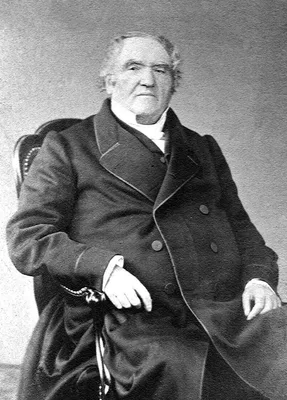
Circular (manic-depressive) insanity first described.
1853
#5870
Ein Fall von Hamorrhagie der Netzhaut beider Augen.
Türck was the first to note the correlation of retinal hemorrhage with tumors of the brain.
1854
#1324
Recherches expérimentales sur le grand sympathique et spécialement sur l’influence que la section de ce nerf exerce sur la chaleur animal.
1854
#1325
Note sur la découverte de quelques-uns des effets de la galvanisation du nerf grand sympathique au cou.
1854
#1326
Sur les résultats de la section et de la galvanisation du nerf grand sympathique au cou.
1854
#1268
Ueber eine im Gehirn und Rückenmark des Menschen aufgefundene Substanz mit der chemischen Reaction der Cellulose.
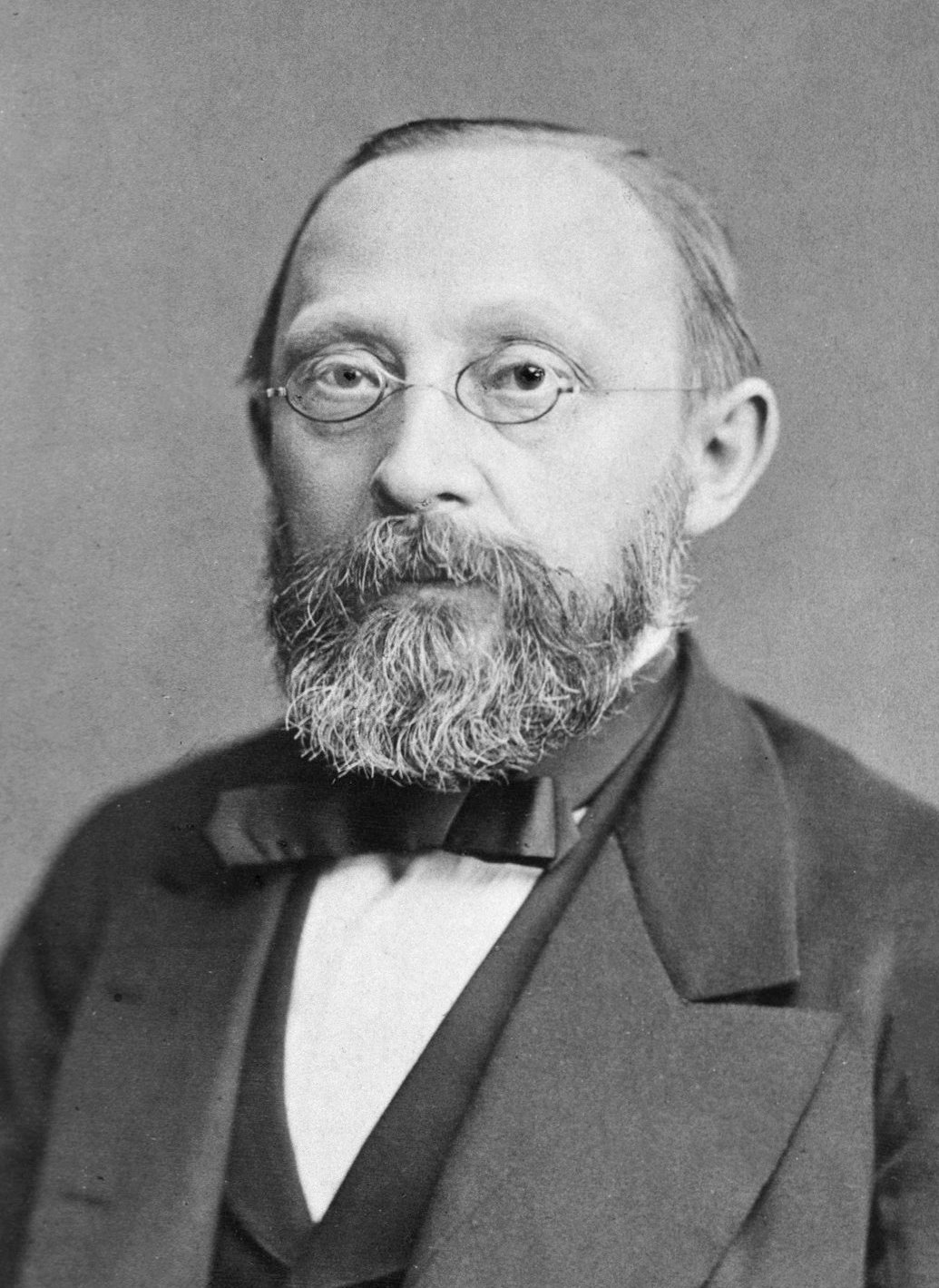
Discovery of the neuroglia.
1854
#9116
On the construction, organization and general arrangements of hospitals for the insane.
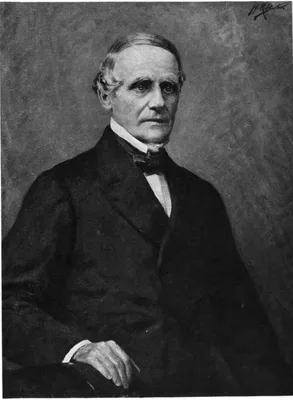
Digital facsimile from Google Books at this link.
1856
#4531
De l’hémiplégie alterne envisagée comme signe de lésion de la protrubérance annulaire et comme preuve de la décussation des nerfs faciaux.
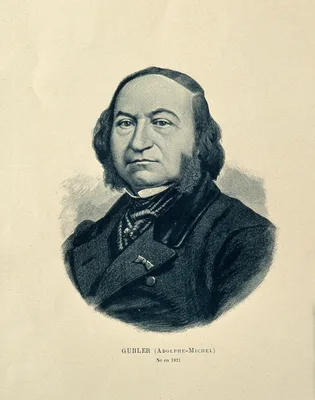
“Gubler’s paralysis” – crossed hemiplegia. English translation in Wolf, The classical brain stem syndromes, Springfield: Charles C Thomas, 1971.
1856
#4638
Ueber Gehirnabscesse.
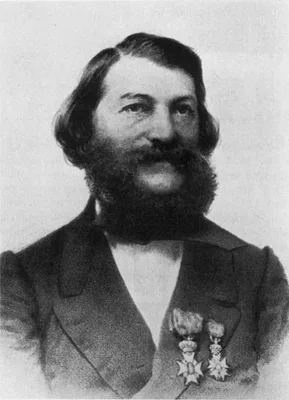
First systematic account of brain abscess.
1856
#4813
Recherches expérimentales sur la production d’une affection convulsive épileptiforme, à la suite de lésions de la moëlle épiniére.
Experimental epilepsy (section of sciatic nerve). See also Arch. Physiol. norm. path., 1869, 2, 211-20, 422-38, 496-503; 1870, 3, 153-60.
1856
#4933
The treatment of the insane without mechanical restraints.
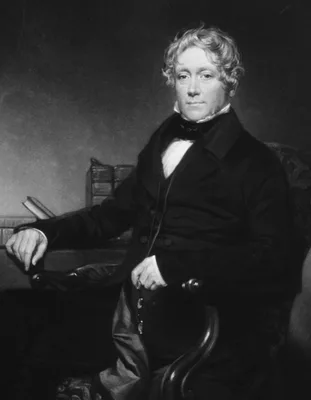
As early as 1839, Conolly treated the insane without any form of restraint at Hanwell Asylum, now St. Bernard’s Hospital. Facsimile reprint with introduction by R. Hunter and I. Macalpine, London, Dawsons, 1973. Digit…
1856
#4532
Cases of paraplegia [with autopsies of ataxic cases, showing lesions in the posterior columns of the spinal cord].
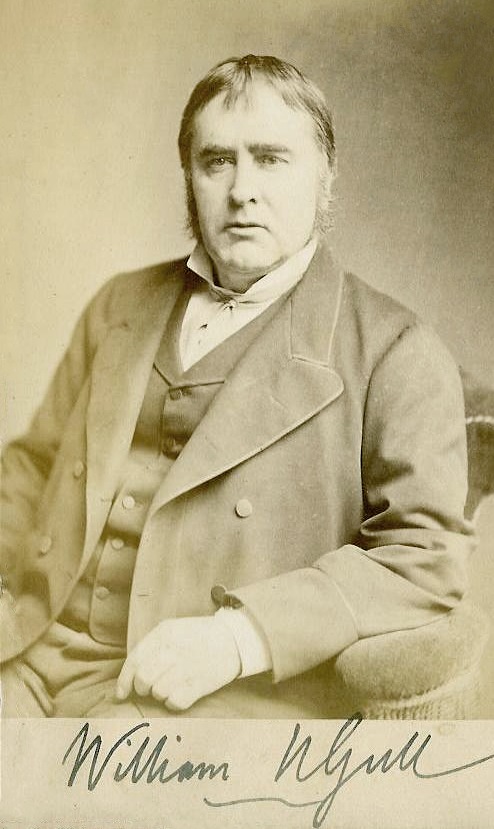
Gull showed the lesions of tabes dorsalis to be located in the posterior columns of the spinal cord.
1856
#22
Тα ∑ωζομενα. The extant works of Aretaeus, the Cappadocian. Edited and translated by Francis Adams.
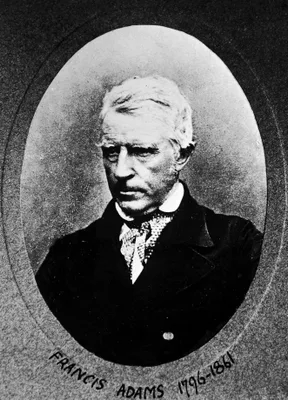
Aretaeus left many fine descriptions of disease; in fact Garrison ranks him second only to Hippocrates in this respect. In the printed editions of this bibliography, before the present online version, the Adams editio…
1856
#10458
Du suicide et de la folie suicide, considérés dans leur rapports avec la statistique, la médecine et la philosophie.
Pioneering monograph on this subject. Digital facsimile from the Internet Archive at this link.
1857
#1327
Essays on the secretory and the excito-secretory system of nerves.
Campbell saw in the sympathetic a nervous system related to secretion and nutrition and having intimate connexion with the sensory nerves. He coined the ter “excito-secretory” to designate his theory; although this te…
1857
#4813.1
[Contribution to discussion on paper by E.H. Sieveking.]
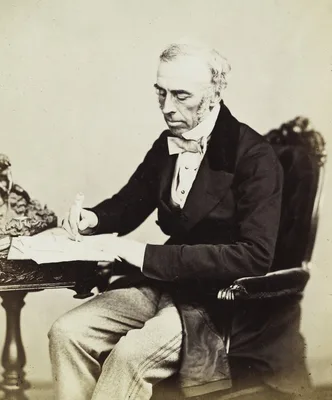
Locock, physician accoucheur to Queen Victoria, recommended bromide of potassium in the treatment of epilepsy.
1857
#4814
Cases of epilepsy, associated with amenorrhoea and vicarious menstruation, successfully treated with the iodide of potassium.
O’Connor was apparently the first to use potassium bromide for the treatment of epilepsy.
1857
#4933.1
Traité des dégénérescences physiques, intellectuelles et morales de l’espèce humaine. 1 vol. and atlas.
The main support for the theory of mental illness as regression which dominated psychiatric practice for several decades. Morel described and illustrated the nature, causes, and signs of human degeneration. He focused…
1857
#8891
Étude médico-légale sur les attentats aux moeurs.
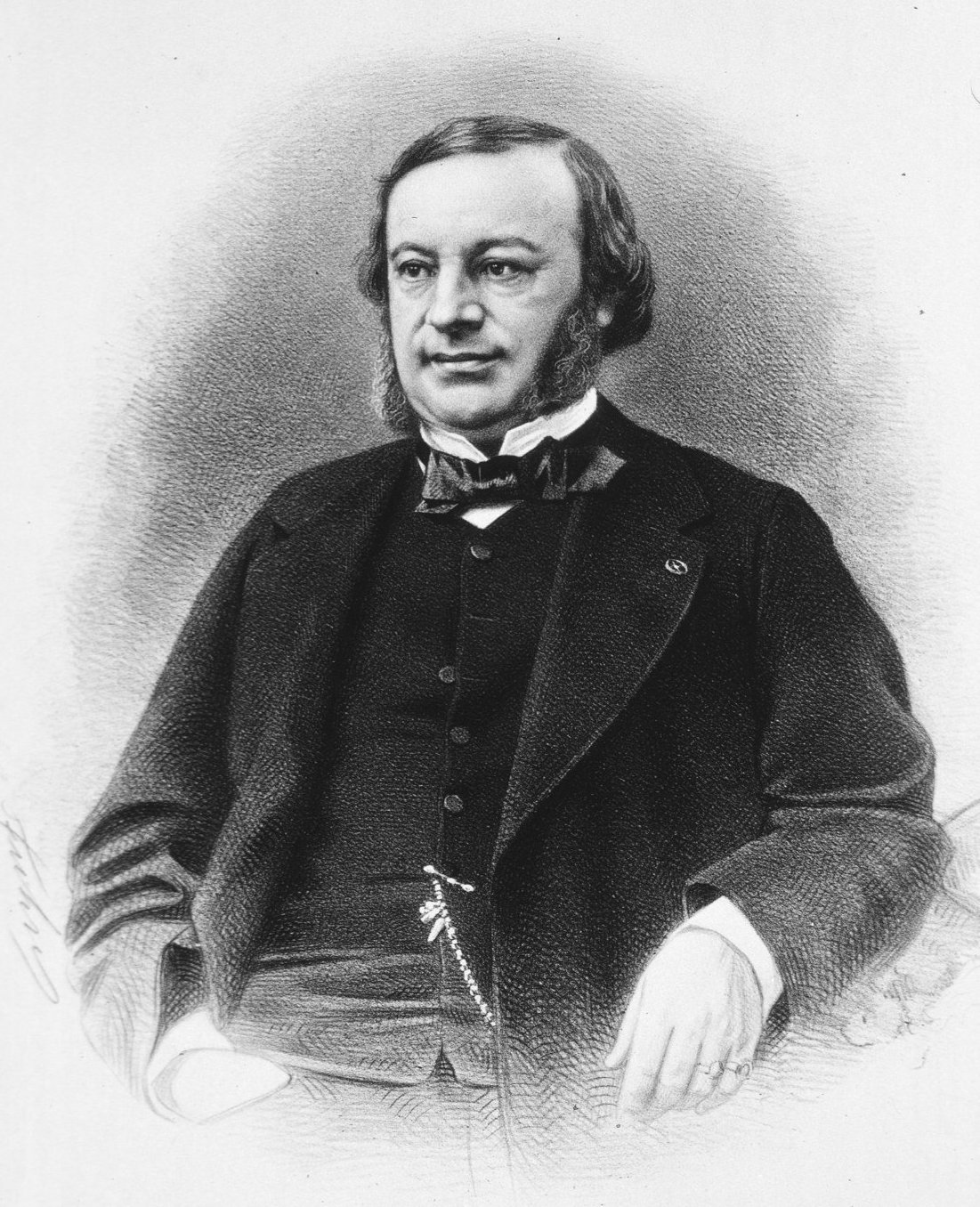
“Extrait des Annales d’hygiène publique et de médicine légale, 2e série, tome VIII." Tardieu divided his book on "sexual crimes" into three parts: the first deals with indecent exposures, the second with rape, and the…
1858
#4533
Note sur une paralysie peu connue de certains muscles de l’oeil, et sa liaison avec quelques points de l’anatomie et la physiologie de la protubérance annulaire.
“Foville’s syndrome”– crossed paralysis of the limbs on one side of the body and of the face on the other side, together with loss of ability to rotate the eyes to that side. English translation in Wolf, The classical…
1858 –1859
#4774
De l’ataxie locomotrice progressive.
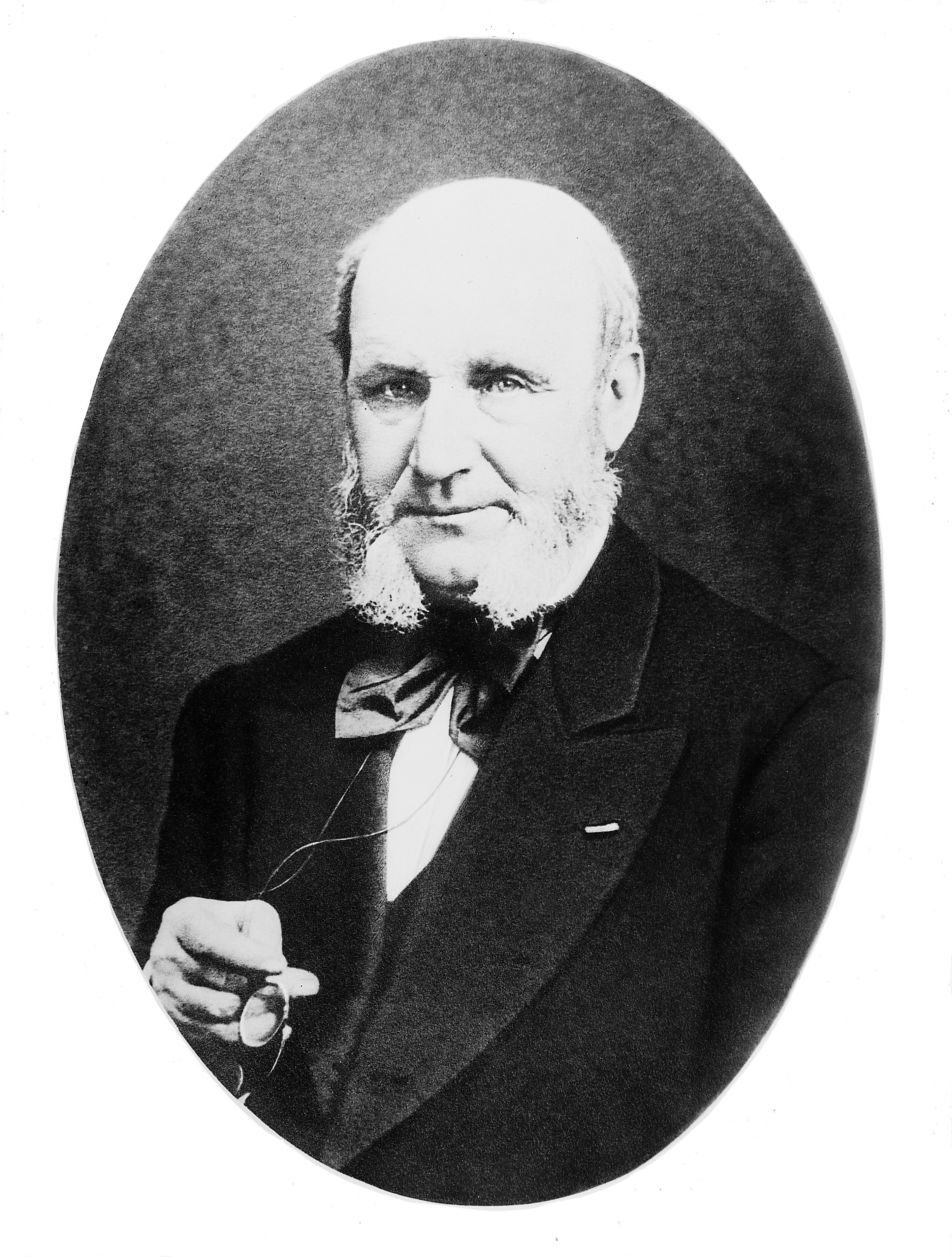
Although far from being the first to describe tabes dorsalis, Duchenne gave a classic account of the condition, earning the eponym “Duchenne’s disease”.
1858
#774
De l’influence de deux ordres de nerfs qui déterminent les variations de couleur du sang veineux dans les organes glondulaires.
Discovery of the vasoconstrictor and vasodilator nerves and description of their function of regulating the blood supply to the different parts of the body.
1858
#1399
Leçons sur la physiologie et la pathologie du système nerveux. 2 vols.
1858
#4854
Exsection of the trunk of the second branch of the fifth pair of nerves, beyond the ganglion of Meckel, for severe neuralgia of the face; with three cases.
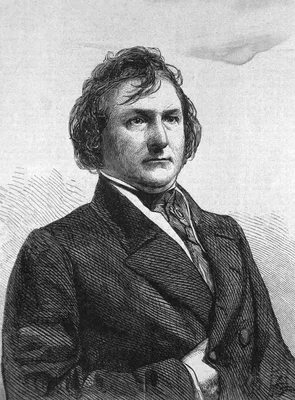
First excision of the superior maxillary nerve for the treatment of trigeminal neuralgia.
1858
#4934
A manual of psychological medicine.
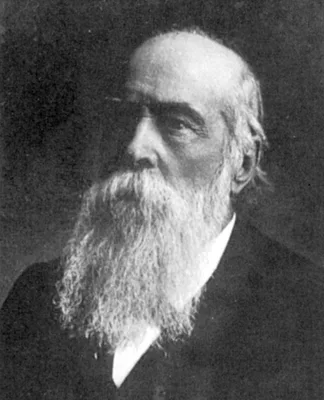
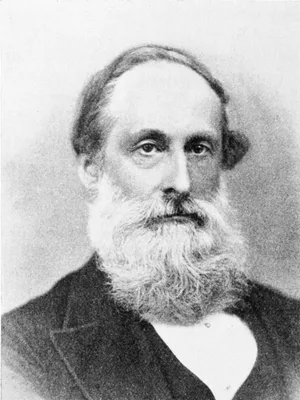
Bucknill and Tuke were both distinguished neurologists, and advocates of no restraint in the institutional treatment of mental patients. Their book was for many years the standard English work on psychological medicin…
1858
#11133
Traité de la folie des femmes enceintes, des nouvelles accouchées et des nourrices et considérations médico-légales qui se rattachent à ce sujet.
The first work on psychiatric illnesses of women during and after pregnancy. Marcé provided extensive clinical descriptions of syndromes, with 79 case examples, and summarized etiological theories and treatments chara…
1859
#621
Untersuchungen über die Physiologie des Electrotonus.
One of the most interesting works of its time on the physiology of nerve. In it Pflüger first stated the laws governing the make and break stimulation of nerve with the galvanic current. Pflüger was a pupil of Müller …
1859
#4815
Bau und Functionen der Medulla spinalis und oblongata, und nächste Ursache und rationelle Behandlung der Epilepsie.
The work of Schroeder van der Kolk brought histological examination to the forefront in connection with theories on the localization of function. His careful microscopical studies confirmed the medulla as being the ul…
1859
#4842
Traité clinique et thérapeutique de l’hystérie.
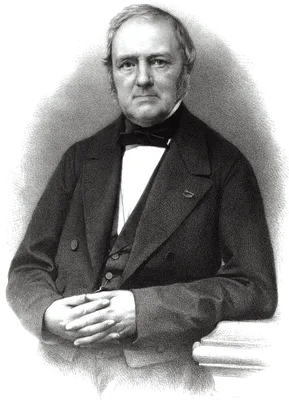
Includes, p. 297, first description of ataxia analgica hysterica (“Briquet’s ataxia”), and p. 475, hysterical paralysis of the diaphragm with dyspnoea and aphonia (“Briquet’s syndrome”).
1859
#4639
Note sur la paralysie ascendante aiguë
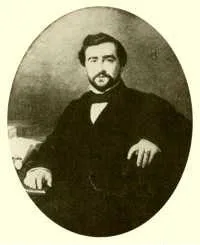
“Landry’s paralysis” – acute infective polyneuritis, more commonly known as Guillain-Barré syndrome. It is difficult to assess the claim of Landry as first to record this condition, since Adolf Kussmaul reported two c…
1859
#14214
Neue Untersuchungen über den Bau des Rückenmarks. 2 vols. (Text and atlas.)
Stilling carried out some of the 19th century’s most detailed and precise examinations of the spinal cord, which “laid the foundation for the modern anatomical study of the spinal cord, medulla oblongata, and pons” (C…
1860
#4535
De l’état nerveue aigu et chronique ou nervosisme.
First adequate description of neurasthenia.
1860
#4736
Paralysie musculaire progressive de la langue, du voile du palais et des lévres; affection non encore décrite comme espèce morbide distincte.
First description of chronic progressive bulbar paralysis (“Duchenne’s paralysis”).
1860
#4737
Atrophie musculaire progressive. Lésions histologiques de la substance grise de la moëlle épinière.
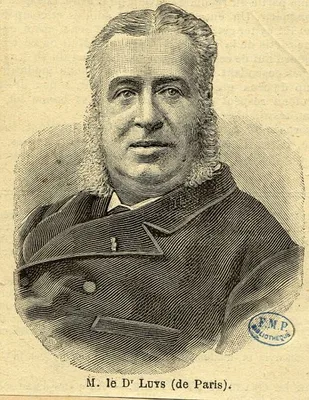
Luys was the first to note the degeneration of the anterior horn cells in progressive muscular atrophy.