
Facets
Browse across eight MeSH (opens in new tab) facets — era, geography, science, specialty, technology, history, culture, and reference. Select one tag per group; counts update across the others. What’s new in facet browse how facets relate to subjects and MeSH.
Clear filtersGeography
Specialties & Disease
- Alternative & Fringe Medicine 383
- Anatomy & Pathology 765
- Cardiology & Blood 914
- Dentistry 259
- Diabetes 80
- ENT & Hearing 293
- Epidemiology & Demography 397
- Gastroenterology & Hepatology 316
- General Clinical Medicine 487
- Immunology & Dermatology 1,008
- Infectious Disease (General) 147
- Internal, Emergency & Geriatric 123
- Microbiology & Virology 1,080
- Military Medicine 436
- Neurology & Psychiatry 1,258
- Obstetrics & Reproductive 551
- Oncology & Cancer 377
- Ophthalmology & Vision 412
- Pediatrics 247
- Physiology & Embryology 924
- Plagues & Epidemics 1,279
- Psychology 202
- Public Health 1,129
- Pulmonary & Respiratory 233
- Rheumatology, Rehab & Pain 189
- Surgery & Anesthesia 1,553
- Urology & Nephrology 309
- Veterinary Medicine 165
Social & Historical Studies
Institutions & Culture
Reference & Scholarly Works
1,279 entries match Plagues & Epidemics [C01.252]
1838
#2381
Traité pratique des maladies vénériennes.
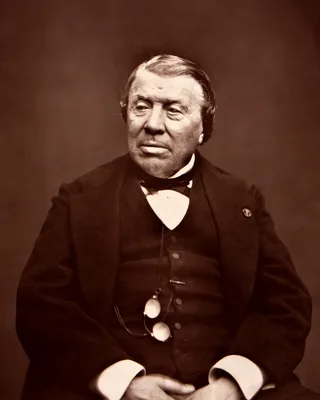
Includes the description of “Ricord’s chancre”, the initial lesion in syphilis. Ricord re-demonstrated the specific character of syphilis and divided it into the three stages, primary, secondary, and tertiary. Repeati…
1839
#2676
Abhandlung über Perkussion und Auskultation.
Skoda classified the various sounds obtained on percussion according to their musical pitch and tone. “Skoda’s resonance” is an important diagnostic sign in pneumonia and pericardial effusion. Following Skoda’s work, …
1839
#5471
On dengue; its history, pathology, and treatment.
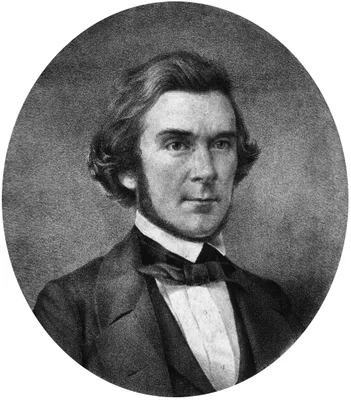
1839
#12011
Anatomical, pathological and therapeutic researches on the yellow fever of Gibraltar of 1828, by P. Ch. A. Louis. From observations taken by himself and M. Trousseau as memebers of the French Commission at Gibraltar. Translated from the manuscript by G. C. Shattuck.
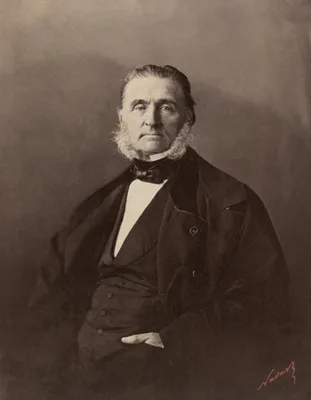
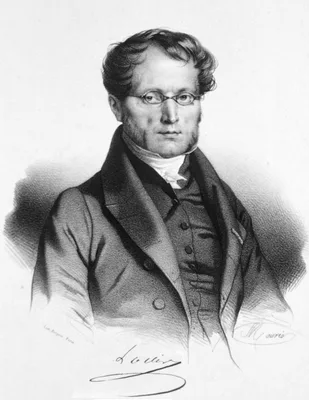
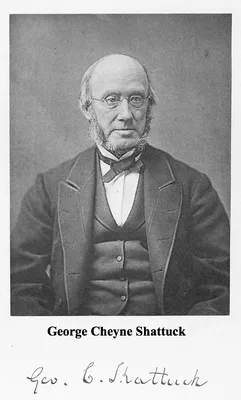
The Translator's Introduction begins as follows: "The work now presented to the public has heretofore existed in manuscript only. Circumstances have delayed its publication in France, and some years may yet elapse bef…
1839
#13896
An account of the yellow fever which appeared in the city of Galveston, Republic of Texas, in the autumn of 1839, with cases and dissections,
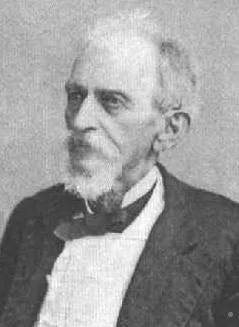
In 1839 Smith treated the victims of a yellow fever epidemic in Galveston while writing reports about the treatment of the disease in the Galveston News. As a result of this experience, he wrote the first treatise on …
1840
#5025
Some considerations on the nature and pathology of typhus and typhoid fever, applied to the solution of the question of the identity or non-identity of the two diseases.
Typhoid and typhus were often confused. Stewart made a careful analysis of a number of cases of both fevers and clearly demonstrated that there were in Britain two distinct fevers – typhoid and typhus.
1840
#5267
Observations on the disease lethargus: with cases and pathology.
Clarke left a detailed account of African trypanosomiasis; he saw cases of the disease while serving as a colonial surgeon at Sierra Leone, and named it “narcoleptic dropsy”.
1841
#5267.1
Ueber ein Entozoon im Blute von Salmo fario.
Valentin was the first to discover a trypanosome; this was in a salmon. English translation in Kean (No. 2268.1).
1842
#10064
The history, diagnosis, and treatment of typhoid and of typhus fever: With an essay on the diagnosis of bilious remittent and of yellow fever.
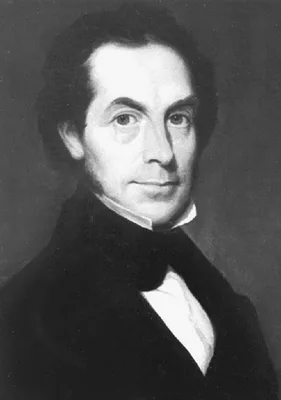
Bartlett's book contains the first complete description of typhoid fever in English. In 1908 Osler wrote, "The chief interest of the work today lies in the remarkably accurate picture which is given of typhoid fever--…
1843
#2294
Experimental and practical researches on the structure and function of blood corpuscles; on inflammation; and on the origin and nature of tubercles in the lungs.
Addison gave an important account of the process of inflammation. See L.J. Rather, Addison and the white corpuscles: An aspect of nineteenth-century biology. London, Wellcome Institute, 1972. See also No. 3059.
1843
#2420
Die ältesten Schriftseller über die Lustseuche in Deutschland, von 1495 bis 1510.
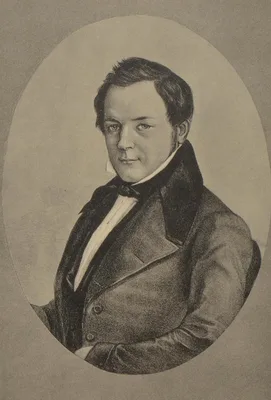
Gives texts of German tracts on syphilis published between 1495 and 1510.
1843
#5310
Natural history, pathology and treatment of the epidemic fever at present prevailing in Edinburgh and other towns.
The epidemic of relapsing fever in Edinburgh in 1843 was well described by Cormack. He was first editor of the Association Medical Journal which later became the British Medical Journal.
1843
#5311
Notice of a febrile disorder which has prevailed at Edinburgh during the summer of 1843.
Relapsing fever was given its name by Craigie, in his description of the Edinburgh epidemic.
1843
#5268
Recherches et observations sur une nouvelle espèce d’hématozoaire, Trypanosoma sanguinis.
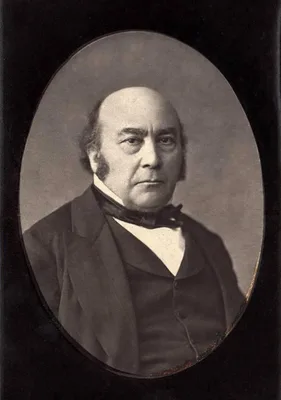
Gruby discovered trypanosomes in the frog. He first suggested the name “trypanosome” to describe the parasite.
1843
#10737
Medical history of the expedition to the Niger during the years 1841-42, comprising an account of the fever which led to its abrupt termination.
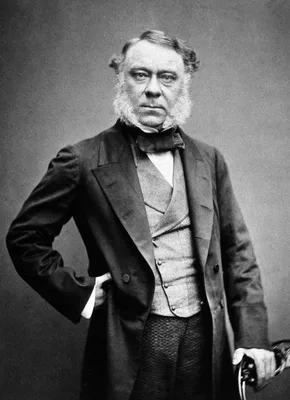
McWilliam included a history of yellow fever, pathology, description of symptoms, sequences, causes, treatment. He also described the state of medicine among the Africans. He specifically described the ventilation of …
1844
#63
Thomae Sydenham, M. D., Opera omnia. Edidit Gulielmus Alexander Greenhill.
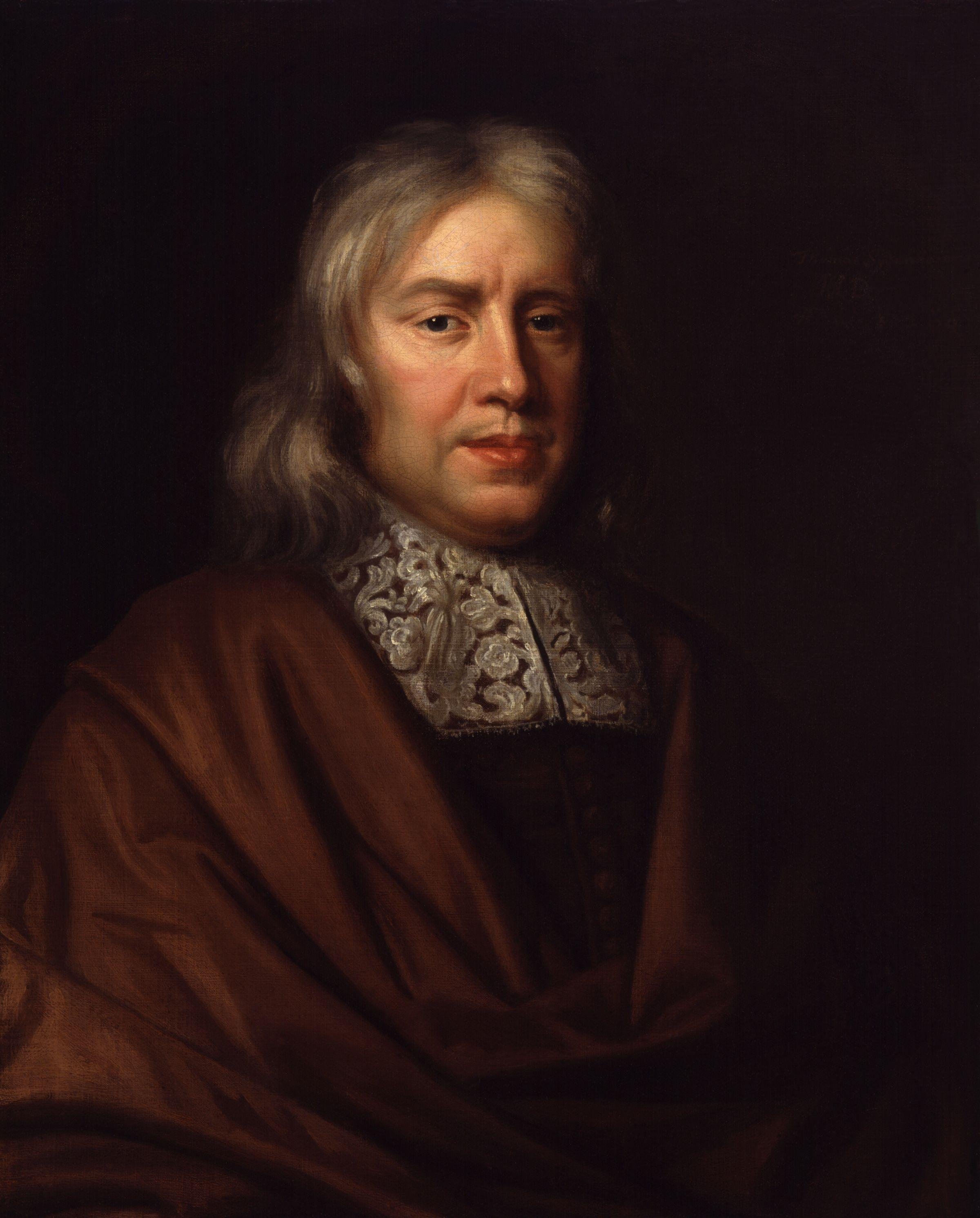
Sydenham has been called the “Father of English Medicine”. His reputation rests on his first-hand accounts of such conditions as the malarial fevers of his times, gout, scarlatina, measles, etc. A better edition of th…
1844
#5311.1
On some of the characters which distinguish the fever at present epidemic from typhus fever.
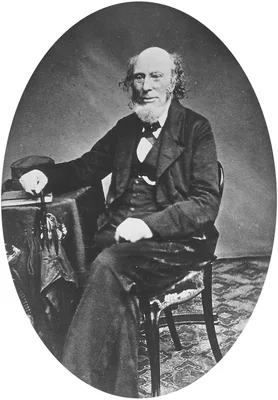
Henderson, professor of pathology at Edinburgh, gave a good account of relapsing fever seen during the epidemic in 1843. He was one of the first to differentiate it from typhus.
1844
#8810
Pathologia Indica, or, The anatomy of Indian diseases, medical and surgical: Based upon morbid specimens from all parts of India in the museum of the Calcutta Medical College; illustrated by detailed cases, with the prescriptions and treatment employed, and comments, physiological, practical and historical.
Significantly expanded second edition, in two parts (Calcutta: Thacker & Co., 1848). Digital facsimile of the 1848 edition from the Internet Archive at this link.
1844
#10446
The theory and treatment of fevers. Revised and corrected by Ferdinando Stith.
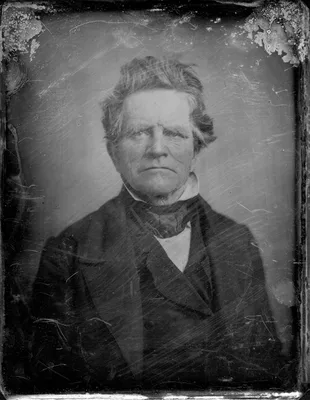
The first medical treatise published in Missouri and the first medical treatise published west of the Mississippi River. "John Sappington provided medical services, was a financial lender, and imported and exported go…
1845
#2421
Geschichte der Lustseuche. Erster Theil. Die Lustseuche im Alterthume.
French translation, 1847; English translation as The plague of lust, being a history of venereal disease in classical antiquity, and including: Detailed investigations into the cult of Venus, and phallic worship, brot…
1846
#4637
Primi cenni sulla corea elettrica.
First description of electric chorea, “Dubini’s chorea”, the myoclonic form of epidemic encephalitis.
1846
#2323
Ueber die Ansteckung und Verbreitung der Scrophelkrankheit bei Menschen durch den Genuss der Kuhmilch.
Klencke showed the possibility of the transmission of tuberculosis to man by cow’s milk. In 1843 he succeeded in inoculating rabbits with tuberculosis.
1846 –1847
#5026
Practical remarks on the continued fevers of Great Britain, and on the generic distinctions between enteric fever and typhus.
Introduction of the term “enteric fever”, a term for typhoid. Ritchie carefully differentiated the symptoms of typhus and typhoid.
1846
#13739
Medical notes on China.
Wilson served as Inspector of Hospitals and Fleets from 1841 to 1843 onboard the Minden, a British hospital ship deployed in China at Chusan and Hong Kong at the end of 1841 to treat casualties in the First Opium War …
1847
#2265
Die Krankheiten des Orient’s: vom Standpunkte der vergleichenden Nosologie betrachtet.
Digital facsimile from the Medical Heritage Library, Internet Archive, at this link.
1847
#2434
Om spedalskhed. Udgivet efter Foranstaltning af den Kongelige Norske Regjerings Department for det Indre. 1 vol. and atlas.
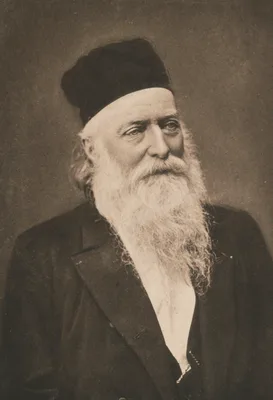
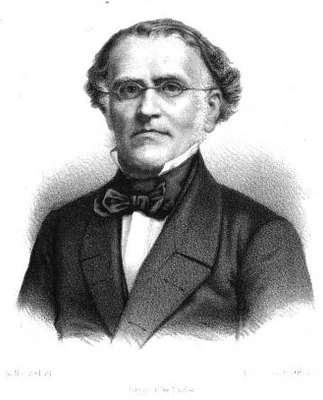
First modern description of leprosy (“Danielssen-Boeck disease’’). Danielssen, physician to the leprosy hospital at Bergen, was the founder of scientific leprology. The extremely rare Atlas consists of 24 plates and t…
1847
#5524
Scriptores de sudore anglico superstites. Colliget C. G. Gruner. Post mortem auctoris adomavit et edidit H. Haeser.
A collection of all the important earlier writings on sweating sickness.
1847
#5443
Iagttagelser, anstillede under Maeslinge-Epidemien paa Faerøerne i Aaret 1846.
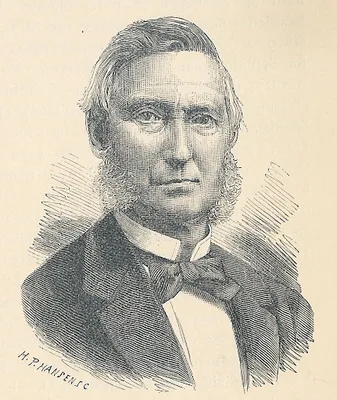
When only 26 years of age, Panum was sent by the Danish Government to investigate the epidemic of measles then raging in the Faroe Islands. His report on the subject was a valuable contribution to medical literature. …
1848
#5441
A treatise on the smallpox and measles. Translated from the Arabic by William Alexander Greenhill.
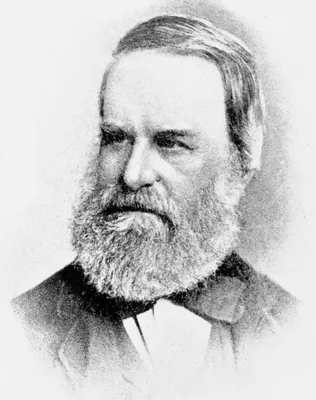
Rhazes differentiated measles from smallpox. Reprinted in Med. Classics, 1939, 4, 22-84. For original publication see No. 5404. The first English translation appeared in No. 5417. Digital facsimile from the Internet A…
1848
#5454
Yellow fever contrasted with bilious fever – reasons for believing it a disease sui generis – its mode of propagation – remote cause – probable insect or animalcular origin.
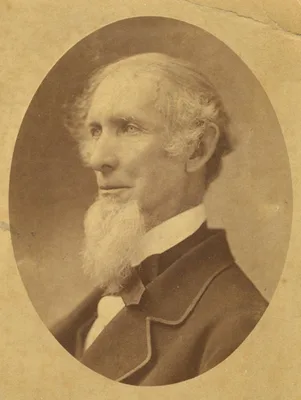
Nott advanced the theory that yellow fever was caused by minute animalcula. Reproduced in part in R. H. Major, Classic descriptions of disease, 3rd ed., 1945, p. 122.
1848
#12083
Mittheilungen über die in Oberschlesien herrschende Typhus-Epidemie.
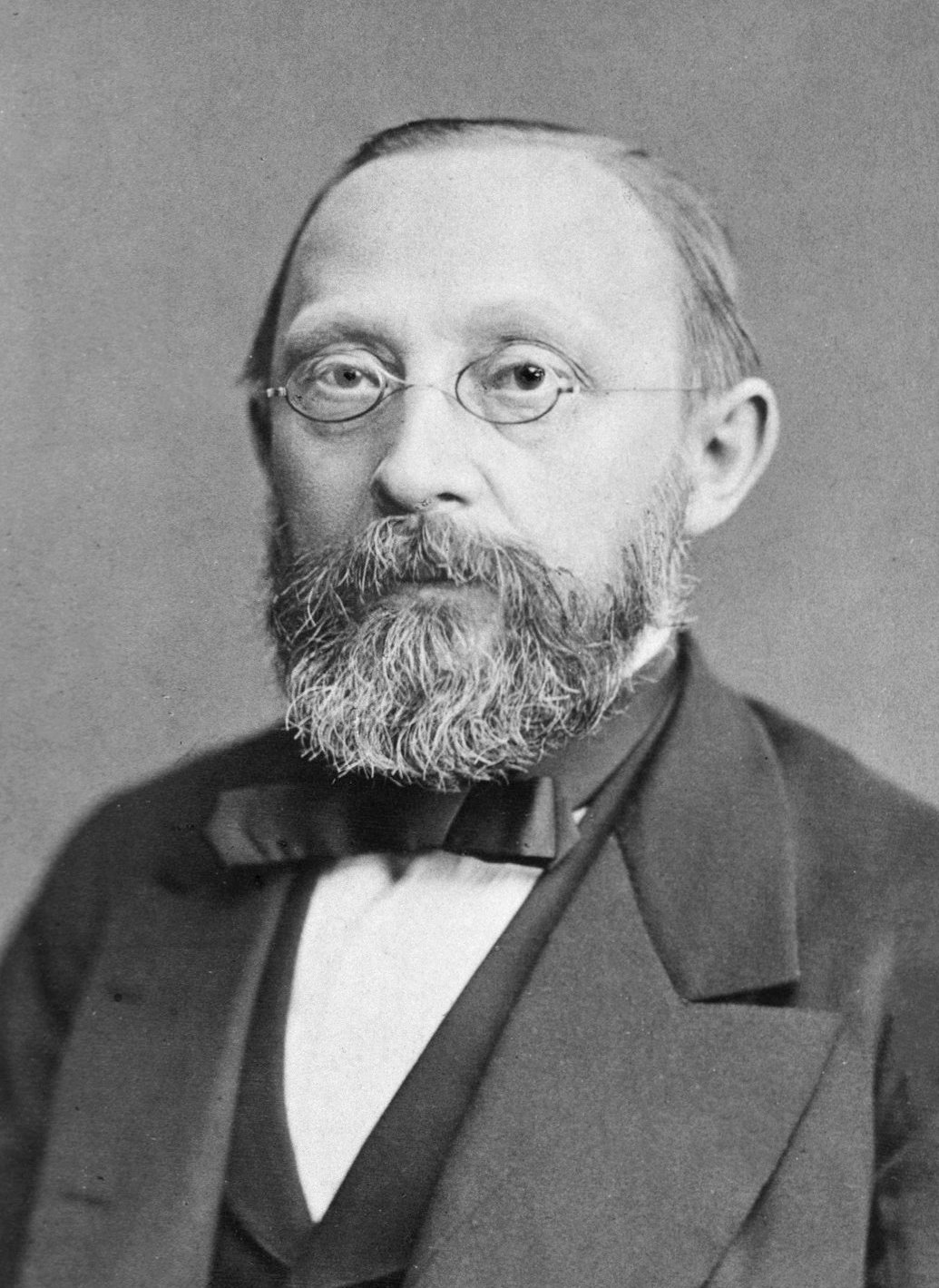
Virchow was one of the first to identify medicine as a social science. He developed a theory of epidemics that emphasized the social circumstances permitting spread of illness. This approach has been called sociologic…
1849
#5106
On the pathology and mode of communication of the cholera.
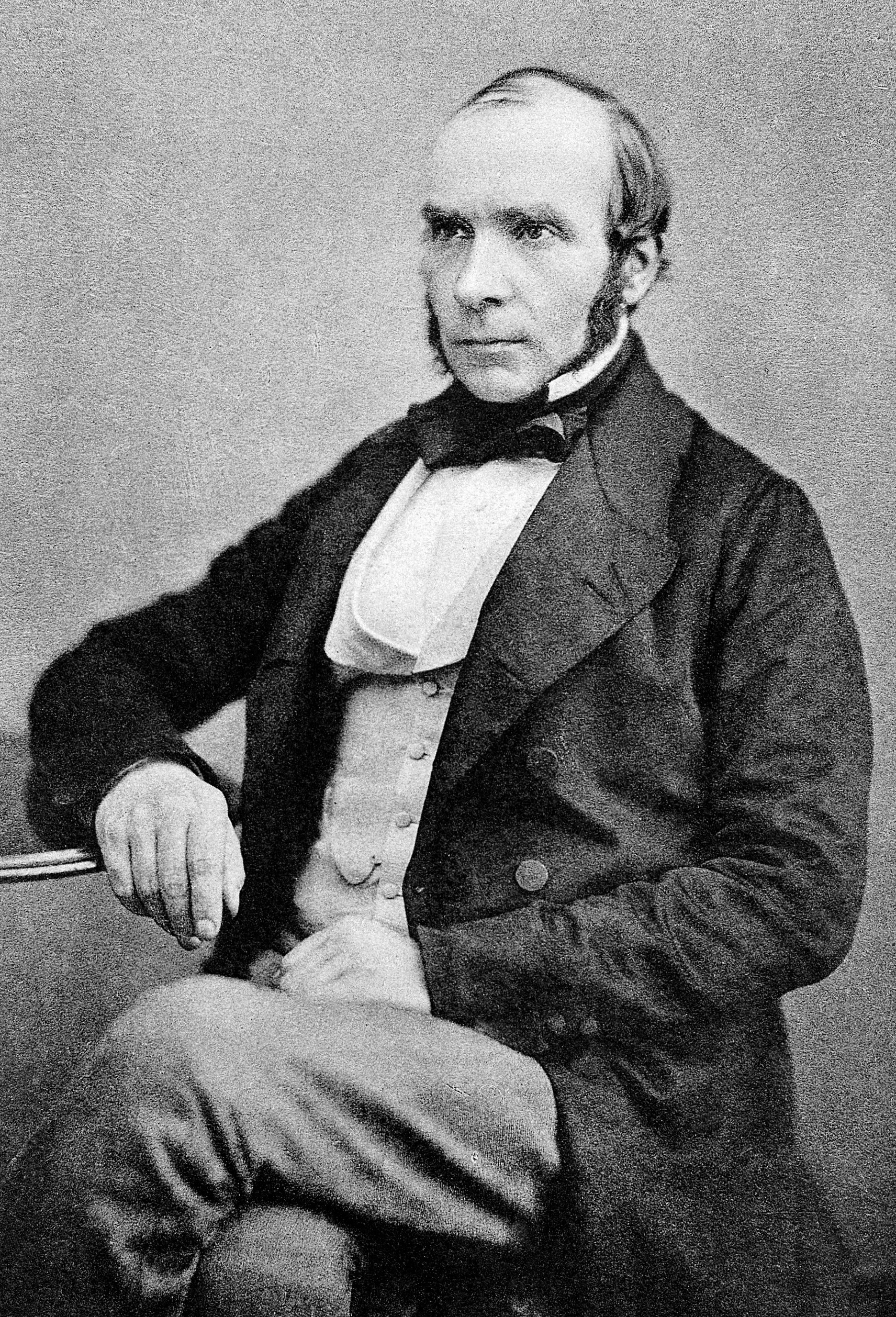
Snow first became interested in cholera at Newcastle-on-Tyne during the epidemic of 1831-1832, and recurrent outbreaks of the disease gave him the opportunity to investigate it in detail. His paper on cholera, publish…
1849
#5027
On typhoid and typhus fevers, – an attempt to determine the question of their identity or non-identity, by an analysis of the symptoms, and of the appearances found after death in 66 fatal cases observed at the London Fever Hospital from Jan. 1847–Feb. 1849.
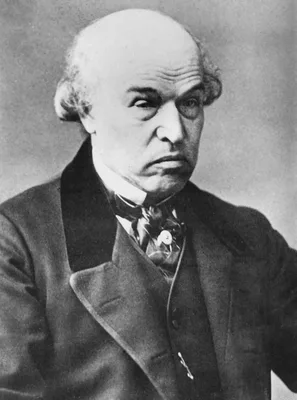
Despite Stewart’s work, there was still controversy as to the identity of typhoid and typhus. Jenner’s paper demonstrated that the etiology of the two was quite different, that one did not communicate or protect again…
1849
#5216
Mémoire sur l’esthioméne, ou dartre rongeante de la région vulvo-anale.
Huguier gave the name esthiomène to the characteristic induration and discoloration of the affected parts in lymphogranuloma venereum.
1849
#5234
On the cryptogamous origin of malarious and epidemic fevers.
Although Hensinger in 1844 had suggested a parasite as the cause of malaria, Mitchell was the first to approach this theory in a scientific spirit. He was Professor of Medicine at Jefferson College, and the father of …
1849
#7689
The history of the cholera in Exeter in 1832.
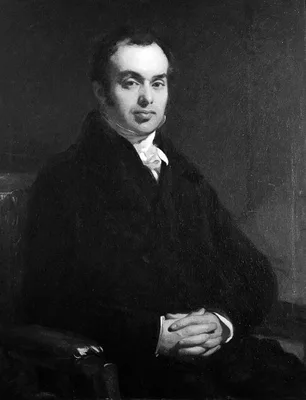
Includes “Map of Exeter in 1832 Shewing the Localities Where the Deaths Caused by Pestilential Cholera Occurred in the Years 1832, 1833 & 1834.” This map used red horizontal bars to illustrate outbreaks in 1832, red d…
1849
#9981
On the mode of communication of cholera.
Publication of Snow's 31-page pamphlet on cholera preceded his paper in the London Medical Gazette by about one month.
1849
#11948
Ship fever. An inaugural thesis, submitted for the degree of M.D., at Geneva Medical College, Jan. 1849.
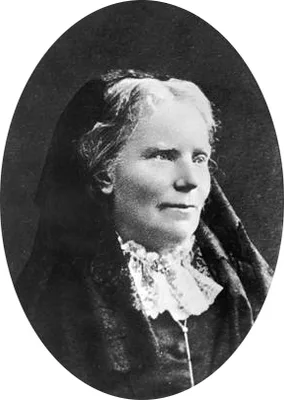
Elizabeth Blackwell was the first woman to graduate M.D. in the United States. This paper on typhus was her first publication, and is thus the first publication in America by a woman physician educated in the United S…
1850 –1854
#1777
A systematic treatise, historical, etiological, and practical, on the principal diseases of the interior valley of North America as they appear in the Causcasian, African, Indian, and Esquimaux varieties of Its population. 2 vols.
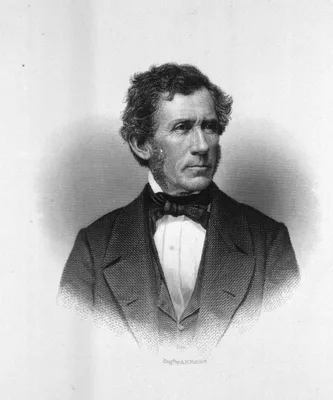
This classical contribution to the social / medical history of North America includes the most important work on the natural history of malaria published up to that time. Digital facsimile of vol. 1 from the Internet …
1850
#5163
Inoculation du sang de rate.
Rayer inoculated sheep with blood of other sheep dead of anthrax. Microscopically he saw the anthrax bacillus in the blood of the inoculated sheep. Rayer was associated with Davaine, who later, in Bull. Acad. Méd., 18…
1851
#4169
Cystitis; lateral operation on the bladder, death; tuberculous kidney.
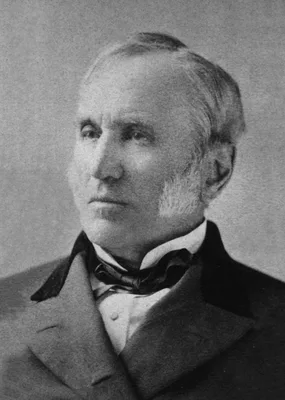
First cystotomy for inflammation and rupture of the bladder.
1851
#14130
Traité complet des maladies vénériennes. Clinique iconographique de l'Hôpital des vénériens. Recueil d'observations, suivies de considérations pratiques sur les maladies qui ont été traitées dans cet hôpital.
Ricord's extensive work with veneral diseases at the Hopital du Midi includes 66 hand-colored ithographs illustrating a multitude of conditions at various levels of infection in both sexes. The illustrations were draw…
1852
#5489
Annals of influenza or epidemic catarrhal fever in Great Britain from 1510-1837.
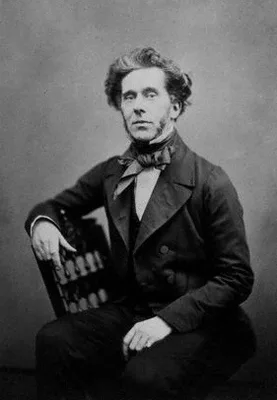
1852
#5203
Traité des affections de la peau symptomatiques de la syphilis.
Bassereau defined chancroid clearly for the first time.
1854
#2435
Notes on native remedies. No. 1. The chaulmoogra.
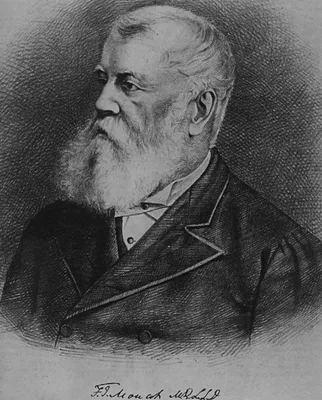
Chaulmoogra oil was first introduced into Western medicine by Mouat, having been used for many centuries previously by the Chinese
1854
#2383
Traité de la syphilis des nouveau-nés et des enfants à la mamelle.
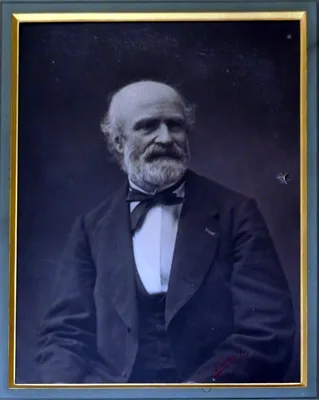
An important work on congenital syphilis. English translation, 1859.
1854
#5106.1
Osservazioni microscopiche e deduzioni patologiche sul cholera asiatico.
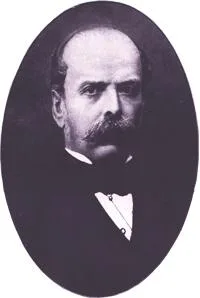
Pacini described vibrios seen in the intestinal contents of cholera victims. He incriminated these vibrios as the pathogen in the disease, anticipating Koch (No. 5108) by 30 years. See N. Howard-Jones. Perspect. Biol.…
1854
#5454.1
Fiebre amarilla.
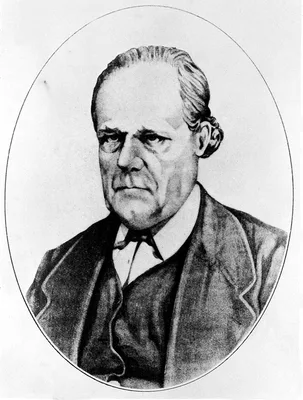
Beauperthuy was the first protagonist of the mosquito theory of the transmission of yellow fever. Reprinted in Beauperthuy’s La Obra, Caracas, 1963, pp. 260-70; French translation in Travaux scientifiques de Louis-Dan…
1855
#5107
Unterschungen und Beobachtungen über die Verbreitungsart der Cholera.
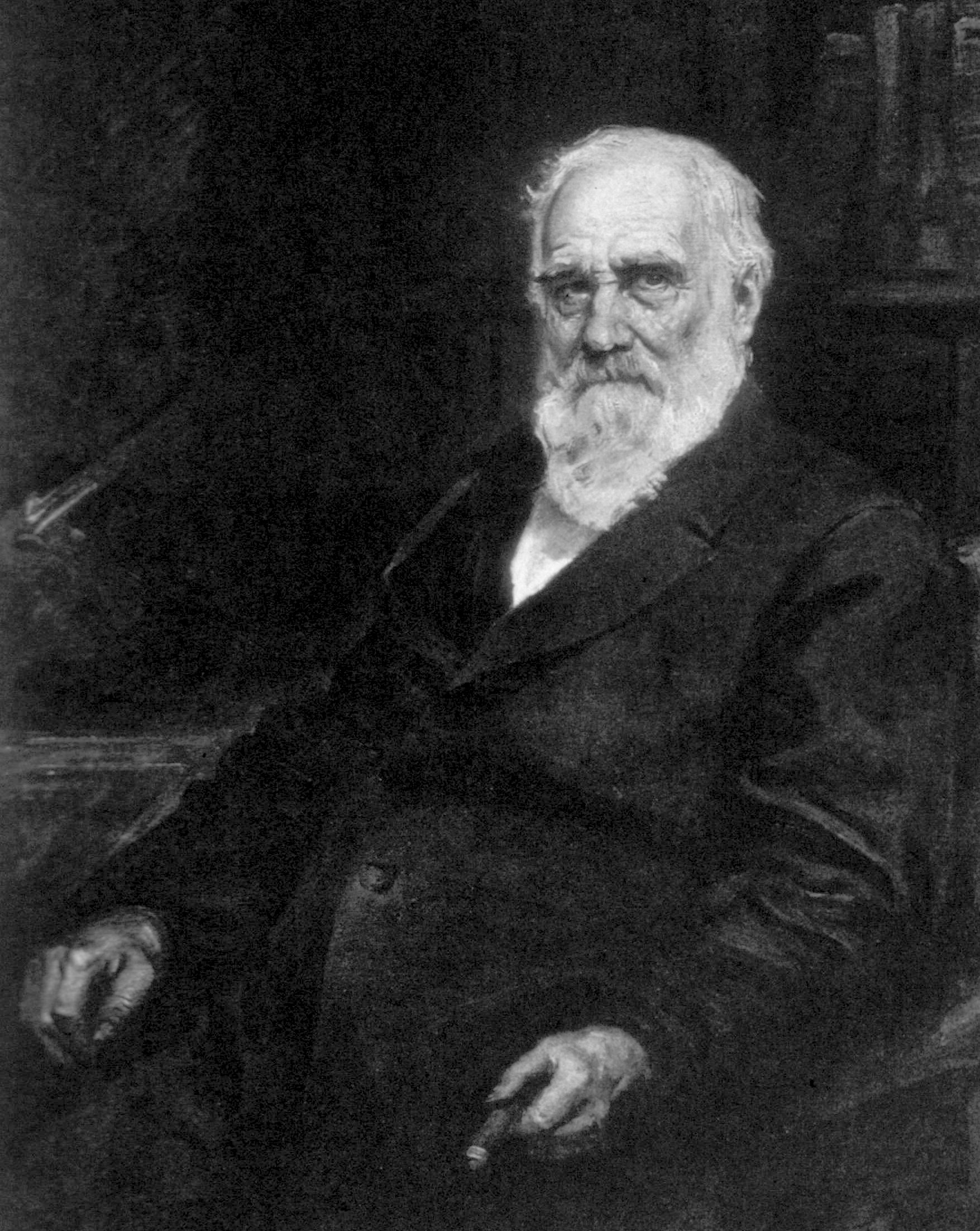
Pettenkofer gave much attention to the etiology of cholera. He postulated the theory that a specific germ, certain local conditions, certain seasonal conditions, and certain individual conditions are all necessary for…
1855
#5164
Mikroskopische und mikrochemische Untersuchung des Milzbrandblutes sowie über Wesen und Kurdes Milzbrandes.
Pollender discovered the B. anthracis in 1849, but did not record this fact until 1855. He gave a more exact account of the organism than did Rayer (No. 5163).