
Facets
Browse across eight MeSH (opens in new tab) facets — era, geography, science, specialty, technology, history, culture, and reference. Select one tag per group; counts update across the others. What’s new in facet browse how facets relate to subjects and MeSH.
Clear filtersGeography
Specialties & Disease
- Alternative & Fringe Medicine 100
- Anatomy & Pathology 9
- Cardiology & Blood 94
- Dentistry 7
- Diabetes 4
- ENT & Hearing 3
- Epidemiology & Demography 13
- Gastroenterology & Hepatology 10
- General Clinical Medicine 46
- Immunology & Dermatology 23
- Infectious Disease (General) 5
- Internal, Emergency & Geriatric 4
- Microbiology & Virology 82
- Military Medicine 16
- Neurology & Psychiatry 78
- Obstetrics & Reproductive 17
- Oncology & Cancer 33
- Ophthalmology & Vision 5
- Pediatrics 6
- Physiology & Embryology 41
- Plagues & Epidemics 92
- Psychology 9
- Public Health 101
- Pulmonary & Respiratory 9
- Rheumatology, Rehab & Pain 29
- Surgery & Anesthesia 52
- Urology & Nephrology 3
- Veterinary Medicine 8
Social & Historical Studies
Institutions & Culture
Reference & Scholarly Works
1,672 entries match Pharmacology & Therapeutics [D01 / E02]
1783
#8923
A system of vegetables, according to their classes, orders, genera, species with their characters and differences.... Translated from the thirteenth edition (As published by Dr. Murray) of the Systema vegetabilium of the late professor Linneus; and from the Supplementum plantarum of the present professor Linneus
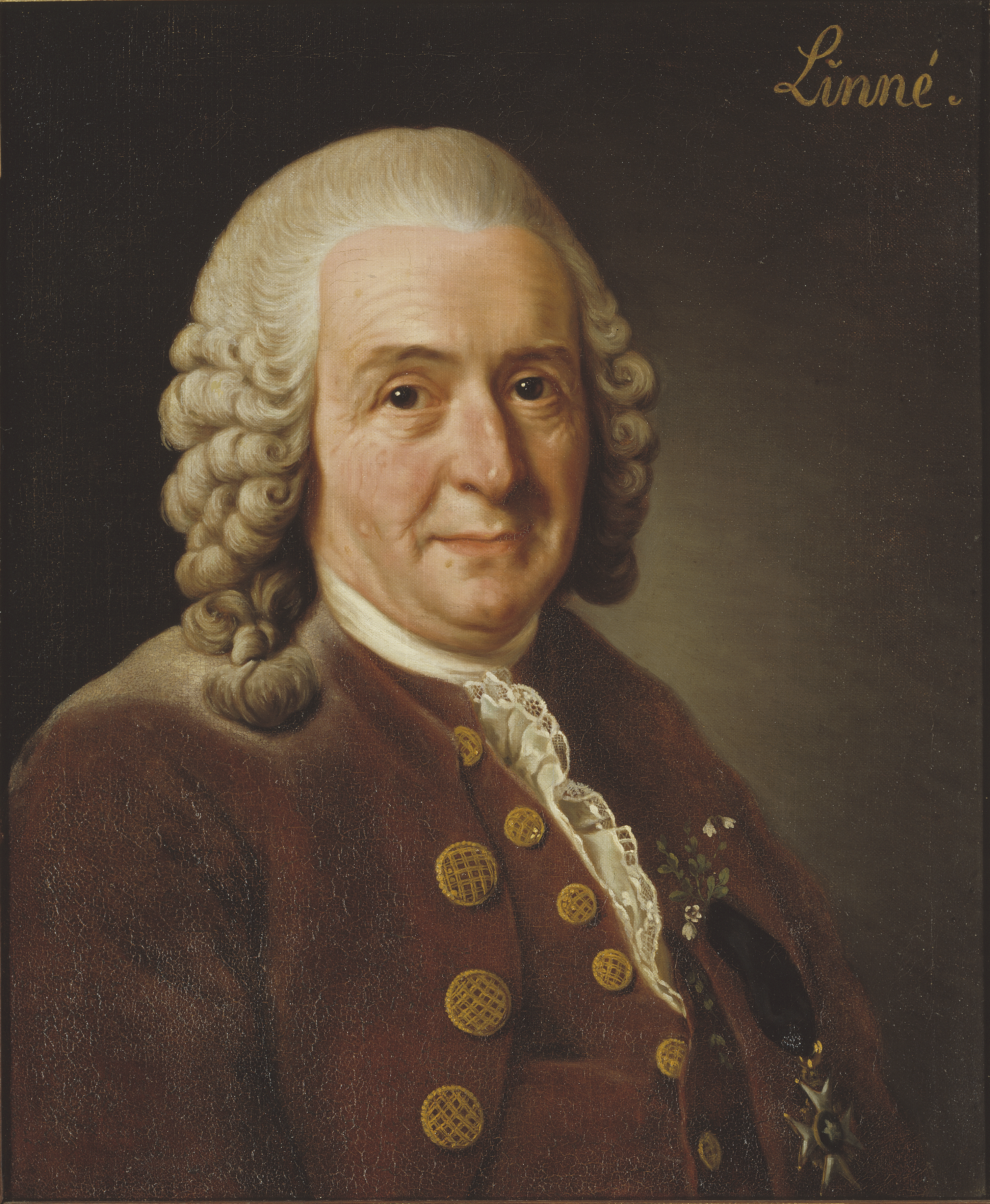
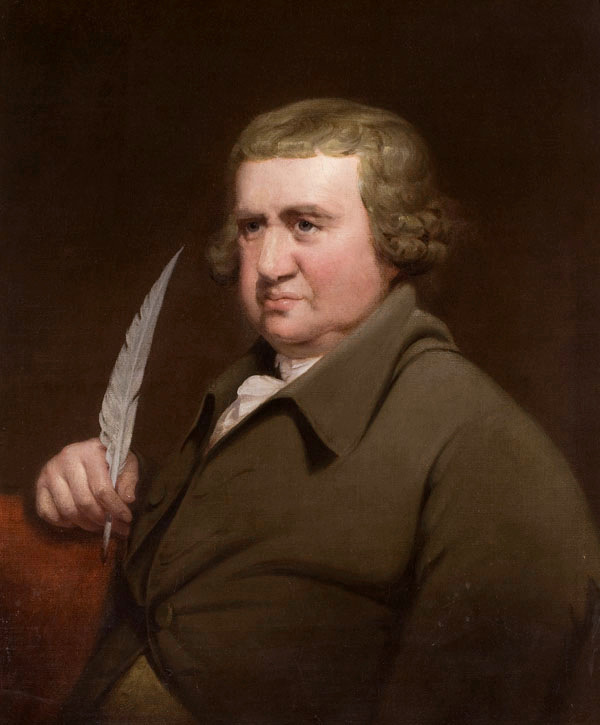
English translation of Linneus's Species plantarum (No. 99.1), edited by Charles Darwin's grandfather. Digital facsimile from the Biodiversity Heritage Library, Internet Archive, at this link.
1784
#14210
Die Deutsche [sic] Giftpflanzen, zur Verhütung der tragischen Vorfälle in den Haushaltungen, nach ihren botanischen Kennzeichen, nebst den Heilungsmitteln.
On poisonous plants in Germany, for prevention of tragic household accidents, and remedies for the poisons. Illustrated with 16 plates. Digital facsimile from Google Books at this link.
1785
#1836.1
Arbustrum Americanum: the American grove, or, an alphabetical catalogue of forest trees and shrubs…
Like his cousin, John Bartram (No. 1832), Marshall maintained a private botanical garden. According to W. Darlington the above work is “the first truly indigenous botanical essay published in the Western Hemisphere”. …
1785
#1836
An account of the foxglove, and some of its medical uses.
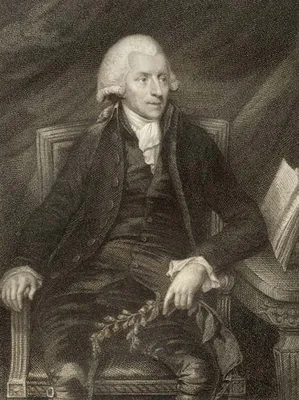
Before publication of Withering's book digitalis was a widely used folk remedy, occasionally mentioned in the literature. Withering established the correct dosages, and the action of digitalis in edema and on the hear…
1785
#7639
Toxicologia seu doctrina de venenis et antidotis.
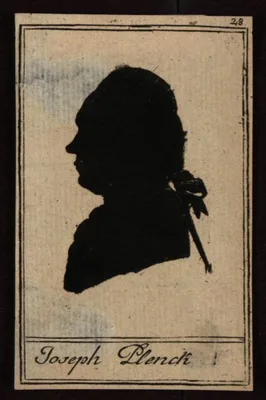
Plenck provided the first classification of poisons based on origin: 1. Animal poisons. 2. Vegetable poisons. 3. Mineral poisons. 4. Poisonous vapors, gases, and dust. Plenck also issued this work in German from the s…
1785
#14118
Catalogue raisonné des ouvrages qui ont été publiés sur les eaux minérales en général et sur celles de la France en particulier, avec un notice doutes des eaux minérales de ce royaume, et un tableau des différens degrés de température de celles qui son thermales.
The earliest bibliography of mineral springs. Digital facsimile from Google Books at this link. (Thanks to Webb Dordick for this reference.)
1787
#1837
Materia medica Americana, potissimum regni vegetabilis.
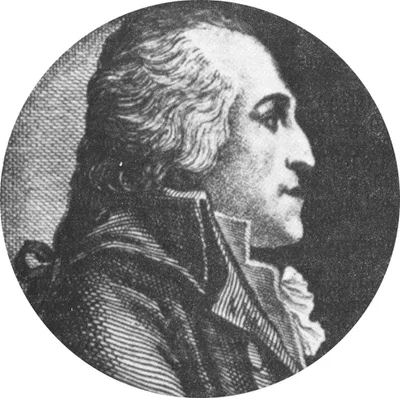
Schoepff came to America in 1777 as a surgeon with the Hessian troops employed by the British Forces. He returned to Germany in 1784 and compiled the first full American materia medica, describing about 400 plants, in…
1787
#10480
Gifthistorie des Thier- Pflanzen- und Mineralreichs, nebst den Gegengiften, und der medicinischen Anwendung der Gifte, nach den neuesten Toxicologen.
This work was not illustrated. Digital facsimile from Bayerische StaatsBibliothek at this link.
1788
#13366
Les eaux minérales et thermales de Saint-Dominique. Tome 1 (All Published).
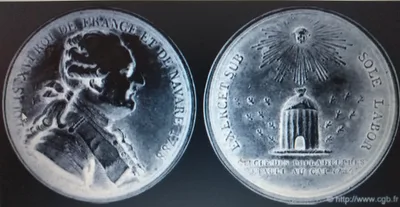
One of the earliest medical publications printed in Haiti. Duvivier, Bibliographie générale et méthodique d'Haiti, 2, p. 206.
1789
#1838
A treatise of the materia medica. 2 vols.
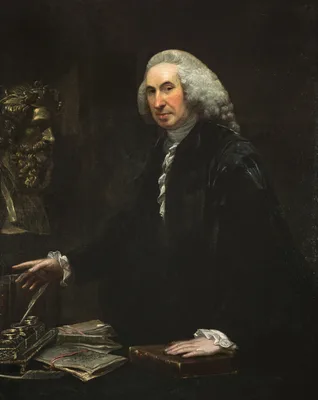
An expansion of Cullen’s “Lectures on materia medica”, 1773.
1789 –1791
#8921
The botanic garden: A poem in two parts. Part I. Containing the economy of vegetation. Part II. The loves of the plants. With philosophical notes. 2 vols.
The first edition of part 2, preceded part 1, being published in 1789. This poem was the chief source of Erasmus Darwin's literary fame during his lifetime. Like his other works, this poem contains a great deal of fre…
1789
#11957
Hortus kewensis; or, a catalogue of the plants cultivated in the Royal Botanic Garden at Kew
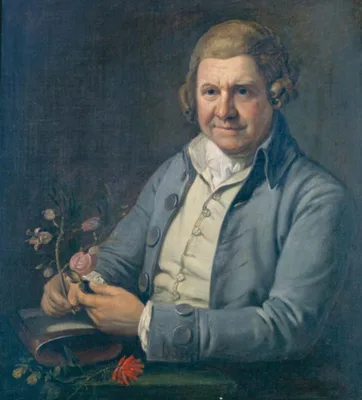
Digital facsimile from the Hathi Trust at this link.
1789
#11976
Genera plantarum: Secundum ordines naturales disposita, juxta methodum in horto regio parisiensi exaratam, anno M.DCC.LXXIV
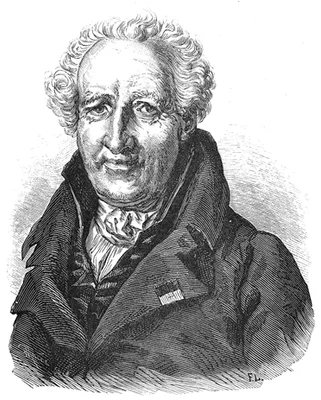
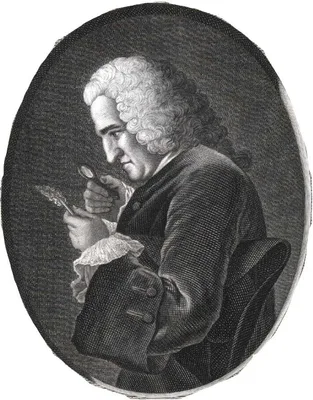
Jussieu was the first to publish a natural classification of flowering plants, basing his system on a extensive unpublished work by his deceased uncle, the botanist Bernard de Jussieu. "In his study of flowering plant…
1789
#13763
A narrative of four journeys into the country of the Hottentots, and Caffraria. In the years one thousand seven hundred and seventy-seven, eight, and nine.
Trained in horticulture at Syon House, London, Paterson was sent in 1777 to the Cape of Good Hope to collect plants for the estate of the Countess of Strathmore, undertaking four journeys into the South African interi…
1790 –1794
#1838.1
Medical botany, containing systematic and general descriptions, with plates, of all the medicinal plants, indigenous and exotic, comprehended in the catalogues of the materia medica, as published by the Royal Colleges of Physicians of London and Edinburgh: Accompanied with a circumstantial detail of their medicinal effects, and of the diseases in which they have been most successfully employed. 3 vols. & Supplement.
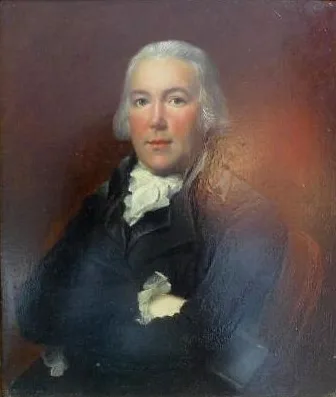
Issued in numbers from 1790-1795, this is the first edition in book form. This work, which underwent several later editions, remained the standard work on the plants of the British pharmacopoeia until the 1880s. Digit…
1790
#7366
Journal of a voyage to New South Wales with sixty five plates of non descript. animals, birds, lizards, serpents, curious cones of trees and other natural productions
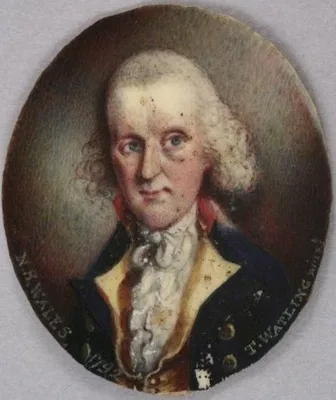
This work described many Australian species for the first time. It includes natural history illustrations after watercolor paintings by Sarah Stone. Digital facsimile from Biodiversity Heritage Library at this link
1790
#10002
Essays on fashionable diseases. The dangerous effects of hot and crouded rooms. The cloathing of invalids. Lady and gentlemen doctors. And on quacks and quackery. With the genuine patent prescriptions of Dr. James's fever power, Tickell's aetherial spirit, & Godbold's balsam, taken from the Rolls in Chancery, and under the seal of the proper officers; and also the ingredients and compostion of many of the most celebrated quack nostrums, as analized by several of the best chemists in Europe. By James M. Adair, Formerly M.D.... With a dedication to Philip Thicknesse ... To which is added a dramatic dialogue. Published for the benefit of the tin-miners in Cornwal
An attack on quack medicines, etc. with one of the most verbose title pages of the 18th century. Digital facsimile from the Internet Archive at this link.
1790
#13623
De l'usage du quinquina dans les fièvres rémittentes. Mémoire qui a remporté en 1785, au jugement de la Societé Royale de Médecine de Paris.
Digital facsimile from Biodiversity Heritage Library at this link.
1790 –1814
#13642
English botany; or, coloured figures of British plants, with their essential characters, synonyms, and places of growth. To which will be added, occasional remarks. 36 vols.
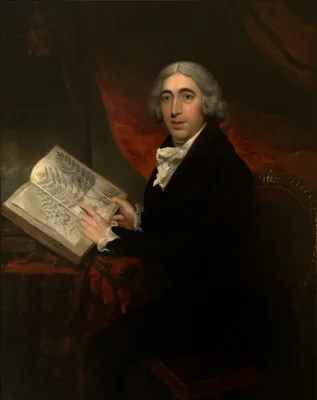
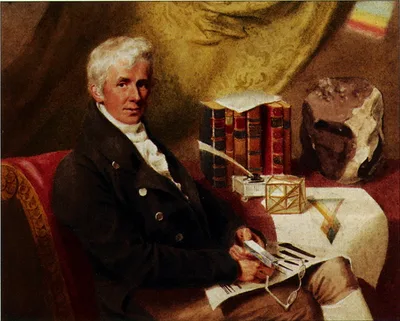
Issued in parts. Images by Sowerby; text by Sir James Edward Smith. Only Sowerby is credited on the title page. Includes 2,592 hand-colored plates of British plants. "Buyers of this work today must exercise extreme ca…
1790
#13699
Culpeper's English physician; and complete herbal. To which are now first added upwards of one hundred additional herbs, with a display of their medicinal and occult properties, physically applied to the cure of all disorders incident to mankind. To which are annexed rules for compounding medicine according to the true system of nature, forming a complete family dispensatory and natural system of physic. Beautified and enriched with engravings of upwards of four hundred and fifty different plants, and a set of anatomical figures....
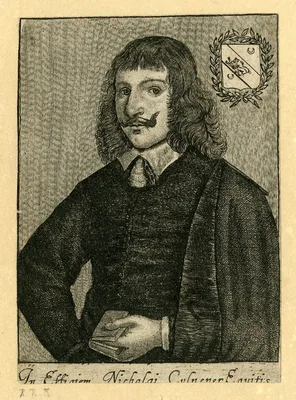
Digital facsimile from Biodiversity Heritage Library at this link.
1791
#12825
Icones selectæ plantarum, quas in Japonia collegit et delineavit; Engelbertus Kaempfer; ex archetypis in Museo Britannico asservatis. Edited by Sir Joseph Banks.
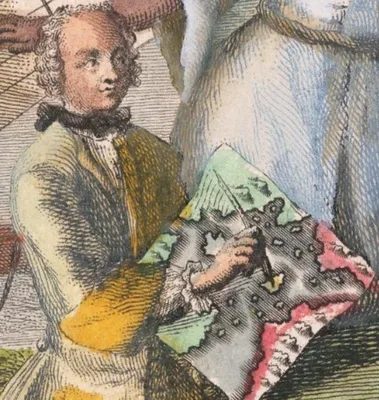
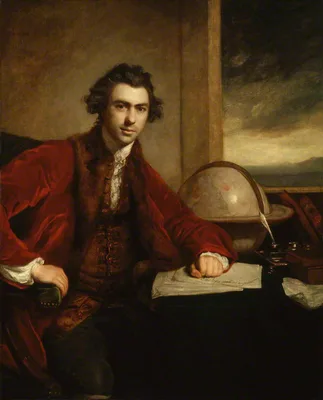
Sir Joseph Banks was responsible for publishing most of Kaempfer's studies of Japanese plants, which had remained unpublished for more than 70 years. This work introduced many Japanese plants to Western botanists. Dig…
1792 –1794
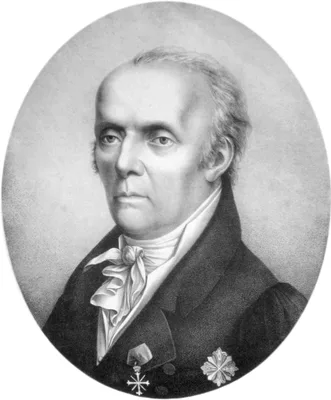
#1965
De curandis hominum morbis epitome. 6 vols.
1792
#13323
Quinología o Tratado del árbol de la quina ó cascarilla:con su descripción y la de otras especies de quinos nuevamente descubiertas en el Perú....
Ruiz, a Spanish pharmacist and botanist, was appointed director of the Expedición Botánica al Virreinato del Perú, during which he traveled extensively through Chile and Peru along with botanists José Pavón and Joseph…
1793
#104.1
Das entdeckte Geheimnis der Natur im Bau und in der Befruchtung der Blumen.
Sprengel demonstrated for the first time that the whole structure of nectar-bearing flowers is adapted for fertilization by insects. In his study of the Rose-bay Sprengel discovered dichogamy – that in some plants the…
1793
#10590
An inquiry into the nature and properties of opium: Wherein its component principles, mode of operation, and use or abuse in particular diseases, are experimentally investigated, and the opinions of former authors on these points impartially examined.
Crumpe undertook extensive experiments to understand the effects of opium. His book provided the first detailed description of the effects of narcotic withdrawal. Digital facsimile from the Hathi Trust at this link.
1793 –1795
#12951
A specimen of the botany of New Holland
The first published book on the flora of Australia, issued by Sowerby in four parts between 1793 and 1795. It included 16 hand-colored plates reproducing paintings by Sowerby, mostly based on sketches by John White, a…
1794
#19
Aesclapiadis Bithyni fragmenta. Digessit et curavit Christianus Gottlieb Gumpert. Praefatus est Christian. Gothfridus Gruner.
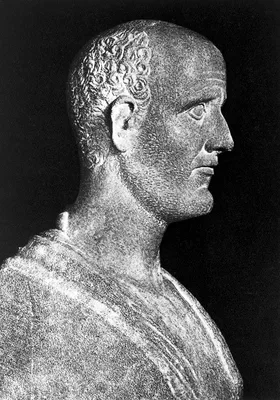
After the fall of Corinth (146 BCE), Greek physicians migrated to Rome. There, before the advent of Asclepiades, Greek physicians were despised and distrusted. Asclepiades may be said to have established Greek medicin…
1794
#8004
Demostracion de las eficaces virtudes nuevamente descubiertas en las raices de dos plantas de Nueva-España, especies de ágave y de begónia, para la curacion del vicio venéreo y escrofuloso ...
Balmis conducted experimental trials on the effectiveness of two Mexican plants, agave and begonia, which were believed, according to folk medicine practices in Mexico, to cure syphilis and scrofula. The trials confir…
1794
#9989
Hortus Americanus, containing an account of the trees, shrubs, and other vegetable productions of South-America and the West-India islands, and particularly of the island of Jamaica; interspersed with many curious and useful observations, respecting their uses in medicine, diet, and mechanics.
Digital facsimile from Biodiversity Heritage Library at this link.
1794
#11830
Theophanis Nonni Epitome de cvratione morborvm graece ac latine: Ope codicvm manvscriptorvm recensvit notasqve adiecit I. O. Steph. Bernard. 2 vols.
Reprints text and translation from Martius's 1568 edition with extensive annotations by Bernard, and divergent manuscript readings based on the study of several codices. For an analysis of this Byzantine medical handb…
1794
#12686
The life of Sir Charles Linnaeus, Knight of the Swedish Order of the Polar Star, &c. &c. To which is added a copious list of his works, and a biographical sketch of the life of his son, by D. H. Stoever. Translated from the original German by Joseph Trapp.
Digital facsimile from Google Books at this link.
1795
#2609.1
De morbis vasorum absorbentium corporis humani.
Soemmerring noted an association between pipe smoking and cancer of the lip (p. 109).
1795
#10016
The history of medicine, so far as it relates to the profession of the apothecary, ... the origin of druggists, their gradual encroachments on compound pharmacy, and the evils to which the public are from thence exposed.
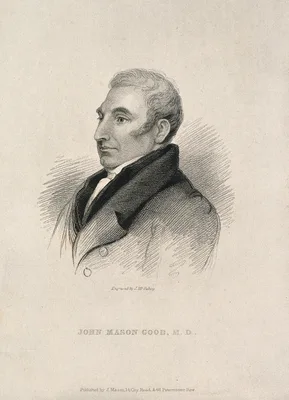
The first history of pharmacy in Britain. Good’s History was commissioned by the General Pharmaceutical Association, formed in 1794, of which the author was a prominent member. It was intended to protect the trade of …
1796
#310
An account of Indian serpents collected on the coast of Coromandel: containing descriptions and drawings of each species, together with experiments and remarks on their several poisons.
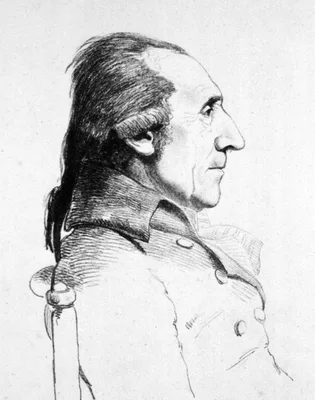
First attempt at a description of Indian serpents and serpent venoms. Includes the original description of Russell’s viper, Daboia russellii. Digital facsimile from the Linda Hall LIbrary at this link.
1796
#11958
Hortus cantabrigiensis, or a catalogue of plants, indigenous and foreign, cultivated in the Walkerian Botanic Garden, Cambridge.
The Walkerian Botanic Garden was the first botanical garden founded in Cambridge. It is the ancestor of the Cambridge University Botanic Garden. Digital facsimile from the Hathi Trust at this link.
1797
#1988
Medical reports, on the effects of water, cold and warm, as a remedy in fever and febrile diseases.
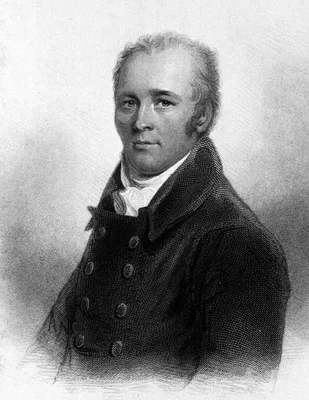
Currie was among the first in Britain to use cold water packs in the treatment of fever. He made some original observations on the clinical use of the thermometer. It was Currie who first edited Robert Burns’s Collect…
1798
#8654
The influence of metallic tractors on the human body, in removing various painful inflammatory diseases, such as rheumatism, pleurisy, some gouty affections, &c. &c: Lately discovered by Dr. Perkins, of North America; and demonstrated in a series of experiments and observations....by which the importance of the discovery is fully ascertained, and a new field of enquiry opened in the modern science of Galvanism, or animal electricity
In 1795 Dr. Elisha Perkins (1741-1799) of Connecticut introduced the use of “Metallic Tractors” for the treatment of a wide range of disorders, including pains in the head, face, teeth, breast, side, stomach, back, rh…
1798
#9082
An epitome of the natural history of the insects of China: Comprising figures and descriptions of upwards of one hundred new, singular, and beautiful species: together with some that are of importance in medicine, domestic economy, &c. The figures are accurately, drawn, engraved, and coloured, from speciemsn of the insects; the descriptions are arranged accordig to the system of Linnaeus, with references to the writings of Fabricius, and other systematic authors.
The first work in a Western language on the insects of China, including pharmaceutical aspects. For this work Donovan obtained specimens and information from George Macartney a British envoy to China. Includes 50 colo…
1798
#9309
Collections for an essay towards a materia medica of the United States. Read before the Philadelphia Medical Society, on the twenty-first of February, 1798.
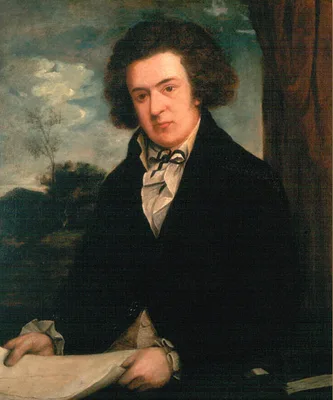
Digital facsimile of the 1798 edition from the U.S. National Library of Medicine at this link. Digital facsimile of the much-expanded third edition (1810) from Google Books at this link.
1798
#11796
An entire new treatise on leeches, wherein the nature, properties, and use of that most singular and valuable reptile, is most clearly set forth.
Digital facsimiel from WellcomeLibrary.org at this link.
1798 –1802
#13326
Flora Peruviana, et Chilensis, sive, descriptiones et icones plantarum Peruvianarum, et Chilensium, secundum systema Linnaeanum digestae, cum characteribus plurium generum evulgatorum reformatis. 3 vols.
The authors originally intended this work resulting from their researches conducted during the Expedición Botánica al Virreinato del Perú to be published in 8 vols., and by later design in 12. However, only the first …
1799
#9070
Ensaios sobre algumas enfermidades d'Angola....
Azeredo noted that the tropical fevers found in Brazil and Angola were very similar. He claimed to have achieved excellent results with his “new method” of treatment, which included the use of quinine, nux vomica, ars…
1799
#11592
An essay on the medical properties of the digitalis purpurea or foxglove.
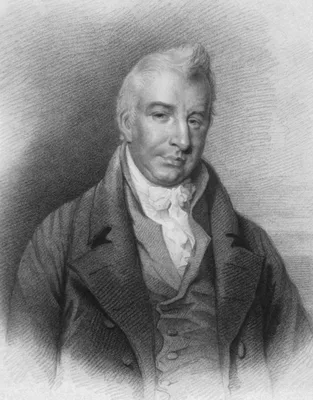
"John Ferriar...published the first monograph on digitalis after William Withering (1785). Ferriar was the first to suggest that digitalis was beneficial in dropsy (severe congestive heart failure), in part because it…
1800
#1768
Historiae Aegypti compendium, Arabice et Latine. Partim ipse vertit, partim a Pocockio versum edendum curavit, notisque illustravit J. White.
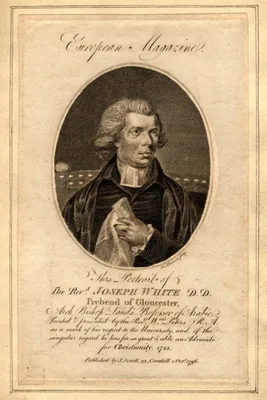
Arabic-Latin bilingual text, edited by White, incorporating a translation begun by Edward Pococke the Younger (1648-1727). Abd al-Latif gave a good description of the fauna and flora of Egypt, its inhabitants and some…
1800
#13392
Der botanische Garten der Universität zu Halle im Jahre 1799.
Digital facsimile from digitale-sammlungen.de at this link. Followed by Erster Nachtrag zu der Beschreibung des botanischen Gartens der Universität zu Halle (1801). Digital facsimile of the 1801 Nachtrag from bab-muen…
1801
#1838.2
The American herbal, or materia medica.
The first herbal both produced and printed in the United States, as opposed to those which were reprints of European works. Includes information on native American remedies. Digital facsimile from the Medical Heritage…
1801
#1988.1
Versuche des Galvanismus zur Heilung einiger Krankheiten.
Grapengiesser was the first physician to use Volta’s “pile”, the first battery, which Volta first described in print in 1800. Grapengiesser “noted that in paralyzed muscle excitability could be so poor that 150 elemen…
1801
#9897
The medical assistant, or Jamaica practice of physic: Designed chiefly for the use of families and plantations.
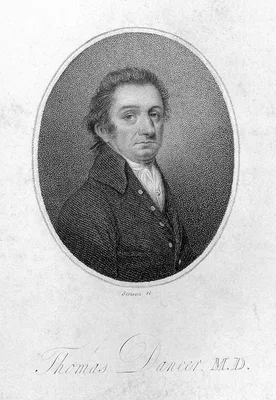
Digital facsimile from the U.S. National Library of Medicine at this link.
1802 –1803
#2028.4
Die Transfusion des Blutes und Einspriitzung der Arzneyen in die Adem. Historisch und in Rücksicht auf die practische Heilkunde bearbeitet. 2 vols.
Schell was the author of the first 2 vols, which were the first major work on transfusion since the 17th century and an excellent early history of the subject. Scheel reviewed both transfusion and intravenous injectio…
1802
#1838.3
Sur l’opium.
Isolation of alkaloids from opium.