
Facets
Browse across eight MeSH (opens in new tab) facets — era, geography, science, specialty, technology, history, culture, and reference. Select one tag per group; counts update across the others. What’s new in facet browse how facets relate to subjects and MeSH.
Clear filtersGeography
Specialties & Disease
- Alternative & Fringe Medicine 383
- Anatomy & Pathology 765
- Cardiology & Blood 914
- Dentistry 259
- Diabetes 80
- ENT & Hearing 293
- Epidemiology & Demography 397
- Gastroenterology & Hepatology 316
- General Clinical Medicine 487
- Immunology & Dermatology 1,008
- Infectious Disease (General) 147
- Internal, Emergency & Geriatric 123
- Microbiology & Virology 1,080
- Military Medicine 436
- Neurology & Psychiatry 1,258
- Obstetrics & Reproductive 551
- Oncology & Cancer 377
- Ophthalmology & Vision 412
- Pediatrics 247
- Physiology & Embryology 924
- Plagues & Epidemics 1,279
- Psychology 202
- Public Health 1,129
- Pulmonary & Respiratory 233
- Rheumatology, Rehab & Pain 189
- Surgery & Anesthesia 1,553
- Urology & Nephrology 309
- Veterinary Medicine 165
Social & Historical Studies
Institutions & Culture
Reference & Scholarly Works
1,258 entries match Neurology & Psychiatry [C10 / F04]
1868
#4739
Recherches sur la paralysie musculaire pseudo-hypertrophique, ou paralysie myo-sclérosique.
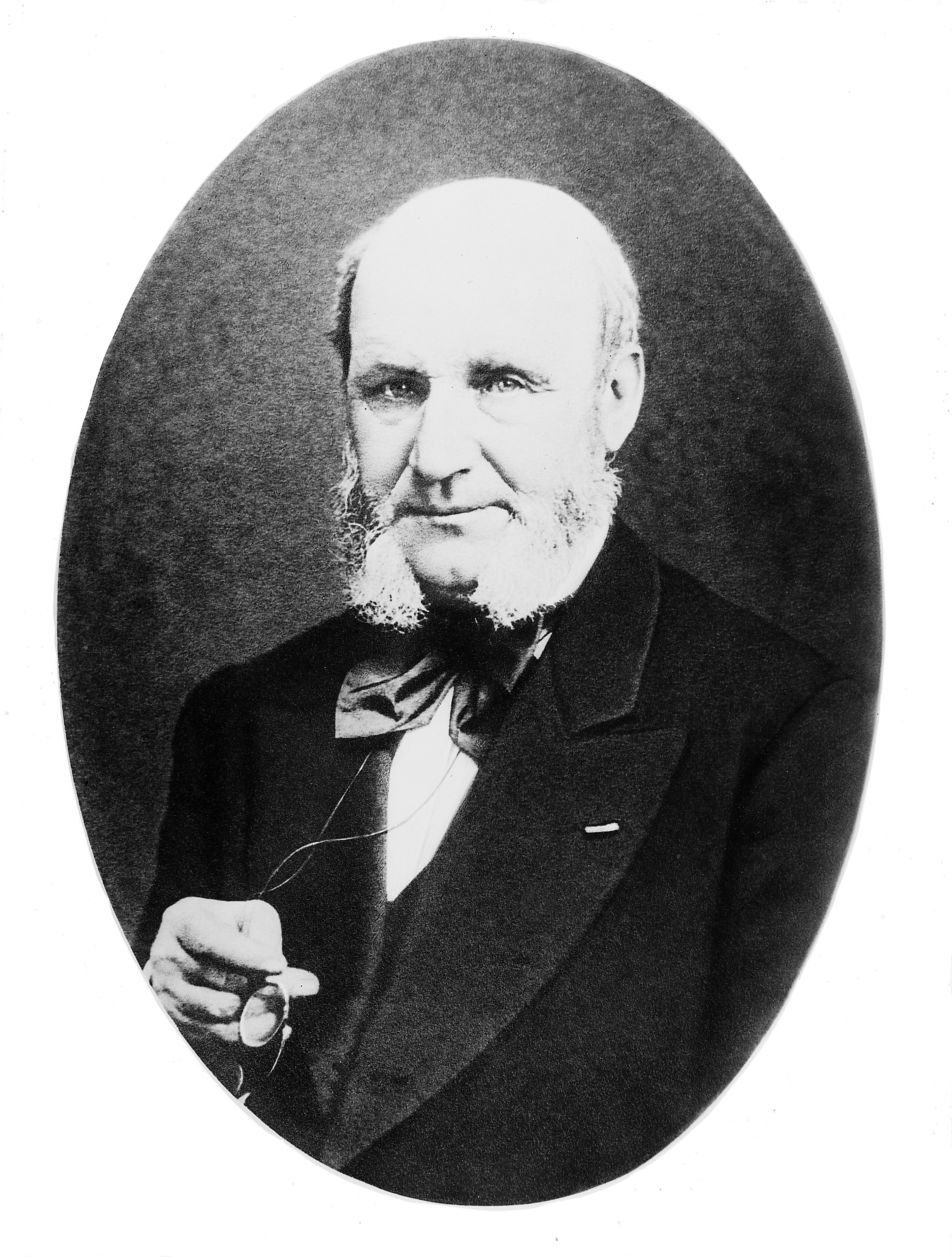
“Duchenne muscular dystrophy”. English translation of first portion in Bick, Classics of orthopaedics, 72-75.
1868
#4337
Sur quelques arthropathies qui paraissent dépendre d’une lésion du cerveau ou de la moëlle épinière.
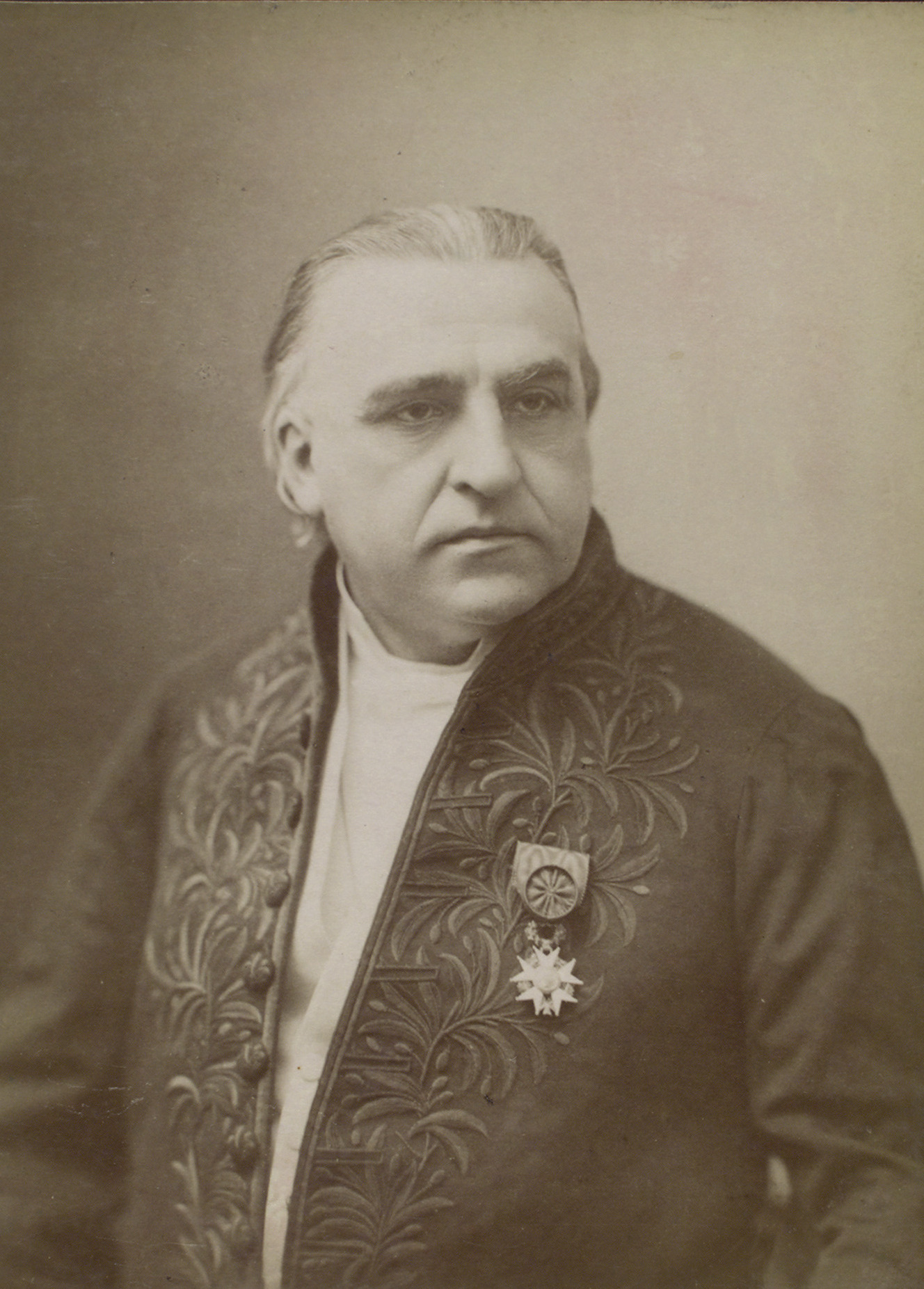
Charcot called attention to tabetic arthropathy, a condition which has since borne his name, while the tabetic joints he so well described are now known as “Charcot’s joints”.
1868
#4778
Case of cerebral disease in a syphilitic patient.
Syphilitic endarteritis of cerebral arteries described.
1868
#1466
Ueber die Haut-Sensibilitätsbezirke der einzelnen Rückenmarks-nervenpaare.
Investigation of the cutaneous distribution of the separate pairs of spinal nerves.
1868
#13813
Sur la paralysie agitante et la sclérose en plaques généralisée.
In his doctoral thesis Ordenstein, a pupil of Charcot, first defined the clinical features of multiple schlerosis in detail, with pathologic confirmation, and distinguished the main symptoms and pathologic findings of…
1869
#4622
On the various forms of loss of speech in cerebral disease.
Bastian’s first important paper on aphasia. His axiom “We think in words” explains his whole work on the subject. See also his later paper on pp. 470-92 of the same volume.
1869
#4740
Deux cas d’atrophie musculaire progressive avec lésions de la substance grise et des faisceaux antéro-latéraux de la moëlle épinière.
Description of the lesions of the spinal cord in muscular atrophy.
1869
#4741
Ueber Myositis ossificans progressiva.
Münchmeyer described a form of progressive ossifying myositis (“Münchmeyer’s disease”).
1869
#1328
Ueber eine Form von Ptosis.
“Horner’s syndrome”, due to lesion of the cervical sympathetic. The same syndrome was evoked in animals by Pourfour du Petit in 1727 (see No. 1313). It is a proof that the sympathetic governs the pupillary, vasomotor,…
1869
#4779
Remarks on a case of locomotor ataxy with hydrarthrosis.
An early description of the joint symptoms in tabes dorsalis.
1869
#1364
Beiträge zur Lehre von den Functionen der Nervencentren des Frosches.
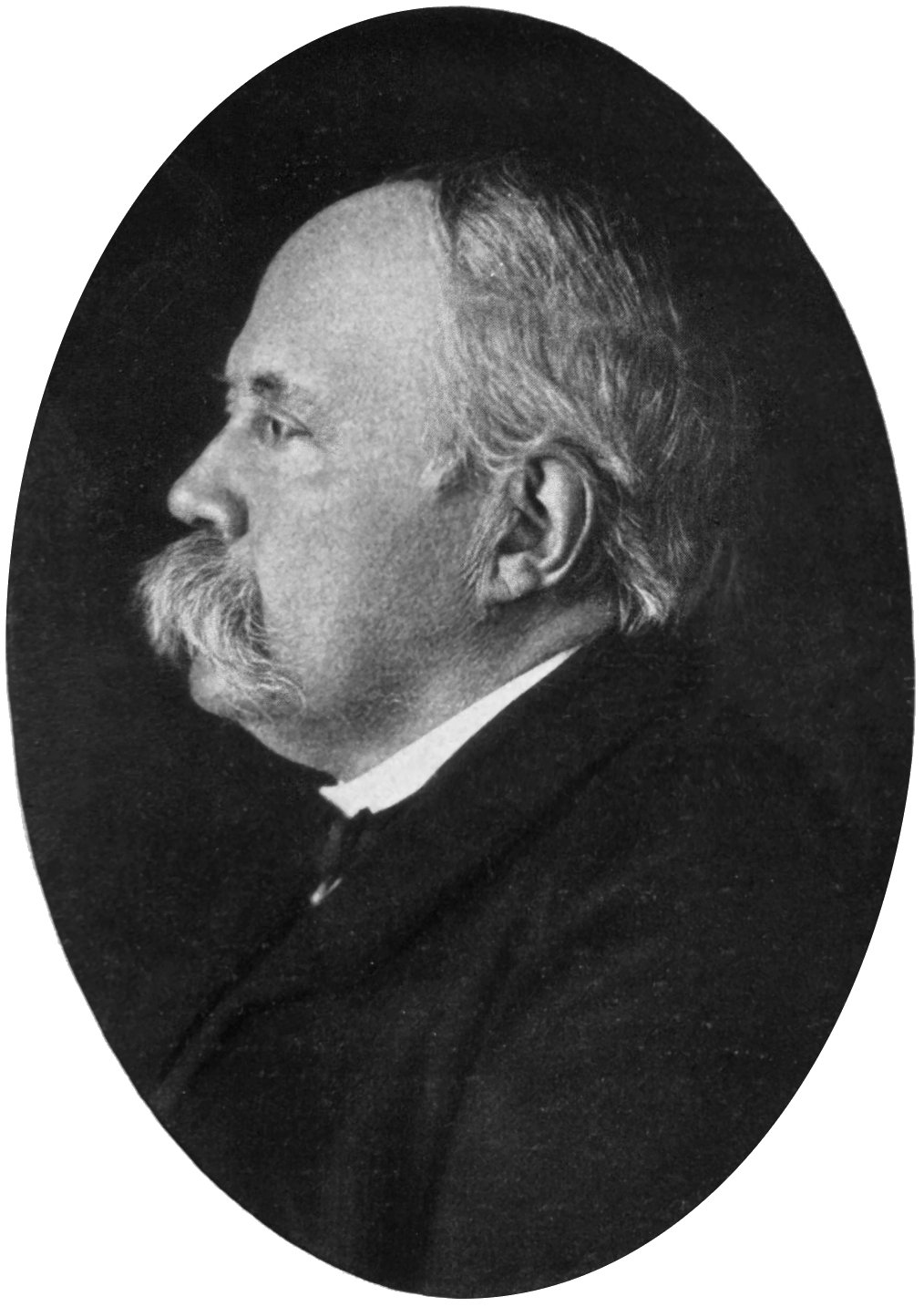
Goltz made important observations on the decerebrate frog. He showed it to possess no volitional powers except after stimulation, no memory and no intelligence. His experiments on frogs deprived of their spinal cords …
1869
#1404
Researches on the physiology of the cerebellum.
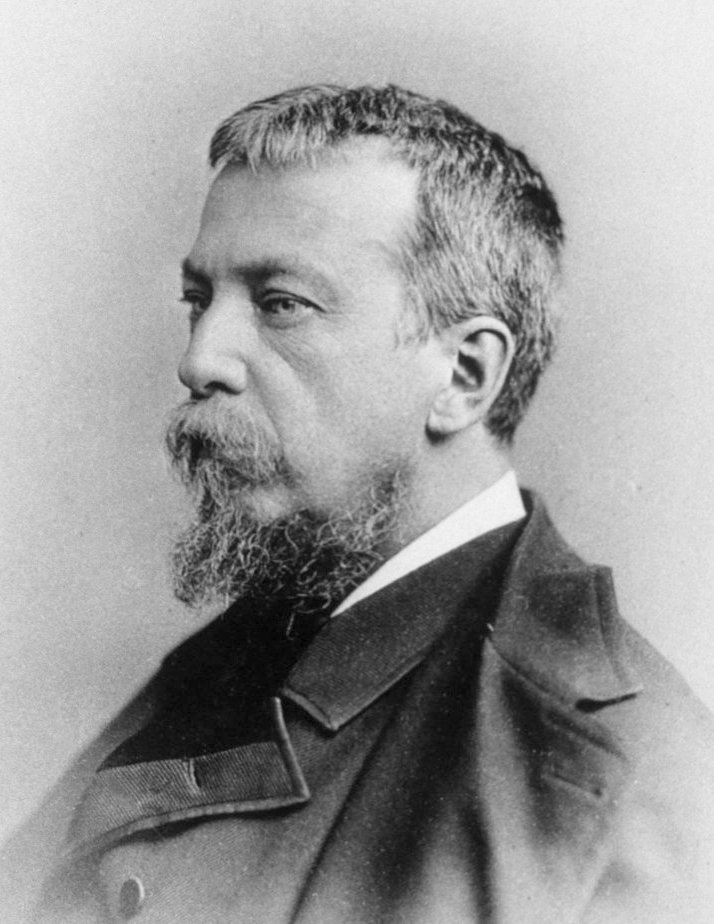
Mitchell, leading American neurologist of his time, performed over 350 experiments upon the cerebellum. He emphasized its co-ordinating function, first postulated by Flourens, and he proposed his “augmentor” theory of…
1869
#1272
On the changes in the nervous system which follow the amputation of limbs.
Demonstration that the proximal end of a severed nerve eventually atrophies.
1869
#1869
Das Chloral, ein neues Hypnoticum.
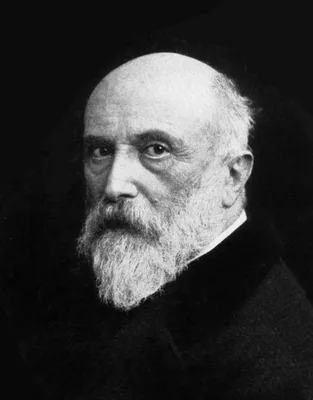
Demonstration of the value of chloral hydrate as a hypnotic. See also his monograph Das Chloralhydrat, Berlin, 1869.
1869
#4843
Neurasthenia, or nervous exhaustion.
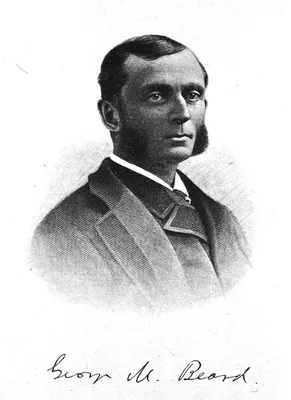
“Beard’s disease” (neurasthenia) first described. See also No. 4846.
1869
#4540
On an interesting series of eye symptoms in a case of spinal disease, with remarks on the action of belladonna on the iris.
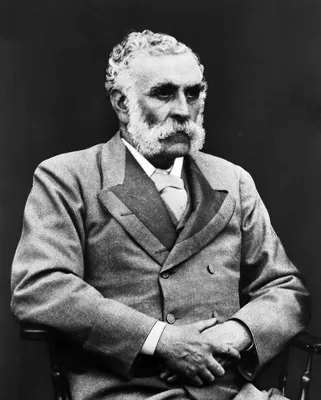
“Argyll Robertson pupil” first described. See also his later paper in the same journal, 1869, 15, 487-93. Reprinted in Med. Classics, 1937, 1, 851-76.
1869
#7076
Die Konträre Sexualempfindung.
The first "scientific" paper on homosexuality. In this paper the psychiatrist Westphal described two cases at length: "The first was of a young woman who from her earliest years liked to dress as a boy and engage in b…
1870
#4541
Das Rankenneurom.
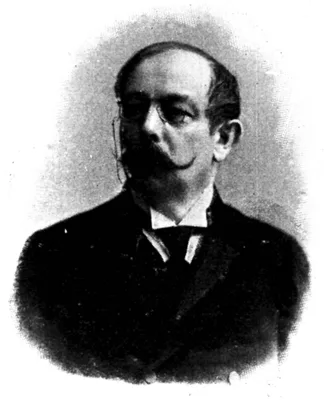
Original description of plexiform neurofibroma.
1870
#4665
Une observation de paralysie infantile s’accompagnant d’une altération des cornes antérieures de la substance grise de la moëlle.
First demonstration of the atrophy of the anterior horns of the spinal cord in infantile paralysis, confirming earlier suggestions of von Heine and Duchenne.
1870
#1405
Ueber die elektrische Erregbarkeit des Grosshirns.
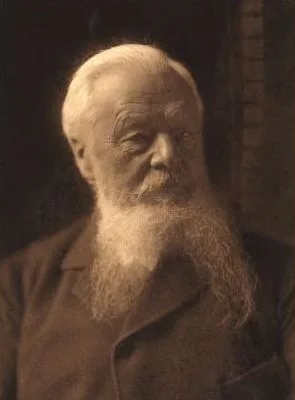
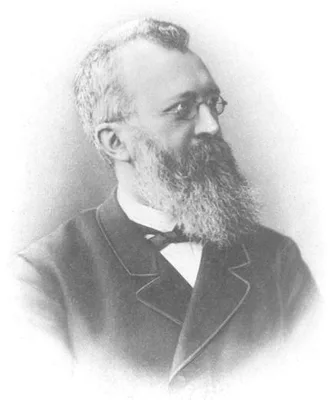
These workers showed that electrical stimulation of the frontal cortex in various experimental animals caused movements of the extremities of the opposite side of the body, thus proving the existence of a motor area i…
1870
#1406
Experimentaluntersuchungen über das peripherische und centrale Nervensystem.
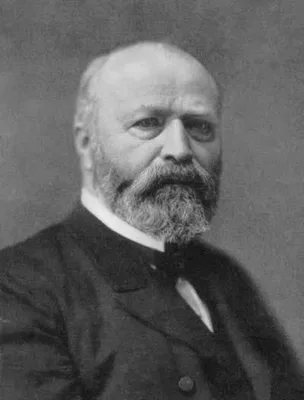
Modern study of the functions of the thalamus began with the important investigations of Gudden. He is remembered eponymically by “Gudden’s commissure” and “Gudden’s atrophy” – specific thalamic nuclei degenerate when…
1870
#2768
On the etiology and prevalence of diseases of the heart among soldiers.
First description of “Da Costa’s syndrome” – the “effort syndrome” of Sir Thomas Lewis.
1871
#4542
Treatise on diseases of the nervous system.
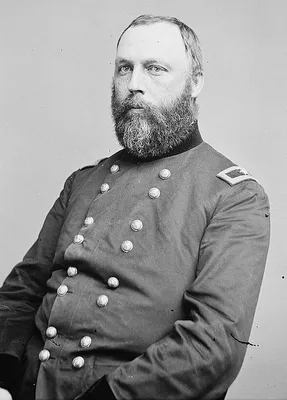
The first American treatise on neurology. The original description of athetosis, sometimes called “Hammond’s disease”, appears on pp. 654-62. During his tenure as Surgeon General of the Army during the U.S. Civil War,…
1871
#1273
Untersuchungen über den Erregungsvorgang im Nerven- und Muskelsysteme.
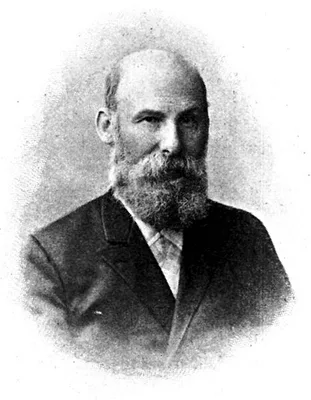
1871 –1888
#169
Mémoires d’anthropologie. 5 vols.
Most often remembered for his contributions to neurology, Broca was also among the greatest of the French anthropologists. He originated modern craniometry and in that connection devised many craniometric and craniosc…
1871 –1872
#4844
Die Agoraphobie, eine neuropathische Erscheinung.
First description of agoraphobia
1871
#2770
On irritable heart; a clinical study of a form of functional cardiac disorder and its consequences.
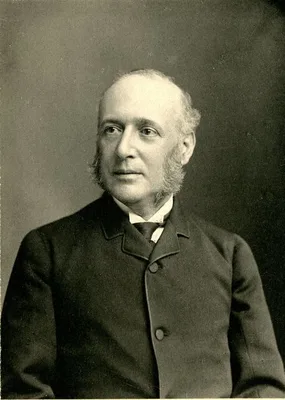
“Da Costa’s syndrome.” This was first described by Myers (No. 2768) and is now known as “effort syndrome,” “soldier’s heart,” “disordered action of the heart.” More recently it has been considered an early recognition…
1871 –1872
#4855
New operation for the relief of persistent facial neuralgia.
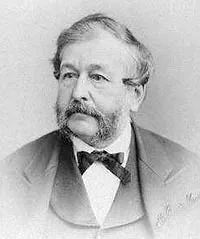
Pancoast devised the operative procedure of sectioning the second and third branches of the fifth pair of nerves as they emerge from the base of the brain. Reported by F. Woodbury.
1871
#5906
Ueber hereditäre und congenital-angelegte Sehnervenleiden.
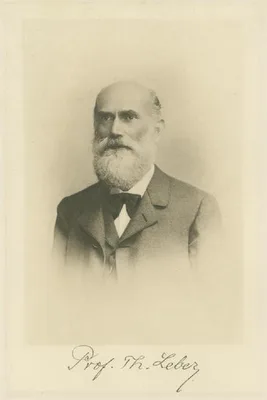
First description of hereditary optic atrophy, “Leber’s optic atrophy”.
1872
#2706
Clinical lecture on certain painful affections of the feet.
Mitchell suggested the name “erythromelalgia” for this condition, which is also known as “Weir Mitchell’s disease”. He records four earlier writers on the subject, the first being Graves in 1848. See also his paper in…
1872 –1887
#4546
Leçons sur les maladies du système nerveux faites à La Salpêtrière.
An excellent idea of Charcot’s work is gained by perusal of his Leçons, dealing with his teaching on nervous disorders. In the second volume, pp. 1-72, is a classic account of the anomalies of tabes dorsalis. Charcot …
1872
#4699
On chorea.
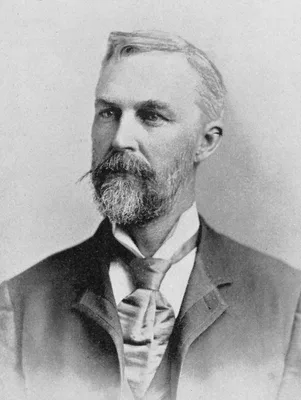
The classic description by Huntington of the chronic degenerative hereditary type of chorea led to the eponym “Huntington’s chorea”. Earlier accounts of the disease were given by John Elliotson (Lancet, 1832, 1, 163),…
1872
#4831
Zur Lehre von der Tetanie.
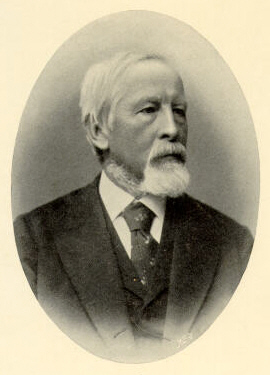
Important observations on gastric tetany were made by Kussmaul. He called attention to the convulsions sometimes accompanying dilatation of the stomach. He first mentioned “gastric tetany” in 1869 in his paper on gast…
1872 –1887
#4995
Leçons sur les maladies du système nerveux faites à La Salpêtrière. 3 vols.
Charcot’s pioneering research on the application of hypnosis to the psychoneuroses brought this subject to the attention of the scientific community.
1872
#4543
De l’électrisation localisée et de son application à la pathologie et à la thérapeutique. 3me. éd.
Early description, page 357, of partial brachial plexus paralysis, upper type (“Duchenne-Erb palsy”: see No. 4548). An English translation of the 3rd ed., by H. Tibbitts, actually appeared London in 1871, one year bef…
1872
#4547
On a case of paralysis of the tongue from haemorrhage in the medulla oblongata.
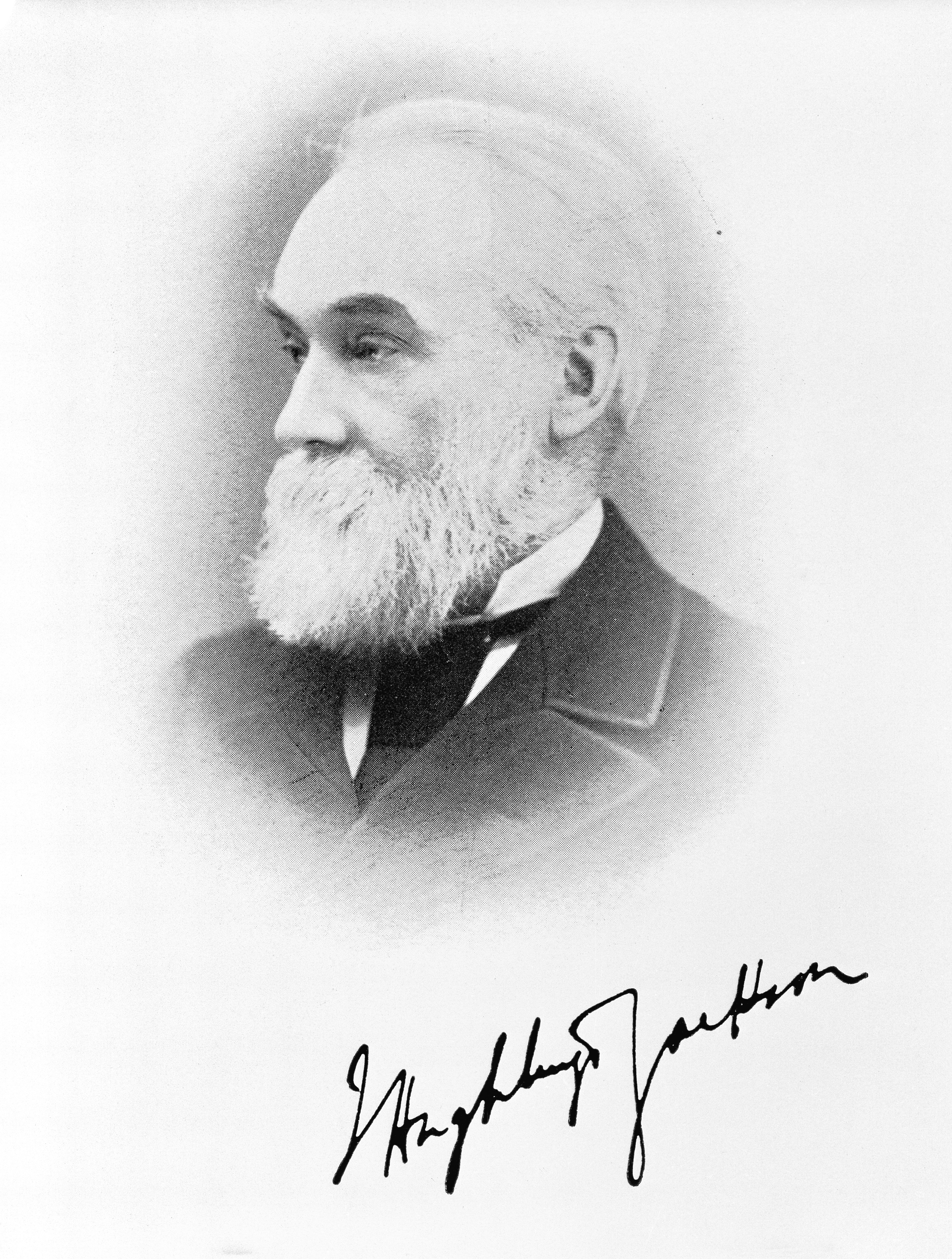
Jackson here described the syndrome consisting of paralysis of half the tongue, the same half of the palate, and of one vocal cord – “Jackson’s syndrome”.
1872
#12187
Illustrations of the influence of the mind upon the body in health and disease, designed to elucidate the action of the imagination.
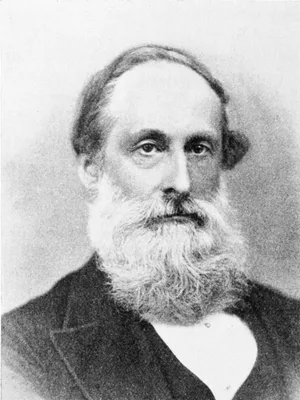
Digital facsimile from the Hathi Trust at this link.
1873
#2587
On megrim, sick-headache, and some allied disorders.
Liveing’s classic account of migraine showed the close association of this condition with tetany, asthma, and false angina pectoris, with epilepsy, and the alternation of all these conditions in the same subject or th…
1873
#1406.01
Iconographie photographique des centres nerveux.
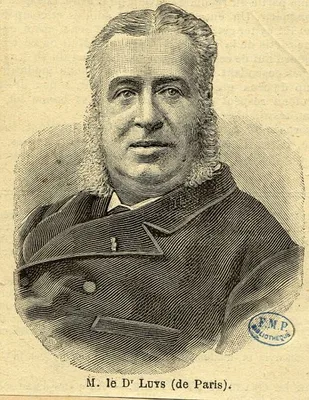
Contains 70 photographs of brain sections taken by Luys himself, with 64 lithographed schemas based on his drawings. Luys undertook this work when the evidence of his lithographs published in 1865 (No. 4012) was dispu…
1873 –1874
#4832
Zur Lehre von der Tetanie nebst Bemerkungen über die Prufung der electrischen Erregbarkeit motorischer Nerven.
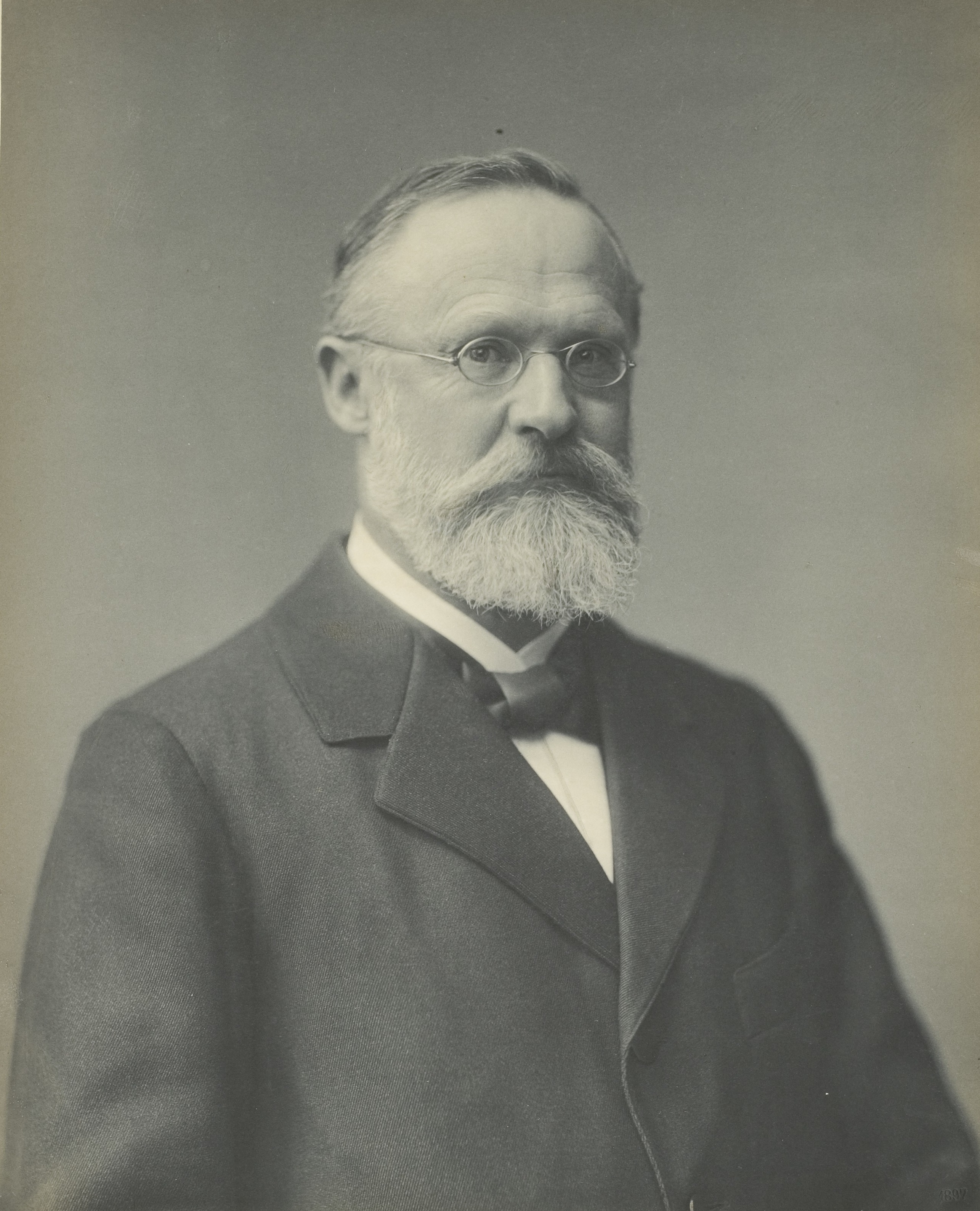
“Erb’s sign”.
1873 –1877
#4548
Ueber eine eigenthümliche Localisation von Lähmungen im Plexus brachialis.
“Erb’s palsy”, first described by Smellie in 1763 and later by Duchenne (No. 4543).
1873
#7803
Experimental researches in cerebral physiology and pathology.
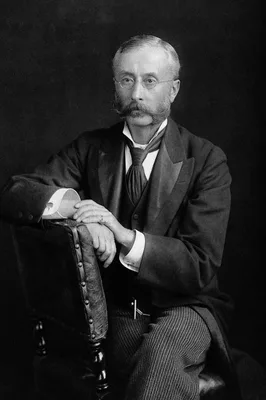
Using a variety of experimental animals, Ferrier demonstrated that various neurologic functions were controlled by separate parts of the cerebrum and that damage or loss of that part created an irrevocable and particu…
1874 –1875
#4550
Klinik der Rückenmarks-Krankheiten.
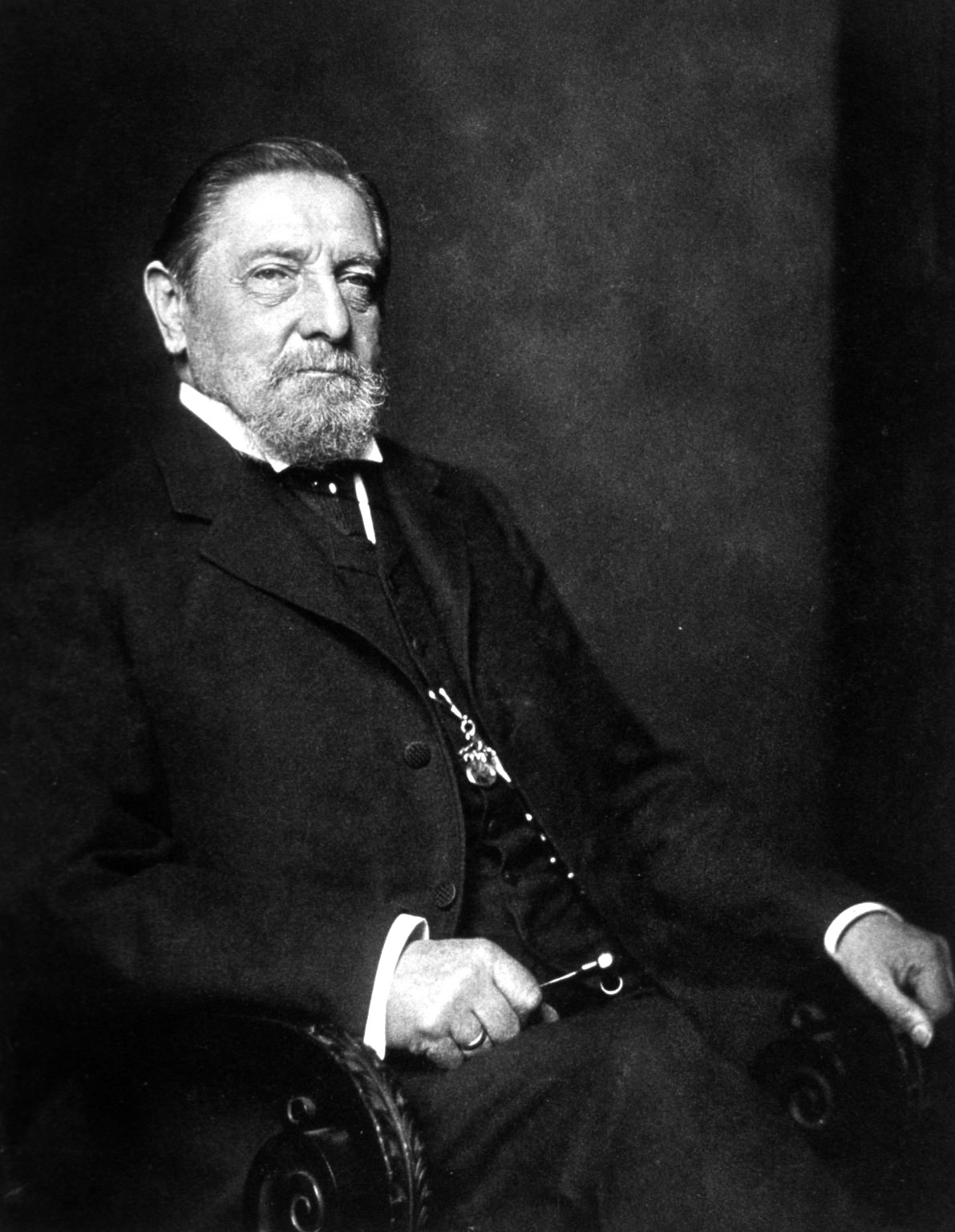
One of Leyden’s best works. He was Professor of Medicine at Berlin, Königsberg, and Strassburg. In vol. 2, p. 65, of the above is given an account of “Leyden’s paralysis”, a form of hemiplegia probably first described…
1874
#4551
Headaches, from heat-stroke, from fevers, after meningitis, from overuse of brain, from eyestrain.
Mitchell drew attention to the importance of eyestrain as a cause of headache.
1874
#4552
Post-paralytic chorea.
First description.
1874
#4623
Der aphasische Symptomencomplex.
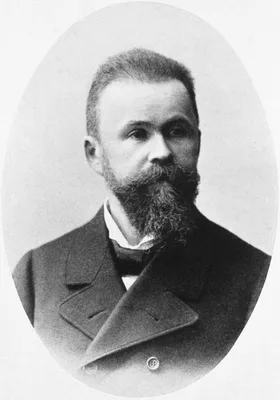
Sensory aphasia (“Wernicke’s aphasia”). Wernicke did important work on the localization of aphasia; he included in his book accounts of alexia and agraphia. English translation in Boston Studies in the Philosophy of S…
1874
#4742
Des amyotrophies spinales chroniques.
Charcot differentiated between the ordinary (Aran–Duchenne) type of muscular atrophy and the rarer amyotrophic lateral sclerosis, (ALS), at one time called “Charcot’s disease,” but more frequently designated today as …
1874
#1365
Ueber die Functionen des Lendenmarks des Hundes.
1874
#1406.1
Investigations into the functions of the human brain.
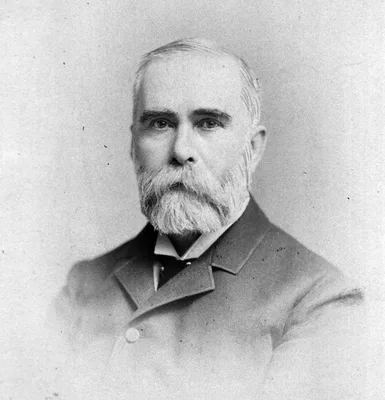
Bartholow confirmed in man the findings of Fritsch and Hitzig (No. 1405) that electrical stimulus of the cortex on one side stimulated muscles on the other side of the body.
1874
#1407
Anatomischer Nachweis zweier Gehirncentra.
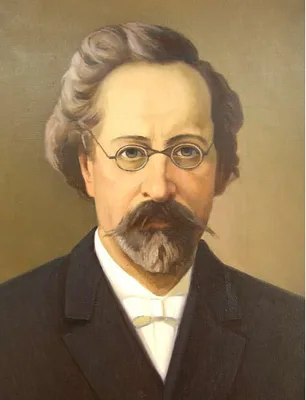
Discovery of the giant pyramidal cells of the motor cortex.