
Facets
Browse across eight MeSH (opens in new tab) facets — era, geography, science, specialty, technology, history, culture, and reference. Select one tag per group; counts update across the others. What’s new in facet browse how facets relate to subjects and MeSH.
Clear filtersGeography
Specialties & Disease
- Alternative & Fringe Medicine 383
- Anatomy & Pathology 765
- Cardiology & Blood 914
- Dentistry 259
- Diabetes 80
- ENT & Hearing 293
- Epidemiology & Demography 397
- Gastroenterology & Hepatology 316
- General Clinical Medicine 487
- Immunology & Dermatology 1,008
- Infectious Disease (General) 147
- Internal, Emergency & Geriatric 123
- Microbiology & Virology 1,080
- Military Medicine 436
- Neurology & Psychiatry 1,258
- Obstetrics & Reproductive 551
- Oncology & Cancer 377
- Ophthalmology & Vision 412
- Pediatrics 247
- Physiology & Embryology 924
- Plagues & Epidemics 1,279
- Psychology 202
- Public Health 1,129
- Pulmonary & Respiratory 233
- Rheumatology, Rehab & Pain 189
- Surgery & Anesthesia 1,553
- Urology & Nephrology 309
- Veterinary Medicine 165
Social & Historical Studies
Institutions & Culture
Reference & Scholarly Works
1,279 entries match Plagues & Epidemics [C01.252]
1872
#2325
Lungenentzündung, Tuberkulose und Schwindsucht.
Buhl stated that disseminated miliary tuberculosis is always associated with the presence of a caseous focus in some part of the body, which is the centre from which infection starts (Buhl-Dittrich law). English trans…
1872
#4063
Idiopathisches multiples Pigmentsarkom der Haut.
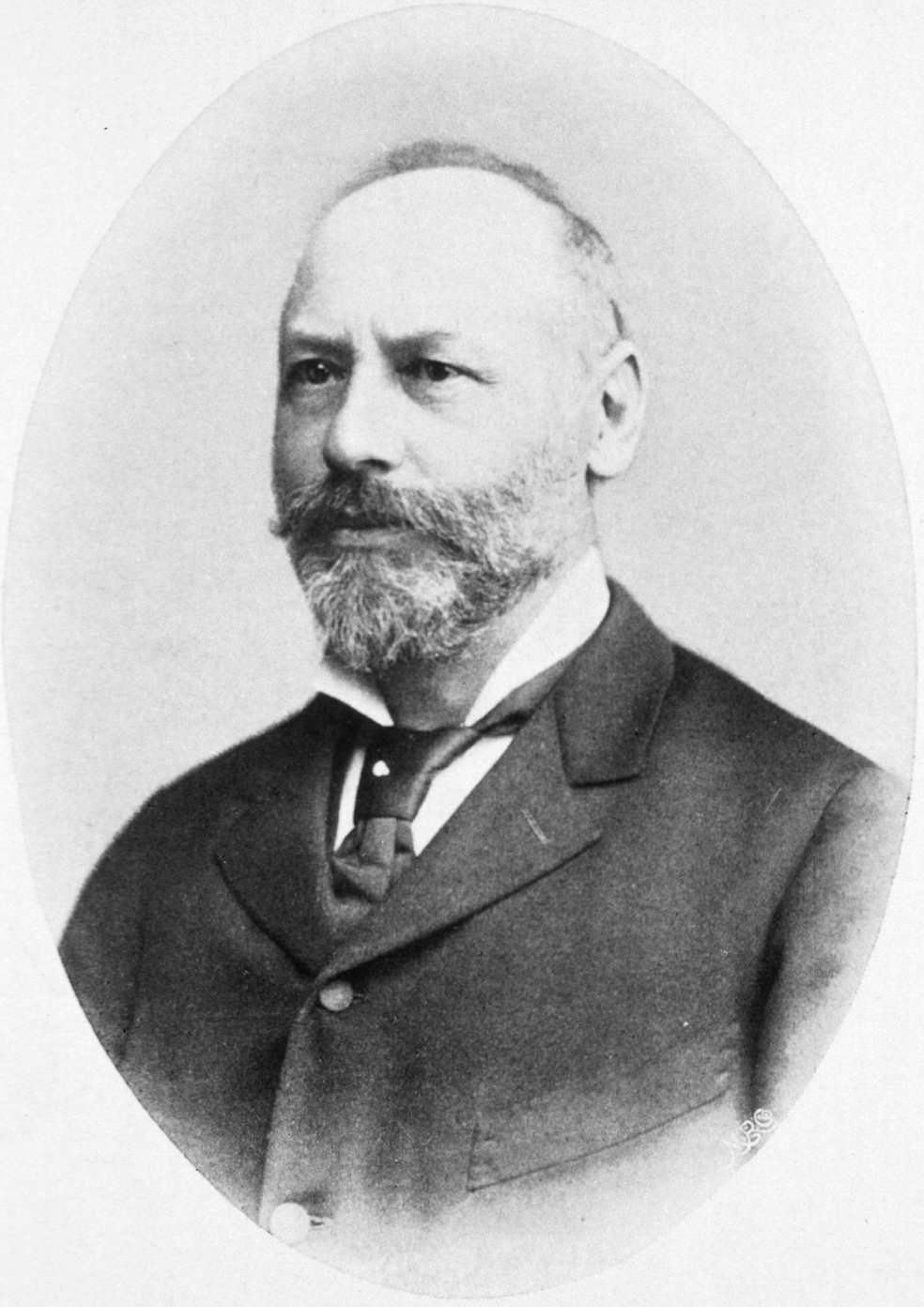
First description of “Kaposi’s sarcoma” – multiple idiopathic hemorrhagic sarcoma. English translation in CA, 1982, 32, 342-47.
1872
#5111.2
Annals of cholera: from the earliest periods to the year 1817.
1872
#6064
Die latente Gonorrhoe im weiblichen Geschlecht.
Noeggerath was the first to point out the late effects of gonorrhoea in women, particularly its role in the production of sterility.
1873
#2326
De l’unité de la phthisie. Thèse pour le doctorat en médecine. No. 50
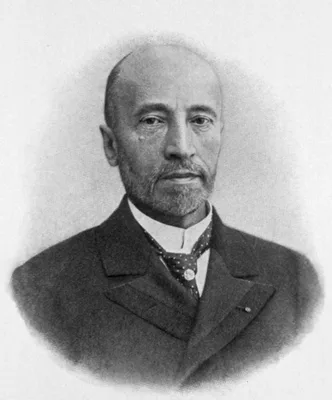
Confirmation of Villemin. Grancher in 1903 instituted the “Grancher system” – the boarding out of children from tuberculous households in France. Digital facsimile from the Internet Archive at this link.
1873
#2327
Die künstliche Erzeugung der Tuberkulose.
Klebs was the first to produce experimental bovine tuberculosis (by feeding cattle with infected milk). His work confirmed the earlier researches of Villemin.
1873
#2328
Recherches sur l’anatomie pathologique de la tuberculose. Thèse No. 45.
Digital facsimile from the Internet Archive at this link.
1873
#5314
Vorkommen feinster, eine Eigenbewegung zeigender Fäden im Blute von Recurrenskranken.
Discovery (in 1868) of Borrelia recurrentis, causative agent in relapsing fever.
1874
#4551
Headaches, from heat-stroke, from fevers, after meningitis, from overuse of brain, from eyestrain.
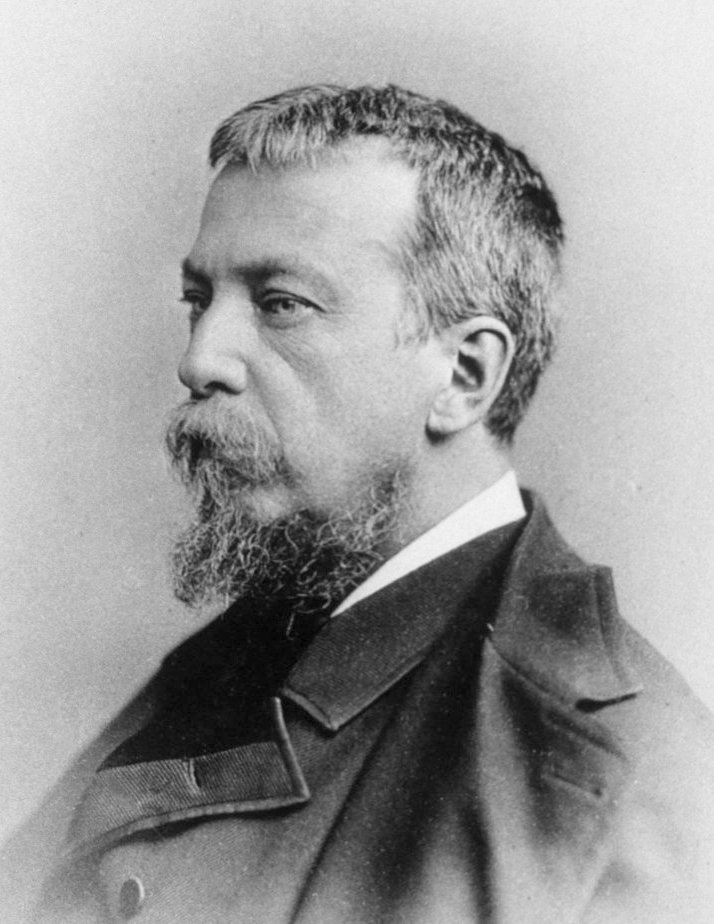
Mitchell drew attention to the importance of eyestrain as a cause of headache.
1874
#2436
Indberetning til det Norske mediciniske Selskab i Christiania om en med understottelse af selskabet foretaghen reise for at anstille undersogelser angaende spedalskhedens arsager, tidels udforte sammen med forstander Hartwig.
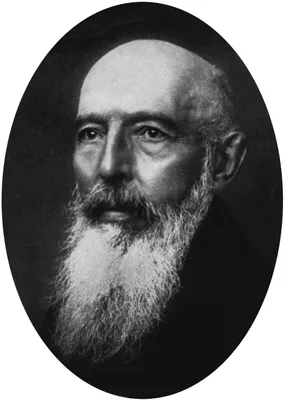
Hansen discovered the leprosy bacillus on 28 February 1873. He had been stimulated by the previous work of Danielssen and Boeck, and his own demonstration of the leprosy bacillus is one of the earliest observations of…
1874
#4066
On mycetoma, or the fungus disease of India.
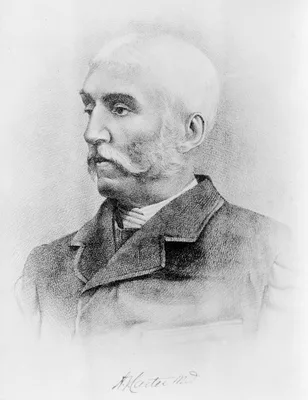
See No. 4047.
1874 –1875
#5426
Anatomische Beiträge zur Lehre von den Pocken. 2 pts.
In the course of his important studies on smallpox, Weigert carried out the first successful staining of bacteria (see No. 2482). His fine description of the destructive effects of the smallpox virus on the skin led t…
1874
#5235
De la fièvre bilieuse mélanurique des pays chauds comparée avec la fièvre jaune.
An important description of blackwater fever. Berenger-Féraud had experience with the disease in French West Africa.
1874
#7705
Sur les crânes artificiellement perforés à l'époque des dolmens.
Prunières separated postmortem trepanations and rondelles from antemortem operations, and also described tuberculous lesions in Neolithic bones.
1875
#5344.10
On the presence of a Filaria in “craw-craw”.
In 1874, while examining skin snips from craw-craw patients in Ghana, during his service on the H. M. S. Decoy, the Irish surgeon O’Neill discovered the subcutaneous microfilaria. This was the earliest known visual id…
1875
#10451
The geographical distribution of heart disease and dropsy, cancer in females & phthisis in females, in England and Wales. Illustrated by six small and three large coloured maps.
Haviland used the national mortality statistics for England and Wales to develop an elaborate geographical explanation based on map analysis for the cause of heart, cancer, and tuberculosis deaths. He found that femal…
1876 –1877
#2391
On irregular and defective tooth development.
“Moon’s molars”, the first molars in congenital syphilitics.
1876
#2983
On aortic aneurism in the army and the conditions associated with it.
Welch, an Army surgeon, supported the theory of a causal connexion between syphilis and aneurysm.
1876
#4344
Report on Pott’s disease, or caries of the spine; treated by extension, and the plaster of Paris bandage.
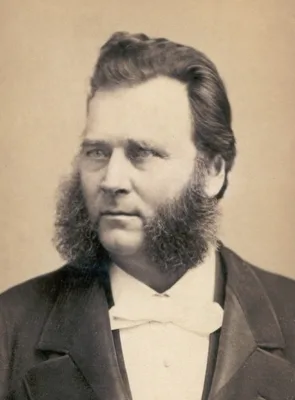
Sayre was the first to use plaster of Paris as a support for the spinal column in scoliosis and Pott’s disease. His name is eponymically linked with Sayre’s jacket, a plaster of Paris jacket applied while the patient …
1876
#5111.3
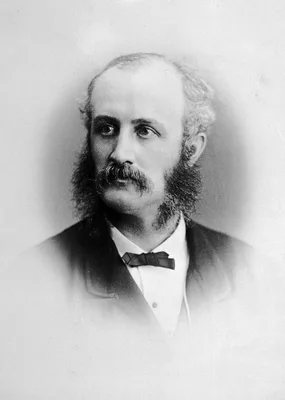
A history of Asiatic cholera.
1876
#5167
Die Aetiologie der Milzbrand-Krankheit, begründet auf die Entwicklungsgeschichte des Bacillus anthracis.
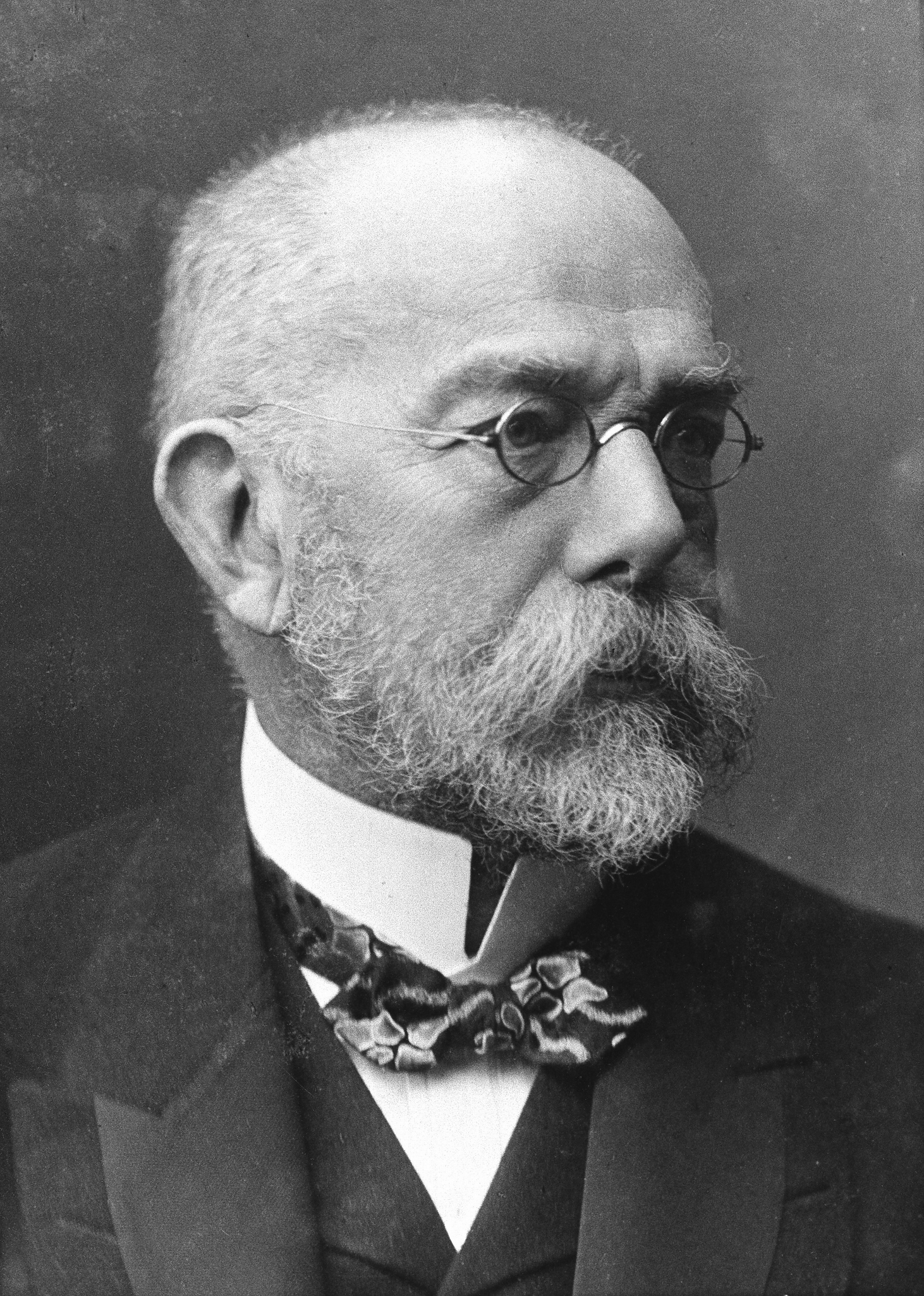
In 1876 Koch first obtained pure cultures of B. anthracis and described its complete life history. With Davaine (Nos. 5165-66) he did much to prove that infectious diseases are caused by living reproductive microorgan…
1876
#10681
Cholera epidemics in East Africa. An account of the several diffusions of the disease in the country from 1821 till 1872, with an outline of the geography, ethnology, and trade connections of the regions through which the epidemics passed.
Digital facsimile from the Internet Archive at this link.
1877
#4344.1
Spinal disease and spinal curvature, their treatment by suspension and the use of the plaster of Paris bandage.
Sayre’s monograph on his methods of treating tuberculosis of the spine and scoliosis is the first American surgical textbook to contain actual mounted photographs, some of which are remarkable for their artistic quali…
1877
#5168
Étude sur la maladie charbonneuse.
Pasteur confirmed Koch’s results regarding anthrax; with Joubert he carried the bacillus through 100 generations and succeeded in producing anthrax from the last, thus disposing of the idea of a separate virus.
1877
#5345.1
Further observations on Filaria sanguinis hominis.
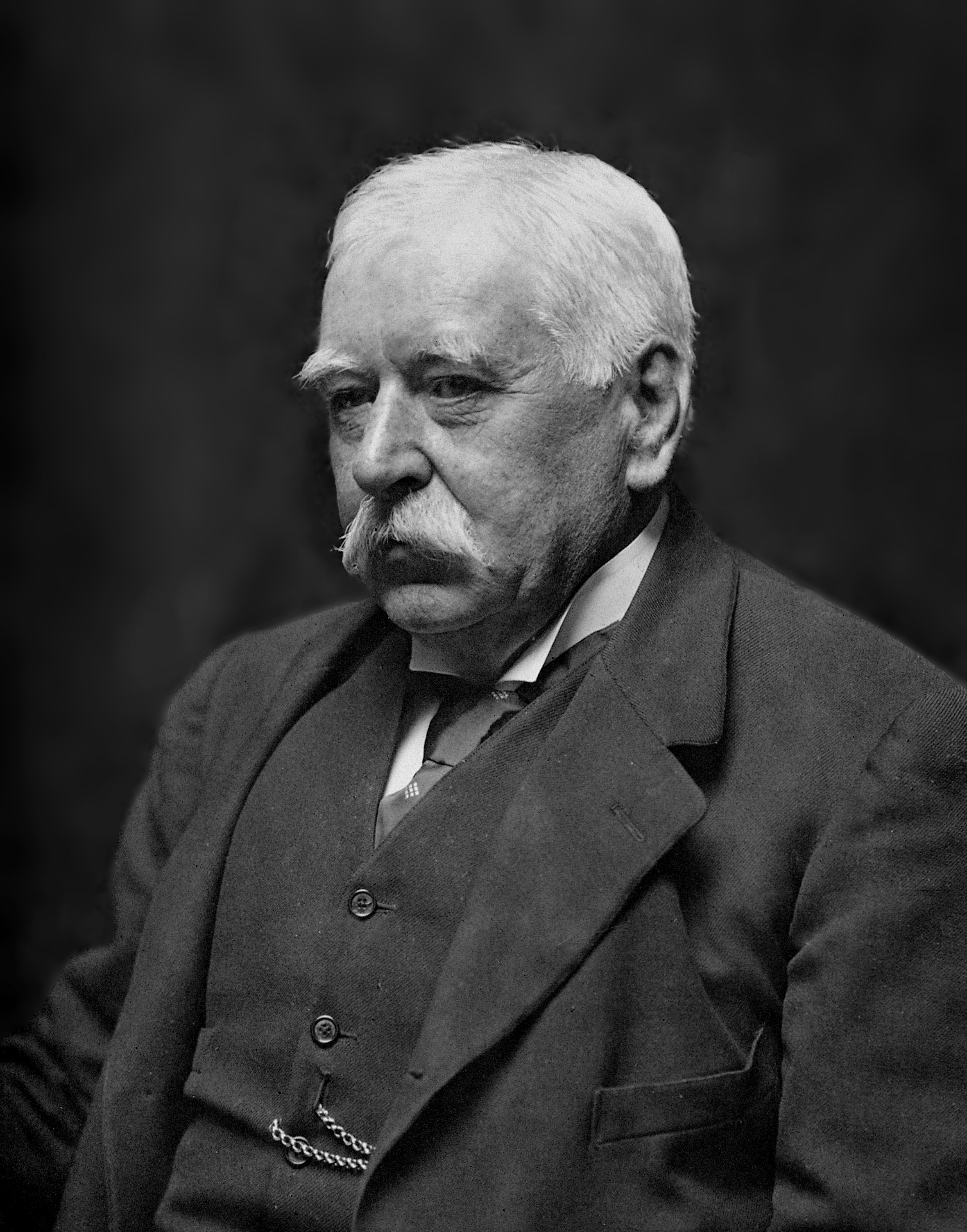
Manson showed that Wuchereria bancrofti, the cause of filarial elephantiasis in man, develops in, and is transmitted by, the Culex mosquito. This was the first proof that infective diseases are spread by animal vector…
1877
#10722
Leprosy in India. A report.
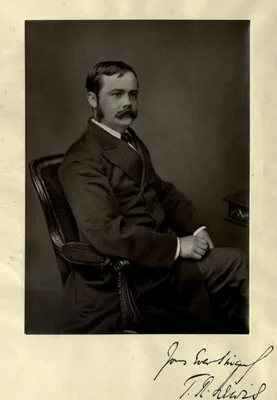
The first quantitative study of leprosy in India. Leprosy first appeared in India at least 2,000 years ago and continued to exist throughout the subcontinent over the succeeding centuries. Upon the establishment of th…
1877
#10787
Filiaria sanguinis hominis - mature form.
Lewis made the critical connection/association of the worm, Filaria sanguinis,(Wuchereria bancrofti ) to Elephantiasis. This brief account appears to be a third person account summarizing Lewis's work written by an ed…
1878 –1879
#2392
Das Contagium der Syphilis. Eine experimentelle Studie.
Klebs inoculated syphilis into apes and probably saw the spirochete before Schaudinn and Hoffmann.
1878
#5270.1
The microscopic organisms found in the blood of man and animals, and their relation to disease.
First description of a trypanosome (T. lewisi) in a mammal. Seoarate edition in book form with the same title: Calcutta: Office of the Superintendent of Government Printing, 1879.
1879 –1880
#4666
Ueber Poliomyelitis und Neuritis.
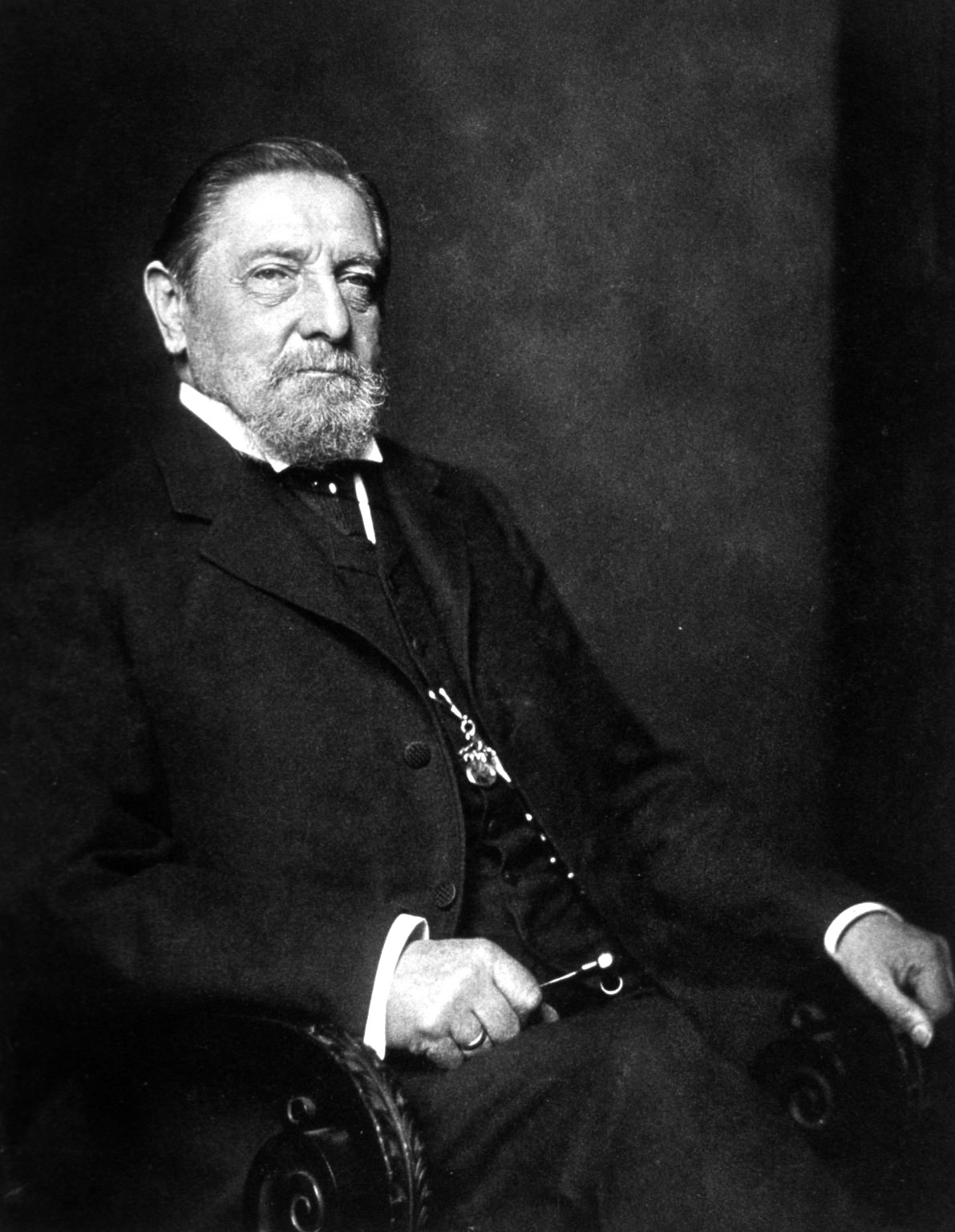
Leyden enjoyed a great reputation as a neurologist and his paper on poliomyelitis and neuritis is one of his best works. He was one of the founders of the journal in which it appeared.
1879
#2436.1
Über die Ätiologie des Aussatzes.
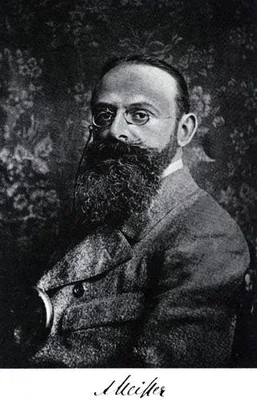
Neisser obtained leprosy tissue from Hansen and, using aniline dyes for staining Myco. leprae, was able to demonstrate it more convincingly than Hansen.
1879
#5315
Materialien zur Pathologie und Therapie des Rückfallstyphus.
By inoculating healthy subjects with blood of patients suffering from replapsing fever, and producing the fever in the former, Mochutkovski demonstrated not only the communicability of the disease but also the specifi…
1879
#5208
Ueber eine der Gonorrhoe eigentümliche Micrococcusform.
Discovery of the gonococcus – causal organism in gonorrhoea.
1879
#10524
The epidemic of 1878 in Mississippi: Report of the yellow fever relief work.
Digital facsimile from the U.S. National Library of Medicine at this link.
1879
#11248
Additional notes on filaria sanguinis hominis and filiaria disease.
On p. 36 of this paper Manson first described nocturnal periodicity in Filaria Bancrofti, an adaptation to the nocturnal biting habits of their mosquito vector. (Thanks to Juan Weiss for this reference and its interpr…
1880
#2329
Die Tuberkulose vom Standpunkte der Infectionslehre.
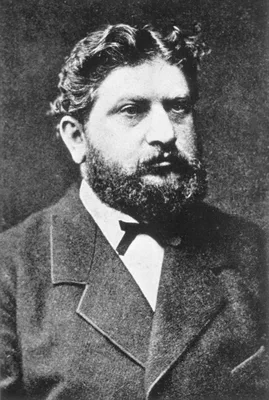
Cohnheim, a pioneer pathologist, was Virchow’s most distinguished pupil. Among his many valuable experiments, the greatest was perhaps his successful inoculation of tuberculosis in the anterior chamber of the rabbit’s…
1880
#2537
Sur les maladies virulentes, et en particulier sur la maladie appelée vulgairement choléra des poules.
This paper marked the beginning of Pasteur’s work on the attenuation of the infective organism. Noting that fowls inoculated with an attenuated form of the chicken cholera bacterium acquired immunity, he developed the…
1880
#5169
Sur l’étiologie du charbon.
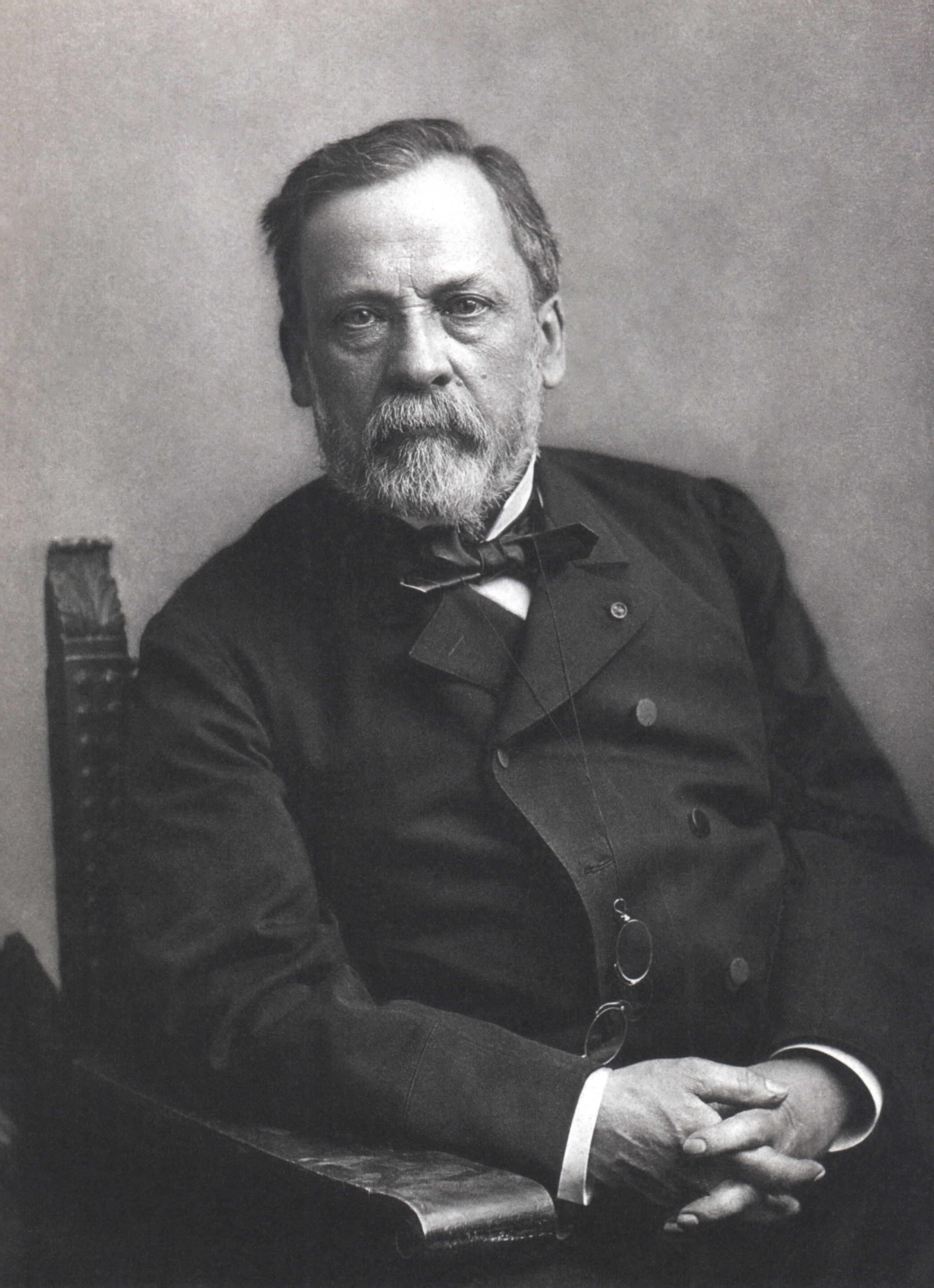
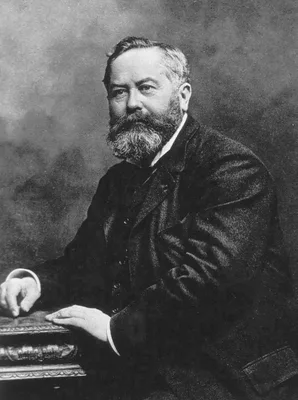
First use of attenuated bacteria for therapeutic purposes. See also the same journal, 1881, 92, 1378-83.
1880
#5209
Ueber Bacterien bei den venerischen Krankheiten.
Leistikow was first to report the cultivation of the gonococcus.
1881
#2330
Sulla poliorromennite scrofolosa, o tisi delle sierose.
Concato’s excellent description of tuberculous inflammation of the serous membranes resulted in the eponym “Concato’s disease”.
1881 –1882
#5455
El mosquito hipoteticamente considerado como agente de transmisión de la fiebre amarilla.
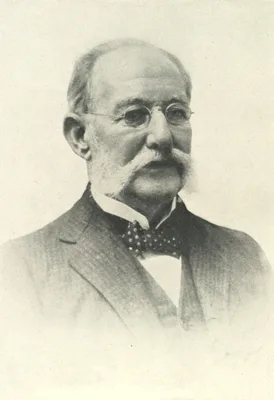
Finlay was the first to suggest that the Aedes aegypti mosquito was the vector of yellow fever. Digital facsimile from Google Books at this link. English translation by Rudolph Matas as "The mosquito hypothetically co…
1881
#5236
Un nouveau parasite trouvé dans le sang plusieurs malades atteints de fièvre palustre.
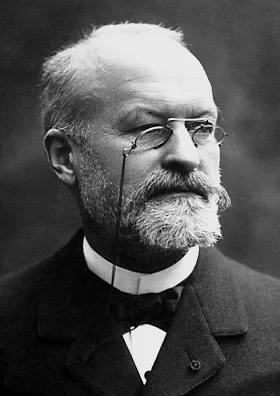
Laveran first saw the malaria parasite on 20 October 1880; he at once recognized its significance. He named it Oscillaria malariae. English translation in Kean (No. 2268.1). Laveran also published a monograph on the d…
1881
#5271
On a horse disease in India known as “surra”, probably due to a haematozoon.
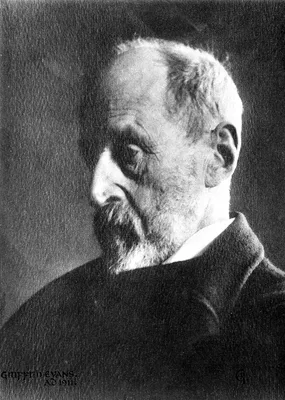
While serving in India as a veterinary surgeon, Evans discovered parasites in the blood of horses suffering from surra; this was the first pathogenic trypanosome to be described.
1881
#13045
Leprosy in British Guiana. An account of West Indian Leprosy. Illustrated with twenty lithographic plates, coloured and plain, from original drawings and photographs of patients at the asylum, and several engravings from camera-lucida drawings, by E. Noble Smith, of pathological specimens, mounted and prepared, with explanatory remarks by P. S. Abraham....
The author was medical superintendent of the General Leper Asylum, British Guiana, West Indies. Digital facsimile from the Internet Archive at this link.
1882
#4677
Ein Krankheitssymptom der acuten Meningitis.
Kernig drew attention to a flexor contracture of the leg on attempting to extend it on the thigh (“Kernig’s sign”), almost always present in cerebrospinal meningitis and an important diagnostic sign. A fuller descript…
1882
#2331
Die Aetiologie der Tuberkulose.
Discovery of the tubercle bacillus announced March 24, 1882. This paper also contains a statement of “Koch’s postulates”. See also Nos. 2536 and 5167. Koch published a fuller account as "Die Aetiologie der Tuberkulose…
1882
#2331.1
Zur Färbung des Tuberkelbacillus.
Ziehl-Neelsen stain.
1882
#3174
Ueber die Schizomyceten bei der acuten fibrösen Pneumonie.
Isolation of Klebsiella pneumoniae (“Friedländer bacillus”), which Friedländer regarded as the causal organism in all cases of lobar pneumonia.
1882
#5132
Pestilentia in nummis.
A study of medals and tokens relating to epidemics of plague and other infectious diseases.
1882
#5316
Spirillum fever.
Asiatic relapsing fever; original work on this disease by Carter is remembered by the eponym “Carter’s fever” and the name Borrelia carteri. He reproduced the disease in the monkey.