
Facets
Browse across eight MeSH (opens in new tab) facets — era, geography, science, specialty, technology, history, culture, and reference. Select one tag per group; counts update across the others. What’s new in facet browse how facets relate to subjects and MeSH.
Clear filtersGeography
Specialties & Disease
- Alternative & Fringe Medicine 383
- Anatomy & Pathology 765
- Cardiology & Blood 914
- Dentistry 259
- Diabetes 80
- ENT & Hearing 293
- Epidemiology & Demography 397
- Gastroenterology & Hepatology 316
- General Clinical Medicine 487
- Immunology & Dermatology 1,008
- Infectious Disease (General) 147
- Internal, Emergency & Geriatric 123
- Microbiology & Virology 1,080
- Military Medicine 436
- Neurology & Psychiatry 1,258
- Obstetrics & Reproductive 551
- Oncology & Cancer 377
- Ophthalmology & Vision 412
- Pediatrics 247
- Physiology & Embryology 924
- Plagues & Epidemics 1,279
- Psychology 202
- Public Health 1,129
- Pulmonary & Respiratory 233
- Rheumatology, Rehab & Pain 189
- Surgery & Anesthesia 1,553
- Urology & Nephrology 309
- Veterinary Medicine 165
Social & Historical Studies
Institutions & Culture
Reference & Scholarly Works
1,279 entries match Plagues & Epidemics [C01.252]
1882
#5439
On gangrenous eruptions in connection with vaccination and chickenpox.
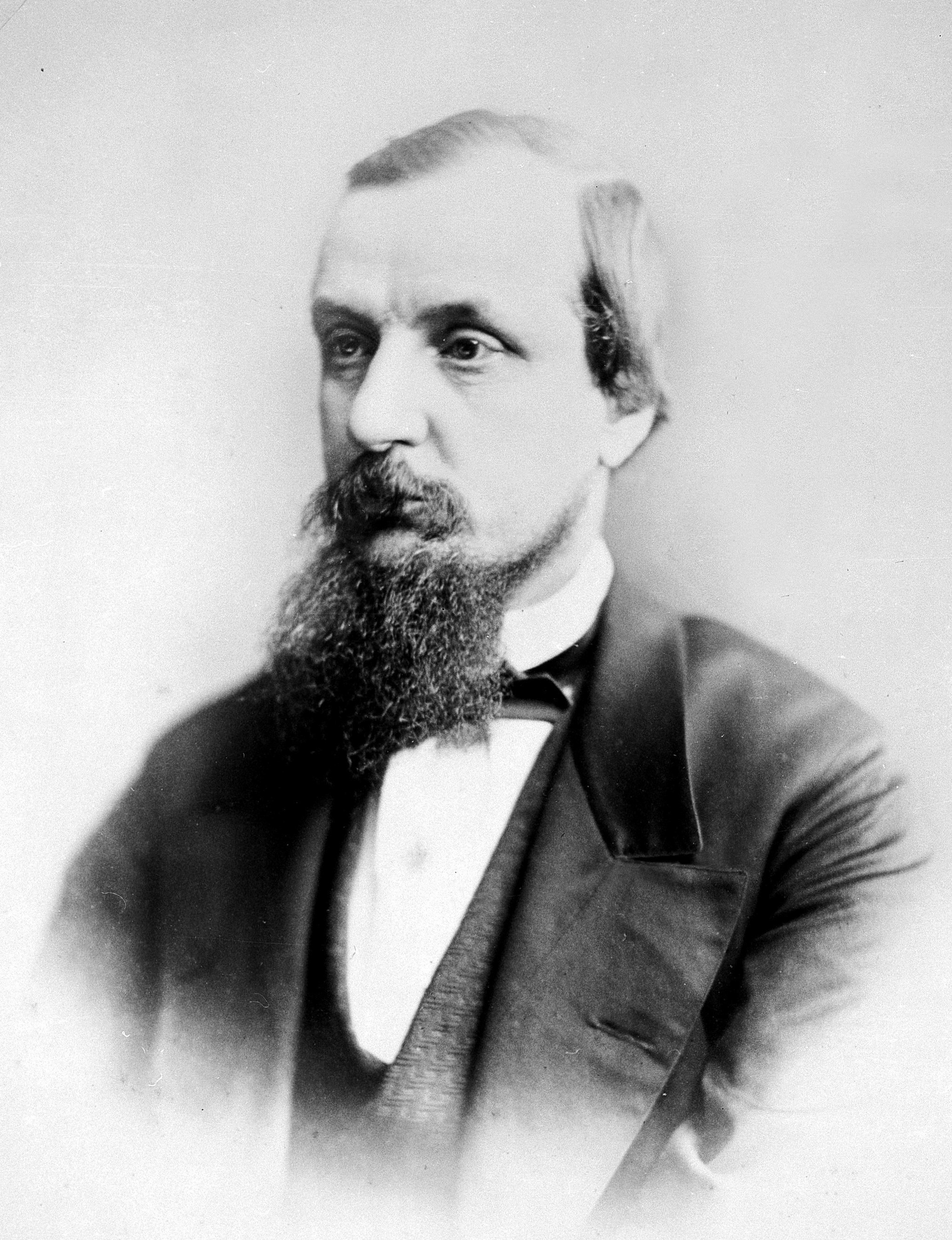
Original description of varicella gangrenosa.
1882
#5204.1
Precis of operations performed in the wards of the first surgeon, Medical College Hospital, during the year 1881.
MacLeod was first to draw attention to granuloma inguinale.
1883
#2455
The Filaria sanguinis hominis and certain new form of parasitic disease in India, China and warm countries.
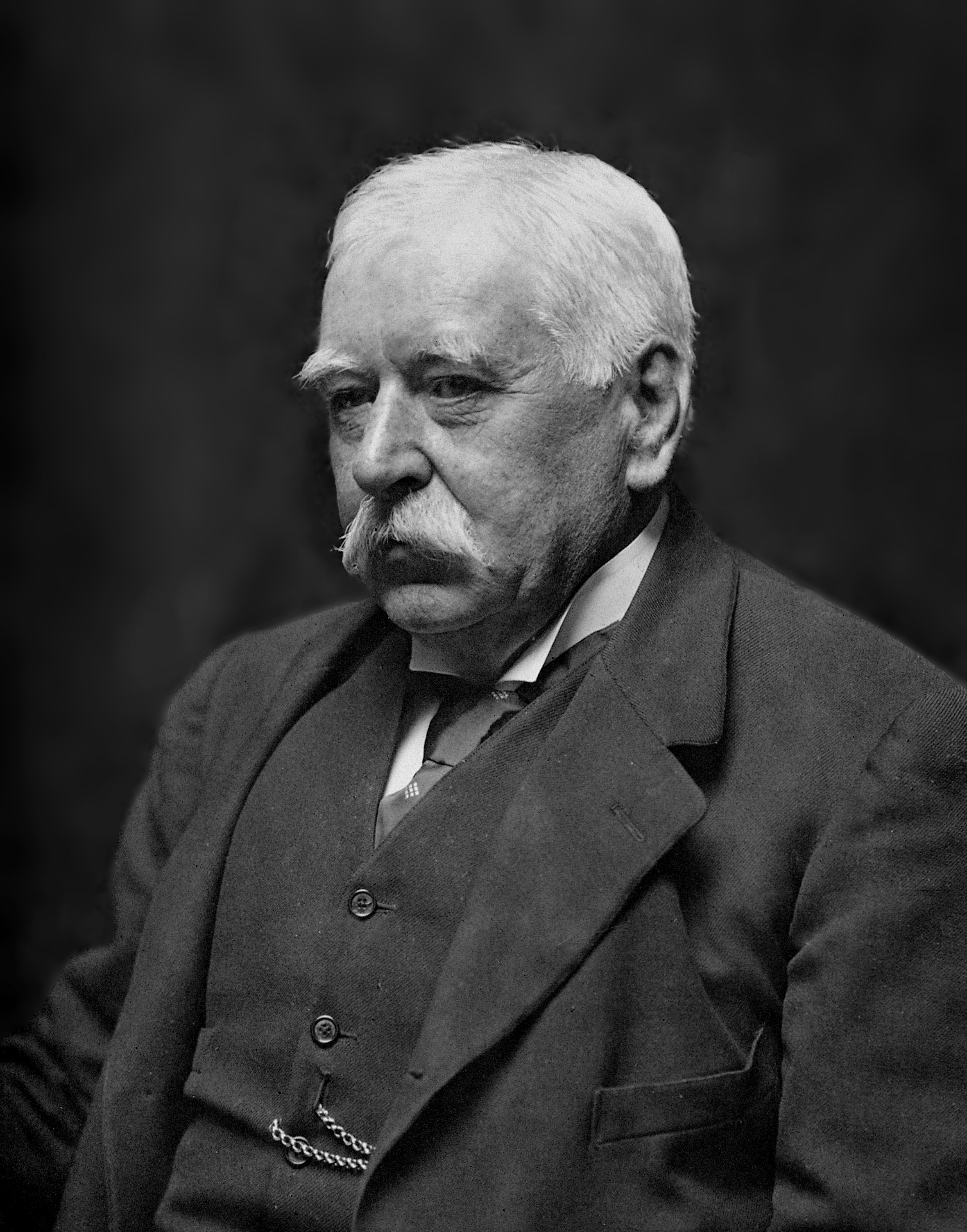
A collection of several papers written by Manson.
1883
#2331.2
Ein casuistischer Beitrag zur Lehre von der Tuberkulose.
Includes (p. 500) details of his stain for the tubercle bacillus (see No. 2331.1).
1883
#5055
Ueber Diphtherie.
First account of Corynebacterium diphtheriae (Klebs–Loeffler bacillus), causal organism in diphtheria, discovered by Klebs.
1883
#5923
Bericht über die Thätigkeit der deutschen Cholerakommission in Aegypten und Ostindien.
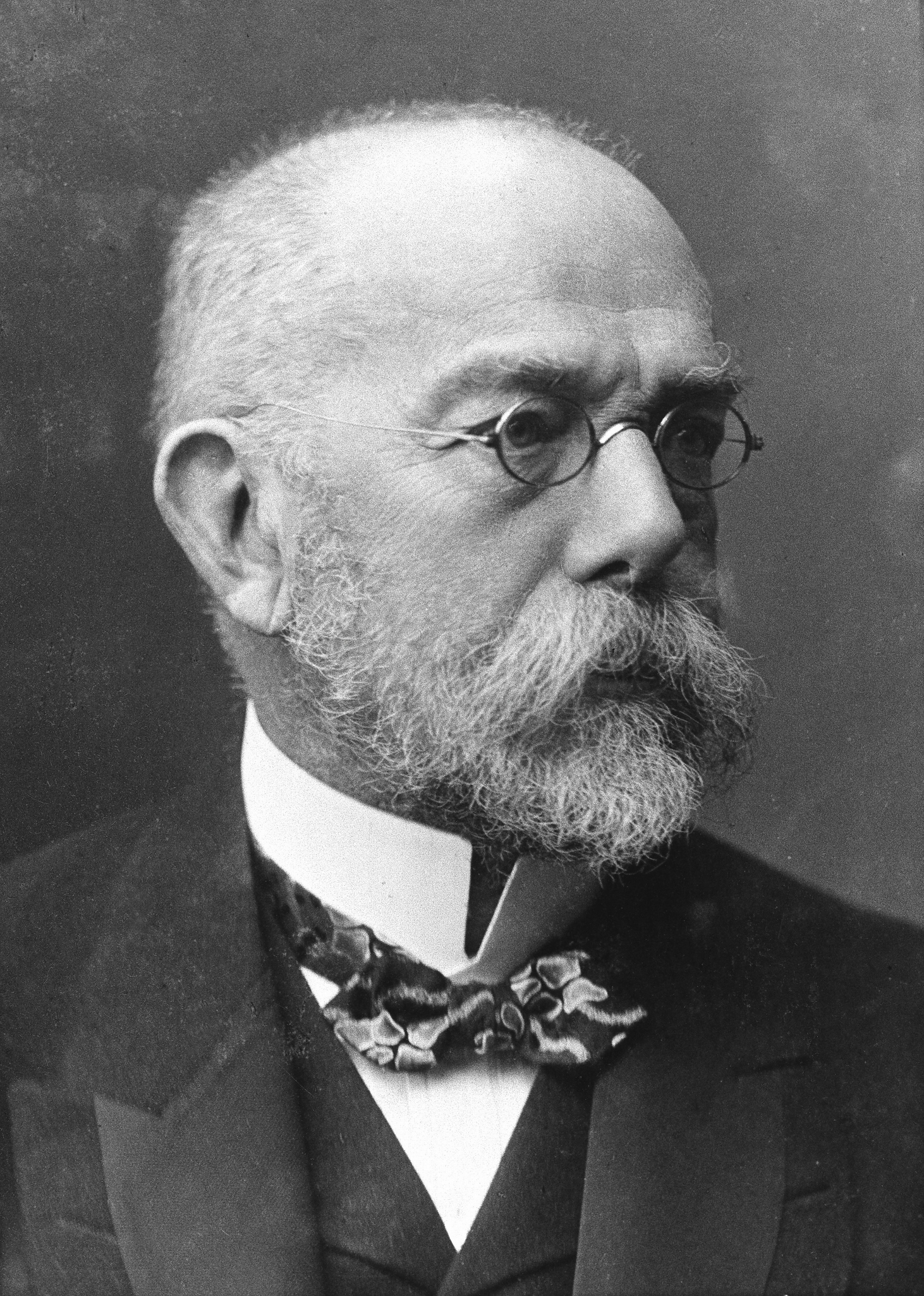
Koch–Weeks bacillus, Hemophilus conjunctivitidis, or Hemophilus aegyptius. Koch discovered the bacilli of two varieties of Egyptian conjunctivitis. See also No. 5930.
1883
#5237
Insects and disease - mosquitoes and malaria.
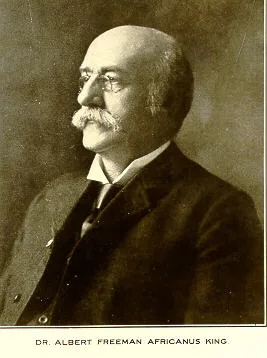
The first reasoned argument in support of the belief of transmission of malaria by mosquitoes. King was an English-born American physician who witnessed the assassination of Abraham Lincoln in April, 1865, and as a by…
1884
#3481
Untersuchungen über Cholera nostras.
Finkler and Prior isolated Vibrio proteus from stools in a case of acute gastro-enteritis.
1884
#5056
Untersuchungen über die Bedeutung der Mikroorganismen für die Entstehung der Diphtherie beim Menschen, bei der Taube und beim Kalbe.
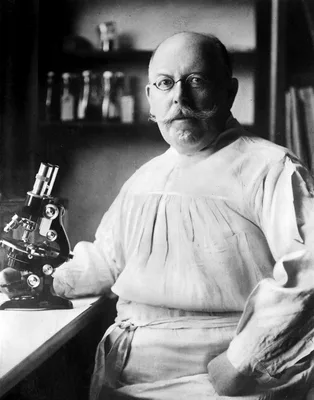
Loeffler succeeded in cultivating C. diphtheriae, the diphtheria bacillus. He reproduced the characteristic membrane by swabbing the mucous membranes of various animals with pure cultures of the bacillus. In this pape…
1884
#5108
Sechster Bericht der deutschen wissenschaftlichen Commission zur Ehrforschung der Cholera.
In this paper, dated 2 February 1884, written while Koch and his team were in Calcutta, Koch first published his discovery of the cholera bacillus and the main route of its transmission. He based his discovery on the …
1884
#5147
Studio experimentale sull’ eziologia del tetano.
Demonstration of the transmissibility of tetanus by inoculation into rabbits of pus from a human case.
1884
#5148
Ueber infectiösen Tetanus.
The discovery of the tetanus bacillus, Clostridum tetani, is attributed to Nicolaier; he was, however, unable to isolate the organism in pure culture.
1884
#9237
Die grosse Sterben in Deutschland in den Jahren 1348 bis 1351 und die folgenden Pestepidemien bis zum Schluss des 14. Jahrhunderts.
Digital facsimile from the Internet Archive at this link.
1885
#4643
Ueber die akute Encephalitis der Kinder (Polioencephalitis acuta, cerebrale Kinderlähmung).
“Strumpell’s disease” – polioencephalomyelitis.
1885
#5057
Intubation of the larynx.
O’Dwyer perfected the operation of laryngeal intubation in croup.
1885
#5293
On the presence of peculiar parasitic organisms in the tissue of a specimen of Delhi boil.
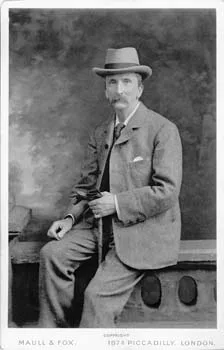
Cunningham saw and described bodies in Delhi boil; these were almost certainly Leishman–Donovan bodies.
1885
#5209
Der Mikro-Organismus der gonorrhöischen Schleimhaut-Erkrankungen, Gonococcus-Neisser.
Bumm cultured the gonococcus. By human inoculations he demonstrated its pathogenicity in pure culture.
1885
#5210.1
Bericht über eine bei Kindern beobachtete Endemie infectiöser Colpitis.
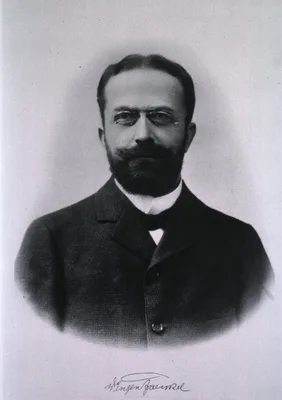
The gonococcus shown to be the cause of vulvovaginitis in children.
1885
#5238
Weitere Untersuchungen über die Malariainfection.
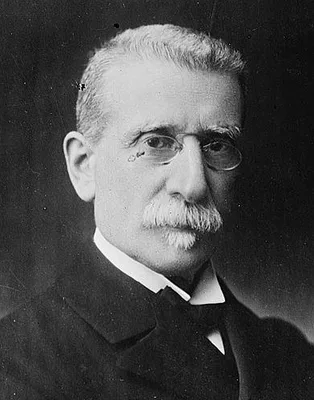
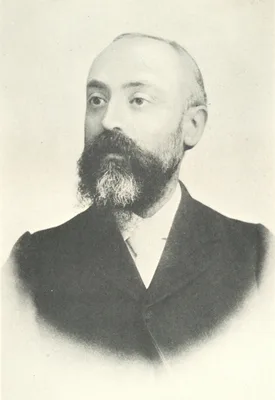
First accurate description of the malaria Plasmodium, discovered by Laveran in 1880. These writers were the first to adopt the name P. malariae.
1885
#5238.1
Zur Parasitologie des Blutes.
Discovery of malaria parasites in birds. See also Ann. Inst. Pasteur, 1890, 4, 427-31.
1885
#9544
Die elephantiastischen Formen. Eine umfassende Darstellung der angeborenen und erworbenen Elephantiasis sowie aller verwandten Leiden.
This atlas illustrates the various changes that occur under the collective term elephantiasis, including tumors of the blood and lymphatic vessels, fibromas, neuromas, papillomas. Goldschmid 258.
1885
#13805
La viruela en la América del Sud y principalmente en la República Argentina: Historia, estadística, clínica, y profilaxia.
Digital facsimile from wellcomecollection.org at this link.
1886
#1017
Die Darmbakterien des Säuglings und ihre Beziehungen zur Physiologie der Verdauung.
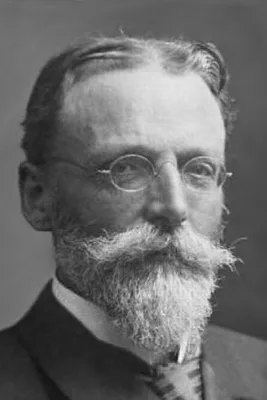
Includes the first account of Bact. coli infection. The organism was later renamed Escherichia coli (E.coli).
1886
#2393
La syphilis héréditaire tardive.
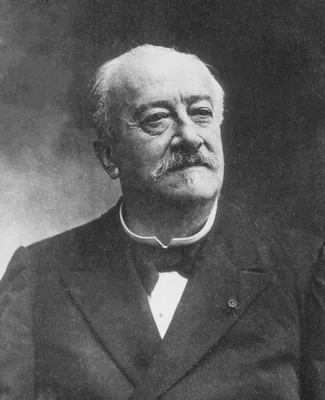
Fournier, one of the greatest syphilologists, did more than any other person to develop the knowledge regarding congenital syphilis. Through his writings, the importance of syphilis as a cause of degenerative diseases…
1886
#3175
Die Mikrococcen der Pneumonie.
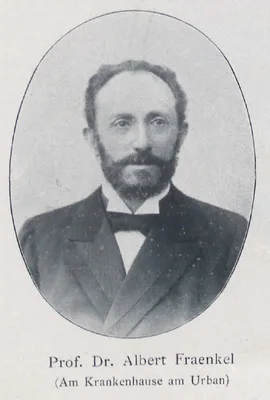
Fraenkel showed definitely that the organism found by Pasteur (No. 3172) and Sternberg (No. 3173) was a cause of pneumonia.
1886
#3176
Ueber die Aetiologie der acuten Lungen- und Rippenfellentzündungen.
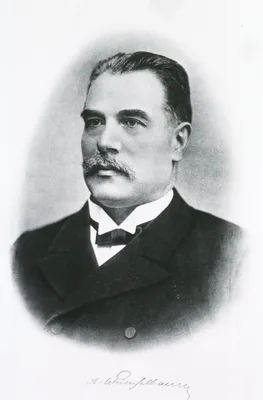
Weichselbaum definitely established that Friedländer’s bacillus was responsible for pneumonia in a small percentage of cases.
1886
#5080
Report on a disease of cows prevailing at a farm from which scarlatina had been distributed along with the milk of cows.
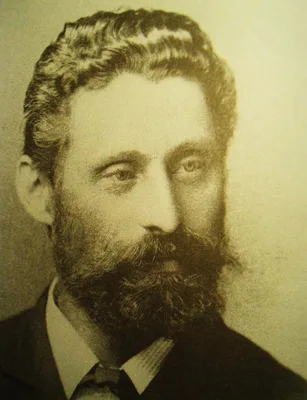
Contains the first suggestion of the streptococcal origin of scarlet fever.
1886
#5427
The life-history of the micro-organisms associated with variola and vaccinia. An abstract of results obtained from a study of smallpox and vaccination in the surgical laboratory of the University of Edinburgh.
The “Paschen elementary bodies” (No. 5430) were first recognized and demonstrated by Buist. Republished as an appendix to his Vaccinia and variola, London, 1887.
1886
#5476
Zur Pathologie und Therapie einer eigenthümlichen endemischen Krankheitsform.
This is generally regarded as the first description of pappataci fever.
1886
#5239
Sull infezione malarica.
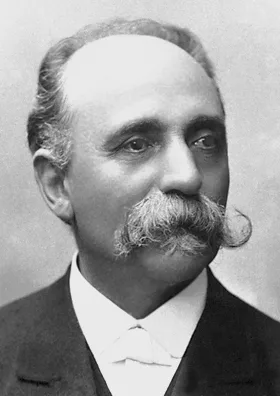
Description of the development of the parasite of quartan malaria. Golgi differentiated the tertian and quartan parasites by the periods of their respective developments.
1886 –1890
#7744
Klinicheskii sbornik po dermatologii i sifilologii. 4 vols.
Mansurov was the first dermatologist in Russia, and one of the first physicians to use photography systematically in medical illustration. This was a periodical, illustrated with original photographs, of which Manusro…
1886
#10521
Leprosy in Hawaii. Extracts from reports of presidents of the board of health, government physicians and others, and from official records, in regard to leprosy before and after the passage of the “Act to prevent the spread of leprosy”, approved Jan. 3, 1865. The laws and regulations in regard to leprosy in the Hawaiian Kingdom.
1887
#4678
Ueber die Aetiologie der akuten Meningitis cerebro-spinalis.
Weichselbaum discovered the meningococcus, Neisseria meningitidis, causative agent of cerebrospinal meningitis.
1887
#5503
Lektsii ob ostrikh infektsionnîkh bolieznyakh u dietei. [Lectures on acute infectious diseases of children.] Vol. 2
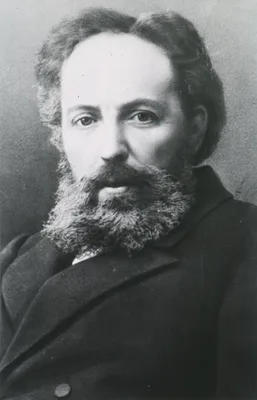
On p. 113 is Filatov’s account of a form of rubella with a scarlatiniform rash. To this he gave the name “rubeola scarlatinosa”. (See also No. 5505.)
1888
#2506
Ueber die Fleischvergiftung in Frankenhausen. a.K. und den Erreger derselben.
Discovery of Salmonella enteritidis, a cause of food poisoning.
1888 –1889
#5059
Contribution a l’étude de la diphtérie.
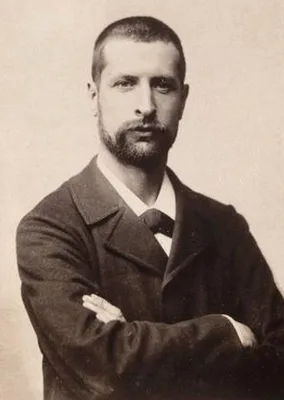
Confirmation of the work of Loeffler and demonstration of the exotoxin. This work is the starting point of the development of an immunizing serum.
1888
#5211
Die Blenorrhöe der Sexualorgane und ihre Complicationen.
1889
#2394
Expériences sur la toxicité du bismuth.
Balzer was the first to suggest bismuth in the treatment of syphilis.
1889
#5149
Ueber den Tetanusbacillus.
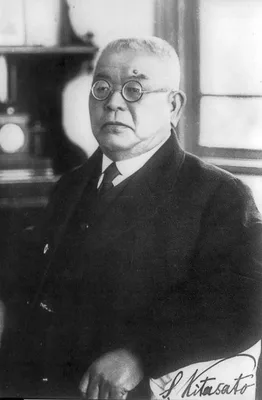
Kitasato obtained a pure culture of the tetanus bacillus, Cl. tetani.
1889
#5504
Ueber örtliche Rötheln.
First description of acute infectious erythema, “fifth disease”, called also “Sticker’s disease” after the latter’s description of it in Z. prakt. Aerzte, 1899, 8, 353.
1889
#5936
Conjonctivite infectieuse transmise par les animaux.
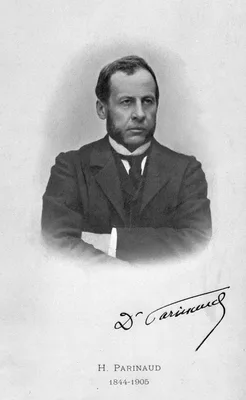
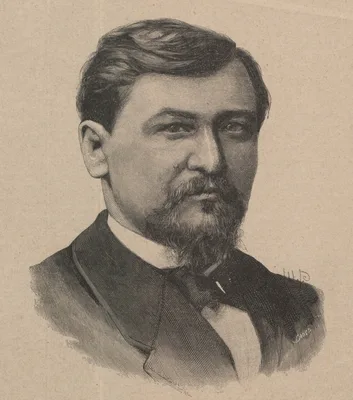
Parinaud described an infectious tuberculous conjunctivitis transmissible from animals to man. In 1924 Gifford suggested the name “Parinaud’s oculo-glandular syndrome” as a more suitable description. See also Rec. Oph…
1889
#5435
History and pathology of vaccination. 2 vols.
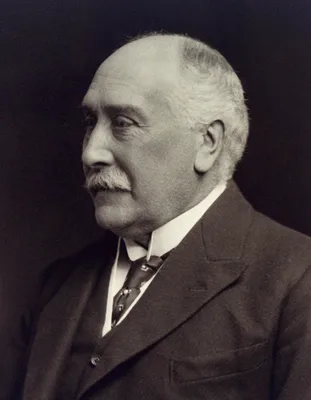
This very full history of the subject caused a good deal of controversy; see the review of it in Lancet, 1890, 1, 470-72. Crookshank was an opponent of vaccination.
1889
#5205
Il virus dell’ ulcera venerea.
Announcement of the discovery of Haemophilus ducreyi (Ducrey’s bacillus), causal organism in chancroid.
1889 –1900
#5226
Die Litteratur über die venerischen Krankheiten von der ersten Schriften über Syphilis aus dem Ende des fünfzehnten Jahrhunderts bis zum Jahre 1889. (Supplement Band I. Enthält die Litteratur von 1889-99 und Nachträge aus früherer Zeit.) 5 vols.
Reprinted Nieuwkoop, De Graaf 1966.
1889
#5240
Sul ciclo evolutivo dei parassiti malarica nella febbre terzana.
Golgi showed that the parasite of quartan differs from that of tertian malarial fever. English translation in Kean (No. 2268.1).
1889
#10885
Preliminary observations on the microorganism of Texas fever.
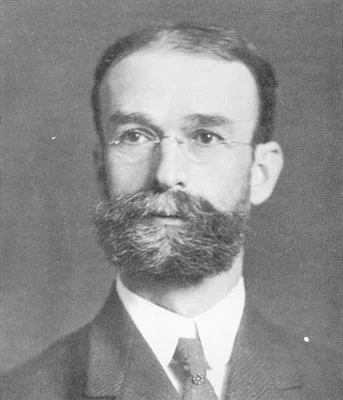
First report on the discovery of a Babesia, cause of Babesiosis. Smith first observed the microscopic organism in the summer of 1886, but mentioned Babes's work in this paper, perhaps resulting in Babes being credited…
1889
#11541
Traité des maladies des pays chauds: Région prétropicale.
1889
#12348
Jenner and vaccination: A strange chapter of medical history.
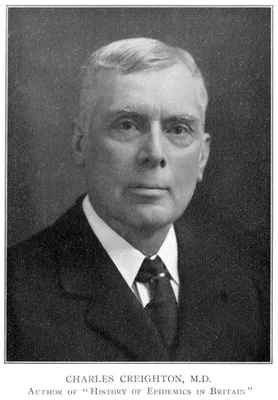
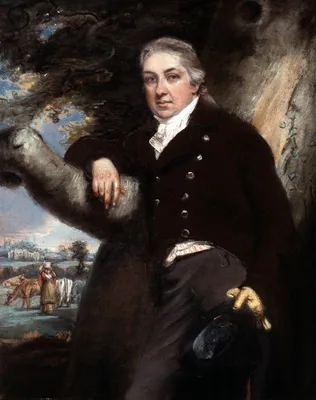
Creighton, one of the founders of epidemiology, disputed the germ theory of infectious disease, and became "one of the anti-vaccination movement's 'most ardent and distinguished spokesmen.' Creighton argued that vacci…
1890
#2332
Weitere Mittheilungen über ein Heilmittel gegen Tuberkulose.
In 1890, Koch announced the discovery of tuberculin, a substance derived from tubercle bacilli, which he thought was capable of arresting bacterial development in-vitro and in animals. This news gave rise to tremendou…
1890
#2544
Ueber das Zustandekommen der Diphtherie-Immunität und der Tetanus-Immunität bei Thieren.
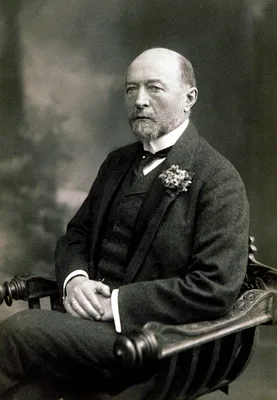
Antitoxins and their immunizing powers were discovered when Behring and Kitasato published their paper dealing with immunity to tetanus and diphtheria. This work laid the foundation of all future treatment with antito…