
Germany
1,482 entries published in Germany. 93 publication places.
1734 –1735
#1547
Tractatus quatuor anatomici de aure humana. Tractatus quintus anatomicus de aure humana. Cui accedit tractatus sextus de aure monstri humani.
Important tracts on the anatomy and physiology of the ear. Cassebohm’s studies of the embryonic ear far surpassed his predecessors, including Valsalva and Morgagni, and were not themselves surpassed until the work of …
1735
#3051
Epistolica dissertatio altera pro spicilegio observationum de morbo maculoso haemorrhagico et noxiis nonnulis mytulis perscripta.
Behrens gave the name “morbus maculosus haemorrhagicus” to the disease purpura haemorrhagica. His paper is reprinted in Werlhof’s Opera medica, Hannover, 1775, 2,615-36.
1735
#3052
Disquisitio medica et philologica de variolis et anthracibus.
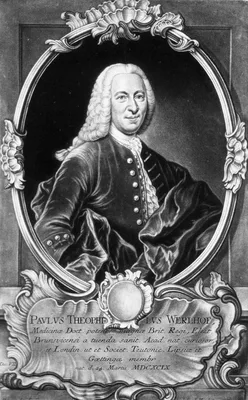
Werlhof gave a classic description of purpura haemorrhagica (“Werlhof’s disease”).
1736
#11319
Regii in academia ad Albim musei anatomici Augustei catalogus universalis praeparata anatomica Ruyschiana variorumque celeberrimorum auctorum tam sicca, quam in liquore contenta foetus, monstra, sceleta et artefacta exhibens. Cum oratione de museis....Abrahamus Vater.
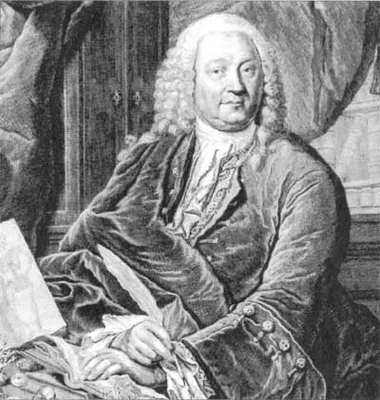
Digital facsimile from Google Books at this link.
1737
#1987
Unterricht von der wunderbare Heilkraft des frischen Wassers bei dessen innerlichem und äusserlichem Gebrauche durch die Erfahrung bestätigt.
The treatment of fevers by means of the cold pack was revived by S. Hahn and by his son J. S. Hahn; in his treatise, the latter advised the use of water in all diseases. A seventh edition of the book appeared as recen…
1738
#8356
Introductio in historiam litterarium anatomes nova aeque ac antiqua, bseu, Conspectus plerorumque, si non omnium, tam veterum quam recentiorum scriptorum, qui a primis artis medicae originibus usque ad praesentia nostra tempora anatomiam operibus suis illustrarunt: Una cum indice nominum rerumque locupletissimo.
1740 –1761
#9561
Die monatlich-herausgegeben Insecten-Belustigung. 4 vols.
Spectacular hand-colored plates."Insecten-Belustigung, appeared in 1740 and was devoted to the insects and other invertebrates like the sea anemones. His classification of the insects followed a natural system and he …
1742
#1691
Die göttliche Ordnung in denen Veränderungen des menschlichen Geschlechts.
Süssmilch, a German army chaplain, produced an important book on vital statistics, the title of which translates as The divine order in the circumstances of the human sex, birth, death and reproduction. Among other th…
1742
#1548
Dissertatio medica de auditu in genere et de illo que fit per os in specie.
Pyl was the first (page 20) to record the labyrinthine fluid and to discuss its rôle in the transmission of sound.
1742 –1743
#13442
Bibliotheca Meibomiana hoc est Henrici Meibomii...supellex libraria....a Io. Nicolao Froesio. 2 vols.
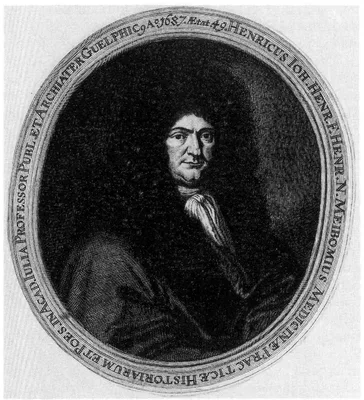
Digital facsimile from Google Books at this link.
1743 –1756
#397
Icones anatomicae. 8 pts.
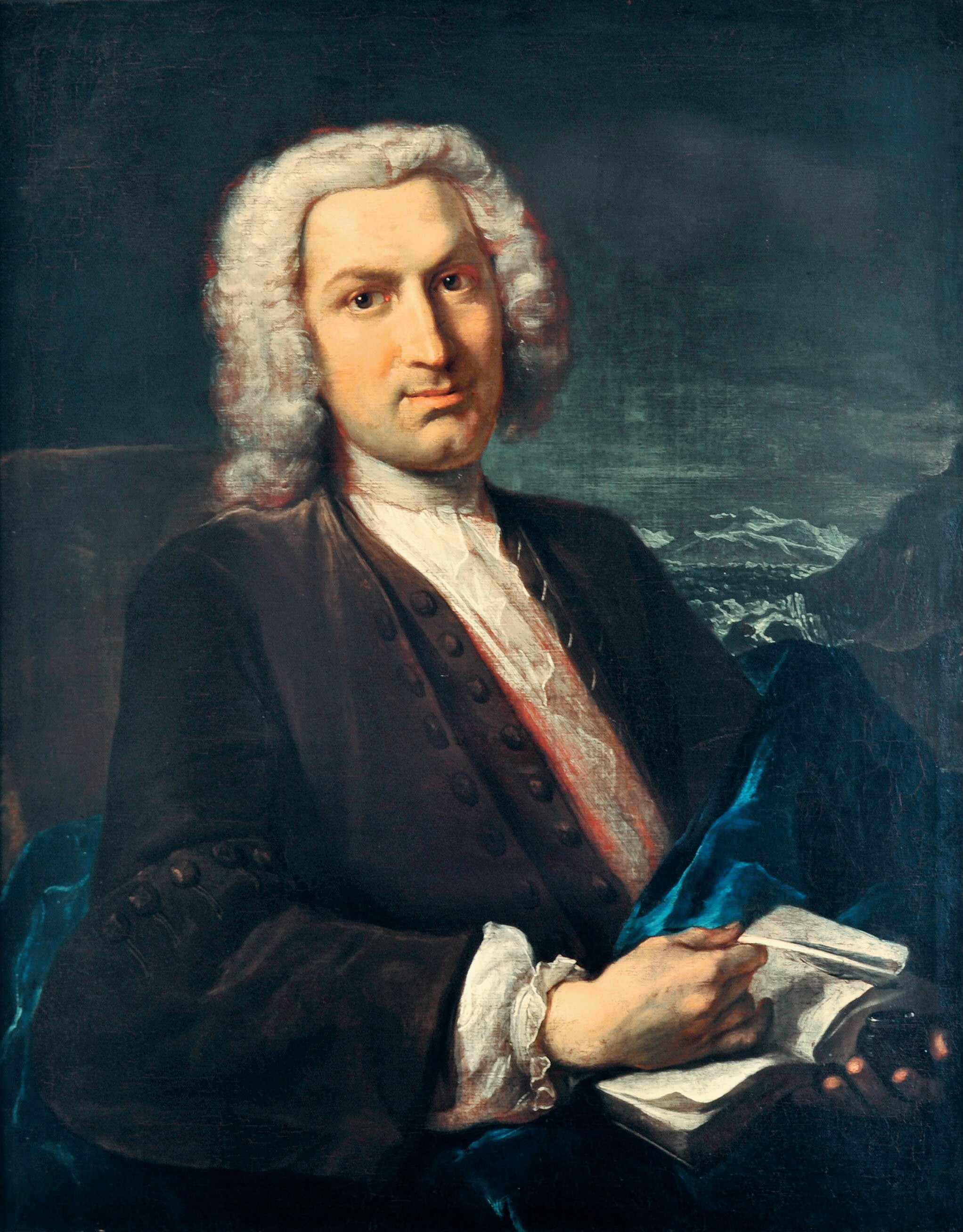
Accurate and beautiful engravings of the diaphragm, uterus, ovaries, vagina, arteries, with explanatory observations. About fifty years after they were originally published the most visually spectacular versions of Ha…
1743
#765.1
Dissertationem inauguralem de vera nervi intercostalis origine.
Taube described the carotid body and named it “ganglion minutum”, See J. Pick, J. Hist. Med., 1959, 14, 61-73.
1743
#13922
Museum Richterianum continens fossilia animalia, vegetabilia marina.
Catalogue of the cabinet of curiosities formed by the merchant and collector Johann Richter. Digital facsimile from Biodiversity Heritage Library at this link.
1744
#1987.1
Abhandlung von dem Nutzen der Electricität in der Artzneywissenschaft.
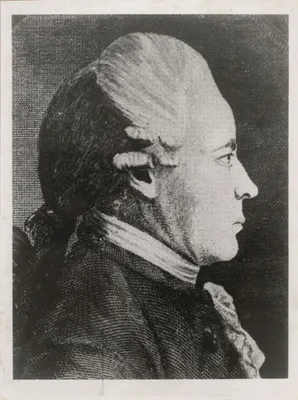
A student of Johann Gottlob Krüger (No. 1987.2), Kratzenstein was apparently the first to publish a treatise on electrotherapy, although he may have been publishing experiments devised by Krüger. Second edition, Halle…
1744
#1987.2
Zuschrifft an seine Zuhörer worinnen er ihnen seine Gedancken von der Electricität mittheilet und ihnen zugleich seine künftige Lectionen bekant macht.
Along with Kratzenstein, is the one of the first two works to discuss the possible therapeutic uses of electricity. Krüger predicted that the best results would be with paralyzed limbs. See No. 1987.1. Second edition,…
1744
#4302
De iis, qui ex tuberculis gibberosi fiunt.
Platner affirmed the tuberculous nature of humpback, which had earlier been surmised by Hippocrates and confirmed by Galen.
1745
#10474
Berg-Raths Medicinischer Aufstand und Schmelz-Bogen Von der Bergsucht und Hütten-Katze auch einigen andern, Denen Bergleuten und Hütten-Arbeitern zustoßenden Krankheiten, Vor dieselben und diejenigen So in Stein, Erz, Metall und Feuer arbeiten, ausgestellet.
A key early work on the Bergsucht or miner's phthisis.
1746 –1747
#917
De respiratione experimenta anatomica, quibus aëris inter pulmonem etpleuram absentia demonstratur et musculorum intercostalium internorum officium adseritur. 2 pts.
First investigation of the action of the intercostal muscles in respiration.
1746
#3424
De ruptura intestini duodeni.
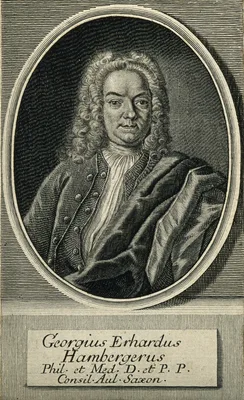
First description of duodenal ulcer.
1747
#585
Primae lineae physiologiae in usum praelectionum academicarum.
Haller was one of the most imposing figures in the whole of medicine, besides being a superb bibliographer and the founder of medical bibliography. As a physiologist he was the greatest of his time. Many apparently “n…
1747
#12700
Essai sur la caractére du grand medecin ou eloge critique de Mr. Herman Boerhaave [By Michael Maty].
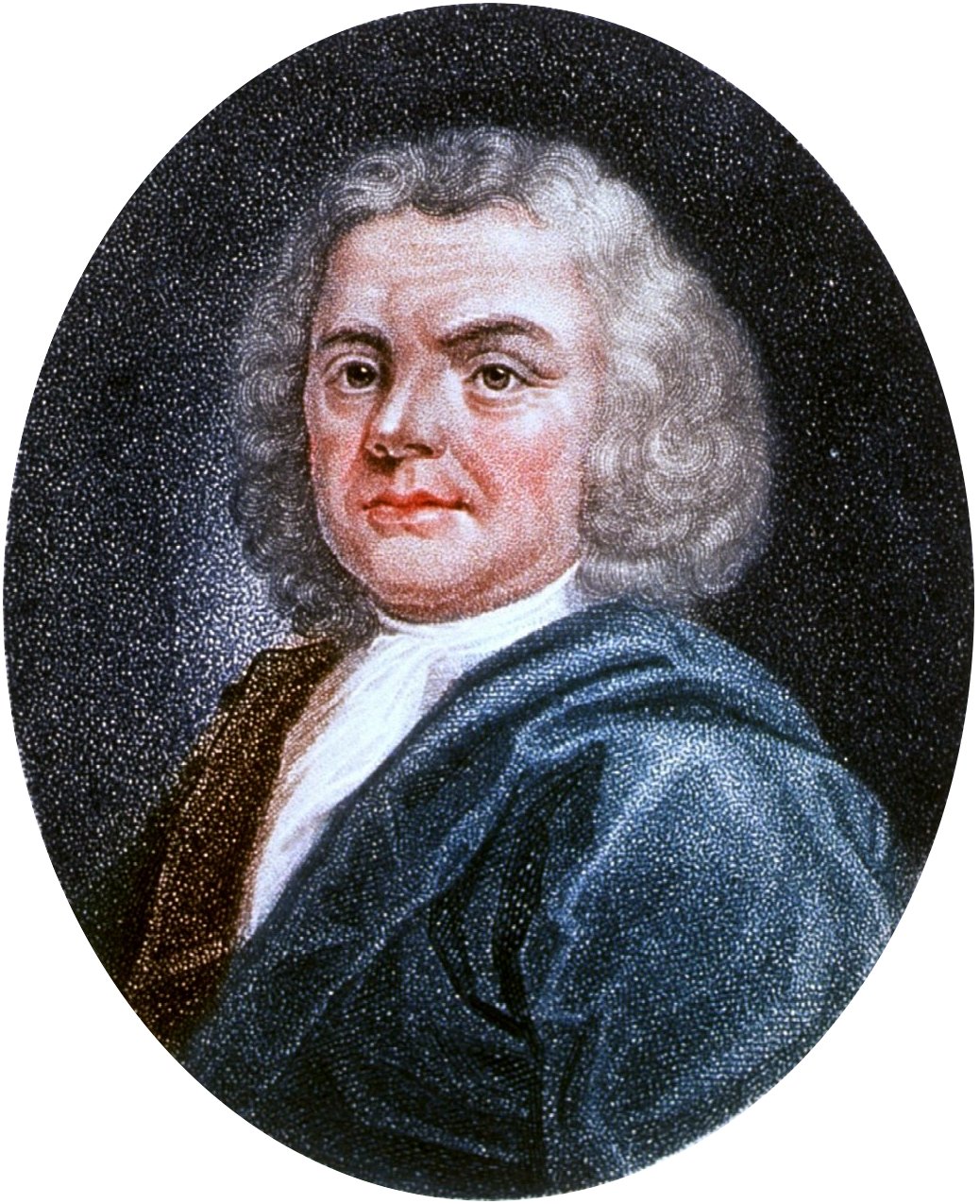
Digital facsimile from Google Books at this link.
1748
#1249
Tractatus anatomico-physiologicus de quinto pare nervorum cerebri.
Meckel’s graduation thesis contains the first really detailed account of the trigeminal nerve’s distribution (along with a meticulous treatment of the earlier literature), and in it he describes for the first time the…
1749
#2732
De aortae venaeque cavae gravioribus quibusdam morbis.
1749
#13437
Bibliothecae Platnerianae medicae sectio prior (posterior) auctionis lege distribuenda.
Digital facsimile from Google Books at this link.
1752
#3424.1
De tumore scirrhoso trium cum quadrante librarum glandulae parotidis extirpato.
First description of parotid tumor.
1752
#11719
Sendschreiben von den Wirkungen des Kafeetranks.
Discussing the consumption and reception of coffee from Britain to Turkey, Knoll dismissed criticisms of coffee, including that it reduced beauty and virility, or that it was contrary to Islam, instead promoting the m…
1753
#1483
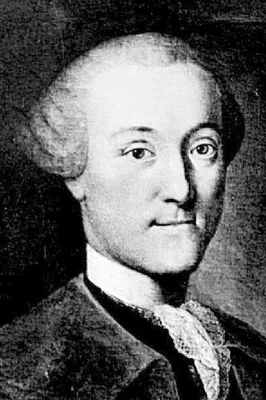
De ligamentis ciliaribus.
1754 –1759
#1809.1
Opera botanica per duo saecula desiderata vitam auctoris et operis historiam cordi librum quintum cum adnotationibus Gesneri in totum opus ut et Wolphii fragmentum historiae plantarum Gesnerianae adiunctis indicibus iconum tam olim editarum... ex bibliotheca C.J. Trew. Nunc primum in lucem edidit et praefatus est Casimirus Christophorus Schmiedel. 2 vols.
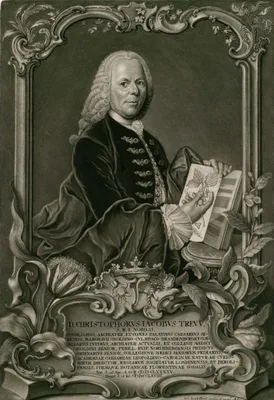
Stricken with the plague at the age of 49, Gesner was unable to complete his Historia plantarum (See No. 1807.) His collection of botanical watercolors changed hands several times until they were acquired by the physi…
1754
#13099
Recherches sur l’usage des feuilles dans les plantes, et sur quelques autres sujets relatifs à l’histoire de la végétation.
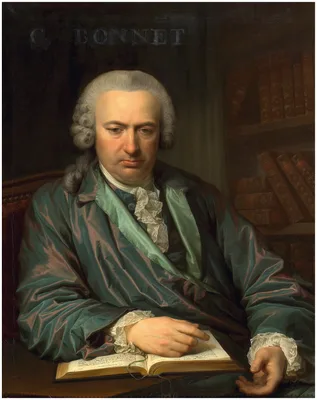
In his study of plant physiology Bonnet contributed significant research on phototropism. Digital facsimile from Biodiversity Heritage Library at this link. Craig W. Whippo, Roger P. Hangarter, Phototropism: Bending t…
1755
#1484
Descriptio anatomica oculi humani.
The first complete study of the anatomy of the eye, including the first description of the “zonule of Zinn” and the “annulus of Zinn”.
1756
#3673
Abhandlung von den Zähnen des menschlichen Körpers und deren Krankheiten.
The first important German manual of dentistry. Pfaff, dentist to Frederick the Great, was the first to describe the taking of dental impressions and the casting of models for false teeth. This book ranks in importanc…
1758
#9562
Historia naturalis ranarum nostratium in qua omnes earum proprietates, praesertim quae ad generationem ipsarum pertinent, fusius enarrantur.
Text in Latin and German. Includes the life cycle of all species of frogs found in Germany. Spectacular hand-colored plates. Digital facsimile from Universitätsbibliothek Heidelberg at this link.
1759
#470
Theoria generationis.
Wolff observed in great detail the early processes of embryonic differentiation. He disposed of the “preformation” theory, substituting his view that the organs are formed from leaf-like (blastodermic) layers. He thus…
1760
#13238
Verzeichnis der Práparaten welche auf dem anatomischen Theater der Akademie zu Greifswald befindlich sich nebst einer Vorrede von dem Einfluß der Zergliederungskunst in die glückseligkeit eines Staats.
First printed catalogue of the anatomical preparations in the Anatomical Theatre and Institute directed by the professor of anatomy, Andreas Westphal.
1761 –1762
#11816
Die gottliche Ordnung in den Veranderungen des menschlichen Geschlechts, aus der Geburt, dem Tode und der Fortpflanzung desselben erwiesen. Zwote und ganz umgearbeitete Ausgabe. 2 vols.
Twenty years after publication of the first edition (No. 1691), Süssmilch published a second edition "that was so different from the earlier book that it may well be called a separate work. While maintaining his origi…
1762
#5021
De morbo mucoso.
An exhaustive study of typhoid, which the writers confused with dysentery and relapsing fever.
1764
#74
Opera physico-medica.
Huxham, a Devonshire man, was a pupil of Boerhaave. His most important contributions to medicine were in connection with fevers and infectious diseases.
1771
#1357
Erste Gründe einer Physiologie der eigentlichen thierischen Natur thierischer Körper.
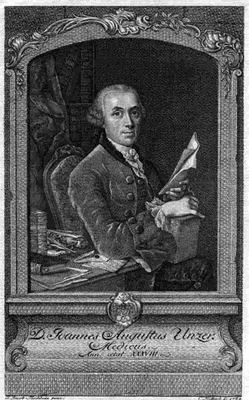
Unzer was probably the first to employ the work “reflex” in connection with sensory–motor reactions. T. Laycock translated his book into English for the Sydenham Society in 1851.
1771
#6604.9
Verzeichnis einer Samlung von Bildnissen, gröstentheils berühmter Aerzte; so wohl in Kupferstichen, schwarzer Kunst und Holzschnitten, als auch in einigen Handzeichungen: diesem sin verschiedene Nachrichten und Unmerkungen Vorgesekt, die so wohl zur Geschichte der Arzenengelahrtheit; als vornehinsich zur Geschichte der Künste gehören.
“Very valuable reports on artistic anatomy and the history of anatomic illustration” (Choulant). Probably represents the first history of medical portraiture. Digital facsimile from Googe Books at this link.
1772
#154
Von der Physiognomik.
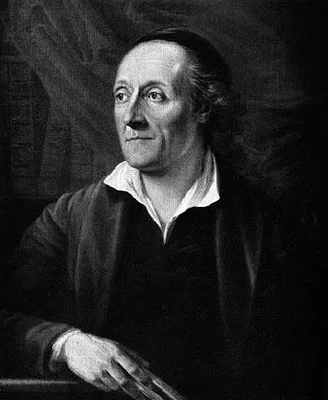
Lavater was the last of the descriptive physiognomists. He expanded the above work into Physiognomische Fragmente zur Beförderung der Menschenkenntnis und Menschenliebe, 1775-78. This was translated into English by H.…
1773 –1774
#11779
Vermium terrestrium et fluviatilium, seu animalium infusoriorum, helminthecorum, et testaceorum non marinorum, succincta historia. 2 vols.
In this work Müller arranged the Infusoria into genera and species for the first time. Digital facsimile from the Biodiversity Heritage Library at this link.
1773
#13842
Beschreibung einer Berlinischen Medaillen-Sammlung, die vorzüglich aus Gedächtnis-Münzen berühmter Aerzte bestehet; in welcher verschiedene Abhandlungen, zur Erklärung der alten und neuen Münzwissenschaft, imgleichen zur Geschichte der Arzneigelahrtheit und der Litteratur eingerücket sind von von J.C.W. Moehsen ...
Digital facsimile from Google Books at this link.
1774
#203.7
Ausfürliche Nachricht von neuentdeckten Zoolithen, unbekannter vierfüsiger Thiere…
Esper was the first to record the finding, in Gailenreuth Cave, of human bones alongside the remains of unknown and probably extinct animals. The implications of this dramatic observation published in a color plate bo…
1775 –1776
#75
Opera medica. 3 vols.
Werlhof, a contemporary and friend of Haller, is remembered for his classic description of purpura haemorrhagica (see No. 3052). He was Court physician at Hannover.
1775
#156
De generis humani varietate nativa.
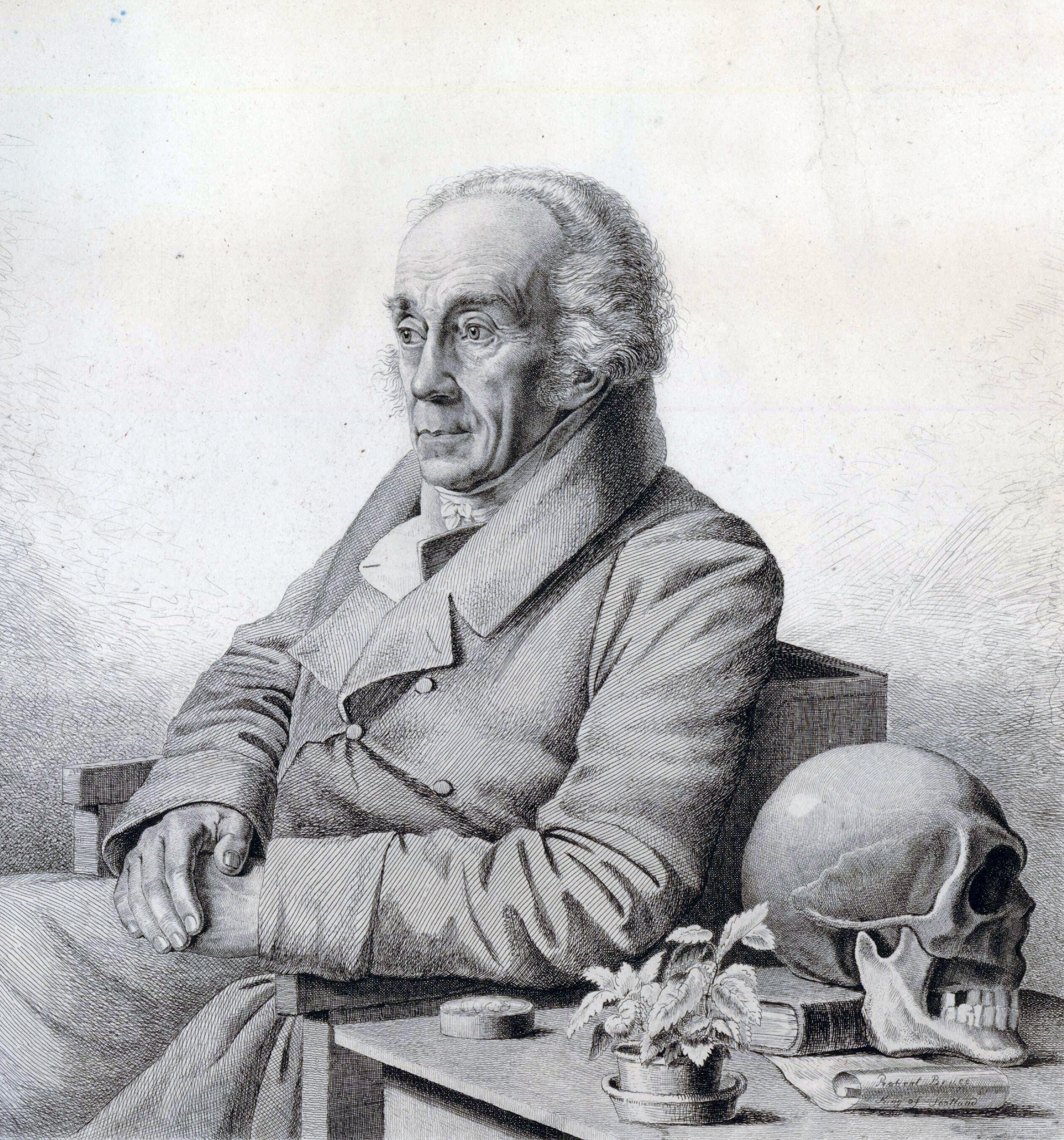
Blumenbach was the founder of anthropology. In this, his doctoral dissertation, he classified mankind into four races, based on selected combinations of head shape, skin color and hair form. In the second edition (178…
1777
#1252
Observationes anatomicae de quinto pare nervorum encephali.
Wrisberg, Professor of Anatomy at Göttingen, is remembered for his discovery of the nervus intermedius (“nerve of Wrisberg”), described in the above treatise.
1777
#10750
Von den Krankheiten der Juden: seinen Brüdern in Deutschland gewidmet.
The earliest book devoted entirely to the health and illness of Jews, written by a Jewish physician. Digital facsimile from Google Books at this link.
1777
#13452
Geschichte der Mission der Evangelischen Brüder auf den Caraibischen Inseln. Herausgegeben durch Johan Jakob Bossart. 2 vols.
Digital facsimile from Biodiversity Heritage Library at this link.
1778
#1383
Dissertatio inauguralis anatomica de basi encephali et originibus nervorum cranio egredientium libri quinque.
The first accurate enumeration of the 12 cranial nerves, superseding that of Willis (No. 1378). Soemmerring is notable for his accuracy in anatomical illustration. This was his thesis. The same publisher issued an edi…
1778
#2465
Abhandlung fiber die Saamen- und Infusionsthierchen, und über die Erzeugung: nebst mikroskopischen Beobachtungen des Saamens der Thiere, und verschiedener Infusionen.
Gleichen was probably the first to attempt to stain bacteria; he used carmine and indigo.