
United Kingdom
2,632 entries published in United Kingdom. 64 publication places.
1670
#3246
Dissertatio de origine catarrhi in qua ostenditur illum non provenire a cerebro. IN: Tractatus de corde, pp. 221-39.
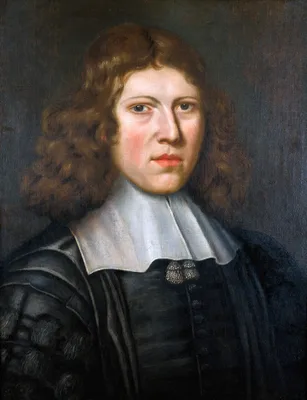
With Schneider, Lower overthrew the idea that nasal mucus originated in the brain. This discovery localized nasal catarrh in the air passages and put an end to the use of many recipes for “purging the brain”. The Diss…
1670
#9286
Catalogus plantarum Angliae, et insularum adjacentium: tum indigenas, tum in agris passim cultas complectens.
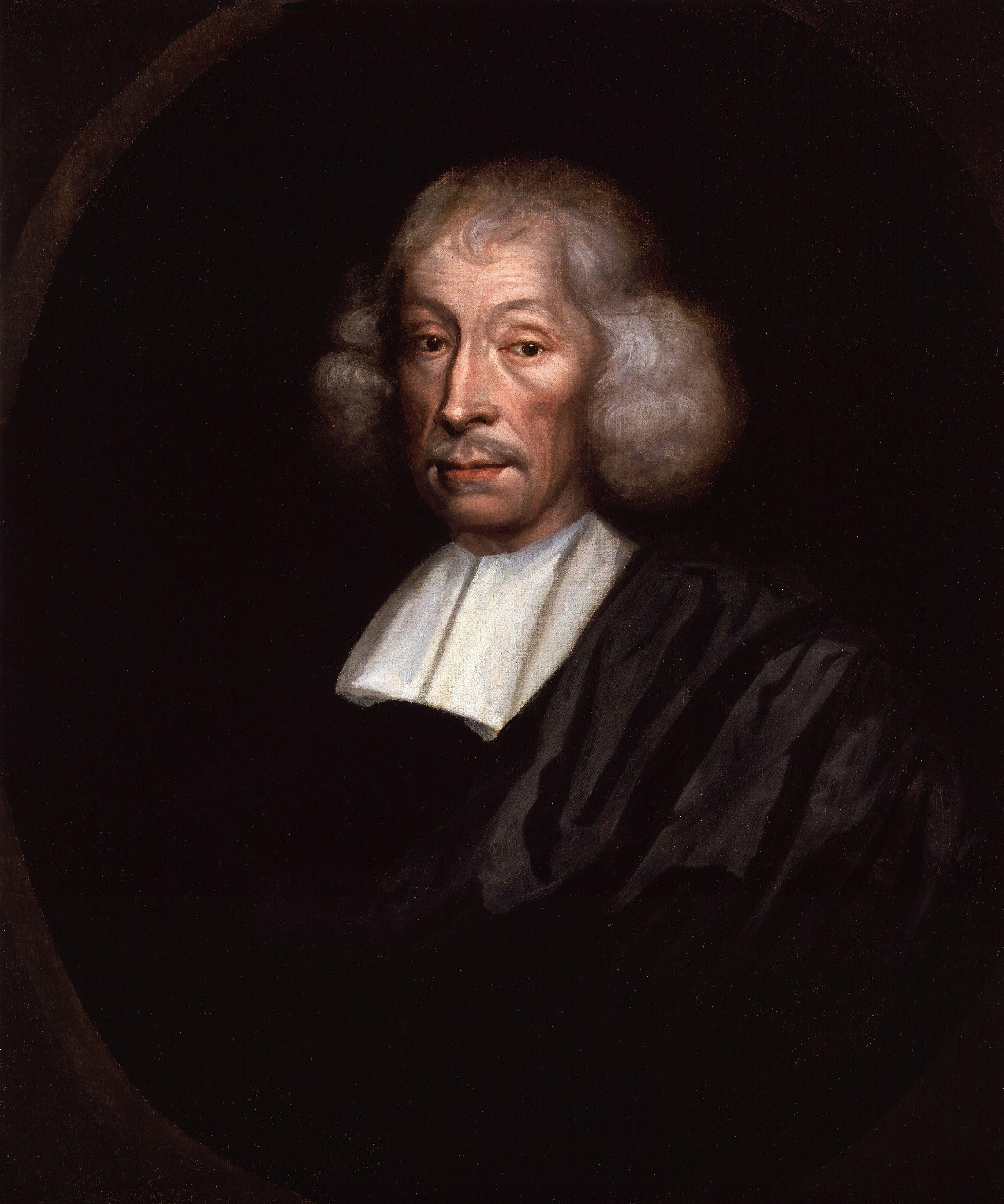
Includes some ethnobotanical notes regarding medical remedies. Digital facsimile from Google Books at this link.
1671
#6156.1
The midwives book: or the whole art of midwifery discovered.
The first book written by an English midwife. Sharp was the most accomplished midwife of 17th-century England. Scholarly, extensively annotated edition edited by Jane Hobby, New York & Oxford: Oxford University Press,…
1672
#1826.1
New-Englands rarities discovered: in birds, beasts, fishes, serpents, and plants of that country. Together with the physical and chyrurgical remedies wherewith the natives constantly use to cure their distempers, wounds, and sores…
The first detailed account of the natural history and botany of North America, including the first extensive study of native North American medicine.
1672
#1769
De aere, locis, et aquis terrae Angliae; deque morbis Anglorum vernaculis. Cum observationibus ratiocinatione & curandi method illustratis.
An outline of the medical topography of England.
1672
#1544
De anima brutorum
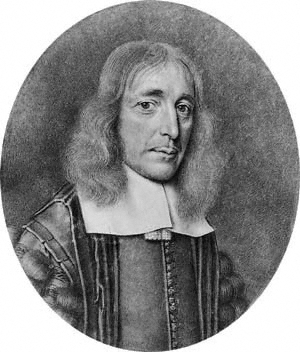
Chap. XIV is devoted to the sense of hearing; in it Willis described the “paracusis of Willis” (p. 73). English translation, 1683. A probable description of myasthenia gravis is given in Pars. 2, Cap. IX. In Pars 2, C…
1672
#5121
Λοιμόλόγια sive pestis nuperae apud populum Londinensem grassantis narratio historica.
Best medical record of the Great Plague of 1665. Hodges was physician to the City of London and the medical hero of the great epidemic. English translation by John Quincy, 1720: Loimologia, or, An historical account o…
1672
#7007
The American physician : or, a treatise of the roots, plants, trees, shrubs, fruit, herbs, etc., growing in the English Plantations in America ; ... whereunto is added a discourse of the Cacao-nut-Tree, and the use of its fruit ; with all the ways of making Chocolate
The earliest work in English on the medicinal virtues of North American tropical plants. Based on first-hand observations made in the West Indies, Evidence suggests that Hughes began his career in 1651 with a privatee…
1672
#11640
The anatomy of vegetables begun. With an a general account of vegetation founded thereon.
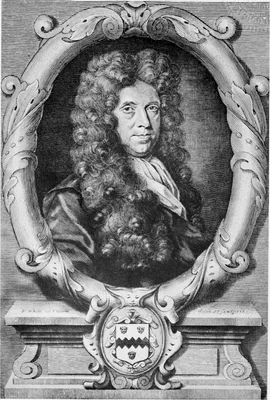
"Grew was a conscious pioneer in a hitherto neglected area... His work was primarily marked by his brilliant observation and description of plants and their component parts; having begun by making observations using o…
1672
#13878
New-Englands rarities discovered: In birds, beasts, fishes, serpents, and plants of that country. Together with the physical and chyrurgical remedies wherewith the natives constantly use to cure their distempers, wounds, and sores; also A perfect description of an Indian squa, in all her bravery, with a poem not improperly conferr'd upon her; lastly, a chronological table of the most remarkable passage in that country amongst the English.
Josselyn's books give some of the earliest and most complete information on New England flora and fauna in colonial times, and his outlook was later praised by Henry Thoreau, among others. Digital facsimile from Biodi…
1673
#468
De ovo incubato observationes.
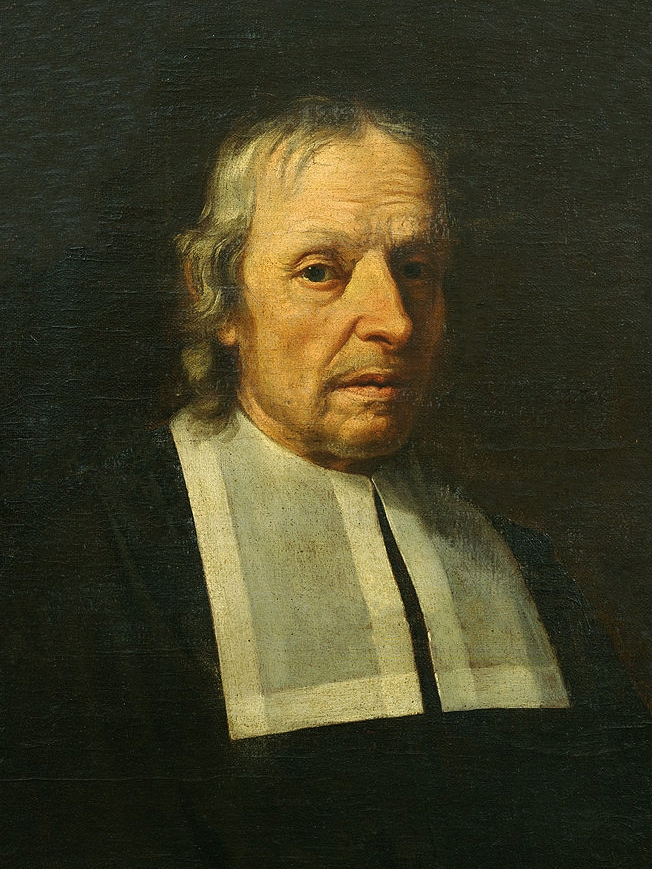
First accurate description, from the microscopical point of view, of the chick embryo. See No. 467.1. English translation in No. 534.1
1673
#469
Dissertatio epistolica de formatione pulli in ovo.
This and the De ovo incubato (No. 468) placed the study of embryology on a sound basis, surpassing in accuracy all other contemporary work on the subject and foreshadowing some of the more important general lines of r…
1673
#7328
A Brief Account of Some Travels in Hungaria, Servia, Bulgaria, Macedonia, Thessaly, Austria, Styria, Carinthia, Carniola, and Friuli.
Digital facsimile from Google Books at this link.
1674
#2726.2
Tractatus quinque medico-physici.
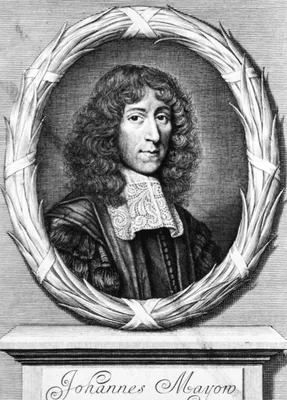
Mayow was the first to locate the seat of animal heat in the muscles; he discovered the double articulation of the ribs with the spine and came near to discovering oxygen in his suggestion that the object of breathing…
1674 –1675
#3926
Pharmaceutice rationalis sive diatriba de medicamentorum operationibus in humano corpore. 2 vols.
Willis’s last work deals with the anatomy and physiology of the thoracic and abdominal organs, and contains the first description of the superficial lymphatics of the lungs, the first clinical and pathological account…
1674
#13261
An account of two voyages to New-England. Wherein you have the setting out of a ship, with the charges; The prices of all necessaries for furnishing a planter and his family at his first coming: a description of the countrey [sic], natives, and creatures; with their merchantil [sic] and physical use; the government of the countrey as it is now possessed by the English, &c. A large chronological table of the most remarkable passages, from the first discovering of the continent of America, to the year 1673.
Josselyn first visited America in 1638-39 and returned from 1663 to 1671. His second and more extensive book includes an herbal, with numerous botanical as well as medical and surgical descriptions, and is considered …
1675 –1679
#536
Anatome plantarum.
Malpighi was the founder of microscopic anatomy and a pioneer in the study of plant development. He approached the subject through the study of plant tissues. His Appendix adds to the work on chick embryology Malpighi…
1675
#8451
A catalogue of chymicall books. In three parts. In the first and second parts are contained such chymical books as have been written originally, or translated into English: with a large account of their titles, several editions and volumes. Likewise in the third part is contained a collection of such things published in the Philosophical transactions of the Royal Society (for ten years together) as pertain to Chymistry, or the study of nature by art in the animal, vegetal, and mineral kingdoms. Collected by Will. Cooper, bookseller, at the pelican in Little-Britain, London.
The first bibliography of chemistry published in England. ESTC No. 00608591. ESTC Citation No. R20346. See William Cooper's A catalogue of chymical books, 1673-88: A verified edition by Stanford J. Linden (New York: G…
1676
#2198
Observationes medicae circa morborum acutorum historiamet curationem.
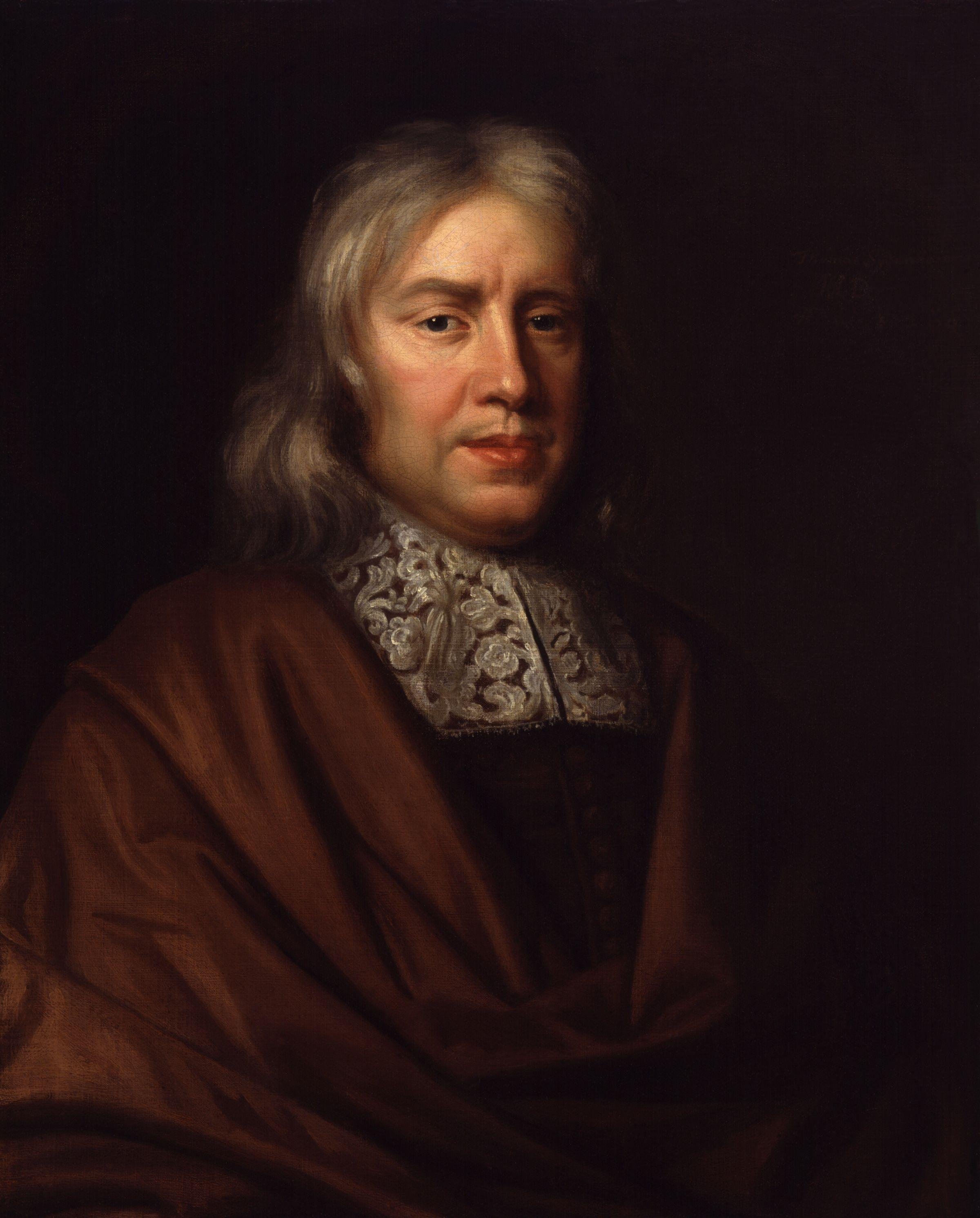
Sydenham recorded significant observations on dysentery, scarlet fever (p. 387), scarlatina, measles and other conditions. He stressed the clinical study of medicine and kept careful case records. Includes (pp. 272-80…
1676
#1481.2
Ophthalmo-graphia; sive, oculi eiusque partium descriptio anatomica.
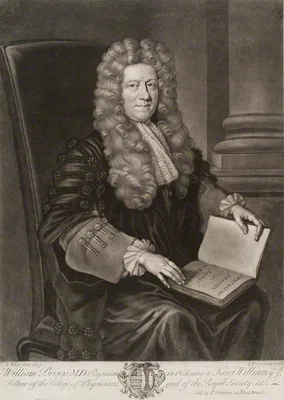
First English treatise on the anatomy of the eye. Briggs described the papilla of the optic disc and hypothesized that vibrations caused by rays of light striking fibers of the retina were conveyed to the papilla, and…
1676
#5573
Severall chirurgicall treatises.
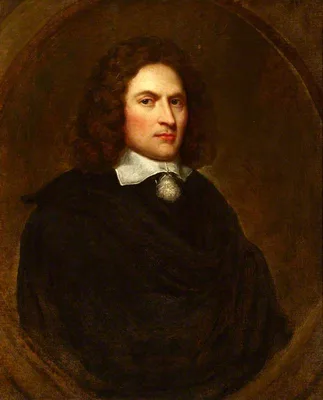
Wiseman ranks in surgery as high as does Sydenham in medicine. He made many valuable contributions to the subject; he was the first to describe tuberculosis of the joints (“tumor albus”) and he gave a good account of …
1676
#7089
Ornithologiae, libri tres....Totum opus recognovit, digessit, supplevit, Joannis Raius.
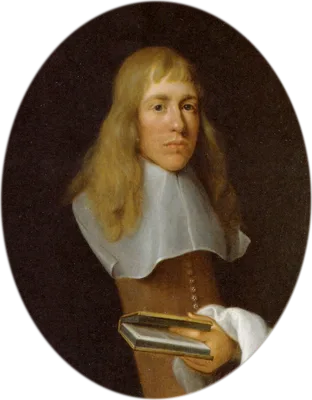
Ray and Willughby were the first ornithologists to discard the Aristotelian principles of classification by function, replacing them with a morphological system based on beak form, foot structure and body size that re…
1676
#9511
The family physician, and the house apothecary: Containing I. Medicines against all such diseases people usually advise with apothecaries to be cured of, II. Instructions, whereby to prepare at your own houses all kinds of necessary medicines that are prepared by apothecaries, or prescribed by physicians, III. The exact prices of all drugs, herbs, seeds, simple and compound medicines, as they are sold at the druggists, or may be sold by the apothecaries, IV. That it's plainly made to appear, that in preparing medicines thus at your own houses, that it's not onely a far safer way, but you shall also save nineteen shillings in twenty, comparing it with the extravagant rates of many apothecaries.
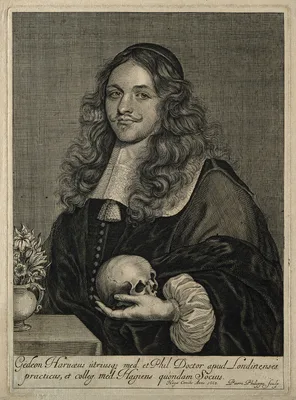
The text of the second edition (1678) is available from Early English Books Online at this link.
1677
#579
Tractatus de ventriculo et intestinis.
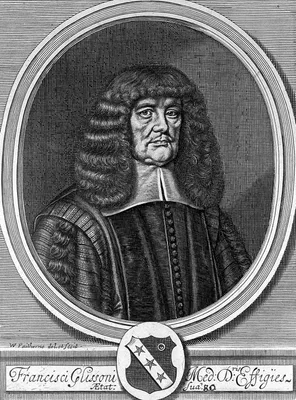
Glisson introduced the idea of irritability as a specific property of all human tissue, a hypothesis which had no effect upon contemporary physiology, but which was later demonstrated experimentally by Haller (No. 587).
1677
#215
The primitive organization of mankind considered and examined according to the light of nature.
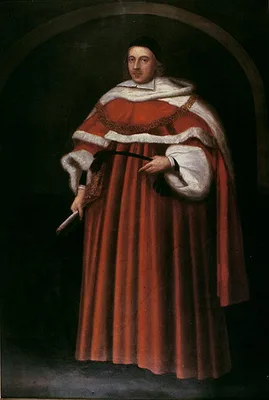
In response to Isaac de la Peyrere‘s theory of polygenesis, Hale, Chief Justice of the King’s Bench, advanced his own theory that the earth was not eternal, but rather had a spontaneous “beginning,” and defended “the …
1677
#9394
An account of several travels through a great part of Germany: In four journeys I. From Norwich to Colen. II. From Colen to Vienna, with a particular description of that imperial city. III. From Vienna to Hamburg. IV. From Colen to London. Wherein the mines, baths, and other curiosities of those parts are treated of. Illustrated with sculptures.
Digital facsimile from the Internet Archive at this link.
1677
#12041
The astrological judgement and practice of physick, deduced from the position of the heavens at the decumbiture of a sick person.
Saunders "practised astrology and cheiromancy during the golden age of the pseudo-sciences in England." The DNB characterizes this work as "a systematic exposition of astrological therapeutics, based largely upon exam…
1678
#12766
Historia animalium angliae tres tractatus. Unus de araneis. Alter de cochleis tum terrestribus tum fluviatilibus. Tertius de cochleis marinis. Quibus adjectus est quartus de lapidibus eiusem insulae ad cochlearum quandam imaginem figuratis. Memoriae & rationi.
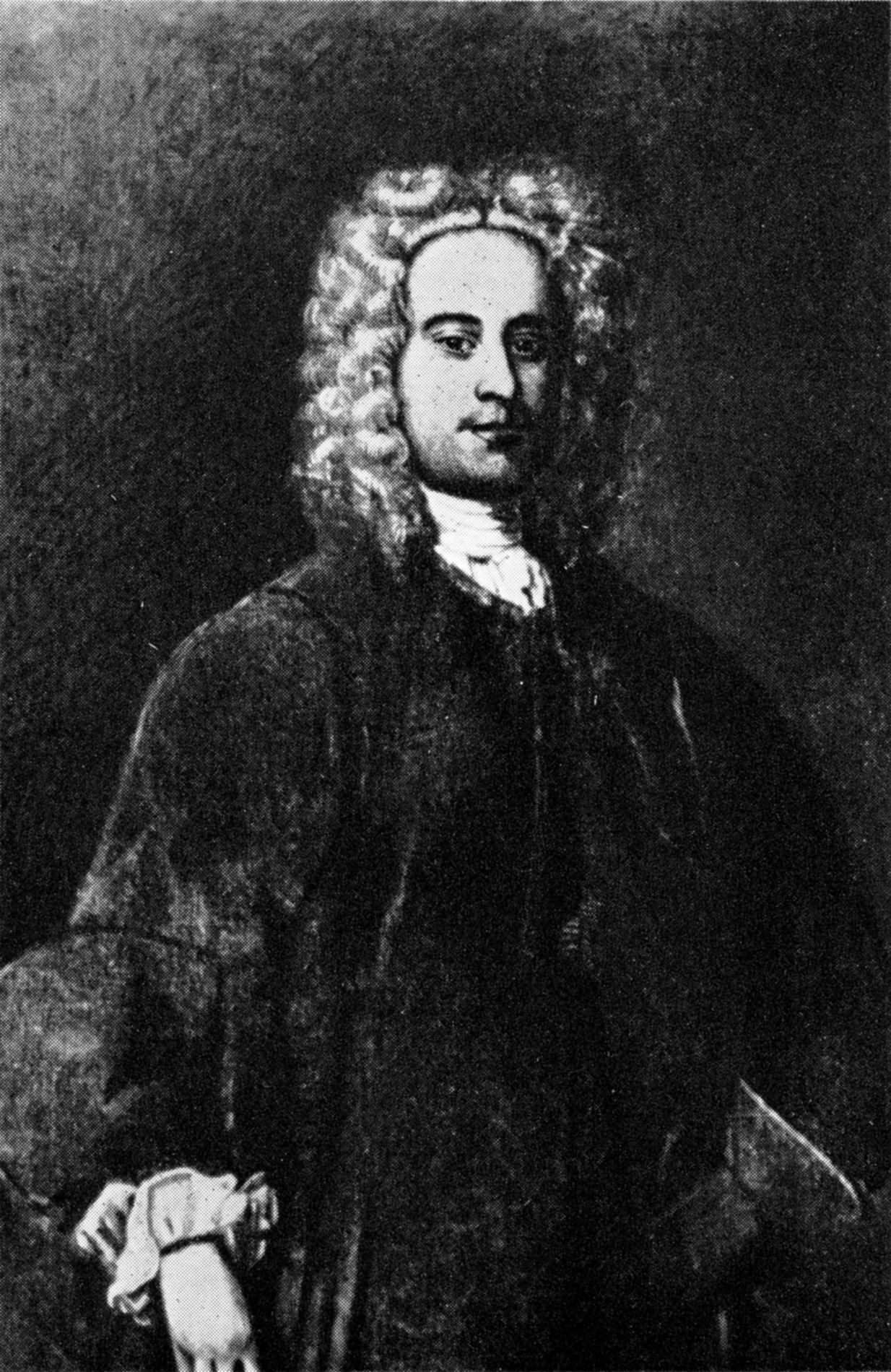
Lister was the first arachnologist and conchologist. This work was the first organized, systematic publication on shells. In spite of the wording of the title, the work contains four sections on spiders, land snails, …
1678
#13233
Microscopium, or some new discoveries made with and concerning microscopes. Lectures and Collections made by Robert Hooke, Secretary of the Royal Society, pages 81-112.
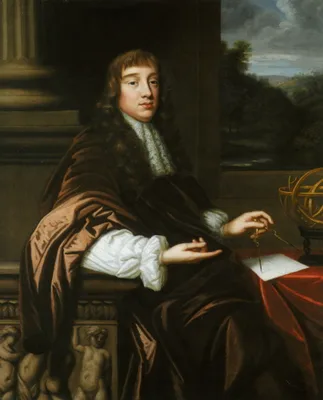
On his title page Hooke listed the contents of this section as follows: "Mr. Leeuwenhoeck's two letters concerning some late microscopical discoveries. "The author's discourse and description of microscopes, improved …
1679
#4436
Currus triumphalis, è terebinthô. Or an account of the many admirable vertues of oleum terebinthinae. More particularly, of the good effects produced by its application to recent wounds, especially with respect to the hemorrhagies of the veins, and arteries, and the no less pernicious weepings of the nerves, and lymphaducts. Where also, the common methods, and medicaments, used to restrain hemorrhagies, are examined, and divers of them censured. And lastly, A new way of amputation, and a speedier convenient method of curing stumps, than that commonly practised, is with divers other useful matters recommended to the military surgeon.…
Describes how Yonge used turpentine to arrest hemorrhage, and presents the first account of a flap amputation. It also shows that Yonge was familiar with tourniquets. Digital facsimile from Google Books at this link.
1679
#9909
A discourse of the state of health in the island of Jamaica. With a provision therefore calculated from the air, the place, and the water: the customs and manners of living, &c.
The first English book on tropical medicine. Digital facsimile from Google Books at this link.
1679
#13822
Catalogus librorum . . . Bibliothecarum . . . Stephani Watkins . . . Thomas Sherley . . . Per Gulielmum Cooperum . . .Little Britain.
1680
#3350
Didascalocophus or the deaf and dumb mans tutor, to which is added a discourse of the nature and number of double consonants: both which tracts being the first (for what the author knows) that have been published upon either of the subjects.
Dalgarno considered that the deaf had an advantage over the blind in opportunities of learning languages. He invented an alphabet for the use of deaf-mutes.
1680
#9698
Praxis catholica: or the countryman's universal remedy wherein is plainly and briefly laid down the nature, matter, manner, place and cure of most diseases, incident to the body of man, not hitherto discovered, whereby any one of an ordinary capacity may apprehend the true cause of his distempers, wherein his cure consists, and the means to effect it : together with rules how to order children in that most violent disease of vomiting and looseness, &c. : useful likewise for seamen and travellers : also an account of an imcomparable powder for wounds or hurts which cure any ordinary ones at once dressing. Written by Robert Couch, sometime practitioner in physick and chyrurgery, at Boston in New-England. Now published with divers useful additions (for public benefit) by Chr. Pack, operator in chymistry.
The first medical book written in the British colonies of North America. The introduction, "To all ingenious students and practitioners in physick and chyrurgery", is signed Robert Couch, but the extent of additions i…
1681
#297
Musaeum Regalis Societatis, or a catalogue and description of the natural and artificial rarities belonging to the Royal Society and preserved at Gresham College. Whereunto is subjoyned the comparative anatomy of stomachs and guts.
Grew, secretary to the Royal Society, compiled this illustrated catalogue of its museum, then housed at Gresham College. Published with the catalogue is Grew’s study of the stomach organs, which is the first zoologica…
1682
#8836
Wounds of the brain proved curable, not only by the opinion and experience of many (the best) authors, but the remarkable history of a child four years old cured of two very large depressions, with the loss of a great part of the skull, a portion of the brain also issuing thorough a penetrating wound of the dura and pia mater…
Probably the first monograph in English on surgery of the head and brain. Yonge was a naval surgeon who set up in practice in Plymouth after he gave up the sea. He had just performed the operation for an injury of the…
1682
#9198
Dissertatio epistolaris . . . de observationibus nuperis circa curationem variolarum confluentium nec non de affectione hysterica.
"Sydenham so precisely describes the symptoms of hysteria that even today little can be added to what he said. He maintained that is was the most common chronic disease, and he recognized that in spite of the fact tha…
1682
#12612
A treatise of cleanness in meats and drinks of the preparation of food, the excellency of good airs and the benefits of clean sweet beds also of the generation of bugs and their cure : to which is added, a short discourse of the pain in the teeth shewing from what cause it does chiefly proceed, and also how to prevent it.
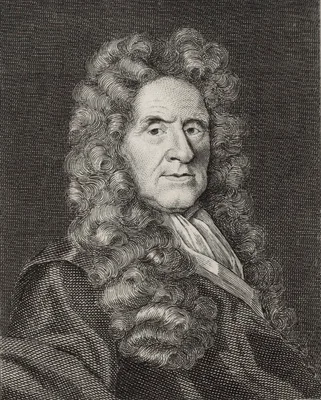
Digital text from Early English Books Online at this link.
1683
#4486
Tractatus de podagra et hydrope.
Of the many great works of Sydenham, this is considered his masterpiece. He clearly differentiated gout from rheumatism. For an English translation, see his Works, published by the Sydenham Society, 1850, 2, 123-84.
1683
#1761
The conclave of physicians, detecting their intrigues, frauds, and plots, against their patients.
1683
#6374.1
Dissertatio de arthritide: mantissa schematica: de acupunctura: et orationes tres…
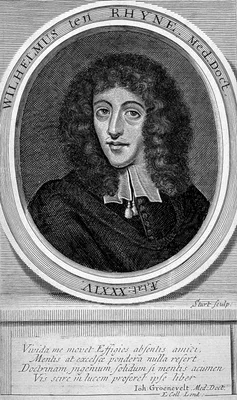
This work by the resident physician at Deshima, the Dutch East India Company’s trading station in Nagasaki Bay, Japan, contains the first detailed description of acupuncture, and the first illustration of acu-points p…
1683
#298
The anatomy of an horse.
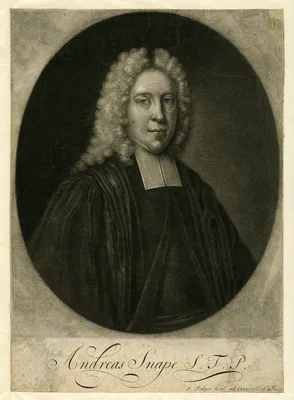
First book in English on equine anatomy, largely a translation of Ruini (No. 285).
1683
#9308
The way to health, long life and happiness, or, a discourse of temperance and the particular nature of all things requisit for the life of man as all sorts of meats, drinks, air, exercise, &c. with special directions how to use each of them to be the best advantage of the body and mind. Shewing from the true ground of nature whence most diseases proceed, and how to prevent them. To which is added, a treatise of most sorts of English herbs ... the like never before published / communicated to the world for a general good, by Philotheos Physiologus.
Tryon, an English merchant, was the author of popular self-help books and an early advocate of vegetarianism. Digital facsimile from the Hathi Trust at this link.
1683
#13076
Hortus medicus Edinburgensis, or, A catalogue of the plants in the Physical Garden at Edinburgh: Containing their most proper Latin and English names; with an English alphabetical index.
Digital facsimile from Biodiversity Heritage Library at this link.
1684
#861
Memoirs for the natural history of humane blood, especially the spirit of that liquor.
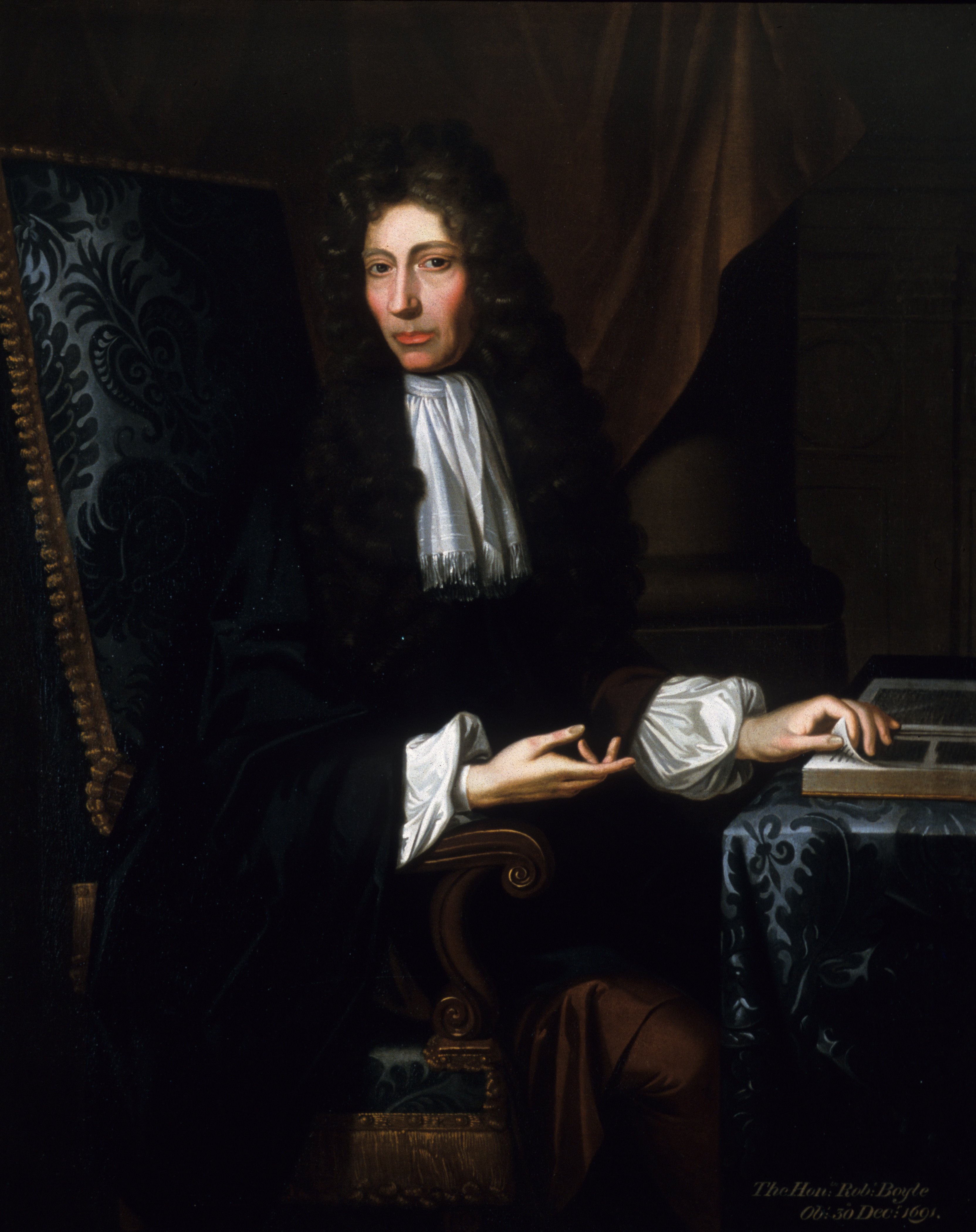
The first analysis of blood, Boyle’s Memoirs may be considered the first scientific study in physiological chemistry, exhibiting methods which have become universally adopted. This is Boyle’s most important medical work.
1684
#2375
Tuta, ac efficax luis venereae, saepe absque mercurio, ac semper absque salivatione mercuriali curando methodus.
Abercromby advanced the idea that syphilis was caused by a parasite, and promoted mercury as a treatment. Digital facsimile from Google Books at this link.
1684
#5822
Two remarkable cases relating to vision.
Includes the first known description of nyctalopia.
1684
#6797
A physical dictionary; in which all the terms relating either to anatomy, chirurgery, pharmacy, or chemistry, are very accurately explain’d.
The English translation of Blankaart’s dictionary was the first medical dictionary to be printed in the British Isles. The original Greek-Latin text was published in Amsterdam, 1679.
1684
#7030
Aristoteles master-piece, or the secrets of generation displayed in all the parts thereof . . .
The first sex manual in English, neither by Aristotle or a "masterpiece", provided its readers with practical advice on copulation, conception, pregnancy and birth.This anonymous, inexpensively printed work proved to …
1684
#1311
Dr. Willis's practice of physick.
The only complete edition of Willis's works in English, translated by the poet Samuel Pordage. It contains the translations of all his works except his Affectionum quae dicuntur hystericae (1671). The collection inclu…