
Italy
447 entries published in Italy. 42 publication places.
1707
#2731
De subitaneis mortibus libri duo.
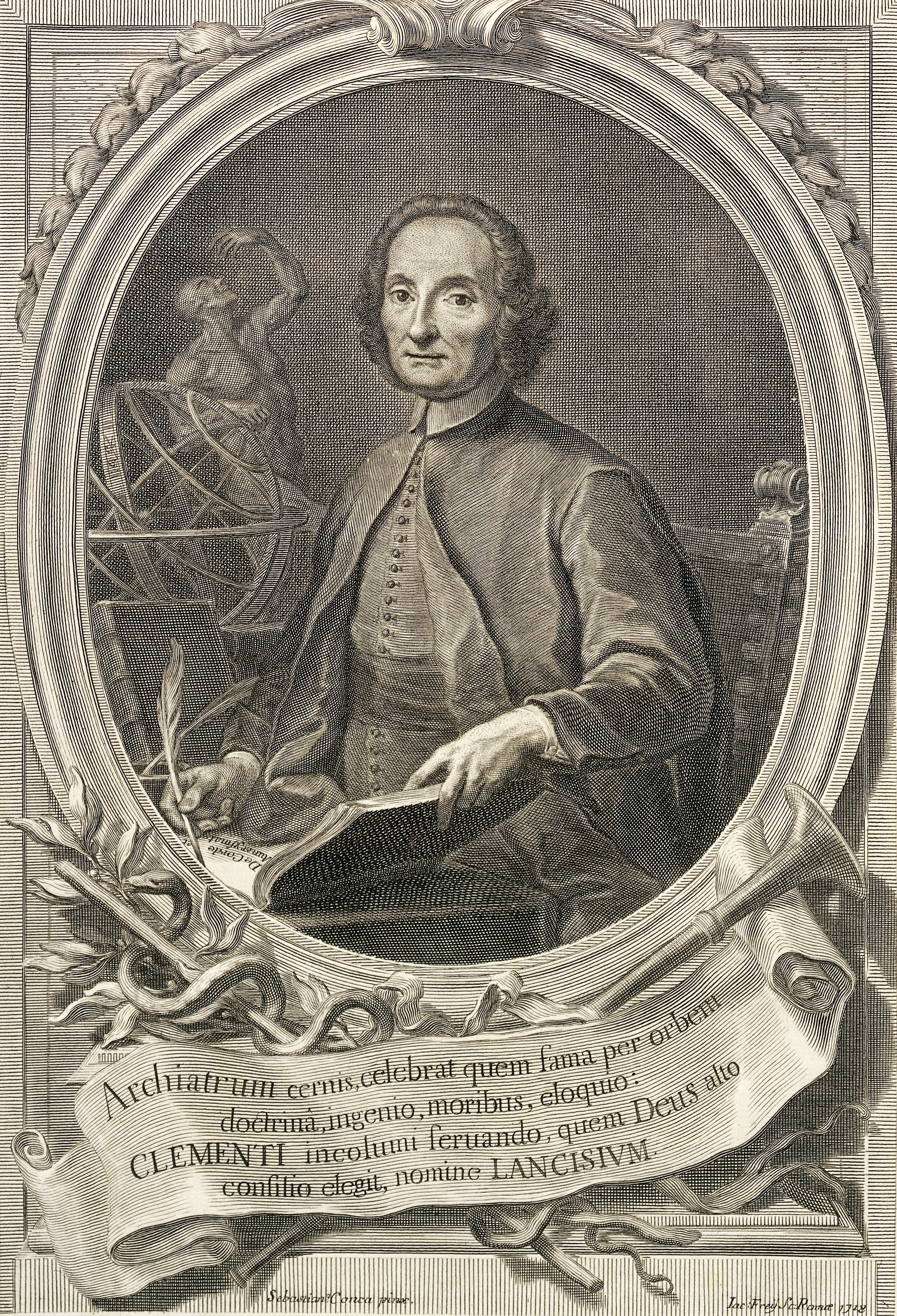
In the above work Lancisi noted cardiac hypertrophy and dilatation as causes of sudden death. He was the first to describe valvular vegetation, and his book gives a classification of the cardiac diseases then recogniz…
1707
#4279.1
Litotomia…
A renowned specialist and pupil of Bellini, Alghisi was probably the first to use an indwelling urethral catheter to drain urine away from the wound after lithotomy. The inclined position of the patient with the head …
1708
#6496.1
Ma’aseh Tuviyyah [Works of Tobias]…Hebrew text.
The only significantly illustrated early book on medicine in Hebrew. This is an encyclopedia, of which approximately half concerns medicine. One of the first Jews from the Eastern ghetto to obtain a medical education …
1709
#12991
Musaeum Kircherianum sive musaeum a P. Athanasio Kirchero in Collegio Romano Societatis Jesu iam pridem incoeptum nuper restitutum, auctum descriptum, & iconibus illustratum....a Philippo Bonanni.
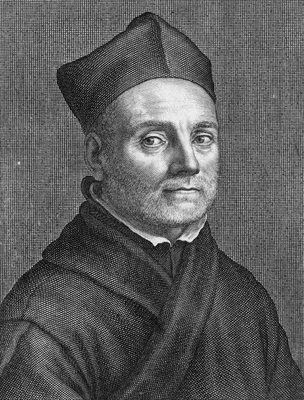
Extensively illustrated catalogue by Bonanni of the Musaeum Kircherianum, formed in the mid-17th century by the Jesuit polymath, Athanasius Kircher, and housed in the Jesuit Collegio Romano. Reflective of Kircher's po…
1710
#12048
Considerazioni, e d'esperienze intorno alla generazione de' vermi ordinari del corpo umano fatte da Antonio Vallisnieri, e da lui scritte al Reverendissimo Padre D. Antonio Borromeo.
In this illustrated work on parasitic worms in the human body Vallisnieri proved that these worms were not due to spontaneous generation, but grew from eggs. Digital facsimile from Google Books at this link.
1712
#5231
Therapeutice specialis ad febres quasdam pemiciosas, inopinato, ac repente lethales, una vera china china, peculiare methodo ministrata, sanabiles
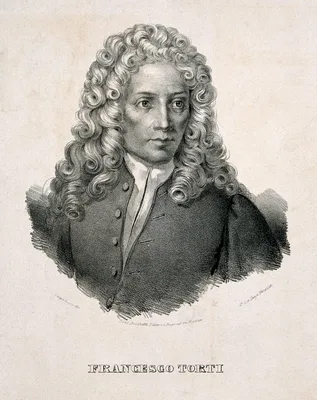
Torti’s work finally established the specific nature of cinchona bark. His demonstration of its effectiveness in periodic over continuous fevers finally overthrew the doctrine of the common origin of all fevers. He is…
1713
#5826
Observation singulière sur la fistule lacrimale, dans la quelle l’on verrà, que la matière des fistules lacrimales s’evacuë très souvent par les points lacrimaux; en même tems l’on apprendrà la methode de les guérir radicalement, etc.
Lacrimal duct catheterized for the first time. See No. 5823. Digital facsimile from Google Books at this link.
1714
#1312
Tabulae anatomicae.
A romantic history attaches to this fine collection of plates, drawn by Eustachius himself and completed in 1552. They remained unprinted and forgotten in the Vatican Library until discovered in the early 18th century…
1714
#2529.2
Nuovo idea del male contagioso de’ buoi.
In this study of an epizootic Cogrossi formulated much of the modern theory of infection. He speculated that infection might occur at the microscopic level, and argued that infected individuals should be isolated and …
1715
#302
Istoria del camaleonte Affricano e di varj animali d’Italia.
Digital facsimile from Google Books at this link.
1715
#5409.1
Nova et tuta variolas excitandi per transplantationem methodus; nuper inventa & in usum tracta: Qua rite peracta, immunia in posterum praeservantur ab huiusmodi contagio corpora.
Inoculation was practiced in ancient times. In 1701 Pilarino inoculated three children at Constantinople with smallpox virus. He is credited with the “medical” discovery of variolation, and is thus the first immunolog…
1717
#5232
De noxiis paludum effluviis, eorumque remediis.
Lancisi suggested that since malaria disappears after drainage it was due to some sort of poison emanating from marshes and possibly transmitted by mosquitoes. He planned a drainage scheme for marshy regions. His work…
1717
#11515
Metallotheca opus posthumum, auctoritate, & munificentia Clementis undecimi pontificis maximi e tenebris in lucem eductum; opera autem, & studio Ioannis Mariae Lancisii archiatri pontificii illustratum.
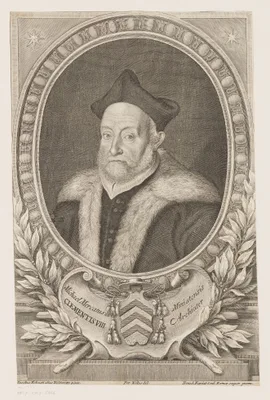
In 1717 papal physician Giovanni Maria Lancisi published the catalogue of the Vatican "armaria" series housing the natural history museum collected by one of his predecessors at the Vatican, the 16th century papal phy…
1724
#392
Observationes anatomicae.
Santorini was one of the ablest dissectors of his day. In the above work many new discoveries of anatomical details are set forth, together with corrections of some of the errors of earlier anatomists. The work descri…
1728
#2973
De motu cordis et aneurysmatibus.
Lancisi noted the frequency of cardiac aneurysm and showed the importance of syphilis, asthma, palpitation, violent emotions, and excess as causes of aneurysms. He was the first to describe cardiovascular syphilis. La…
1729
#10170
Nova plantarum genera iuxta Tournefortii methodum disposita.
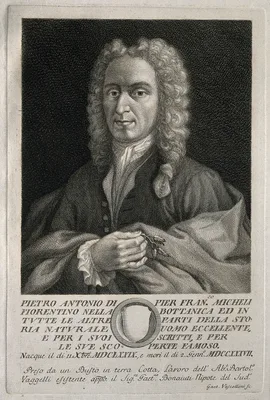
Micheli provided descriptions of 1900 plants, including first published descriptions of about 1400. Among those were 900 fungi and lichens, accompanied by 73 plates. He included information on "the planting, origin an…
1733
#9361
Opere fisico-mediche stampate e manoscritte del kavalier Antonio Vallisneri; raccolte da Antonio suo Figliuolo, corredate d'una prefazione in genere sopra tutte, e d'una in particolare sopra il vocabolario della storia naturale. 3 vols.
Digital facsimile from the Hathi Trust at this link.
1734 –1736
#60
Opera medica omnia. 4 vols.
De Baillou, “the first epidemiologist of modern times”, foreshadowed much that was afterwards taught by Sydenham. He first described whooping-cough and is often credit with introducing the term “rheumatism”. Baillou w…
1738
#5991.9
Degli occhiali da naso inventati da Salvino Armati…
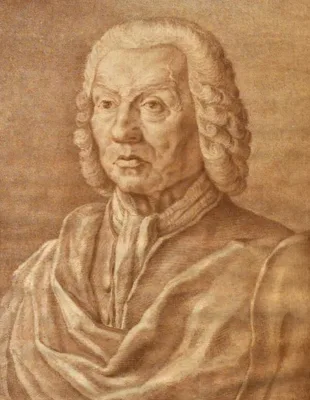
The first book on the history of spectacles. Manni gave credit for the invention to the Florentine Armati (fl. 1300).
1740
#803
Opera.
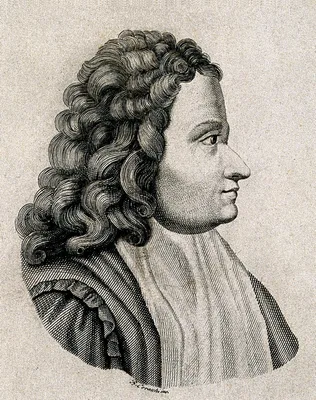
Valsalva described the aortic “sinus of Valsalva”.
1741
#395.2
Tabulae anatomicae.
![PIETRO DA CORTONA, [Pietro BERRETINI] (1596 – 1669)](/media/portraits/743)
27 anatomical copperplates after drawings by the most influential painter of the Italian Baroque movement, who also excelled as an architect. The editor, Cajetano Petrioli, supplied the text and small numbered anatomi…
1742
#73
Opera omnia medica.
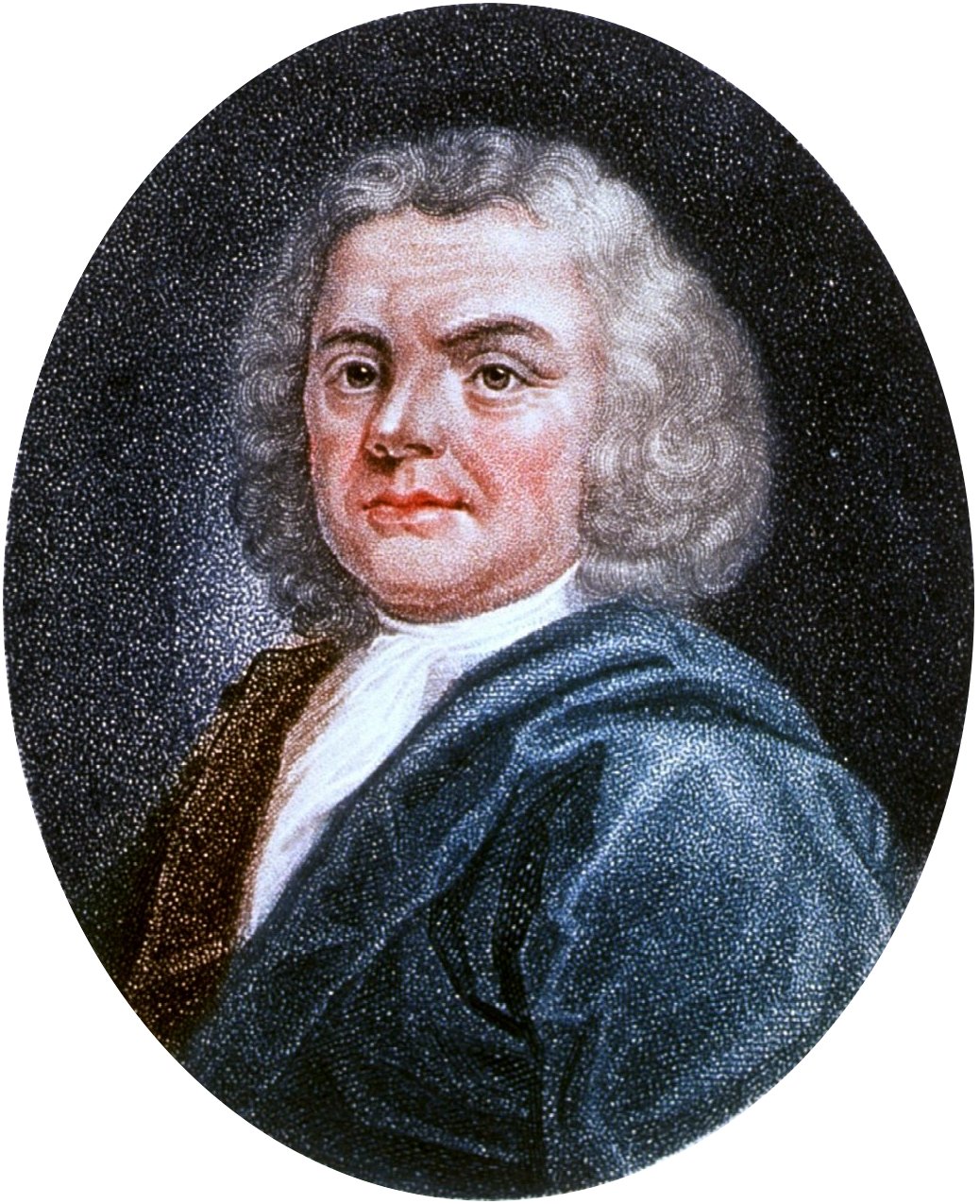
Boerhaave created of the modern method of clinical teaching. His writings had an enormous influence during his lifetime. Haller, Cullen, Pringle, van Swieten and de Haen were among his pupils. See Lindeboom, Herman Bo…
1742
#11741
Index testarum conchyliorum quae adservantur in Museo Nicolai Gualtieri ... et methodice distributae exhibentur tabulae CX.
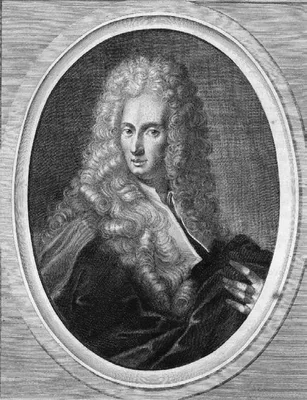
The beautiful catalogue of the shell collection formed by Gualtieri, physician to Cosimo III, Grand Duke of Tuscany in his "museum." Many of the shells are depicted standing on their apices, and are depicted from two …
1746
#7573
Description abregée du fameux cabinet de Mr. Le Chevalier de Baillou pour servir à l'histoire naturelle des pierres précieuses, métaux, minéraux, et autre fossiles.
Digital facsimile from Google Books at this link.
1747
#13830
Europae medicina a sapientibus illustrata.
"This work is an attempt to give, first, the story of medicine in each country by means of excerpts from the important writers; and secondly, the state of medicine in each country at the time of writing, gathered by c…
1754
#12175
Graecorum chirurgici libri Sorani unus de fracturarum signis. Oribasii duo de fractis et de luxatis e collectione Nicetae ab antiquissimo et optimo codice Florentino descripti conversi atque edited ab Antonio Cocchio.
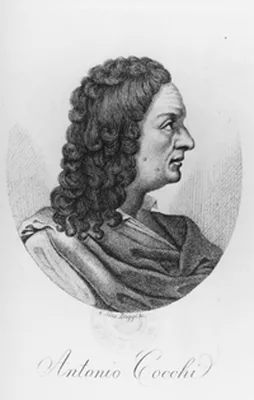
A scholarly edition of the Nicetas Codex containing various texts on fractures and luxations. Digital facsimile from Google Books at this link.
1758
#2152
Kurze Beschreibung und Heilungsart der Krankheiten, welche am öftesten in dem Feldlager beobachtet werden.
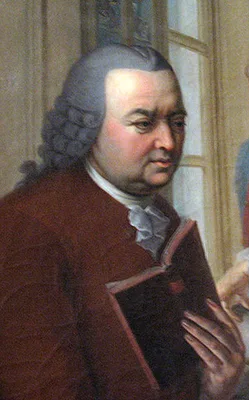
An essay on diseases of military camps. Digital facsimile from Google Books at this link. English translation as A short account of the most comon diseases incident to armies. With the method of cure (London, 1762). D…
1761
#2276
De sedibus, et causis morborum per anatomen indagatis libri quinque. 2 vols.
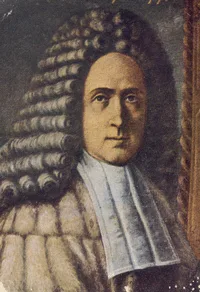
Morgagni was the founder of modern pathological anatomy. The work was completed in Morgagni’s 79th year and consists of a series of 70 letters reporting about 700 cases and necropsies. As best he could, he correlated …
1761
#1549
De aquaeductibus auris humanae intemae.
Cotugno is sometimes accredited with the discovery of the “liquor Cotunnii”, the labyrinthine fluid, first noted by Pyl in 1742. He did, however, make important contributions to the knowledge on the structure and func…
1762
#65
Opere. 7 vols.
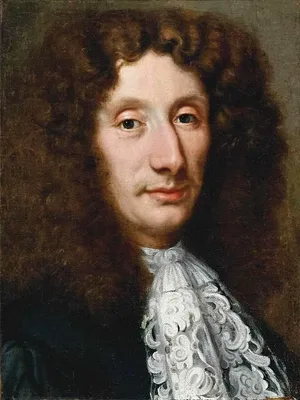
Redi was a leading physician in Italy. He is best remembered for his experiments discrediting the theory of spontaneous generation and for his pioneer work in the field of parasitology (see No. 2448.1); see also the a…
1764
#1382
De ischiade nervosa commentarius.
Cotugno published a classic description of sciatica, which is useful even today. He recognized two types – arthritic and nervous; the latter has been called “Cotugno’s disease”, and his book is confined to that type. …
1765
#1485
Ricerche de motu del iride.
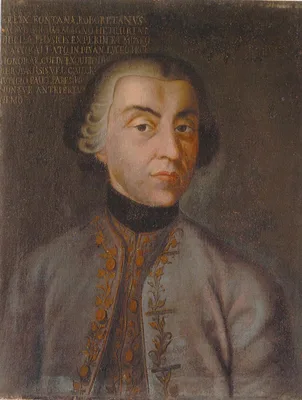
An investigation of how and why the iris contracts. See P.K. Knoefel, Felice Fontana: life and works, Trento, [1984], See also No.2103.
1765
#100
Saggio di osservazioni microscopiche concernenti il sistema della generazione dei Signori de Needham e Buffon. IN: Dissertazione due… pp. [2]-87.
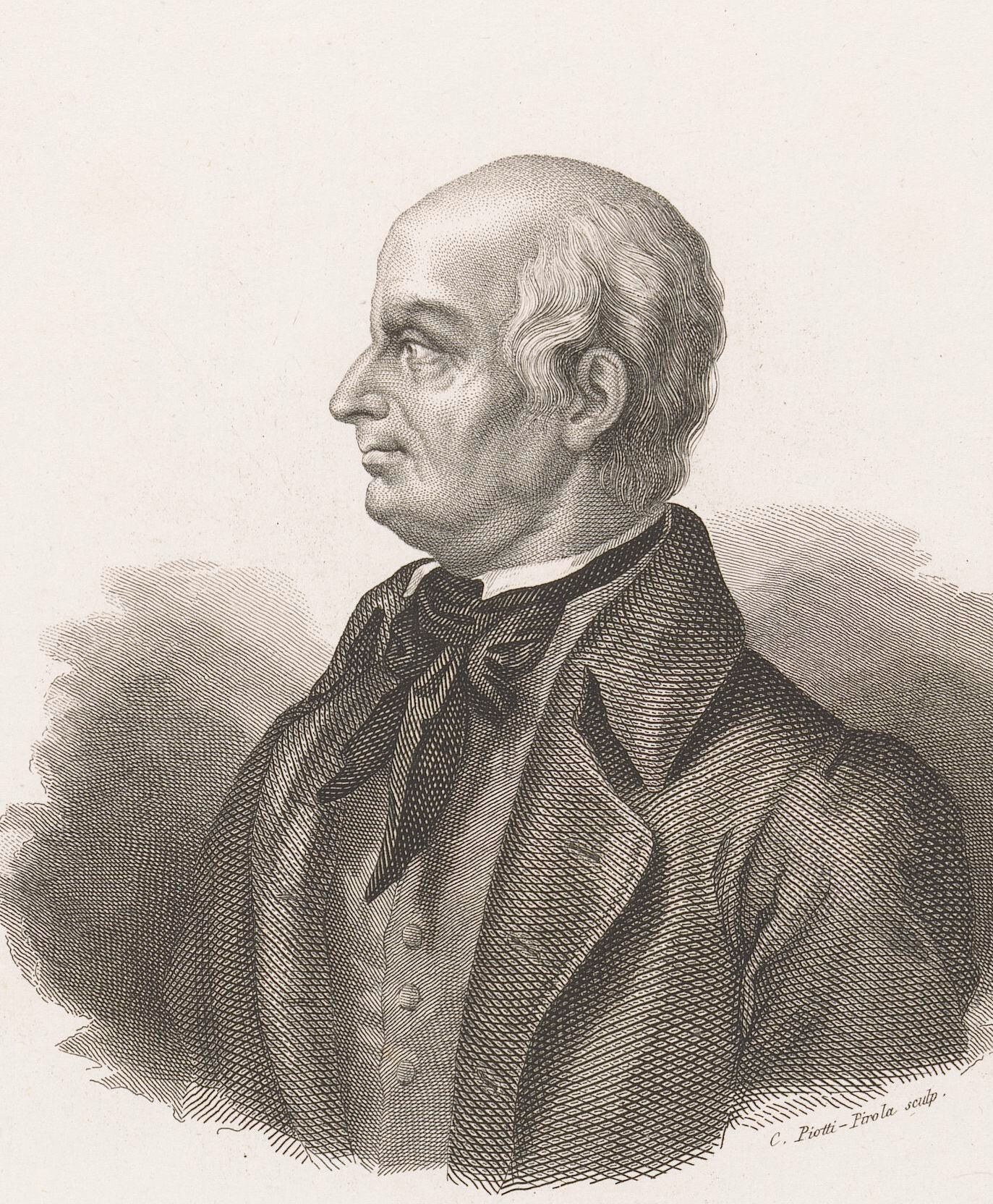
Spallanzani, a believer in preformation theory, found that he could prevent contamination by microorganisms in strongly heated infusions protected from aerial contamination, but he observed that as soon as air was all…
1766
#7808
Descrizione degl'instrumenti, delle macchine, e delle suppellettili raccolte ad uso chirurgico e medico dal P. Don Ippolito Rondinelli...
Catalogue of the private museum of surgical and medical instruments established by Father Ippolito Rondinelli in Ravenna, which Soldo described as “the first museum of medicine and surgery.” Extensively illustrasted. …
1767
#2103
Ricerche fisiche sopra il veleno della vipera.
The starting point of modern investigations of serpent venoms and their antidotes. This work also includes Fontana’s description of the ciliary canal in the eye of an ox. This structure does not appear in the human ey…
1768
#101
Prodromo di un opera da imprimersi sopra le riproduzione animali.
In this preliminary to a larger work on regeneration which was never published, Spallanzani described regenerative capacities of remarkable complexity and repetitiveness in the land snail, salamander and toad and frog…
1768
#11710
Dell' azione del cuore ne' vasi sanguigni nuove osservasioni.
In this response to Haller's Deux mémoires sur le mouvement du sang (1756) (No. 11607) Spallanzani outlined his own findings on the action of the heart upon the blood vessels. "Haller's microscopic observations of blo…
1771
#3751
Animadversiones in morbum, vulgo pellagram.
In Frapolli’s careful description of pellagra, the disease was first given its present name. This book is also the first Italian account of the malady. Partial English translation in No. 2241.
1772
#1550
De structura fenestrae rotundae auris, et de tympano secundario anatomicae observationes.
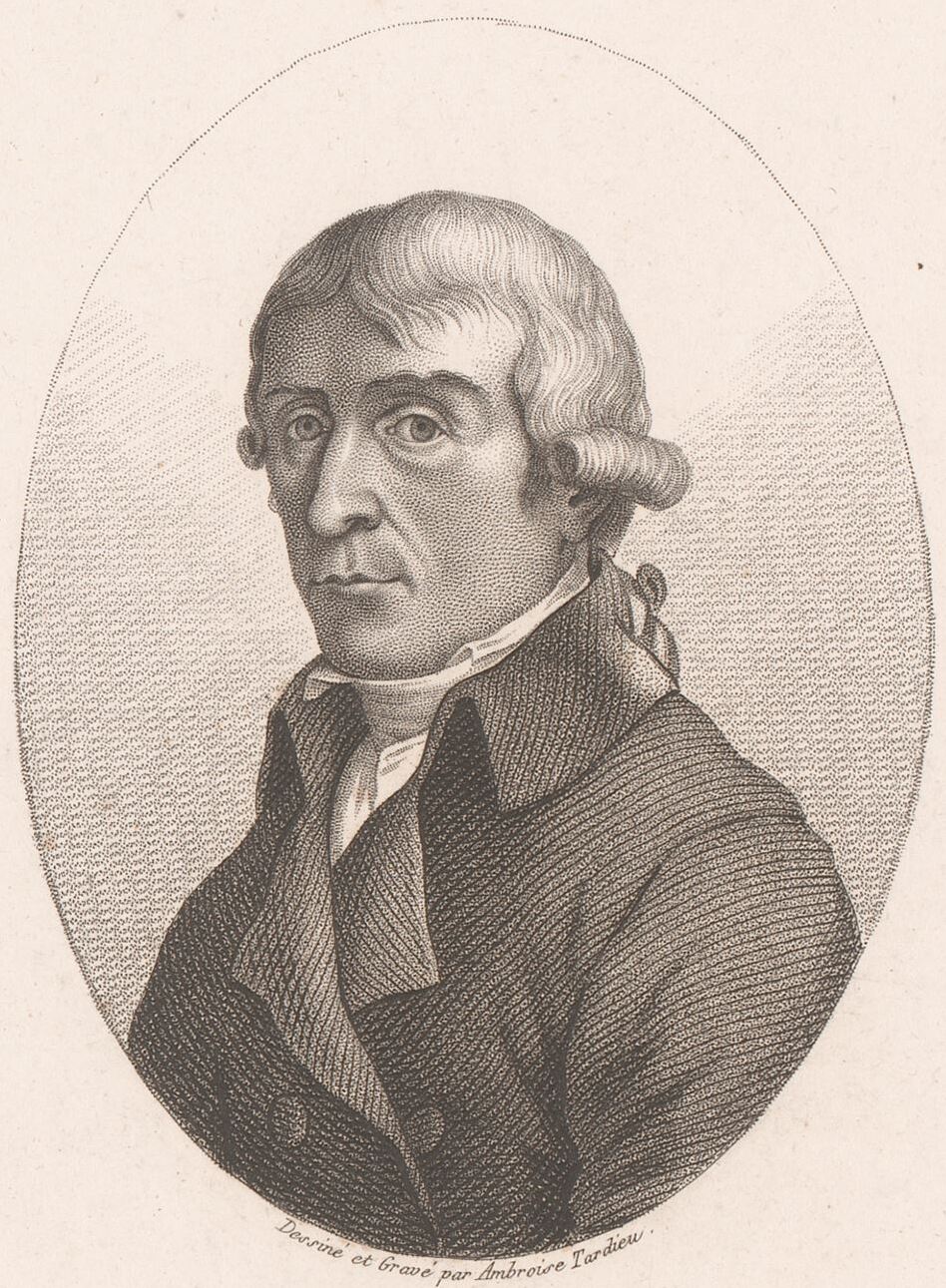
Scarpa’s first scientific work, a comparative anatomical investigation of the ear, in which he offered a more accurate and complete description of the osseous labyrinth and demonstrated the true function of the round …
1773
#11706
De' fenomeni della circolazione osservata nel giro universale de' vasi; de' fenomeni della circolazione languente; de' moti del sangue independenti dall'azione del cuore; e del pulsar delle arterie.
In four memoirs on the dynamics of the circulatory system resulting from 337 experiments recorded in this workSpallanzani studied the role of the circulation in every stage from embryo to adult, and it was through his…
1775
#399.1
Septemdecim tabulae…
Santorini died before the completion of these anatomical plates which he intended to be his chef d’oeuvre. This elegantly printed volume is the only significant medical book printed by the celebrated Giambattista Bodo…
1776
#102
Opusculi di fisica animale e vegetabile. 2 vols.
Later refutation of the theory of spontaneous generation. Spallanzani’s conclusions were similar to those expressed by Pasteur nearly a century later. His collected works were published in Milan, 2 vols., 1932-33. Eng…
1776
#1382.1
Nuova esposizione della vera struttura del cervelletto umano.
The first detailed account of the anatomy of the cerebellum, which introduced the terms, “tonsil”, “pyramid”, “lingula”, and “uvula”. Reprinted in his Encefalotomia a sia nuova diimostrazione anatomica di tutte le par…
1780
#981
Dissertazioni di fisica animale e vegetable. 2 vols.
In the first patrt of this work, Della digestione dissertazione prima Spallanzani confirmed earlier doctrines of the solvent property of the gastric juice and discovered the action of the saliva in digestion. He state…
1780
#9547
Osteografia e miografia della testa, mani, e piedi del corpo umano in misura naturale con il catalogo de' nomi propri.
Very distinctive engravings with the captions included within the engraved surfaces. Printed and sold by the artist.
1780
#11874
Della morte apparente degli annegati.
The first Italian work on resusciation. Testa’s work is also one of the earliest on the subject published after the foundation in 1767 of Amsterdam’s pioneering Maatschappij tot Redding van Drenkelingen, the first org…
1782
#1384
De peculiari structura cerebri, nonnulisque ejus morbis.
Gennari was the first to demonstrate the laminar structure of the cerebral cortex when he discovered the line of Gennari, a macroscopically white band in the cerebral cortex of the occipital lobe. This he observed on …
1784
#6706
Degli archiatri pontifici. 2 vols.
Biographies of papal physicians. Digital facsimile from Google Books at this link.
1786 –1789
#3752
De pellagra. 3 vols.
By 1776, pellagra had attained serious proportions in Italy; Strambio was placed in charge of a hospital for the treatment of pellagrins, and he left an important account of the disease. He and Casal y Julian (No. 375…
1787
#1104
Vasorum lymphaticorum corporis humani historia et ichnographia.
Mascagni, Professor of Anatomy at Siena, made several discoveries regarding the lymphatics. His beautiful atlas contained 41 engravings of the lymphatics and gained him lasting fame. He had previously published a Prod…