
Europe
6,838 entries published in Europe.
1534
#12223
The castel of helth gathered and made by Syr Thomas Elyot knyghte, out of the chiefe authors of physyke, wherby euery manne may knowe the state of his owne body, the preseruatio[n] of helthe, and how to instructe welle his physytion in syckenes that he be not deceyued.
A few copies are dated 1534, but by internal evidence they cannot be dated before 1536. The next printing was in 1539. Digital text from Old English Books Online at this link.
1535
#369
Anatomica methodus, seu de sectione humani corporis contemplatio.
Includes the first description of the ileo-caecal valve. Laguna, a Spanish anatomist, travelled much in Europe and became physician to Charles V. English translation in No. 461.3. Digital facsimile of the 1535 edition…
1535
#4278
De lapide renum curiosum opusculum nuperrime in lucem aeditum. Eiusdem De lapide vesicae per incisionem extrahendo sequitur aureus libellus.
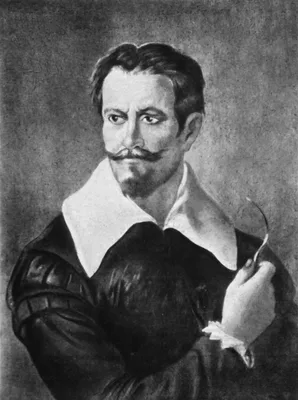
Marianus Sanctus Barolitanus popularized the operation of lithotomy introduced by the father of Giovanni Vigo of Rapallo. This method passed on to Giovanni di Romani and from him to Marianus. It became known as the “M…
1536
#370
Anatomia capitis humani.
The first work on the anatomy of the head. Elegantly illustrated with 11 woodcuts. English translation in No. 461.3.
1536
#1804
Examen omnium simplicium medicamentorum, quorum in officinis usus est.
Brasavola introduced some new drugs into the formulary. The book is written in the form of a dialogue. Digital facsimile from the Internet Archive at this link.
1536
#1536
Liber introductorius anatomiae sive dissectionis corporis humani; in quo quam plurima membra, operationes, & utilitates tam ab antiquis, quam a modernis praetermissa manifestantur.
A practical manual for dissection, showing how to carry out an anatomy from the first incision onwards. Massa based his work on his experience gained from numerous dissections that he had undertaken in the hospital of…
1536
#5561
Grosse Wund Artzney von allen Wunden, Stich, Schüssz, Bränd, Bissz, Beynbrüch, und alles was die Wundartzney begreifft.
Paracelsus was a doctor, chemist, lecturer, and reformer. His novel doctrines gained him many followers. He expressed novel ideas for the treatment of wounds, disbelieving in the use of boiling oil for the purificatio…
1536
#5370
De malo recentiorum medicorum medendi usu libellus.
![CARDANO, Girolamo [Gerolamo; Hieronymus Cardanus] (1501 – 1576)](/media/portraits/7679)
Includes (cap. XXXVI) an early account of typhus, morbus pulicaris. English translation in Major, Classic descriptions of disease, 3rd ed., Springfield: Charles C Thomas, 1945, p. 163.
1536
#46
Omnia opera Ysaac in hoc volumini contenta: cum quibusdam alijs opusculis: Liber de definitionibus. Liber de elementis. Liber dietaru[m] vniversalium: cum co[m]me[n]to Petri Hispani. Liber dietarum particularium ... Liber de vrinis cum commento eiusdem. Liber de febribus. Pantechni decem libri theorices: et decem practices: cum tractatu de gradibus medicinarum Constantini. Viaticum Ysaac quod constantinus sibi attribuit. Liber de oculis Constantini. Liber des stomacho Constantini. Liber virtutum de simplici medicina Constantini. Compendium megatechni Galeni a Constantino compositum ; Cum tabula [et] repertorio omnium operum et questionum in co[m]mentis contentarum. Edited by Andreas Turinus.
Constantine was a Muslim from North Africa who converted to Christianity. His writings were first published with those of Isaac Judaeus in the above edition which includes many separate texts. Many of the writings of …
1536
#7204
Institutiones anatomicae secundum Galeni sententiam.
A handbook presenting the principles of Galenic anatomy in a form that was easily accessible to medical students. It epitomized the revolution in the teaching of anatomy, and the new emphasis on dissection, that occur…
1536
#10961
De medicamentis empiricis physicis ac rationalibus liber.... Edited by Janus Cornarius. Item Claudii Galeni libri novem nunc primum Latini facti.... Jani Cornarii.
![GALEN, [Κλαύδιος Γαληνός; Galen of Pergamon] (129 – 216)](/media/portraits/21)
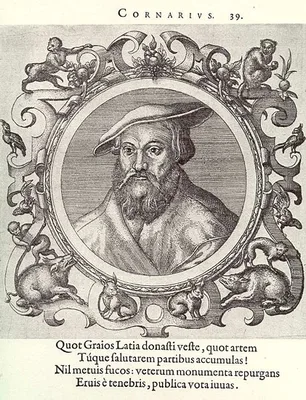
The Gallo-Roman physician Marcellus was born in Bordeaux. He may have served as magister officiorum under Theodosius I, or may have been royal physician. Sarton (Introduction to the history of science I, 391) consider…
1536
#11748
De palpitationes, tremore, rigore, convulsione. Intreprete Nicolao Lauachio, medico Florentino.
First separately published printed edition of Galen's writings on neuropathology. Digital facsimile from Google Books at this link.
1536
#12765
Reformation der Apotecken, welche inhaltet vil guter stück, die eynem yeglichen fast nützlich sein [.]. Von edlen steynen, wie die zuken[n]en [.] Wie man Syrupen, Latwergen, und Confect machen soll, verteütscht auß dem Latein durch D. Hansen Eles.
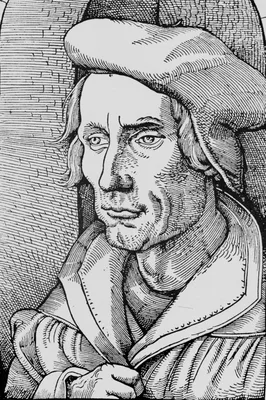
A manual for equiping and operating a pharmacy and making drugs and syrups. Digital facsimile from Google Books at this link.
1537
#371
Anatomiae, hoc est, corporis humani dissectionis pars prior.
Dryander was among the first to make illustrations after his own dissections. His unfinished guide to dissection entitled Anatomiae, expanded from the Anatomia published the previous year, is one of the most important…
1537
#7145
De corporis humani fabrica libri quinque a Junio Paulo Crasso Patavino in latinam orationem conversi. [Cum] Hippocratis praeterea Coi de purgatoriis medicamentis libellus perutilis, ac desideratus ab eodem Jun. Paulo Cras. Latinitate donatus.
![HIPPOCRATES, [Ἱπποκράτης; Hippocrates of Kos] (-460 – -370)](/media/portraits/50)
A Byzantine anatomical and physiological treatise almost entirely abridged from Galen's "De usu partium corporis humani," from which Theophilus now and then differed, and which he sometimes appears to have misundersto…
1538
#372
Tabulae anatomicae sex.
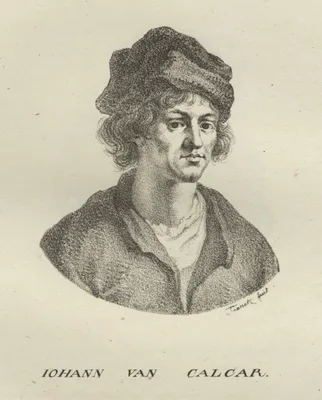
Vesalius’ first anatomical publication, consisting of six oversized anatomical charts, resembling fugitive sheets. The three skeletal woodcuts are signed by the artist, Jan Stephan van Calcar, who also acted as the pu…
1538
#1805
Libellus de re herbaria novus.
An alphabetical catalogue of plants and medicines made from them. Turner, the “Father of English Botany”, treated plants as simples, and did not attempt to show their relationships. He was a much travelled man and a f…
1538
#4963.2
De anima et vita libri tres.
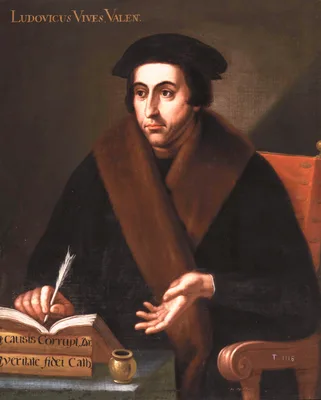
Vives anticipated Bacon and Descartes in developing an empirical psychology in which the mind was to be studied both through introspection and observation of others. From his exhaustive analysis of memory he developed…
1538
#6932
Ein newes hochnutzlichs Büchlin von erkantnus der Kranckheyten der Augen....
The first separate publication on diseases of the eye after Grassi (1474). This very rare anonymous work was intended, according to its title, to provide highly useful knowledge of the anatomy of the eye, and eye dise…
1538
#6969
Simeonis Sethi, magistri Antiochiae, Syntagma per literarum ordinem de cibariorum facultate, Lilio Gregorio Gyraldo,... interprete.
First printed edition of Seth's Byzantine encyclopedia of foods, nutrition, and diatetics from plants and animals, with Greek text and Latin translation by scholar and poet Giglio Gregorio Giraldi. Simeon Seth was an …
1538
#9091
Guenter von Andernach: Institutionum anatomicarum secundum Galeni sententiam ad candidatos medicinae libri quatuor per Joannem Guinterium Andernacum medicum ab Andrea Vesalio Bruxellensi auctiores & emendatiores redditi.
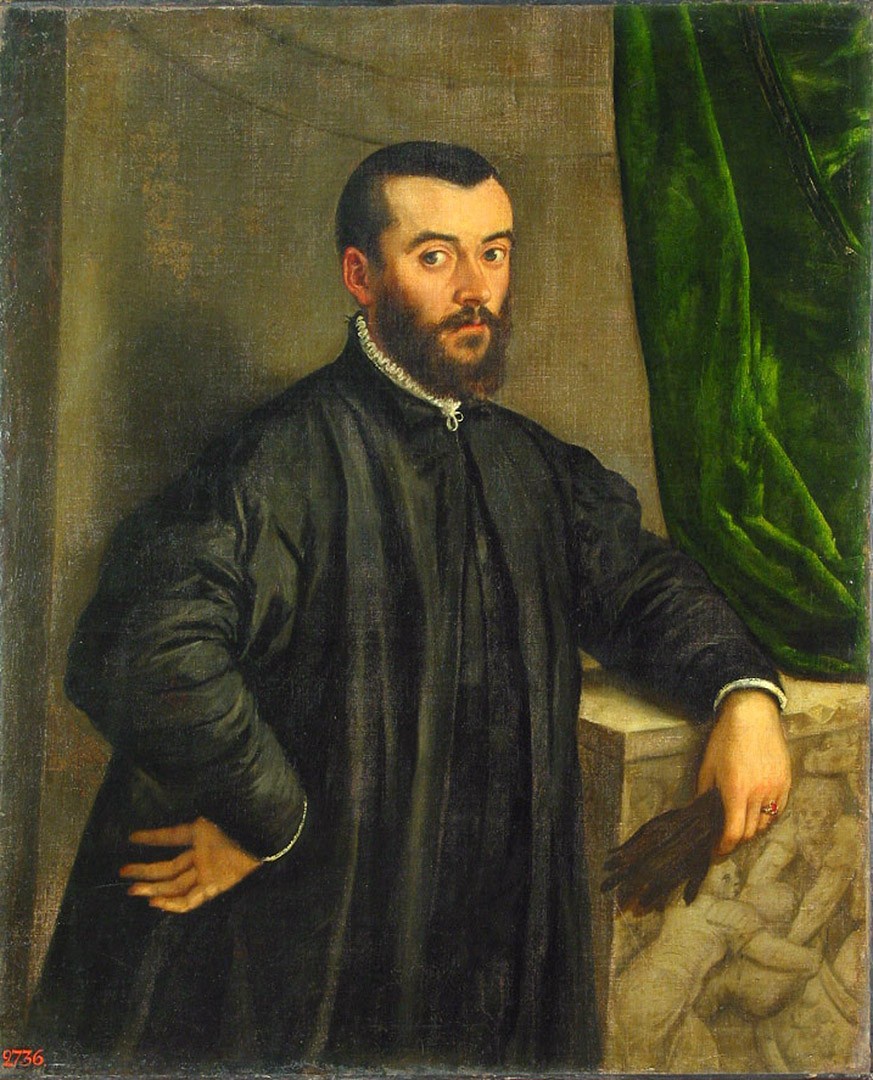
Shortly after the publication of Tabulae anatomicae sex, Vesalius completed this revision of Institutiones anatomicae, a Galenic anatomical text by his teacher Johann Guinter first published in 1536. Vesalius justifie…
1539
#1806
New Kreütter Buch.
Bock was the first to describe the local flora of Germany, discovering many new species. His work gave a fresh impetus to plant description, With Brunfels and Fuchs he was one of the three “German fathers of botany”. …
1539
#2367
Tractado cótra el mal serpentino.
Diaz de Isla, a Barcelonese surgeon, wrote of a disease “previously unknown, unseen and undescribed”, which appeared in Barcelona in 1493 and which was obviously syphilis. This is probably the earliest reference to th…
1539
#6933
Alle Kranckheyt der Augen ... allen augen artzten hochnöttig zuwissen ....
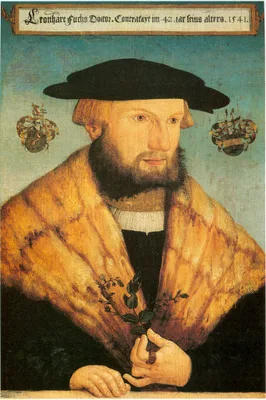
The first work on ophthalmology after Grassi (1474) written by a known physician. At the end of the anonymous Büchlin issued by the same publisher in 1538 (No. 6932) the writer promises a bigger and better work on eye…
1539
#9016
Actuarius de medicamentorum compositione. Ruellio interprete.
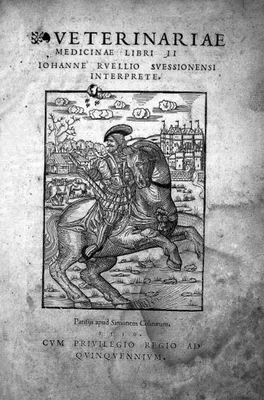
The 5th and 6th books of Actuarius's De methodo medendi, concerning materia medica. Digital facsimile from the Internet Archive at this link.
1539
#10165
Epistola docens venam axillarem dextri cubiti in dolore laterali secandam: & melancholium succum ex venae portae ramis ad sedem pertinentibus, purgari.
In this early study, written in the form of a letter to his friend and mentor Imperial Physician, Nicolaus Florenas, who had encouraged him to study medicine, Vesalius reported his study of the venous system of the hu…
1540
#6139
The byrth of mankynde.
The first English treatise on midwifery, translated by Richard Jonas from the 1532 Latin translation by Roesslin the Younger (De partu hominis) of Roesslin's work (1513). The 1540 English edition was illustrated with …
1540
#6959
Eyn new Wund Artznei M. Johans von Parisijs. Wie mann alle wunden, sie seien gestochen, gehawen, geschossen mit pfeil oder lot gequetzt vnd gestossen [et]c. mit salben, pflastern vnnd wundttranck, durch den gantzen leip dess menschens, vom Kopff an biss auff die füss, heylen solein kurtzer, ordenlicher Bericht M. Johan von Parisiis jtzunt am newsten auss gangen.
Johannes von Beris (or Paris) lived in the mid-15th century near Metz, and is thus the earliest identifiable German surgeon, and the first to write about gunshot wounds and wound surgery. His work, which was first pub…
1541
#373
Musculorum humani corporis picturata dissectio.
The first book in which each muscle was illustrated separately, with copper-plates of the bones and muscles of the upper limb from drawings by Girolamo da Carpi, which in realism and exactitude surpassed anything betw…
1541
#373.1
Des aller fürtrefflichsten…erschaffen. Das is des menchen…warhafftige beschreibung oder Anatomi…
This plagiarism of Vesalius’s Tabulae anatomicae sex contains 25 woodcuts by Hans Baldung Grien (1484/1485-1545), and represents the artist’s only contribution to medical illustration. The woodcuts include the best il…
1541
#1807
Historia plantarum et vires ex Dioscoride, Paulo Aegineta, Theophrasto, Plinio, & recentioribus Graecis, iuxta elementorum ordinem, per Conradum Gesnerum Tigurinum. Vna cum rerum & verborum locupletissimo indice.
A pocket dictionary of plants. Gesner, the “German Pliny”, produced the most encyclopedic bibliographies of his time. He attempted a Historia plantarum, which was unfinished at his death. See No. 1809.1. Digital facsi…
1541
#13142
Libellus de lacte, et operibus lactariis, philologus pariter ac medicus; cum Epistola ad Iacobum Avienum de montium admiratione.
The first book on Alpinism and mountaineering. Digital facsimile from the Hathi Trust at this link. English translation by H. B. D. Soulé as Conrad Gesner: On the admiration of mountains; the prefatory letter addresse…
1542
#572
De naturali parte medicinae libri septem.
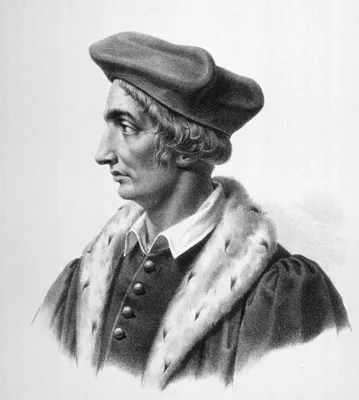
The earliest work devoted exclusively to physiology and the first to call the subject by that name. It was re-issued in 1554 as part of Fernel’s Medicina (No. 2271). Femel suggested that physicians should study the hu…
1542
#374
Libro de anatomia In: Remedio de cuerpos humanos y silva de experiencias y otras cosas utilissimas: nuevamente compuesto…
Text in Spanish and Latin. Digital facsimile from Google Books at this link.
1542
#1808
De historia stirpium commentarii.
Illustrated with full-page woodcut illustrations drawn by Albrecht Meyer, copied onto the blocks by Heinrich Füllmaurer and cut by Veit Rudolf Speckle; the artists' self-portraits appear on the final leaf. Describing …
1542
#9415
Joannis Mesuae Damasceni De re medica libri tres Jacobo Sylvio medico interprete.
Dubois, better known as Sylvius, produced a new translation of the complete works of Mesue, which became the standard text, and was reprinted 21 times. Digital facsimile from Google Books at this link.
1543
#376
Suorum de humani corporis fabrica librorum epitome.
Shortly after publishing his encyclopedic De humani corporis fabrica libri septem, Vesalius issued De humani corporis fabrica epitome, also from the press of Johannes Oporinus of Basel. This thin set of 14 unnumbered …
1543
#375
De humani corporis fabrica libri septem.
Published when the author was only 29 years old, the Fabrica revolutionized not only the science of anatomy but how it was taught. Throughout this encylopedic work on the structure and workings of the human body, Vesa…
1543
#1809
Enumeratio medicamentorum purgantium.
An index of purgatives.
1544
#1590
A new booke entyteled the regiment of lyfe.
Translation by John Phaer of a book by Jehan Goeurot published in 1530. Garrison states that it is a version of the Regimen Sanitatis.
1544
#4406.1
Chirurgia e graeco in latinum conversa.
This elegantly printed and illustrated small folio included 210 text woodcuts, most probably after drawings by the school of Francesco Salviati (Francesco de'Rossi). It was issued from the press operated by Pierre Gau…
1544
#6009.1
Experimentarius medicinae. Continens Trotulae curandarum aegriudinum muliebrium ante, in & post partium lib. unicum, nusquam antea editum…[Georg Kraut]
First printed edition of the gynecological writings attributed to the woman physician, Trota, who is frequently called Trotula after the name of the collection of works with whom she is associated. Trota is said to ha…
1544
#6317
The regiment of life, whereunto is added a treatise of the pestilence, with the boke of children.
The “boke of children” is the first work on diseases of children to be written by an Englishman the English language. Phaer enabled Englishmen to read and think of pediatrics in their own language. The edition include…
1544
#277
Avium praecipuarum, quarum apud Plinium et Aristotelem mentio est, brevis et succincta historia.
The first book on birds with clear descriptions of the appearance of individual birds based on the author’s own experiences and observations. Turner attempted to determine those birds named by Aristotle and Pliny; he …
1544
#7820
Di Pedacio Dioscoride Anazarbeo Libri cinque della historia, et materia medicinale tradotti in lingua volgare italiana da M. Pietro Andrea Matthiolo Sanese Medico, con amplissimi discorsi, et comenti, et dottissime annotationi, et censure del medesimo interprete.
![DIOSCORIDES, Pedanius [Πεδάνιος Διοσκουρίδης] (40 – 90)](/media/portraits/2028)
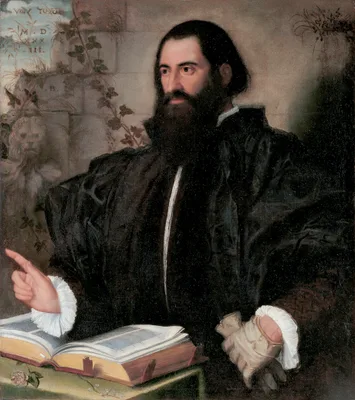
Mattioli's translation and commentary on Dioscorides provided much new botanical information. As Mattioli continued to expand the commentary, adding new botanical and pharmacological information, through editions in L…
1545
#376.1
Compendiosa totius anatomie delineatio, aere exarata.
Compendiosa totius anatomie delineatio by Belgian engraver, mathematical and surgical instrument maker, Thomas Geminus (Thomas Lambert or Lambrit) was a slightly abridged version of Vesalius's Epitome illustrated with…
1545
#378
De dissectione partium corporis humani.
De dissectione partium corporis humani libri tres by French physician, writer, and translator, Charles Estienne, of the Estienne printing dynasty, is one of the most interesting woodcut books of the French Renaissance…
1545
#2139
La méthode de traicter les playes faictes par hacquebutes et aultres bastons à feu: & de celles qui sont faictes par fleches, dardz & semblables: assy des combustions specialement faictes par la pouldre à canon.
Paré’s first book was his treatise on gunshot wounds. He is one of the greatest of the military surgeons, and is particularly remembered for his abandonment of the practice of cauterization of gunshot wounds with boil…
1545 –1555
#6743
Bibliotheca universalis, sive catalogus omnium scriptorum locupletissimus, in tribus linguis. Latina, Graeca, and Hebraica. 3 vols. and appendix.
This was one of the first attempts at a universal bibliography. Unfortunately the section on medicine (liber xxi) was never published. William Osler used the Bibliotheca universalis as one of the models for his own Bi…
1545
#10734
New Kochbüch für die Krancken.
A cookbook with recipes to restore the health of convalescents.