
Entry Nos. 0–99
94 Garrison-Morton entries in this range.
1922 –1933
#57
Paracelsus: Sämtliche Werke…Herausg. von K. Sudhoff und W. Mathiessen. 14 vols.
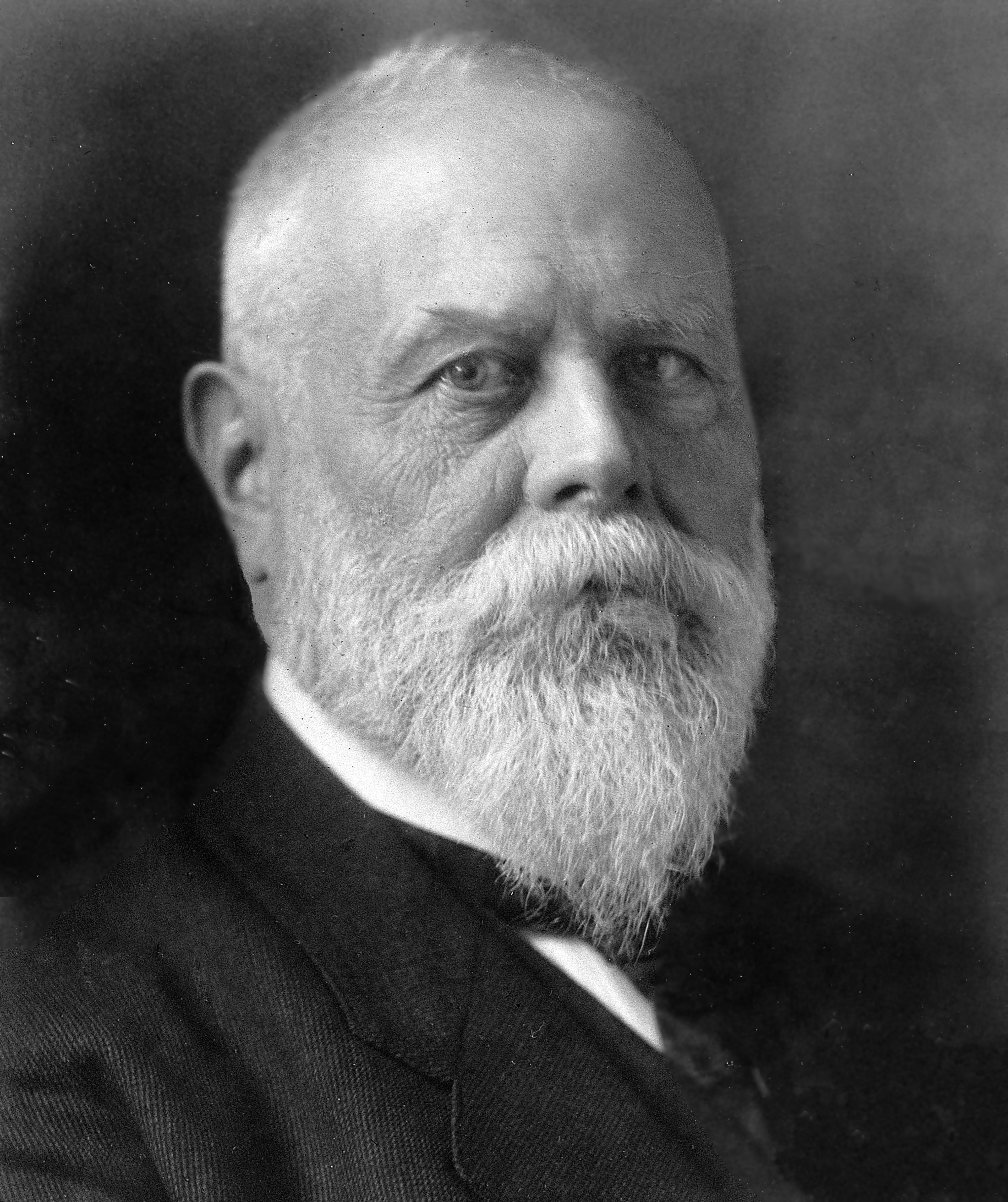
Paracelsus was first to write on miners’ diseases, the first to establish the relationship between cretinism and endemic goitre and to note the geographic differences in diseases. Sudhoff was the author of what remain…
1965 –1969
#58
Theophrastus Paracelsus Werke. Besorgt von W.E. Peuckert. Bd. 1-5.
Osler wrote that Paracelsus was “the Luther of medicine, for when authority was paramount he stood out for independent study.”
1840 –1841
#59
Oeuvres complètes d’Ambroise Paré revues et collationnées sur toutes les éditions, avec les variantes; ornées de 217 planches et du portrait de l'auteur; accompagnées de notes historiques et critiques et précédées d'une introduction sur l'origine et les progrès de la chirurgie en occident du sixième au seizième siècle, et sur la vie et les ouvrages d'Ambroise Paré. Par J.-F. Malgaigne. 3 vols.
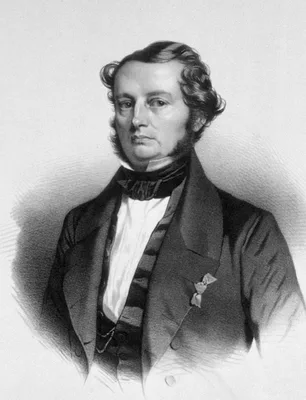
The best edition of Paré’s works, edited by Malgaigne. An English translation of Pare's Oeuvres by Thomas Johnson appeared as early as 1634. See also No. 5565. Janet Doe published A bibliography of the works of Ambroi…
1734 –1736
#60
Opera medica omnia. 4 vols.
De Baillou, “the first epidemiologist of modern times”, foreshadowed much that was afterwards taught by Sydenham. He first described whooping-cough and is often credit with introducing the term “rheumatism”. Baillou w…
1676
#61
Opera. 6 vols.
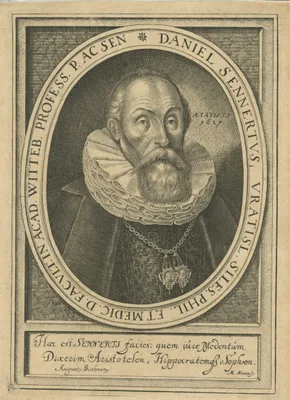
Besides giving early accounts of scarlatina and rubella, Sennert added to the knowledge of scurvy, dysentery and alcoholism. He was an able clinician and also a believer in witchcraft. His Opera was first published in…
1676 –1680
#62
Opera omnia. 2 vols.
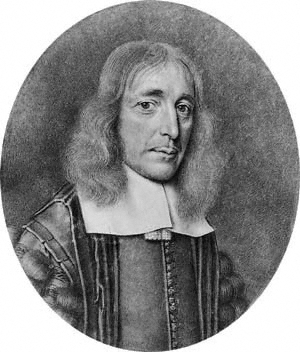
Willis was remarkable for his careful clinical observation. He was second only to Sydenham in his day. To him we owe the original descriptions of several conditions. Digital facsimile of the Lyon, 1681 edition from th…
1844
#63
Thomae Sydenham, M. D., Opera omnia. Edidit Gulielmus Alexander Greenhill.
Sydenham has been called the “Father of English Medicine”. His reputation rests on his first-hand accounts of such conditions as the malarial fevers of his times, gout, scarlatina, measles, etc. A better edition of th…
1848 –1850
#64
The works of Thomas Sydenham. Translated from the Latin edition of Dr. Greenhill with a life of the author by R.G. Latham. 2 vols.
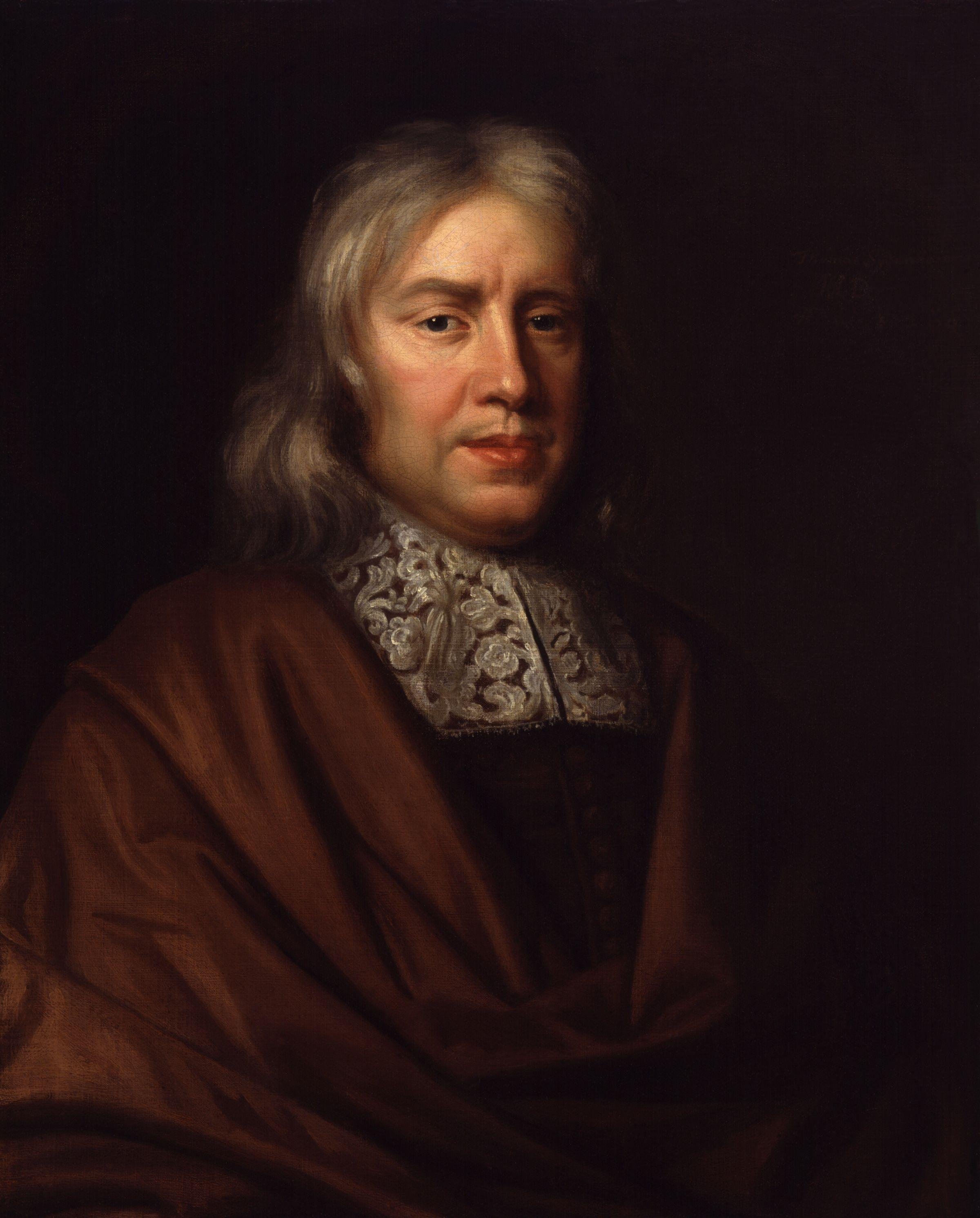
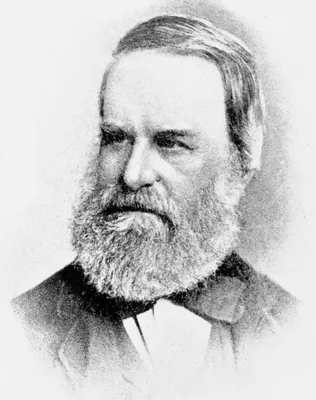
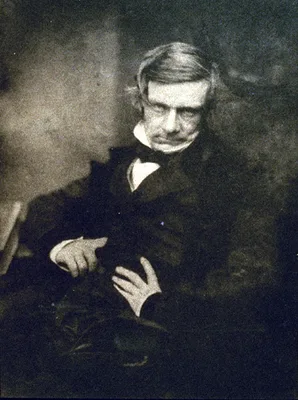
Best English translation of Sydenham’s works.
1762
#65
Opere. 7 vols.
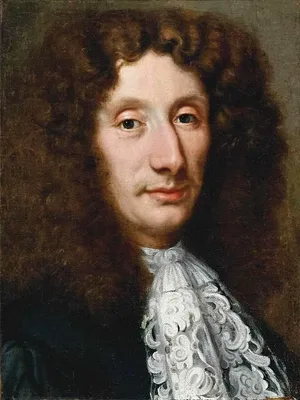
Redi was a leading physician in Italy. He is best remembered for his experiments discrediting the theory of spontaneous generation and for his pioneer work in the field of parasitology (see No. 2448.1); see also the a…
1686
#66
Opera omnia. 2 vols.
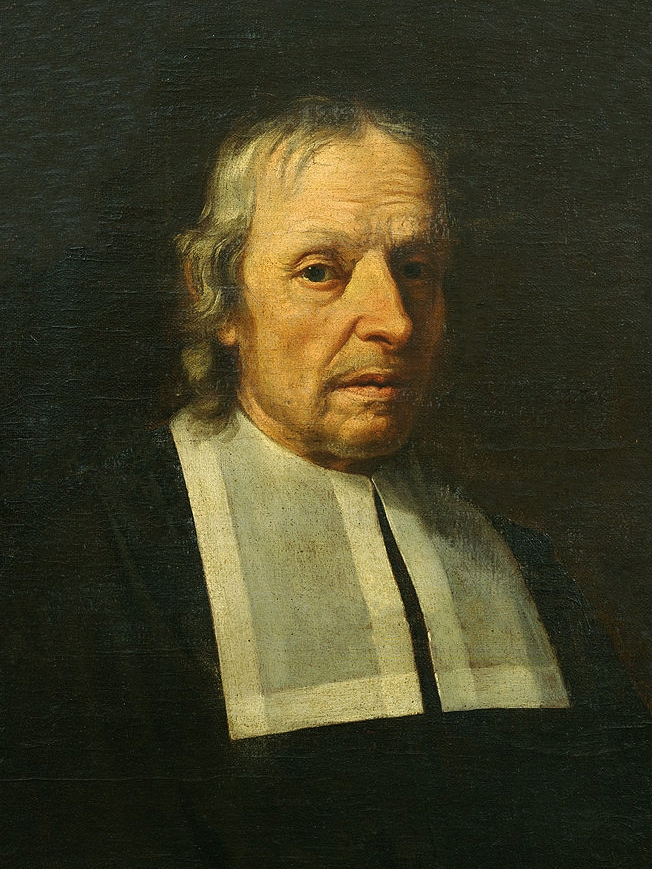
Malpighi was the founder of histology. In 1660 he was the first to see the capillary anastomosis between the arteries and the veins, thus contributing to the completion of Harvey’s work on the circulation. Malpighi wa…
1704
#68
Opera omnia medico-practica et anatomica.
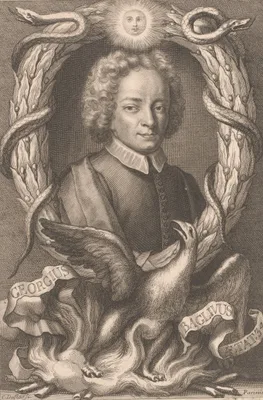
Baglivi, Professor of Anatomy at Rome, had a short but brilliant career. He wrote Praxis medica and De fibra motrice, and originated the so-called “solidar” pathology; he also devoted much time to experimental physiol…
1859 –1864
#70
Oeuvres médico-philosophiques et pratiques. 6 vols.
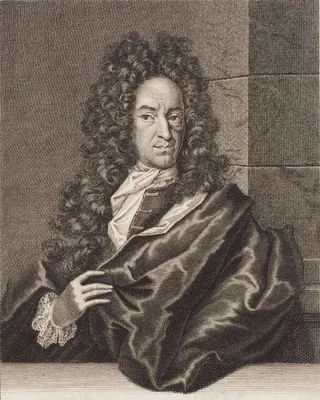
Stahl was responsible for the re-introduction of the idea of a “sensitive soul”, propounded by van Helmont. The Stahlian “animism” considered the body to be composed of passive or “dead” substance, which became animat…
1718
#71
Jo. Mariae Lancisii archiatri pontificii. Opera quae hactenus prodierunt omnia; dissertationibus nonnullis adhuc dum ineditis locupletata, & ab ipso auctore, recognita atque emendata. Collegit, ac in ordinem digessit Petrus Assaltus. 2 vols.
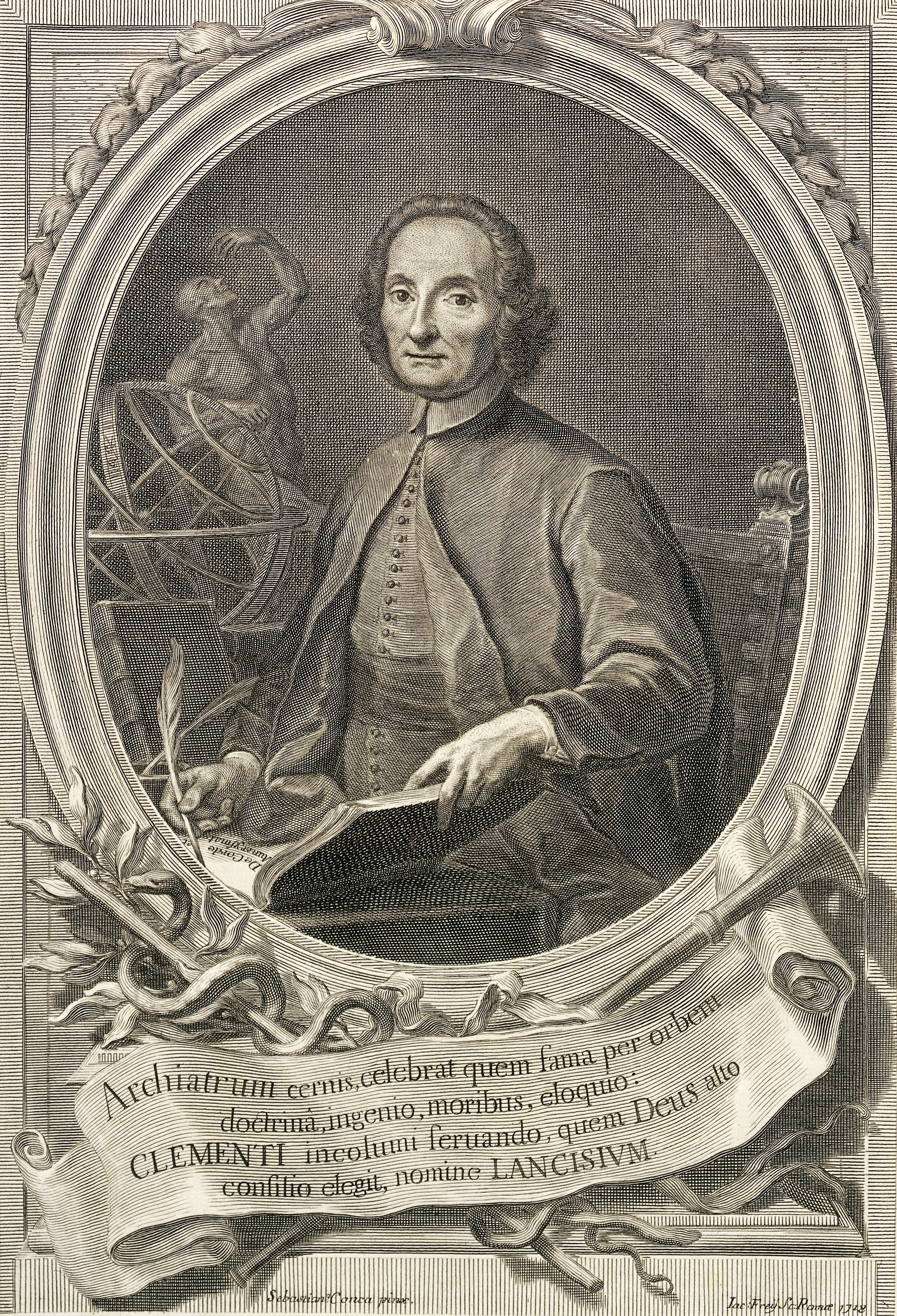
Lancisi's collected works edited by Pietro Assalti. Lancisi was the first to describe cardiac syphilis; he was also notable as an epidemiologist, with a clear insight into the theory of contagion. He was physician to …
1740 –1753
#72
Opera omnia physico-medica. (Supplementum, etc) 9 vols.
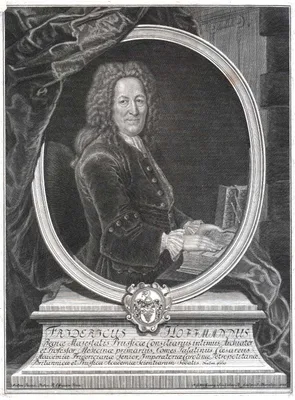
Hoffmann of Halle was the most important of the Iatromechanists. He believed an ether-like “vital fluid” to be present in the nervous system and to act upon the muscles, giving them “tonus”.
1742
#73
Opera omnia medica.
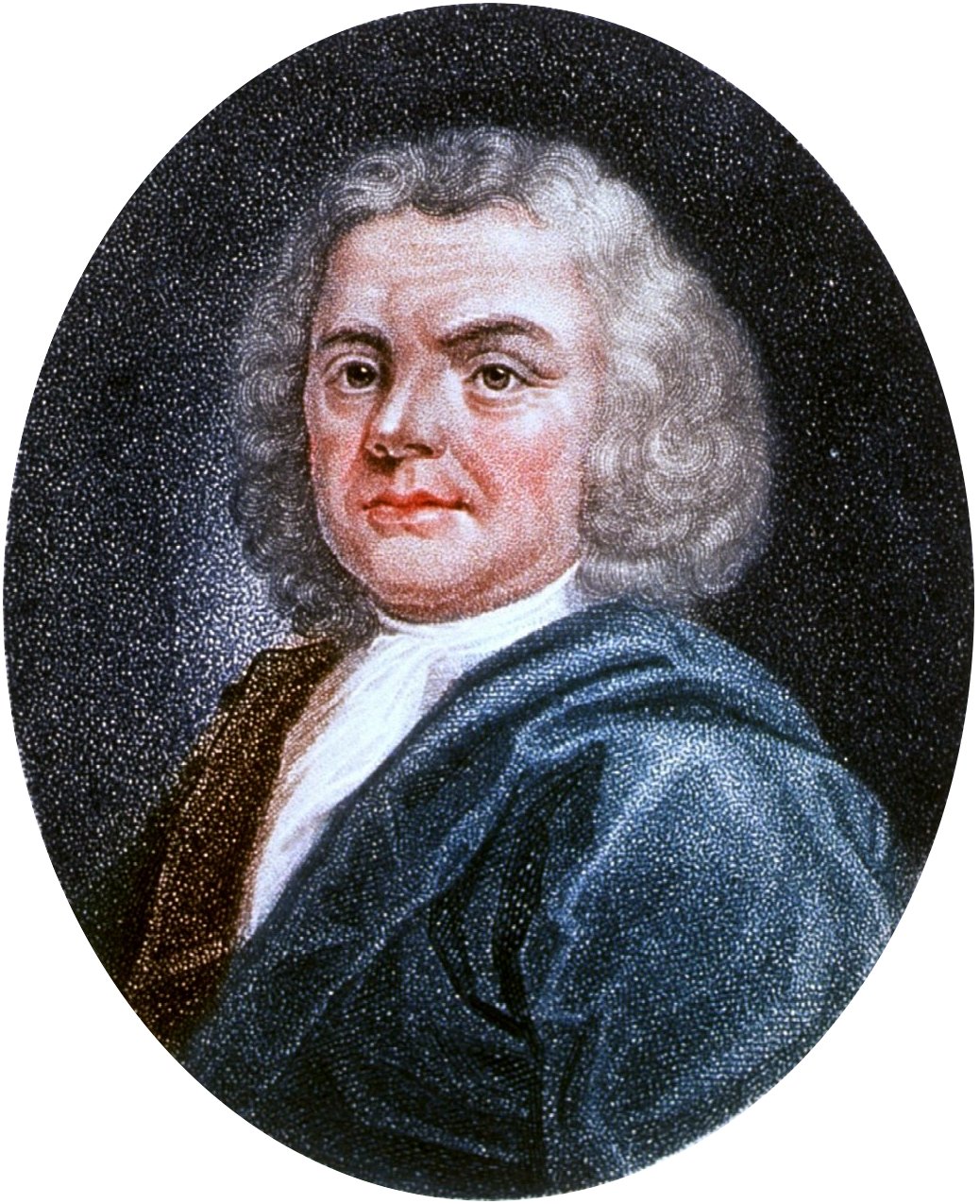
Boerhaave created of the modern method of clinical teaching. His writings had an enormous influence during his lifetime. Haller, Cullen, Pringle, van Swieten and de Haen were among his pupils. See Lindeboom, Herman Bo…
1764
#74
Opera physico-medica.
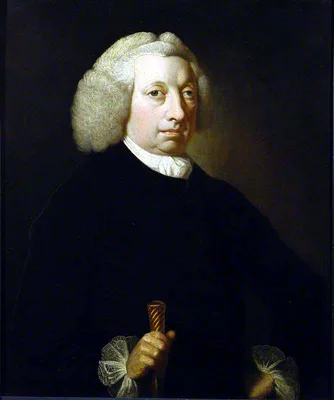
Huxham, a Devonshire man, was a pupil of Boerhaave. His most important contributions to medicine were in connection with fevers and infectious diseases.
1775 –1776
#75
Opera medica. 3 vols.
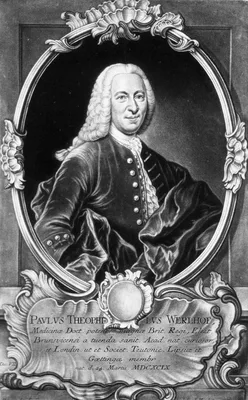
Werlhof, a contemporary and friend of Haller, is remembered for his classic description of purpura haemorrhagica (see No. 3052). He was Court physician at Hannover.
1827
#76
The works. 2 vols.
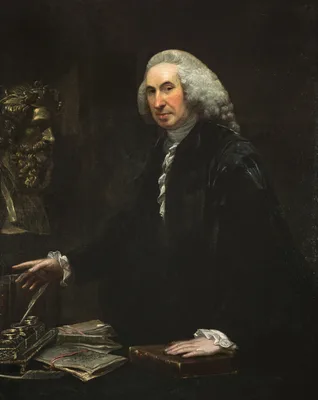
Cullen was the most conspicuous figure in the history of the Edinburgh Medical School during the 18th century. He was an inspiring teacher and was instrumental in founding the Glasgow Medical School in 1744. His clini…
1784 –1790
#77
Sämmtliche kleinere Schriften. 3 vols.
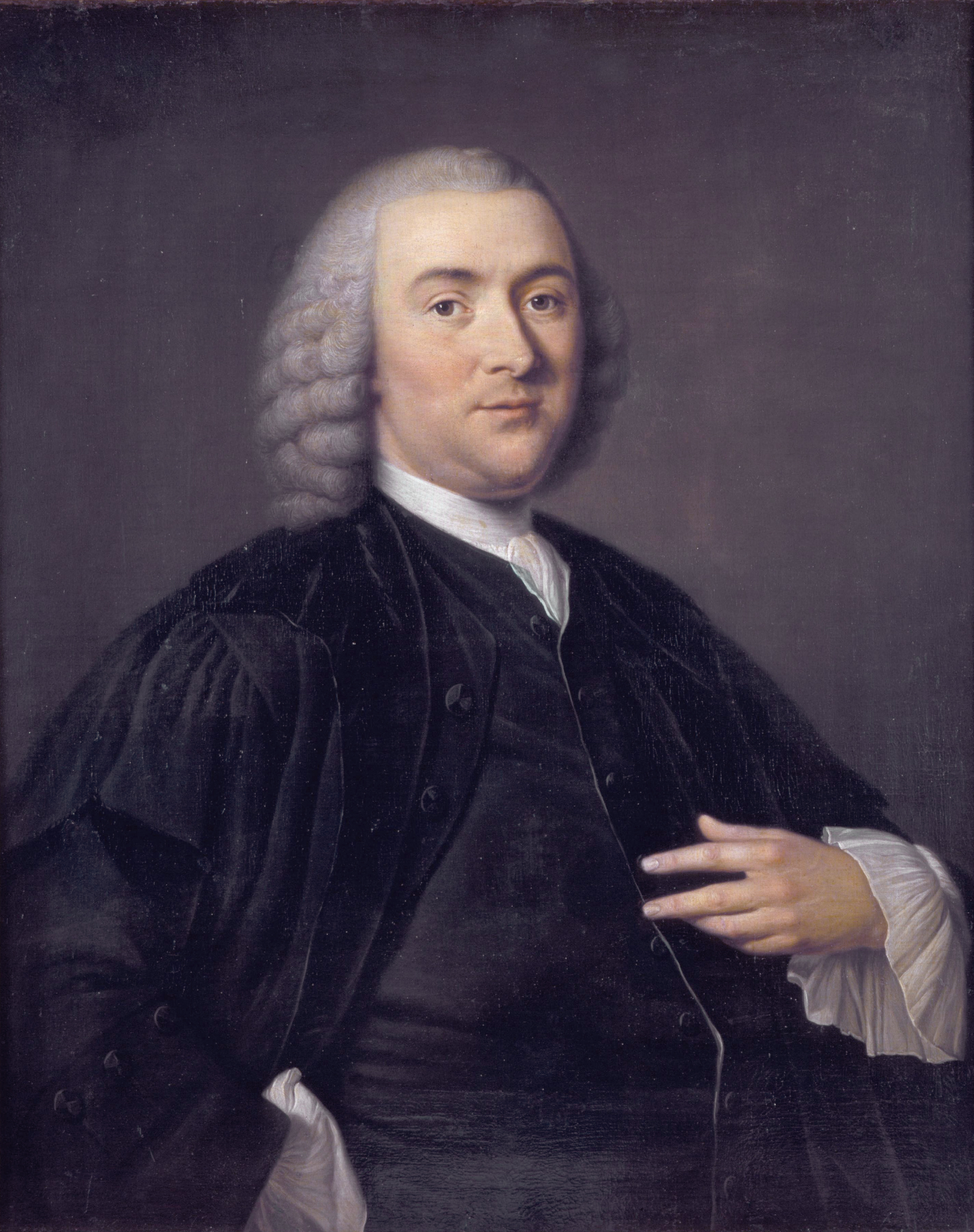
Camper, an artist of skill, made his mark as an anthropologist and craniologist. He discovered the processus vaginalis of the peritoneum and the fibrous structure of the eye, and made several other important contribut…
1835 –1837
#78
The works of John Hunter. With notes. Edited by J.F. Palmer. 4 vols. and atlas.
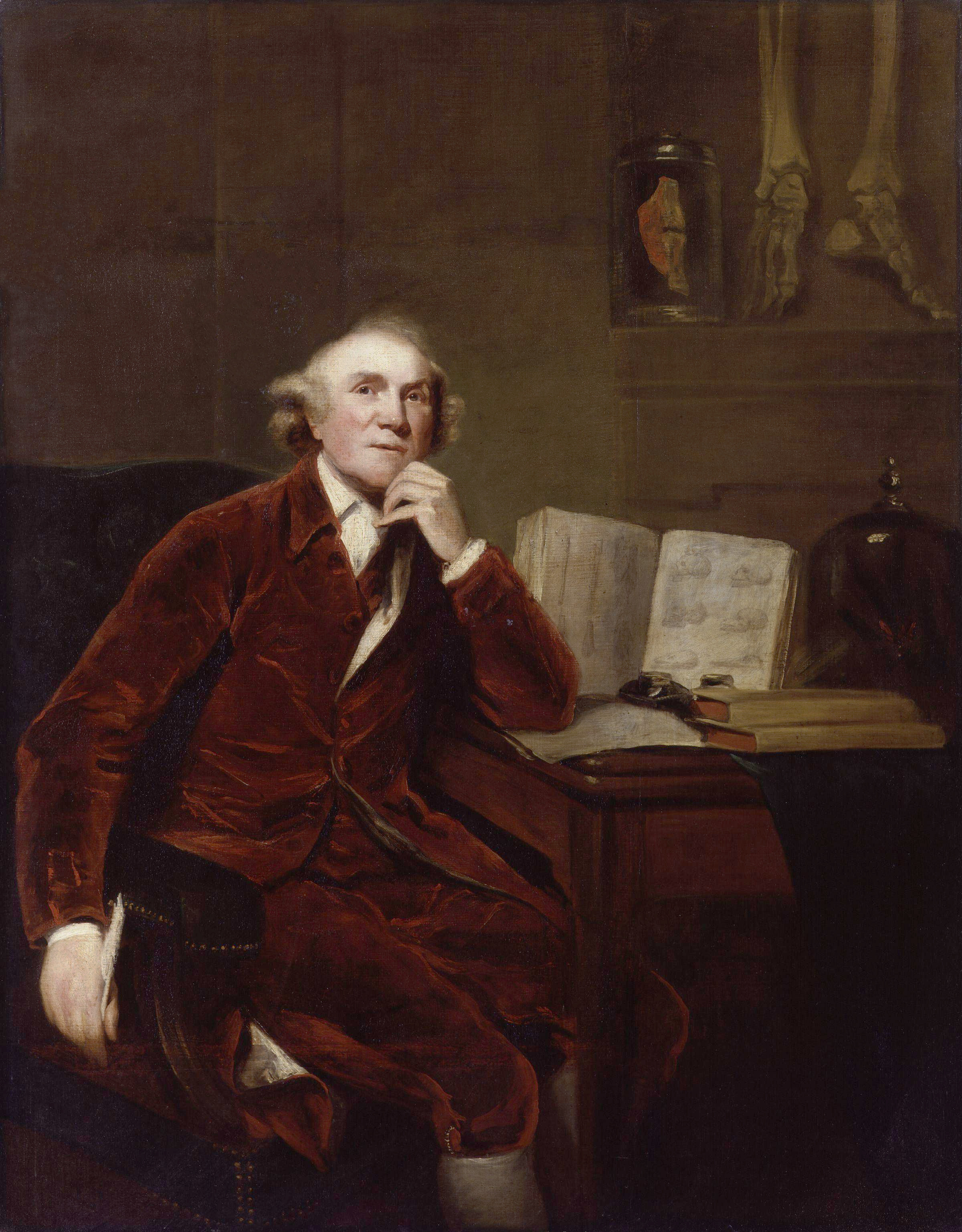
Hunter gave a great impetus to the study of morbid anatomy; he was the veritable founder of experimental and surgical pathology. He was responsible for the commencement of some of the greatest medical museums; the Hun…
1846
#79
The works. Edited with an introduction and notes by George Gulliver.
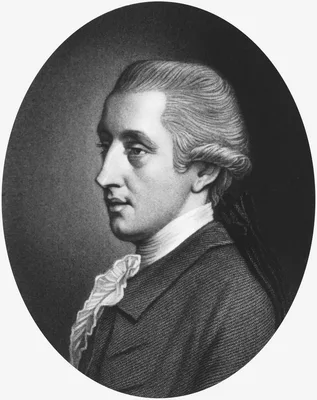
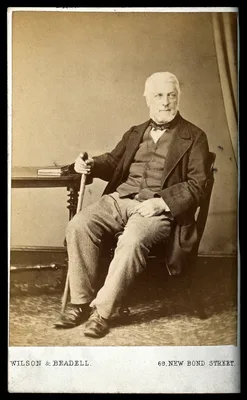
Hewson was a pupil of the Hunters. In 1769 his memoir on the lymphatics in fishes won for him the Copley Medal of the Royal Society. See also Nos. 863, 1102. The editor of this edition provided a detailed historical i…
1789 –1793
#80
Medical inquiries and observations. 2 vols.
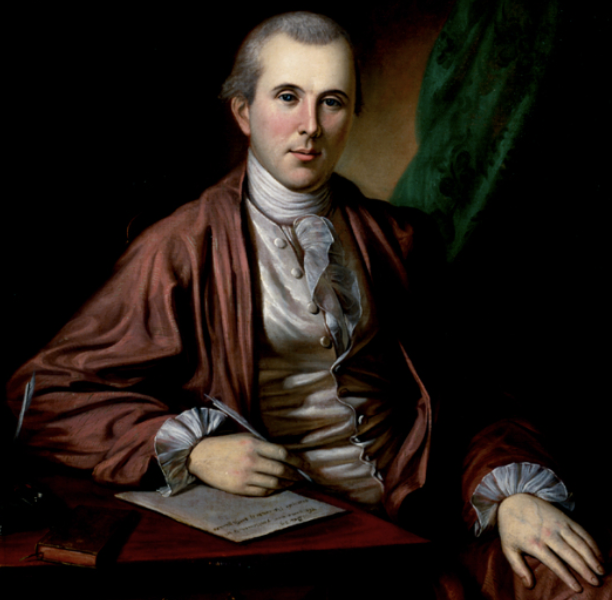
Rush was considered the ablest American clinician of his time. He was a friend of Benjamin Franklin and one of the signers of the Declaration of Independence. His many writings are distinguished for their classical st…
1918 –1973
#82
Sebrané spisy. Opera omnia. Tom. 1-12.
Purkynĕ was Professor of Physiology at Breslau and Prague. Eminent as physiologist and microscopist, he was first to use the microtome. See Kruta, V. J.E. Purkynĕ, Physiologist. A short account of his contributions…wi…
1922 –1939
#83
Œuvres de Pasteur, réunies par Pasteur Vallery-Radot. 7 vols.
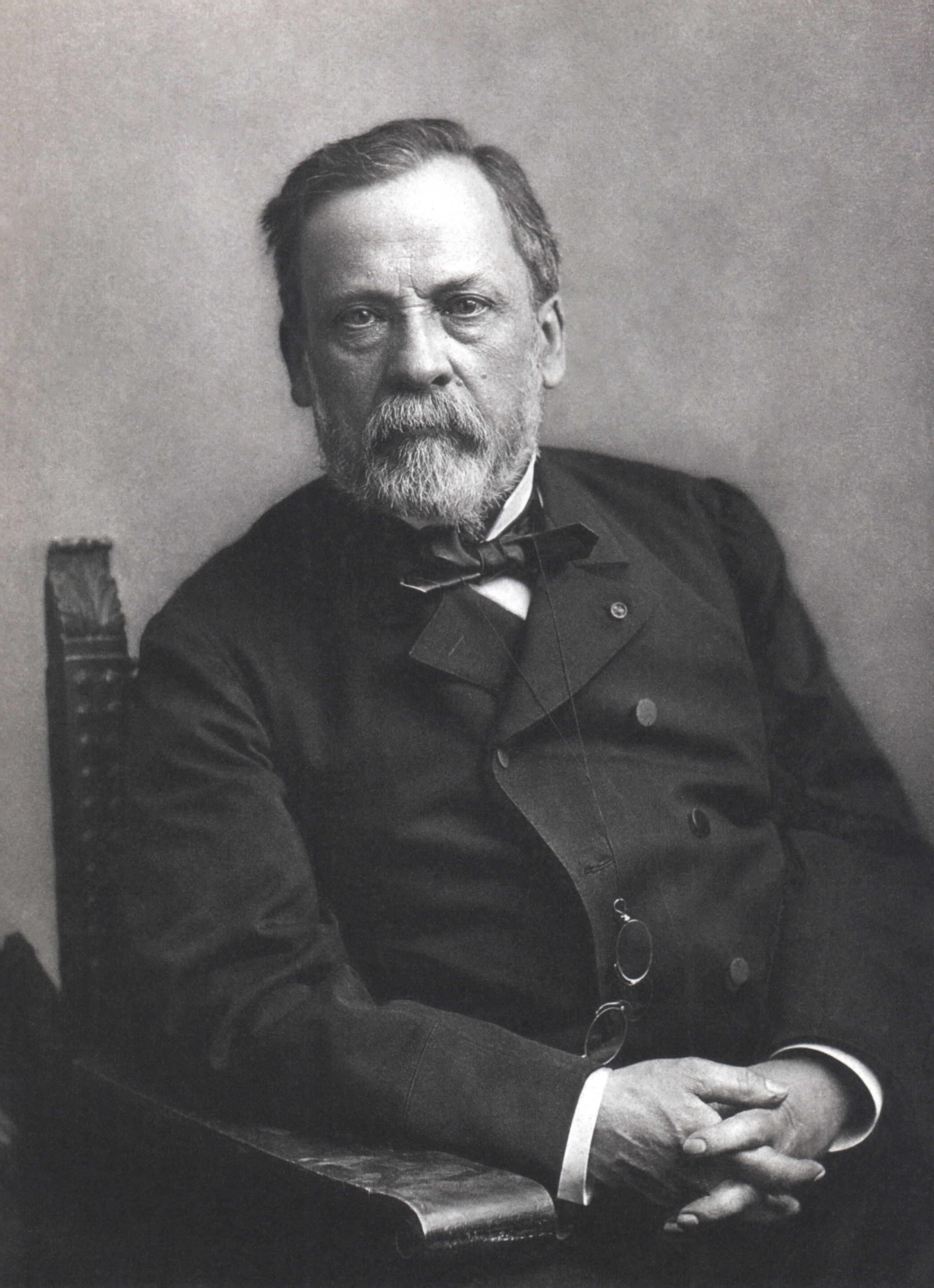
One of the founders of bacteriology, Pasteur's work on fermentation, the doctrine of spontaneous generation (which he exploded), virus diseases and preventive vaccinations, was fundamental. Digital facsimile of the co…
1886 –1891
#84
Œuvres complètes ed J.-M. Charcot. Recueillies et publiées par D. M. Bourneville [and others]. 9 vols.
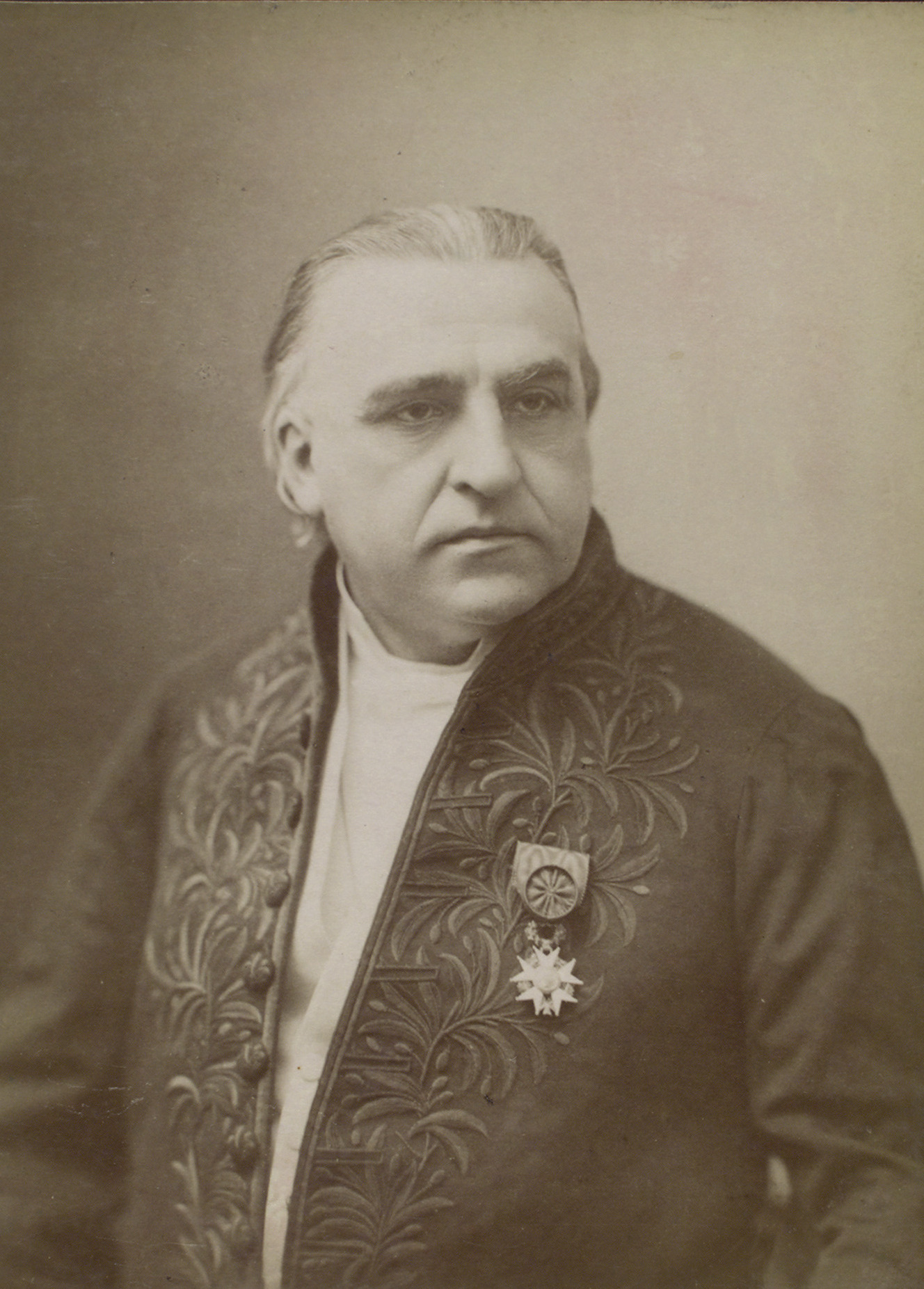
Charcot, famous teacher at La Salpêtrière, created there the greatest neurological clinic of his time. He was a pioneer of psychotherapy and left many memorable descriptions of nervous disorders. Pierre Marie, who die…
1909
#85
The collected papers of Joseph, Baron Lister. 2 vols.
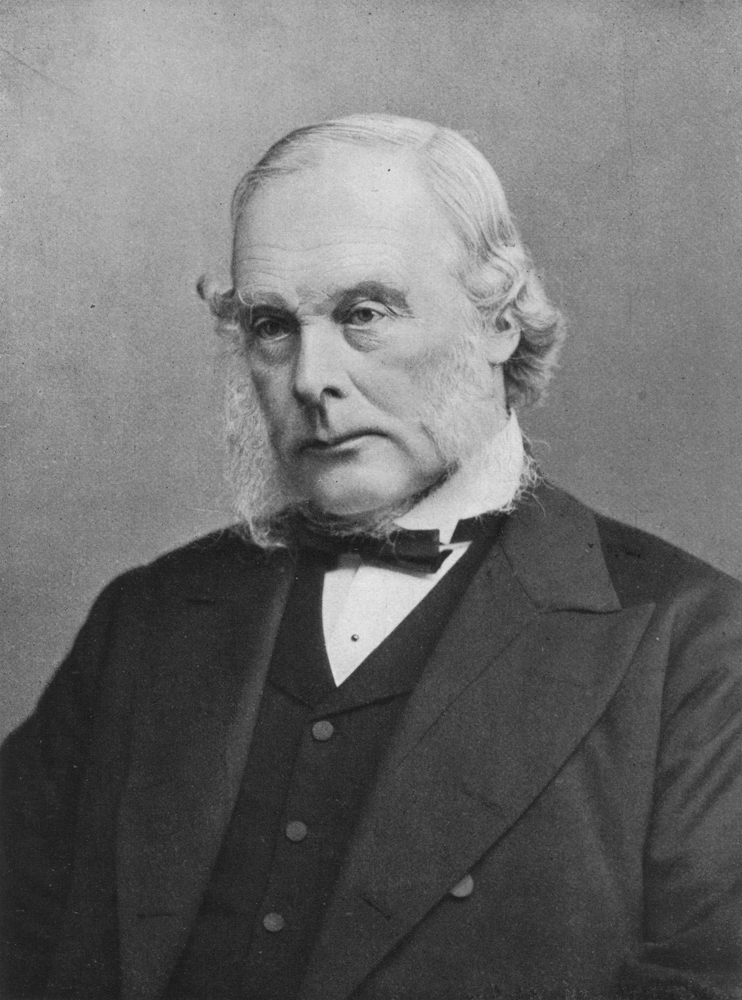
Lister, a pupil of Sharpey, became Professor of Surgery successively at Glasgow, Edinburgh and King’s College, London. He was the first medical man in Britain to be raised to the peerage. The founder of the antiseptic…
1912
#86
Gesammelte Werke von Robert Koch. Unter Mitwirkung von G. Gaffky and E. Pfuhl. Herausgegeben von J. Schwalbe. 2 vols. [in 3).
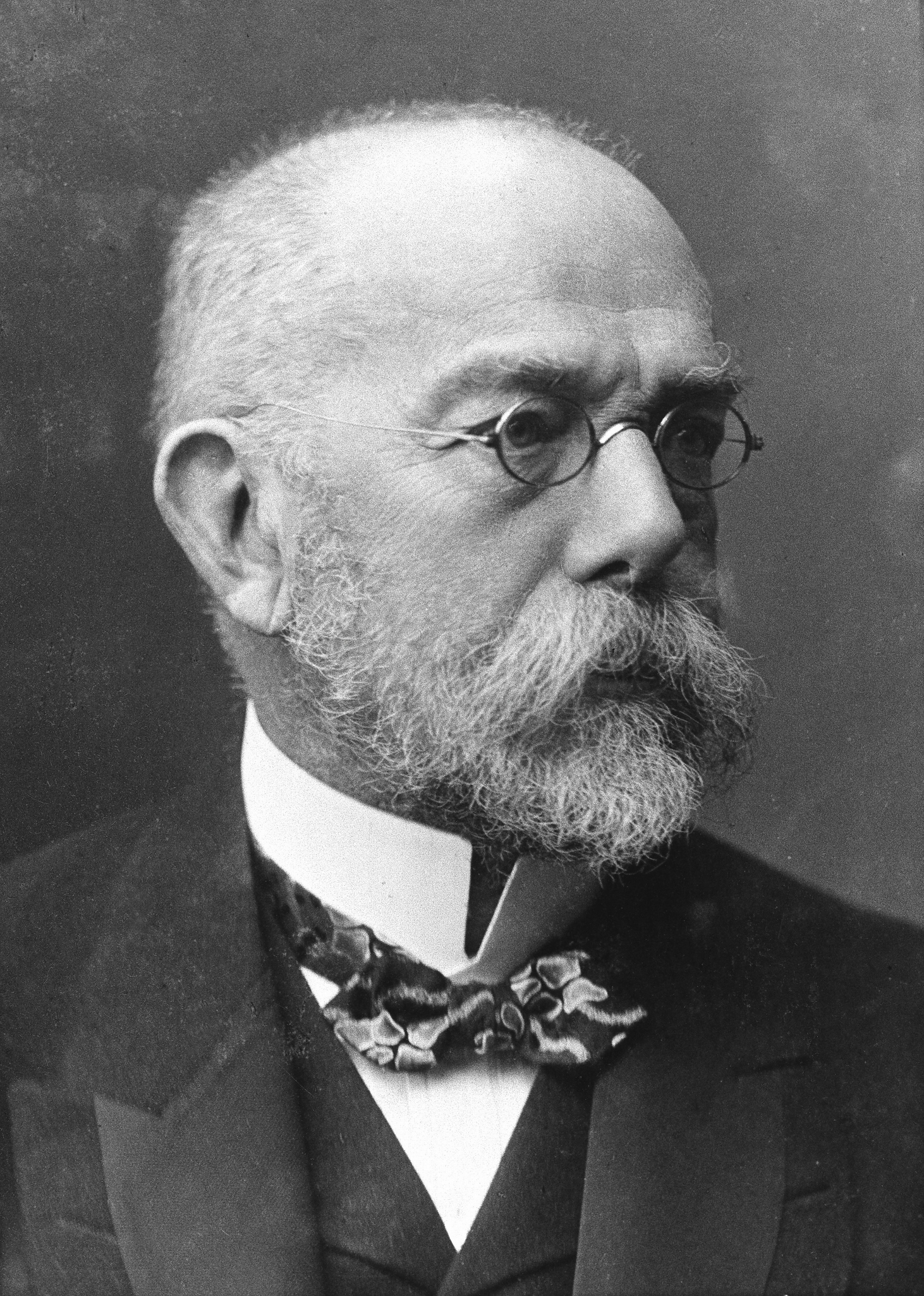
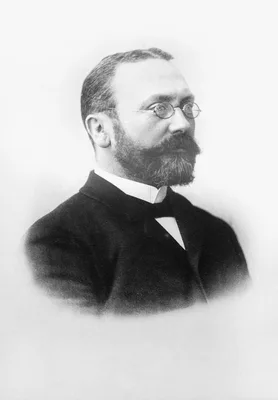
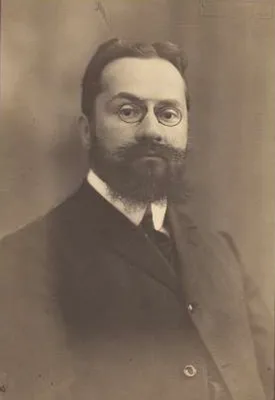
For his work on tuberculosis Koch received the Nobel Prize in 1905. Digital facsimile from the Internet Archive at this link. See T.D. Brock, Robert Koch: A life in medicine and bacteriology, Madison, WS: Science-Tech…
1907
#87
The fragments of Empedocles. Translated into English verse by William Ellergy Leonard.
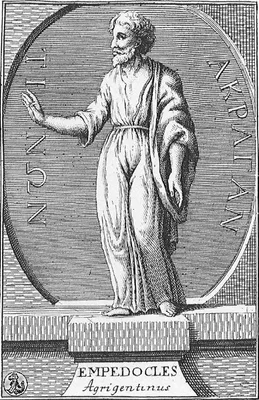
Empedocles was a Greek philosopher, statesman, physician and reformer. His poem on Nature originally ran to 5,000 lines, of which only 400 are now left. He believed in four ultimate elements—fire, air, water and earth…
1473
#88
De rerum natura.
The work is a reasoned system of philosophy written in verse. Book V attempts an explanation of the origin of the universe and life, and the gradual advance of man from the savage state. All these topics are treated f…
1469
#89
Historia naturalis, libri XXXVII.
The most ancient Western encyclopedia extant, Pliny’s Historia contained essentially all that was known in his time concerning geography, mineralogy, anthropology, botany, zoology and meteorology. Books XX-XXXII deal …
1471
#91
De proprietatibus rerum.
A condensed encyclopedia of what was then understood by natural science. The work was probably written about the middle of the 13th century. It was one of the most widely read scientific works of the Middle Ages. Caxt…
c. 1496
#92
De proprietatibus rerum. English translation by John of Trevisa.
This English translation of Bartholomaeus Anglicus was made by John of Trevisa in 1398. Bibliographically it is of interest as being one of the earliest books printed in London, one of the finest of the 15th century, …
1893
#93
Leonardo da Vinci: Codice sul volo degli uccelli e varie altre materie. Pubblicato da Teodoro Sabachnikoff. Transcrizione e note di Giovanni Piumati; traduzione francese di Carlo Ravaisson-Mollien.
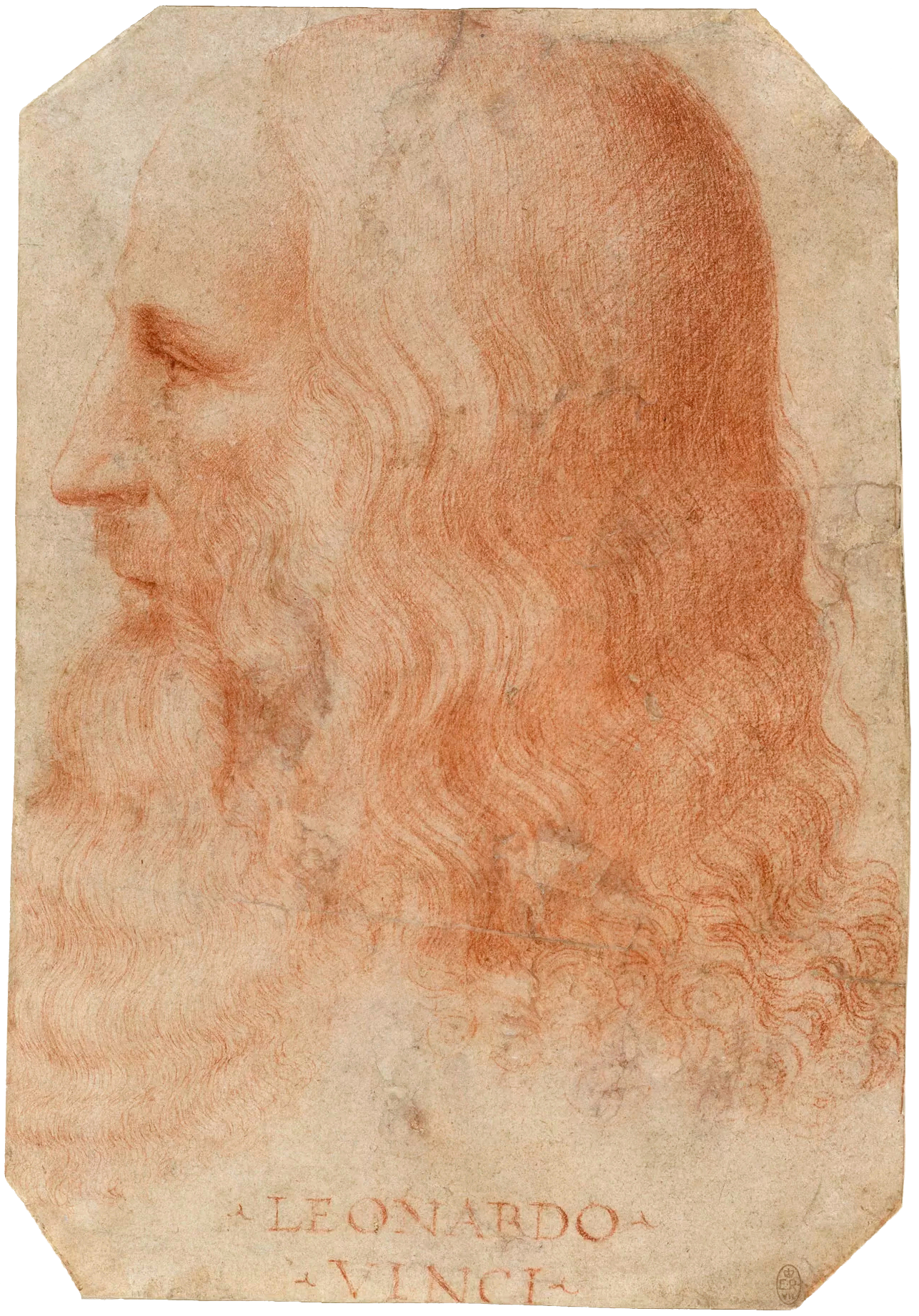
The scientific study of the mechanics of flight begins with Leonardo’s investigations on birds, undertaken during his attempts to build a flying machine. At the time of publication Sabachnikoff owned the manuscript. A…
1938
#94
The notebooks of Leonardo da Vinci. Arranged, rendered into English and introduced by Edward MacCurdy. 2 vols.
2nd edition, 1956 (reprinted London, Cape, 1977).
1668
#97
Esperienze intorno alla generazione degl’insetti.
In the first scientific study of spontanteous generation Redi’s experiments dealt the first real blow to the ancient doctrine. In these experiments Redi made use of what we now term “controls”. English translation, 1909.
1694
#98
De sexu plantarum epistola.
First experimental demonstration of the sexuality of plants. Camerer showed that in flowering plants the anthers are male organs, and that the ovary with style and stigma are female, and that pollen is required for th…
1735
#99
Systema naturae per regna tria naturae, secundum classes, ordines, genera, species, cum characteribus, differentiis, synonymis, locis.
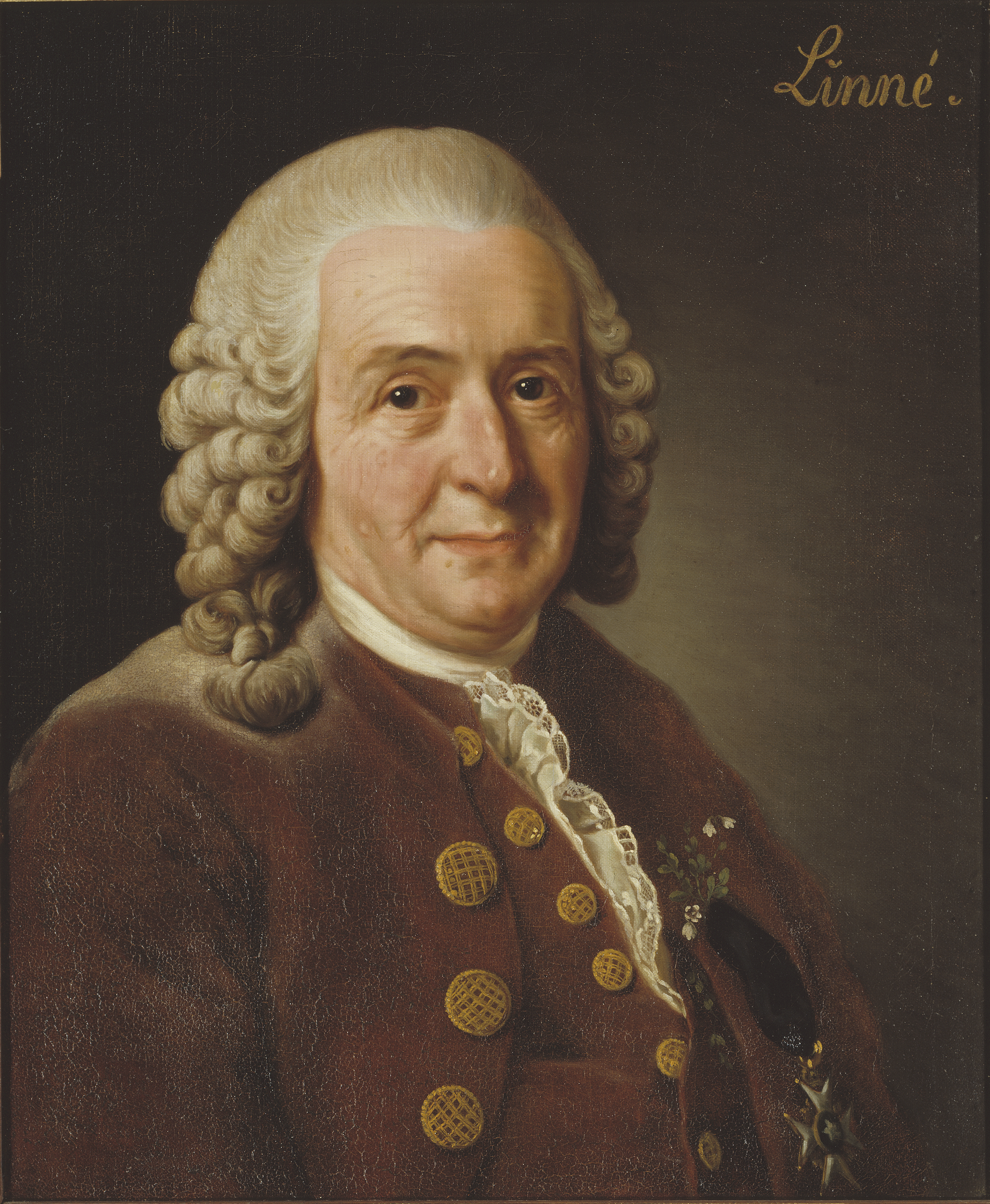
In Systema naturae Linnaeus developed the first logical and modern classifications of plants, animals and minerals. Its most valuable feature, the binomial nomenclature (genus and species), was probably devised in the…
1686 –1718
#265
Ontledingen en ontdekkingen.... 6 vols.
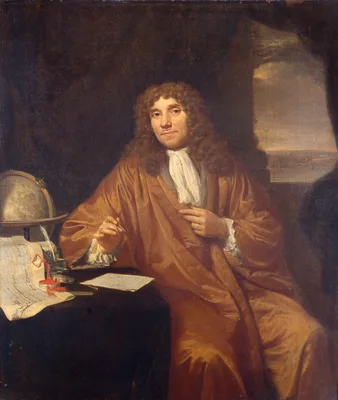
Leeuwenhoek, one of the first and also one of the greatest of the microbiologists, communicated many of his discoveries to the Royal Society in London. This set is a collection in Dutch of many contributions that van …
1708
#582
Theoria medica vera.
Stahl tried to explain vital phenomena by mystical means. He was the head of the so-called Animistic School which explained disease as caused by misdirected activities on the part of the soul. A three-volume German tr…
1484
#1795
Herbarius latinus.
The first herbal printed in Germany, and the prototype for most of the herbals printed during the remainder of the 15th century. It also contains some fanciful pictures of animals. With text in Latin and with German s…
1491
#1797
Hortus sanitatis.
HORTUS SANITATIS
First edition of an herbal and general treatise on natural history which became very popular; based on the unusually large number of surviving copies in institutions it must have also been a bestseller. The plant illu…
1923
#6471.92
Assyrian medical texts. From the originals in the British Museum.
Facsimiles of the texts of 660 cuneiform medical tablets, many of which were hitherto unpublished, from the library of Ashurbanipal. The tablets date back to the seventh century B.C. No translations are included, but …
1877
#6485.91
[Charaka Samhita. Edited by Jibananda Vidyasagara.]
Sanskrit text. Authorities vary as to the date of Charaka. He is said to have lived at times varying between 800 BCE and 78 CE. The Samhita, or Sanhita, is one of the most ancient and complete systems of Hindu medicin…
1901 –1907
#6485.9
The Ayurvedic system of medicine, or an exposition, in English, of Hindu medicine as occuring in Charaka, Susruta, Bagbhata, and othe rauthoritative works, ancient and modern, in Sanskrit. 3 vols.
Ayurveda is the most ancient system of Hindu medicine; only fragments of the original remain. The early Hindus believed it to be of divine origin and ascribed it to Brahma. It dates from circa 1400-1200 BCE. Digital f…