
Entry Nos. 3700–3799
99 Garrison-Morton entries in this range.
1890
#3741
Polyneuritis bij hoenders.
Eijkman produced beriberi experimentally in fowls; from this he was led to conclude that a diet of over-milled rice was the chief cause, both in fowls and humans. Thus his work was of great importance in determining t…
1901
#3742
Over polyneuritis gallinarum
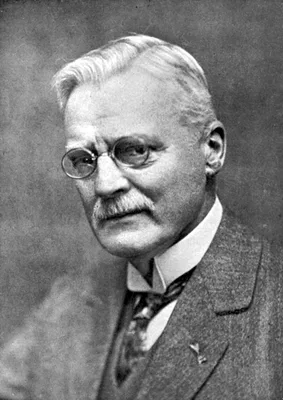
Grijns succeeded Eijkman as director of the Research Laboratory for Pathological Anatomy and Bacteriology in Batavia. He was the first to adopt the view that beriberi was simply a “deficiency disease”, since he found …
1909
#3743
An inquiry concerning the etiology of beri-beri.
Studies from the Institute for Medical Research, F. M. S., No. 10. Careful and long-continued experiments on the aetiology of beriberi were carried out by Fraser and Stanton in Malaya.
1913
#3745
Beriberi
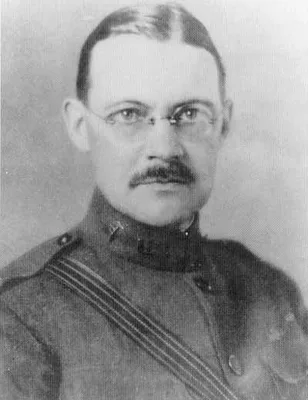
Important studies of beri-beri are recorded in this book. After its publication the author made many additional contributions to the literature on the subject.
1934
#3747
Das Beriberi-Herz.
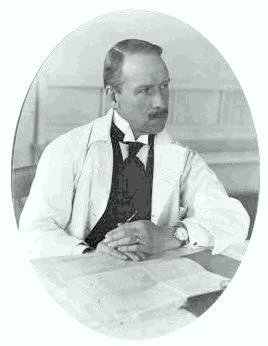
Wenckebach wrote a classic account of the heart in beriberi.
1755
#3749
Description d’une maladie appelée mal de la rosa.
Thiérry wrote an account of pellagra from what he had seen or heard of Casal’s cases. His work antedates that of Casal in date of publication but is not a first-hand description. English translation in No. 2241.
1771
#3751
Animadversiones in morbum, vulgo pellagram.
In Frapolli’s careful description of pellagra, the disease was first given its present name. This book is also the first Italian account of the malady. Partial English translation in No. 2241.
1786 –1789
#3752
De pellagra. 3 vols.
By 1776, pellagra had attained serious proportions in Italy; Strambio was placed in charge of a hospital for the treatment of pellagrins, and he left an important account of the disease. He and Casal y Julian (No. 375…
1866
#3753
Traité de la pellagre et des pseudo-pellagres.
Roussel was awarded a prize of 5,000 francs for this work.
1869
#3754
Studii clinici ed esperimentali sulla natura, causa e terapia della pellagra.
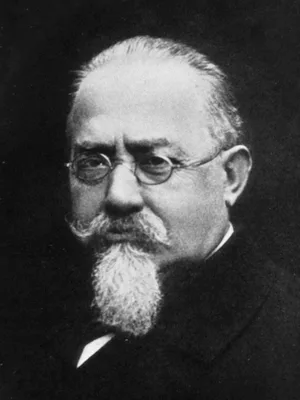
Lombroso upheld the maize theory of the origin of pellagra. He believed that the symptoms were caused by a toxin which developed in deteriorated maize. Reprinted from Riv. clin. Bologna, 1869, 8, 289-314, 321-44.
1914
#3755
The treatment and prevention of pellagra.
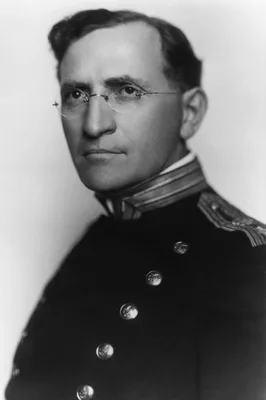
With C. H. Waring and D. G. Willets. A collection of Goldberger’s most important papers with a list of his publications appeared in 1964.
1919
#3756
Pellagra.
1920
#3757
The experimental production of pellagra in human subjects by means of diet.
Goldberger was born in Central Europe in poor circumstances. He migrated to America, and following attendance at a lecture by Austin Flint, decided to study medicine. He entered the U. S. Public Health Service in 1899…
1926
#3758
A further study of butter, fresh beef, and yeast as pellagra preventatives, with consideration of the relation of factor P-P of pellagra (and black tongue of dogs) to vitamin B.
Anti-pellagra vitamin. With G. A. Wheeler, R. D. Lillie, and L. M. Rogers.
1935
#3759
Kwashiorkor. A nutritional disease of children associated with a maize diet.
First accurate description. “Kwashiorkor” was the local name in Ghana for a nutritional disease of children, associated with a maize diet. The first modern account was probably that of L. Normet in Bull. Soc. Path. ex…
1680
#3761
Esperienze del Dottor Giuseppe Zambeccari intorno a diverse viscere tagliate a diversi animali viventi.
Proof that the spleen is not essential to life. For a translation and notes on the book, see Bull. Hist. Med., 1941, 9, 144-76, 311-31 (S. Jarcho).
1832
#3762
On some morbid appearances of the absorbent glands and spleen.
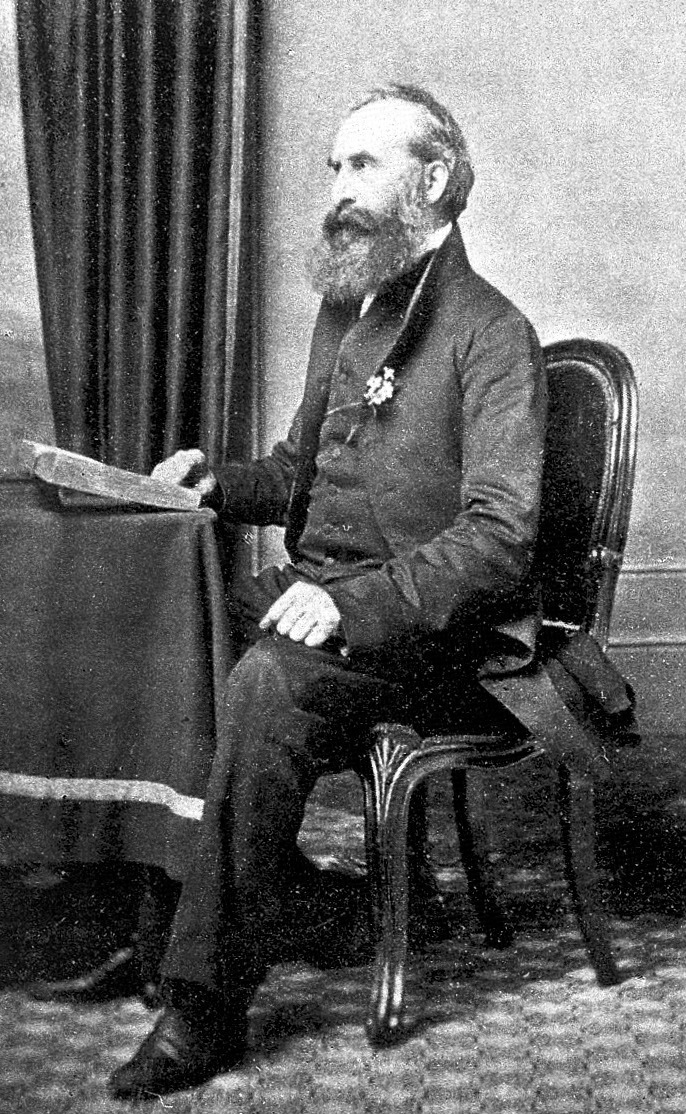
First full description of lymphadenoma, which Wilks in 1865 referred to as “Hodgkin’s disease”. This is more typically designated as Hodgkin's lymphoma. In 1666 Malpighi had vaguely outlined the condition. Hodgkin was…
1836
#3763
Commentatio de splenis hypertrophia et historia extirpationis splenis hypertrophici cum fortuna adversa.
While most people in Germany still considered splenectomy beyond the bounds of possibility, Quittenbaum performed the operation in 1829, establishing it as a surgical procedure.
1856
#3764
Cases of a peculiar enlargement of the lymphatic glands frequently associated with disease of the spleen.
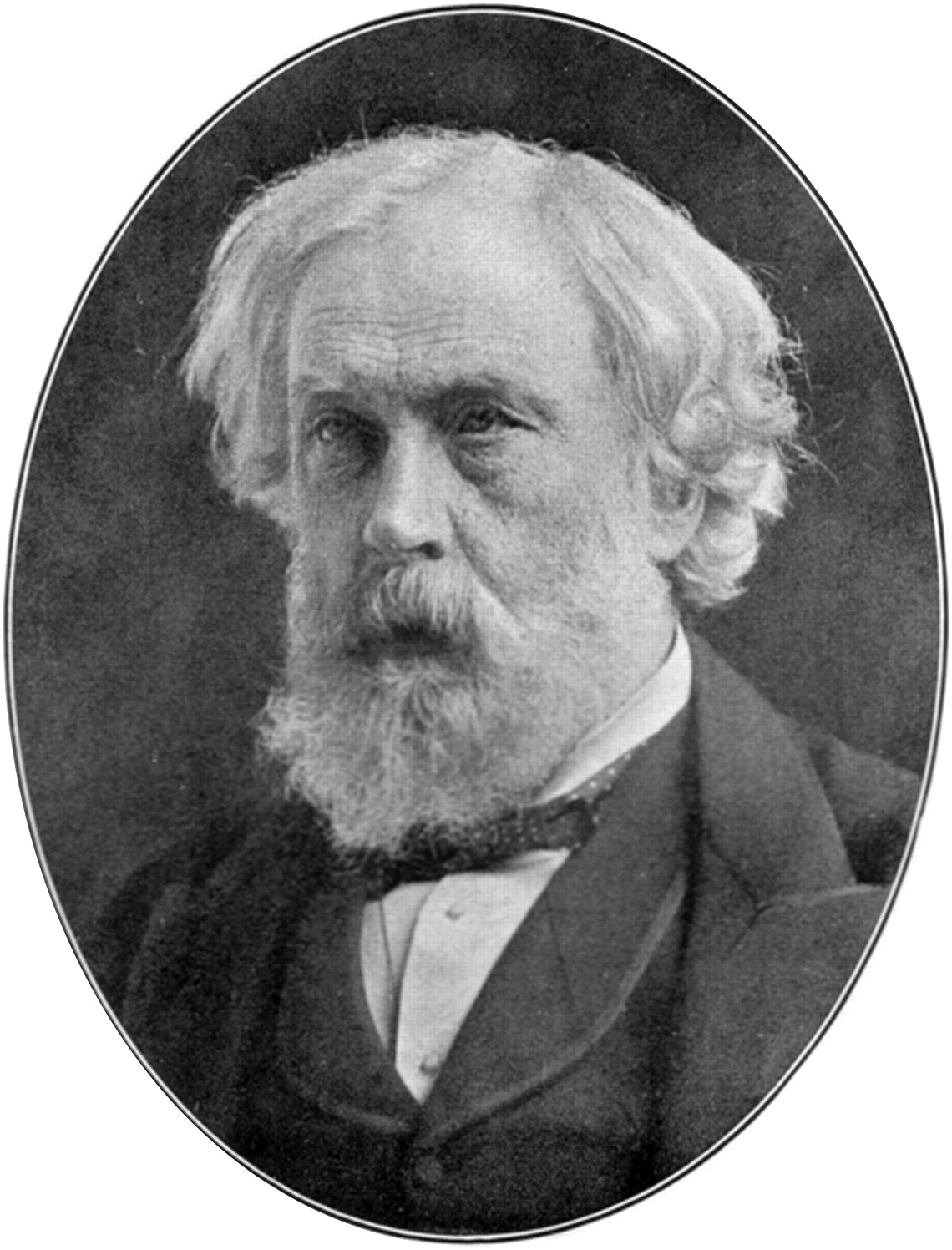
Wilks really put Hodgkin’s disease “on the map”; the second paper for the first time attached Hodgkin’s name to the disease
1857
#3765
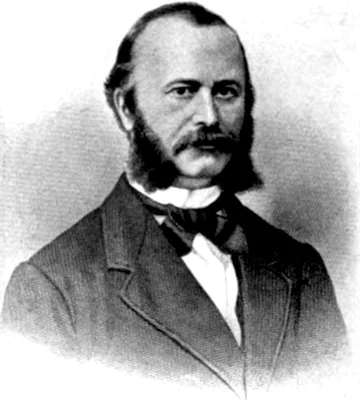
Die Exstirpation der Milz am Menschen.
1872
#3767
Das maligne Lymphosarkom (Pseudoleukämie).
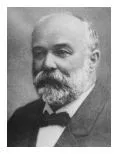
Langhans noted the presence of giant cells in the lesions of Hodgkin’s disease.
1878
#3768
Specimens illustrative of the pathology of lymphadenoma and leucocythemia
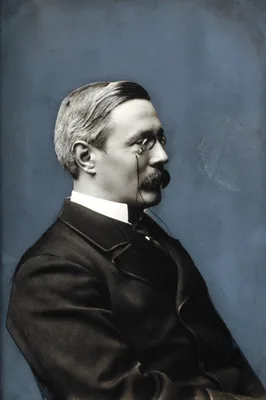
Greenfield also drew attention to the giant cells in lymphadenoma, which later became known as “Dorothy Reed’s giant cells” (see No. 3780).
1885
#3770
Zur Symptomatologie der sog. Pseudo-Leukämie
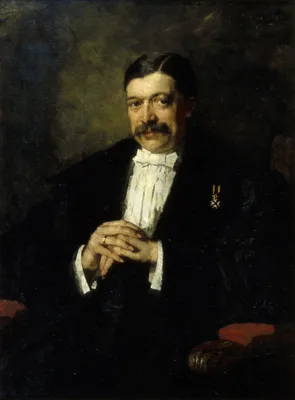
“Pel-Ebstein disease”, a remittant pyrexia occurring in Hodgkin’s disease (see also No. 3771).
1887
#3771
Das chronische Rückfallsfieber, eine neue Infektionskrankheit.
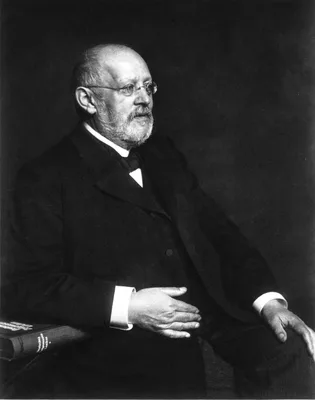
1892
#3772
Clinical lecture on acute Hodgkin’s disease
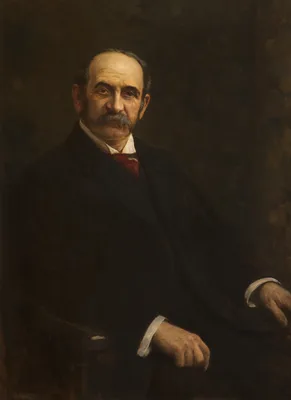
Dreschfeld preceded Kundrat in differentiating Hodgkin’s disease and lymphosarcoma.
1894
#3774
La splenomegalia con cirrosi del fegato
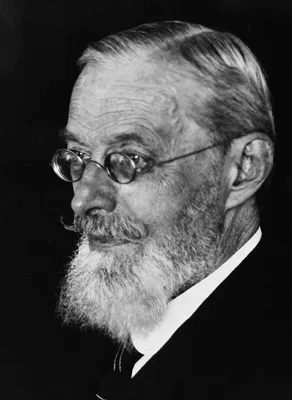
“Banti’s syndrome”, Splenomegalic anemia. Reprinted with translation in Med. Classics, 1937, 1, 901-27. (For his earlier work on the subject, see No. 3126.)
1897
#3775
Lymphosarkom (Lymphosarkomatose, Pseudoleukämie, Myelom, Chlorom).
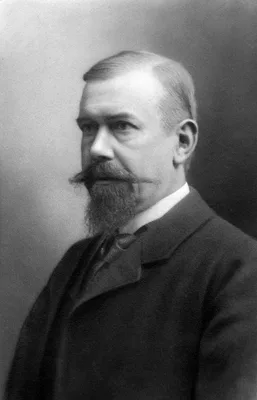
“Paltauf-Sternberg disease” (see also No. 3776). On the European Continent the name “Hodgkin-Paltauf-Sternberg disease” is in use.
1898
#3776
Ueber eine eigenartige, unter dem Bilde der Pseudoleukämie verlaufende Tuberkulose des lymphatischen Apparates.
In his classic description of lymphadenoma, Sternberg separated it from aleukemic leukemia, with which it had hitherto been included.
1898
#3777
Sur une variété particulière d’ictère chronique splénomégalique.
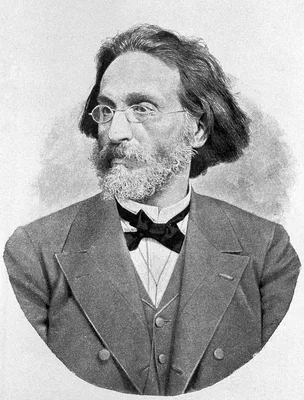
“Hayem–Widal disease” –acquired hemolytic anemia (see also No. 3783).
1900
#3779
Ueber eine hereditäre, unter dem Bilde eines chronischen Icterus mit Urobilinurie Splenomegalie, und Nierensiderosis verlaufende Affection.
“Minkowski–Chauffard disease”, familial hemolytic jaundice. See also No. 3781.
1902
#3780
On the pathological changes in Hodgkin’s disease, with especial reference to its relation to tuberculosis.
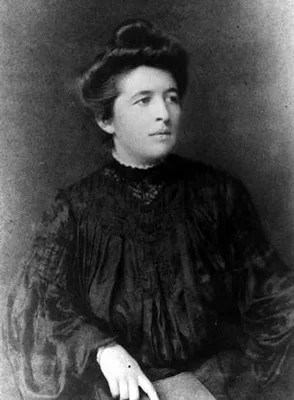
Dorothy Reed’s classic work on Hodgkin’s disease included a study of the histological picture. She described the proliferation of the endothelial and reticular cells, and the formation of lymphadenoma cells – “Dorothy…
1907
#3781
Pathogénie de l’ictère de l’adulte.
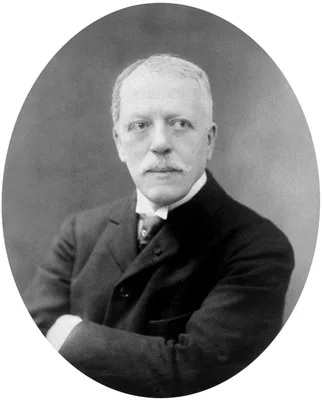
“Minkowski–Chauffard disease” (see No. 3779).
1907
#3782
A hitherto undescribed disease characterized anatomically by deposits of fat and fatty acids in the intestinal and mesenteric lymphatic tissues.
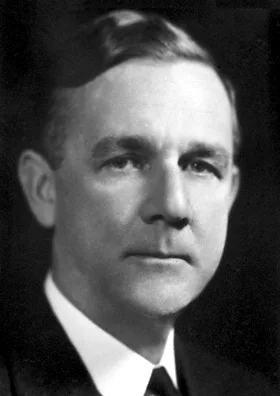
“Whipple’s disease”. Whipple suggested the name lipodystrophia intestinalis (intestinal lipodystrophy) for this condition because there were abnormal lipid deposits in the small intestine wall. In figure 9 of his pape…
1907
#3783
Ictères hémolytiques non congénitaux avec anémie.
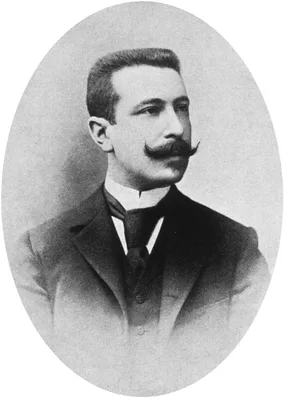
“Widal-Abrami disease” (Hayem-Widal disease), acquired hemolytic anemia. (See also No. 3777.)
1914
#3784
Ein unbekanntes Krankheitsbild.
First description of that form of xanthomatosis which Pick described more fully in 1926 (No. 3785) and to which the eponym “Niemann-Pick disease” has been applied.
1926
#3785
Der Morbus Gaucher und die ihm ähnlichen Erkrankungen. (Die lipoidzellige Splenohepatomegalie Typus Niemann und die diabetische Lipoidzellenhyperplasie der Milz.)
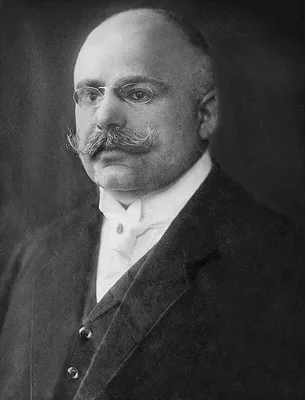
“Niemann-Pick disease” – a group of inherited, severe metabolic disorders, first noted by Albert Niemann in 1914, (No. 3784) in 1914. Pick’s account is of greater importance.
1925
#3786
Generalized giant lymph follicle hyperplasia of lymph nodes and spleen; a hitherto undescribed type.
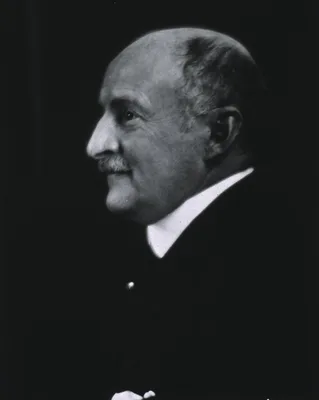
See No. 3787. With G. Baehr and N. Rosenthal.
1927
#3787
Follicular lymphadenopathy with splenomegaly: a newly recognized disease of the lymphatic system.
“Brill-Symmers disease” (see No. 3786).
1946
#3788
The biological actions and therapeutic applications of the ß-chloroethyl amines and sulfides.
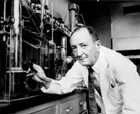
Introduction of nitrogen mustard in treatment of Hodgkin’s disease
1614
#3789
Observationum in hominis affectibus plerisque, corpori & animo, functionum laesione, dolore, aliave molestia & vitio incommodantibus, libri tres.
First known report of a case of death from hypertrophy of the thymus, in an infant, is reported on p. 172; it is reproduced on p. 239 of J. Ruhräh’s Pediatrics of the past, New York, 1925. Platter first described flex…
1886
#3790
Congenital absence of hair and mammary glands with atrophic condition of the skin and its appendages in a boy whose mother had been almost wholly bald from alopecia areata from the age of six.
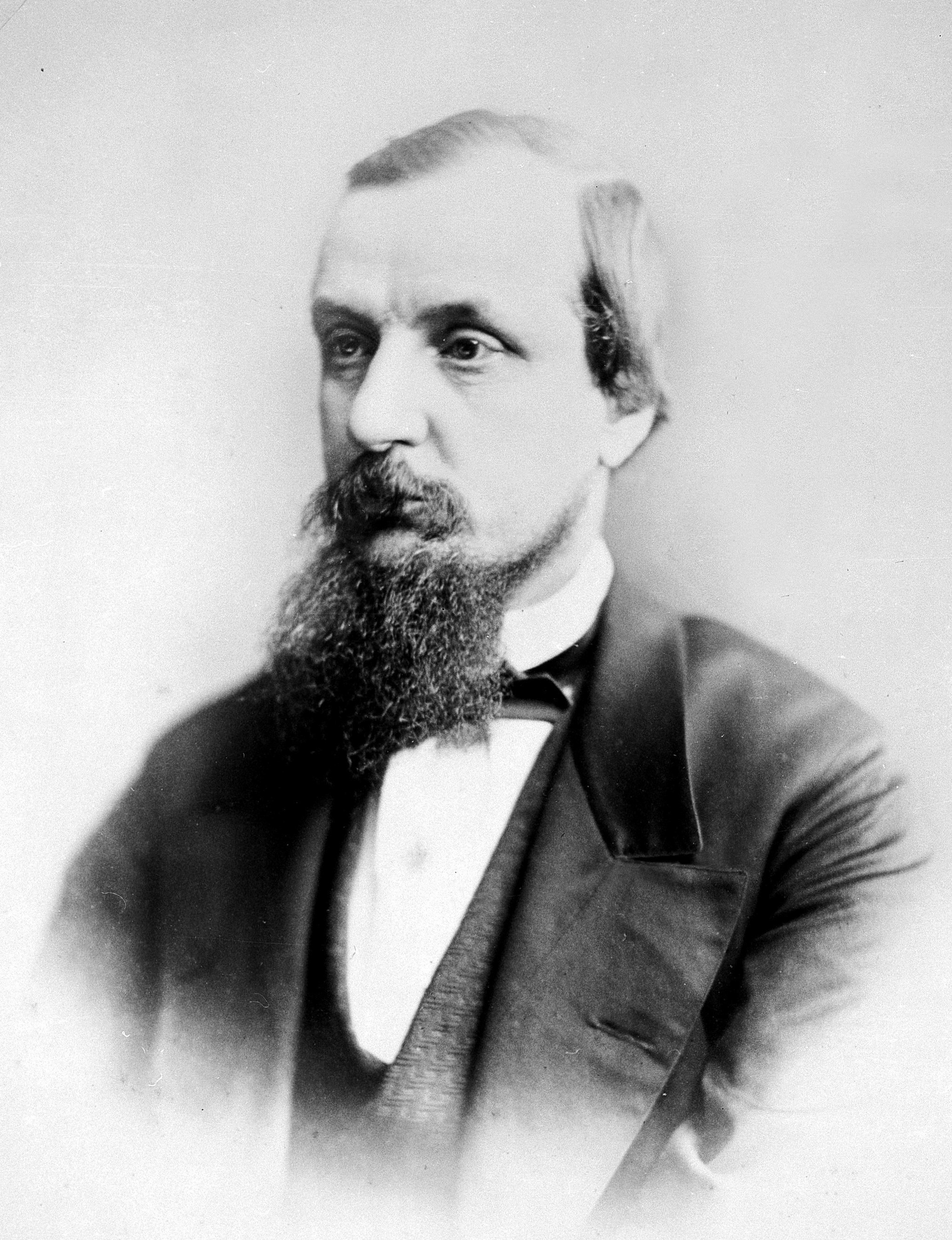
First description of progeria.
1891
#3791
Ueber eine Geschwulst der sogen. Glandula carotica oder des Nodulus caroticus. In Festschrift Rudolf Virchow, 1, 547-54.
First account of the pathology of carotid body tumors.
1897
#3792
On a condition of mixed premature and immature development.
Hastings Gilford gave progeria its name; it was first fully reported by him in Practitioner, 1904, 73, 188-217. Digital facsimile of the 1897 paper from PubMedCentral at this link.
1903 –1907
#3793
The internal secretions and the principles of medicine. 2 vols.
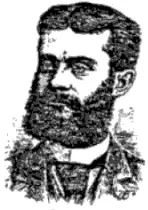
Sajous, pioneer American endocrinologist, wrote the first treatise on the subject. In this work he regarded the adrenal, pituitary, and thyroid glands as controlling the immunizing mechanism of the body.
1913
#3795
Die Erkrankungen der Blutdrüsen
First attempt to systematize the endocrine disorders. English translation, 1915.
1920
#3796
Verjüngung durch experimentelle Neubelebung der alternden Pubertätsdrüse
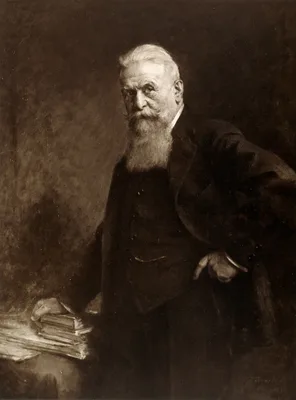
Steinach rejuvenation operation, ligation of the vas deferens, later discredited.
1923
#3797
Greffes testiculaires
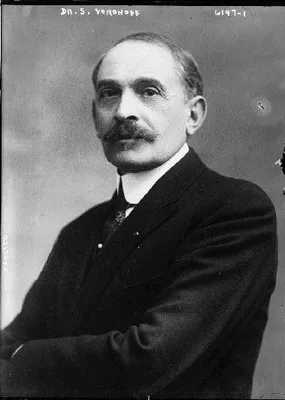
Voronoff first reported his controversial experimental rejuvenation by means of testicular transplants in 1919.
1922 –1924
#3798
Endocrinology and metabolism presented in their scientific and practical clinical aspects by ninety-eight contributors. 5 vols.
1938
#3799
The oestrogenic activity of certain synthetic compounds.
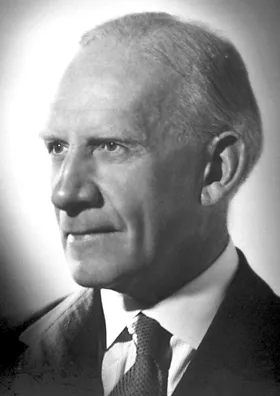
Introduction of stilboestrol, the first synthetic estrogen. With L. Gol[d]berg, W. Lawson,