
Facets
Browse across eight MeSH (opens in new tab) facets — era, geography, science, specialty, technology, history, culture, and reference. Select one tag per group; counts update across the others. What’s new in facet browse how facets relate to subjects and MeSH.
Clear filtersGeography
Specialties & Disease
- Alternative & Fringe Medicine 383
- Anatomy & Pathology 765
- Cardiology & Blood 914
- Dentistry 259
- Diabetes 80
- ENT & Hearing 293
- Epidemiology & Demography 397
- Gastroenterology & Hepatology 316
- General Clinical Medicine 487
- Immunology & Dermatology 1,008
- Infectious Disease (General) 147
- Internal, Emergency & Geriatric 123
- Microbiology & Virology 1,080
- Military Medicine 436
- Neurology & Psychiatry 1,258
- Obstetrics & Reproductive 551
- Oncology & Cancer 377
- Ophthalmology & Vision 412
- Pediatrics 247
- Physiology & Embryology 924
- Plagues & Epidemics 1,279
- Psychology 202
- Public Health 1,129
- Pulmonary & Respiratory 233
- Rheumatology, Rehab & Pain 189
- Surgery & Anesthesia 1,553
- Urology & Nephrology 309
- Veterinary Medicine 165
Social & Historical Studies
Institutions & Culture
Reference & Scholarly Works
1,008 entries match Immunology & Dermatology [C19 / C20 / C17]
1903
#2627
Zur Frage der Beziehungen zwischen Becquerelstrahlen und Hautaffectionen.
Records the first successful employment of radium in the treatment of cancer.
1903
#2627.1
Ueber den Einfluss der Röntgenstrahlen auf epitheliale Gewebe, insbesondere auf das Carcinom.
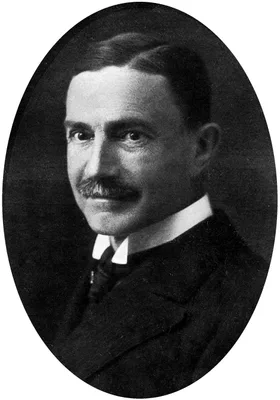
Perthes was among the first to study the inhibitory effect of x rays on carcinoma; he was a pioneer in radiotherapy.
1903 –1904
#2558
An experimental investigation of the rôle of the blood fluids in connection with phagocytosis.
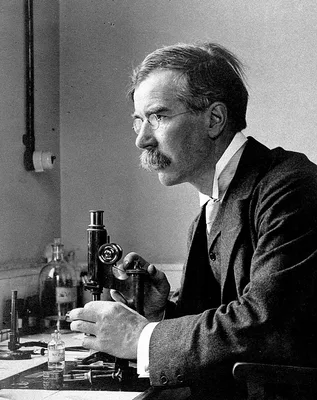
Wright and Douglas showed the existence of thermolabile substances (opsonins) in normal and immune serum.
1903
#2591
Injections répétées de sérum de cheval chez le lapin.
The “Arthus phenomenon” – a symptom of anaphylaxis. Arthus showed that “antibody-mediated inflammation could be elicited in the skin of sensitized animals upon local introduction of an appropriate antigen” (Silverstei…
1903
#2591.1
Ueber die biologisch nachweisbaren Veränderungen des menschlichen Blutes nach den Seruminjektion.
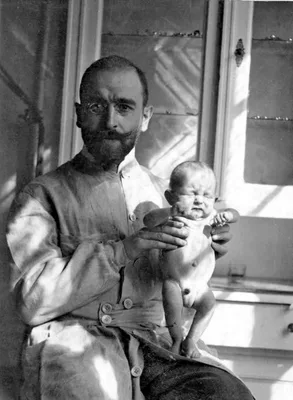
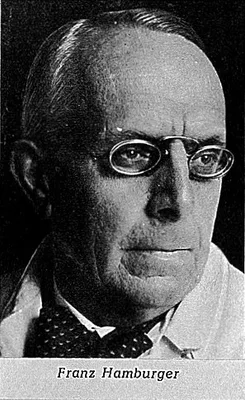
Serum sickness first described.
1903
#2557
Zur Lehre von der Unterscheidung verschiedener Eiweissarten mit Hilfe spezifischer Sera.
Demonstration of organ-specific antigens, in this case in the proteins of the lens of the eye.
1903 –1907
#3793
The internal secretions and the principles of medicine. 2 vols.
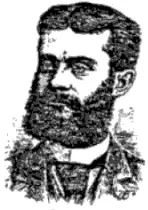
Sajous, pioneer American endocrinologist, wrote the first treatise on the subject. In this work he regarded the adrenal, pituitary, and thyroid glands as controlling the immunizing mechanism of the body.
1903
#3920
Familiäre Cystindiathese.
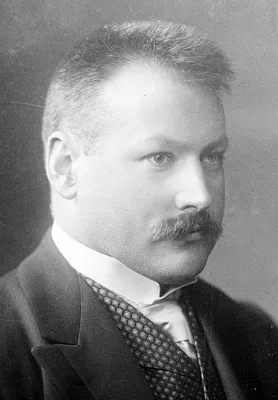
Cystinosis described.
1903
#5297
Protozoa in a case of tropical ulcer (Delhi sore).
Wright found Leishmania tropica in Delhi sore. He was unaware of Borovskii’s paper (No. 5294).
1903
#7315
Practical handbook of the pathology of the skin. An introduction to the histology, pathology, and bacteriology of the skin, with special reference to technique.
The first textbook on dermatopathology in English. Digital facsimile from Internet Archive at this link.
1904
#1121
The chemical regulation of the secretory process.
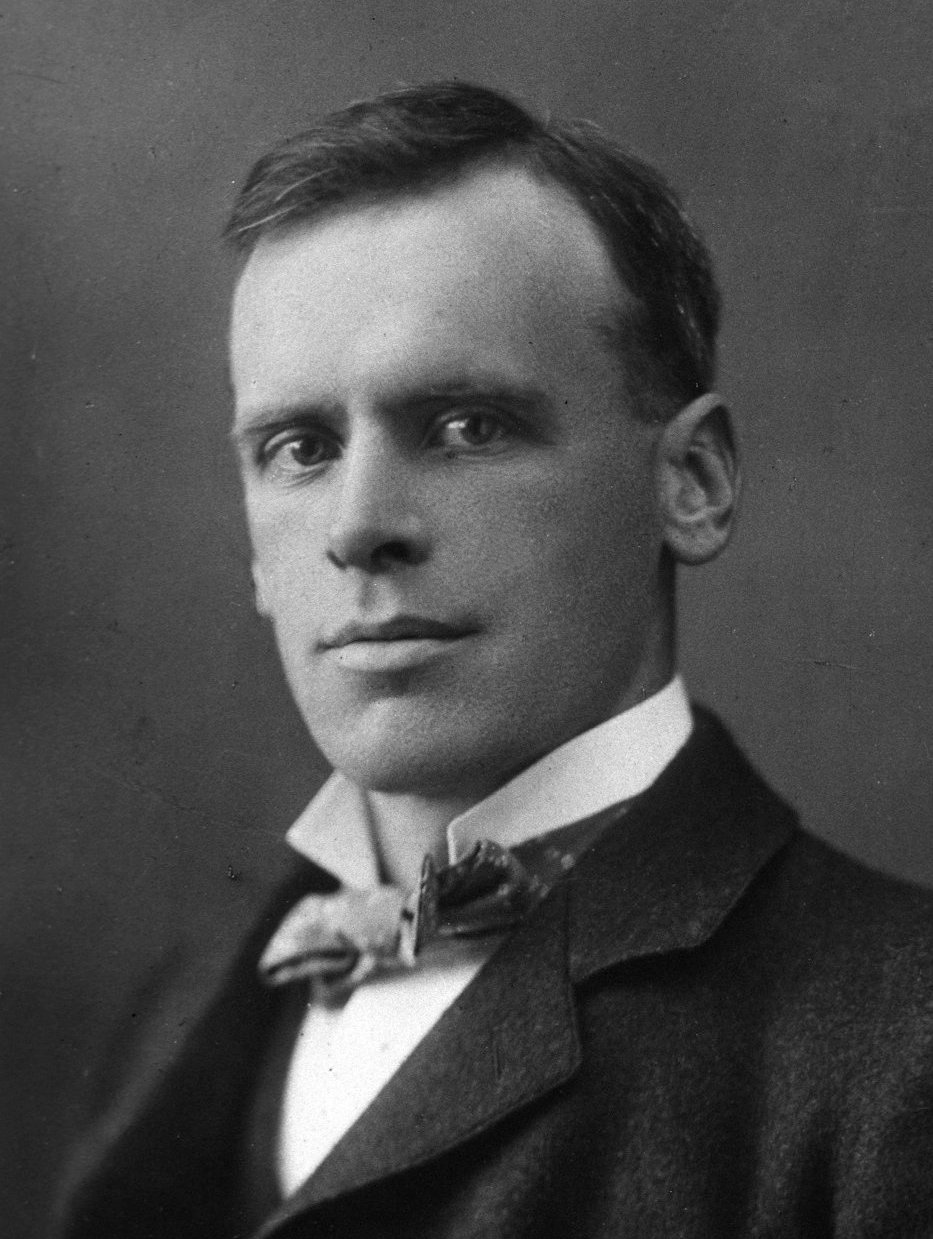
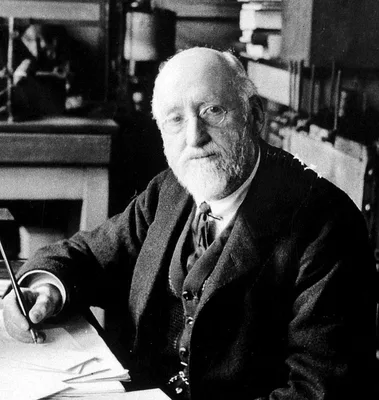
Bayliss and Starling developed the theory of hormonal control of internal secretion.
1904
#1147.1
Ueber Adrenalin und Alkylaminoacetobrenzcatechin.
Synthesis of adrenaline.
1904
#2437
The constituents of chaulmoogra seeds.
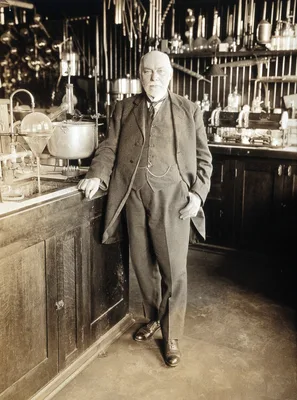
Hydnocarpus wightiana or Chaulmoogra is a tree in the Achariaceae family. The oil from seeds of Hydnocarpus wightiana or Chaulmoogra, a tree in the Achariaceae family, was widely used in Indian medicine and Chinese tr…
1904
#2558.1
Über paroxysmale Hämoglobinurie.
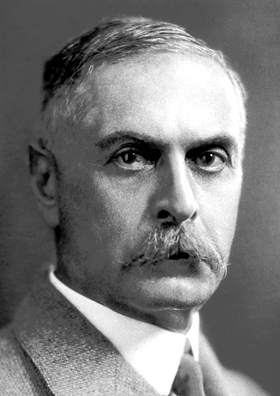
The first description of an auto-antibody, and of an auto-immune disease, paroxysmal cold hemoglobinuria. See A.M. Silverstein, A history of immunology, New York, Academic Press, 1989, Ch. 8, The Donanth-Landsteiner a…
1904
#2559
Gesammelte Arbeiten über Immunitätsforschung.
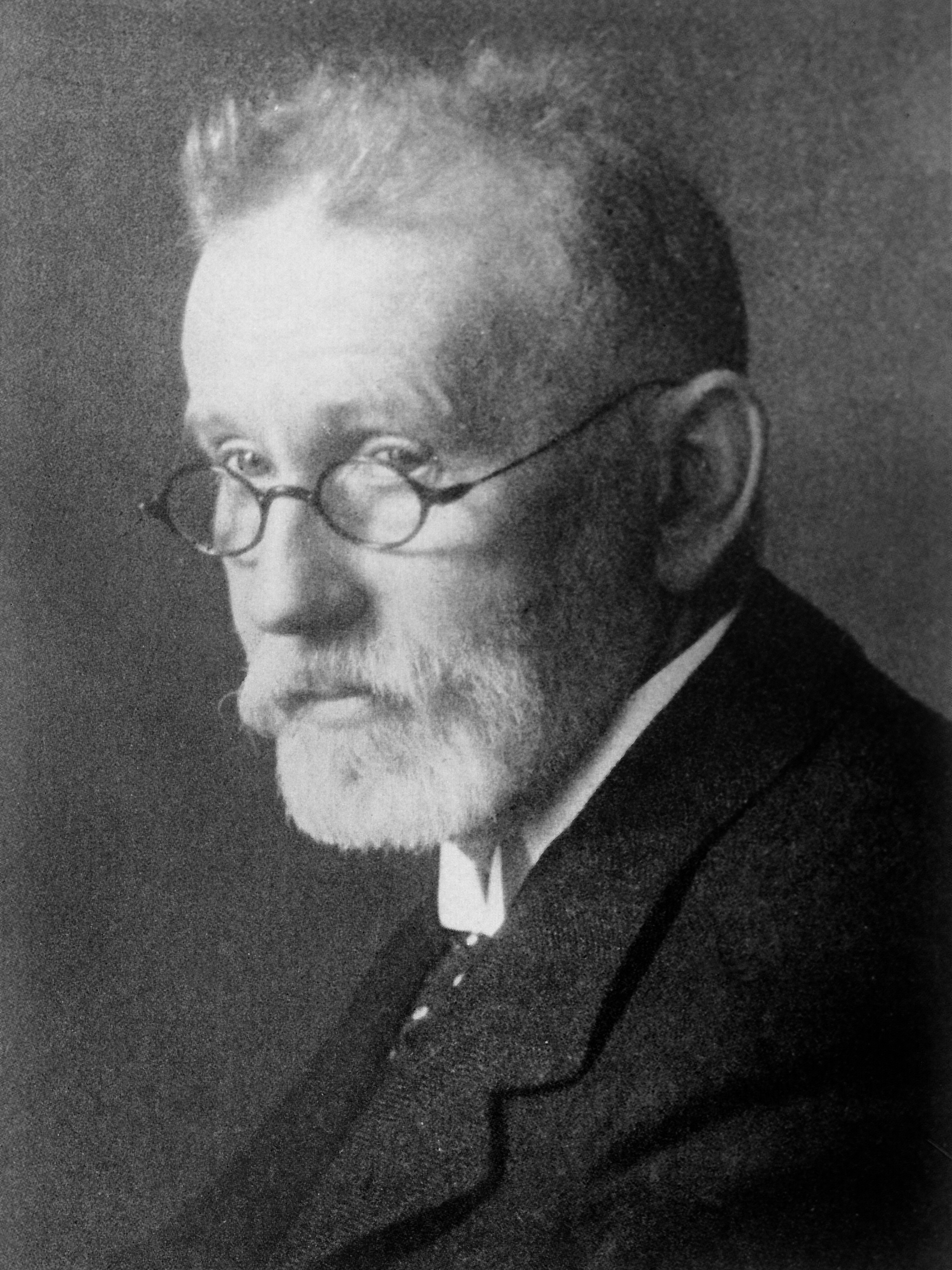
Reprints Ehrlich’s writings on immunology to date, as well as three papers by Kyes (Nos. 2111-3). English translation, with two more chapters by Ehrlich and Sachs, and one by Ehrlich, New York, 1906.
1904
#2560
Ueber die Antikörper des Streptokokken- und Pneumokokken-Immunserums.
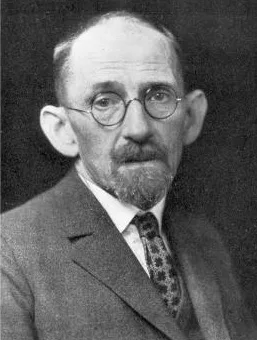
Bacteriotropins named and described.
1904
#2561
Blood immunity and blood relationship, a demonstration of certain blood relationships amongst animals by means of the precipitin test for blood.
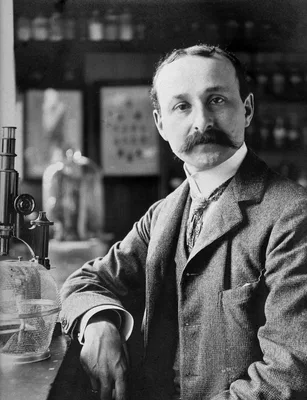
1904
#3858
Ueber Ostitis deformans ohne osteoides Gewebe.
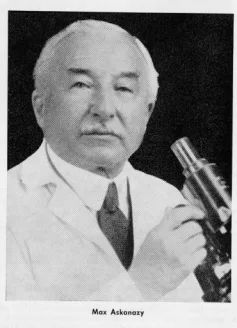
Askanazy was the first to associate osteitis fibrosa cystica with parathyroid tumors.
1904
#4004
Surla radiothérapie des teignes.
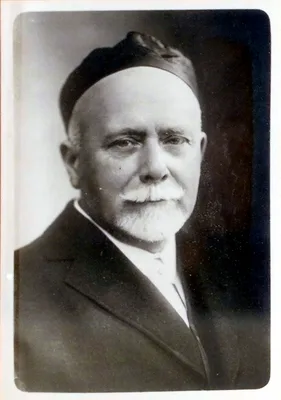
Sabouraud’s method of radiological treatment of ringworm.
1904
#4139
Pityriasis et alopécies pelliculaires.
Classic account of the different varieties of Trichophyton.
1905
#1122
The Croonian Lectures on the chemical correlation of the functions of the body.
Starling constructed a general scheme of the “hormones” as he named the internal secretions. This is the first appearance of the word, which was suggested by W. B. Hardy.
1905 –1906
#1180
An experimental enquiry into the factors which determine the growth and activity of the mammary glands.
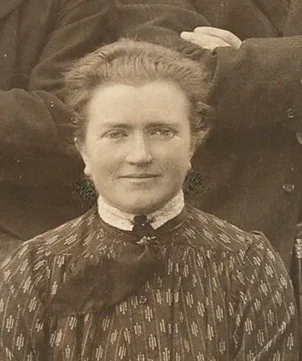
In their classic paper on the mammary gland, these workers attributed its changes during pregnancy to the fetus.
1905
#2592
Ursache und Behandlung des Heufiebers.
Dunbar studied the relationship of pollen to hay fever, separated the active substances responsible for producing the condition, and introduced a specific therapy.
1905
#2593
Die Serumkrankheit.
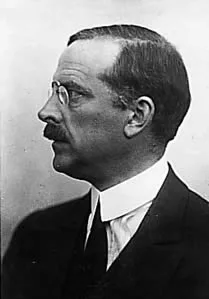
Serum sickness and its significance. English translation, Baltimore: Williams & Wilkins, 1951.
1905
#3867
On the relation of the suprarenal capsules to the sex organs.
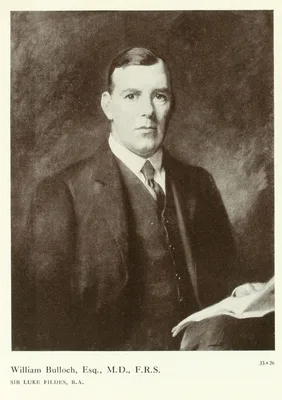
First recognition of the “adrenogenital syndrome”. This paper showed a relationship to exist between the adrenals and the sex organs.
1905
#4140
Zur Kenntnis des Virus des Molluscum contagiosum des Menschen.
Juliusberg showed that the virus of molluscum contagiosum passed a Chamberland filter.
1905 –1906
#5440
The histology of the skin lesions in varicella.
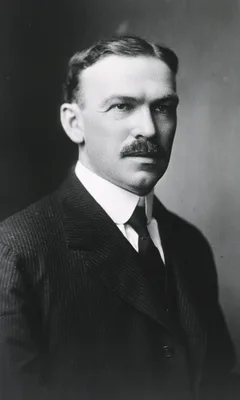
Tyzzer was first to recognize inclusion bodies in varicella.
1906 –1960
#534.7
Die Morphologie der Missbildungen des Menschen und der Thiere. Ein Lehrbuch für morphologen, physiologen, praktische Ärzte und Studierende. 3 vols. in 6 parts, plus supplements.
The first volume is an important contribution to general teratology, including a good history of the topic, and enunciating Schwalbe’s “teratogenic termination period”, the guiding principle for estimating the timing …
1906
#2594
Das Theobald Smithsche Phänomen der Serum-Ueberfindlichkeit. In Gedenkschr. f.d. verstorb. Generalstabsarzt… von Leuthold, 1, 153-72
The “Theobald Smith phenomenon” was not reported by Smith but communicated by him to Ehrlich. Later Otto published details of the results obtained in his study of the phenomenon.
1906
#2595
A study of the cause of sudden death following the injection of horse serum.
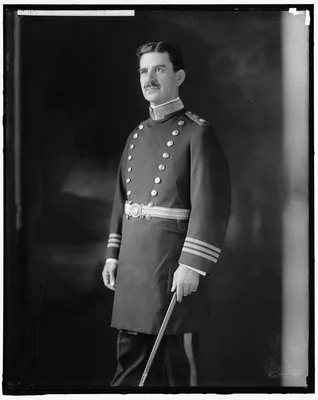
Forms Bulletin No. 29 of the Hygienic Laboratory, U. S. Marine Hospital Service. Rosenau and Anderson drew attention to the fact that animals receiving an injection of a foreign protein became sensitive to a second do…
1906
#2564
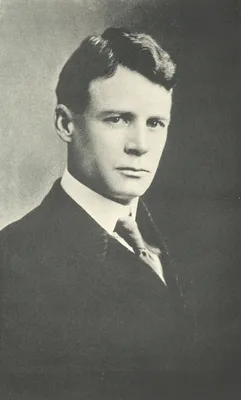
Infection, immunity and serum therapy.
1906
#2562
Die experimentelle Bakteriologie und die Infektionskrankheiten.
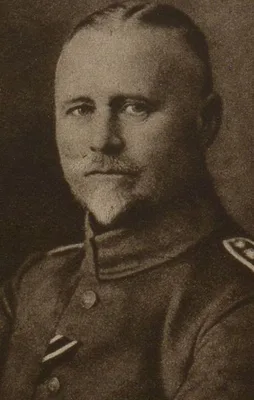
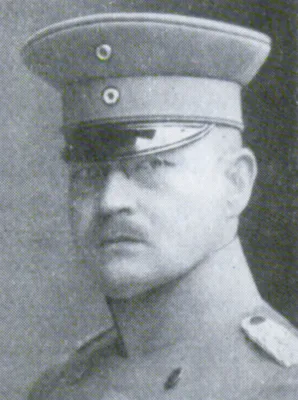
English translation, 2 vols., London, Allen & Unwin, 1934.
1906
#2563
Quelques remarques sur le lait aigri.
Metchnikoff researched the effect of lactic acid produced by Lactobacilli on other non-desirable bacteria in the digestive tract. He thus expanded Döderlein's (No. 6279) concept of "normal flora" beyond the vagina. Tr…
1906
#3890
Sexual infantilism with optic atrophy in cases of tumor affecting the hypophysis cerebri.
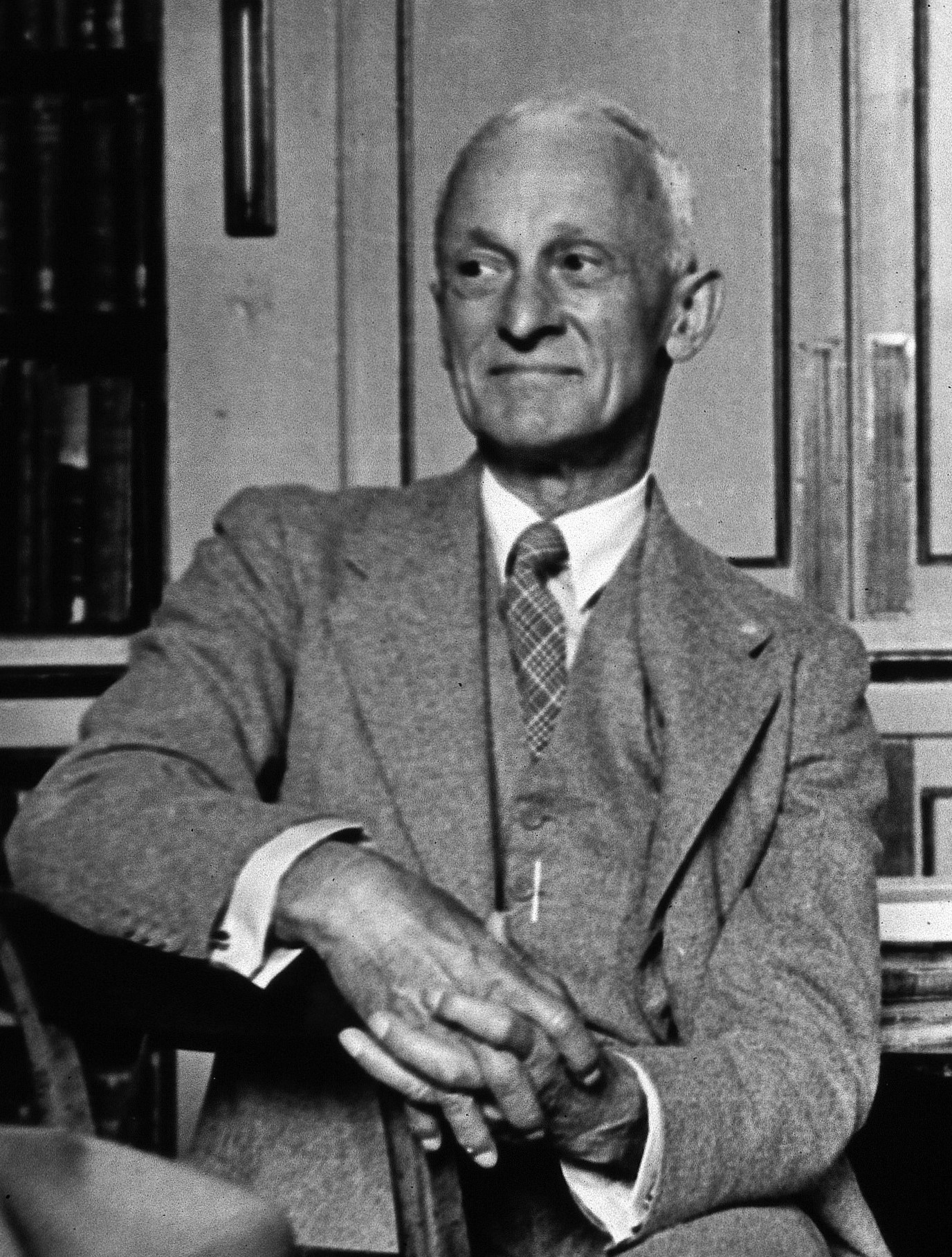
1906
#3891
Zur Frage der Operationen an der Hypophyse.
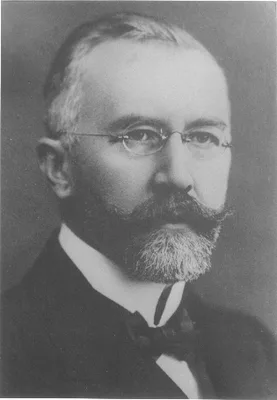
Schloffer’s Operation for acromegaly. He was the first successfully to operate upon a pituitary tumor in man (See No. 3892).
1906
#5129
Les inoculations antipesteuses.
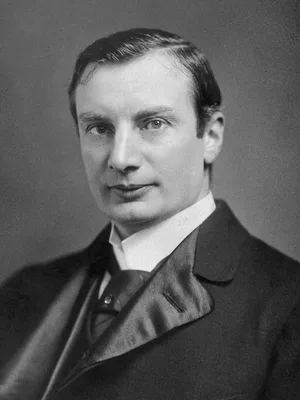
Haffkine developed an anti-bubonic plague vaccine (killed bouillon cultures), for use in man.
1906
#5531.1
A study of some tropical ulcerations of skin with particular reference to their etiology.
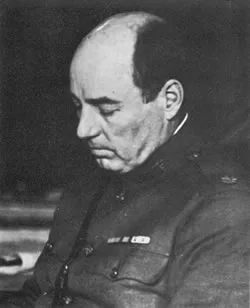
Strong described organisms consistent with Histoplasma capsulatum before Darling, although his work was overshadowed by the latter.
1907
#2594.1
Zur Frage der Serum-Ueberempfindlichkeit.
Otto discovered that a state of tolerance developed in animals that survived anaphylactic shock. He induced passive transfer of hypersensitivity.
1907
#2596
De l’anaphylaxie et de l’anti-anaphylaxie vis-à-vis du sérum de cheval.
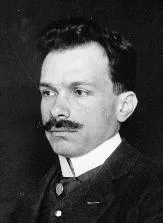
“Anti-anaphylaxis” was the term given by Besredka and Steinhardt to the specific desensitization of sensitized animals.
1907
#2597
Contribution à l’étude du “phénomène d’Arthus.”
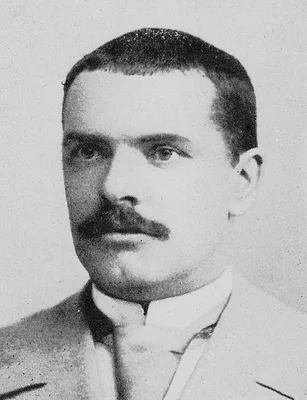
“Passive” anaphylaxis first demonstrated.
1907
#2598
Klinische Studien über Vakzination und vakzinale Allergie.
Pirquet suggested the word “Allergie”; see also his paper with this title in Münich. med. Wschr., 1906, 53, 1457-58.
1907
#2599
De l’anaphylaxie en général et de l’anaphylaxie par la mytilocongestine en particulier.
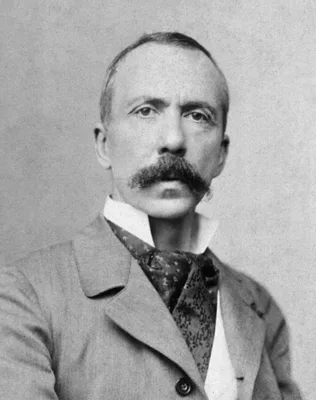
In 1913 Richet was awarded the Nobel Prize in Physiology or Medicine "in recognition of his work on anaphylaxis."
1907
#2564.1
Immunochemistry. The application of the principles of physical chemistry to the study of the biological antibodies.
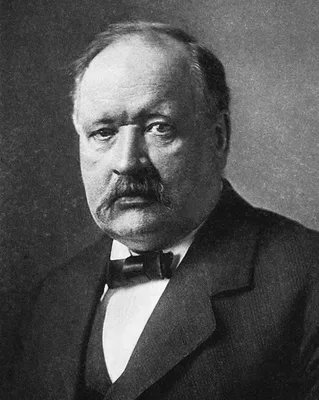
Arrhenius defined immunochemistry, and laid out its frontiers.
1907
#3186
Bronchoskopie und bronchoskopische Behandlung von Bronchialasthma.
Introduction of therapeutic bronchoscopy, for treatment of asthma.
1907
#2714
Multiple hereditary developmental angiomata (telangiectases) of the skin and mucous membranes associated with recurring haemorrhages.
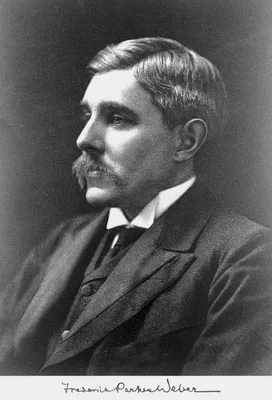
“Rendu–Osler–Weber disease.”
1907
#3843
L’infantilisme vrai.
Brissaud described thyroid infantilism.
1907
#3868
On suprarenal sarcoma in children with metastases in the skull.
Hutchison’s tumors.
1907
#3892
Erfolgreiche Operation eines hypophysen Tumors auf nasalem Wege.
Schloffer’s Operation by the nasal route.
1907
#4141
Fall zur Diagnose (Poikiloderma vascularis atrophicans).
First description.
1907
#4142
Innesto positivo con filtrato de verruca volgare.
Ciuffo presented the first demonstration that a cell-free agent could induce a human tumor. He induced human warts on his own hand with a bacteria-free filtrate (a virus) prepared from excised wart tissue. The signifi…